
Electric vehicles are transforming Spanish roads, and their technical features are increasingly relevant to DGT theory exams. This guide breaks down essential concepts like charging capabilities, battery types, and ADAS integration, helping you answer modern vehicle-related questions with confidence. Prepare yourself for the future of driving by understanding how these innovations influence road safety and vehicle operation under current Spanish regulations.
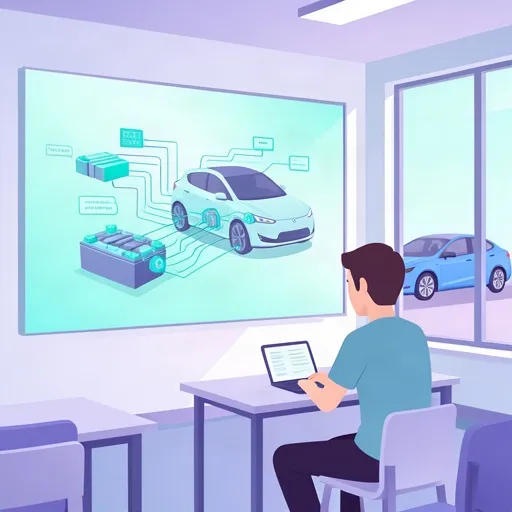
Article content overview
As the Spanish automotive landscape shifts toward sustainability, understanding the technical nuances of electric vehicles (EVs) has become an essential part of the DGT theory curriculum. The Dirección General de Tráfico (DGT) now incorporates questions on modern powertrain efficiency, battery technology, and Advanced Driver-Assistance Systems (ADAS) to ensure new drivers are prepared for the technological realities of today’s roads.
Electric vehicles operate fundamentally differently from internal combustion engine vehicles. Instead of relying on a complex transmission and fuel combustion, EVs utilize an electric motor and high-capacity battery packs. In the context of your DGT exam, you should be familiar with how these components influence vehicle behavior. For instance, the transition from NCM (Nickel-Cobalt-Manganese) to LFP (Lithium-Iron-Phosphate) battery chemistry—a common trend in newer vehicle models—often results in different charging profiles and efficiency characteristics that can impact your driving range and infrastructure planning.
The measure of how effectively an electric vehicle converts electrical energy stored in its battery into kinetic energy to move the wheels, while minimizing heat loss and energy waste.
Aerodynamic efficiency is another critical factor. Many modern electric vehicles are designed with specific drag coefficients that help them achieve higher range figures. On the road, this translates to better energy consumption at motorway speeds. Remember that constant high-speed driving significantly reduces an EV's range, a concept frequently tested in relation to eco-driving practices.
The DGT has been a pioneer in integrating ADAS (Advanced Driver-Assistance Systems) into both the theoretical and practical training for new drivers. These systems, such as automated emergency braking, lane-keeping assist, and parking sensors, are no longer considered luxury add-ons but essential safety features in modern Spanish vehicles.
Always remember that regardless of how advanced a vehicle's ADAS features are, the driver remains legally responsible for the safe control of the vehicle at all times. Technology acts as a support system, not a replacement for human judgment.
In the theory exam, you may encounter questions regarding how these systems function during normal driving. For example, understanding how a vehicle utilizes external cameras and radar to maintain a safe distance from other road users is vital. These systems are part of the broader strategy to align Spanish road safety with European Union sustainability and safety standards.
For the DGT test, you must understand the basics of vehicle charging. Charging power is typically measured in kilowatts (kW), and the time required for a 10-80% charge varies significantly depending on the battery type and the capacity of the charging station. Whether you are using a public station or home equipment, safety protocols for connecting and disconnecting remain a core part of the theory curriculum.
Furthermore, the DGT keeps a close watch on the legal status of all light vehicles. If you are operating a Vehicle of Personal Mobility (VMP), such as an electric scooter, you are subject to specific municipal ordinances and national traffic laws regarding speed limits, alcohol consumption, and forbidden transit zones like motorways or tunnels.
| Feature | NCM Battery | LFP Battery |
|---|---|---|
| Typical Use | Long-range performance | Standard, durable range |
| Charging Speed | Generally higher power | Moderate, consistent |
| Lifecycle | Moderate | High durability |
As you prepare for the examination, focus on how these modern innovations interact with established traffic rules. The DGT expects you to understand that while vehicles are becoming more autonomous and sustainable, the fundamental principles of priority, speed limit compliance, and defensive driving remain the cornerstone of road safety in Spain. Always stay updated with the latest legislative changes, as the DGT regularly incorporates new technologies into the national testing pool.
This article covers essential electric vehicle technology for the Spanish DGT theory exam, focusing on powertrain efficiency differences between NCM and LFP battery chemistries, with NCM favoring performance and LFP prioritizing durability. ADAS systems are presented as mandatory safety features that enhance but never replace driver responsibility, a key exam point. The content explains charging basics measured in kilowatts and highlights how driving style affects range, particularly at motorway speeds. It also clarifies that Personal Mobility Vehicles have their own specific regulations under Spanish traffic law, separate from conventional vehicle requirements.
A short set of high-value points that capture the most important ideas from this article.
Electric vehicles use electric motors and battery packs instead of internal combustion engines, with efficiency measured by how well they convert stored electrical energy to wheel movement
NCM batteries typically offer higher power and longer range, while LFP batteries provide greater durability and consistent performance over their lifecycle
ADAS features like automated emergency braking and lane-keeping assist are mandatory safety systems in modern Spanish vehicles, not optional extras
Regardless of ADAS sophistication, the driver retains full legal responsibility for vehicle control at all times
Personal Mobility Vehicles (VMP) such as electric scooters are subject to specific municipal and national traffic regulations in Spain
Charging power is measured in kilowatts (kW), and charging time varies by battery type and station capacity
High-speed motorway driving significantly reduces EV range due to aerodynamic drag
Eco-driving techniques help maximize energy efficiency and extend driving range
VMPs are prohibited from motorways, tunnels, and other restricted zones under Spanish traffic law
Regenerative braking recovers energy during deceleration to improve overall efficiency
Assuming ADAS features replace the need for driver attention; technology supports but does not replace human judgment
Confusing NCM and LFP battery characteristics; LFP is not necessarily inferior but trades peak power for durability
Underestimating the impact of speed on EV range; constant high-speed driving drains the battery faster than urban driving
Overlooking that VMP users face the same alcohol limits as motor vehicle drivers under Spanish regulations
Believing that all EVs charge at the same rate regardless of battery chemistry or charging station capacity
Article content overview
A short set of high-value points that capture the most important ideas from this article.
Electric vehicles use electric motors and battery packs instead of internal combustion engines, with efficiency measured by how well they convert stored electrical energy to wheel movement
NCM batteries typically offer higher power and longer range, while LFP batteries provide greater durability and consistent performance over their lifecycle
ADAS features like automated emergency braking and lane-keeping assist are mandatory safety systems in modern Spanish vehicles, not optional extras
Regardless of ADAS sophistication, the driver retains full legal responsibility for vehicle control at all times
Personal Mobility Vehicles (VMP) such as electric scooters are subject to specific municipal and national traffic regulations in Spain
Charging power is measured in kilowatts (kW), and charging time varies by battery type and station capacity
High-speed motorway driving significantly reduces EV range due to aerodynamic drag
Eco-driving techniques help maximize energy efficiency and extend driving range
VMPs are prohibited from motorways, tunnels, and other restricted zones under Spanish traffic law
Regenerative braking recovers energy during deceleration to improve overall efficiency
Assuming ADAS features replace the need for driver attention; technology supports but does not replace human judgment
Confusing NCM and LFP battery characteristics; LFP is not necessarily inferior but trades peak power for durability
Underestimating the impact of speed on EV range; constant high-speed driving drains the battery faster than urban driving
Overlooking that VMP users face the same alcohol limits as motor vehicle drivers under Spanish regulations
Believing that all EVs charge at the same rate regardless of battery chemistry or charging station capacity
Explore related topics, search based questions, and concepts that learners often look up when studying Electric Vehicles in DGT Theory. These themes reflect real search intent and help you understand how this topic connects to wider driving theory knowledge in Spain.
Find clear and practical answers to common questions learners often have about Electric Vehicles in DGT Theory. This section helps explain difficult points, remove confusion, and reinforce the key driving theory concepts that matter for learners in Spain.
The DGT includes questions on modern vehicle technology, including electric mobility and ADAS, to ensure new drivers understand how these systems affect vehicle operation and road safety.
LFP and NCM represent different battery chemistries used in EVs that influence range, charging speed, and longevity, which are important technical factors in modern automotive theory.
Lower drag coefficients allow electric vehicles to maintain higher range by reducing energy consumption at highway speeds, a key principle of sustainable driving taught in theory modules.
Yes, the DGT incorporates ADAS training into both theoretical and practical education to help drivers understand safety features like automatic emergency braking and lane assist.
Now that you have found specific articles, continue to deepen your understanding by exploring related DGT regulations or other driving theory topics. Strengthen your knowledge of road signs, traffic scenarios, and essential Spanish driving procedures to prepare for your official driving license exam.