
Proper headlight care is far more than a cosmetic choice; it is a fundamental safety responsibility and a key requirement of the Inspección Técnica de Vehículos (ITV). By understanding how lens degradation affects light output and beam projection, drivers can ensure they meet DGT safety standards and avoid serious defects during their mandatory vehicle inspections.
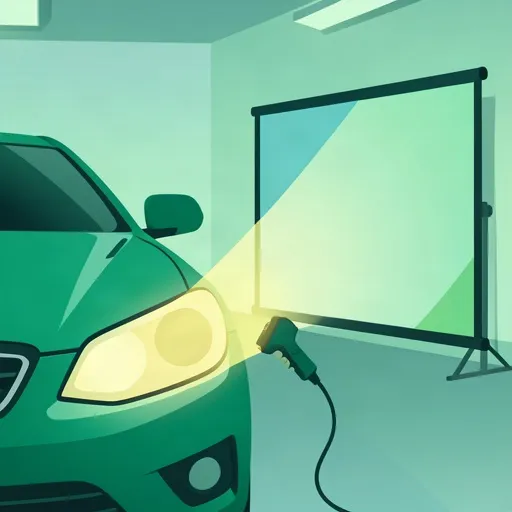
Article content overview
In Spain, the Inspección Técnica de Vehículos (ITV) is not merely a bureaucratic requirement; it is a fundamental safety barrier designed to ensure that every vehicle circulating on public roads meets minimum technical standards. Among the various components inspected, vehicle lighting systems—specifically your headlights—are subject to rigorous scrutiny. For any learner preparing for their DGT driving theory exam, understanding that headlight maintenance is a legal duty is just as important as knowing traffic rules or road signs.
The DGT emphasizes that all illumination and signaling devices must be in perfect working order. Headlights serve two primary functions: to illuminate the path ahead for the driver and to ensure the vehicle is visible to other road users, including pedestrians and oncoming traffic. When headlight lenses become cloudy, yellowed, or opaque, they drastically reduce the intensity of the light beam. This is not just a visibility issue; it is a safety hazard that can lead to uncontrolled light dispersion, causing glare for other drivers and significantly increasing the risk of accidents during night driving or in low-visibility conditions.
Cloudy or yellowed headlight lenses are classified as a "defecto grave" (serious defect) during the ITV inspection. If your vehicle fails for this reason, you are legally required to repair or replace the components before you can pass the inspection and legally circulate.
When you arrive at an ITV station, the technicians verify that all lights—including high beams, low beams, and indicators—function correctly and are properly aligned. A common point of failure is "luminous intensity loss." Over time, the polycarbonate material of modern headlights degrades due to environmental factors like ultraviolet (UV) radiation and minor abrasions from gravel or road debris. While many drivers view this as a purely aesthetic problem, the ITV standards view it as a failure of the safety equipment to perform as intended.
The law mandates that the owner of the vehicle is responsible for its maintenance. In the context of the theory exam, you must remember that you are not allowed to operate a vehicle that does not meet the technical conditions required for its category. This includes having a valid ITV card and ensuring that all mandatory equipment—such as lighting—is operational. Neglecting these checks can lead to penalties and, more importantly, put you and others in danger on the road.
The Inspección Técnica de Vehículos is the mandatory periodic inspection in Spain that ensures vehicles meet the technical and safety conditions necessary to circulate on public roads.
During the DGT theory exam, you may encounter questions regarding vehicle maintenance and the obligations of the driver. Examiners often test your knowledge on whether a vehicle is "safe to circulate." It is crucial to internalize that safety equipment maintenance is not optional. A car with degraded headlights is technically "unsafe" because it cannot provide adequate visibility, and therefore, it cannot be legally approved by the ITV. By proactively maintaining your vehicle, you ensure not only exam success but also contribute to the overall safety of the Spanish road network.
Vehicle headlights are a critical safety component inspected during the Spanish ITV (Inspección Técnica de Vehículos), and degraded lenses are classified as serious defects (defecto grave) that result in immediate inspection failure. The DGT mandates that all lighting—including high beams, low beams, and indicators—must function correctly and maintain proper luminous intensity to ensure both driver visibility and being seen by others. Environmental factors like UV radiation cause polycarbonate lenses to yellow and lose brightness over time, reducing light output and creating uncontrolled dispersion that can blind oncoming traffic. Drivers bear full legal responsibility for maintaining their vehicle's technical condition, including proactive restoration or replacement of cloudy headlight lenses before the ITV appointment.
A short set of high-value points that capture the most important ideas from this article.
Cloudy or yellowed headlight lenses are classified as a 'defecto grave' (serious defect) and will cause your vehicle to fail the ITV inspection
Headlights serve dual safety functions: illuminating the road ahead and making your vehicle visible to other road users
The DGT requires all illumination and signaling devices to be in perfect working order for legal road circulation
Environmental factors like UV radiation and road debris cause polycarbonate headlight lenses to degrade over time, reducing light intensity
Owners are legally responsible for ensuring their vehicle meets all technical conditions required for its category, including lighting equipment
A vehicle with degraded headlights that cannot provide adequate visibility is technically 'unsafe' and cannot pass the ITV
Luminous intensity loss due to lens clouding is a specific failure point checked during ITV inspections
Proper beam projection must not blind oncoming traffic—alignment matters as much as brightness
Headlight maintenance is not optional; it is a mandatory legal duty under Spanish road law
You must repair or replace defective lighting components before you can legally circulate after an ITV failure
Assuming cloudy headlights are only a cosmetic issue rather than a safety defect
Neglecting to check headlight alignment, which can cause glare for other drivers even if bulbs work
Believing that any functioning bulb means the lighting system will pass ITV standards
Waiting until ITV appointment to address visible lens degradation instead of proactively maintaining them
Forgetting that the ITV sticker must be correctly placed and visible after passing inspection
Article content overview
A short set of high-value points that capture the most important ideas from this article.
Cloudy or yellowed headlight lenses are classified as a 'defecto grave' (serious defect) and will cause your vehicle to fail the ITV inspection
Headlights serve dual safety functions: illuminating the road ahead and making your vehicle visible to other road users
The DGT requires all illumination and signaling devices to be in perfect working order for legal road circulation
Environmental factors like UV radiation and road debris cause polycarbonate headlight lenses to degrade over time, reducing light intensity
Owners are legally responsible for ensuring their vehicle meets all technical conditions required for its category, including lighting equipment
A vehicle with degraded headlights that cannot provide adequate visibility is technically 'unsafe' and cannot pass the ITV
Luminous intensity loss due to lens clouding is a specific failure point checked during ITV inspections
Proper beam projection must not blind oncoming traffic—alignment matters as much as brightness
Headlight maintenance is not optional; it is a mandatory legal duty under Spanish road law
You must repair or replace defective lighting components before you can legally circulate after an ITV failure
Assuming cloudy headlights are only a cosmetic issue rather than a safety defect
Neglecting to check headlight alignment, which can cause glare for other drivers even if bulbs work
Believing that any functioning bulb means the lighting system will pass ITV standards
Waiting until ITV appointment to address visible lens degradation instead of proactively maintaining them
Forgetting that the ITV sticker must be correctly placed and visible after passing inspection
Explore related topics, search based questions, and concepts that learners often look up when studying Headlights and ITV Safety Compliance. These themes reflect real search intent and help you understand how this topic connects to wider driving theory knowledge in Spain.
Find clear and practical answers to common questions learners often have about Headlights and ITV Safety Compliance. This section helps explain difficult points, remove confusion, and reinforce the key driving theory concepts that matter for learners in Spain.
Yes, if the headlight lenses are sufficiently cloudy or opaque to reduce light intensity or cause incorrect beam dispersion, they are classified as a serious defect during the ITV, which will result in a failed inspection.
Headlights are critical for visibility and for signalling your presence to other drivers. Poorly maintained lights reduce your ability to see the road at night and can cause dangerous glare for oncoming traffic.
Absolutely. Under Spanish traffic regulations, the driver is responsible for maintaining all illumination and signaling devices in proper working order to ensure safety for themselves and other road users.
Now that you have found specific articles, continue to deepen your understanding by exploring related DGT regulations or other driving theory topics. Strengthen your knowledge of road signs, traffic scenarios, and essential Spanish driving procedures to prepare for your official driving license exam.