
This lesson details the correct use of vehicle lighting systems, a critical component of safe driving and hazard perception in Switzerland. You will learn the legal requirements for using low-beam, high-beam, and fog lights in various conditions, preparing you for both the Category B theory exam and real-world night or adverse weather driving.

Lesson content overview
Effective vehicle lighting is fundamental to road safety. It serves a dual purpose: enabling the driver to clearly see the road ahead and ensuring that the vehicle itself is visible to other road users. This comprehensive lesson, part of your Swiss Category B Driving Theory Course, explores the various lighting systems on a vehicle, their correct application, and the legal requirements governing their use on Swiss roads. Mastering proper lighting usage significantly enhances visibility and safety, particularly in low-light conditions or adverse weather.
Vehicle lighting systems are integral to visual communication between road users. They provide essential information about a vehicle's presence, position, and intended maneuvers. Without appropriate illumination, visibility dramatically decreases, leading to misjudgments, increased collision risk, and potential legal penalties.
The core principles guiding the use of vehicle lights are visibility and conspicuity. Visibility refers to the driver's ability to see the road environment, including other vehicles, pedestrians, and obstacles. Conspicuity, on the other hand, is the degree to which a vehicle is noticeable to others. Both are equally important for safe driving. Effective lighting management also involves glare management, preventing excessive light from blinding or dazzling other drivers, and light adaptation, adjusting lighting based on changing road, weather, and traffic conditions. These principles are enshrined in legal obligations outlined in the Swiss Road Traffic Act (SVG) and related ordinances, ensuring uniform compliance and safety across all drivers.
Headlamps are the primary forward-facing lights on a vehicle, essential for illuminating the path ahead and making your vehicle visible to oncoming traffic. Understanding the differences between beam types and their appropriate usage is critical.
Low-beam headlights, also known as dipped beam, project a wide, short-range illumination pattern. This design is specifically engineered to minimize glare for drivers of oncoming vehicles, ensuring their vision is not impaired.
High-beam headlights, or main beam, project a longer, more focused beam to illuminate a greater distance ahead. This significantly improves a driver's ability to spot hazards from further away.
Many modern vehicles are equipped with automatic headlamp systems that detect ambient light levels and activate the headlights accordingly. While convenient, drivers must remember that these systems do not replace their responsibility.
Fog lights are auxiliary lighting devices designed to enhance visibility in conditions of severely reduced visibility, such as dense fog, heavy rain, or thick snowfall. They are distinct from regular headlights and must be used judiciously.
Front fog lights are positioned low on the vehicle and emit a broad, flat beam that illuminates the road surface directly ahead, cutting through low-lying moisture more effectively than standard headlights.
Rear fog lights are brighter red lights located at the rear of the vehicle. Their purpose is to make your vehicle more visible to following traffic in conditions of extremely poor visibility.
Clear communication of your intentions is vital for safe driving. Turn signals and hazard warning lights are indispensable tools for signaling your planned movements or warning others of a potential danger.
Turn signals, often called indicators, are flashing lights used to communicate your intention to turn, change lanes, or pull over.
Hazard warning lights, activated by a single button, cause all turn signals to flash simultaneously. They are used to warn other road users of a stationary or slow-moving vehicle that poses a potential hazard.
While headlamps focus on the front, rear lights are equally critical for ensuring your vehicle is visible from behind. Daytime running lights (DRL) play a specific role in enhancing conspicuity during daylight hours.
Rear lights primarily consist of tail lights and brake lights, each serving a distinct communication role.
Daytime running lights are low-intensity front lights that switch on automatically when the vehicle engine is running during daylight hours. Some vehicles also have rear DRLs.
Beyond the standard lighting systems, some vehicles may be fitted with auxiliary or additional lights. These are typically non-mandatory and serve specific purposes.
Compliance with Swiss traffic laws regarding vehicle lighting is not just about avoiding fines; it's about upholding road safety for everyone. The Swiss Road Traffic Act (SVG) and the Swiss Vehicle Ordinance (VZO) define precise requirements for lighting usage.
| Regulation Category | Statement | Applicability & Rationale | Correct Usage Example | Incorrect Usage Example |
|---|---|---|---|---|
| Headlamp Activation | Headlamps must be on between sunset and sunrise, in tunnels, and in adverse weather with reduced visibility. | Mandatory: Ensures vehicle visibility and driver's road perception. | Switching on low-beam when entering a long tunnel. | Driving at dusk without any headlights active. |
| Low-beam vs. High-beam | Use low-beam when oncoming vehicles or vehicles you are following are within approximately 150 meters. Use high-beam otherwise. | Mandatory: Prevents glare for other drivers while maximizing driver's view. | Dimming to low-beam as an oncoming car approaches. | Maintaining high-beam, dazzling an oncoming driver. |
| Front Fog Light Use | Permitted in dense fog, heavy rain, or snow when visibility is less than 100 meters. | Conditional: Improves driver's view of the road surface in poor conditions. | Activating front fog lights during a heavy snowstorm. | Using front fog lights on a clear, dry evening. |
| Rear Fog Light Use | Permitted when visibility for following vehicles is reduced to less than 100 meters. Must be turned off when visibility improves. | Conditional: Increases conspicuity for following traffic in severe low visibility. | Switching on rear fog light in thick, widespread fog. | Leaving rear fog light on after exiting dense fog. |
| Turn Signal Timing | Indicators must be activated at least 3 seconds before any turn or lane change. | Mandatory: Gives sufficient warning of intended maneuvers to other road users. | Signaling left well before approaching a left turn. | Swerving into a lane change without signaling. |
| Hazard Warning Lights | Use only for stationary or very slow-moving vehicles in emergencies or hazardous traffic conditions. Prohibited for normal driving. | Mandatory in emergencies: Alerts others to danger. | Activating hazard lights after a roadside breakdown. | Using hazard lights to indicate you are overtaking. |
| Brake Light Functionality | Brake lights must illuminate reliably when the brake pedal is pressed. | Mandatory: Communicates deceleration to following traffic, preventing collisions. | Regular checks to ensure all brake lights function. | Driving with a broken brake light for extended periods. |
| Daytime Running Lights (DRL) | DRLs must be operational during daytime but do not replace low-beam in low-light/tunnels. | Mandatory (functionality): Improves daytime conspicuity. | DRLs activate automatically when the engine starts during the day. | Relying on DRLs alone for night driving. |
| Automatic Lights | If equipped, automatic systems ensure basic light function, but driver remains responsible for high-beam and manual override. | Mandatory functionality: Enhances safety, but driver oversight is critical. | Manual activation of high-beam on a dark road even with auto lights. | Assuming automatic lights manage all lighting situations. |
| Auxiliary Lights | Auxiliary lights not approved for public road use are prohibited on public roads. | Prohibited (on public roads): Prevents glare and distraction for other drivers. | Using off-road spotlights only on private land. | Driving with bright auxiliary spotlights on a motorway. |
Even experienced drivers can make errors with lighting systems. Understanding these common violations is key to maintaining safety and avoiding penalties.
The correct use of lighting systems is highly contextual. Drivers must adapt their choices based on prevailing environmental and traffic conditions.
On clear nights in urban areas or on well-lit highways, low-beam headlamps are sufficient and appropriate. High-beam is unnecessary due to ample street lighting and can cause glare for other drivers.
During light precipitation, low-beam headlights should always be on to improve the vehicle's conspicuity and to better illuminate the wet road surface. Front fog lights may be used if visibility drops below 100 meters, but rear fog lights are usually not needed unless visibility is severely impacted.
In conditions of dense fog, heavy rain, or a snowstorm that significantly reduces visibility (e.g., below 100 meters), both low-beam headlights and front fog lights should be active. If the visibility for following traffic is also severely hampered, the rear fog light should be switched on, but remember to turn it off as soon as visibility improves.
When entering a tunnel, low-beam headlights must be switched on immediately, regardless of the ambient light outside. Tunnels are dark environments where your vehicle needs to be visible to others, and you need to see the tunnel environment clearly.
On motorways at night, if there is no oncoming traffic and no vehicles ahead within 150 meters, high-beam headlights can be used to maximize your sight distance due to higher speeds. However, be vigilant and ready to switch to low-beam instantly when other vehicles appear.
If your vehicle breaks down and you must stop on the side of the road or shoulder, immediately activate your hazard warning lights to alert other drivers to your stationary position and potential danger. If visibility is poor, also activate your rear fog light.
The rules governing vehicle lighting are not arbitrary; they are rooted in fundamental principles of physics, human perception, and risk management.
This lesson covers the correct use of vehicle lighting systems under Swiss traffic law for Category B learners. Low-beam headlights are mandatory whenever visibility is reduced, while high-beam may only be used on dark roads without other vehicles within 150 meters. Fog lights are restricted to conditions with less than 100 meters visibility and must not be used in clear weather. Turn signals require a minimum 3-second advance warning before any maneuver, and hazard lights are reserved exclusively for genuine emergencies or breakdowns. Understanding these rules is essential for both passing the theory exam and ensuring safety in real-world Swiss driving conditions.
A short set of high-value points that capture the most important learning from this lesson.
Low-beam headlights are mandatory from sunset to sunrise, in tunnels, and whenever visibility is reduced, including dusk, heavy rain, fog, or snow.
Switch from high-beam to low-beam when an oncoming vehicle or vehicle ahead is within approximately 150 meters to avoid dazzling other drivers.
Front fog lights may only be used when visibility drops below 100 meters due to fog, heavy rain, or snow; rear fog lights serve to warn following traffic and must be switched off when visibility improves.
Turn signals must be activated at least 3 seconds before any turn, lane change, or lateral movement and remain on until the maneuver is complete.
Daytime Running Lights (DRL) do not replace low-beam headlights at night, in tunnels, or during adverse weather conditions.
Explore all units and lessons included in this driving theory course.
The 150-meter rule: always dim high-beam when another vehicle is within approximately 150 meters ahead or oncoming.
The 100-meter visibility threshold: fog lights (front and rear) are only legally permitted when visibility is less than 100 meters.
The 3-second signal rule: turn indicators must be activated at least 3 seconds before initiating any maneuver.
DRL limitation: they improve daytime conspicuity but do not activate tail lights and provide insufficient illumination for low-light conditions.
Hazard lights are strictly for emergencies such as breakdowns or slow-moving vehicles in hazardous situations, never for normal driving maneuvers.
Failing to switch from high-beam to low-beam quickly enough when encountering oncoming traffic or following another vehicle, causing dangerous glare.
Driving without headlights during dusk, heavy rain, or in tunnels, relying solely on DRLs or ambient light, making the vehicle nearly invisible from behind.
Using fog lights in clear weather conditions, which is illegal and can cause unnecessary glare for other road users.
Forgetting to activate turn signals, signaling too late, or failing to cancel the signal after completing a maneuver, misleading other drivers.
Using hazard warning lights while driving normally to indicate parking or overtaking, which is incorrect and prohibited under Swiss traffic law.
Lesson content overview
A short set of high-value points that capture the most important learning from this lesson.
Low-beam headlights are mandatory from sunset to sunrise, in tunnels, and whenever visibility is reduced, including dusk, heavy rain, fog, or snow.
Switch from high-beam to low-beam when an oncoming vehicle or vehicle ahead is within approximately 150 meters to avoid dazzling other drivers.
Front fog lights may only be used when visibility drops below 100 meters due to fog, heavy rain, or snow; rear fog lights serve to warn following traffic and must be switched off when visibility improves.
Turn signals must be activated at least 3 seconds before any turn, lane change, or lateral movement and remain on until the maneuver is complete.
Daytime Running Lights (DRL) do not replace low-beam headlights at night, in tunnels, or during adverse weather conditions.
Explore all units and lessons included in this driving theory course.
The 150-meter rule: always dim high-beam when another vehicle is within approximately 150 meters ahead or oncoming.
The 100-meter visibility threshold: fog lights (front and rear) are only legally permitted when visibility is less than 100 meters.
The 3-second signal rule: turn indicators must be activated at least 3 seconds before initiating any maneuver.
DRL limitation: they improve daytime conspicuity but do not activate tail lights and provide insufficient illumination for low-light conditions.
Hazard lights are strictly for emergencies such as breakdowns or slow-moving vehicles in hazardous situations, never for normal driving maneuvers.
Failing to switch from high-beam to low-beam quickly enough when encountering oncoming traffic or following another vehicle, causing dangerous glare.
Driving without headlights during dusk, heavy rain, or in tunnels, relying solely on DRLs or ambient light, making the vehicle nearly invisible from behind.
Using fog lights in clear weather conditions, which is illegal and can cause unnecessary glare for other road users.
Forgetting to activate turn signals, signaling too late, or failing to cancel the signal after completing a maneuver, misleading other drivers.
Using hazard warning lights while driving normally to indicate parking or overtaking, which is incorrect and prohibited under Swiss traffic law.
Explore search topics learners often look for when studying Lighting Systems and Visibility. These topics reflect common questions about road rules, driving situations, safety guidance, and lesson level theory preparation for learners in Switzerland.
Browse additional driving theory lessons that cover connected traffic rules, road signs, and common driving situations related to this topic. Improve your understanding of how different rules interact across everyday traffic scenarios.
Explore advanced rules for using vehicle lighting systems in Switzerland, covering specific conditions like tunnels, dense fog, and challenging night driving scenarios. Understand when to use low-beam, high-beam, and fog lights to ensure safety and compliance with Swiss traffic law.
Tunnels are enclosed environments where incidents can quickly escalate. This lesson outlines the specific rules for tunnel driving: remove sunglasses, turn on dipped headlights, maintain a safe following distance, and tune the radio to the indicated frequency. It also covers the critical emergency procedures to follow in the event of a fire or breakdown inside a tunnel.
Proper visibility is paramount for the safety of large vehicles, especially at night or in poor weather. This lesson covers the full range of required lights, including headlights, indicators, brake lights, and side and rear marker lights. It also explains the function of reflectors and the mandatory high-visibility conspicuity markings that outline the vehicle's shape to other drivers.
This lesson examines the impact of weather and visibility on driving safety and speed selection. It covers how fog, rain, snow, and darkness affect visibility and reaction times, providing guidelines on adjusting speed. It also includes strategies for improving visibility, such as proper headlamp use, to ensure you can adapt to varying weather conditions.
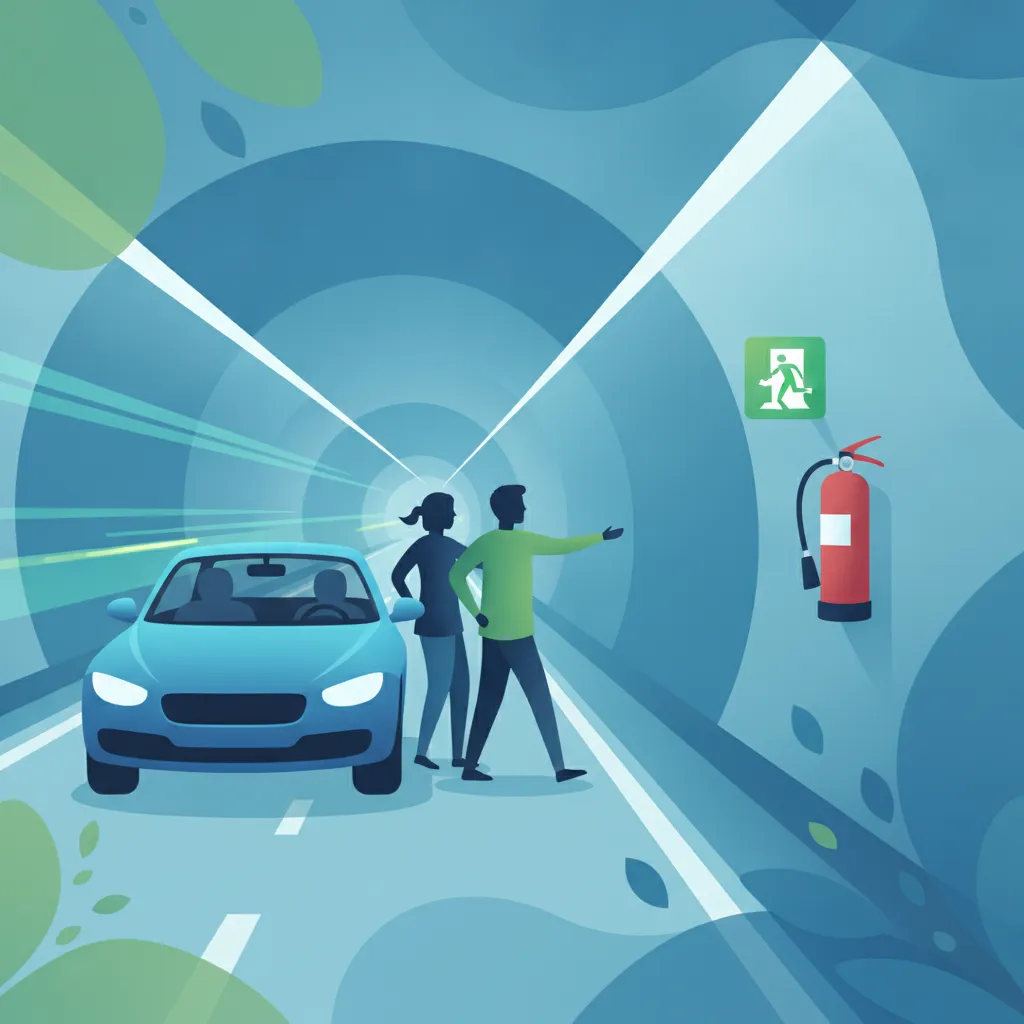
This lesson focuses on safety protocols specific to tunnel driving, explaining how to interpret tunnel signage and maintain appropriate speed. It covers how to respond to emergencies such as fires or breakdowns inside a tunnel. The content also details the location and use of emergency exits, the role of ventilation systems, and driver responsibilities.
This lesson explores the rules for driving on motorways and navigating tunnels. It covers entry and exit procedures, lane discipline, minimum speed requirements, and overtaking protocols on high-speed roads. For tunnels, the content explains speed limits, lighting, emergency exits, and ventilation requirements for safe travel.

This lesson examines the impact of various weather conditions on driving safety. It explains how to adjust speed in low visibility and the risks of aquaplaning in heavy rain. The content also covers using snow chains in snowy conditions, handling icy surfaces, and dealing with strong winds, particularly on bridges and open roads.
This lesson focuses on techniques and equipment designed to increase a motorcyclist's visibility to others. It explains the strategic use of reflective materials, high-visibility clothing, and the mandatory use of daytime running lights. Understanding how to enhance conspicuity is a critical component of proactive self-protection on the road.
Tunnels are enclosed environments with unique risks. This lesson covers the mandatory pre-entry checks, such as removing sunglasses and turning on dipped headlights. It explains the importance of maintaining a greater following distance and outlines the critical emergency procedures in case of a breakdown or fire inside a tunnel.
This lesson addresses the specific safety considerations for riding through tunnels and over bridges. It covers adapting to changes in light and temperature, being aware of tunnel emergency procedures, and anticipating the effects of crosswinds on bridges. Maintaining a steady speed and predictable path is emphasized for safety in these structures.
This lesson focuses on general driving safety in areas with a high concentration of children. It stresses the importance of significantly reducing speed, being prepared for unexpected events, and scanning for children between parked cars. The driver must exhibit maximum vigilance in these high-risk environments at all times.
Understand how different vehicle lights, including turn signals and hazard lights, communicate intentions to other road users in Switzerland. Learn how proper lighting usage enhances visibility and safety in various traffic situations.
This lesson focuses on techniques and equipment designed to increase a motorcyclist's visibility to others. It explains the strategic use of reflective materials, high-visibility clothing, and the mandatory use of daytime running lights. Understanding how to enhance conspicuity is a critical component of proactive self-protection on the road.
Proper visibility is paramount for the safety of large vehicles, especially at night or in poor weather. This lesson covers the full range of required lights, including headlights, indicators, brake lights, and side and rear marker lights. It also explains the function of reflectors and the mandatory high-visibility conspicuity markings that outline the vehicle's shape to other drivers.

This lesson introduces the core behaviour rules governing safe communication, focusing on the use of signals, mirrors, and eye contact. It emphasizes the importance of timely indicator usage and the correct procedure for checking mirrors and blind spots. The content also covers non-verbal communication cues that help convey intent and foster predictable traffic flow.
This lesson covers the standard hand signals and the correct use of a motorcycle's lighting system to communicate intentions. It explains the importance of signaling clearly and in a timely manner before turning, changing lanes, or stopping. Effective communication is a key factor in preventing misunderstandings and potential conflicts with other road users.
This lesson focuses on the concept of conspicuity, or how easily a rider can be seen by others. It explains the legal requirements for vehicle lights and reflectors in Switzerland and the benefits of wearing bright or reflective clothing. Learners will understand how to maximize their visibility during the day, at night, and in poor weather conditions.

Being seen and being able to see are critical for safety. This lesson covers the systematic check of all exterior lights, including headlights, brake lights, and indicators. It also emphasizes the importance of ensuring all mirrors and camera lenses are clean, undamaged, and properly adjusted for maximum visibility.
This lesson examines the impact of weather and visibility on driving safety and speed selection. It covers how fog, rain, snow, and darkness affect visibility and reaction times, providing guidelines on adjusting speed. It also includes strategies for improving visibility, such as proper headlamp use, to ensure you can adapt to varying weather conditions.
This lesson details the operation of traffic light systems in Switzerland. It explains the sequence and meaning of red, amber, and green lights, including flashing amber signals. The content also covers specific signals for pedestrians and the priority rules associated with tram signals to ensure safe interaction at controlled intersections.
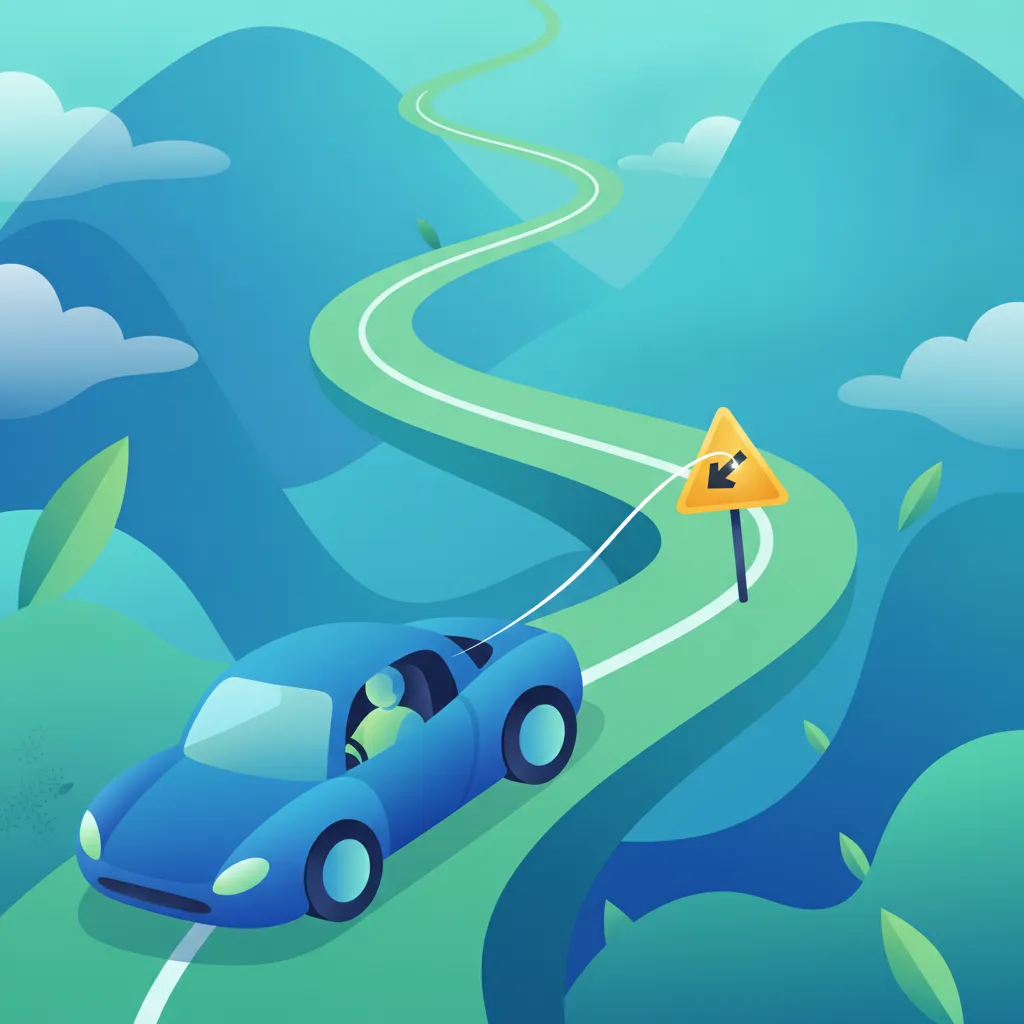
This lesson focuses on warning signs that alert drivers to potential hazards ahead, such as curves, steep descents, and roadwork zones. You will understand how these signs prompt anticipatory driving behavior, allowing for adjustments in speed and position. The content also discusses the typical placement of warning signs to help you react safely to changing conditions.
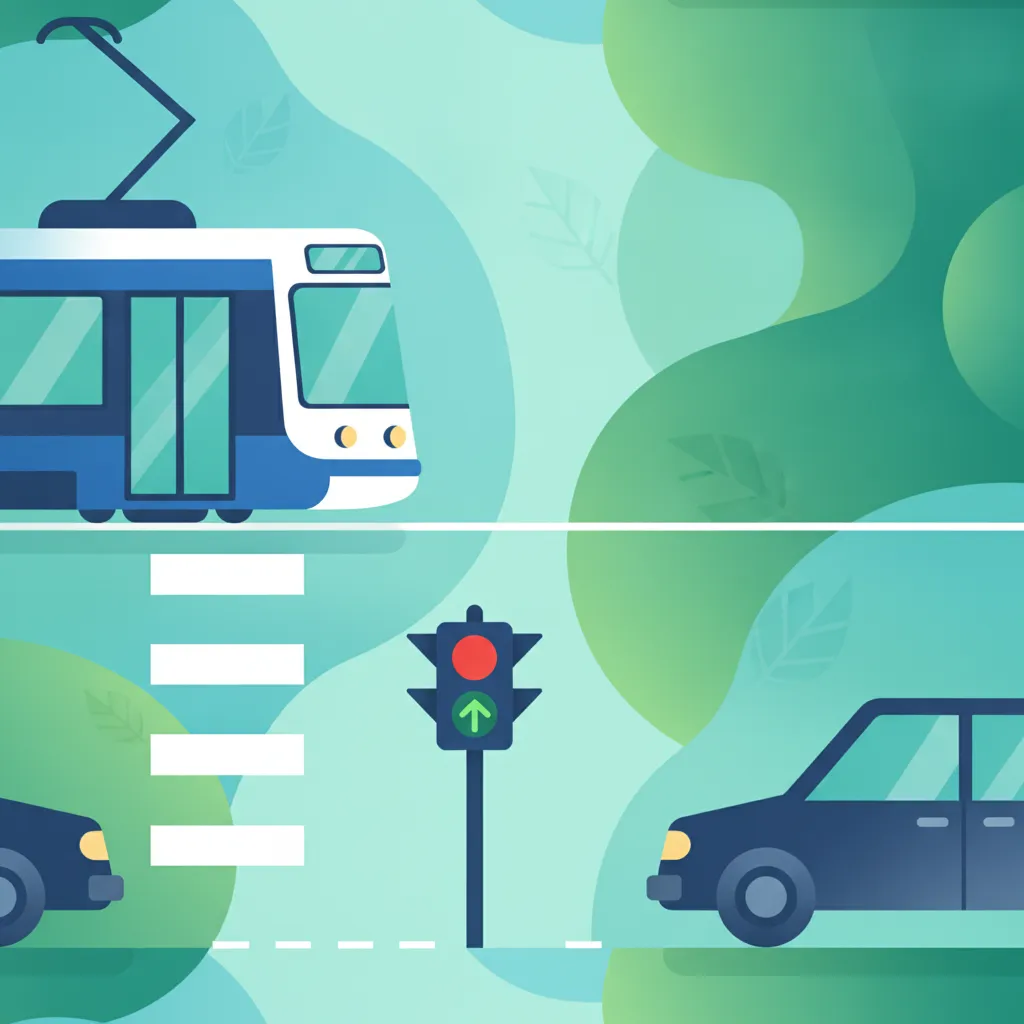
Many Swiss cities use systems that give buses priority at traffic lights to improve punctuality. This lesson explains how these systems detect an approaching bus and alter the signal phasing. You will learn to recognize and correctly respond to the special white light signals that grant this priority.
Find clear answers to common questions learners have about Lighting Systems and Visibility. Learn how the lesson is structured, which driving theory objectives it supports, and how it fits into the overall learning path of units and curriculum progression in Switzerland. These explanations help you understand key concepts, lesson flow, and exam focused study goals.
Fog lights may only be used when visibility is severely restricted due to fog, falling snow, or heavy rain. You must switch them off as soon as visibility improves to avoid dazzling other drivers.
No, parking lights are not sufficient for driving. You must use low-beam headlights or daytime running lights (DRL) as required by Swiss law to ensure you remain visible to other road users at all times.
Avoid looking directly at the approaching lights. Instead, focus your gaze on the right edge of the road to maintain your lane position until the vehicle has passed.
Yes, even in lit tunnels, it is a legal requirement in Switzerland to turn on your low-beam headlights to ensure your vehicle is visible to others.
Pinpoint specific Swiss traffic rules, road signs, or driving situations you need to master. Use the practice search to start a focused revision session now and build confidence for your official driving theory exam.