This lesson details the correct procedures for interacting with emergency vehicles in Italy, covering your legal duties when sirens or lights are active. Understanding these protocols is crucial for your Patente B theory exam and ensures you can safely navigate real-world traffic emergencies.

Lesson content overview
Driving on Italian roads, especially during your Patente B journey, requires a comprehensive understanding of how to interact with emergency vehicles. These specialized vehicles, including police cars, fire engines, and ambulances, play a critical role in public safety, responding to urgent situations where every second counts. Your ability to react correctly and safely to their presence is not just a matter of courtesy, but a fundamental legal obligation under the Codice della Strada (Italian Road Code).
This lesson will guide you through the mandatory procedures for yielding the right-of-way, ensuring a clear path for emergency responders, and maintaining overall road safety. We will explore the legal definitions, the significance of their warning signals, and the precise actions required from drivers in various situations, from urban intersections to motorways.
In Italy, several types of vehicles are designated as emergency vehicles due to their critical functions. These vehicles are equipped to handle urgent situations that directly impact public safety, health, or security. Recognizing them and understanding their priority is the first step towards safe interaction.
An Emergency Vehicle is officially defined as a vehicle equipped with specific active warning devices – both audible sirens and visual flashing lights – that is actively responding to an emergency call. When these devices are activated, the vehicle is operating in emergency response mode and is granted special privileges regarding traffic laws.
The primary categories of emergency vehicles you will encounter include:
Other first-response vehicles, such as those used by civil protection services in specific emergencies, may also qualify for emergency status when their warning devices are active. The critical factor is the active use of both sirens and flashing lights, signaling their urgent mission.
It is a common misunderstanding to assume emergency vehicles have priority only on certain roads. In fact, they always have priority when their lights and sirens are active, regardless of the road type or current traffic signals.
The underlying logic behind granting priority to emergency vehicles is straightforward: any delay could endanger lives or exacerbate critical situations. Whether it's a medical emergency, a fire, or a crime in progress, every minute counts. Your quick and correct response ensures that these responders can reach their destination without obstruction, minimizing response times and potentially saving lives or mitigating damage.
Emergency vehicles communicate their urgent status through a combination of audible and visual signals. Recognizing and understanding these signals is crucial for all drivers.
Sirens are loud, audible alarms designed to alert drivers and pedestrians to the approach of an emergency vehicle, especially when visibility might be limited or in dense traffic. Different types of emergency vehicles might use varied siren tones, but all serve the same purpose: to demand immediate attention and indicate an urgent response.
The sound of a siren can travel a significant distance, often heard before the vehicle is seen. This early warning gives drivers more time to react safely and prepare to yield.
Flashing Lights provide a clear visual indication of an emergency vehicle's active status. In Italy, these lights are typically:
These lights are usually mounted on the roof or integrated into the vehicle's body, ensuring maximum visibility from all directions. The combination of both active sirens and flashing lights unequivocally signals that the vehicle is in emergency response mode and requires the right-of-way.
Never assume that an emergency vehicle has priority with only one type of signal active. For mandatory yielding, both visual (flashing lights) and audible (sirens) signals must be active. However, always exercise caution if only one is active, as the vehicle might still be involved in a sensitive operation.
The core principle when encountering an emergency vehicle is to Yield the Right-of-Way. This means you must allow the emergency vehicle to proceed before you do, ensuring it has a clear, unobstructed path. This is not merely a suggestion; it is a mandatory legal requirement under Italian traffic law.
Upon becoming aware of an approaching emergency vehicle with active sirens and flashing lights, drivers must promptly give way. This means taking action as soon as it is safe to do so, without hesitation. Any delay can impede the emergency response.
The immediate yielding must be coupled with safe relocation. Drivers must safely move to the side of the road, stopping if necessary, ensuring that their actions do not compromise the safety of other road users. This creates the necessary clear path for the emergency vehicle.
Your movements must be smooth, deliberate, and clearly signaled. Erratic or sudden maneuvers can confuse emergency drivers, forcing them into unpredictable actions that could lead to accidents. Use your turn indicators, decelerate gradually, and choose a safe stopping point.
When an emergency vehicle approaches, knowing precisely how to maneuver your vehicle is critical for ensuring both your safety and the rapid passage of responders.
The general rule is to move your vehicle as far to the right-hand side of the carriageway as possible. This means:
Observe and Identify: As soon as you hear sirens or see flashing lights, quickly identify the direction of the emergency vehicle.
Signal Intent: Activate your right turn indicator to signal your intention to move right or pull over.
Gradual Deceleration: Slow down smoothly, checking your mirrors for other traffic.
Move to the Side: Safely steer your vehicle towards the right edge of the road or the hard shoulder.
Stop if Necessary: Bring your vehicle to a complete halt only if it's safe to do so and necessary to clear the path. Ensure you do not obstruct traffic flow more than required.
Never pull over to the left side of the road on a two-lane, two-way road, as this would put you in the path of oncoming traffic and potentially block the emergency vehicle.
If stopping is required, ensure your vehicle comes to a complete halt in a location that does not create new hazards.
Intersections present unique challenges when emergency vehicles are involved, largely due to conflicting traffic flows and signals.
Drivers must not enter or remain within an intersection if an emergency vehicle is approaching and likely to cross it. Even if you have a green light, you must stop before the intersection to allow the emergency vehicle to pass. If you are already in the intersection when an emergency vehicle approaches, you should safely proceed through and then pull over to yield, ensuring you don't stop mid-intersection.
An emergency vehicle with active lights and sirens effectively overrides all other traffic signals. This means it has the right to proceed through a red light or stop sign. Your role is to ensure its path is clear, even if it means momentarily disregarding a green light to avoid entering an intersection it is about to cross.
Effective communication with other drivers and emergency personnel is vital to ensure a smooth and safe process.
When yielding to an emergency vehicle, always use your Turn Indicator well in advance if you need to change lanes or pull over. This informs not only the emergency vehicle driver but also other road users behind and beside you of your intended movement, helping to prevent sudden braking or collisions.
In an emergency situation, other drivers may also be reacting. Stay aware of your surroundings, checking your mirrors and blind spots before making any maneuvers. Avoid assumptions about what other drivers will do; maintain safe following distances and be prepared for their reactions.
The Codice della Strada outlines strict rules for interacting with emergency vehicles to ensure public safety and efficient emergency response. Failing to adhere to these rules can result in significant penalties.
Drivers are legally required to give way to any emergency vehicle (Polizia, Vigili del Fuoco, Ambulanza) approaching with active sirens and flashing lights. This applies universally across all road types, at all times, and under all traffic conditions.
When an emergency vehicle approaches, you must move as far to the right side of the carriageway as safely possible, or onto the hard shoulder if available, and stop if necessary. This creates an unobstructed passage.
You must not enter or remain in an intersection if an emergency vehicle is approaching and is likely to cross it. Clear the intersection if already inside, then yield.
Always signal your intention to change lanes or pull over using your turn indicators well in advance. This ensures clear communication with other road users and emergency personnel.
It is strictly prohibited to overtake an emergency vehicle that is moving with its sirens and lights active. Doing so can impede its progress and create a high risk of collision. Maintain a safe distance behind it.
When an emergency vehicle is stopped on the roadside, for example, attending to an accident or incident, you must maintain a safe distance and reduce your speed significantly when passing. If the lane is narrow, avoid overtaking altogether or pass with extreme caution to ensure the safety of emergency responders working outside their vehicle.
Understanding common violations helps drivers avoid them, enhancing safety for everyone on the road.
Your yielding actions should always be adapted to the specific conditions you face, ensuring safety remains paramount.
The correct interaction with emergency vehicles has direct and significant consequences for safety and the efficiency of emergency services.
The time it takes for a driver to perceive a hazard, process the information, decide on an action, and initiate that action. On average, human reaction time is about 1.5 seconds. Early yielding minimizes the need for emergency drivers to react to sudden obstacles.
The scientific principles governing the distance a vehicle travels before coming to a complete halt, which depends on speed, road conditions, and vehicle weight. Moving to the side allows for a safer, more controlled deceleration.
This lesson builds upon several foundational concepts covered in other parts of your Italian Patente B theory course:
Understanding these interconnected topics ensures a holistic grasp of safe driving practices and prepares you thoroughly for your Italian Patente B theory test.
Italian traffic law mandates that drivers yield to emergency vehicles (police, fire brigade, ambulances) responding with active sirens and flashing lights. The correct procedure is to observe and identify the vehicle's direction, signal your intent with turn indicators, decelerate smoothly, and move as far right as possible before stopping if needed. On motorways, use the hard shoulder; in heavy traffic, create an emergency corridor by moving to both sides. Never block intersections, overtake moving emergency vehicles, or pull over to the left. These rules are directly testable on the Patente B theory exam and essential for safe real-world driving.
A short set of high-value points that capture the most important learning from this lesson.
Emergency vehicles always have priority when both sirens AND flashing lights are active, regardless of road type or traffic signals.
Upon recognizing an emergency vehicle, immediately move to the right-hand side of the road and stop if necessary.
Blue flashing lights indicate police vehicles; red flashing lights indicate fire brigade and ambulances.
Never enter or remain in an intersection if an emergency vehicle is likely to cross it, even if you have a green light.
It is strictly prohibited to overtake a moving emergency vehicle with active signals.
Explore all units and lessons included in this driving theory course.
Move as far right as possible on all roads; use the hard shoulder on motorways.
Both visual (flashing lights) and audible (sirens) signals must be active for mandatory yielding.
Never pull over to the left side on two-way roads—it obstructs emergency vehicles and creates oncoming traffic hazards.
In heavy stopped traffic, create an emergency corridor by moving to both the left and right sides.
When passing a stopped emergency vehicle, reduce speed and maintain a safe distance.
Slowing down abruptly but staying in the center of the lane, forcing the emergency vehicle to brake.
Pulling over to the left side on a two-way road, putting yourself in the path of oncoming traffic.
Entering or remaining in an intersection when an emergency vehicle approaches from another direction.
Failing to use turn indicators when yielding, confusing other drivers and emergency personnel.
Running a red light dangerously to clear the way without verifying cross-traffic safety.
Lesson content overview
A short set of high-value points that capture the most important learning from this lesson.
Emergency vehicles always have priority when both sirens AND flashing lights are active, regardless of road type or traffic signals.
Upon recognizing an emergency vehicle, immediately move to the right-hand side of the road and stop if necessary.
Blue flashing lights indicate police vehicles; red flashing lights indicate fire brigade and ambulances.
Never enter or remain in an intersection if an emergency vehicle is likely to cross it, even if you have a green light.
It is strictly prohibited to overtake a moving emergency vehicle with active signals.
Explore all units and lessons included in this driving theory course.
Move as far right as possible on all roads; use the hard shoulder on motorways.
Both visual (flashing lights) and audible (sirens) signals must be active for mandatory yielding.
Never pull over to the left side on two-way roads—it obstructs emergency vehicles and creates oncoming traffic hazards.
In heavy stopped traffic, create an emergency corridor by moving to both the left and right sides.
When passing a stopped emergency vehicle, reduce speed and maintain a safe distance.
Slowing down abruptly but staying in the center of the lane, forcing the emergency vehicle to brake.
Pulling over to the left side on a two-way road, putting yourself in the path of oncoming traffic.
Entering or remaining in an intersection when an emergency vehicle approaches from another direction.
Failing to use turn indicators when yielding, confusing other drivers and emergency personnel.
Running a red light dangerously to clear the way without verifying cross-traffic safety.
Explore search topics learners often look for when studying Interaction with Emergency Vehicles and Protocols. These topics reflect common questions about road rules, driving situations, safety guidance, and lesson level theory preparation for learners in Italy.
Browse additional driving theory lessons that cover connected traffic rules, road signs, and common driving situations related to this topic. Improve your understanding of how different rules interact across everyday traffic scenarios.
Explore specific and challenging scenarios involving emergency vehicles on Italian roads. Learn about correct procedures in adverse weather, urban congestion, and when encountering stationary emergency responders, as required by the Italian Codice della Strada.
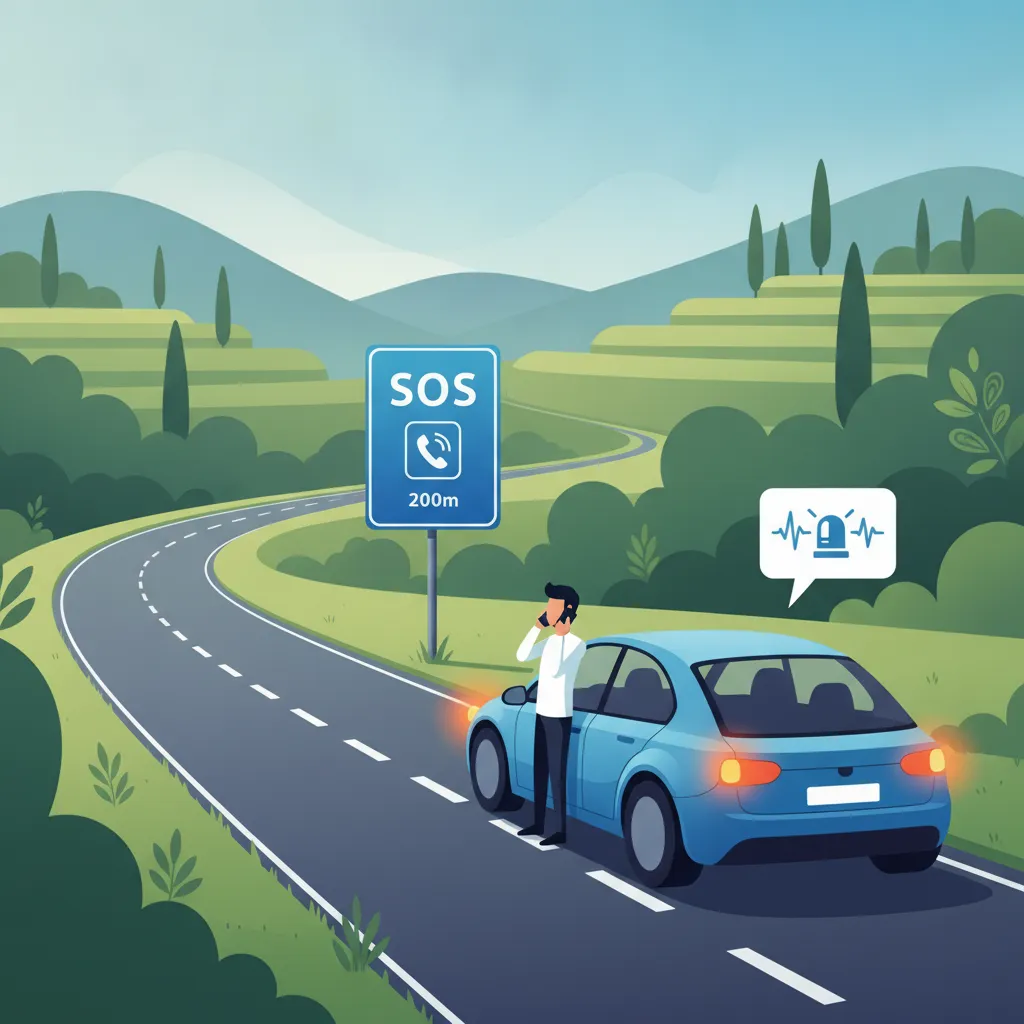
This lesson outlines the proper conduct when encountering emergency vehicles on the road or interacting with responders at an incident. It details the rules for yielding the right-of-way to ambulances, police, and fire services, ensuring they have a clear path. You will also learn how to provide clear and concise information to authorities to facilitate an effective emergency response.

This lesson clarifies the special priority rules for emergency vehicles and public transport. It explains the legal obligation to safely pull over and clear a path for any vehicle with active sirens and flashing lights. The content also details the absolute right-of-way that trams have in most situations and the requirement to yield to public buses signaling to pull out from a stop.
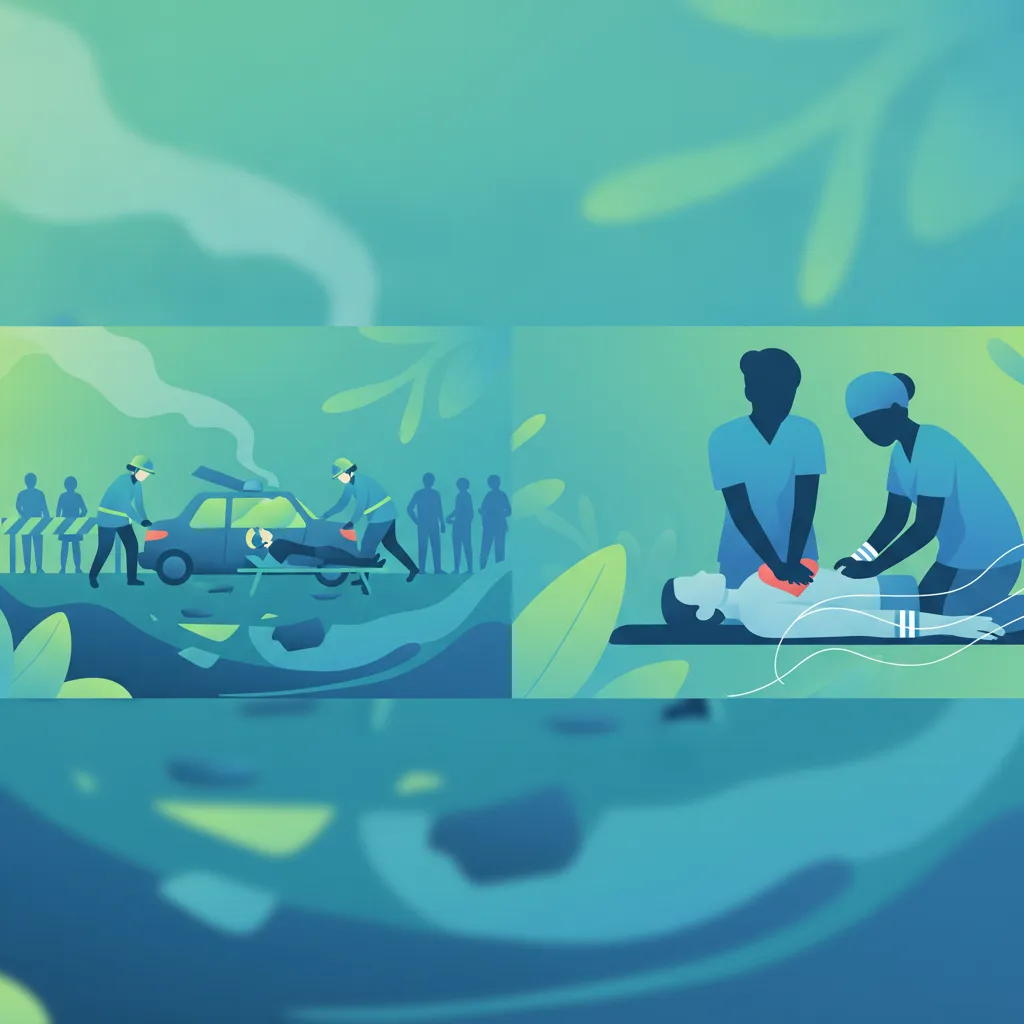
This lesson provides critical guidance on how to respond in the event of a traffic accident. It outlines the immediate steps to take, such as securing the scene with a warning triangle and hazard lights, and calling the emergency services. The content also covers the legal obligation to assist the injured and provides an introduction to basic first aid principles that can be applied until professional help arrives.
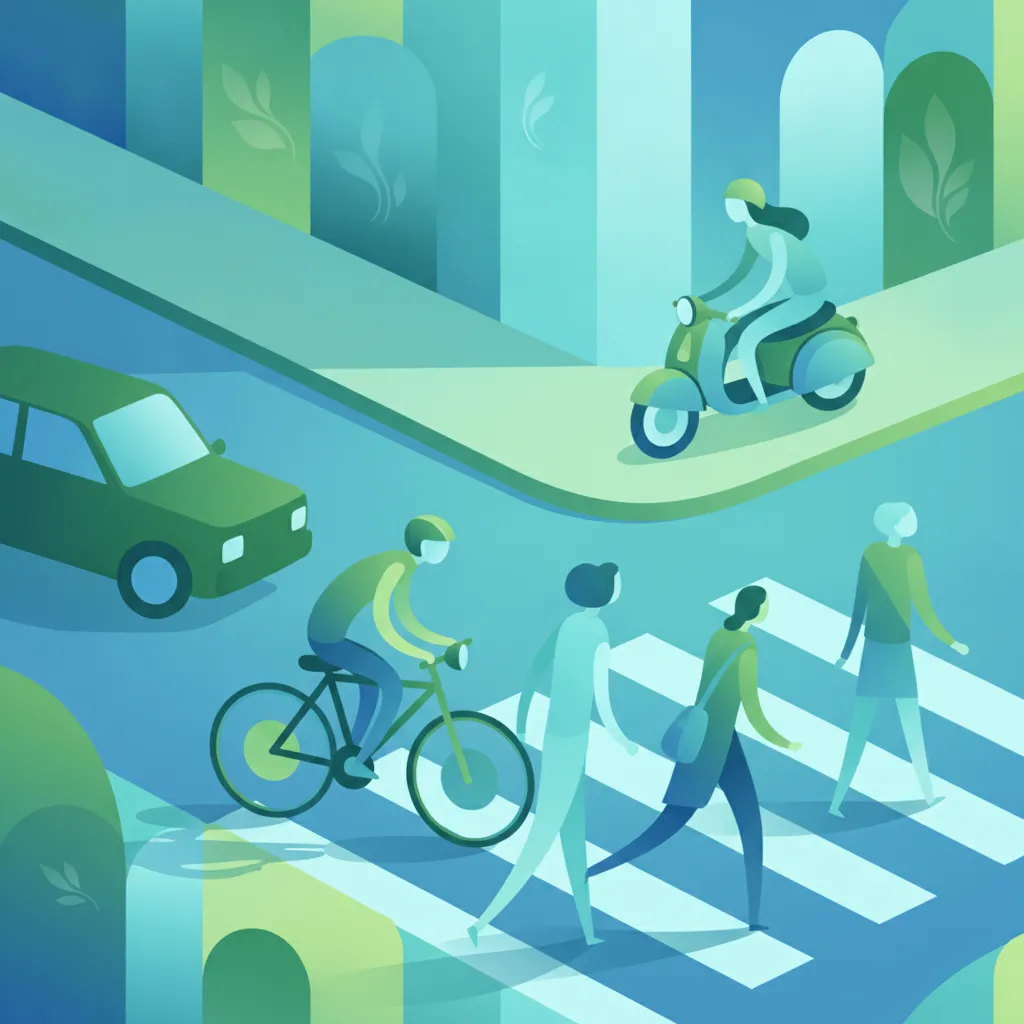
This lesson provides an in-depth focus on sharing the road with the most vulnerable users. It teaches drivers to be acutely aware of pedestrians at crossings, cyclists filtering through traffic, and motorcyclists who may be in blind spots. The lesson emphasizes the importance of leaving extra space, signaling intentions clearly, and exercising extreme caution at junctions, where the majority of serious incidents occur.
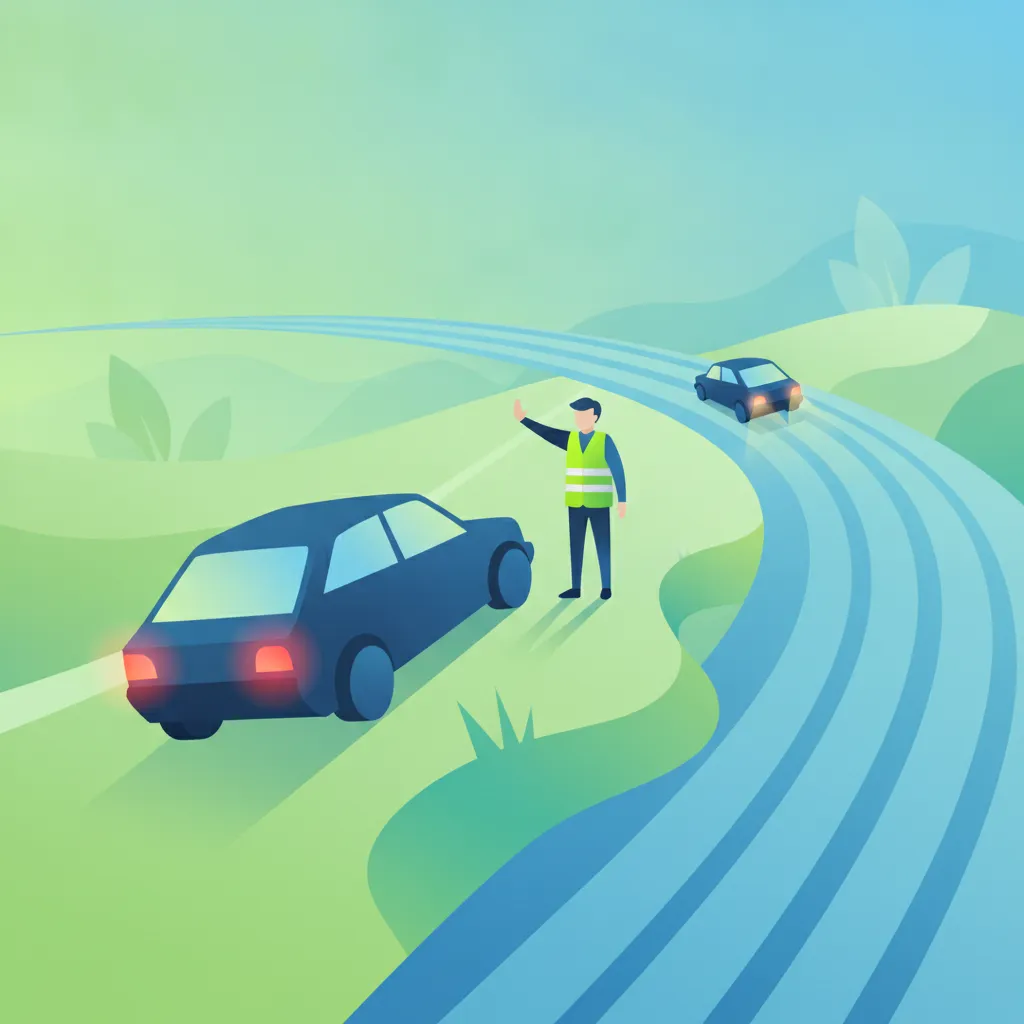
This lesson prepares drivers for unexpected emergencies that may occur far from base. It provides a clear, step-by-step guide on what to do in the event of a breakdown on a motorway, including how to stop safely on the hard shoulder, make the vehicle visible, and call for assistance. Basic procedures for dealing with a vehicle fire or being the first at an accident scene are also covered, prioritizing personal safety at all times.
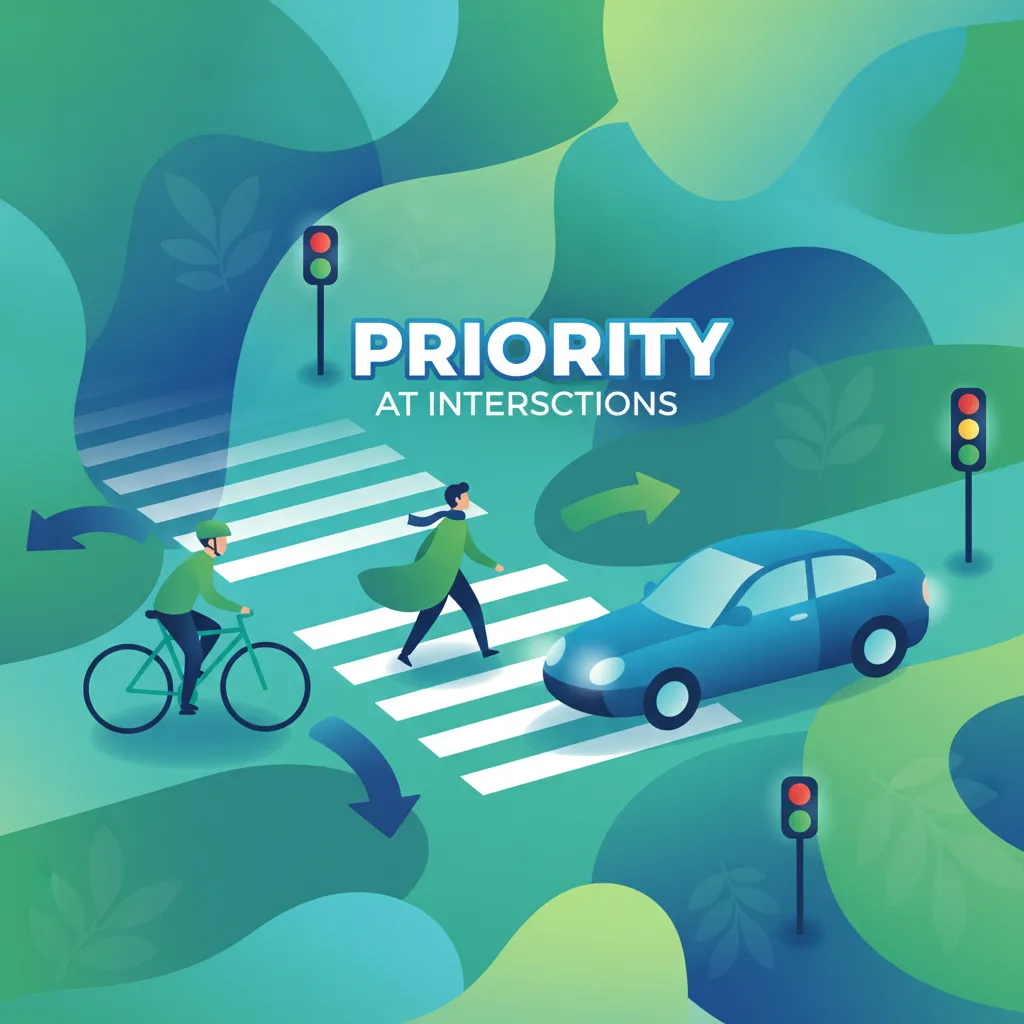
This lesson covers the general principles of priority at intersections governed by traffic signs and signals. It explains how to identify a priority road and the obligation to yield to traffic when encountering a 'dare la precedenza' (yield) or stop sign. The content also reviews the hierarchy of authority, where signals from a traffic officer override all other signs and lights.
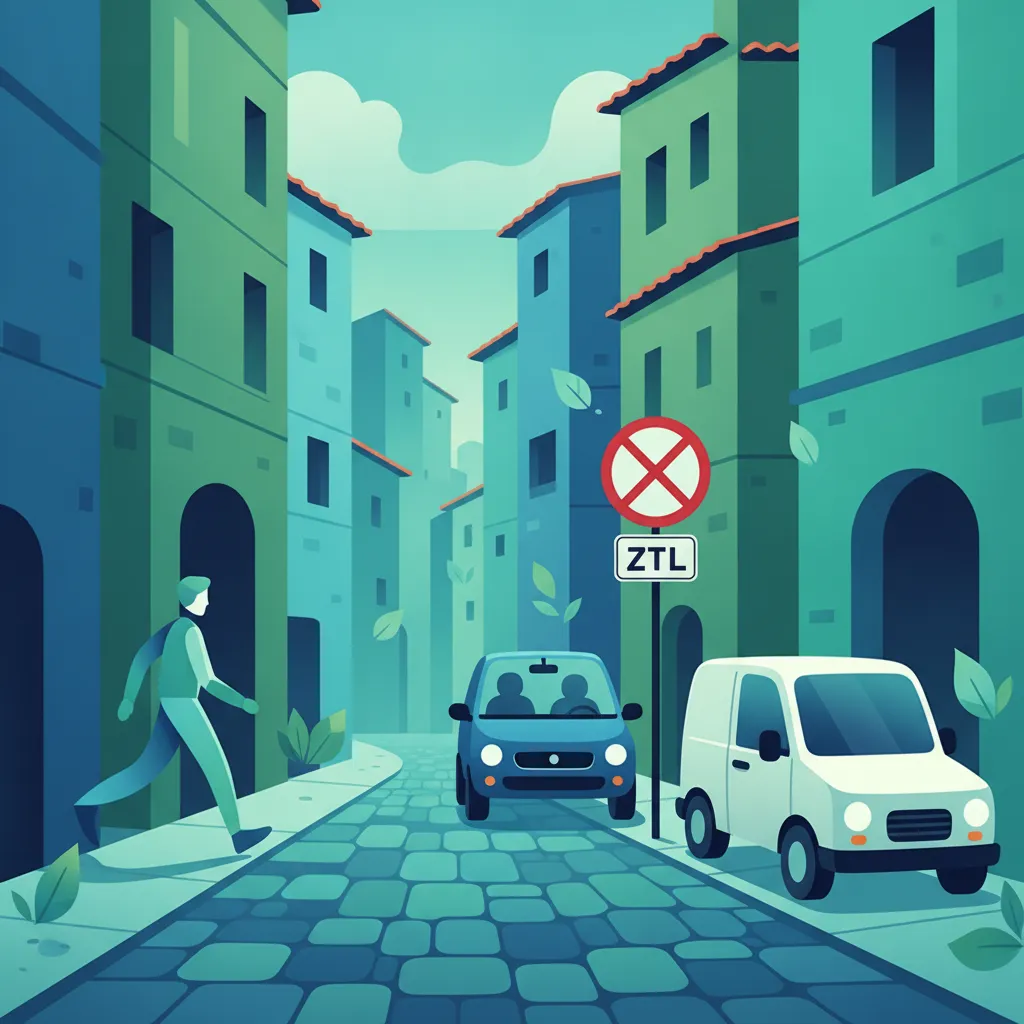
This lesson explains the rules for special urban traffic situations common in Italy. It provides a detailed explanation of Limited Traffic Zones (ZTL), including how to recognize the signage and understand the access restrictions to avoid fines. The content also offers guidance on navigating the narrow and complex streets of historic centers and safely maneuvering around frequently stopping delivery vehicles.
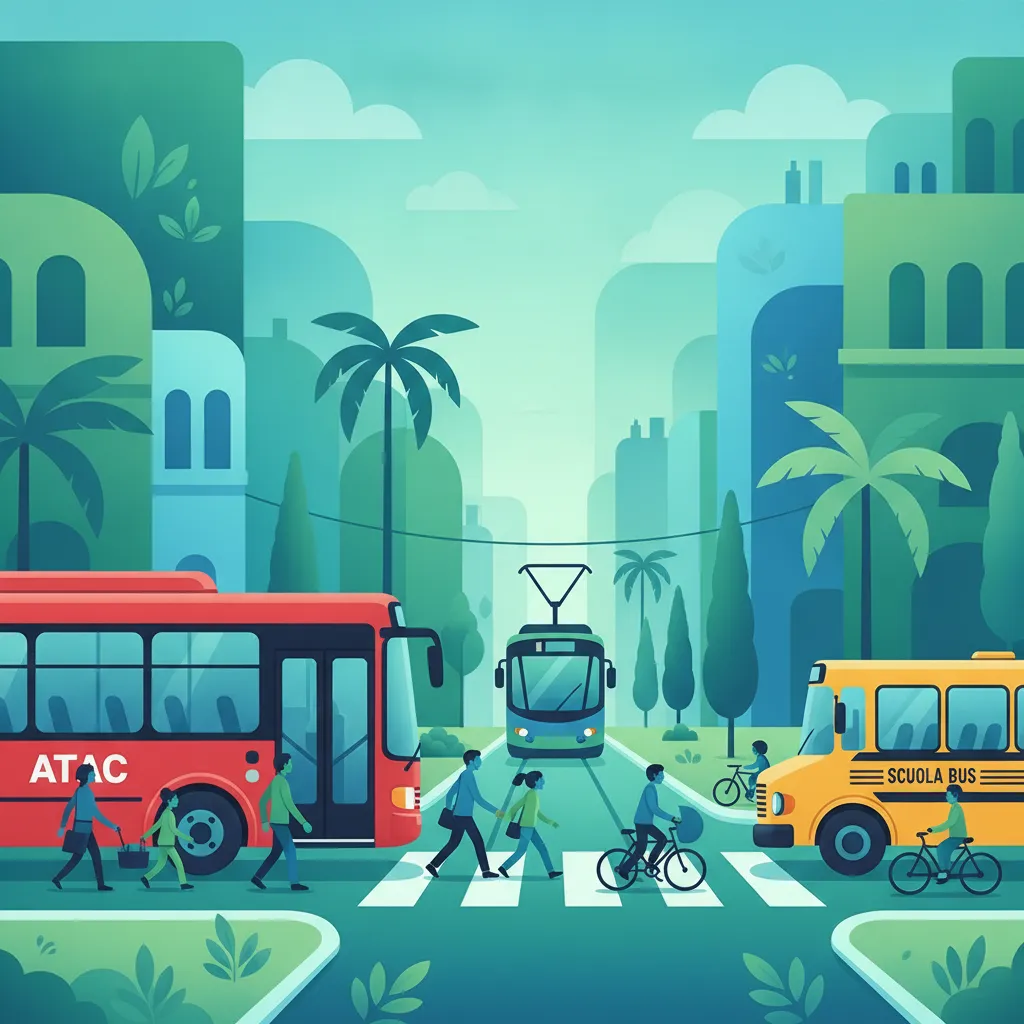
This lesson details the correct procedures for interacting with public transport and school buses. It explains the rules for dedicated bus lanes, the absolute priority of trams, and the legal requirement to yield to buses pulling out from a stop. The content also covers the specific laws requiring drivers to stop when a school bus is loading or unloading passengers, to ensure child safety.
This lesson delivers a comprehensive explanation of right-of-way regulations at Italian intersections. It covers the interpretation of traffic light signals, the absolute requirement to stop at stop signs, and yielding at give-way signs. Furthermore, it details the default priority rules for unmarked intersections and the specific obligations a rider has towards pedestrians on crossings.
This lesson equips riders with the correct procedures to follow in the event of a breakdown or accident. It covers how to move the vehicle to a safe location, alert other traffic, and contact emergency services using the universal 112 number. You will also learn the basics of accident scene management and the necessary steps for reporting the incident to police and insurance.
Understand the legal framework and potential penalties under the Italian Codice della Strada for failing to properly yield to emergency vehicles. This lesson covers fines, license points, and license suspension for non-compliance.

This lesson examines the set of legal obligations for all drivers holding a Patente B license under the Codice della Strada. It covers mandatory responsibilities such as maintaining valid vehicle insurance, ensuring proper registration, and adhering to periodic technical inspection (revisione) schedules. The content also emphasizes the legal requirement to carry necessary documents while driving and the penalties for non-compliance.
This lesson outlines the proper conduct when encountering emergency vehicles on the road or interacting with responders at an incident. It details the rules for yielding the right-of-way to ambulances, police, and fire services, ensuring they have a clear path. You will also learn how to provide clear and concise information to authorities to facilitate an effective emergency response.
This lesson clarifies the special priority rules for emergency vehicles and public transport. It explains the legal obligation to safely pull over and clear a path for any vehicle with active sirens and flashing lights. The content also details the absolute right-of-way that trams have in most situations and the requirement to yield to public buses signaling to pull out from a stop.
This lesson provides a comprehensive review of the legal consequences for violating traffic laws in Italy. It reinforces the workings of the points system, explaining how different offenses lead to deductions and how a total loss of points results in license revocation. The content also covers the scale of monetary fines for various infractions and the conditions under which a driver's license may be temporarily suspended.
This lesson focuses on the driver's responsibility to protect pedestrians, especially at designated crossings (strisce pedonali). It reinforces the legal requirement to yield to pedestrians who are on or about to enter a crosswalk. The content also covers the importance of reducing speed and increasing vigilance in urban areas, school zones, and other places with high pedestrian activity.
This lesson covers the general principles of priority at intersections governed by traffic signs and signals. It explains how to identify a priority road and the obligation to yield to traffic when encountering a 'dare la precedenza' (yield) or stop sign. The content also reviews the hierarchy of authority, where signals from a traffic officer override all other signs and lights.
This lesson covers the driver's legal responsibility for ensuring the safety of all passengers. It details the mandatory use of seat belts (cinture di sicurezza) for all occupants in both front and rear seats. The content provides a thorough explanation of the laws regarding child restraint systems, covering the different types of car seats required based on a child's age, weight, and height, and how to install them correctly.
This lesson explains the fundamental principles of right of way that govern interactions between different types of road users in Italy. It clarifies the legal precedence at intersections, pedestrian crossings, and when interacting with public transport like buses and trams. The content also details the absolute priority given to emergency vehicles and how to safely yield in accordance with the Codice della Strada.
This lesson provides critical guidance on how to respond in the event of a traffic accident. It outlines the immediate steps to take, such as securing the scene with a warning triangle and hazard lights, and calling the emergency services. The content also covers the legal obligation to assist the injured and provides an introduction to basic first aid principles that can be applied until professional help arrives.
This lesson defines the scope of the Italian Patente B license according to the Codice della Strada. It clarifies the specific types of vehicles, including maximum weight and passenger capacity, that can be operated. The content also details the official requirements for applicants, such as minimum age, necessary health certifications, and vision standards needed to qualify for the license.
Find clear answers to common questions learners have about Interaction with Emergency Vehicles and Protocols. Learn how the lesson is structured, which driving theory objectives it supports, and how it fits into the overall learning path of units and curriculum progression in Italy. These explanations help you understand key concepts, lesson flow, and exam focused study goals.
You must yield, but you do not always have to stop. You should move to the side of the road to create a clear path and maintain a speed that allows the emergency vehicle to pass safely. Only stop if it is necessary to clear their way.
If you are already in the intersection, clear it as safely and quickly as possible without blocking others. If you have not entered yet, remain stationary to allow the vehicle to pass through the junction safely.
Yes, when they are displaying active blue lights and sirens, they have absolute priority. You must facilitate their passage even if you have the green light or right-of-way.
You should do your best to indicate your intention and make your vehicle as predictable as possible. Never perform dangerous maneuvers or run red lights just to get out of the way, as this creates a new hazard.
Start searching now to pinpoint exactly which Italian driving theory topics, road signs, or traffic rules you need to master. Use our advanced filters to build a custom practice session and ensure you're fully prepared for every aspect of your official driving licence exam.