
This lesson guides you through the critical maintenance and technical standards required for heavy vehicle tyres in Denmark. You will learn to identify the correct specifications for your vehicle and understand the legal requirements that ensure road safety for C-category drivers.
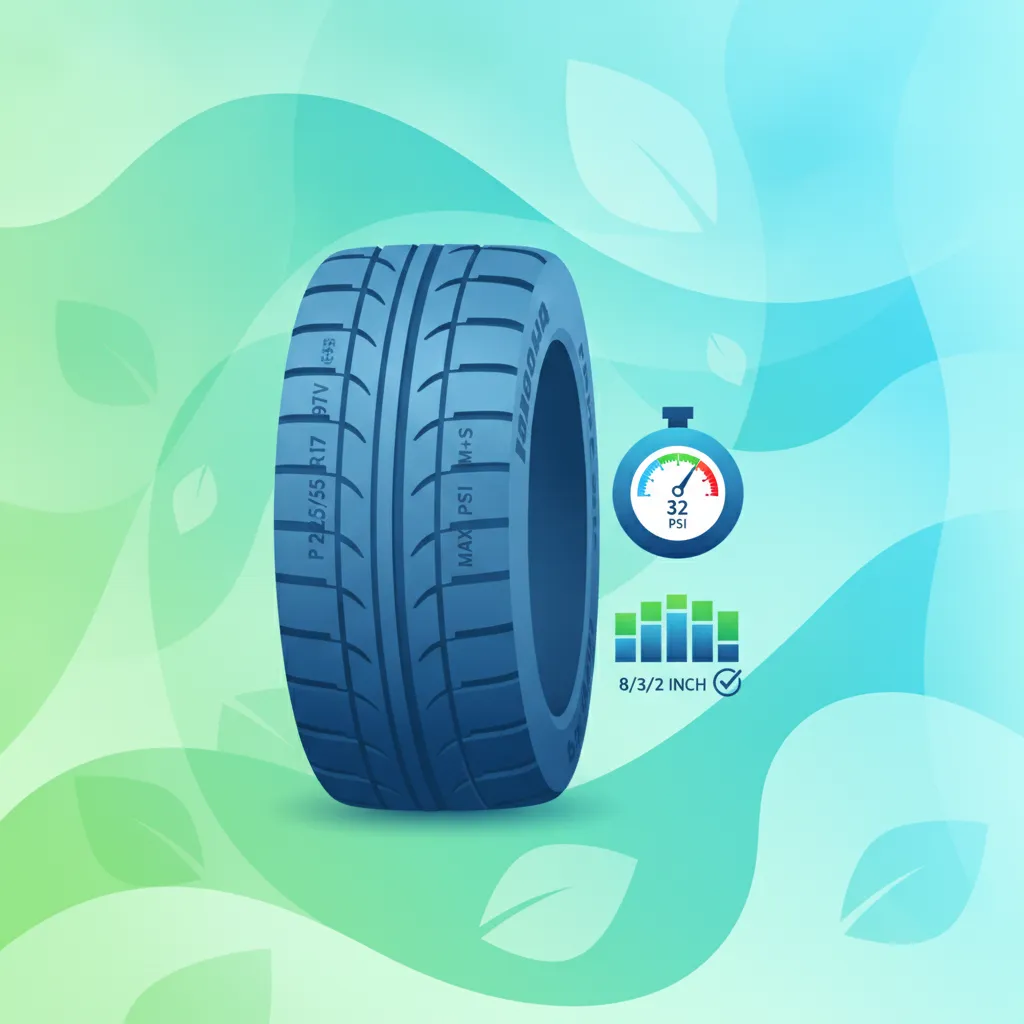
Lesson content overview
Operating heavy goods vehicles under a Category C licence in Denmark demands a profound understanding of every component, especially tyres. Tyres are the sole point of contact between your vehicle and the road, directly influencing handling, braking, fuel efficiency, and overall safety. For heavy vehicles, the correct selection, maintenance, and monitoring of tyres are not merely recommendations; they are critical safety requirements and legal obligations. This lesson provides essential knowledge for professional drivers to ensure their tyres meet both performance demands and Danish legal standards.
Heavy vehicle tyres are engineered to withstand immense loads and operate reliably over long distances. Unlike passenger car tyres, those on lorries and other commercial vehicles have specific characteristics tailored to the demanding nature of heavy transport. Understanding these fundamental specifications is the first step towards safe and compliant operation.
Every tyre sidewall contains a wealth of information crucial for selection and maintenance. Deciphering these markings ensures that the tyres are appropriate for the vehicle's design and intended use.
Tyre size is typically presented as a series of numbers and letters, such as 315/80R22.5.
315 represents the tyre's width in millimetres.80 is the aspect ratio, indicating the sidewall height as a percentage of the width.R signifies radial construction, the most common type for heavy vehicles, meaning the plies run radially across the tyre.22.5 is the rim diameter in inches. Selecting the correct size ensures proper fitment and maintains the vehicle's intended geometry.The Load Index is a numerical code that specifies the maximum weight a single tyre can support when properly inflated. For example, a load index of 152 indicates a maximum load capacity of 3,550 kg. This index is crucial for heavy vehicles, as the combined load capacity of all tyres must safely accommodate the vehicle's maximum permissible axle loads and its Gross Combination Weight (GCW). Using tyres with an insufficient load index poses a severe risk of tyre failure due to overloading, leading to overheating, blowouts, and loss of control.
The Speed Rating is represented by a letter (e.g., L, M, N, P, Q, R, S, T, U, H, V). This letter indicates the maximum speed at which the tyre can safely carry a load corresponding to its load index under specified service conditions. For instance, an M rating might denote a maximum speed of 130 km/h, while a J rating supports 100 km/h. It is a legal requirement that the tyre's speed rating must meet or exceed the vehicle's maximum design speed. Although heavy vehicles often have speed limiters, the tyre's inherent design limit must be respected for safety and structural integrity.
Historically, bias-ply tyres were common, characterised by fabric cords running diagonally from bead to bead, crisscrossing to form multiple layers. While robust, they tend to generate more heat, have higher rolling resistance, and offer less flexible sidewalls, which can compromise ride comfort and handling.
Modern heavy vehicles almost exclusively use radial tyres. In radial construction, the body plies run perpendicularly from bead to bead, with additional stabilising belts under the tread. This design offers several advantages critical for heavy transport:
Choosing radial tyres specifically designed for heavy vehicle applications is essential to maximise safety, efficiency, and longevity.
Maintaining correct tyre pressure is arguably the single most important aspect of tyre maintenance for heavy vehicles. It directly impacts safety, fuel economy, tyre lifespan, and vehicle handling characteristics. Under or overinflation can lead to a range of severe problems.
Tyre pressure should always be checked when the tyres are "cold." This means the vehicle has been stationary for at least three hours, or has not been driven for more than 2-3 kilometres at low speed. Driving generates friction and heat, which causes the air inside the tyres to expand, increasing the pressure reading. Checking tyres when they are hot will lead to an inaccurate, higher reading, and if you then reduce the pressure, the tyre will be significantly underinflated once it cools down.
Correct cold tyre pressure ensures that the tyre's full tread width makes even contact with the road surface, distributing the load uniformly. This uniform contact is vital for optimal grip, braking effectiveness, and stable handling, especially under the heavy loads carried by Category C vehicles.
Regular tyre pressure checks are a fundamental part of a professional driver's pre-trip inspection.
Gather Equipment: You will need a reliable, calibrated tyre pressure gauge suitable for heavy vehicle pressures (often measuring up to 10-12 bar or 150 psi), and access to an air compressor.
Ensure Tyres are Cold: As discussed, always check pressure before driving or after the vehicle has been parked for several hours.
Locate Tyre Valve: Remove the valve cap from each tyre.
Measure Pressure: Firmly press the pressure gauge onto the valve stem. A hiss of air is normal initially, but it should stop once the gauge creates a seal. Read the pressure displayed on the gauge.
Compare to Recommendations: Refer to the vehicle manufacturer's recommendations for tyre pressure. This information is usually found in the owner's manual, on a sticker inside the driver's door, or on a placard within the vehicle. Crucially, pay attention to different recommendations for laden (loaded) and unladen (empty) conditions.
Adjust Pressure:
If underinflated: Connect the air hose from the compressor to the valve and inflate in short bursts. Re-check the pressure frequently with the gauge until the correct level is reached.
If overinflated: Carefully press the pin inside the valve stem with the back of your pressure gauge or a small tool to release air. Re-check the pressure frequently until the correct level is reached.
Replace Valve Caps: Always replace the valve caps to prevent dirt and moisture from entering the valve stem and to help prevent minor air leaks.
For vehicles with multiple tyres on an axle (dual wheels), ensure you check the pressure of both inner and outer tyres. Different pressures can lead to uneven load distribution and premature wear.
Maintaining correct tyre pressure directly impacts several critical aspects of heavy vehicle operation:
Adequate tread depth is fundamental for tyre performance, especially in adverse weather conditions. The tread pattern is designed to channel water away from the contact patch, provide grip on various surfaces, and maintain traction.
In Denmark, as in many European countries, there are strict legal requirements for tyre tread depth to ensure vehicle safety and roadworthiness. For all Category C heavy vehicles operating on public roads, the minimum legal tread depth is 1.6 millimetres. This measurement must be taken across the central three-quarters of the tyre's tread width.
It is crucial to note that while 1.6 mm is the legal minimum, many safety experts and tyre manufacturers recommend replacing heavy vehicle tyres sooner, typically when tread depth falls below 3-4 mm, especially for drive axles or in areas prone to heavy rain or snow. Worn tyres significantly increase the risk of hydroplaning and extend braking distances.
Regular visual inspections should include checking for abnormal wear patterns, which can indicate underlying mechanical issues or improper maintenance.
Common wear patterns and their typical causes:
Detecting these patterns early allows for corrective action, preventing premature tyre failure and potential accidents, while also saving on replacement costs.
The tread on a tyre plays a vital role in evacuating water from beneath the contact patch. When a vehicle drives over a wet surface, the tread channels water away, allowing the rubber to maintain direct contact with the road.
Regularly checking tread depth with a tread depth gauge is crucial. Many tyres also feature Tread Wear Indicators (TWIs) – small raised bars within the main tread grooves. When the tread wears down to the level of these bars, it signals that the tyre is at or near its legal minimum tread depth and should be replaced immediately.
For Category C drivers, the impact of vehicle load on tyre performance and safety cannot be overstated. Heavy vehicles operate across a wide range of load conditions, from unladen to fully loaded, and each state places different demands on the tyres.
The recommended tyre pressure for a heavy vehicle is not a static value. It is typically provided as a range, with specific recommendations for different load conditions. A fully loaded vehicle requires higher tyre pressures compared to an empty or lightly loaded vehicle. This is because a heavier load exerts greater pressure on the tyres, increasing the contact area and internal temperature if not properly inflated.
Always refer to the vehicle manufacturer's specific load-to-pressure charts or guidelines. Never guess or rely on generic pressure recommendations.
Heavy loads significantly increase the amount of stress and friction within a tyre as it rolls. This increased stress leads to higher heat generation. If a tyre is underinflated while carrying a heavy load, its sidewalls flex excessively, dramatically increasing internal heat. Excessive heat is the primary cause of tyre degradation and failure, leading to:
Proper inflation for the load ensures that the tyre maintains its intended shape and rigidity, minimising excessive flexing and thus reducing heat buildup. This not only prevents dangerous failures but also extends the tyre's overall service life.
Prevention is key when it comes to tyre overload and blowouts.
Maintaining heavy vehicle tyres is an ongoing process that goes beyond just checking pressure and tread. A comprehensive approach ensures maximum safety, efficiency, and compliance.
A thorough visual inspection should be a part of every pre-trip check and ideally, at every stop during a long journey.
Any observed damage should be assessed immediately. Minor punctures in the tread area might be repairable by a qualified professional, but sidewall damage often necessitates tyre replacement.
While less common for individual tyre rotation on multi-axle heavy vehicles compared to cars, managing tyre positions and maintaining alignment is still critical for tyre longevity and vehicle performance.
Tyre performance is significantly affected by environmental conditions. Professional drivers must adapt their tyre management to account for changes in weather and temperature.
Adhering to Danish tyre regulations is not only about safety but also about legal compliance to avoid penalties and ensure continued operation of the commercial vehicle. Ignorance of the law is not an excuse.
Danish traffic law is comprehensive regarding heavy vehicle tyre standards, aiming to enhance road safety and reduce incidents caused by tyre failure. Key regulations include:
Professional drivers of Category C vehicles must be proactive in preventing common tyre-related violations.
Vigilance, adherence to manufacturer guidelines, and a thorough understanding of Danish regulations are essential for avoiding these violations and ensuring ongoing roadworthiness. Penalties for tyre-related infringements can range from significant fines to points on your licence and the vehicle being impounded.
Tyre specifications and maintenance are not merely technical details; they are foundational pillars of safety and operational efficiency for every Category C heavy vehicle driver in Denmark. From understanding the meaning of a tyre's load index and speed rating to diligently checking cold tyre pressure and monitoring tread depth, every aspect contributes to the vehicle's ability to perform reliably and safely on the road.
Incorrect tyre maintenance leads to increased fuel consumption, premature tyre wear, extended braking distances, and a significantly higher risk of tyre failure and accidents. For a heavy vehicle, such failures can have catastrophic consequences, not only for the driver and cargo but for other road users as well. By consistently adhering to manufacturer recommendations and Danish legal requirements, professional drivers ensure their vehicles are roadworthy, efficient, and capable of handling the demands of heavy transport, ultimately contributing to safer roads for everyone.
This lesson covers essential tyre knowledge for Danish Category C drivers, emphasising that tyres are the vehicle's only road contact point and require proper selection, inflation, and monitoring. Key technical aspects include interpreting tyre markings for size, load index, and speed rating, maintaining correct cold tyre pressure adjusted for load conditions, and recognising wear patterns that indicate inflation or alignment problems. Danish law mandates a minimum 1.6 mm tread depth, but safety experts advise replacement earlier. Heavy loads significantly increase heat generation in tyres, making correct inflation critical to prevent dangerous blowouts. Regular visual inspections for sidewall damage, embedded objects, and proper valve cap maintenance complete the pre-trip routine needed for roadworthiness compliance.
A short set of high-value points that capture the most important learning from this lesson.
Tyre markings encode critical specifications: size (315/80R22.5), load index (e.g., 152 = 3,550 kg max per tyre), and speed rating must meet vehicle requirements
Always check tyre pressure when tyres are cold (stationary 3+ hours) to get an accurate reading and avoid underinflation after cooling
Danish law requires minimum 1.6 mm tread depth across the central three-quarters of the tread for Category C vehicles
Underinflation causes shoulder wear and excessive heat buildup leading to blowouts; overinflation causes centre wear and reduced grip
Tyre pressure must be adjusted for laden versus unladen conditions—higher pressure when fully loaded to support the increased weight
Explore all units and lessons included in this driving theory course.
Load index and speed rating are legally required to meet or exceed the vehicle's maximum design speed and GCW/axle loads
Radial tyres are standard for modern heavy vehicles due to better fuel efficiency, heat dissipation, and longer tread life compared to bias-ply
For dual wheels, check both inner and outer tyre pressures separately as they can differ and cause uneven wear
Tread Wear Indicators (TWIs) are raised bars within grooves—when tread wears to their level, the tyre is at legal minimum
Heat from underinflation and heavy loads is the primary cause of ply separation, tread separation, and sudden blowouts
Checking tyre pressure after driving when tyres are hot, leading to artificially high readings and subsequent underinflation once tyres cool
Failing to adjust tyre pressure when switching between loaded and unloaded operations, causing either underinflation or overinflation
Assuming 1.6 mm tread depth is safe—safety experts recommend replacement at 3-4 mm, especially for drive axles in wet conditions
Neglecting to check inner tyres in dual wheel configurations, allowing hidden underinflation and uneven wear
Interpreting centre wear as normal instead of recognising it as a sign of overinflation requiring immediate pressure correction
Lesson content overview
A short set of high-value points that capture the most important learning from this lesson.
Tyre markings encode critical specifications: size (315/80R22.5), load index (e.g., 152 = 3,550 kg max per tyre), and speed rating must meet vehicle requirements
Always check tyre pressure when tyres are cold (stationary 3+ hours) to get an accurate reading and avoid underinflation after cooling
Danish law requires minimum 1.6 mm tread depth across the central three-quarters of the tread for Category C vehicles
Underinflation causes shoulder wear and excessive heat buildup leading to blowouts; overinflation causes centre wear and reduced grip
Tyre pressure must be adjusted for laden versus unladen conditions—higher pressure when fully loaded to support the increased weight
Explore all units and lessons included in this driving theory course.
Load index and speed rating are legally required to meet or exceed the vehicle's maximum design speed and GCW/axle loads
Radial tyres are standard for modern heavy vehicles due to better fuel efficiency, heat dissipation, and longer tread life compared to bias-ply
For dual wheels, check both inner and outer tyre pressures separately as they can differ and cause uneven wear
Tread Wear Indicators (TWIs) are raised bars within grooves—when tread wears to their level, the tyre is at legal minimum
Heat from underinflation and heavy loads is the primary cause of ply separation, tread separation, and sudden blowouts
Checking tyre pressure after driving when tyres are hot, leading to artificially high readings and subsequent underinflation once tyres cool
Failing to adjust tyre pressure when switching between loaded and unloaded operations, causing either underinflation or overinflation
Assuming 1.6 mm tread depth is safe—safety experts recommend replacement at 3-4 mm, especially for drive axles in wet conditions
Neglecting to check inner tyres in dual wheel configurations, allowing hidden underinflation and uneven wear
Interpreting centre wear as normal instead of recognising it as a sign of overinflation requiring immediate pressure correction
Explore search topics learners often look for when studying Tyre Specifications and Maintenance. These topics reflect common questions about road rules, driving situations, safety guidance, and lesson level theory preparation for learners in Denmark.
Browse additional driving theory lessons that cover connected traffic rules, road signs, and common driving situations related to this topic. Improve your understanding of how different rules interact across everyday traffic scenarios.
Understand the critical relationship between tyre load index, speed rating, and pressure for heavy vehicles in Denmark. Learn how to adjust tyre pressure based on varying loads and Danish legal requirements to ensure safety and compliance.

Proper axle load distribution is crucial for the safety and legality of heavy vehicle operations. This lesson explains how axle pressure is defined and regulated, highlighting the importance of distributing weight correctly across all axles. It covers how imbalanced loads can negatively affect braking performance, steering control, and overall vehicle stability, while also explaining the Danish regulations for maximum axle loads.
This lesson highlights the vital role tyres play in vehicle safety. It explains how to conduct regular checks on tyre pressure and tread depth, and how incorrect values can compromise grip, braking efficiency, and overall handling. You will also learn the legal minimum requirements for tyres in Denmark to ensure your vehicle is always compliant and safe.

This lesson provides practical instruction on various methods for securing cargo effectively. It covers the correct application of equipment such as straps, chains, and nets, as well as techniques like blocking and bracing to prevent load movement. The content is aligned with Danish and European standards for load securing, ensuring learners understand how to inspect and verify that their cargo is safe for transport.

Operating a heavy goods vehicle comes with heightened professional and legal responsibilities. This lesson examines the driver's duties regarding pre-trip inspections, load security, and continuous vehicle maintenance. It emphasizes the ethical obligation to protect vulnerable road users like cyclists and pedestrians, and stresses the importance of maintaining professional conduct and adhering to all traffic regulations to ensure road safety.
This lesson provides a clear, safety-oriented protocol for handling a vehicle breakdown or tyre failure. It covers how to safely maneuver the vehicle to the roadside, the correct use of hazard lights and warning triangles to alert other traffic, and procedures for contacting assistance. Adhering to these steps, as required by Danish law, is critical for protecting yourself and other road users from further incident.

This lesson provides a step-by-step guide to safe loading and unloading practices. It covers the importance of ensuring proper weight distribution during the process, re-checking cargo securement, and adhering to safety protocols at loading docks. The content also includes ergonomic best practices to prevent driver injury and guidelines for the safe operation of equipment like tail lifts and pallet jacks.
This lesson introduces the fundamental concepts of vehicle mass, clarifying the legal distinctions between total weight, actual weight, and loaded weight under Danish law. It emphasizes the importance of strictly adhering to these limits to ensure safe vehicle operation and handling characteristics. The content also details the significant safety risks and legal penalties associated with exceeding weight limits, such as fines and vehicle impoundment.

This lesson focuses on the critical task of managing the air pressure within a pneumatic brake system. It details the function of key components such as the air compressor, air tanks, and regulators, explaining how to interpret air pressure gauges correctly. Learners will understand the purpose of safety devices that provide warnings in case of pressure loss, which is vital for preventing brake failure.

This lesson explains the fundamental physics of load distribution and its direct impact on a heavy vehicle's centre of gravity. It details how the positioning of cargo—whether high, low, forward, or back—alters handling characteristics and overall stability. The content emphasizes the importance of achieving a balanced load to minimize rollover risk and comply with Danish regulations for safe weight distribution.
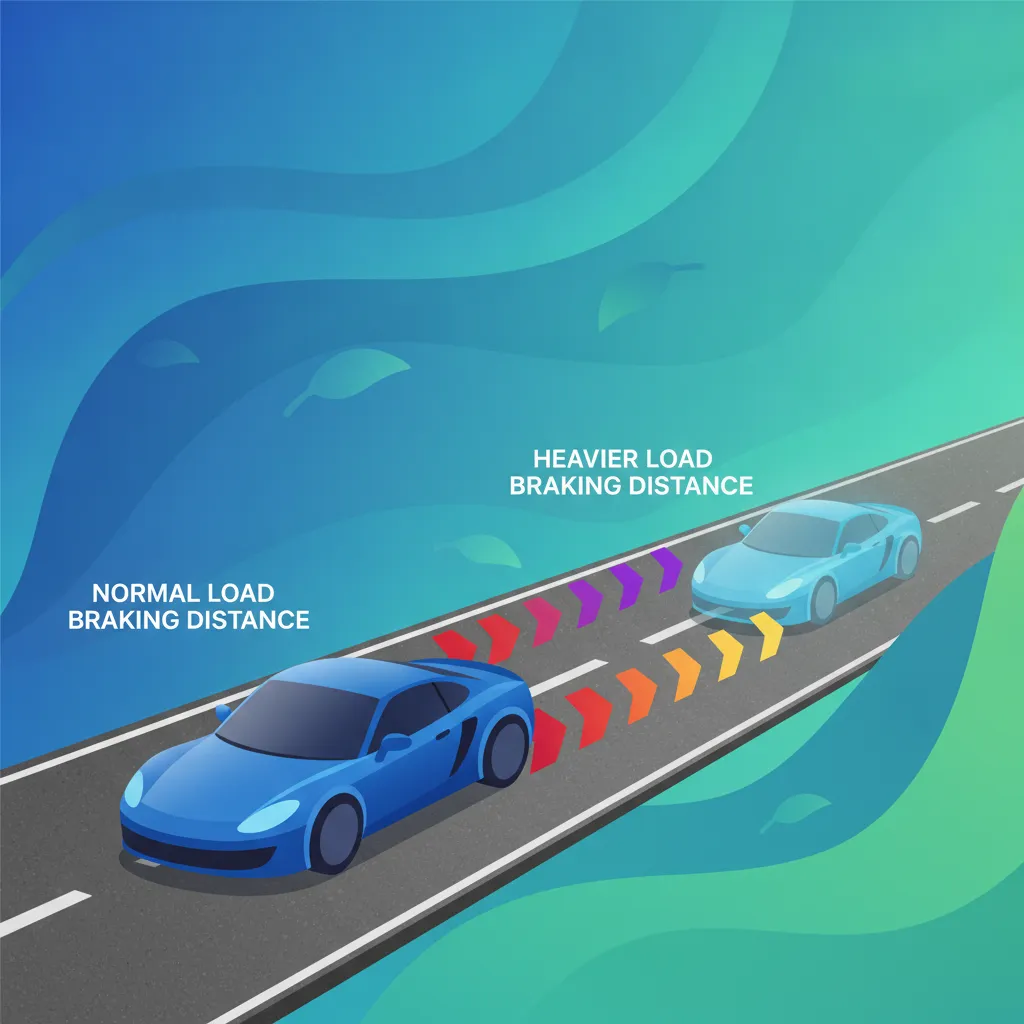
This lesson explores the direct relationship between a vehicle's mass, its speed, and the distance required to stop. It explains how increased load significantly lengthens the braking distance and details how road conditions like gradient and surface friction further affect this calculation. Learners will understand the importance of anticipating stops and maintaining a greater following distance to ensure safety.
Master Danish legal requirements for minimum tyre tread depth on heavy vehicles. Learn to identify common tyre wear patterns and understand their causes, ensuring vehicle roadworthiness and safe operation.
This lesson highlights the vital role tyres play in vehicle safety. It explains how to conduct regular checks on tyre pressure and tread depth, and how incorrect values can compromise grip, braking efficiency, and overall handling. You will also learn the legal minimum requirements for tyres in Denmark to ensure your vehicle is always compliant and safe.
This lesson provides a clear, safety-oriented protocol for handling a vehicle breakdown or tyre failure. It covers how to safely maneuver the vehicle to the roadside, the correct use of hazard lights and warning triangles to alert other traffic, and procedures for contacting assistance. Adhering to these steps, as required by Danish law, is critical for protecting yourself and other road users from further incident.
This lesson explores the direct relationship between a vehicle's mass, its speed, and the distance required to stop. It explains how increased load significantly lengthens the braking distance and details how road conditions like gradient and surface friction further affect this calculation. Learners will understand the importance of anticipating stops and maintaining a greater following distance to ensure safety.

This lesson focuses on the critical connection between the motorcycle and the road: the tyres. It explains how to check for proper inflation, inspect tread depth, and recognize signs of wear. Understanding how different tyre compounds and patterns perform in various conditions is key to managing traction.

This lesson delves into the science of traction, explaining the relationship between the tyre and the road surface. It covers how factors like water, oil, gravel, and painted lines can significantly reduce grip. Learners will develop the ability to 'read' the road surface and anticipate potential traction loss.

This lesson explores the critical relationship between tyres, road surface, and grip. It explains how rain, ice, gravel, and even painted road markings can reduce traction and increase risk. Learners will understand the importance of having correct tyre pressure and adequate tread depth to maintain control.
Proper axle load distribution is crucial for the safety and legality of heavy vehicle operations. This lesson explains how axle pressure is defined and regulated, highlighting the importance of distributing weight correctly across all axles. It covers how imbalanced loads can negatively affect braking performance, steering control, and overall vehicle stability, while also explaining the Danish regulations for maximum axle loads.

This lesson introduces the primary components of heavy vehicle braking systems, distinguishing between service, parking, and auxiliary brakes like retarders. It explains the mechanical and pneumatic principles behind how these systems operate to safely slow and stop a large vehicle. Understanding the function of each component is essential for proper use, maintenance, and compliance with Danish braking regulations.

This lesson addresses the combined challenges of navigating narrow rural roads and driving in adverse weather. It explains how to adapt speed and braking techniques for conditions like heavy rain, fog, or ice, which are common on rural routes. The content also integrates these factors into route planning, teaching drivers how to select the safest and most appropriate path while avoiding local weight or height restrictions.

This lesson teaches the proper application of auxiliary speed control devices, such as retarders and engine brakes. It focuses on their use for maintaining a safe, controlled speed on long downhill gradients, which helps prevent service brake overheating and fade. The content also covers Danish regulations related to these systems and their benefits for reducing brake wear and improving overall safety.
Find clear answers to common questions learners have about Tyre Specifications and Maintenance. Learn how the lesson is structured, which driving theory objectives it supports, and how it fits into the overall learning path of units and curriculum progression in Denmark. These explanations help you understand key concepts, lesson flow, and exam focused study goals.
For heavy vehicles in Denmark, the legal minimum tread depth is 1.0 mm across the main grooves. However, it is strongly advised to maintain higher levels for safety, especially in winter or wet conditions.
Incorrect tyre pressure relative to the actual load can cause excessive heat build-up and unpredictable handling. In your theory exam, expect to show you understand that pressure must be adjusted based on the specific load and axle distribution.
You must check the tyre's sidewall markings, which include the size, load index, and speed rating. These must match the requirements specified in the vehicle's registration documentation to ensure it is legally roadworthy.
Yes, different axle positions may have specific requirements or wear patterns. You should always conduct a full walk-around check, including inner tyres on twin-wheel assemblies, to ensure consistent pressure and condition.
Use our powerful search tool to pinpoint specific Danish driving theory topics, road signs, or traffic situations you need to review. Start exploring relevant practice sets now to reinforce your knowledge and build confidence for your upcoming driving licence exam.