
This lesson covers the fundamental concept of unconditional priority (ubetinget vigepligt), a cornerstone of Danish traffic law. You will learn how to interpret road signs and markings to determine when you must yield to others, ensuring safety and compliance in all driving environments. This knowledge is essential for both your theory exam and becoming a predictable, safe driver on Danish roads.
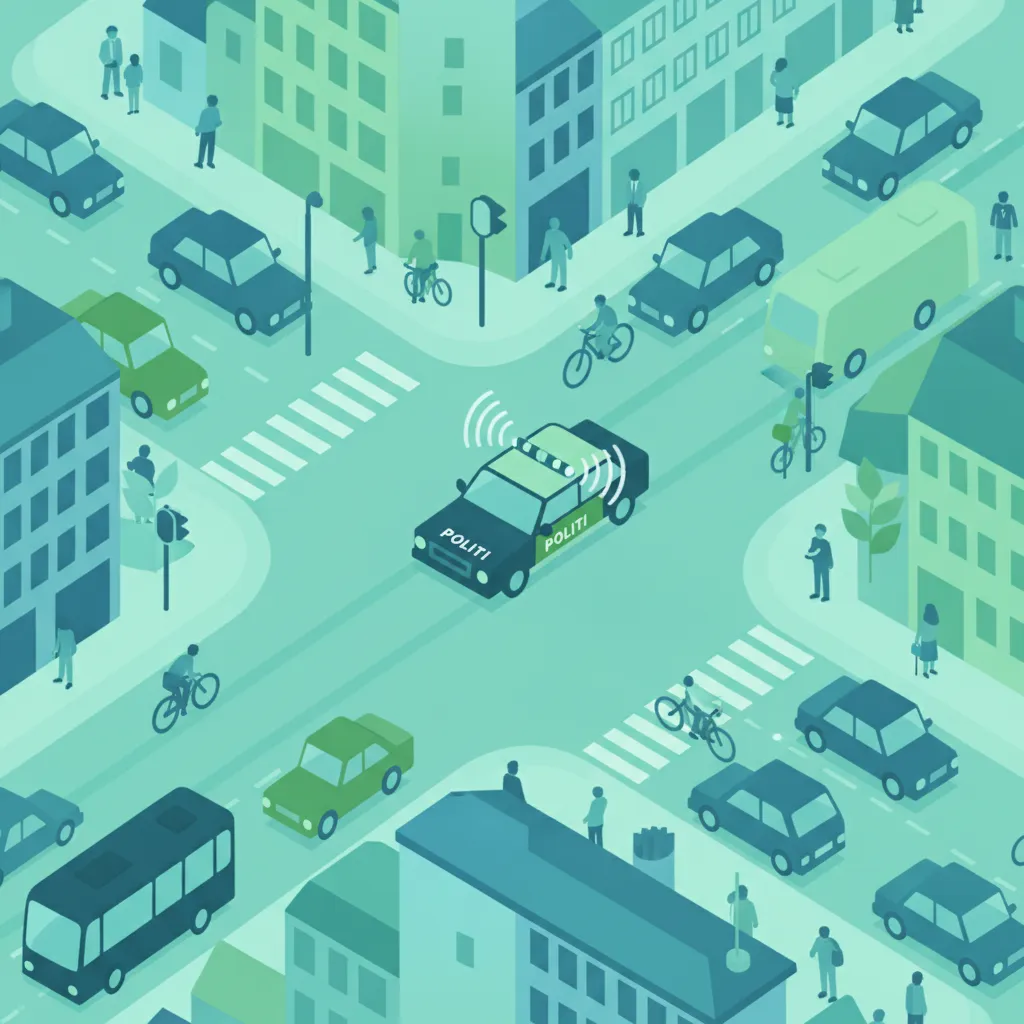
Lesson content overview
Understanding right-of-way rules is fundamental to safe driving in Denmark. This lesson delves into the crucial concept of unconditional priority (forkørselsret), a core principle that dictates which vehicle has the right to proceed first at various intersections. Mastering these rules is not just about passing your driving test; it's about ensuring predictable traffic flow, preventing collisions, and contributing to overall road safety.
As part of your Danish Driving License Theory Course: Category B Preparation, this chapter will equip you with the knowledge to correctly interpret priority signs, recognize priority roads (forkørselsvej), and understand your legal obligation to yield (forkørselspligt) when necessary.
Unconditional priority establishes a clear and legally binding hierarchy within the Danish road network. It means that certain roads are designated as having an inherent right-of-way over others, regardless of the current traffic volume or specific conditions. This fixed assignment of priority is primarily communicated through specific traffic signs and, in some cases, road markings.
The purpose of unconditional priority is to reduce ambiguity at intersections. By clearly defining who has the right-of-way, the system minimizes the need for drivers to make instantaneous judgment calls, thereby reducing the potential for conflicts and accidents. This consistent approach makes traffic flow more predictable and safer for all road users.
A fixed right-of-way rule in Danish traffic where one road is designated as having priority over another based on permanent signs or markings, not dependent on momentary traffic conditions.
The concept is built upon several core principles:
In a busy traffic environment, particularly in urban areas with numerous intersections, a clear system of right-of-way is paramount. Unconditional priority simplifies decision-making, allowing drivers to anticipate the actions of others. Without it, every intersection would require complex negotiations between drivers, leading to confusion, delays, and a significant increase in accident risk. It forms the backbone of orderly traffic flow and is a cornerstone of Danish traffic law.
Identifying a priority road is crucial for applying the correct right-of-way rules. Danish traffic law uses distinct signs to clearly indicate a road's priority status. Familiarizing yourself with these visual cues is a fundamental aspect of safe driving.
The most important sign indicating a priority road is the yellow diamond sign, officially known as "B11 Priority road" (Forkørselsvej).
When you see this sign, it signifies that the road you are traveling on has unconditional priority at all subsequent intersections with side roads, until you encounter a sign that explicitly revokes this priority. This means that traffic entering from side roads must yield to you. However, it's vital to remember that this priority does not apply to pedestrians at marked crosswalks or to traffic signals that explicitly override the priority.
Even on a priority road, always be prepared for unexpected situations. Never assume other drivers will always obey the rules. Maintain vigilance and defensive driving practices.
Just as important as knowing when you are on a priority road is knowing when that priority ends. The "End of priority road" sign, officially "B12 End of priority road," marks this transition.
Once you pass this sign, the unconditional priority of the road you were on ceases. At the next intersection, you can no longer assume you have the right-of-way. Instead, you must be prepared to follow other priority rules, such as the general "right-hand rule" (højrevigepligt), or yield signs/traffic lights that might be present. This sign demands a mental shift in your driving behavior and an increased awareness of upcoming intersections.
While signs are the primary indicators, road markings can sometimes complement or reinforce priority rules, especially when a side road approaches a priority road.
The flip side of having unconditional priority is the obligation to yield. This is a critical responsibility for drivers on roads that do not have priority. Failing to yield can lead to dangerous collisions, especially at busy intersections.
When you are driving on a road that is not designated as a priority road, and you approach an intersection with one, you are legally required to yield to all traffic on the priority road. This yielding obligation (forkørselspligt) is often indicated by a triangular yield sign ("B13 Yield") or a stop sign ("B15 Stop").
Yielding means that you must allow traffic on the priority road to pass without impeding their progress. You should not cause them to brake, swerve, or take any evasive action. If necessary, you must stop completely and wait for a safe gap in traffic before entering or crossing the priority road.
When faced with a yield sign or a stop sign at an intersection with a priority road, the process of yielding involves several steps:
Slow Down Early: Begin reducing your speed well in advance, allowing ample time to assess the traffic situation.
Observe Traffic: Actively look for traffic from all relevant directions on the priority road. This includes checking mirrors, looking left, right, and then left again (especially if turning left) to ensure no vehicles or vulnerable road users are approaching.
Stop if Necessary: If there is any doubt about a safe gap, or if a stop sign is present, come to a complete stop before the stop line or intersection.
Wait for a Safe Gap: Only proceed when you are certain you can do so without forcing traffic on the priority road to change speed or direction. This means waiting until the priority road is clear or approaching traffic is sufficiently far away.
Proceed Decisively: Once you have identified a safe opportunity, proceed smoothly and without hesitation to avoid confusing other road users.
Intersections are dynamic environments, and sometimes priority rules interact with other forms of traffic control, most commonly traffic lights. Understanding this interaction is key to avoiding confusion and ensuring safety.
At an intersection controlled by traffic lights, the lights generally take precedence over unconditional priority signs. If a traffic light is green for your direction, you may proceed, even if you are on a non-priority road that would otherwise require you to yield. Conversely, if the light is red, you must stop, even if you are on a priority road.
The interaction between traffic signals and priority rules, where traffic lights typically override the unconditional priority assigned by signs.
However, it's not always a complete override. In some complex intersections, a priority road might have synchronized green lights, reinforcing its continuous flow. Also, if traffic lights are flashing yellow or are out of order, drivers must revert to applying the standard priority rules indicated by signs (or the right-hand rule if no signs are present). Therefore, always be prepared to apply priority rules if traffic signals are not fully operational or if additional signs give specific instructions (e.g., a "yield to turning traffic" sign under a green light).
While a green light generally grants you permission to proceed, it doesn't automatically mean you have absolute right-of-way over all other road users in every situation. For instance:
Never assume a green light gives you carte blanche to proceed without caution. Always scan the intersection for other road users, especially pedestrians and cyclists, and be prepared to react to unexpected situations.
Roads don't maintain a single priority status indefinitely. It's common for a priority road (forkørselsvej) to end, or for a non-priority road to gain priority at certain points. Recognizing these changes is crucial for adapting your driving behavior and avoiding hazardous situations.
The "Priority Road" (B11) and "End of Priority Road" (B12) signs are specifically designed to communicate these changes clearly.
The transition from a priority road to a non-priority road, or vice-versa, requires a conscious adjustment in your driving.
While unconditional priority primarily governs vehicle-to-vehicle interactions at intersections, it's important to remember that some road users and situations present exceptions or require additional caution.
A fundamental rule in Danish traffic is that pedestrians have priority at marked crosswalks (fodgængerfelt), regardless of whether the road you are driving on is a priority road or not.
The rule that drivers must yield to pedestrians who are in or are about to enter a marked crosswalk, irrespective of the road's priority status or traffic lights unless specifically directed otherwise.
This means that if a pedestrian steps onto a crosswalk or clearly indicates their intention to cross, you must stop and allow them to pass safely. Failing to do so is a serious violation and highly dangerous. Always approach crosswalks with reduced speed and be prepared to stop.
Cyclists are often considered vulnerable road users, and their interactions with priority rules require careful attention.
Adverse weather and road conditions do not change the legal priority rules, but they significantly impact how safely and effectively those rules can be applied.
Disregarding priority rules is a leading cause of traffic accidents. Understanding common violations and the underlying safety logic helps reinforce the importance of these regulations.
The Danish priority system is engineered to achieve maximum safety and efficiency:
Let's look at some real-world examples to solidify your understanding of unconditional priority.
You are driving on a road marked with the yellow diamond "Priority Road" sign (B11). You approach a T-junction where a road merges from your left. There are no traffic lights.
You are on a smaller side road and approach an intersection with a main road. At the intersection, you see a "Yield" sign (B13) and a broken white yield line painted across your lane. The main road has "Priority Road" signs (B11).
You have been driving on a priority road for some time and now see the "End of Priority Road" sign (B12). Immediately after this sign, there is an intersection. There are no other signs (like Stop or Yield) at this next intersection.
You are driving on a priority road (B11 sign present) in an urban area and approach a marked crosswalk (fodgængerfelt). A pedestrian steps onto the crosswalk.
Unconditional priority is a cornerstone of Danish traffic law, designed to create a predictable and safe road environment. It establishes a clear hierarchy where certain roads, marked by specific signs like the yellow diamond (Priority Road, B11), have right-of-way over others. Drivers on non-priority roads are legally obligated to yield, often indicated by triangular yield signs (B13) or octagonal stop signs (B15).
While traffic lights generally take precedence over priority signs, it is crucial to remember that pedestrian priority at crosswalks always applies. Furthermore, drivers must be vigilant for signs indicating the "End of Priority Road" (B12), which requires a change in yielding behavior at subsequent intersections. Mastering these rules is not just about avoiding fines; it's about making Danish roads safer for everyone.
Unconditional priority establishes a legally binding hierarchy on Danish roads where roads marked with the B11 yellow diamond sign have right-of-way over side roads until a B12 sign ends that priority. Drivers on non-priority roads must yield (forkørselspligt) to all priority traffic, often indicated by B13 yield or B15 stop signs, and must not cause priority vehicles to change speed or direction. While traffic lights typically override priority signs, pedestrians retain absolute priority at marked crosswalks regardless of signals or road status. After passing a B12 sign, drivers must revert to the right-hand rule (højrevigepligt) at the next intersection unless other signs specify different behavior, requiring heightened awareness and reduced speed to adapt to changing priority conditions.
A short set of high-value points that capture the most important learning from this lesson.
Unconditional priority (forkørselsret) creates a fixed hierarchy where certain roads have automatic right-of-way over others regardless of traffic conditions
The yellow diamond B11 sign marks a priority road where you have right-of-way at subsequent intersections with side roads
Drivers on non-priority roads must yield (forkørselspligt) to all traffic on the priority road without causing them to brake or swerve
The B12 End of Priority sign means you must revert to the right-hand rule (højrevigepligt) at the next intersection unless other signs apply
Pedestrians at marked crosswalks always have priority regardless of your priority road status or traffic signals
Explore all units and lessons included in this driving theory course.
B11 Priority Road (yellow diamond) grants right-of-way; B12 End of Priority (white with red border) revokes it
Yield signs (B13) require slowing and yielding; stop signs (B15) require a complete stop before proceeding
Traffic lights generally override priority signs but never override pedestrian priority at crosswalks
After a B12 sign with no other signs at the next intersection, yield to traffic approaching from your right
Adverse weather doesn't change priority rules but increases stopping distances and reduces sign visibility
Failing to yield properly from a side road onto a priority road, leading to side-impact collisions
Missing the B12 End of Priority sign and continuing to assume right-of-way at subsequent intersections
Assuming a green light grants absolute right-of-way over turning traffic or pedestrians at crosswalks
Neglecting to stop for pedestrians at crosswalks even when driving on a priority road with green light
Not adjusting speed when approaching the end of a priority road section before the B12 sign
Lesson content overview
A short set of high-value points that capture the most important learning from this lesson.
Unconditional priority (forkørselsret) creates a fixed hierarchy where certain roads have automatic right-of-way over others regardless of traffic conditions
The yellow diamond B11 sign marks a priority road where you have right-of-way at subsequent intersections with side roads
Drivers on non-priority roads must yield (forkørselspligt) to all traffic on the priority road without causing them to brake or swerve
The B12 End of Priority sign means you must revert to the right-hand rule (højrevigepligt) at the next intersection unless other signs apply
Pedestrians at marked crosswalks always have priority regardless of your priority road status or traffic signals
Explore all units and lessons included in this driving theory course.
B11 Priority Road (yellow diamond) grants right-of-way; B12 End of Priority (white with red border) revokes it
Yield signs (B13) require slowing and yielding; stop signs (B15) require a complete stop before proceeding
Traffic lights generally override priority signs but never override pedestrian priority at crosswalks
After a B12 sign with no other signs at the next intersection, yield to traffic approaching from your right
Adverse weather doesn't change priority rules but increases stopping distances and reduces sign visibility
Failing to yield properly from a side road onto a priority road, leading to side-impact collisions
Missing the B12 End of Priority sign and continuing to assume right-of-way at subsequent intersections
Assuming a green light grants absolute right-of-way over turning traffic or pedestrians at crosswalks
Neglecting to stop for pedestrians at crosswalks even when driving on a priority road with green light
Not adjusting speed when approaching the end of a priority road section before the B12 sign
Explore search topics learners often look for when studying Unconditional Priority and Right-of-Way Rules. These topics reflect common questions about road rules, driving situations, safety guidance, and lesson level theory preparation for learners in Denmark.
Browse additional driving theory lessons that cover connected traffic rules, road signs, and common driving situations related to this topic. Improve your understanding of how different rules interact across everyday traffic scenarios.
Explore Danish traffic rules for special priority situations, including interactions with emergency vehicles, trams, cyclists, and pedestrians at complex intersections. Learn how to correctly apply right-of-way in varied urban and rural road sharing scenarios for the theory exam.
This lesson provides an in-depth explanation of Denmark's priority rules, known as 'vigepligt.' It differentiates between unconditional priority ('ubetinget vigepligt'), often indicated by signs, and the default right-hand priority rule ('højre vigepligt'). Applying these rules correctly is essential for preventing collisions at junctions without traffic signals.
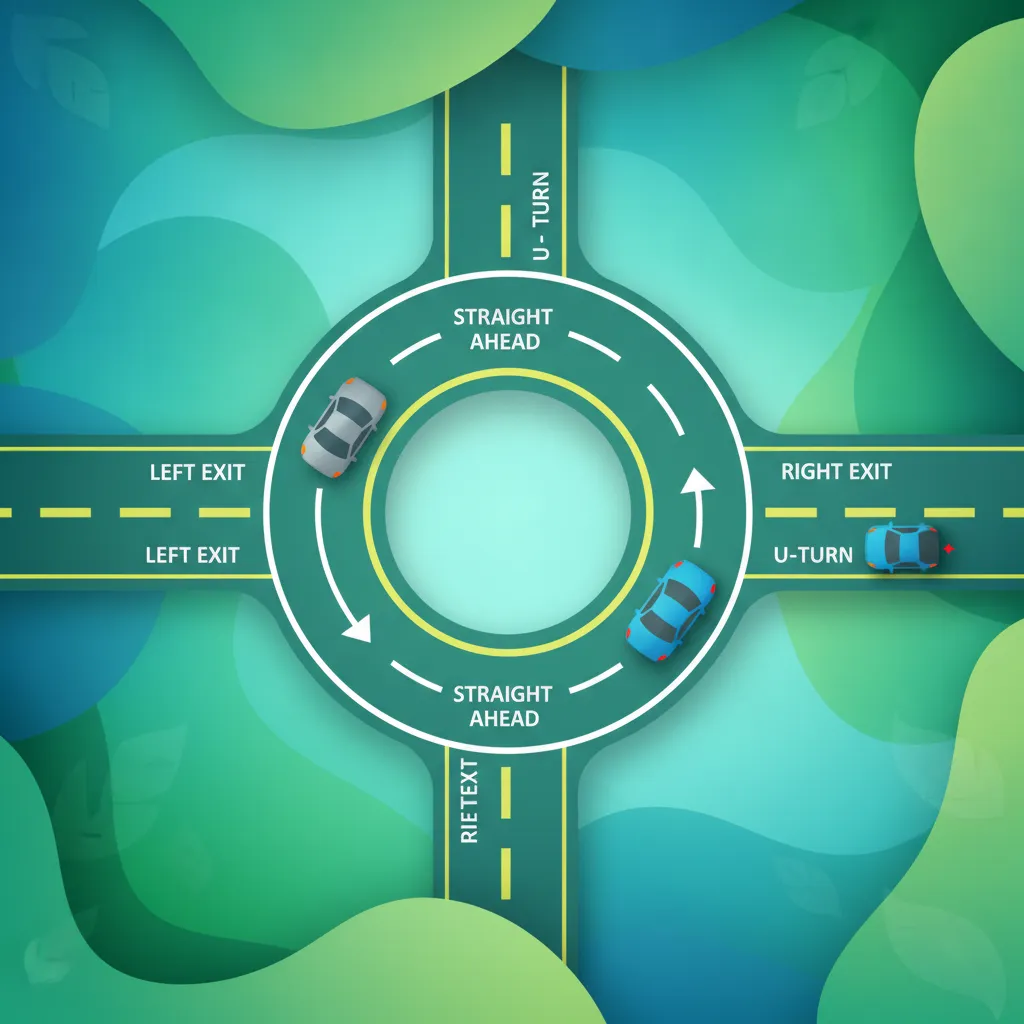
This lesson offers a step-by-step guide to navigating roundabouts in Denmark. You will learn how to approach and enter a roundabout, the requirement to yield to circulating traffic, and how to select the appropriate lane for your intended exit. Special attention is given to safely managing interactions with cyclists and pedestrians who may be present at roundabout entrances and exits.
This lesson provides detailed guidance on navigating pedestrian crossings (fodgængerfelter) and areas with high cyclist traffic. It clarifies your legal obligation to stop for pedestrians at zebra crossings and the proper speed to approach these zones. A central theme is understanding the rights of vulnerable road users and how to yield safely to them in accordance with Danish traffic law.

This lesson covers the correct techniques for various turning manoeuvres, including how to signal, position your vehicle, and judge gaps in traffic. It also details the legal and safety protocols for overtaking, emphasizing the importance of assessing speed, distance, and oncoming traffic. A thorough understanding of these procedures is crucial for navigating intersections and two-lane roads safely.
This lesson provides critical guidance for driving in environments with heavy cycle traffic, typical of Danish cities. It focuses on identifying and yielding to cyclists in dedicated bike lanes, especially when turning right across their path. The content emphasizes advanced observation skills to detect cyclists in blind spots and the importance of giving adequate space.
This lesson introduces cooperative driving as a fundamental element of road safety in Denmark. It highlights the social responsibility of drivers to act predictably, anticipate the actions of others, and maintain courteous interactions with all road users. By fostering mutual respect and cooperation, you will learn how to reduce the potential for conflict and enhance overall traffic safety.
This lesson provides detailed instructions for navigating Danish roundabouts. It covers the rules for yielding upon entry, selecting the correct lane based on the intended exit, and signalling intentions clearly. The lesson also highlights the specific rules regarding priority for cyclists crossing entry and exit lanes.
This lesson explains the regulations governing the use of dedicated bus lanes in Denmark. It covers when it is permissible to enter and exit these lanes, how to merge safely with general traffic, and the meaning of specific road markings. The content also details how public transport priority systems at traffic lights work and how drivers should respond to them.
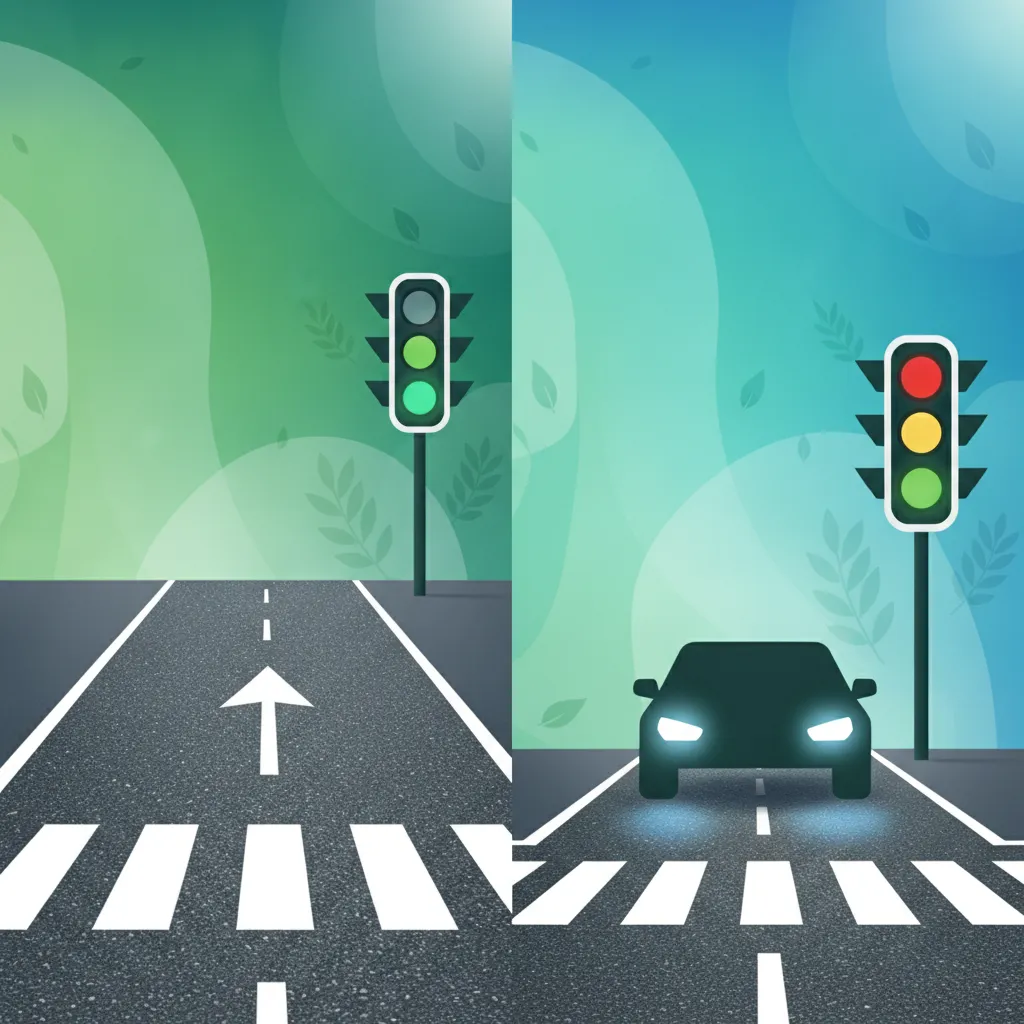
This lesson details the meaning and application of various road surface markings, including lane dividers, solid and broken lines, and directional arrows. You will also learn to interpret the full sequence of traffic light signals, including the specific rules for the amber (yellow) light phase. A proper understanding of these systems is vital for maintaining correct lane discipline and adhering to traffic controls.
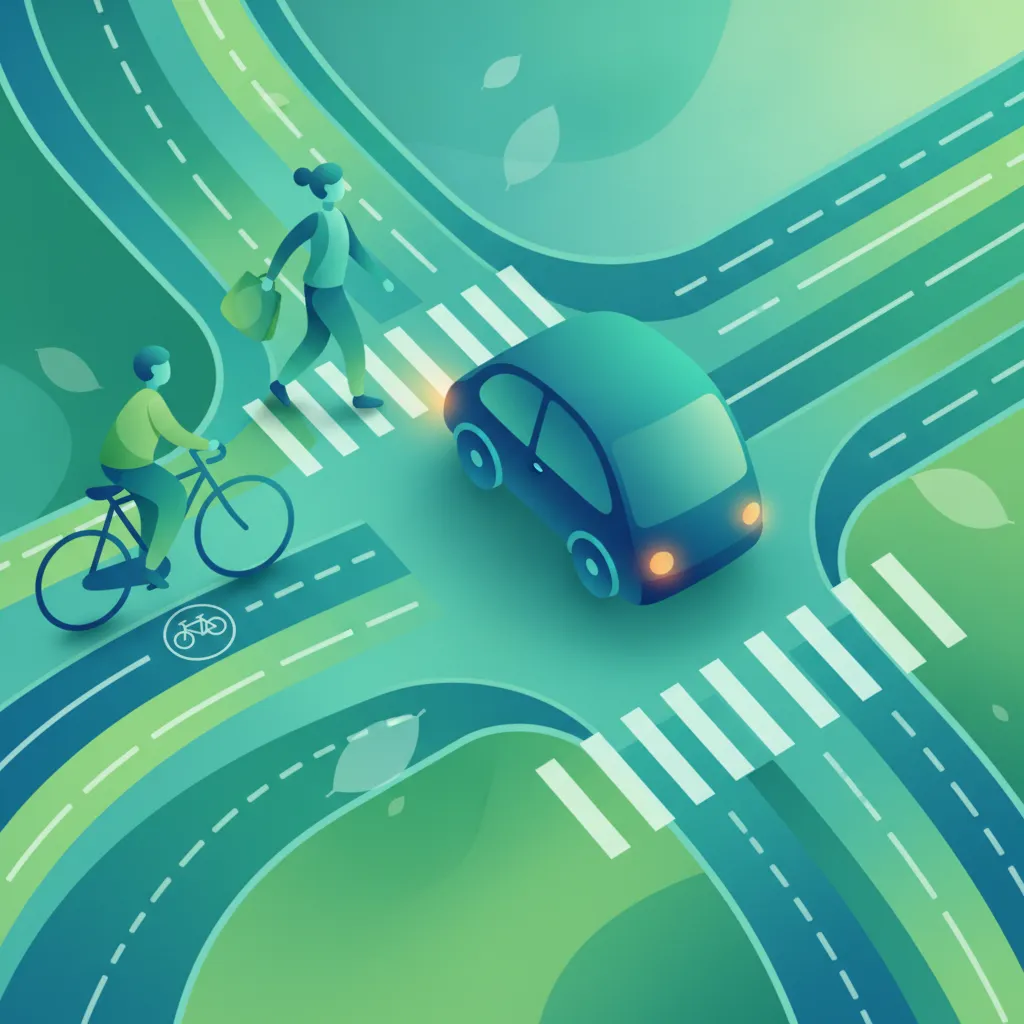
This lesson provides a systematic approach to safely navigating intersections. It covers how to interpret priority signs and traffic signals, establish right-of-way, and scan for potential conflicts from all directions. The importance of clear sightlines and anticipating the movements of other vehicles is a key focus.
Master the Danish traffic signs that define and end priority roads. Learn how to correctly interpret yellow diamond and end-of-priority signs, and understand the critical shift in yielding obligations at intersections in Danish driving theory.
This lesson provides an in-depth explanation of Denmark's priority rules, known as 'vigepligt.' It differentiates between unconditional priority ('ubetinget vigepligt'), often indicated by signs, and the default right-hand priority rule ('højre vigepligt'). Applying these rules correctly is essential for preventing collisions at junctions without traffic signals.
This lesson explains the regulations governing the use of dedicated bus lanes in Denmark. It covers when it is permissible to enter and exit these lanes, how to merge safely with general traffic, and the meaning of specific road markings. The content also details how public transport priority systems at traffic lights work and how drivers should respond to them.
This lesson details the meaning and application of various road surface markings, including lane dividers, solid and broken lines, and directional arrows. You will also learn to interpret the full sequence of traffic light signals, including the specific rules for the amber (yellow) light phase. A proper understanding of these systems is vital for maintaining correct lane discipline and adhering to traffic controls.
This lesson provides a systematic approach to safely navigating intersections. It covers how to interpret priority signs and traffic signals, establish right-of-way, and scan for potential conflicts from all directions. The importance of clear sightlines and anticipating the movements of other vehicles is a key focus.
This lesson covers the correct techniques for various turning manoeuvres, including how to signal, position your vehicle, and judge gaps in traffic. It also details the legal and safety protocols for overtaking, emphasizing the importance of assessing speed, distance, and oncoming traffic. A thorough understanding of these procedures is crucial for navigating intersections and two-lane roads safely.
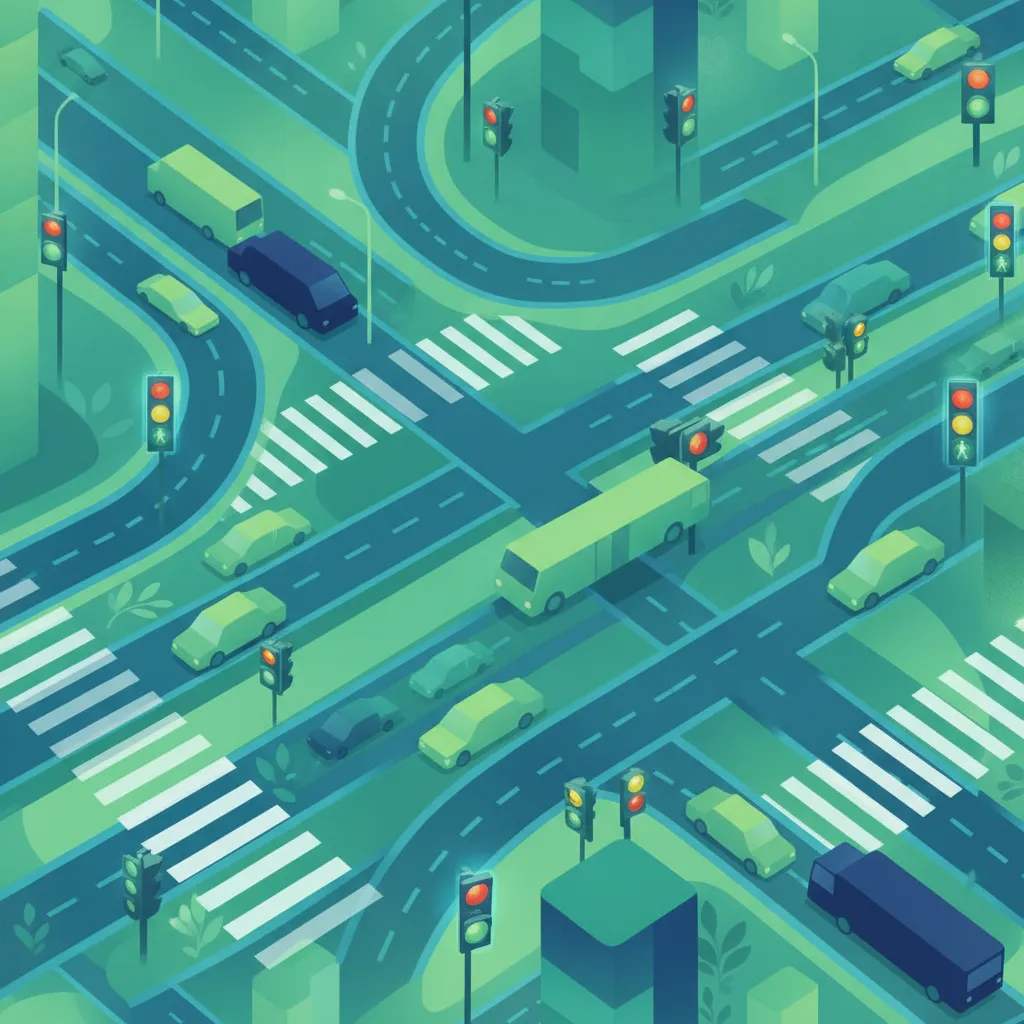
This lesson details the function and meaning of traffic light signals in Denmark. It covers the standard red, amber, and green sequences, as well as special signals like flashing amber lights and green arrows for turning. The content also explains signals specific to cyclists and pedestrians that moped riders must observe at intersections.
This lesson offers a step-by-step guide to navigating roundabouts in Denmark. You will learn how to approach and enter a roundabout, the requirement to yield to circulating traffic, and how to select the appropriate lane for your intended exit. Special attention is given to safely managing interactions with cyclists and pedestrians who may be present at roundabout entrances and exits.
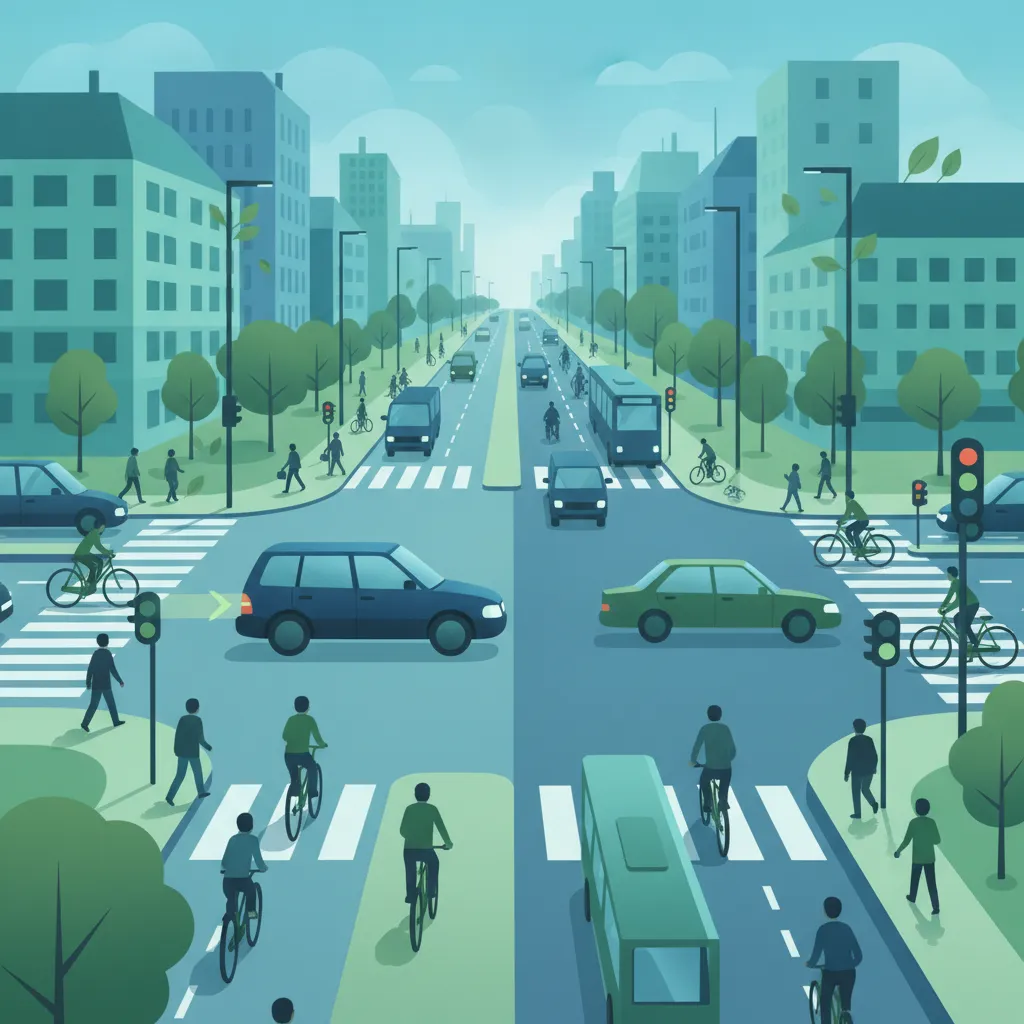
This lesson provides a structured method for approaching and crossing intersections safely. It reinforces the application of priority rules, the interpretation of signs and signals, and the importance of thorough observation. Specific attention is given to looking for cyclists and pedestrians who may be crossing the rider's path.
This lesson provides detailed instructions for navigating Danish roundabouts. It covers the rules for yielding upon entry, selecting the correct lane based on the intended exit, and signalling intentions clearly. The lesson also highlights the specific rules regarding priority for cyclists crossing entry and exit lanes.

This lesson teaches you to identify warning signs that alert drivers to upcoming hazards and changing road conditions. It covers common signs such as sharp curves, school zones, animal crossings, and temporary conditions like roadworks or slippery surfaces. Understanding these signs is crucial for anticipating risks and adjusting your driving to ensure safety on all types of Danish roads.
Find clear answers to common questions learners have about Unconditional Priority and Right-of-Way Rules. Learn how the lesson is structured, which driving theory objectives it supports, and how it fits into the overall learning path of units and curriculum progression in Denmark. These explanations help you understand key concepts, lesson flow, and exam focused study goals.
Unconditional priority (ubetinget vigepligt) means you have a legal obligation to yield to all traffic on the intersecting road, regardless of which direction they are coming from. Normal priority rules, like priority from the right, apply when there are no specific signs or markings indicating otherwise.
No, a yield sign requires you to slow down and be prepared to stop if there is traffic approaching. If the road is completely clear and it is safe to proceed without endangering or significantly hindering others, you may continue without coming to a complete stop.
In Denmark, cyclists are a major part of the traffic flow. When you have unconditional priority, you must ensure that you do not cross the path of cyclists or mopeds, as they often have separate lanes that you must cross when turning or entering an intersection.
Yes, a stop sign requires you to bring your vehicle to a complete standstill, usually at the stop line, regardless of whether other vehicles are present. This ensures you have adequate visibility of the intersection before proceeding.
Use our powerful search tool to pinpoint specific Danish driving theory topics, road signs, or traffic situations you need to review. Start exploring relevant practice sets now to reinforce your knowledge and build confidence for your upcoming driving licence exam.