
This lesson provides an essential guide to the priority rules governing Danish roads, known as vigepligt. By understanding these regulations, you will be able to navigate junctions safely as a stor knallert rider and successfully answer key questions in your Category AM theory exam.
Lesson content overview
Navigating Danish roads safely and legally requires a thorough understanding of the country's priority rules, collectively known as vigepligt. These rules are fundamental to preventing collisions at junctions, intersections, and other points where traffic paths cross. For anyone undertaking the Official Danish Driving Theory Course for Category AM (Stor Knallert), mastering vigepligt is not just about passing a test; it's about developing the critical awareness needed to operate a stor knallert responsibly and safely.
This lesson provides an in-depth explanation of Danish priority rules, differentiating between the absolute requirement to yield (unconditional vigepligt) and the default right-hand priority rule (højre vigepligt). We will explore how traffic signs and road markings communicate these rules and how to apply them correctly in various road situations.
Vigepligt (pronounced "vee-yeh-plikt") translates directly to "duty to yield" or "priority rules." It refers to the legal framework that dictates which road user has the right-of-way when two or more paths intersect. The primary goal of these rules is safety: by establishing clear expectations, vigepligt minimizes ambiguity and reduces the risk of accidents at conflict points on the road.
Understanding vigepligt involves more than just memorizing rules; it requires anticipating other road users' actions and being prepared to react. The rules are consistently applied across Denmark to ensure predictable traffic flow. They interact closely with other traffic control devices, such as road signs, road markings, and traffic lights, to create a comprehensive system for managing vehicle movement.
Unconditional vigepligt (Danish: ubetinget vigepligt) means you must yield to all other road users, regardless of their direction or speed, before proceeding. This is an absolute requirement, often explicitly indicated by specific traffic signs or road markings. When faced with unconditional vigepligt, your primary responsibility is to ensure the way is completely clear before you enter or cross the intersecting traffic flow.
The Give Way sign is a primary indicator of unconditional vigepligt. When you encounter this sign, you are obligated to yield to all traffic on the intersecting road. This means you must slow down significantly, be prepared to stop, and only proceed when it is safe to do so without hindering or endangering other road users.
At intersections with a Give Way sign, it is crucial to scan for traffic from all directions on the priority road. Even if the main road appears clear, you must confirm it is safe before moving forward. Failing to yield at a Give Way sign is a common cause of collisions and a serious traffic violation.
Even more stringent than the Give Way sign is the Stop sign. This sign also imposes unconditional vigepligt, but with an added requirement: you must come to a complete stop before the stop line, even if the road appears clear. After stopping, you must then yield to all traffic on the intersecting road before proceeding safely.
The complete stop is non-negotiable. Rolling slowly through a Stop sign (often called a "rolling stop") is a violation. Your wheels must cease movement for a moment before you can look for traffic and continue. Stop signs are typically placed at intersections with limited visibility, high traffic volume, or particularly dangerous conditions where a full stop is essential for safety.
Always remember: A 'Stop' sign requires a complete halt, not just slowing down. Your vehicle's wheels must stop moving entirely before you check for traffic and proceed.
In addition to signs, road markings also convey unconditional vigepligt. These markings provide visual cues directly on the road surface, reinforcing the message of the signs or sometimes acting as the sole indicator of priority.
Yield Line (Vigepligtstavle): This marking consists of a series of white triangles painted across your lane, pointing towards the intersection. It indicates where you should stop if you need to yield to traffic on the intersecting road. If there is a Give Way sign, the yield line is usually placed in conjunction with it. You must stop before this line.
Stop Line (Stoplinje): This is a solid, continuous white line painted across your lane at an intersection. It marks the precise point where you must bring your vehicle to a complete stop when a Stop sign is present. Similar to the yield line, you must stop before the stop line. Crossing this line before stopping is a violation.
These markings are legally binding and must be observed. They help drivers understand where exactly they are expected to yield or stop, providing clear guidance even in complex traffic situations.
Højre vigepligt (pronounced "hoy-reh vee-yeh-plikt") is the fundamental default priority rule in Denmark. It means that you must yield to traffic approaching from your right, unless specific signs, road markings, or traffic signals indicate otherwise. This rule applies at uncontrolled intersections – those without any Give Way signs, Stop signs, priority road signs, or traffic lights.
You will encounter højre vigepligt most commonly at:
In such a scenario, each driver must scan for traffic coming from their right. If another vehicle is approaching from your right, you must wait for them to pass before you proceed. This requires active observation and communication (e.g., eye contact or slight hesitation) with other drivers to ensure a safe and smooth flow of traffic.
It is vital to remember that højre vigepligt is a default rule. It is overridden by any explicit instruction from:
vigepligt rules.Give Way, Stop, or Priority Road signs (discussed next) override højre vigepligt.højre vigepligt.Therefore, always look for signs, markings, and signals first. Only if none are present do you apply højre vigepligt.
Certain road signs establish a priority road, meaning that traffic on this road has the right-of-way over traffic entering from side roads or crossing it. These signs are crucial for maintaining efficient traffic flow on main routes.
The Priority Road sign indicates that you are on a road where you have priority at upcoming intersections. This means that drivers entering from side roads or crossing your path will have ubetinget vigepligt (unconditional yielding) and must yield to you.
When on a priority road, you generally do not need to yield to traffic from your right at intersections, unless specific signs at that particular intersection indicate otherwise (e.g., a traffic light or a yield sign specifically for you). While you have priority, it is still crucial to remain vigilant and anticipate potential mistakes from other drivers. Never assume other drivers will always yield as required.
The End of Priority Road sign indicates that the priority road status is ending. After this sign, the default priority rules, such as højre vigepligt (right-hand priority), will apply again at subsequent uncontrolled intersections.
This sign serves as an important reminder to adjust your driving behavior and be prepared to yield where højre vigepligt or other signs dictate. Pay close attention to your surroundings after seeing this sign to identify any new priority situations.
Applying vigepligt correctly is most critical at intersections, where paths converge and diverge. Different types of junctions require different applications of the rules.
At T-junctions, where one road ends at another, specific priority rules apply:
vigepligt (indicated by a Give Way or Stop sign) and must yield to traffic on the main road.højre vigepligt applies. If you are on the "stem" and turning left or right onto the through road, you must yield to any vehicle approaching from your right. If you are on the through road, you still need to be aware of vehicles joining from your right from the stem.vigepligt not always marked by a sign.Roundabouts (rundkørsler) are designed to improve traffic flow, but they also have specific priority rules:
ubetinget vigepligt and must yield to traffic already circulating within the roundabout. This is usually indicated by Give Way signs and yield lines at each entrance.Always observe the signs at each roundabout. While yielding to traffic in the roundabout is the general rule, some larger roundabouts or those with complex layouts might have specific signage that alters this.
Priority rules are not applied in isolation. Various contextual factors require increased caution and a more defensive approach, even when you technically have the right-of-way.
As a Category AM rider, you are already a vulnerable road user compared to cars and trucks. However, there are others even more vulnerable:
Always maintain heightened awareness for cyclists and pedestrians, especially at intersections and when turning. Their safety takes precedence, and assuming they will yield to you can lead to dangerous situations.
Environmental and vehicle-specific factors necessitate a more cautious application of vigepligt:
Even experienced drivers can make mistakes regarding priority rules. For Category AM riders, these errors can have serious consequences.
Give Way or Stop Sign: This is a direct violation of unconditional vigepligt. Always slow down and be prepared to stop at a Give Way sign, and always come to a complete stop at a Stop sign before proceeding safely.Højre Vigepligt: Assuming you have priority at an uncontrolled intersection when traffic is approaching from your right. Always check to your right first; if no signs or signals indicate otherwise, yield to traffic from the right.Violating vigepligt rules is a serious offense under the Danish Road Traffic Act (Færdselsloven). Such violations not only endanger yourself and others but also carry legal penalties.
vigepligt violations can lead to points being added to your driving record, which can eventually lead to license suspension if you accumulate too many.vigepligt violation, you will likely be held liable for damages and face further legal consequences.Adhering to priority rules is not merely a formality; it is a fundamental aspect of safe and responsible participation in Danish road traffic.
Danish vigepligt rules establish clear priority at intersections, with ubetinget vigepligt (unconditional yielding) applying at marked Give Way and Stop sign locations, and højre vigepligt (right-hand priority) serving as the default rule at uncontrolled intersections where you must yield to traffic from your right. Priority Road signs override default rules in favor of main road traffic, while stop and yield lines provide legally binding visual guidance on exactly where to stop. Special attention is needed for roundabouts (yield to circulating traffic), vulnerable road users (cyclists and pedestrians), and adverse conditions that require increased caution even when you have priority.
A short set of high-value points that capture the most important learning from this lesson.
Vigepligt is the Danish legal framework governing right-of-way at intersections to prevent collisions and ensure predictable traffic flow
Ubetinget vigepligt (unconditional yielding) is signaled by Give Way or Stop signs and requires absolute yielding to all intersecting traffic
Højre vigepligt is the default right-hand priority rule that applies only at uncontrolled intersections with no signs, signals, or markings
Priority Road signs establish priority status that overrides højre vigepligt, while End of Priority Road signs restore default rules
When entering a roundabout in Denmark, you must yield to traffic already circulating within it
Explore all units and lessons included in this driving theory course.
Give Way signs require slowing and preparing to stop; Stop signs require your wheels to cease movement entirely before proceeding
Yield lines (white triangles) and stop lines (solid white lines) are legally binding markings showing where to stop
Always check for signs, signals, and markings first—only apply højre vigepligt when none are present
Exiting a parking area or driveway requires yielding to all public road traffic, even without a sign
Traffic lights and police officer instructions always override all other priority rules
Rolling through a Stop sign instead of making a complete stop with wheels fully stationary
Assuming priority at an uncontrolled intersection when traffic approaches from your right
Yielding unnecessarily when on a properly marked priority road or inside a roundabout
Crossing a yield line or stop line before confirming the path is completely clear
Failing to yield to cyclists and pedestrians at turns, especially when technically having right-of-way
Lesson content overview
A short set of high-value points that capture the most important learning from this lesson.
Vigepligt is the Danish legal framework governing right-of-way at intersections to prevent collisions and ensure predictable traffic flow
Ubetinget vigepligt (unconditional yielding) is signaled by Give Way or Stop signs and requires absolute yielding to all intersecting traffic
Højre vigepligt is the default right-hand priority rule that applies only at uncontrolled intersections with no signs, signals, or markings
Priority Road signs establish priority status that overrides højre vigepligt, while End of Priority Road signs restore default rules
When entering a roundabout in Denmark, you must yield to traffic already circulating within it
Explore all units and lessons included in this driving theory course.
Give Way signs require slowing and preparing to stop; Stop signs require your wheels to cease movement entirely before proceeding
Yield lines (white triangles) and stop lines (solid white lines) are legally binding markings showing where to stop
Always check for signs, signals, and markings first—only apply højre vigepligt when none are present
Exiting a parking area or driveway requires yielding to all public road traffic, even without a sign
Traffic lights and police officer instructions always override all other priority rules
Rolling through a Stop sign instead of making a complete stop with wheels fully stationary
Assuming priority at an uncontrolled intersection when traffic approaches from your right
Yielding unnecessarily when on a properly marked priority road or inside a roundabout
Crossing a yield line or stop line before confirming the path is completely clear
Failing to yield to cyclists and pedestrians at turns, especially when technically having right-of-way
Explore search topics learners often look for when studying Vigepligt and Priority Rules. These topics reflect common questions about road rules, driving situations, safety guidance, and lesson level theory preparation for learners in Denmark.
Browse additional driving theory lessons that cover connected traffic rules, road signs, and common driving situations related to this topic. Improve your understanding of how different rules interact across everyday traffic scenarios.
Learn how to navigate complex intersections and roundabouts in Denmark. This lesson details advanced priority rules, focusing on situations beyond basic højre vigepligt and unconditional yielding to ensure safe passage through challenging junctions.
This lesson explains the critical Danish concept of unconditional priority and how it determines right-of-way at various intersections. You will learn to recognize the hierarchy of priority roads through signs and markings, and understand your obligation to yield to other traffic. The material provides practical examples to help you apply these essential rules correctly in everyday driving scenarios.
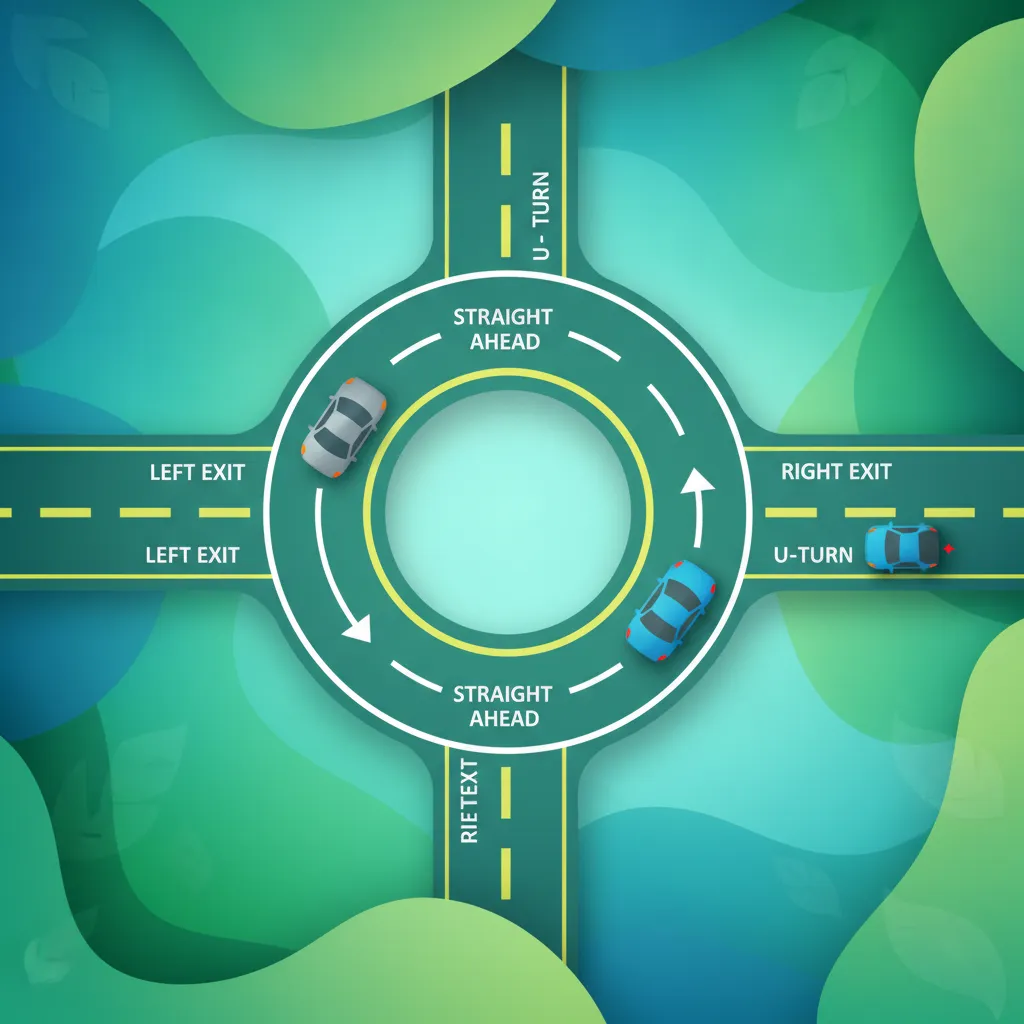
This lesson offers a step-by-step guide to navigating roundabouts in Denmark. You will learn how to approach and enter a roundabout, the requirement to yield to circulating traffic, and how to select the appropriate lane for your intended exit. Special attention is given to safely managing interactions with cyclists and pedestrians who may be present at roundabout entrances and exits.
This lesson provides detailed instructions for navigating Danish roundabouts. It covers the rules for yielding upon entry, selecting the correct lane based on the intended exit, and signalling intentions clearly. The lesson also highlights the specific rules regarding priority for cyclists crossing entry and exit lanes.
This lesson provides a structured method for approaching and crossing intersections safely. It reinforces the application of priority rules, the interpretation of signs and signals, and the importance of thorough observation. Specific attention is given to looking for cyclists and pedestrians who may be crossing the rider's path.
This lesson provides a systematic approach to safely navigating intersections. It covers how to interpret priority signs and traffic signals, establish right-of-way, and scan for potential conflicts from all directions. The importance of clear sightlines and anticipating the movements of other vehicles is a key focus.
This lesson provides detailed guidance on navigating pedestrian crossings (fodgængerfelter) and areas with high cyclist traffic. It clarifies your legal obligation to stop for pedestrians at zebra crossings and the proper speed to approach these zones. A central theme is understanding the rights of vulnerable road users and how to yield safely to them in accordance with Danish traffic law.

This lesson covers the correct techniques for various turning manoeuvres, including how to signal, position your vehicle, and judge gaps in traffic. It also details the legal and safety protocols for overtaking, emphasizing the importance of assessing speed, distance, and oncoming traffic. A thorough understanding of these procedures is crucial for navigating intersections and two-lane roads safely.
This lesson reinforces the driver's responsibility to protect pedestrians, particularly in busy urban areas and near schools. It details the procedures for approaching pedestrian crossings, the legal requirement to reduce speed significantly in marked school zones, and how to anticipate the unpredictable actions of pedestrians. The content covers traffic calming measures and the legal rights of pedestrians in various settings.
This lesson explains the regulations governing the use of dedicated bus lanes in Denmark. It covers when it is permissible to enter and exit these lanes, how to merge safely with general traffic, and the meaning of specific road markings. The content also details how public transport priority systems at traffic lights work and how drivers should respond to them.
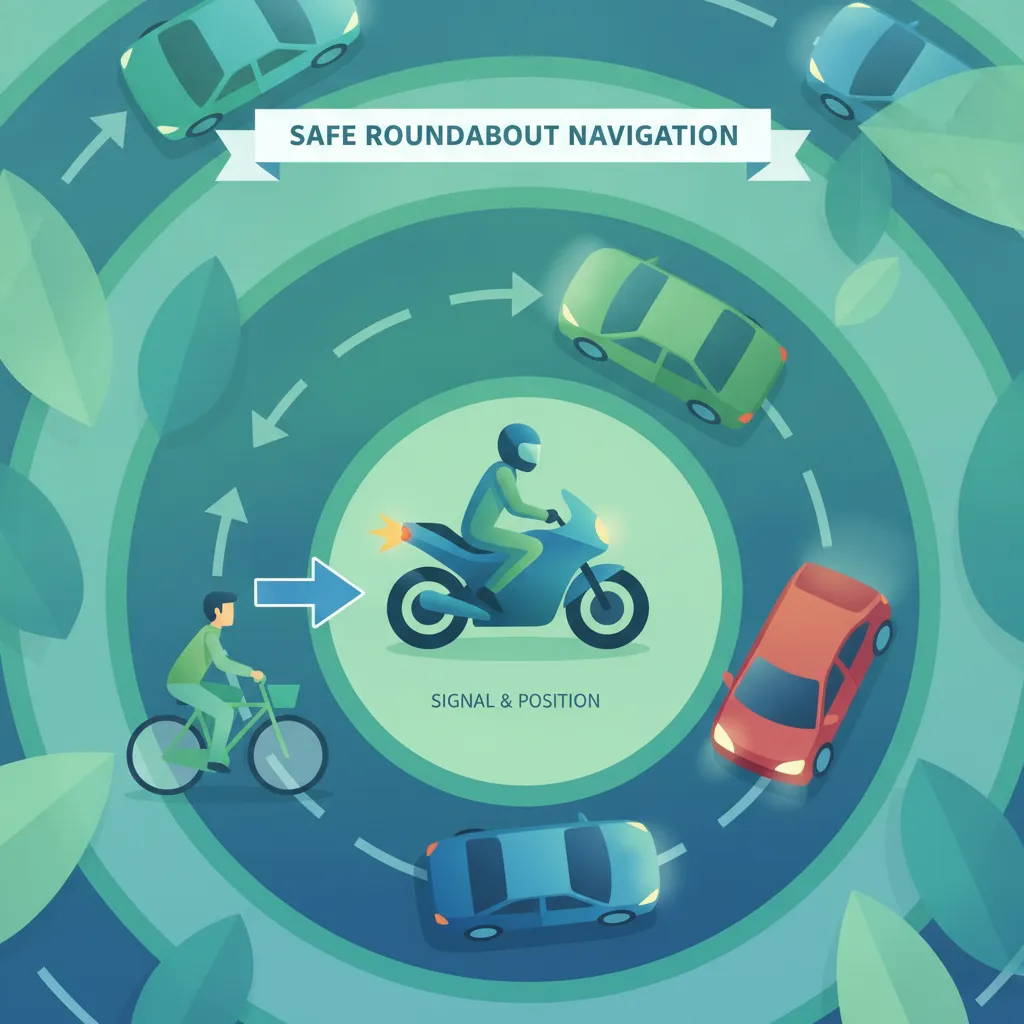
This lesson details the specific skills needed to navigate roundabouts on a motorcycle. It explains how to approach at a safe speed, select the correct lane based on your intended exit, and yield to circulating traffic. Proper use of signals to indicate intentions when entering and exiting is also covered.
Understand typical errors learners make with Danish 'vigepligt' and right-hand priority rules. This lesson uses practical scenarios to illustrate correct application and decision-making at junctions, preventing dangerous situations.
This lesson explains the critical Danish concept of unconditional priority and how it determines right-of-way at various intersections. You will learn to recognize the hierarchy of priority roads through signs and markings, and understand your obligation to yield to other traffic. The material provides practical examples to help you apply these essential rules correctly in everyday driving scenarios.
This lesson introduces cooperative driving as a fundamental element of road safety in Denmark. It highlights the social responsibility of drivers to act predictably, anticipate the actions of others, and maintain courteous interactions with all road users. By fostering mutual respect and cooperation, you will learn how to reduce the potential for conflict and enhance overall traffic safety.
This lesson covers the correct techniques for various turning manoeuvres, including how to signal, position your vehicle, and judge gaps in traffic. It also details the legal and safety protocols for overtaking, emphasizing the importance of assessing speed, distance, and oncoming traffic. A thorough understanding of these procedures is crucial for navigating intersections and two-lane roads safely.
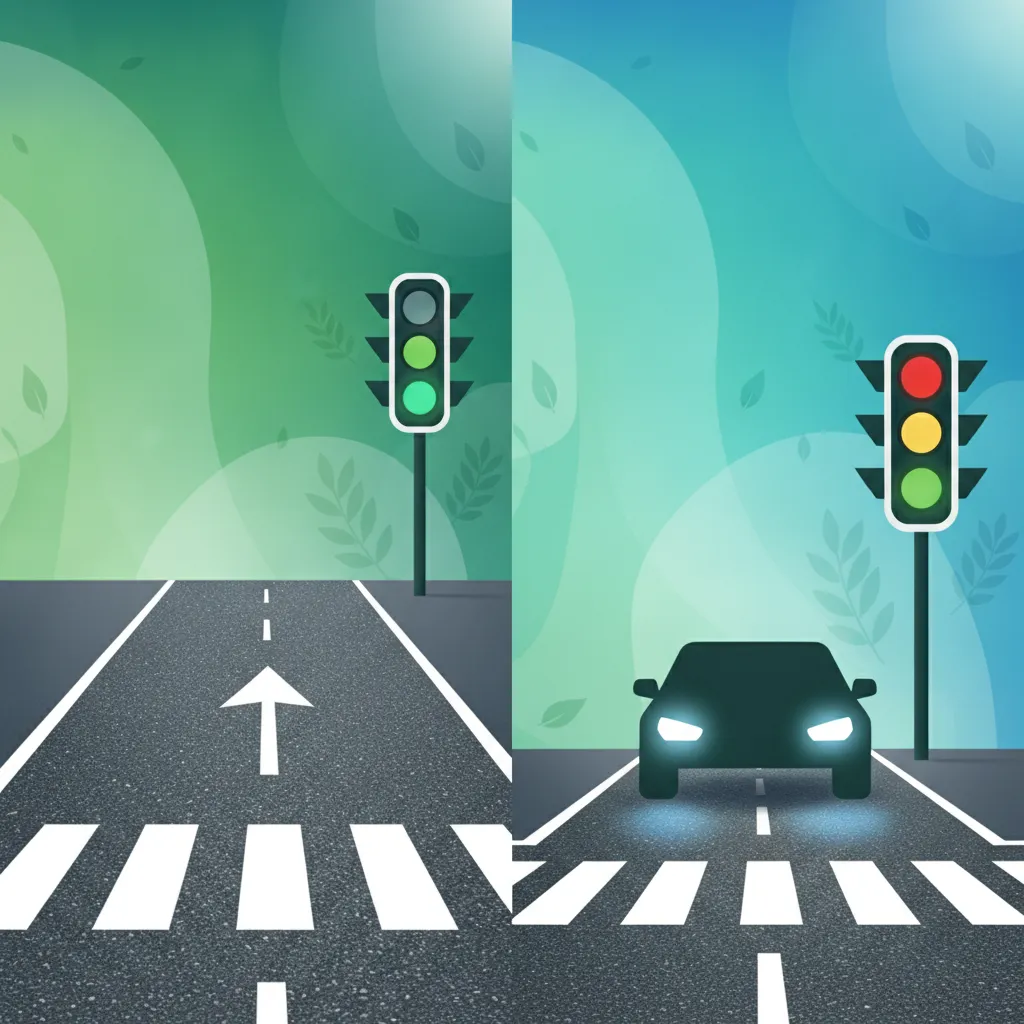
This lesson details the meaning and application of various road surface markings, including lane dividers, solid and broken lines, and directional arrows. You will also learn to interpret the full sequence of traffic light signals, including the specific rules for the amber (yellow) light phase. A proper understanding of these systems is vital for maintaining correct lane discipline and adhering to traffic controls.
This lesson emphasizes the professional driver's heightened responsibility to protect vulnerable road users. It revisits Danish regulations concerning cyclist priority, particularly during right turns, and details the correct procedures for maintaining safe overtaking distances. The content focuses on developing advanced situational awareness, using mirrors and cameras effectively, and anticipating the behavior of pedestrians and cyclists in urban environments.
This lesson introduces the essential principles of defensive driving, shifting the focus from reacting to hazards to proactively anticipating them. You will learn techniques for systematic scanning of the driving environment, maintaining a safety cushion around your vehicle, and identifying potential risks before they develop. These proactive strategies are fundamental to becoming a safer, more confident driver.
This lesson details the legal blood alcohol concentration (BAC) limit in Denmark and explains the zero-tolerance policy for driving under the influence of illegal drugs. It covers the serious legal consequences, which can include heavy fines, license suspension, and even imprisonment. The content also emphasizes the significant dangers and legal ramifications of distracted driving, particularly mobile phone use.

This lesson details the specific rules related to bus lanes and bus stops. It clarifies when other vehicles may use bus lanes, the legal requirement to yield to buses pulling away from a stop, and the importance of being cautious around embarking or disembarking passengers. Adherence to these rules is vital for the efficient and safe operation of public transportation.

This lesson addresses the heightened risks faced by novice drivers, such as a tendency towards overconfidence, the influence of peer pressure, and the dangers of fatigue. It provides practical strategies for managing these risks, maintaining focus while driving, and cultivating a responsible attitude. The goal is to build a strong foundation of safe driving habits from the very beginning of your driving career.
This lesson provides a clear action plan for handling emergencies on the road. It explains how to secure an accident scene using a warning triangle, when and how to call the emergency number 112, and the fundamentals of providing basic first aid. You will also learn the safe procedure for dealing with a vehicle breakdown to protect yourself and other road users.
Find clear answers to common questions learners have about Vigepligt and Priority Rules. Learn how the lesson is structured, which driving theory objectives it supports, and how it fits into the overall learning path of units and curriculum progression in Denmark. These explanations help you understand key concepts, lesson flow, and exam focused study goals.
Ubetinget vigepligt means you have an unconditional duty to yield, often indicated by a 'Give Way' sign or a stop sign. Højre vigepligt is the general rule where you must yield to traffic coming from your right at intersections where no other signs or markings are present.
The right-hand rule (højre vigepligt) applies as the default rule. However, if there are signs, traffic signals, or road markings like a shark's teeth (vigepligtslinjer), these override the default right-hand rule.
As a stor knallert rider, you are subject to the same priority rules as car drivers. Because your vehicle is smaller and may be less visible, it is even more important to clearly signal your intentions and maintain a defensive road position when exercising your right of way.
Yes, when you are crossing a cycle path while turning, you must generally yield to cyclists moving straight ahead. Always check your mirrors and blind spot thoroughly for cycle traffic before changing your position at a junction.
Use our powerful search tool to pinpoint specific Danish driving theory topics, road signs, or traffic situations you need to review. Start exploring relevant practice sets now to reinforce your knowledge and build confidence for your upcoming driving licence exam.