
Logo
Danish Driving Theory Courses

Lesson 1 of the Intersections, Roundabouts, Cycle Traffic and Urban Riding unit

Danish Motorcycle Theory A: Approaching and Navigating Intersections Safely

This lesson teaches you the essential protocols for approaching and navigating intersections as a motorcyclist in Denmark. It builds on your foundational understanding of traffic rules to help you identify priority, interpret signals, and manage risks in complex urban and rural settings. Mastering these techniques is critical for both your theory exam and your safety on the road.
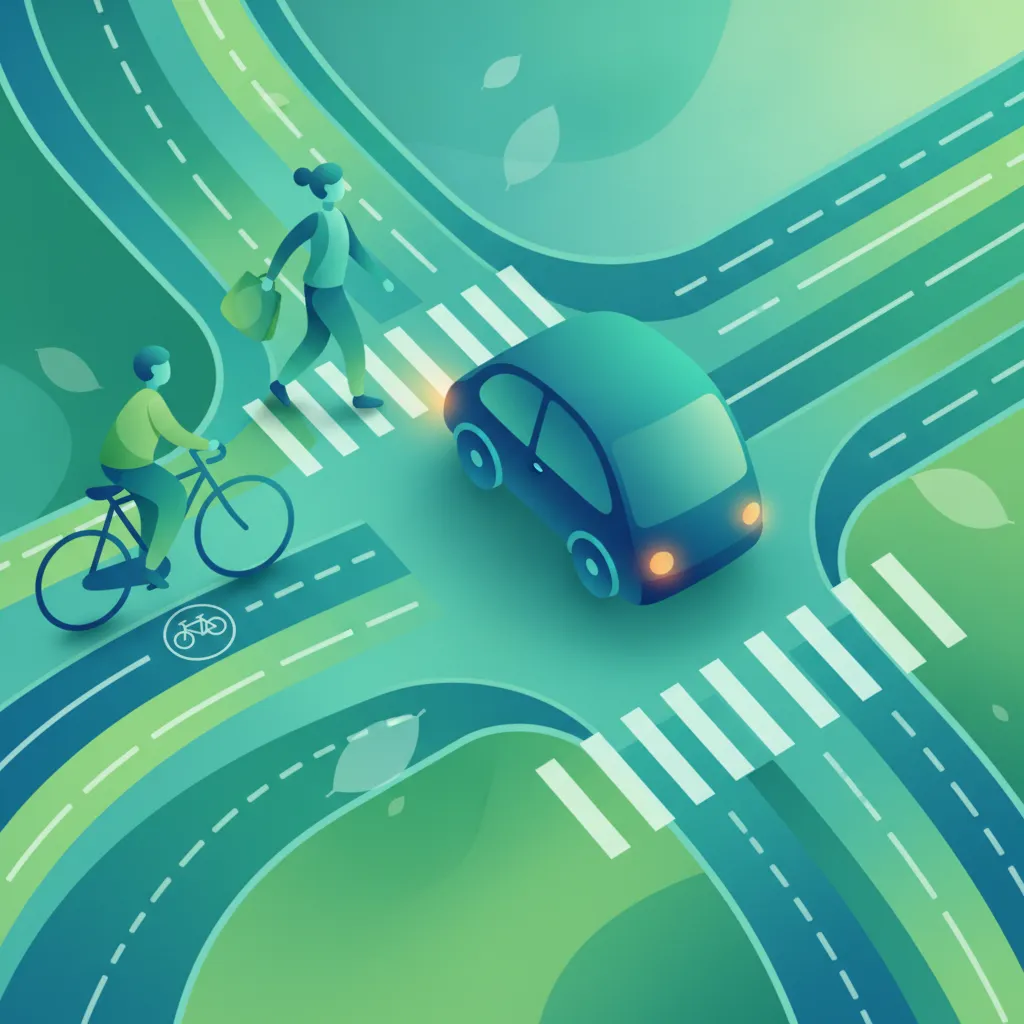
intersection rulesprioritymotorcycle theoryroad safetyDanish traffic law
Danish Motorcycle Theory A: Approaching and Navigating Intersections Safely

Lesson content overview

Danish Motorcycle Theory A

Approaching and Safely Navigating Intersections on a Motorcycle

Intersections are critical junctions where multiple roads meet, making them common locations for collisions. For motorcyclists, understanding how to approach and navigate these areas safely is paramount due to their inherent vulnerability. This comprehensive guide, part of your Danish Motorcycle Theory course, will provide a systematic approach to mastering intersections, focusing on interpretation of priority rules, establishing right-of-way, vigilant scanning for conflicts, and maintaining crucial clear sightlines.

Why Intersections Demand Extra Vigilance for Motorcyclists

Intersections represent a convergence of various traffic streams: vehicles moving straight, turning, and often pedestrians and cyclists. This complexity creates numerous potential conflict points. As a motorcyclist, your smaller profile can make you less conspicuous to other drivers, increasing the risk. Therefore, a proactive and systematic approach to every intersection is essential to anticipate hazards and ensure your safety.

Core Principles for Safe Intersection Navigation

Navigating intersections effectively relies on a few fundamental principles. Adhering to these core tenets will help you make timely, informed decisions and significantly reduce risk.

Understanding Priority Determination at Junctions

Priority determination defines the established order of movement, dictating which vehicle or road user has the legal right to proceed first. This rule set is crucial for preventing chaos and collisions where traffic paths converge. As a motorcyclist, it is your responsibility to quickly identify and respect the priority rules at every intersection, yielding when necessary and only proceeding when it is safe and your turn. Misjudging priority is a leading cause of intersection accidents.

Right-of-way is the practical application of priority rules; it is the legal entitlement for one road user to proceed before another in a specific situation. Establishing right-of-way involves more than just knowing the rule; it requires actively assessing the situation, making eye contact with other drivers where possible, and ensuring they are aware of your presence and intent. Never assume you have the right-of-way; always confirm it and be prepared to yield if there's any doubt about another driver's intentions or awareness.

Conflict Scanning: Proactively Searching for Hazards

Conflict scanning is the active and continuous process of observing all directions around an intersection for potential collision points. This goes beyond simply looking straight ahead; it involves a comprehensive visual sweep for cross-traffic, turning vehicles, pedestrians, cyclists, and any other potential hazards. Early detection allows you sufficient time to react, adjust your speed, or change your lane position to avoid a dangerous situation.

Maintaining Clear Sightlines: Seeing and Being Seen

A clear sightline refers to having an unobstructed view of the road ahead, to the sides, and through the intersection. Maintaining clear sightlines is vital for motorcyclists to anticipate hazards and react appropriately. It also contributes to being seen by other road users. This often involves adjusting your lane position, slowing down before blind spots, and avoiding riding too close to large vehicles that can block your view.

Key Concepts and Practical Strategies for Intersections

Developing a systematic approach to intersections involves mastering several key concepts, from interpreting road signs to executing safe maneuvers.

Interpreting Priority Signs and Road Markings

Priority signs are critical indicators that explicitly communicate who has the right-of-way at an intersection. Recognizing and correctly interpreting these signs well in advance is the first step towards safe navigation.

On a priority road, you generally have the right-of-way over traffic entering from side roads or crossing your path, unless otherwise indicated by traffic signals or specific road markings. However, this does not grant you absolute right-of-way; you must still proceed with caution and be prepared for others to fail to yield.

When you encounter a Yield sign, you must be prepared to stop and give way to all traffic approaching from the intersecting road, which is typically a priority road. You should slow down significantly and be ready to stop if necessary, only proceeding when the way is clear and it is safe to do so without forcing other traffic to slow down or change course.

A Stop sign mandates a full and complete stop before the marked stop line or, if no line exists, before entering the intersection itself where you have a clear view. After stopping, you must yield to all cross-traffic and pedestrians before proceeding cautiously. A "rolling stop" or failing to stop completely is a serious traffic violation and extremely dangerous.

Understanding and Obeying Traffic Signals

Traffic signals are light-controlled devices designed to regulate the flow of traffic at complex intersections, assigning specific times for different movements.

  • Green Light: Permits you to proceed, provided the intersection is clear and you can do so safely. Never assume a green light means the intersection is automatically safe; always scan for hazards, particularly turning vehicles, pedestrians, or emergency vehicles.
  • Amber Light: Indicates that the signal is about to change to red. You must prepare to stop unless you are so close to the stop line that stopping safely would require harsh braking or risk a rear-end collision.
  • Red Light: Requires you to stop completely before the stop line or the intersection. You must remain stopped until the light turns green.
  • Arrow Signals: Green arrow signals indicate a protected turn, meaning oncoming or cross-traffic should be stopped. Red arrow signals mean no turns are permitted in that direction.

Warning

Even with a green light, always scan the intersection thoroughly for other vehicles, cyclists, or pedestrians who might be running a red light or crossing against the signal. Motorcyclists should be particularly cautious as they are less visible.

Right-of-Way in Uncontrolled and Specific Intersection Scenarios

While signs and signals provide clear guidance, situations exist where right-of-way must be determined by general rules, especially in uncontrolled intersections (those without signs or signals).

  • General Rule for Uncontrolled Intersections (when no signs or signals dictate otherwise): The vehicle approaching from the right typically has the right-of-way. However, for a motorcyclist, it is always safer to assume the other driver may not see you or know this rule, so be prepared to yield.
  • Turning Left Across Oncoming Traffic: When making a left turn (or right turn in countries that drive on the left) and crossing the path of oncoming traffic, you must always yield to that oncoming traffic. Wait until there is a sufficient gap in traffic or until oncoming vehicles have passed before initiating your turn.
  • Yielding to Pedestrians and Cyclists: Pedestrians using a designated crosswalk (zebra crossing) or cyclists at marked cycle crossings always have the right-of-way. You must stop and allow them to cross completely before proceeding, even if you have a green light or are on a priority road.
  • Emergency Vehicles: Always yield to emergency vehicles (police, ambulance, fire) displaying flashing lights and/or sirens. Pull over to the right side of the road and stop, if safe to do so, until they have passed.

Proactive Scanning for Conflicts and Hidden Dangers

Effective scanning is a continuous process that begins well before you reach the intersection. For motorcyclists, a comprehensive scan is even more crucial due to vulnerability.

Motorcycle Scanning Strategy for Intersections

  1. Approach Scan: As you approach an intersection, begin scanning far ahead for signs, signals, and potential hazards. Note the type of intersection (crossroads, T-junction, roundabout).

  2. Left-Right-Left Scan: Before entering any intersection, perform a left-right-left head check. This ensures you see traffic from both directions, with the final check to the left (the direction of immediate threat for oncoming traffic) reinforcing your awareness.

  3. Check Mirrors: Glance in your mirrors frequently to be aware of traffic behind you, especially before slowing down or stopping.

  4. Look for Escape Routes: Always have an escape path in mind, should a conflict arise. This could be an open lane, a shoulder, or an area of the intersection itself.

  5. Observe Peripheral Areas: Pay attention to parked cars that might obscure a pedestrian, driveways where vehicles might emerge, or children playing nearby.

Tip

For motorcyclists, it's vital to develop "target fixation avoidance." While scanning, avoid locking your gaze on a single vehicle or object; keep your eyes moving to maintain a broad situational awareness.

Maximising Clear Sightlines and Road Positioning

Your lane position and speed significantly impact your ability to see and be seen at intersections.

  • Optimal Lane Position: Position your motorcycle to maximise your view of the intersection and to make yourself visible to other drivers. This often means moving to a lane position that provides the best sightline around parked cars, bushes, or large vehicles. Avoid riding in another vehicle's blind spot.
  • Adjusting Speed: Reduce your speed as you approach an intersection, even if you have priority or a green light. This gives you more time to react to unexpected hazards, such as a vehicle running a red light or a pedestrian stepping out. Slowing down also allows other drivers more time to see you.
  • "See-Through" Positioning: If your view is obstructed by a larger vehicle (e.g., a van or truck), try to position yourself slightly to one side to "see through" or around it, gaining an earlier view of cross-traffic.
  • Head Checks for Blind Spots: Before turning or changing lanes near an intersection, always perform a head check (looking over your shoulder) to confirm your blind spots are clear, especially for other motorcyclists, cyclists, or pedestrians.

Danish Traffic Regulations at Intersections: Key Rules

Adhering to specific Danish traffic regulations is non-negotiable for safe intersection navigation and to pass your motorcycle theory test.

Yielding to Traffic on the Priority Road

When approaching an intersection from a road marked with a yield sign (inverted triangle) or a side road not designated as priority, you must yield to all traffic on the main (priority) road. This means allowing them to pass before you proceed, ensuring they do not have to brake or swerve because of your entry.

Stopping Completely at a Stop Sign

At a stop sign (red octagon), you are legally required to bring your motorcycle to a complete halt before the designated stop line or, if none exists, before entering the intersection. After stopping, you must yield to all cross-traffic and pedestrians before moving off when it is safe to do so.

Obeying Traffic Signals Without Exception

All traffic signals (red, amber, green, and arrow signals) must be strictly obeyed. Running a red light or proceeding on an amber light when you could have stopped safely are serious offences that significantly increase collision risk.

Yielding When Turning Across Traffic

When turning left at an intersection and your path crosses that of oncoming traffic, you must yield to all oncoming vehicles. Only complete your turn when the path is completely clear, or you have a protected left turn signal. This rule applies even if you are on a priority road.

Protecting Vulnerable Road Users: Pedestrians and Cyclists

In Denmark, protecting vulnerable road users is a high priority. You must yield to pedestrians using designated crosswalks and to cyclists at marked cycle crossings. Always be prepared to stop for them, even if the traffic light is green for you.

Common Violations and Dangerous Situations at Intersections

Understanding common mistakes can help you actively avoid them.

  1. "Rolling Through" a Stop or Yield Sign: Failing to come to a complete stop at a stop sign or not slowing down sufficiently at a yield sign. This can lead to collisions with traffic on the priority road.
  2. Running a Red Light: Disregarding traffic signals is extremely dangerous and a major cause of severe accidents at intersections.
  3. Turning Without Yielding: Making a left turn across oncoming traffic without properly assessing gaps or yielding the right-of-way.
  4. Inadequate Scanning: Focusing solely on the vehicle directly ahead or failing to check all directions (left, right, mirrors) for cross-traffic, pedestrians, or cyclists. This can lead to being T-boned or striking a vulnerable road user.
  5. Overestimating Visibility: Assuming you have a clear view when it's actually obstructed by buildings, parked vehicles, or large trucks. Always adjust your position and speed to confirm sightlines.
  6. Failing to Yield to Vulnerable Road Users: Not giving way to pedestrians or cyclists at crosswalks or cycle paths, leading to potential serious injuries.
  7. Misinterpreting Priority: Incorrectly believing you have priority when you are on a yielding road, or vice-versa.
  8. Entering a Blocked Intersection: Moving into an intersection even on a green light when the exit is blocked by stationary traffic, causing a gridlock (known as "blocking the box").

Conditional Logic and Contextual Variations for Intersections

Your approach to intersections must adapt to various conditions.

  • Weather Conditions: Rain, fog, or snow significantly reduce visibility and increase stopping distances. Approach intersections much slower, increase your scanning frequency, and allow extra time for all maneuvers.
  • Time of Day: Nighttime riding reduces sight distance, making it harder to spot signs, signals, pedestrians, or turning vehicles. Use your headlights correctly and be extra cautious. During rush hour, traffic density increases the number of potential conflicts.
  • Road Type: Urban intersections often have higher traffic volumes, more pedestrians, and cyclists. Rural intersections might be less controlled, requiring greater reliance on general right-of-way rules and scanning.
  • Vehicle State (Motorcycle Specific): If your motorcycle is carrying a heavy load or a passenger, your braking distance will increase, requiring you to anticipate stops earlier. Any mechanical issues (e.g., faulty brakes) necessitate extreme caution.
  • Vulnerable Users: Exercise extreme vigilance near schools, residential areas, and anywhere pedestrians or cyclists are likely to be present. Always anticipate their movements and be prepared to yield.

Safety and Reasoning Insights at Intersections

  • Intersections are High-Conflict Zones: The reason for the rigorous rules and emphasis on caution is that intersections inherently involve crossing traffic flows, creating numerous points where collisions can occur.
  • Proactive Scanning and Clear Sightlines Save Lives: By extending your visual search and ensuring you have an unobstructed view, you gain precious seconds to react to unexpected events, potentially preventing a collision.
  • Prioritising Safety Prevents Collisions: Always prioritize safety over strictly enforcing your right-of-way. If there's any doubt about another driver's intentions, assume they haven't seen you and be prepared to yield.
  • Traffic Signal Phases: Understanding how traffic signals cycle can help you anticipate changes, but never proceed until the signal clearly allows it and the intersection is safe.

Essential Vocabulary for Intersections

Applied Scenarios for Intersection Practice

Let's consider how these concepts apply in real-world Danish riding situations.

Scenario 1: Approaching a Four-Way Stop

You are approaching a four-way stop intersection where all roads have stop signs. You are the second vehicle to arrive.

  • Correct Action for a Motorcyclist: Come to a complete stop behind the first vehicle. When it's your turn (after the first vehicle proceeds), come to the stop line, make a complete stop, scan left-right-left thoroughly for any vehicles or pedestrians, and then proceed when it is safe to do so. Remember the first vehicle to stop is the first to go.
  • Incorrect Action: Rolling through the stop sign without a full stop, or proceeding before it is clearly your turn, could lead to a collision.

Scenario 2: Turning Left at a T-Junction with a Yield Sign

You are at a T-junction on the minor road, intending to turn left onto the major (priority) road, which has a steady stream of oncoming traffic. You have a yield sign.

  • Correct Action for a Motorcyclist: Slow down well in advance, indicating your left turn with your signal. Position your motorcycle to maximize your view of the priority road. Stop or slow sufficiently to give way to all traffic already on the priority road. Only when there is a clear, safe gap in oncoming traffic (from your right, as you turn left) should you proceed with your turn.
  • Incorrect Action: Pulling out suddenly or attempting to "beat" oncoming traffic can result in a serious turning collision.

Scenario 3: Green Light and a Pedestrian at a Crosswalk

You are approaching a traffic light that turns green for you, but you notice a pedestrian stepping onto the zebra crossing just ahead of you.

  • Correct Action for a Motorcyclist: Even with a green light, you must slow down and stop before the crosswalk. Allow the pedestrian to cross the entire road safely before you proceed. This demonstrates respect for vulnerable road users and compliance with the law.
  • Incorrect Action: Accelerating through the intersection or attempting to go around the pedestrian would be a violation and highly dangerous.

Final Concept Summary for Intersection Safety

Successfully navigating intersections on your motorcycle requires a systematic and disciplined approach. Always:

  • Identify the type of intersection and recognize all applicable priority signs or traffic signals well in advance.
  • Initiate comprehensive scanning in all directions (left, right, ahead, mirrors, blind spots) long before entering the intersection.
  • Establish and maintain clear sightlines by adjusting your speed and lane position to see and be seen.
  • Yield to traffic on the priority road, come to a complete stop at stop signs, and always obey traffic signals.
  • Yield to all pedestrians and cyclists at designated crossings, regardless of your light or priority.
  • Execute turns only when it is unequivocally safe, always yielding to oncoming traffic when turning across its path.
  • Adapt your approach by adjusting speed and scanning frequency based on prevailing conditions like weather, time of day, and traffic density.
  • Be hyper-aware of vulnerable road users and always afford them extra space and time.

By diligently applying these principles, you will significantly enhance your safety and confidence when encountering any intersection as a motorcyclist in Denmark.

Learn more with these articles

Check out these practice sets

Lesson recap

Quick summary before you move on

Fast revision

Navigating intersections safely requires mastering a systematic approach: identify priority signs and signals early, scan all directions (left-right-left plus mirrors) before entering, and maintain clear sightlines by adjusting lane position and speed. In Denmark, you must yield to pedestrians at crosswalks and cyclists at marked cycle crossings regardless of your priority or light status. Common violations include rolling stops, running red lights, and misinterpreting priority rules. By adopting a defensive, proactive mindset and always preparing for others to make mistakes, motorcyclists can significantly reduce their risk at these high-conflict zones.


Core takeaways

Main ideas from this lesson

A short set of high-value points that capture the most important learning from this lesson.

Intersections are high-conflict zones requiring proactive, systematic scanning from all directions before entering

Your lane position and speed directly impact your ability to see and be seen; adjust both to maintain clear sightlines

Priority signs (yellow diamond for priority road, inverted triangle for yield, octagon for stop) must be identified well in advance

Always yield to pedestrians at crosswalks and cyclists at marked cycle crossings, regardless of your light or priority status

Never assume you have right-of-way; actively confirm other drivers are yielding before proceeding

Remember this

Details worth keeping in mind

Point 1

Perform a left-right-left head check before entering any intersection, with the final check reinforcing awareness of oncoming traffic

Point 2

A complete stop at a stop sign means fully halting behind the line; a rolling stop is both illegal and dangerous

Point 3

On uncontrolled intersections (no signs or signals), traffic from the right typically has priority, but always assume others may not see you

Point 4

When turning left across oncoming traffic, you must yield to all vehicles before completing the turn, even on a priority road

Point 5

Adverse weather and reduced visibility require earlier scanning initiation and lower approach speeds at every intersection

Watch for this

Frequent learner mistakes

Rolling through stop signs or failing to slow adequately at yield signs, often misjudging gaps in priority traffic

Proceeding on a green light without scanning for vehicles, cyclists, or pedestrians running red or crossing unexpectedly

Misinterpreting which road has priority, particularly at unmarked or partially signed intersections

Riding in another vehicle's blind spot, blocking your own sightlines and making yourself invisible to other drivers

Blocking the intersection by entering on green when the exit is congested, creating gridlock and potential collisions

Search topics related to Approaching and Navigating Intersections Safely

Explore search topics learners often look for when studying Approaching and Navigating Intersections Safely. These topics reflect common questions about road rules, driving situations, safety guidance, and lesson level theory preparation for learners in Denmark.

Danish motorcycle theory intersection rulesright of way rules Denmark driving testhow to navigate intersections for motorcycle licenseapproaching junctions safety tips motorcycleDanish theory exam priority questions explainedmotorcycle lane position at intersections Denmarkcommon motorcycle intersection accidents Denmark

Related driving theory lessons for Approaching and Navigating Intersections Safely

Browse additional driving theory lessons that cover connected traffic rules, road signs, and common driving situations related to this topic. Improve your understanding of how different rules interact across everyday traffic scenarios.

Complex Intersection Scenarios and Priority Rules for Danish Motorcycle Theory

Explore advanced intersection types and challenging priority situations relevant to Danish motorcycle theory. Understand how to navigate multi-lane junctions, confusing layouts, and unexpected scenarios with confidence and adherence to traffic law.
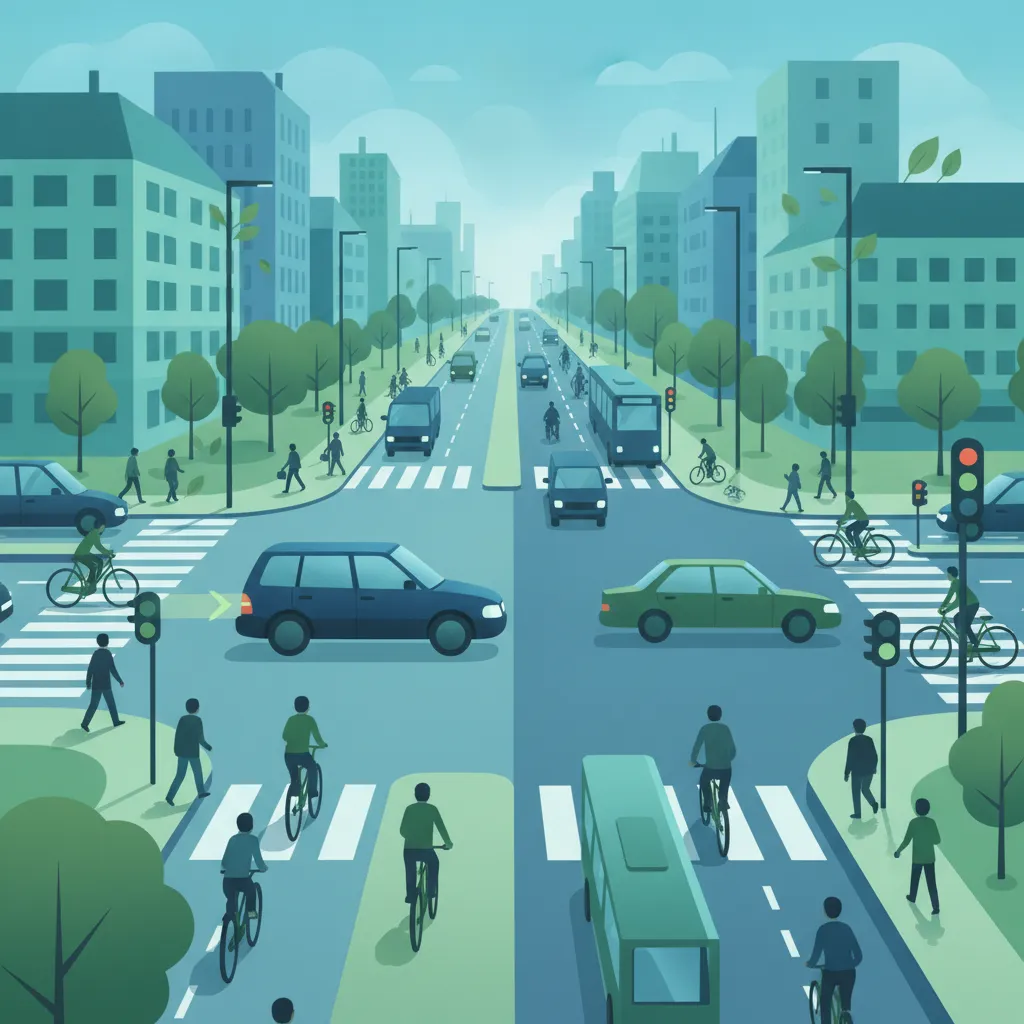
intersectionscomplex junctionspriority rulesadvanced theoryDanish traffic lawmotorcycle riding
Approaching and Navigating Intersections lesson image

Approaching and Navigating Intersections

This lesson provides a structured method for approaching and crossing intersections safely. It reinforces the application of priority rules, the interpretation of signs and signals, and the importance of thorough observation. Specific attention is given to looking for cyclists and pedestrians who may be crossing the rider's path.
Danish Driving Theory AMIntersections, Roundabouts, Cycle Traffic and Urban Risk
View lesson
Roundabout Strategies for Motorcyclists lesson image

Roundabout Strategies for Motorcyclists

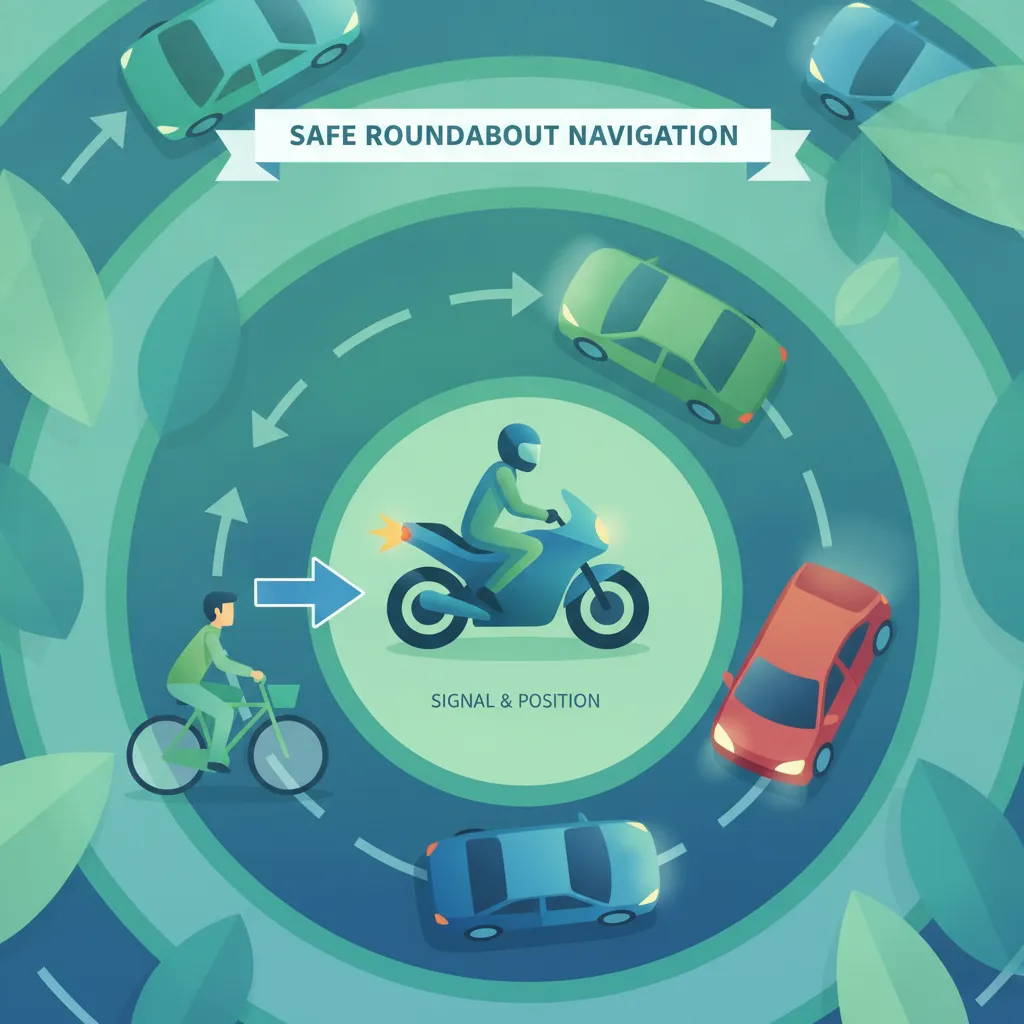
This lesson details the specific skills needed to navigate roundabouts on a motorcycle. It explains how to approach at a safe speed, select the correct lane based on your intended exit, and yield to circulating traffic. Proper use of signals to indicate intentions when entering and exiting is also covered.
Danish Motorcycle Theory AIntersections, Roundabouts, Cycle Traffic and Urban Riding
View lesson
Managing Traffic Near Road Works and Construction Zones lesson image

Managing Traffic Near Road Works and Construction Zones

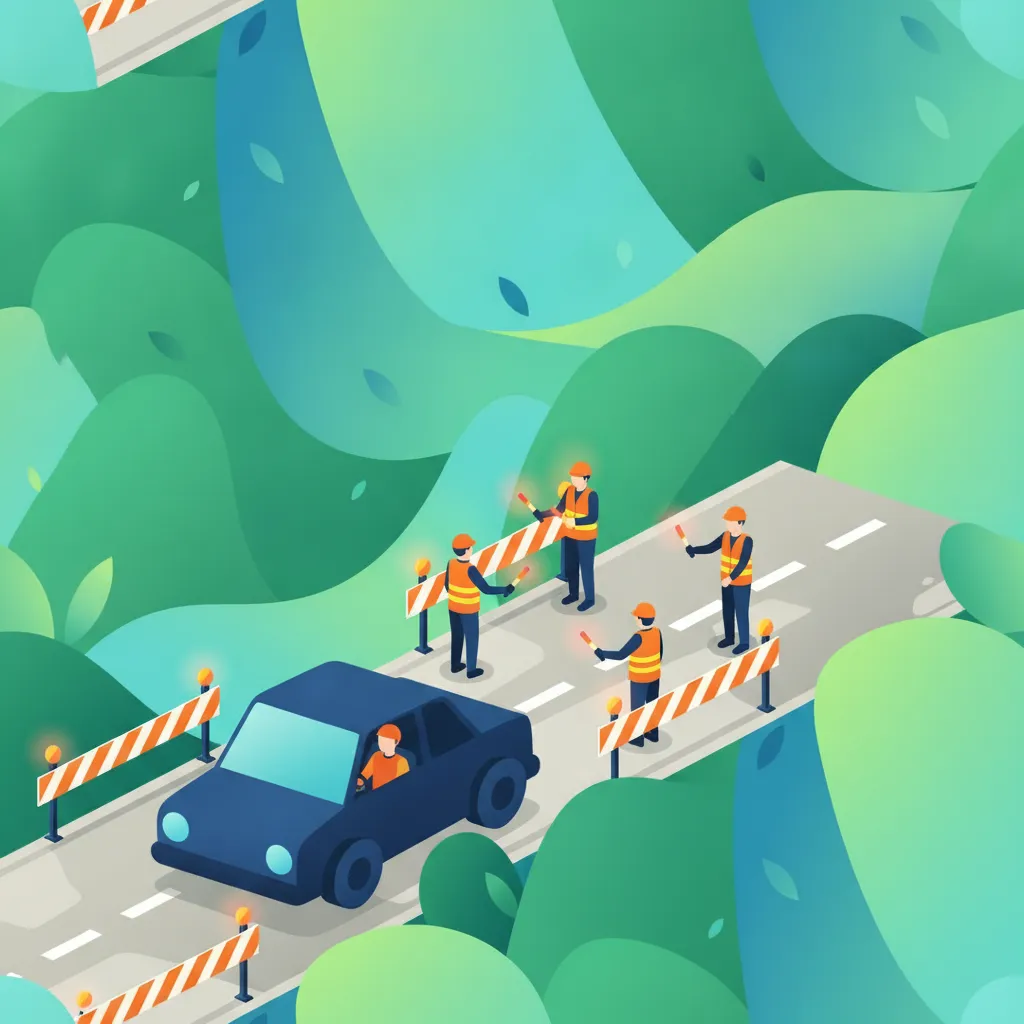
This lesson explains the procedures for safely riding through construction zones. It covers how to respond to temporary signage, lane closures, and flaggers directing traffic. Riders will learn to reduce speed and be vigilant for uneven pavement, loose gravel, and the movement of workers and equipment.
Danish Motorcycle Theory AIntersections, Roundabouts, Cycle Traffic and Urban Riding
View lesson
Roundabouts: Entry, Circulation, and Exit lesson image

Roundabouts: Entry, Circulation, and Exit

This lesson provides detailed instructions for navigating Danish roundabouts. It covers the rules for yielding upon entry, selecting the correct lane based on the intended exit, and signalling intentions clearly. The lesson also highlights the specific rules regarding priority for cyclists crossing entry and exit lanes.

Danish Driving Theory AMIntersections, Roundabouts, Cycle Traffic and Urban Risk
View lesson
Interacting with Cyclists, E-Bikes, and Pedestrians lesson image

Interacting with Cyclists, E-Bikes, and Pedestrians

This lesson focuses on safe interactions with Denmark's large population of cyclists and other vulnerable road users. It covers the rules for passing cyclists, yielding at pedestrian crossings, and the specific hazard of turning across a bike lane. Developing heightened awareness for these interactions is critical for urban riding.

Danish Motorcycle Theory AIntersections, Roundabouts, Cycle Traffic and Urban Riding
View lesson
Riding on Motorways: Entry, Lane Discipline, and Exit lesson image

Riding on Motorways: Entry, Lane Discipline, and Exit

This lesson provides a guide to motorway riding, a high-speed and demanding environment. It details the process for using acceleration lanes to merge smoothly, maintaining proper lane discipline, and preparing for exits well in advance. Key safety principles like the two-second rule are reinforced for this context.
Danish Motorcycle Theory AOvertaking, Motorways, Bridges, Coastal Roads and Rural Traffic
View lesson
Urban Riding in Cycle-Heavy Streets and Bus Stops lesson image

Urban Riding in Cycle-Heavy Streets and Bus Stops

This lesson addresses the unique challenges of streets with dedicated cycle lanes and numerous bus stops. It teaches riders how to anticipate pedestrians moving to and from buses and how to position themselves to avoid conflict with cyclists. The goal is to navigate these complex environments smoothly and safely.

Danish Motorcycle Theory AIntersections, Roundabouts, Cycle Traffic and Urban Riding
View lesson
Safe Overtaking Practices and Gap Assessment lesson image

Safe Overtaking Practices and Gap Assessment

This lesson breaks down the critical skill of overtaking into a safe, repeatable process. It covers how to judge the time and space needed, check for oncoming traffic, and execute the maneuver decisively. The importance of signaling and returning to the lane safely is also emphasized.

Danish Motorcycle Theory AOvertaking, Motorways, Bridges, Coastal Roads and Rural Traffic
View lesson
Rural Road Riding: Visibility, Wildlife, and Agricultural Vehicles lesson image

Rural Road Riding: Visibility, Wildlife, and Agricultural Vehicles

This lesson prepares riders for the specific hazards of rural roads, which often have less visibility and more unpredictable surfaces. It covers strategies for approaching blind curves, safely passing agricultural machinery, and being vigilant for animals on the road. Adjusting speed to match visibility is a core principle.

Danish Motorcycle Theory AOvertaking, Motorways, Bridges, Coastal Roads and Rural Traffic
View lesson
Vigepligt and Priority Rules lesson image

Vigepligt and Priority Rules

This lesson provides an in-depth explanation of Denmark's priority rules, known as 'vigepligt.' It differentiates between unconditional priority ('ubetinget vigepligt'), often indicated by signs, and the default right-hand priority rule ('højre vigepligt'). Applying these rules correctly is essential for preventing collisions at junctions without traffic signals.

Danish Driving Theory AMDanish Signs, Markings, Signals and Priority Rules
View lesson

Intersections: Yielding to Pedestrians and Cyclists in Danish Traffic Theory

Focus on the critical aspects of safely navigating intersections with vulnerable road users. Learn how to correctly yield to pedestrians at crosswalks and cyclists at cycle crossings, as per Danish traffic regulations.

intersectionsvulnerable road userspedestrianscyclistsyielding rulesDanish traffic lawmotorcycle theory
Interacting with Cyclists, E-Bikes, and Pedestrians lesson image

Interacting with Cyclists, E-Bikes, and Pedestrians

This lesson focuses on safe interactions with Denmark's large population of cyclists and other vulnerable road users. It covers the rules for passing cyclists, yielding at pedestrian crossings, and the specific hazard of turning across a bike lane. Developing heightened awareness for these interactions is critical for urban riding.

Danish Motorcycle Theory AIntersections, Roundabouts, Cycle Traffic and Urban Riding
View lesson
Motorcycle Specific Risks and Vulnerability lesson image

Motorcycle Specific Risks and Vulnerability

This lesson examines the specific risks inherent to motorcycling, emphasizing a rider's vulnerability due to reduced physical protection compared to other vehicles. It covers the heightened severity of injuries in accidents and the critical role of protective gear in mitigating harm. Learners will understand how to adopt defensive strategies, such as proper road positioning, to counteract these risks.

Danish Motorcycle Theory ADanish A1, A2 and A, Rider Responsibility and Motorcycle Risk
View lesson
Road Sharing with Cyclists and Pedestrians lesson image

Road Sharing with Cyclists and Pedestrians

This lesson focuses on the safe integration of cyclists and pedestrians within the traffic system, a key feature of Danish roads. It covers the specific rights and common behaviors of cyclists, including those on e-bikes and cargo bikes, and explains procedures for yielding to pedestrians. The content emphasizes maintaining safe distances and heightened awareness to prevent accidents and promote harmonious road sharing.
Danish Driving Theory BDanish Traffic Culture and Road Sharing Principles
View lesson
Protection of Cyclists and Pedestrians lesson image

Protection of Cyclists and Pedestrians

This lesson emphasizes the professional driver's heightened responsibility to protect vulnerable road users. It revisits Danish regulations concerning cyclist priority, particularly during right turns, and details the correct procedures for maintaining safe overtaking distances. The content focuses on developing advanced situational awareness, using mirrors and cameras effectively, and anticipating the behavior of pedestrians and cyclists in urban environments.
Danish Heavy Vehicle Theory CUrban Deliveries, Ports, Cyclists and Vulnerable Road Users
View lesson
Pedestrian Crossings and Cyclist Zones lesson image

Pedestrian Crossings and Cyclist Zones

This lesson provides detailed guidance on navigating pedestrian crossings (fodgængerfelter) and areas with high cyclist traffic. It clarifies your legal obligation to stop for pedestrians at zebra crossings and the proper speed to approach these zones. A central theme is understanding the rights of vulnerable road users and how to yield safely to them in accordance with Danish traffic law.

Danish Driving Theory BPriority Rules, Pedestrian Crossings, and Roundabouts
View lesson
Urban Riding in Cycle-Heavy Streets and Bus Stops lesson image

Urban Riding in Cycle-Heavy Streets and Bus Stops

This lesson addresses the unique challenges of streets with dedicated cycle lanes and numerous bus stops. It teaches riders how to anticipate pedestrians moving to and from buses and how to position themselves to avoid conflict with cyclists. The goal is to navigate these complex environments smoothly and safely.
Danish Motorcycle Theory AIntersections, Roundabouts, Cycle Traffic and Urban Riding
View lesson
Safe Interaction with High Volumes of Cycle Traffic lesson image

Safe Interaction with High Volumes of Cycle Traffic

This lesson provides critical guidance for driving in environments with heavy cycle traffic, typical of Danish cities. It focuses on identifying and yielding to cyclists in dedicated bike lanes, especially when turning right across their path. The content emphasizes advanced observation skills to detect cyclists in blind spots and the importance of giving adequate space.

Danish Passenger Transport Theory DCity Traffic, Bus Lanes, Cycle Traffic and Public Transport Priority
View lesson
Managing Interactions with Cyclists and E-Bikes lesson image

Managing Interactions with Cyclists and E-Bikes

This lesson provides in-depth guidance on safely interacting with cyclists and e-bike riders, a daily reality in Danish cities. It explains how to provide adequate space when overtaking, how to anticipate their movements at intersections, and how to respect their right-of-way in designated lanes. Understanding these dynamics is essential for preventing common accidents and ensuring a safe urban driving experience for everyone.

Danish Driving Theory BUrban Risk: Cyclists, E-bikes, Buses, and Pedestrians
View lesson
Managing Traffic Near Road Works and Construction Zones lesson image

Managing Traffic Near Road Works and Construction Zones

This lesson explains the procedures for safely riding through construction zones. It covers how to respond to temporary signage, lane closures, and flaggers directing traffic. Riders will learn to reduce speed and be vigilant for uneven pavement, loose gravel, and the movement of workers and equipment.

Danish Motorcycle Theory AIntersections, Roundabouts, Cycle Traffic and Urban Riding
View lesson
Roundabout Strategies for Motorcyclists lesson image

Roundabout Strategies for Motorcyclists

This lesson details the specific skills needed to navigate roundabouts on a motorcycle. It explains how to approach at a safe speed, select the correct lane based on your intended exit, and yield to circulating traffic. Proper use of signals to indicate intentions when entering and exiting is also covered.

Danish Motorcycle Theory AIntersections, Roundabouts, Cycle Traffic and Urban Riding
View lesson

Frequently asked questions about Approaching and Navigating Intersections Safely

Find clear answers to common questions learners have about Approaching and Navigating Intersections Safely. Learn how the lesson is structured, which driving theory objectives it supports, and how it fits into the overall learning path of units and curriculum progression in Denmark. These explanations help you understand key concepts, lesson flow, and exam focused study goals.

Do I always have to stop at an intersection if I am unsure of the priority?

In Danish traffic law, if you are unsure or if the priority is not clearly marked, you must always approach with extreme caution and be prepared to yield. Never assume you have the right-of-way unless you are certain of the signs and markings.

How does the 'right-hand rule' apply to motorcycles in Denmark?

The right-hand rule (højrevigepligt) applies at unmarked intersections where no other signs or markings dictate priority. As a motorcyclist, you must scan to your right and yield to traffic approaching from that side, regardless of the vehicle type.

What is the biggest mistake learners make regarding intersections in the theory test?

Many learners fail to scan early enough or forget to account for cyclists when turning. Always perform a shoulder check and verify the path is clear of vulnerable road users before committing to a turn at an intersection.

Why is lane positioning important when approaching an intersection?

Proper lane positioning increases your visibility to other drivers and helps you maintain stability while turning. By choosing the correct part of the lane, you signal your intentions clearly and provide yourself with more space to react to unexpected hazards.

Ready to Find Your Next Targeted Danish Driving Theory Practice Set?

Use our powerful search tool to pinpoint specific Danish driving theory topics, road signs, or traffic situations you need to review. Start exploring relevant practice sets now to reinforce your knowledge and build confidence for your upcoming driving licence exam.

Search Practice Questions

Continue your Danish driving theory learning journey

Danish road signsDanish article topicsSearch Danish road signsDanish driving theory homeDanish road sign categoriesDanish driving theory topicsSearch Danish theory articlesDanish driving theory coursesDanish Driving Theory B courseDanish driving theory articlesDanish driving theory practiceDanish practice set categoriesDanish Driving Theory AM courseDanish Motorcycle Theory A courseDanish driving licence proceduresDanish Heavy Vehicle Theory C courseSearch Danish driving theory practiceDanish driving theory terminology A–ZDanish driving theory terms and glossaryDanish Passenger Transport Theory D courseCategory B Overview and Learner Responsibilities unit in Danish Driving Theory BDanish Traffic Culture and Road Sharing Principles unit in Danish Driving Theory BDanish Signs, Markings, Signals and Priority Rules unit in Danish Driving Theory AMAM in Denmark, Stor Knallert and First-Rider Responsibility unit in Danish Driving Theory AMMotorcycle Controls, Safety Checks and Protective Equipment unit in Danish Motorcycle Theory ADanish A1, A2 and A, Rider Responsibility and Motorcycle Risk unit in Danish Motorcycle Theory AMass, Dimensions, Axle Loads, Payload and Operating Limits unit in Danish Heavy Vehicle Theory CRoundabout Strategies for Motorcyclists lesson in Intersections, Roundabouts, Cycle Traffic and Urban RidingDanish C Categories, Heavy-Vehicle Responsibility and Professional Mindset unit in Danish Heavy Vehicle Theory CDanish D Categories, Passenger Duty of Care and Professional Identity unit in Danish Passenger Transport Theory DPassenger Vehicle Checks, Dimensions, Doors, Mirrors and Safety Systems unit in Danish Passenger Transport Theory DApproaching and Navigating Intersections Safely lesson in Intersections, Roundabouts, Cycle Traffic and Urban RidingUrban Riding in Cycle-Heavy Streets and Bus Stops lesson in Intersections, Roundabouts, Cycle Traffic and Urban RidingInteracting with Cyclists, E-Bikes, and Pedestrians lesson in Intersections, Roundabouts, Cycle Traffic and Urban RidingManaging Traffic Near Road Works and Construction Zones lesson in Intersections, Roundabouts, Cycle Traffic and Urban Riding