
This lesson provides a comprehensive overview of how to navigate dedicated bus lanes and respond to public transport priority signals in Denmark. As a professional driver, understanding these traffic flow mechanics is essential for maintaining schedules and ensuring passenger safety in busy urban environments. You will build upon your knowledge of urban traffic strategies to prepare for specific theory exam scenarios.
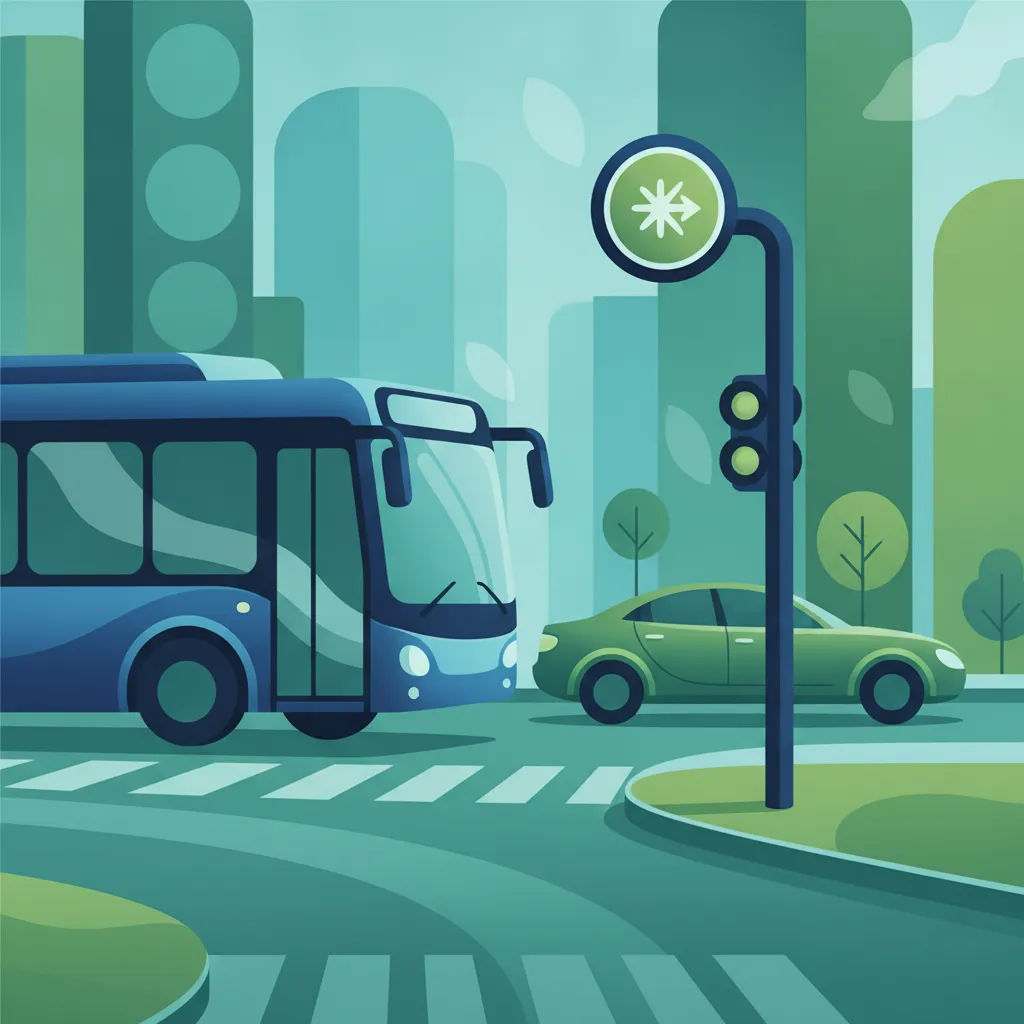
Lesson content overview
As a professional driver preparing for your Danish Category D Licence, understanding the specific rules and systems designed for public transport is crucial. This comprehensive lesson details the regulations governing dedicated bus lanes and public transport priority signals (PTPS) in Denmark. Mastering these concepts ensures safe, efficient, and lawful operation of passenger vehicles, contributing to smoother urban traffic flow and the reliability of public transport services.
Dedicated bus lanes are a fundamental component of urban traffic management in Denmark, specifically designed to enhance the efficiency and reliability of public transport. These lanes provide a reserved path for buses and other designated vehicles, allowing them to bypass general traffic congestion and adhere to schedules more effectively.
A bus lane is a clearly marked section of a roadway reserved exclusively for public buses, trams, and sometimes other authorized vehicles. The primary purpose of these lanes is to provide a predictable and efficient route, significantly reducing travel times for public transport and improving overall schedule adherence. This efficiency encourages greater public transport usage, which, in turn, helps to alleviate general traffic congestion and reduce environmental impact.
For drivers of Category D vehicles, respecting and understanding bus lane regulations is not merely a legal requirement but a professional responsibility. Incorrect use can disrupt public transport services, cause delays for numerous passengers, and lead to dangerous traffic situations.
Recognizing the specific road markings and signs for bus lanes is essential for all drivers. In Denmark, dedicated bus lanes are typically indicated by distinct visual cues:
Not all bus lanes operate under the same conditions. It is critical for drivers to be aware of the different types and their specific usage restrictions:
Always pay close attention to the road signs and markings. Assumptions about bus lane usage, especially regarding time restrictions or shared use, can lead to violations and hazardous situations.
While the general rule is that bus lanes are exclusively for buses, there are specific, legally defined exceptions. Drivers must be fully aware of these allowances to navigate Danish roads correctly and safely.
The fundamental principle is clear: unless explicitly permitted by signage or road markings, vehicles not designated for bus lane use are prohibited from entering or driving in them. This rule applies regardless of whether the lane is empty, or general traffic is heavily congested. Violating this rule can lead to fines and obstruct the smooth flow of public transport.
Certain categories of vehicles or specific maneuvers may be permitted within bus lanes. These exceptions are always clearly indicated by appropriate signs or road markings.
When exceptions allow, or when transitioning between a bus lane and a regular lane, specific safe merging and exiting procedures must be followed to prevent collisions and ensure continuous traffic flow.
Entering a bus lane is only permitted where indicated by road markings (e.g., a dashed white line) or specific signs. Even when permitted, the maneuver must be executed with utmost care.
Check Mirrors and Blind Spots: Thoroughly check your rear-view and side mirrors, and perform a head check to scan your blind spots for any approaching buses or authorized vehicles within the bus lane. Buses, especially electric ones, can be quiet and approach quickly.
Signal Intent: Activate your turn signal well in advance to clearly communicate your intention to other road users.
Merge When Safe: Only merge into the bus lane when there is ample space and you can do so without impeding the flow of traffic already in the bus lane, particularly buses. You must yield to vehicles already in the bus lane.
Maintain Speed (if applicable): If entering to make a right turn, maintain an appropriate speed that allows you to safely execute the turn without causing delays or hazards.
Never cut in front of an approaching bus to enter a bus lane, even if you are making a permitted right turn. Buses require longer braking distances and sudden maneuvers can endanger passengers.
When a bus lane ends, or you need to leave it to continue on a different route, the process of exiting must also be performed with care.
Signal Intent: Activate your turn signal well in advance of your intended exit point.
Check Mirrors and Blind Spots: Continuously monitor your mirrors and blind spots for general traffic in the adjacent lane.
Merge Gradually: When a safe gap appears in the adjacent lane, merge smoothly and gradually, ensuring you do not force other drivers to brake or swerve. You must yield to traffic in the lane you are entering.
Anticipate Traffic Flow: Be aware of upcoming intersections or changes in lane configurations that might affect your merge.
Generally, overtaking a bus or any other authorized vehicle within a dedicated bus lane is prohibited. The lane is designed for the efficient movement of public transport, not for competitive driving. If a lane is marked as a shared bus and cycle lane, it is usually only permissible for cycles to overtake a stationary bus, not for other vehicles. Professional drivers must maintain a safe following distance and patience.
Beyond dedicated lanes, public transport benefits from specialized traffic signal systems designed to further enhance their efficiency. These are known as Public Transport Priority Signals (PTPS).
Public Transport Priority Signals (PTPS) are intelligent traffic light systems that give preferential treatment to buses and trams at intersections. The goal is to reduce the time public transport vehicles spend waiting at red lights, thereby improving their punctuality and making the service more attractive to passengers. These systems are common in urban areas across Denmark.
PTPS operates through various mechanisms, often creating what is known as a "green wave" for buses:
When driving any vehicle, especially a Category D vehicle, it is paramount to understand and correctly respond to PTPS.
A PTPS green light for a bus does not automatically override a red light for pedestrians. Buses, like all vehicles, must still ensure the intersection is clear and safe from pedestrians before proceeding.
Compliance with Danish traffic laws regarding bus lanes and PTPS is mandatory for all drivers, with specific implications for professional Category D drivers who are expected to demonstrate exemplary road behavior.
Under Danish traffic law (Færdselsloven), the use of dedicated bus lanes is strictly regulated. Only buses and other vehicles explicitly permitted by signage or road markings are allowed. Any unauthorized entry or driving in a bus lane is considered a traffic offense.
Common violations, such as driving in a bus lane during restricted hours, improper merging, or failing to yield at a PTPS, carry significant consequences:
To illustrate, consider these scenarios:
Professional Category D drivers must apply their knowledge of bus lanes and PTPS in a dynamic environment, considering various contextual factors.
Adverse weather conditions significantly affect driving in areas with bus lanes and PTPS:
In urban areas, bus lanes often run adjacent to or are shared with cycle lanes. At intersections equipped with PTPS, drivers must always consider the presence of pedestrians and cyclists. Even if a bus has a green light, the driver must ensure the path is clear of vulnerable road users who might have a crossing signal or be crossing illegally.
The existence and enforcement of bus lanes and PTPS are underpinned by strong rationale centered on safety, efficiency, and sustainable urban mobility.
By making public transport more efficient, these systems support urban planning goals that aim to reduce private vehicle dependency, alleviate city congestion, and promote environmentally friendly modes of transport. Professional drivers of Category D vehicles play a direct role in upholding these principles.
Mastering the rules and understanding the rationale behind bus lanes and Public Transport Priority Signals is a core competency for any professional driver in Denmark.
This lesson covers the rules governing dedicated bus lanes and Public Transport Priority Signals (PTPS) in Denmark for Category D drivers. Bus lanes are marked with solid white lines and bus symbols, falling into three categories: fixed, time-restricted, and shared lanes. While unauthorized vehicles are generally prohibited, specific exceptions exist for emergency vehicles, right turns at designated points, and cyclists in shared lanes. Safe merging requires mirror checks, signaling, and yielding to existing traffic. PTPS systems grant buses preferential treatment through green waves, signal pre-emption, and extension. Violations under Færdselsloven can result in fines and license points, making compliance essential for both legal operation and maintaining public transport efficiency.
A short set of high-value points that capture the most important learning from this lesson.
Bus lanes in Denmark are identified by solid white lines and bus symbols painted on the road surface, with vertical signs indicating restrictions and operational hours
Three main types of bus lanes exist: fixed (24/7), time-restricted (operational during specific hours), and shared lanes (permitting cyclists or other authorized vehicles)
Unauthorized vehicles may only enter a bus lane for a right turn at locations where a dashed white line and specific signs permit this maneuver
Public Transport Priority Signals (PTPS) use signal pre-emption, extension, and coordination to create 'green waves' that improve bus punctuality
All drivers must yield to buses receiving PTPS green signals, even when their own traffic light shows red
Explore all units and lessons included in this driving theory course.
The solid white line separating a bus lane cannot be crossed except at designated entry/exit points indicated by dashed markings
Time-restricted bus lanes revert to general traffic use outside their stated operational hours, always verify signage
Shared bus lanes display both bus and bicycle symbols and require cyclists to yield to buses
PTPS green waves for buses do not override pedestrian safety requirements at intersections
Fines and potential license points apply for unauthorized bus lane entry under Danish Færdselsloven
Assuming a bus lane is always restricted without checking for time-based exceptions shown on accompanying signs
Entering a bus lane to turn right without verifying that dashed white line markings specifically permit this maneuver
Attempting to overtake buses within dedicated bus lanes, which is generally prohibited regardless of circumstances
Proceeding through an intersection when a bus has received a PTPS green signal without yielding to the bus
Failing to check blind spots thoroughly before merging, especially as electric buses can approach quietly
Lesson content overview
A short set of high-value points that capture the most important learning from this lesson.
Bus lanes in Denmark are identified by solid white lines and bus symbols painted on the road surface, with vertical signs indicating restrictions and operational hours
Three main types of bus lanes exist: fixed (24/7), time-restricted (operational during specific hours), and shared lanes (permitting cyclists or other authorized vehicles)
Unauthorized vehicles may only enter a bus lane for a right turn at locations where a dashed white line and specific signs permit this maneuver
Public Transport Priority Signals (PTPS) use signal pre-emption, extension, and coordination to create 'green waves' that improve bus punctuality
All drivers must yield to buses receiving PTPS green signals, even when their own traffic light shows red
Explore all units and lessons included in this driving theory course.
The solid white line separating a bus lane cannot be crossed except at designated entry/exit points indicated by dashed markings
Time-restricted bus lanes revert to general traffic use outside their stated operational hours, always verify signage
Shared bus lanes display both bus and bicycle symbols and require cyclists to yield to buses
PTPS green waves for buses do not override pedestrian safety requirements at intersections
Fines and potential license points apply for unauthorized bus lane entry under Danish Færdselsloven
Assuming a bus lane is always restricted without checking for time-based exceptions shown on accompanying signs
Entering a bus lane to turn right without verifying that dashed white line markings specifically permit this maneuver
Attempting to overtake buses within dedicated bus lanes, which is generally prohibited regardless of circumstances
Proceeding through an intersection when a bus has received a PTPS green signal without yielding to the bus
Failing to check blind spots thoroughly before merging, especially as electric buses can approach quietly
Explore search topics learners often look for when studying Using Bus Lanes and Public Transport Priority Signals. These topics reflect common questions about road rules, driving situations, safety guidance, and lesson level theory preparation for learners in Denmark.
Browse additional driving theory lessons that cover connected traffic rules, road signs, and common driving situations related to this topic. Improve your understanding of how different rules interact across everyday traffic scenarios.
Understand the specific scenarios where non-bus vehicles can legally enter Danish bus lanes. This lesson clarifies exceptions for right turns, emergency services, and shared lanes to ensure safe and compliant urban driving.
This lesson details the specific rules related to bus lanes and bus stops. It clarifies when other vehicles may use bus lanes, the legal requirement to yield to buses pulling away from a stop, and the importance of being cautious around embarking or disembarking passengers. Adherence to these rules is vital for the efficient and safe operation of public transportation.
This lesson addresses the specific skills required to navigate around public transport and heavy goods vehicles safely. You will learn the rules for bus lanes, recognize when buses have priority at stops, and understand the unique challenges posed by large vehicles, such as wider turning circles and larger blind spots. The material also provides clear protocols for overtaking these vehicles while maintaining adequate safety margins.
This lesson addresses the specific challenges of school and tourist transport. It outlines heightened safety protocols for stops near schools, including monitoring child behavior and working with school patrols. The content also covers techniques for managing large groups of tourists, dealing with luggage, and providing clear information at popular destinations.
This lesson details the legal requirements and safety protocols for operating a bus near schools and pedestrian crossings. It covers mandatory speed reductions, the rules for yielding to pedestrians, and techniques for anticipating the sudden movements of children. The content emphasizes the importance of constant visual scanning and maintaining a high state of alert in these sensitive areas.
This lesson focuses on interpreting the various markings painted on Danish road surfaces. It explains the rules associated with solid and broken lane lines, directional arrows, and special-purpose lanes for buses and cyclists. Understanding these markings is crucial for maintaining correct lane discipline and safely navigating complex road layouts.
This lesson provides guidance for navigating special infrastructure like long bridges, tunnels, and ferries. It covers awareness of height and weight restrictions, managing the effects of strong crosswinds on bridges, and adapting to lighting changes in tunnels. The content also details the procedures for boarding ferries and correctly securing the vehicle for transit.

This lesson contrasts the driving techniques required for rural roads and motorways. It covers managing speed on narrow, winding lanes with potential hazards like farm machinery or animals. The content also explains the principles of safe motorway driving, including maintaining lane discipline, managing high-speed stability, and executing safe overtaking maneuvers.
This lesson explains the relationship between a bus's dimensions—length, width, and height—and its maneuverability. It covers key concepts such as turning radius, rear overhang, and swept path, which are critical for navigating turns and tight spaces safely. Learners will also understand how these physical characteristics create significant blind spots that require specific observation techniques to manage.

This lesson focuses on the rules and best practices for operating heavy vehicles on motorways and interchanges. It details Danish regulations regarding lane usage and speed limits for lorries, and explains safe techniques for merging into and exiting high-speed traffic. Maintaining a safe and appropriate following distance to allow for longer stopping distances is a key focus of the content.
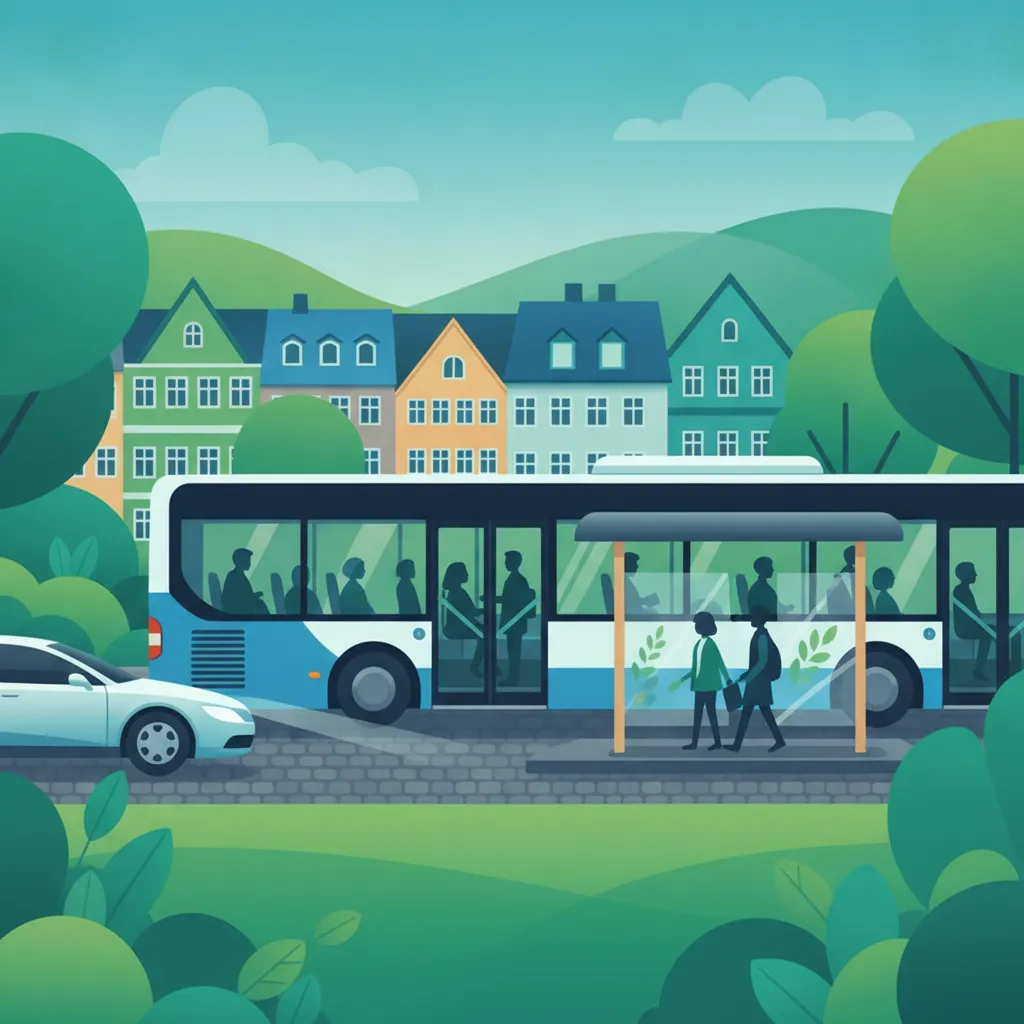
This lesson focuses on the precise maneuvers required for approaching and stopping at bus stops. It covers how to manage vehicle speed, align the bus parallel to the curb for safe access, and correctly position it relative to stop lines and shelters. The content also explains how to interpret Danish road signs and markings specific to public transport stops.
Explore how Public Transport Priority Signals (PTPS) work in Danish cities to give buses and trams an advantage. Learn how drivers should anticipate and react to these systems for smoother and safer urban travel.

This lesson provides an in-depth explanation of Denmark's priority rules, known as 'vigepligt.' It differentiates between unconditional priority ('ubetinget vigepligt'), often indicated by signs, and the default right-hand priority rule ('højre vigepligt'). Applying these rules correctly is essential for preventing collisions at junctions without traffic signals.
This lesson covers the core principles of defensive driving in an urban context. It teaches drivers how to anticipate the actions of other road users, maintain safe following distances in dense traffic, and navigate complex intersections with multiple signals. The content emphasizes heightened awareness of pedestrians, cyclists, and unexpected events common in Danish city environments.
This lesson details the function and meaning of traffic light signals in Denmark. It covers the standard red, amber, and green sequences, as well as special signals like flashing amber lights and green arrows for turning. The content also explains signals specific to cyclists and pedestrians that moped riders must observe at intersections.
This lesson details the specific rules related to bus lanes and bus stops. It clarifies when other vehicles may use bus lanes, the legal requirement to yield to buses pulling away from a stop, and the importance of being cautious around embarking or disembarking passengers. Adherence to these rules is vital for the efficient and safe operation of public transportation.
This lesson explains the critical Danish concept of unconditional priority and how it determines right-of-way at various intersections. You will learn to recognize the hierarchy of priority roads through signs and markings, and understand your obligation to yield to other traffic. The material provides practical examples to help you apply these essential rules correctly in everyday driving scenarios.
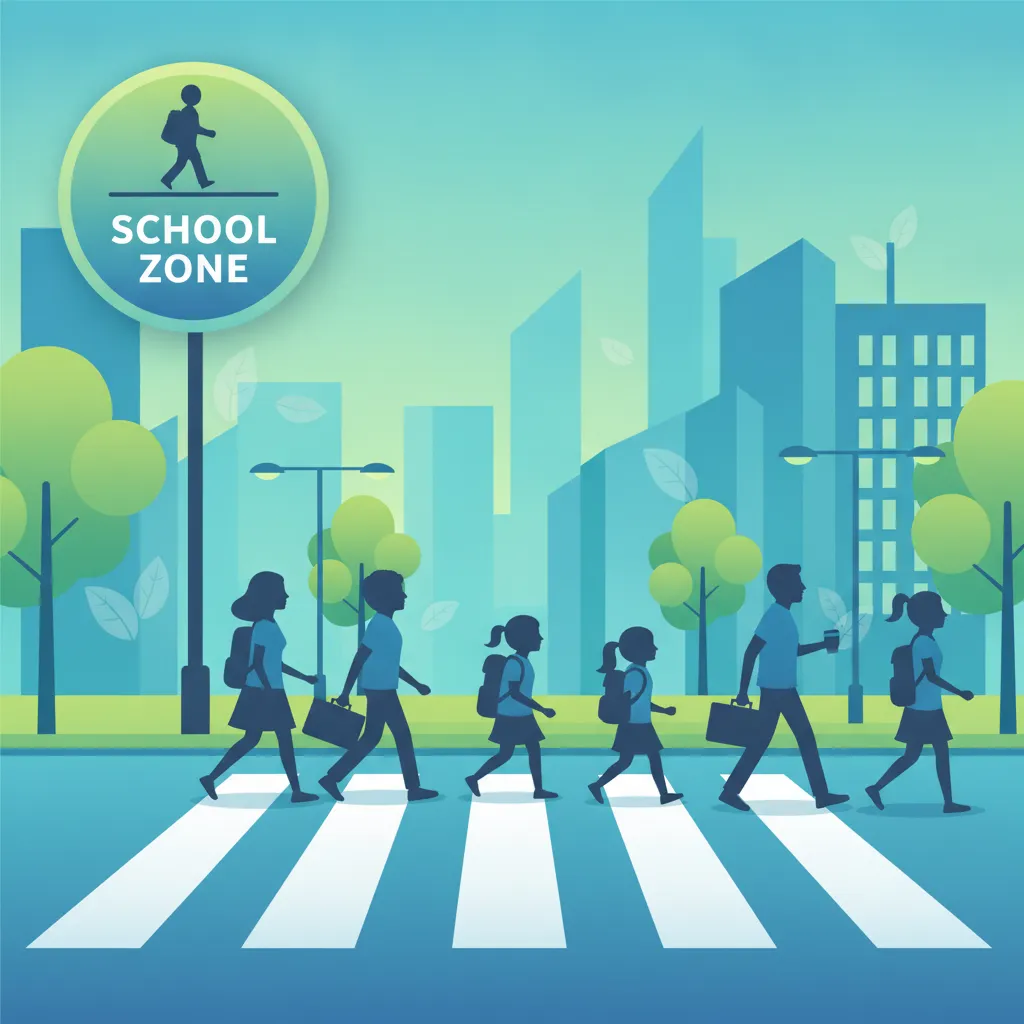
This lesson reinforces the driver's responsibility to protect pedestrians, particularly in busy urban areas and near schools. It details the procedures for approaching pedestrian crossings, the legal requirement to reduce speed significantly in marked school zones, and how to anticipate the unpredictable actions of pedestrians. The content covers traffic calming measures and the legal rights of pedestrians in various settings.
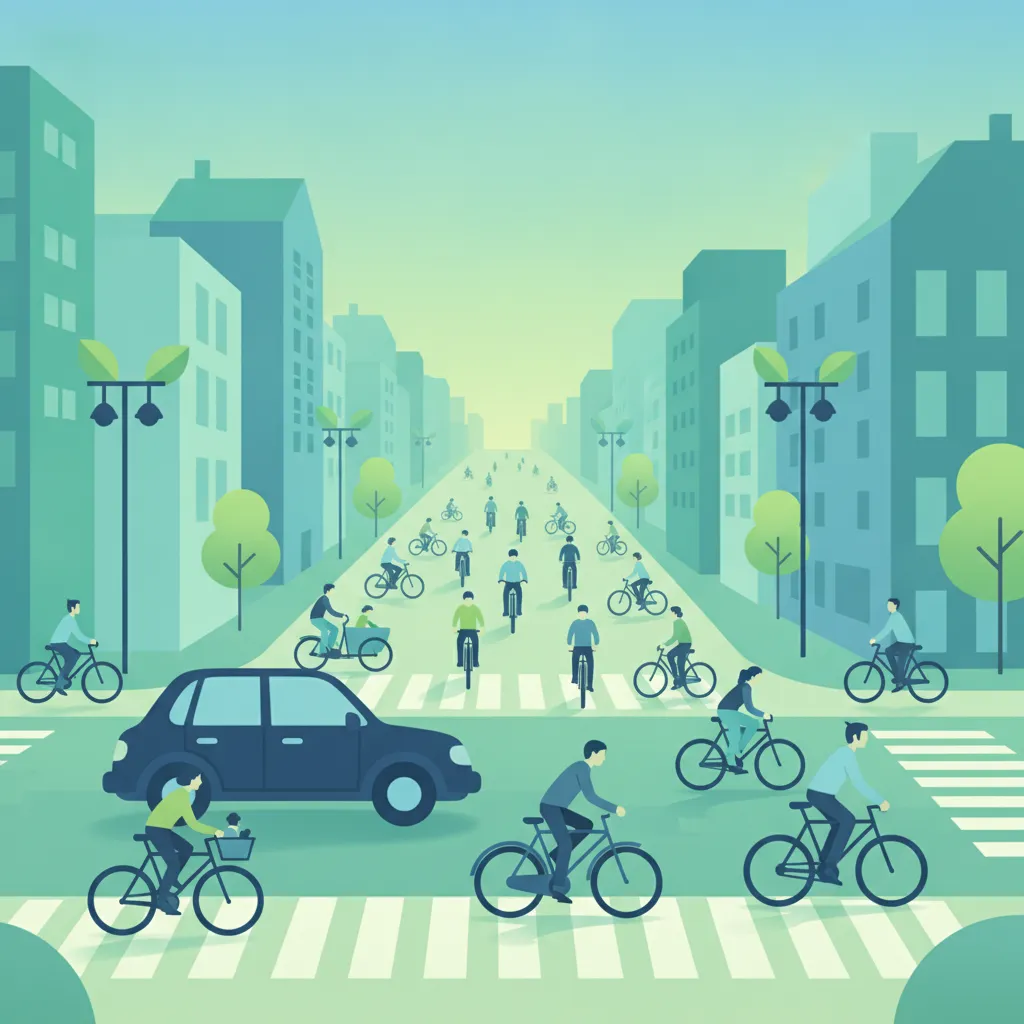
This lesson provides critical guidance for driving in environments with heavy cycle traffic, typical of Danish cities. It focuses on identifying and yielding to cyclists in dedicated bike lanes, especially when turning right across their path. The content emphasizes advanced observation skills to detect cyclists in blind spots and the importance of giving adequate space.

This lesson addresses the unique challenges of driving in tourist-heavy urban centers alongside cyclists. It teaches drivers to anticipate the behavior of individuals who may be distracted or unfamiliar with local traffic rules. The content provides strategies for communicating intentions clearly and navigating safely around large groups, luggage, and cyclists.
This lesson addresses the specific skills required to navigate around public transport and heavy goods vehicles safely. You will learn the rules for bus lanes, recognize when buses have priority at stops, and understand the unique challenges posed by large vehicles, such as wider turning circles and larger blind spots. The material also provides clear protocols for overtaking these vehicles while maintaining adequate safety margins.

This lesson focuses on the safe integration of cyclists and pedestrians within the traffic system, a key feature of Danish roads. It covers the specific rights and common behaviors of cyclists, including those on e-bikes and cargo bikes, and explains procedures for yielding to pedestrians. The content emphasizes maintaining safe distances and heightened awareness to prevent accidents and promote harmonious road sharing.
Find clear answers to common questions learners have about Using Bus Lanes and Public Transport Priority Signals. Learn how the lesson is structured, which driving theory objectives it supports, and how it fits into the overall learning path of units and curriculum progression in Denmark. These explanations help you understand key concepts, lesson flow, and exam focused study goals.
Yes, provided the lane is designated for public transport, you are legally permitted to use it. However, you must remain vigilant for cyclists and other authorized vehicles sharing the space.
These signals often use specialized sensors or transponders to change traffic lights to green as your bus approaches, ensuring the flow of public transport. You must still proceed with caution, ensuring the intersection is clear before crossing.
You must use your indicators early, check your mirrors and blind spots thoroughly, and ensure you have sufficient space to merge without forcing other drivers to brake abruptly.
Yes, look for white longitudinal lines labeled with the word BUS. These markings indicate the start and extent of the lane and dictate when other vehicles may cross or enter.
Use our powerful search tool to pinpoint specific Danish driving theory topics, road signs, or traffic situations you need to review. Start exploring relevant practice sets now to reinforce your knowledge and build confidence for your upcoming driving licence exam.