
This lesson provides a structured approach to negotiating intersections safely as a stor knallert rider in Denmark. You will learn to correctly apply priority rules, interpret signage, and manage risks from other road users to ensure your safety and success in the theory exam.
Lesson content overview
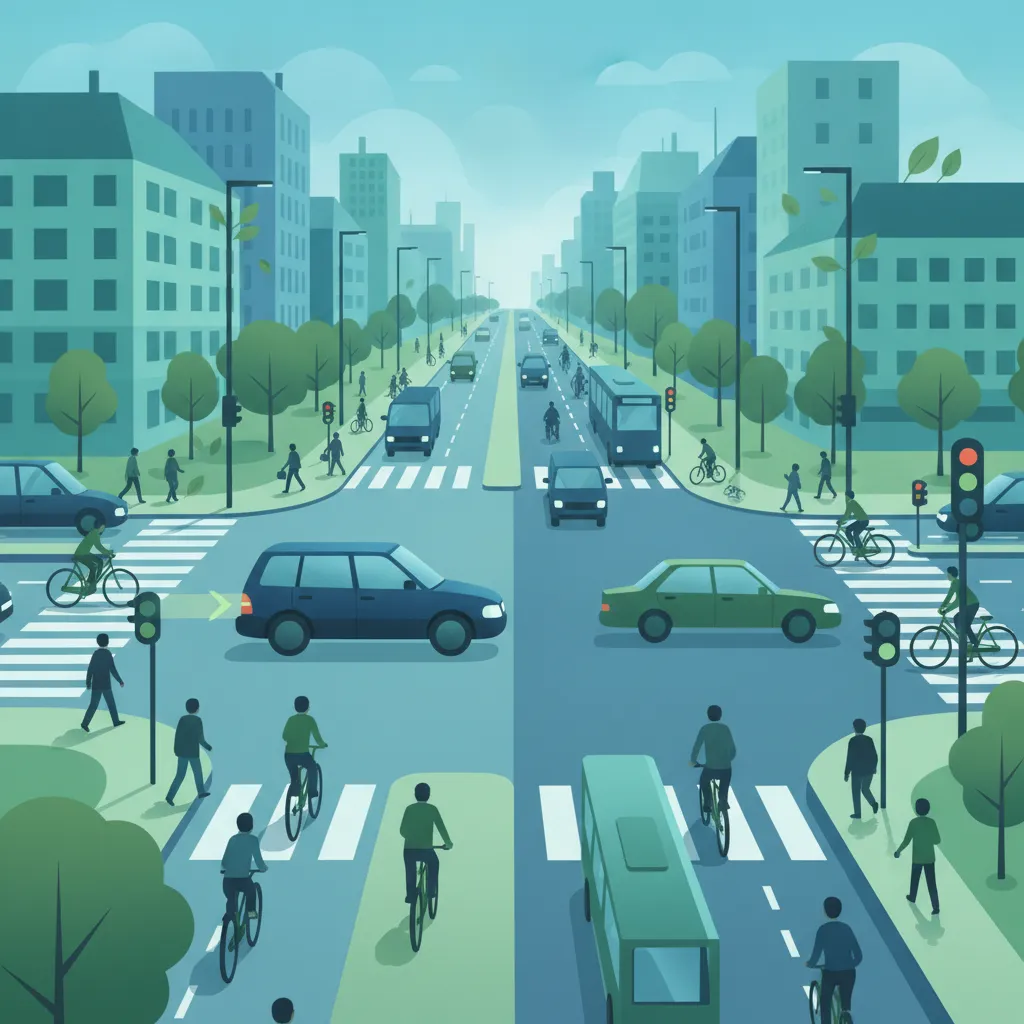
This lesson teaches Category AM riders a systematic approach to navigating Danish intersections safely, emphasizing the critical importance of vigepligt (priority rules) including yield-to-the-right, Stop signs, Give Way signs, and Hovedvej (priority road) rules. It stresses thorough observation for vulnerable road users like cyclists and pedestrians, correct interpretation of traffic signs and road markings, and the mandatory use of clear signaling. The LOOK-SIGNAL-MANEUVER principle provides a step-by-step framework for safe intersection handling, while practical scenarios illustrate correct versus incorrect behaviors. Mastery of these intersection skills is essential for both safe riding in Denmark and success in the Danish theory exam.
A short set of high-value points that capture the most important learning from this lesson.
Vigepligt (priority rules) are the legal backbone of intersection safety; always correctly identify who has the right-of-way before proceeding.
A systematic approach combining speed reduction, observation, signaling, and careful execution prevents most intersection collisions.
Cyclists and pedestrians are the most vulnerable users at intersections and require focused observation, especially in blind spots before turning.
Danish traffic signs (Stop, Give Way, Hovedvej) and road markings (stop lines, yield lines) dictate priority and must be interpreted correctly.
Even on a green light, you must yield to pedestrians at crossings and turning traffic, and always verify the intersection is clear before entering.
Explore all units and lessons included in this driving theory course.
Yield-to-the-right (højrevigepligt) applies at uncontrolled intersections when no signs or signals govern priority.
A Stop sign requires a complete halt behind the stop line; a rolling stop is illegal and dangerous.
Hovedvej (priority road) traffic always has right-of-way over traffic entering from side roads.
Amber light means prepare to stop; only proceed if you are too close to stop safely without causing danger.
Always perform a head check over your shoulder before turning to spot cyclists in blind spots.
Rolling through a Stop sign without coming to a complete halt, reducing critical observation time.
Accelerating to beat an amber or red light, which creates dangerous high-speed side-impact collision scenarios.
Failing to signal a turn, leaving other road users unable to anticipate your maneuver.
Neglecting to check for cyclists and pedestrians, especially those emerging from side roads or cycle paths.
Assuming pedestrians will wait for you at crossings; they can step out unexpectedly even if you technically have right-of-way.
Lesson content overview
A short set of high-value points that capture the most important learning from this lesson.
Vigepligt (priority rules) are the legal backbone of intersection safety; always correctly identify who has the right-of-way before proceeding.
A systematic approach combining speed reduction, observation, signaling, and careful execution prevents most intersection collisions.
Cyclists and pedestrians are the most vulnerable users at intersections and require focused observation, especially in blind spots before turning.
Danish traffic signs (Stop, Give Way, Hovedvej) and road markings (stop lines, yield lines) dictate priority and must be interpreted correctly.
Even on a green light, you must yield to pedestrians at crossings and turning traffic, and always verify the intersection is clear before entering.
Explore all units and lessons included in this driving theory course.
Yield-to-the-right (højrevigepligt) applies at uncontrolled intersections when no signs or signals govern priority.
A Stop sign requires a complete halt behind the stop line; a rolling stop is illegal and dangerous.
Hovedvej (priority road) traffic always has right-of-way over traffic entering from side roads.
Amber light means prepare to stop; only proceed if you are too close to stop safely without causing danger.
Always perform a head check over your shoulder before turning to spot cyclists in blind spots.
Rolling through a Stop sign without coming to a complete halt, reducing critical observation time.
Accelerating to beat an amber or red light, which creates dangerous high-speed side-impact collision scenarios.
Failing to signal a turn, leaving other road users unable to anticipate your maneuver.
Neglecting to check for cyclists and pedestrians, especially those emerging from side roads or cycle paths.
Assuming pedestrians will wait for you at crossings; they can step out unexpectedly even if you technically have right-of-way.
Explore search topics learners often look for when studying Approaching and Navigating Intersections. These topics reflect common questions about road rules, driving situations, safety guidance, and lesson level theory preparation for learners in Denmark.
Browse additional driving theory lessons that cover connected traffic rules, road signs, and common driving situations related to this topic. Improve your understanding of how different rules interact across everyday traffic scenarios.
Identify and understand common violations and hazardous situations encountered at Danish intersections. This lesson explains typical errors drivers make and provides insights on how to avoid collisions and ensure safe navigation for stor knallert riders.

This lesson explores non-verbal communication techniques for safer road sharing. It discusses the importance of making eye contact with other drivers and pedestrians to confirm they have seen you. The content also explains the appropriate and legal use of the horn to alert others of your presence.
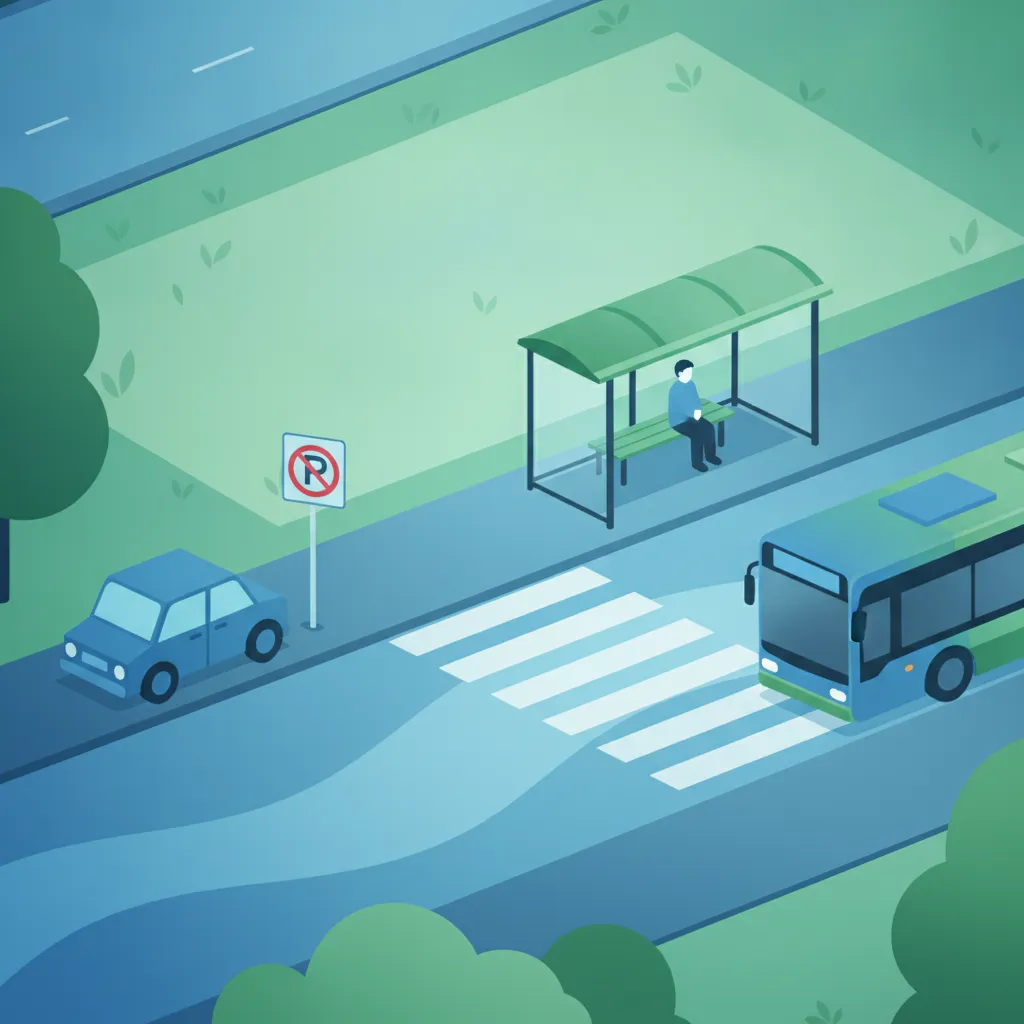
This lesson focuses on identifying and mitigating common hazards in built-up areas. It covers the risks associated with pedestrians emerging from behind buses or parked cars, and the danger of suddenly opening car doors. Learners will understand the importance of reducing speed and increasing observation in these high-risk environments.
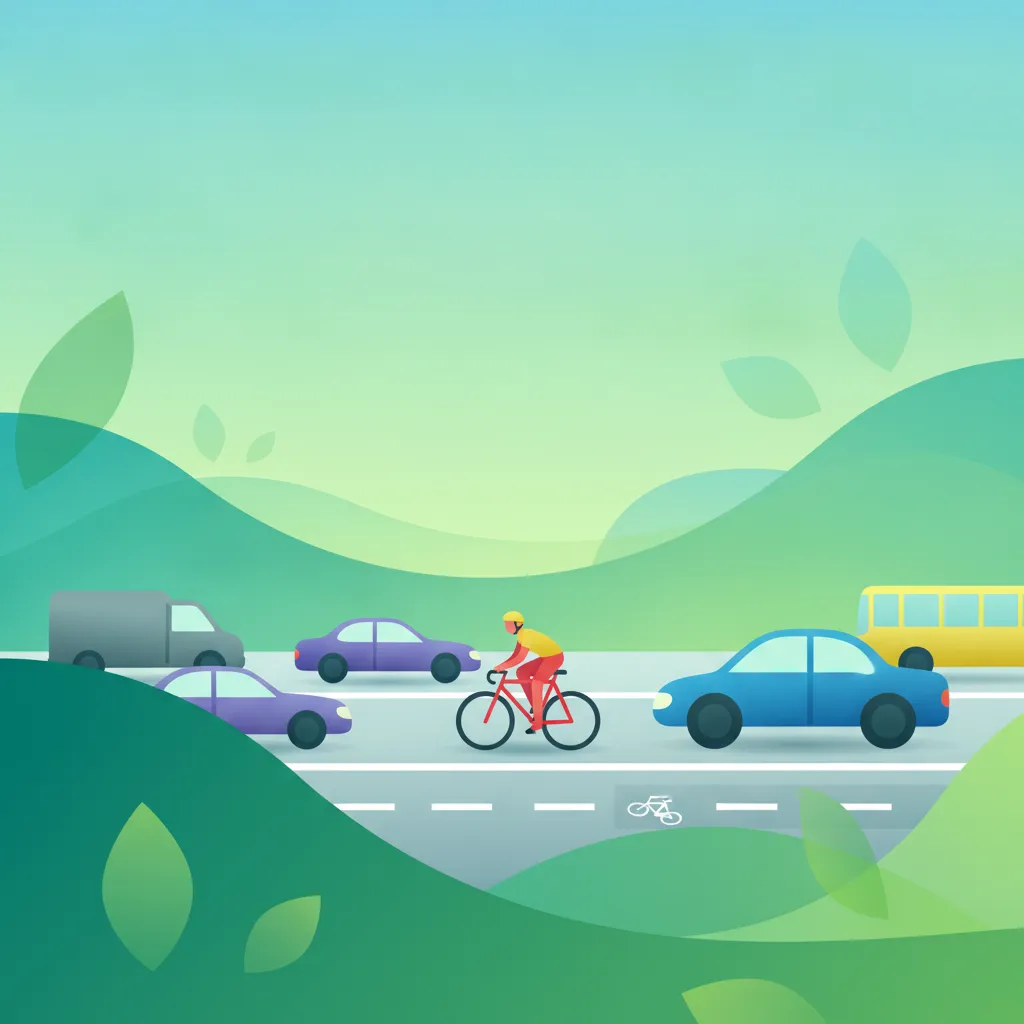
This lesson teaches strategic road positioning to enhance safety and visibility. It explains how to select the correct part of the lane in different scenarios, such as approaching intersections or riding in heavy traffic. The goal is to maintain a safe buffer zone and avoid the blind spots of larger vehicles.
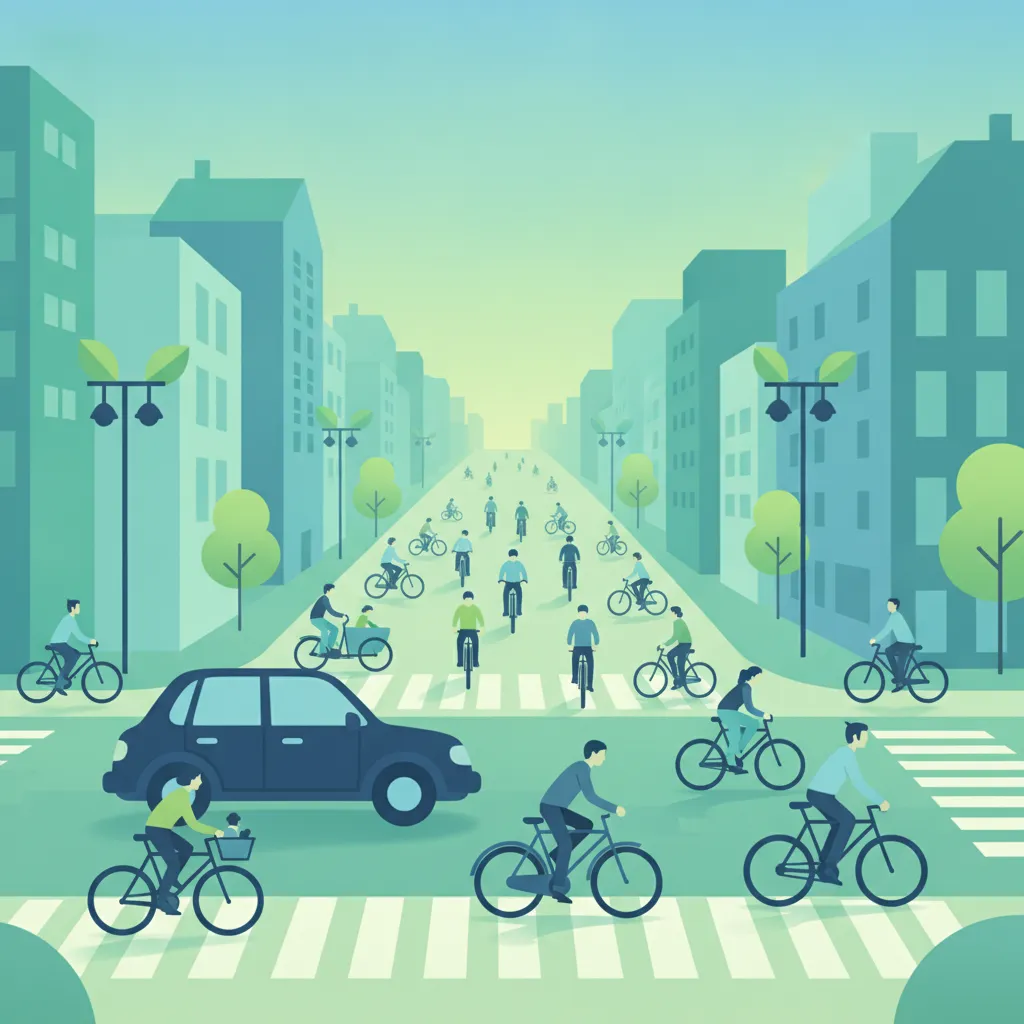
This lesson provides critical guidance for driving in environments with heavy cycle traffic, typical of Danish cities. It focuses on identifying and yielding to cyclists in dedicated bike lanes, especially when turning right across their path. The content emphasizes advanced observation skills to detect cyclists in blind spots and the importance of giving adequate space.
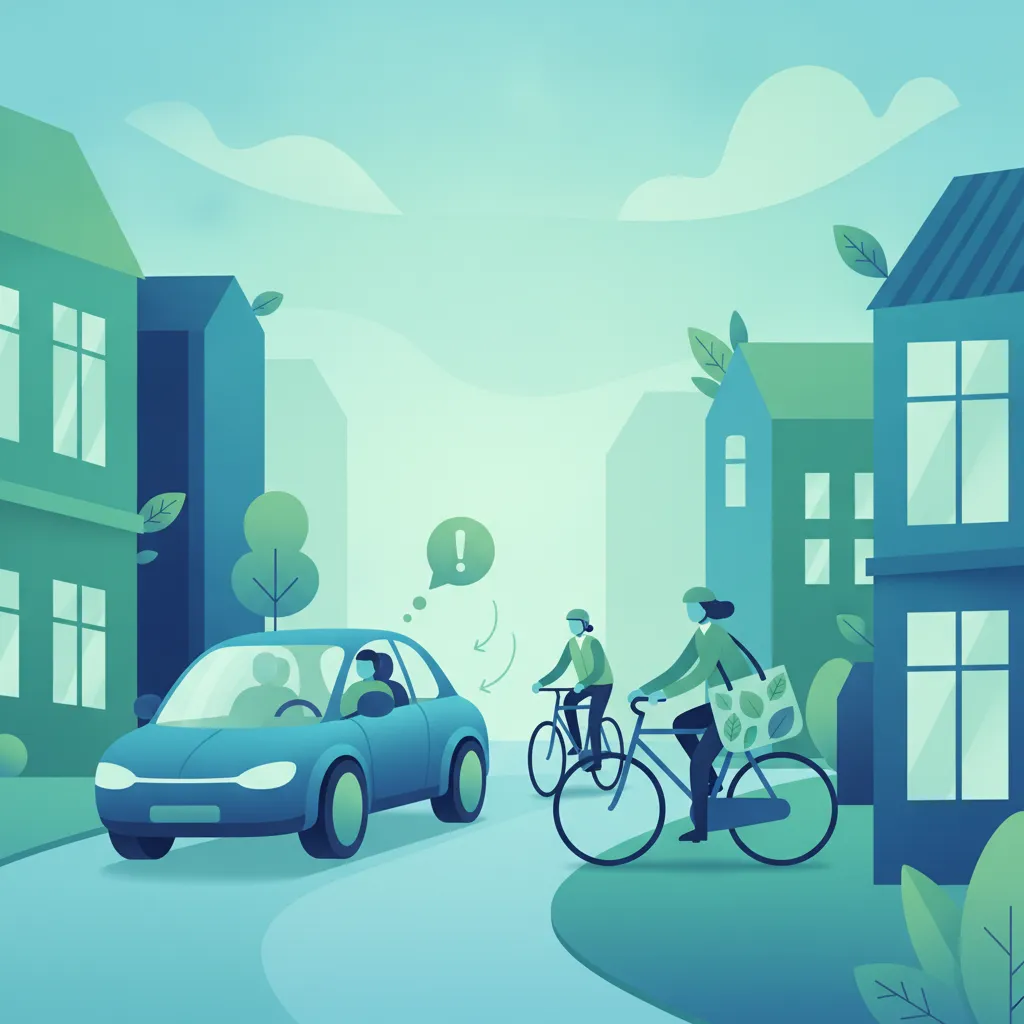
This lesson focuses on safe interactions with Denmark's large population of cyclists and other vulnerable road users. It covers the rules for passing cyclists, yielding at pedestrian crossings, and the specific hazard of turning across a bike lane. Developing heightened awareness for these interactions is critical for urban riding.
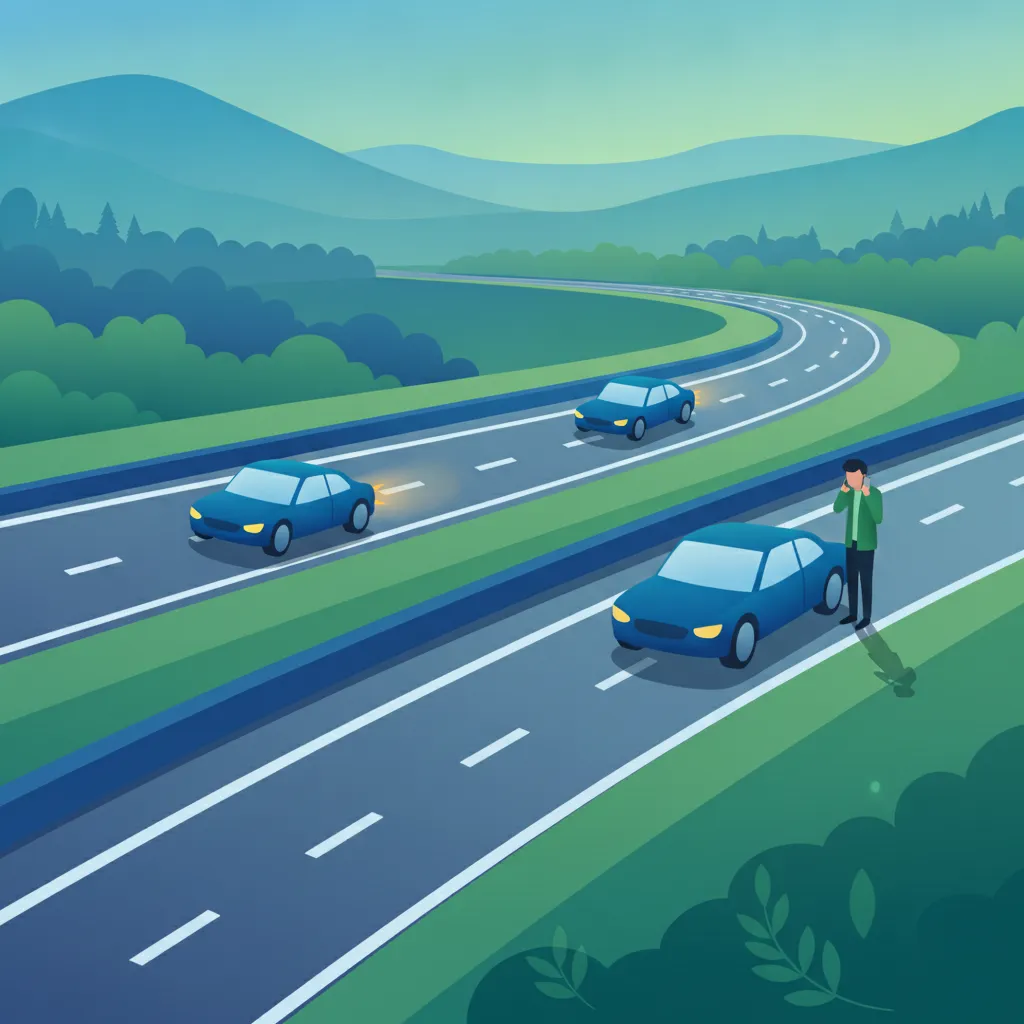
This lesson covers the immediate actions to take at the scene of an accident. It explains how and when to call the Danish emergency number 112, and what information to provide to the operator. The content also includes the principles of securing an accident scene to prevent further incidents and basic first aid concepts.

This lesson addresses the critical skill of safely coexisting with cyclists and cargo bikes, which are prevalent in Denmark. It explains how to maintain a safe distance, overtake properly, and be vigilant for cyclists, especially when turning right. Understanding the infrastructure of cycle lanes and predicting cyclist behavior is a key focus.
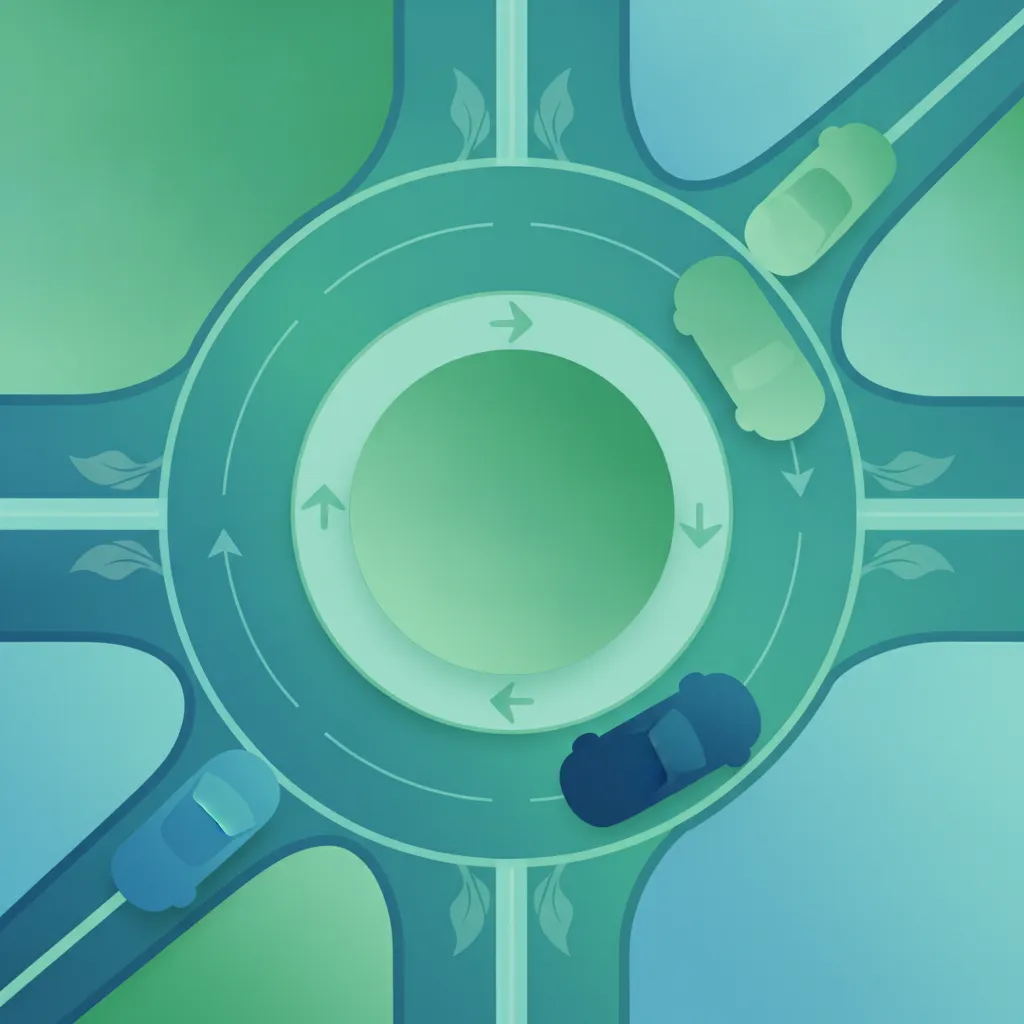
This lesson provides detailed instructions for navigating Danish roundabouts. It covers the rules for yielding upon entry, selecting the correct lane based on the intended exit, and signalling intentions clearly. The lesson also highlights the specific rules regarding priority for cyclists crossing entry and exit lanes.

This lesson provides a step-by-step guide for managing a vehicle breakdown safely. It instructs the rider on moving the vehicle to a safe location, making it visible to other traffic using hazard lights, and personal safety while waiting for assistance. The importance of staying away from active traffic lanes is a key point.
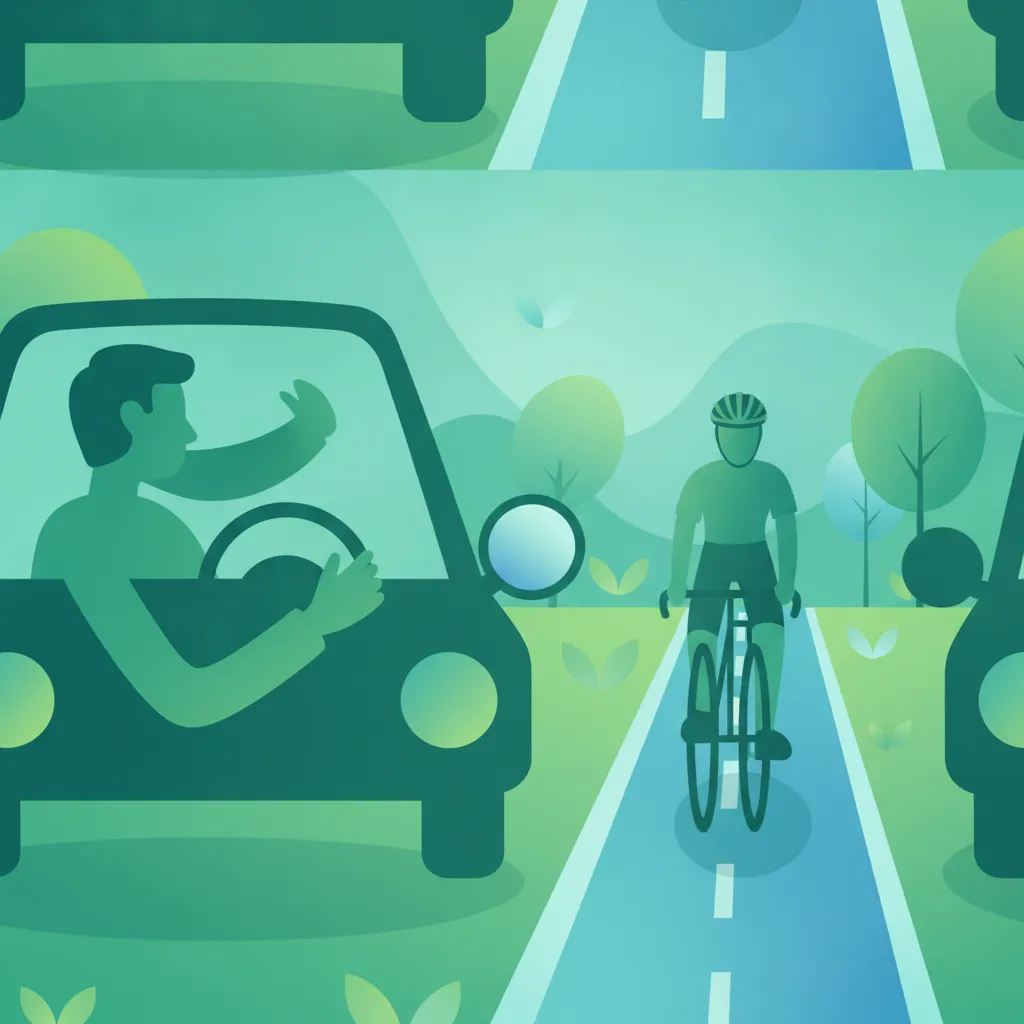
This lesson focuses on the core safety duties of a stor knallert rider. It explains the legal requirement for wearing a helmet and the benefits of other protective gear. The content also covers essential pre-ride checks, including brakes, tyres, and lights, to ensure the vehicle is in safe operating condition.
Learn to navigate Danish intersections safely by focusing on the protection of vulnerable road users. Understand specific priority rules (vigepligt), observation techniques for cyclists and pedestrians, and Danish intersection regulations for the AM licence.
This lesson emphasizes the professional driver's heightened responsibility to protect vulnerable road users. It revisits Danish regulations concerning cyclist priority, particularly during right turns, and details the correct procedures for maintaining safe overtaking distances. The content focuses on developing advanced situational awareness, using mirrors and cameras effectively, and anticipating the behavior of pedestrians and cyclists in urban environments.
This lesson provides detailed guidance on navigating pedestrian crossings (fodgængerfelter) and areas with high cyclist traffic. It clarifies your legal obligation to stop for pedestrians at zebra crossings and the proper speed to approach these zones. A central theme is understanding the rights of vulnerable road users and how to yield safely to them in accordance with Danish traffic law.
This lesson provides critical guidance for driving in environments with heavy cycle traffic, typical of Danish cities. It focuses on identifying and yielding to cyclists in dedicated bike lanes, especially when turning right across their path. The content emphasizes advanced observation skills to detect cyclists in blind spots and the importance of giving adequate space.
This lesson focuses on the safe integration of cyclists and pedestrians within the traffic system, a key feature of Danish roads. It covers the specific rights and common behaviors of cyclists, including those on e-bikes and cargo bikes, and explains procedures for yielding to pedestrians. The content emphasizes maintaining safe distances and heightened awareness to prevent accidents and promote harmonious road sharing.
This lesson provides an in-depth explanation of Denmark's priority rules, known as 'vigepligt.' It differentiates between unconditional priority ('ubetinget vigepligt'), often indicated by signs, and the default right-hand priority rule ('højre vigepligt'). Applying these rules correctly is essential for preventing collisions at junctions without traffic signals.
This lesson focuses on safe interactions with Denmark's large population of cyclists and other vulnerable road users. It covers the rules for passing cyclists, yielding at pedestrian crossings, and the specific hazard of turning across a bike lane. Developing heightened awareness for these interactions is critical for urban riding.
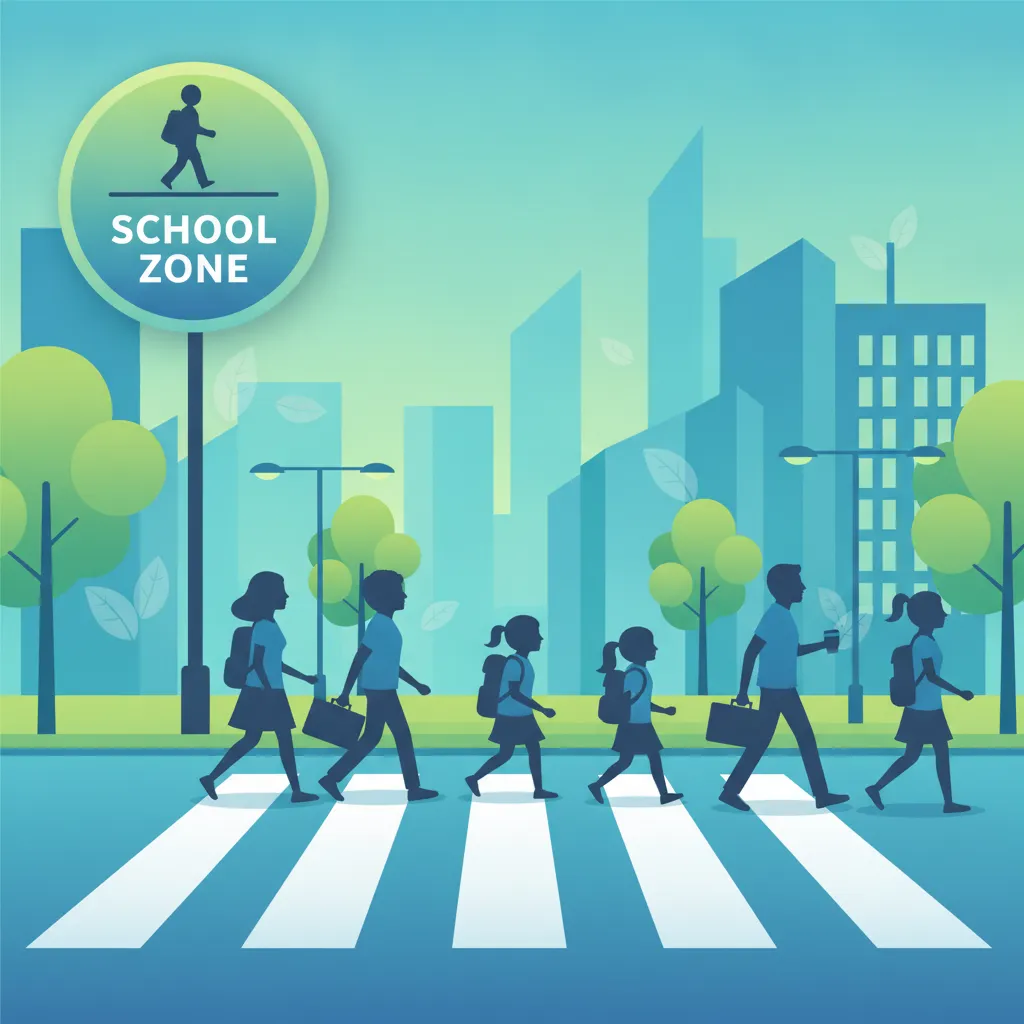
This lesson reinforces the driver's responsibility to protect pedestrians, particularly in busy urban areas and near schools. It details the procedures for approaching pedestrian crossings, the legal requirement to reduce speed significantly in marked school zones, and how to anticipate the unpredictable actions of pedestrians. The content covers traffic calming measures and the legal rights of pedestrians in various settings.
This lesson addresses the critical skill of safely coexisting with cyclists and cargo bikes, which are prevalent in Denmark. It explains how to maintain a safe distance, overtake properly, and be vigilant for cyclists, especially when turning right. Understanding the infrastructure of cycle lanes and predicting cyclist behavior is a key focus.
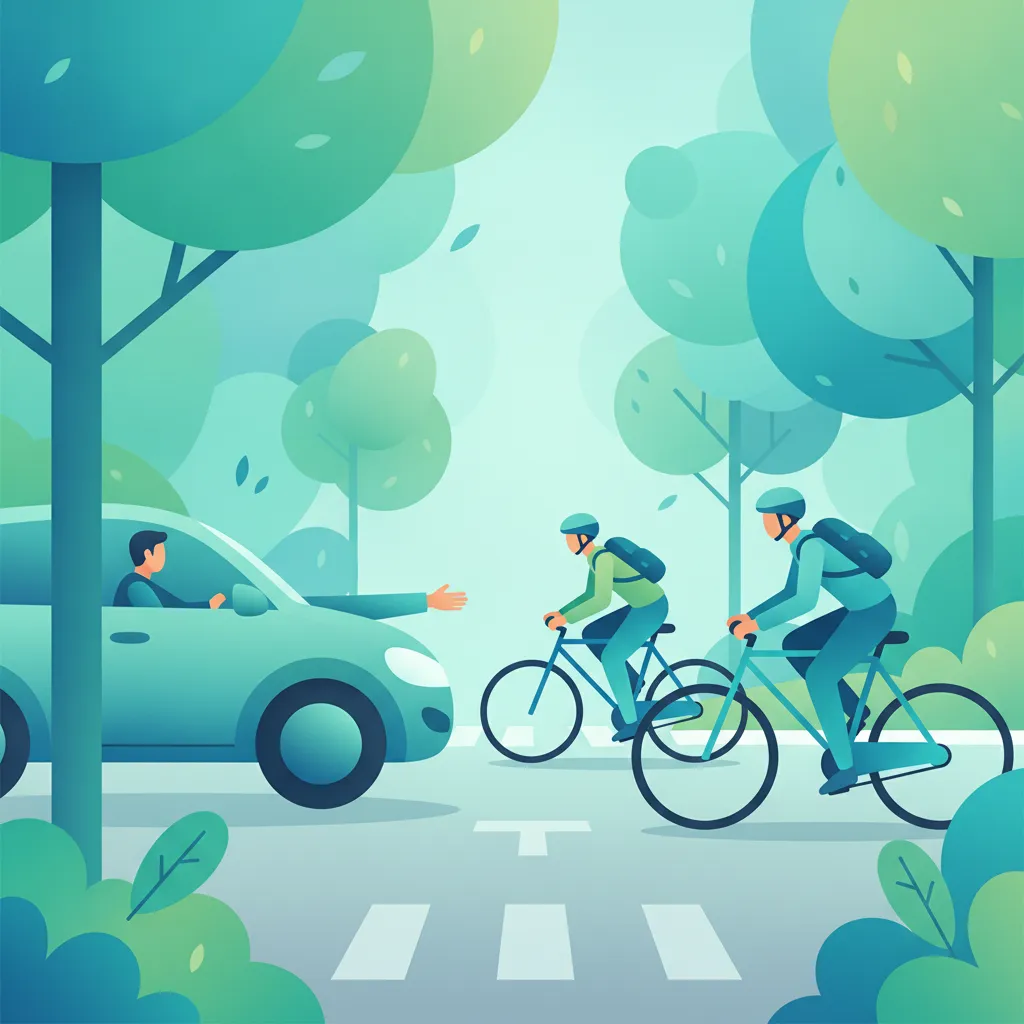
This lesson provides in-depth guidance on safely interacting with cyclists and e-bike riders, a daily reality in Danish cities. It explains how to provide adequate space when overtaking, how to anticipate their movements at intersections, and how to respect their right-of-way in designated lanes. Understanding these dynamics is essential for preventing common accidents and ensuring a safe urban driving experience for everyone.

This lesson addresses the unique challenges of driving in tourist-heavy urban centers alongside cyclists. It teaches drivers to anticipate the behavior of individuals who may be distracted or unfamiliar with local traffic rules. The content provides strategies for communicating intentions clearly and navigating safely around large groups, luggage, and cyclists.
Find clear answers to common questions learners have about Approaching and Navigating Intersections. Learn how the lesson is structured, which driving theory objectives it supports, and how it fits into the overall learning path of units and curriculum progression in Denmark. These explanations help you understand key concepts, lesson flow, and exam focused study goals.
Always perform thorough observation. Even if you have the right-of-way, you must ensure other road users see you and intend to yield. Checking blind spots for cyclists before turning is critical.
Yes. Category AM riders must follow the same Danish priority laws as all other motorized vehicles, including observing yield signs, traffic lights, and right-hand priority (højre vigepligt) where no signs are present.
Position yourself clearly within your lane to communicate your intentions early, especially if you are turning. Avoid lingering in the blind spots of larger vehicles waiting at the same junction.
Danish traffic culture places a high priority on cyclist safety. You must yield to cyclists following the rules of the road and always check your shoulder for cyclists moving alongside you before initiating any turn.
Use our powerful search tool to pinpoint specific Danish driving theory topics, road signs, or traffic situations you need to review. Start exploring relevant practice sets now to reinforce your knowledge and build confidence for your upcoming driving licence exam.