
This lesson guides you through the complexities of riding a motorcycle at night, a critical skill for both the Danish theory exam and your road safety. We will cover the practical application of high and low beams, techniques to reduce the impact of glare from oncoming traffic, and how to effectively navigate using road markings in low light.
Lesson content overview
Riding a motorcycle after dark presents a distinct set of challenges that demand heightened awareness, specific skills, and proper equipment. With significantly reduced visibility, both for the rider to see and for others to see the rider, night-time conditions compound the inherent risks of motorcycling. This lesson is designed to equip you with the essential knowledge and strategies to navigate safely during night-time riding, focusing on optimal headlight usage, managing glare from other vehicles, and effectively interpreting road markings in low-light environments.
Success in night riding hinges on understanding how your motorcycle's lighting system works, anticipating the visual limitations of yourself and other road users, and taking proactive measures to enhance your safety. We will explore the critical importance of being seen through reflective clothing and appropriate headlight settings, building upon foundational knowledge of basic motorcycle controls, lane positioning, and general road safety principles learned in earlier parts of your Danish Motorcycle Theory course.
Night riding transforms the familiar landscape of the road, introducing unique hazards that require adapted riding techniques and heightened sensory input. The absence of ambient light drastically reduces the visual cues available to a rider, impacting depth perception, color recognition, and the ability to spot hazards. Glare from oncoming headlights can temporarily blind you, while following vehicles' lights can create distracting shadows or obscure your view of the road ahead.
Furthermore, road markings and signs, which are invaluable guides during the day, become less distinct and harder to interpret in darkness, especially on unlit rural roads. Even in urban areas with street lighting, shadows can play tricks, and the dynamic interplay of various light sources can be disorienting. Therefore, mastering night riding is not just about turning on your lights; it involves a comprehensive approach to visibility, perception, and proactive hazard management.
Your motorcycle's headlights are your primary tool for seeing the road ahead and making yourself visible to other road users during darkness or periods of low light. Understanding the appropriate use of your high beam and low beam is fundamental to safe night riding, ensuring you have optimal illumination without dazzling others.
The proper selection and use of high and low beams based on current traffic conditions, ambient light levels, and the surrounding environment to ensure optimal illumination while avoiding dazzling other road users.
The high beam, also known as the full beam, is designed to provide maximum illumination, casting a long, powerful beam far down the road. This setting is invaluable when riding on unlit roads, particularly in rural areas, where there is no oncoming traffic and no vehicles directly ahead of you. The extended range of the high beam allows you to see potential hazards, animals, or changes in road surface well in advance, giving you more time to react.
However, the intensity of the high beam means it can severely impair the vision of other drivers. Using it inappropriately is not only dangerous but also illegal in many situations.
The low beam, or dipped beam, provides a shorter, less intense light pattern that illuminates the road directly in front of your motorcycle without projecting upward into the eyes of oncoming or preceding drivers. This is your default setting for most night-time riding conditions, especially in urban areas, on busy roads, or when other vehicles are present.
Using your low beam ensures that you maintain adequate forward visibility while preventing the dazzling effect that your high beam would have on others. This cooperative approach to lighting is crucial for overall road safety, as it allows all road users to maintain clear vision and react safely to their environment.
Danish traffic regulations, like those in many other countries, specify when you must switch from high beam to low beam. These rules are designed to prevent temporary blindness for other drivers and ensure a safer environment for everyone on the road.
Meeting Oncoming Traffic: You must switch from high beam to low beam when an oncoming vehicle is within approximately 150 meters of your motorcycle. This distance allows the oncoming driver's eyes to adjust to the lower light level, preventing them from being dazzled.
Following Another Vehicle: When you are following another vehicle, you must also use your low beam. Maintaining high beam while following another vehicle can cause significant glare in their rearview mirrors, reducing their ability to see traffic behind them or react to hazards. Always ensure you are using low beam when behind another vehicle, regardless of the distance, but especially within 150 meters.
Well-Lit Areas: In areas with sufficient street lighting, it is generally appropriate to use your low beam, even if there's no immediate oncoming traffic. High beams are usually unnecessary in these conditions and can still be a nuisance to pedestrians or drivers turning out of side streets.
Always be proactive in switching your beams. Anticipate oncoming traffic and dim your lights early. Similarly, if you notice a vehicle approaching from behind or pulling out from a side road, be ready to adjust your lighting to ensure their comfort and safety.
Maintaining clean headlights is also vital. Dirt, mud, or insects on your headlight lens can significantly reduce the effectiveness of your lights, diminishing both your ability to see and your visibility to others. Regularly clean your headlights to ensure maximum output.
Temporary visual impairment or discomfort caused by bright lights, which can reduce a rider's ability to see hazards or maintain proper road awareness.
Glare is a common and often unavoidable aspect of night riding. When an oncoming vehicle's headlights shine directly into your eyes, it can cause a temporary blinding effect, known as "dazzle," which significantly reduces your ability to perceive the road, other vehicles, and hazards. Effectively managing glare is a crucial skill for safe night riding.
When faced with dazzling oncoming headlights, the natural instinct might be to stare directly at them. However, this is precisely what you should avoid. Staring into bright lights constricts your pupils and momentarily overloads your retina, leading to a more severe and prolonged dazzle effect.
Instead, practice shifting your gaze. As an oncoming vehicle approaches with bright lights:
Glare isn't only an issue from oncoming traffic; vehicles following you can also cause discomfort, especially if they are using high beams or have poorly aimed lights. This can be particularly distracting in your mirrors.
Tinted visors are generally not recommended for night riding as they reduce the overall amount of light reaching your eyes, which can be detrimental to visibility in already low-light conditions. Clear visors are best for night, and sunglasses should never be worn.
In the absence of daylight and adequate street lighting, road markings become crucial navigational aids for motorcyclists. They guide your lane positioning, indicate upcoming hazards, and help you interpret the road's geometry, such as curves and intersections. Relying on these markings effectively requires a keen eye and understanding of their design, especially their reflective properties.
Many road markings in Denmark, particularly on major roads and in rural areas, are designed to be retroreflective. This means they contain microscopic glass beads or other materials that reflect light directly back to its source, in this case, your motorcycle's headlights. This reflective quality makes lane lines, edge lines, and other symbols 'light up' under your headlights, providing essential guidance.
Do not assume that all road markings will be perfectly clear or reflective. Over time, paint can fade, and dirt or water can obscure markings. Always be prepared for markings to be intermittent or difficult to see, especially in older areas or during adverse weather. Reduce speed and increase your vigilance in such situations.
Beyond painted lines, some roads utilize raised pavement markers (often called "cat's eyes" in some regions) to supplement traditional markings. These small, durable devices are designed to reflect headlight beams, often in different colors to indicate lane divisions, road edges, or exit ramps. They are particularly effective in wet conditions where painted lines might be obscured.
Illuminated signs, such as those indicating speed limits, intersections, or directional guidance, are also critical at night. Their internal or external lighting ensures they remain visible even in complete darkness. Always scan ahead for these signs, as they provide vital information about the road environment and upcoming maneuvers.
While your motorcycle's headlights are crucial for you to see, being seen by other road users is equally, if not more, important when riding at night. Motorcyclists, due to their smaller profile, can be harder to spot, and this challenge is significantly magnified in darkness. Reflective clothing and accessories play a vital role in counteracting this.
Apparel and equipment designed with retroreflective materials that bounce back light from other sources (such as vehicle headlights) directly to the source, significantly increasing the wearer's visibility.
Reflective materials work by returning light to its source, making you 'light up' in the beam of another vehicle's headlights. This creates a much larger and brighter visual signal than your motorcycle's taillight alone.
While bright, fluorescent colors (like neon yellow or green) are highly visible during the day, their effectiveness diminishes significantly at night. For night riding, it is the reflective properties that are paramount, making dark clothing with well-placed reflective panels more effective than bright non-reflective clothing.
It's a common misunderstanding that if you can see with your headlights, you are equally visible to others. This is not necessarily true. Other drivers may be distracted, tired, or simply not looking directly at your single headlight beam. The more reflective surfaces you present, the more likely you are to be seen, especially by drivers checking their mirrors or observing you from an angle.
Before every night ride, do a quick check of your reflective gear and your motorcycle's lighting. Are your headlights clean? Are your reflective vest and helmet visible? A few seconds of inspection can significantly enhance your safety.
Safe night riding involves more than just lights and gear; it requires adapting your entire riding strategy to the reduced visibility and unique challenges of darkness.
Even experienced riders can make mistakes when riding at night. Being aware of common pitfalls can help you avoid them and enhance your safety.
Adherence to specific traffic regulations regarding lighting is mandatory for all road users in Denmark, including motorcyclists. Understanding these rules is not just about avoiding fines, but about ensuring the safety of yourself and others.
Always stay informed about the latest Danish traffic legislation. Rules can be updated, and understanding your legal obligations is a key part of responsible riding.
Night riding demands adapted techniques beyond simply turning on lights. The 150-meter rule governs when to switch from high to low beam to avoid dazzling other drivers. When faced with glare, shift your gaze to the right edge of your lane while using peripheral vision to maintain position. Road markings become crucial navigational aids due to their retroreflective properties, especially on unlit rural roads. Reflective clothing with retroreflective materials is essential for being seen, as bright colors alone lose effectiveness in darkness. Always match your speed to your headlight range, ensuring you can stop within the distance you can see.
A short set of high-value points that capture the most important learning from this lesson.
Switch to low beam within approximately 150 meters of oncoming traffic or when following another vehicle
When dazzled by oncoming headlights, shift your gaze to the right edge of your lane and use peripheral vision to maintain lane position
Reflective retroreflective clothing is essential for visibility at night, more important than bright colors alone
Road markings use retroreflective materials to 'light up' under your headlights, serving as primary navigation aids in darkness
Always ride within the range of your headlights, meaning your speed should allow you to stop safely within the distance you can see ahead
Explore all units and lessons included in this driving theory course.
The 150-meter rule: you must dim headlights when an oncoming vehicle is within approximately 150 meters
Never stare directly into bright lights; instead, look slightly to the right and use peripheral vision
Reflective materials return light to its source, making you visible from multiple angles, not just the front
Clean and properly aimed headlights maximize both your visibility and ability to see the road
Increase your following distance at night to allow more reaction time for unexpected braking
Failure to dim high beams in time, dazzling oncoming drivers within 150 meters
Riding with dark, non-reflective clothing that makes you nearly invisible to other road users
Staring directly into oncoming headlights instead of using peripheral vision, causing temporary blindness
Relying solely on street lighting in urban areas and ignoring the importance of headlight-guided road marking interpretation
Following vehicles too closely while using high beams, causing severe glare in their mirrors
Lesson content overview
A short set of high-value points that capture the most important learning from this lesson.
Switch to low beam within approximately 150 meters of oncoming traffic or when following another vehicle
When dazzled by oncoming headlights, shift your gaze to the right edge of your lane and use peripheral vision to maintain lane position
Reflective retroreflective clothing is essential for visibility at night, more important than bright colors alone
Road markings use retroreflective materials to 'light up' under your headlights, serving as primary navigation aids in darkness
Always ride within the range of your headlights, meaning your speed should allow you to stop safely within the distance you can see ahead
Explore all units and lessons included in this driving theory course.
The 150-meter rule: you must dim headlights when an oncoming vehicle is within approximately 150 meters
Never stare directly into bright lights; instead, look slightly to the right and use peripheral vision
Reflective materials return light to its source, making you visible from multiple angles, not just the front
Clean and properly aimed headlights maximize both your visibility and ability to see the road
Increase your following distance at night to allow more reaction time for unexpected braking
Failure to dim high beams in time, dazzling oncoming drivers within 150 meters
Riding with dark, non-reflective clothing that makes you nearly invisible to other road users
Staring directly into oncoming headlights instead of using peripheral vision, causing temporary blindness
Relying solely on street lighting in urban areas and ignoring the importance of headlight-guided road marking interpretation
Following vehicles too closely while using high beams, causing severe glare in their mirrors
Explore search topics learners often look for when studying Night Riding: Headlights, Glare, and Road Markings. These topics reflect common questions about road rules, driving situations, safety guidance, and lesson level theory preparation for learners in Denmark.
Browse additional driving theory lessons that cover connected traffic rules, road signs, and common driving situations related to this topic. Improve your understanding of how different rules interact across everyday traffic scenarios.
Learn about the specific challenges of riding a motorcycle at night. This lesson covers managing glare from other vehicles, effective use of headlights, and interpreting road markings in low-light conditions for Danish driving theory.
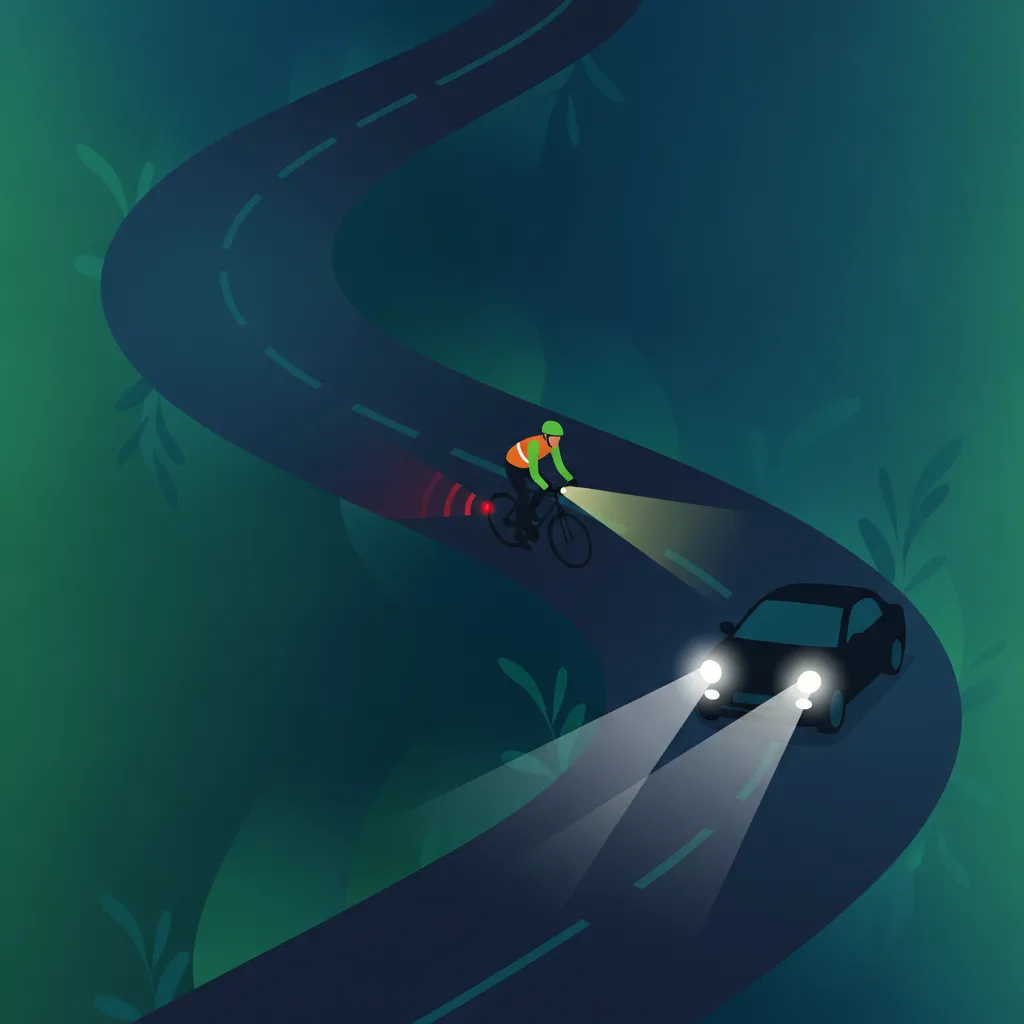
This lesson focuses on the specific challenges of riding in darkness. It explains the legal requirements and proper use of high and low beam headlights to see and be seen. The importance of wearing reflective clothing and ensuring all vehicle lights and reflectors are functioning is strongly emphasized.
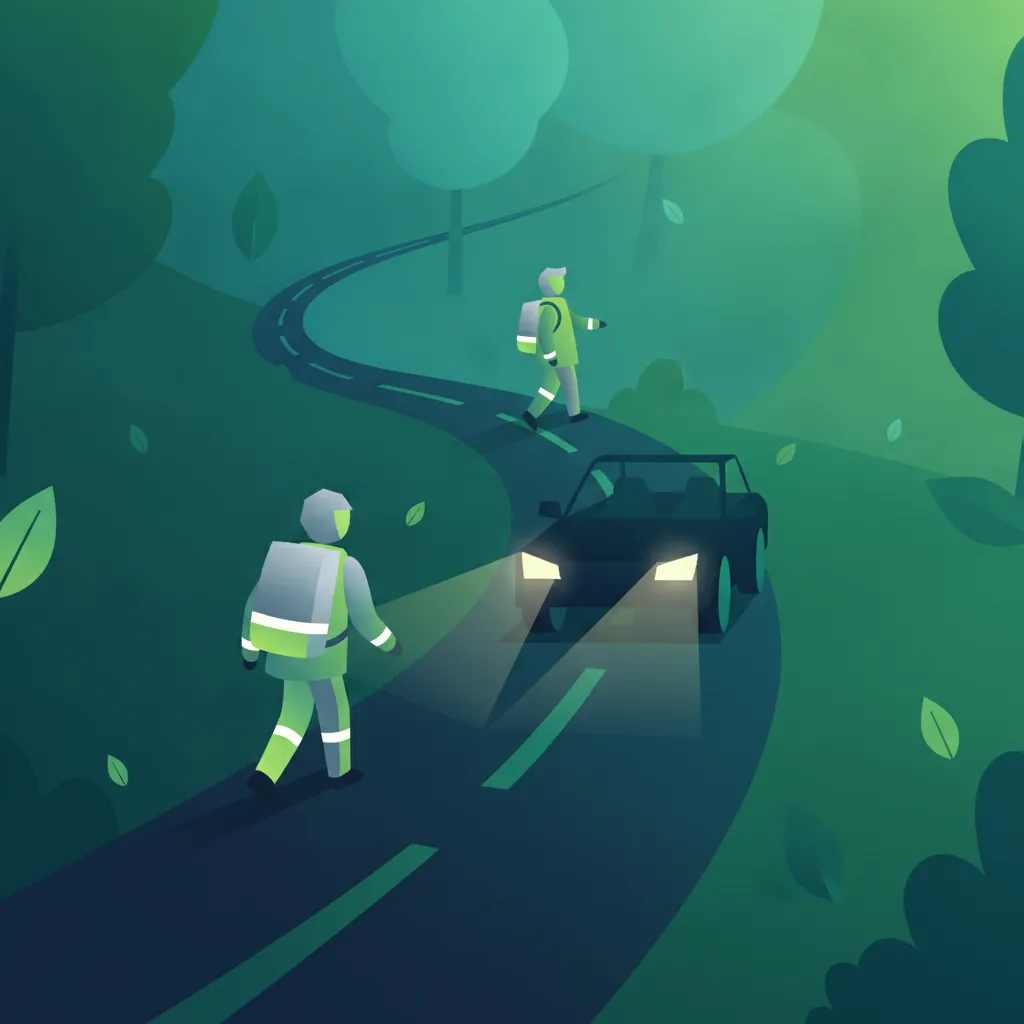
This lesson explains the critical importance of being visible to other road users. It details the proper use of headlights and daytime running lights as required by Danish law. The content also covers the effectiveness of wearing reflective clothing and ensuring the vehicle's reflectors are clean and functional.

This lesson prepares riders for the specific hazards of rural roads, which often have less visibility and more unpredictable surfaces. It covers strategies for approaching blind curves, safely passing agricultural machinery, and being vigilant for animals on the road. Adjusting speed to match visibility is a core principle.
This lesson focuses on techniques for riding when visibility and traction are compromised by weather. It explains how to adjust speed, increase following distance, and use lights to see and be seen in rain or fog. Understanding the risk of hydroplaning and making smooth control inputs are key takeaways.
This lesson provides an in-depth look at the blind spots of other vehicles and how to manage them. It teaches riders to recognize the large 'no-zones' around trucks and buses where they cannot be seen. Strategies include avoiding lingering in these areas and positioning the motorcycle for maximum visibility.
This lesson explains the strategic importance of lane positioning for a motorcyclist. It teaches how to select a position within the lane that makes you most visible to other road users and provides an escape route from potential hazards. The content covers how to adjust your position based on traffic, road conditions, and to avoid being in another vehicle's blind spot.

This lesson focuses on recognizing and navigating high-risk road surfaces that severely compromise traction. It provides practical advice on how to maintain control when riding over coarse gravel, slippery wet leaves, or frosted patches. The emphasis is on early detection, reducing speed, and making minimal control inputs to avoid skids.
This lesson examines the specific risks inherent to motorcycling, emphasizing a rider's vulnerability due to reduced physical protection compared to other vehicles. It covers the heightened severity of injuries in accidents and the critical role of protective gear in mitigating harm. Learners will understand how to adopt defensive strategies, such as proper road positioning, to counteract these risks.
This lesson equips riders with the knowledge to handle imperfect road surfaces safely. It covers how to adjust speed, steering, and braking inputs when encountering loose gravel, slippery wet leaves, or other hazards. The focus is on smooth control inputs to avoid upsetting the motorcycle's stability.

This lesson provides a comprehensive overview of a vehicle's lighting systems and their proper use. It covers the functions of low and high beams, fog lights, and all signal lights, emphasizing their importance for visibility and communication with other drivers. The material explains the legal requirements for using lights in various conditions, including daytime, darkness, and adverse weather, as specified by Danish regulations.
Understand Danish regulations for motorcycle night riding, including mandatory headlight use and essential reflective gear. Learn to avoid common mistakes and ensure maximum visibility for your A1, A2, and A license theory.
This lesson focuses on the specific challenges of riding in darkness. It explains the legal requirements and proper use of high and low beam headlights to see and be seen. The importance of wearing reflective clothing and ensuring all vehicle lights and reflectors are functioning is strongly emphasized.
This lesson focuses on techniques for riding when visibility and traction are compromised by weather. It explains how to adjust speed, increase following distance, and use lights to see and be seen in rain or fog. Understanding the risk of hydroplaning and making smooth control inputs are key takeaways.
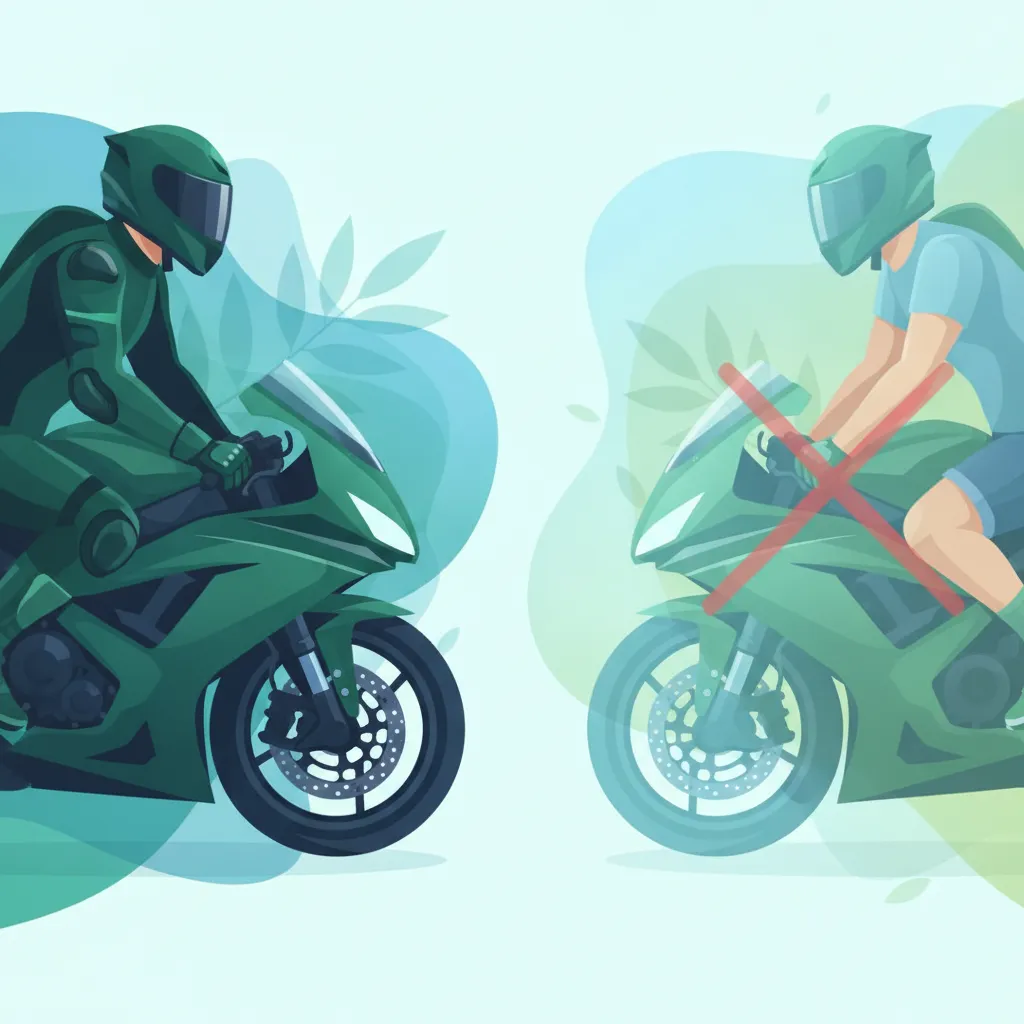
This lesson explains the critical role of specialized protective clothing in rider safety. It details the features of motorcycle jackets, pants, gloves, and boots, focusing on abrasion resistance and impact protection. Learners will understand how to identify gear that meets official CE certification standards for maximum safety.
This lesson examines the specific risks inherent to motorcycling, emphasizing a rider's vulnerability due to reduced physical protection compared to other vehicles. It covers the heightened severity of injuries in accidents and the critical role of protective gear in mitigating harm. Learners will understand how to adopt defensive strategies, such as proper road positioning, to counteract these risks.
This lesson prepares riders for the specific hazards of rural roads, which often have less visibility and more unpredictable surfaces. It covers strategies for approaching blind curves, safely passing agricultural machinery, and being vigilant for animals on the road. Adjusting speed to match visibility is a core principle.
This lesson focuses on the core safety duties of a stor knallert rider. It explains the legal requirement for wearing a helmet and the benefits of other protective gear. The content also covers essential pre-ride checks, including brakes, tyres, and lights, to ensure the vehicle is in safe operating condition.
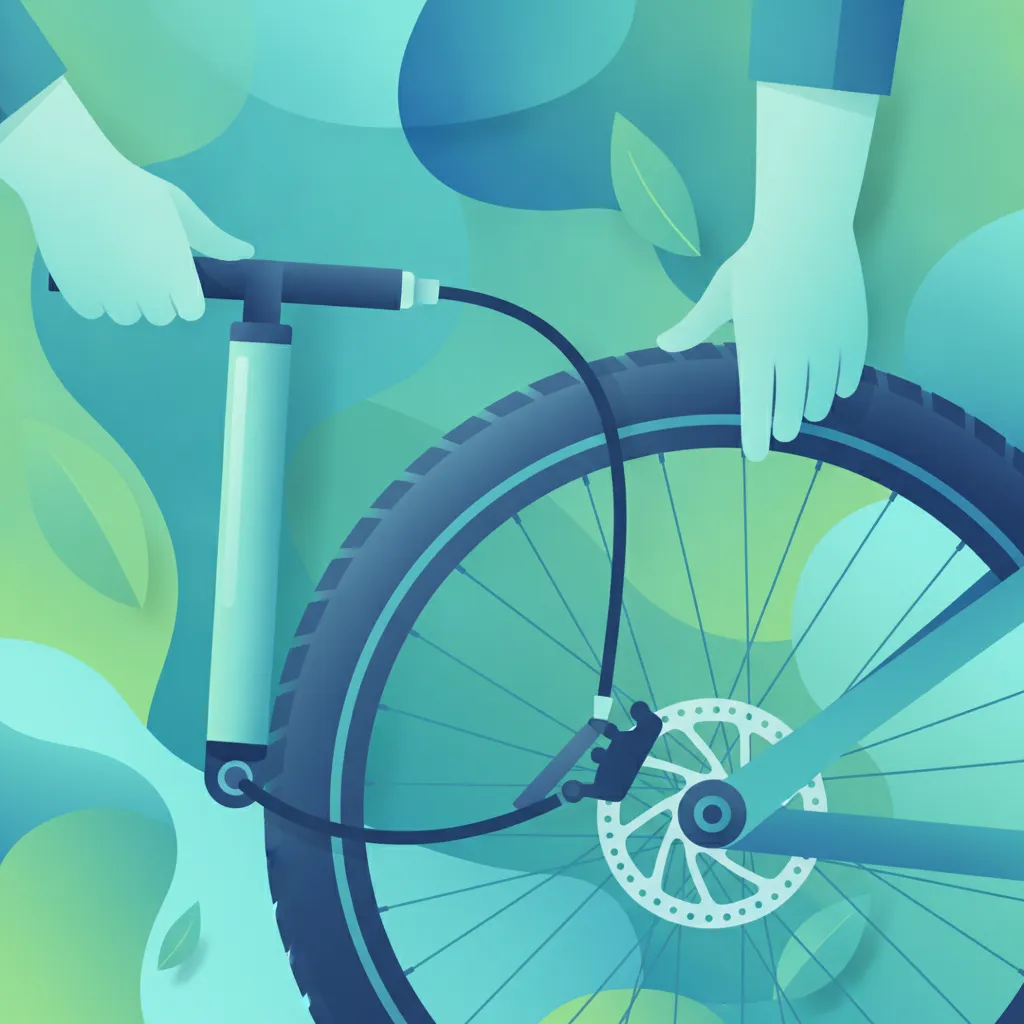
This lesson details the systematic pre-ride inspection process that all motorcyclists must perform. It covers critical safety checks, including verifying correct tyre pressure, assessing brake pad wear, and ensuring all lights are functional. Regular completion of these checks is essential for preventing mechanical failures and ensuring rider safety.
This lesson explains the critical importance of being visible to other road users. It details the proper use of headlights and daytime running lights as required by Danish law. The content also covers the effectiveness of wearing reflective clothing and ensuring the vehicle's reflectors are clean and functional.
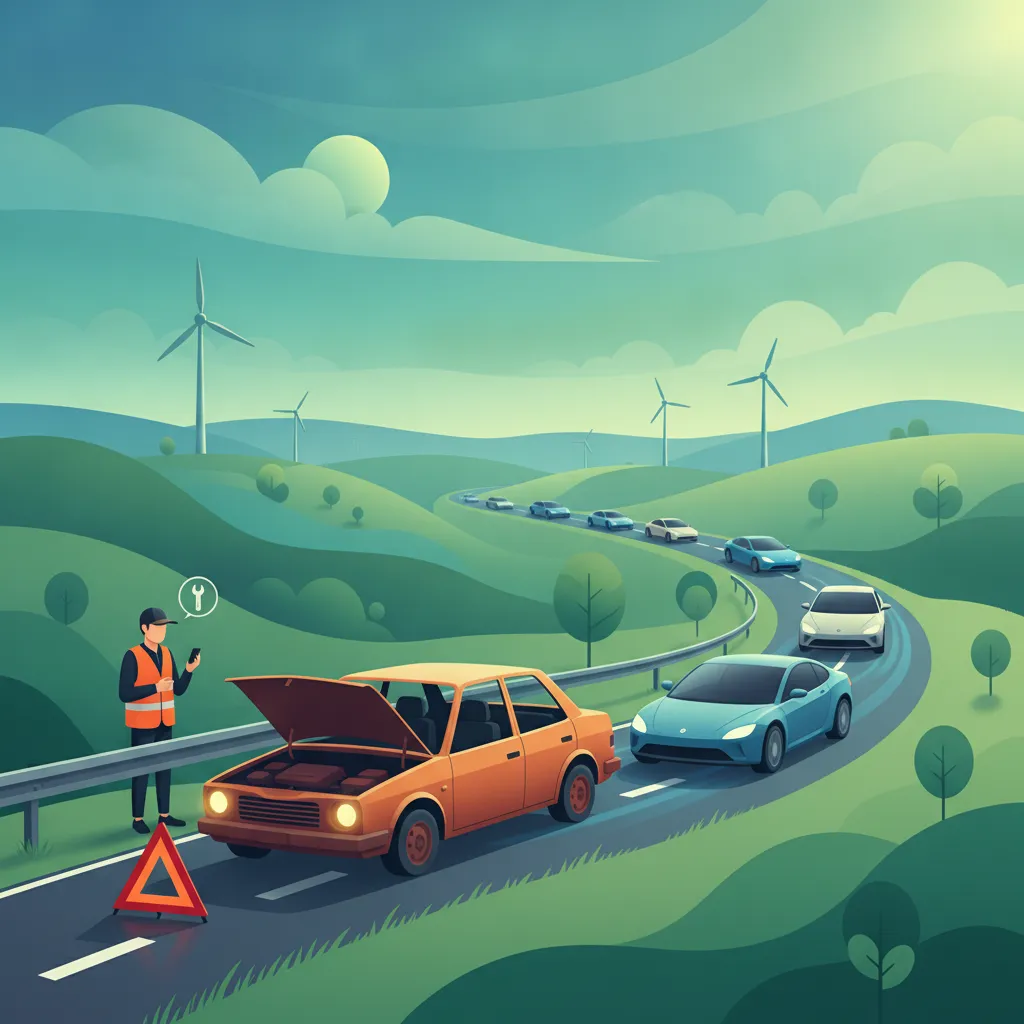
This lesson outlines a step-by-step procedure for managing a mechanical breakdown on the road. It covers moving the motorcycle to a safe location, using hazard lights, and wearing high-visibility clothing. The goal is to ensure personal safety while minimizing disruption and danger to other traffic.
This lesson explains the strategic importance of lane positioning for a motorcyclist. It teaches how to select a position within the lane that makes you most visible to other road users and provides an escape route from potential hazards. The content covers how to adjust your position based on traffic, road conditions, and to avoid being in another vehicle's blind spot.
Find clear answers to common questions learners have about Night Riding: Headlights, Glare, and Road Markings. Learn how the lesson is structured, which driving theory objectives it supports, and how it fits into the overall learning path of units and curriculum progression in Denmark. These explanations help you understand key concepts, lesson flow, and exam focused study goals.
You must switch to low beam headlights when driving in built-up areas with sufficient street lighting, or when there is a risk of dazzling oncoming drivers or other road users, such as cyclists.
Avoid looking directly at the headlights of oncoming vehicles. Instead, focus your gaze slightly to the right of your lane, using the road markings or the side of the road as a guide until the vehicle has passed.
While not strictly mandatory, wearing high-visibility and reflective gear is strongly recommended by the Danish authorities to ensure you are clearly seen by other road users, especially at night or in low-visibility conditions.
Look for reflective cat's eyes or high-visibility thermoplastic markings that delineate lane edges and center lines. These are designed to stand out under your motorcycle's headlight beams even in pitch-black conditions.
Use our powerful search tool to pinpoint specific Danish driving theory topics, road signs, or traffic situations you need to review. Start exploring relevant practice sets now to reinforce your knowledge and build confidence for your upcoming driving licence exam.