
This lesson explores the essential safety protocols for managing passenger movement during boarding and alighting. It is a critical component of our Category D training, helping you master the driver's role in ensuring smooth and safe bus operations throughout Denmark.

Lesson content overview
For professional bus drivers seeking their Danish Category D Licence, understanding and managing passenger movement is paramount. This lesson delves into the critical strategies and responsibilities drivers hold to ensure the safety and efficiency of boarding (passengers getting on) and alighting (passengers getting off) processes at bus stops. Effective management goes beyond merely opening and closing doors; it involves a constant vigilance, clear communication, and adaptable procedures to prevent accidents and maintain smooth operations.
As a professional driver, your primary duty extends to the well-being of every passenger from the moment they approach the vehicle until they safely depart. This fundamental responsibility, known as the duty of care, encompasses active management of passenger movement, minimizing risks, and fostering an environment of trust and security.
The process of passengers boarding and alighting, particularly at busy stops or in challenging conditions, presents numerous potential hazards. Slips, trips, and falls are common occurrences that can lead to serious injuries, delays, and legal complications. By proactively managing how passengers move, you directly reduce these risks, ensure efficient service delivery, and uphold the high safety standards expected of public transport professionals in Denmark. Proper management is a cornerstone of safe operation, contributing significantly to accident prevention and overall operational smoothness.
Effective passenger movement management is guided by several core principles that integrate into your daily driving routine:
These principles combine to form a comprehensive approach, ensuring that every passenger experience is as safe and controlled as possible.
Passenger flow refers to the orderly control of how individuals move onto and off the vehicle. Efficient management of this flow is crucial for maintaining schedules, preventing congestion, and, most importantly, ensuring passenger safety.
Successfully managing passenger flow requires a driver to anticipate, observe, and guide. This includes understanding the dynamics of both boarding flow (passengers entering) and alighting flow (passengers exiting), which can sometimes occur simultaneously. The goal is to facilitate a continuous, smooth progression without unnecessary delays or hazards.
For instance, at stops designed for specific passenger movement, you might need to stop the bus slightly ahead or behind a marked area to encourage the use of a ramp for accessibility or to direct passengers to a safer alighting point away from traffic. Passengers do not always instinctively follow the most efficient or safest path, making your guidance invaluable.
The way you position your bus at a stop directly influences passenger flow and safety. Ideally, the bus should be stopped as close to the curb as safely possible, ensuring a minimal step height for passengers. This is especially important for those with mobility challenges, parents with strollers, or individuals carrying heavy luggage.
When approaching a stop, assess the curb height and any potential obstructions. Aim to position the bus precisely to minimize the gap and step down, making it easier and safer for all passengers to board and alight. This proactive positioning helps reduce the risk of trips and falls.
During boarding and alighting, the vehicle must be completely stationary. Any residual movement, even slight, can cause passengers to lose balance. Ensure that doors are fully opened, providing ample clearance and preventing any limb entanglement or tripping hazards.
Handrails and designated grasping points are fundamental safety features designed to help passengers maintain their balance, particularly during the dynamic phases of boarding and alighting. As a driver, it is your responsibility to encourage their proper use.
Handrails are supporting bars, both inside and outside the bus, that passengers can hold onto. Their primary purpose is to provide stability and prevent falls, especially when the vehicle is stationary but still subject to internal movement (e.g., passengers shifting weight) or external factors (e.g., wind). Passengers, particularly the elderly, children, or those with heavy luggage, may instinctively reach for support. However, it's common for passengers, especially when rushing, to forget to use them.
Your role includes subtly reinforcing this habit. While you cannot physically force passengers to use handrails, your observational awareness allows you to notice if passengers are struggling and, if safe to do so, offer a verbal reminder or pause briefly to allow them to gain stability.
Handrails must always be clean, free from obstructions, and clearly visible. Any dirt, grime, or objects hanging on them can deter passengers from using them or make them less effective. Regular vehicle checks, covered in previous lessons, include ensuring these safety features are in optimal condition.
Consider the design of your bus: are handrails brightly colored or strategically placed to be easily seen? In some cases, a quick announcement during the initial stops of a route, reminding passengers to "please hold onto the handrails," can significantly increase usage and safety awareness. This is part of the broader communication strategy discussed later.
The concept of the driver as observer is central to proactive passenger safety. Your responsibilities extend beyond the road to include constant monitoring of passenger behavior and potential hazards around the bus.
Before, during, and after each stop, your eyes should be scanning. This includes:
These observations are critical for identifying potential slips, unstable loads, or passengers who may be at risk. For example, if you notice a passenger struggling to maintain balance while getting on, you can delay closing the door or offer a verbal check-in.
Your observational awareness should lead to timely intervention when necessary. If a passenger's actions pose a clear risk, you must act. This might involve:
Never assume passengers will always take responsibility for their own safety. Your active observation and intervention are crucial, especially when passenger actions or environmental conditions create elevated risks.
Effective communication is a powerful tool for managing passenger movement. Clear, timely, and understandable instructions reduce confusion, enhance safety, and contribute to a smoother, more efficient service.
Communication can take various forms:
The clarity of your communication is vital. Avoid jargon and speak at a moderate pace, especially when addressing diverse groups of passengers, including non-native speakers or those with hearing impairments. In noisy environments, ensure your announcements are sufficiently amplified and repeated if necessary.
When communicating, always consider the diverse needs of your passengers. Vulnerable groups, such as the elderly, children, or individuals with disabilities, may require clearer or more frequent communication. For instance, when assisting a wheelchair user with a ramp, a clear explanation of each step of the process can alleviate anxiety and ensure cooperation.
Individuals who may require additional assistance or consideration due to age, disability, temporary injury, or other factors that could affect their safety or mobility.
The standard procedures for passenger movement must be flexible and adaptable. Conditions such as high passenger volumes during peak hours or challenging weather can significantly alter the safety landscape.
Peak hours are times of high passenger demand, often coinciding with rush hour traffic. During these periods, the risk of delays, congestion, and hurried, unsafe boarding or alighting increases. Effective strategies include:
The amount of time a public transport vehicle spends stationary at a stop, primarily for the purpose of boarding and alighting passengers.
Adverse weather — rain, snow, ice, or strong winds — introduces additional safety challenges. Your procedures must adapt to these conditions:
When deploying ramps in adverse weather, especially icy conditions, ensure the ramp is stable and clear of hazards before passengers use it. If unsure, err on the side of caution and consider providing verbal warnings or direct assistance.
Adhering to specific rules and regulations is not just about avoiding penalties; it's about embedding safety into every aspect of your operation. Danish law, alongside best practices for public transport, mandates several key actions for drivers managing passenger movement.
Certain actions are legally required to ensure passenger safety:
Beyond legal mandates, several best practices significantly enhance passenger safety and operational efficiency:
These mandatory and recommended practices form the backbone of a safe and professional driving operation, reflecting your commitment to passenger welfare.
Despite clear guidelines, certain common mistakes or oversights can compromise passenger safety and lead to accidents or regulatory violations. Awareness of these pitfalls is the first step in avoiding them.
To prevent these scenarios, constant vigilance and adherence to established protocols are essential. A proactive mindset, where you anticipate potential issues rather than reacting to them, will significantly enhance safety. Regular self-assessment of your boarding and alighting procedures, especially after challenging shifts, can also help identify areas for improvement.
The environment around a bus stop is rarely static. Your ability to adapt your procedures based on varying conditions is a hallmark of a competent professional driver.
Always prioritize vulnerable users. This includes providing direct assistance, patiently waiting, and ensuring any accessibility equipment (like ramps or lifts) is used correctly and safely. For instance, when assisting a wheelchair user, ensure the ramp is fully deployed and stable, and guide them carefully on and off the bus. Never rush these processes, as a momentary lapse can have severe consequences.
This lesson covers the driver's critical role in managing passenger movement during boarding and alighting for Danish Category D operations. Key responsibilities include maintaining duty of care, using observational awareness to spot hazards before they occur, and guiding passengers through clear communication and directional control. Drivers must ensure the vehicle is fully stationary with doors completely opened, actively encourage handrail use, and provide direct assistance to vulnerable passengers. Procedures must adapt to peak hours with increased vigilance and efficient door use, and to adverse weather requiring reduced speeds and careful ramp deployment. Legal obligations mandate safe door operation, prohibition of motion during passenger movement, and assistance for those who need it.
A short set of high-value points that capture the most important learning from this lesson.
The driver has a legal and ethical duty of care to actively manage passenger safety from approach to departure at every stop.
Passenger flow management requires anticipating, observing, and guiding both boarding and alighting passengers to prevent slips, trips, and falls.
The vehicle must be completely stationary with doors fully opened before any passenger boards or alights.
Observational awareness should identify hazards before they occur, allowing for timely intervention such as delaying departure or offering verbal warnings.
Procedures must adapt to environmental conditions including weather, passenger volume, and stop characteristics.
Explore all units and lessons included in this driving theory course.
Handrails and grasping points must be clean, visible, and unobstructed; drivers should actively encourage their use.
Vulnerable passengers (elderly, disabled, those with heavy luggage) require direct assistance and may need more time during boarding and alighting.
In adverse weather conditions, approach speed must be reduced and extra caution used when deploying accessibility ramps.
Dwell time management during peak hours requires efficient but safe procedures, potentially using multiple doors when available.
Communication through announcements, gestures, and signage helps guide passengers and reduce confusion or rushing.
Continuing vehicle motion while passengers are boarding or alighting, even slight movement can cause falls.
Failing to encourage handrail use, which increases fall risk especially when the bus starts moving again.
Not adjusting approach speed for wet, icy, or snowy conditions increases passenger slip hazards.
Partially opening doors creates pinch points and trip hazards that endanger passengers.
Neglecting to provide assistance to vulnerable passengers is a serious breach of the driver's duty of care.
Lesson content overview
A short set of high-value points that capture the most important learning from this lesson.
The driver has a legal and ethical duty of care to actively manage passenger safety from approach to departure at every stop.
Passenger flow management requires anticipating, observing, and guiding both boarding and alighting passengers to prevent slips, trips, and falls.
The vehicle must be completely stationary with doors fully opened before any passenger boards or alights.
Observational awareness should identify hazards before they occur, allowing for timely intervention such as delaying departure or offering verbal warnings.
Procedures must adapt to environmental conditions including weather, passenger volume, and stop characteristics.
Explore all units and lessons included in this driving theory course.
Handrails and grasping points must be clean, visible, and unobstructed; drivers should actively encourage their use.
Vulnerable passengers (elderly, disabled, those with heavy luggage) require direct assistance and may need more time during boarding and alighting.
In adverse weather conditions, approach speed must be reduced and extra caution used when deploying accessibility ramps.
Dwell time management during peak hours requires efficient but safe procedures, potentially using multiple doors when available.
Communication through announcements, gestures, and signage helps guide passengers and reduce confusion or rushing.
Continuing vehicle motion while passengers are boarding or alighting, even slight movement can cause falls.
Failing to encourage handrail use, which increases fall risk especially when the bus starts moving again.
Not adjusting approach speed for wet, icy, or snowy conditions increases passenger slip hazards.
Partially opening doors creates pinch points and trip hazards that endanger passengers.
Neglecting to provide assistance to vulnerable passengers is a serious breach of the driver's duty of care.
Explore search topics learners often look for when studying Managing Passenger Movement While Boarding and Alighting. These topics reflect common questions about road rules, driving situations, safety guidance, and lesson level theory preparation for learners in Denmark.
Browse additional driving theory lessons that cover connected traffic rules, road signs, and common driving situations related to this topic. Improve your understanding of how different rules interact across everyday traffic scenarios.
Learn the specific procedures and legal obligations for Danish bus drivers when assisting vulnerable passengers, including elderly, disabled, and those with heavy luggage, during boarding and alighting. Ensures safe and respectful passenger transport.
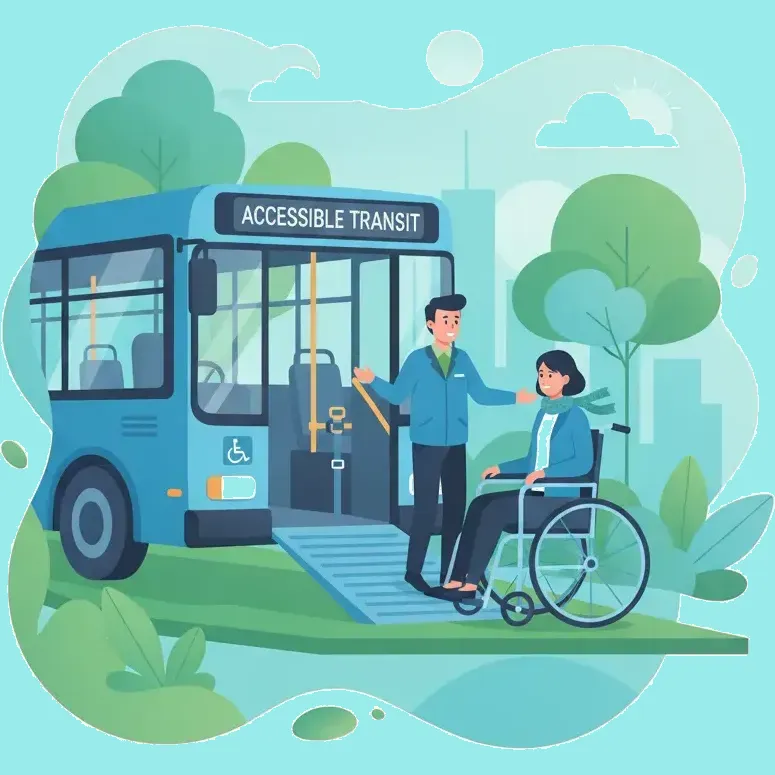
This lesson covers the driver's responsibilities in providing accessible transport for passengers with reduced mobility. It details the correct operation of wheelchair ramps and lifts, as well as the procedures for safely securing wheelchairs inside the vehicle. The content also emphasizes respectful communication and awareness of passenger needs, in line with Danish accessibility laws and standards.

This lesson addresses the specific skills required to navigate around public transport and heavy goods vehicles safely. You will learn the rules for bus lanes, recognize when buses have priority at stops, and understand the unique challenges posed by large vehicles, such as wider turning circles and larger blind spots. The material also provides clear protocols for overtaking these vehicles while maintaining adequate safety margins.
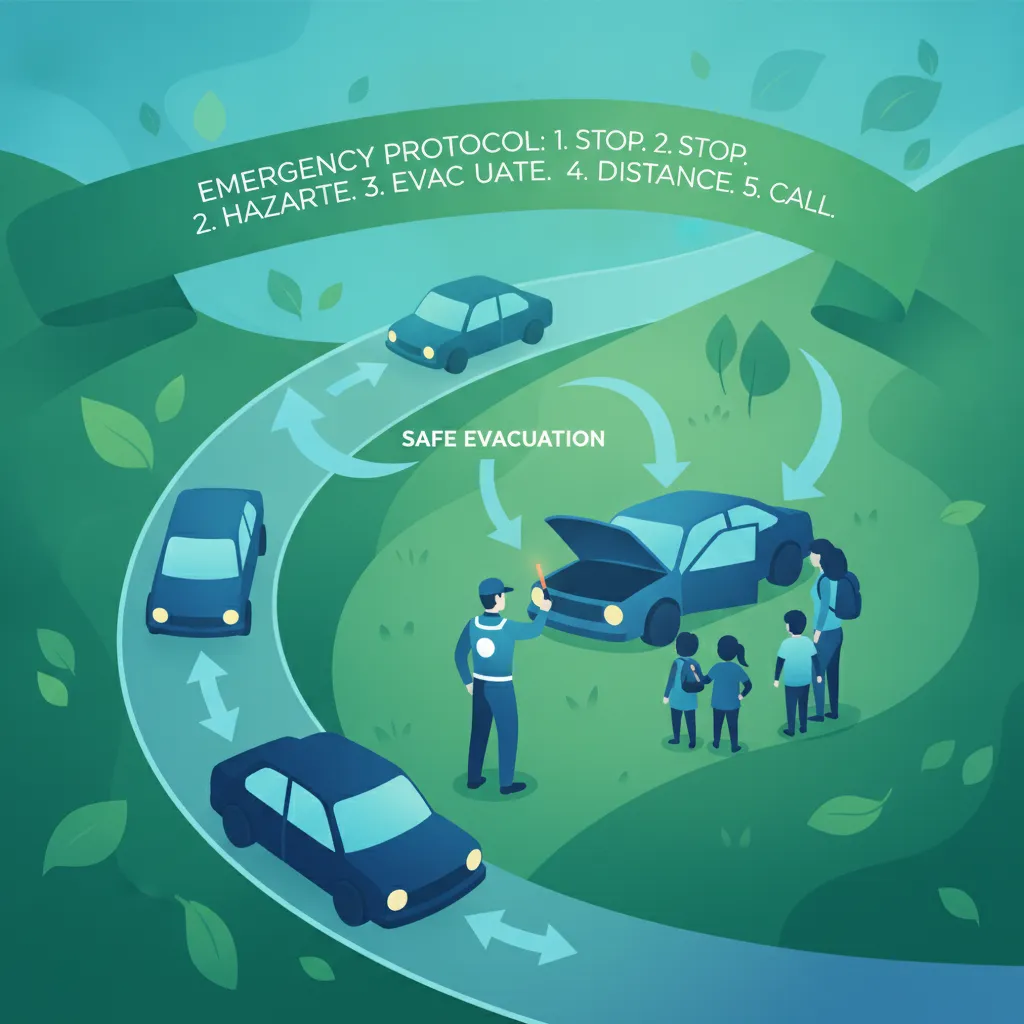
This lesson focuses on the driver's role as a leader during an emergency evacuation. It covers how to assess a situation, make the decision to evacuate, and provide clear, calm instructions to passengers. The content details the location and operation of all emergency exits and procedures for assisting passengers with reduced mobility to a safe gathering point.

This lesson addresses the specific challenges of school and tourist transport. It outlines heightened safety protocols for stops near schools, including monitoring child behavior and working with school patrols. The content also covers techniques for managing large groups of tourists, dealing with luggage, and providing clear information at popular destinations.
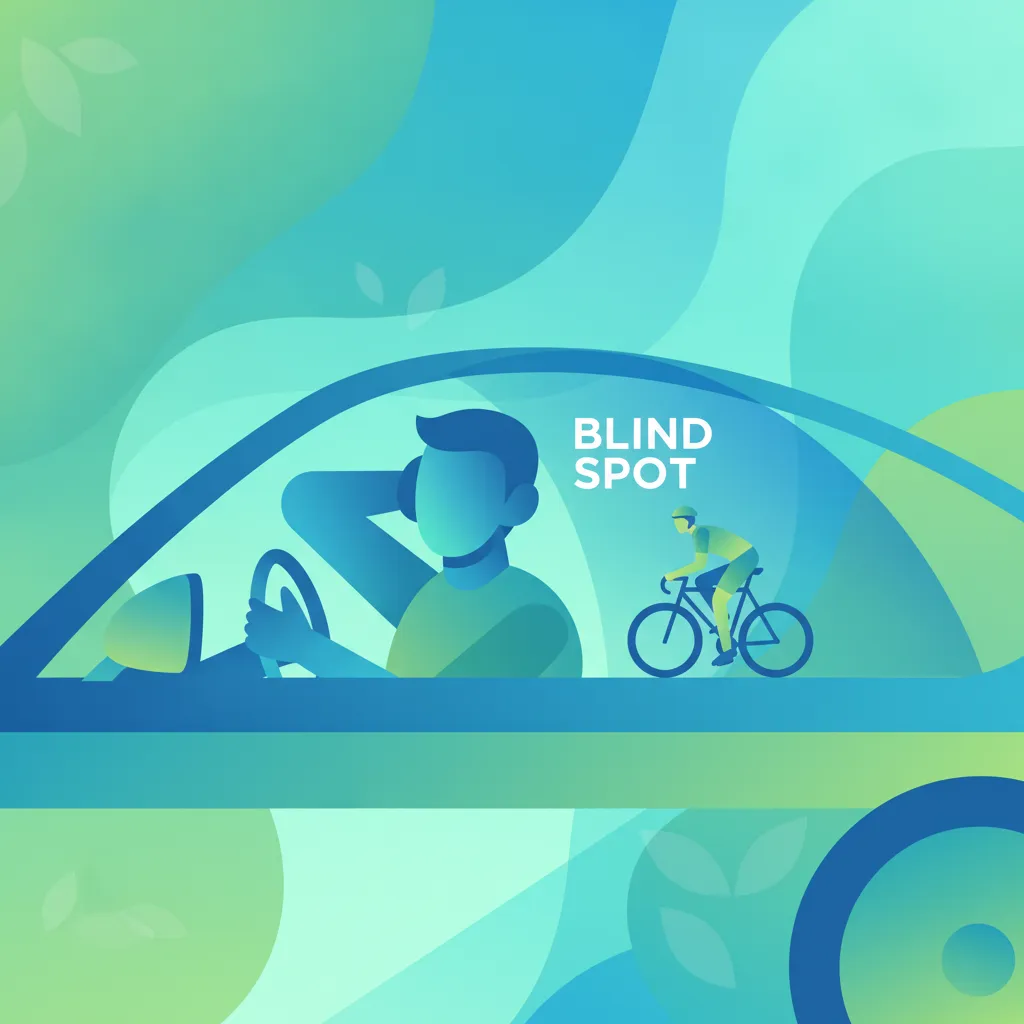
This lesson provides an in-depth analysis of the size and location of blind spots around a typical passenger bus. It teaches systematic scanning patterns that incorporate all mirrors, cameras, and direct head checks to maintain situational awareness. The content highlights high-risk areas where cyclists, pedestrians, or small vehicles can become hidden from view, especially during turns.
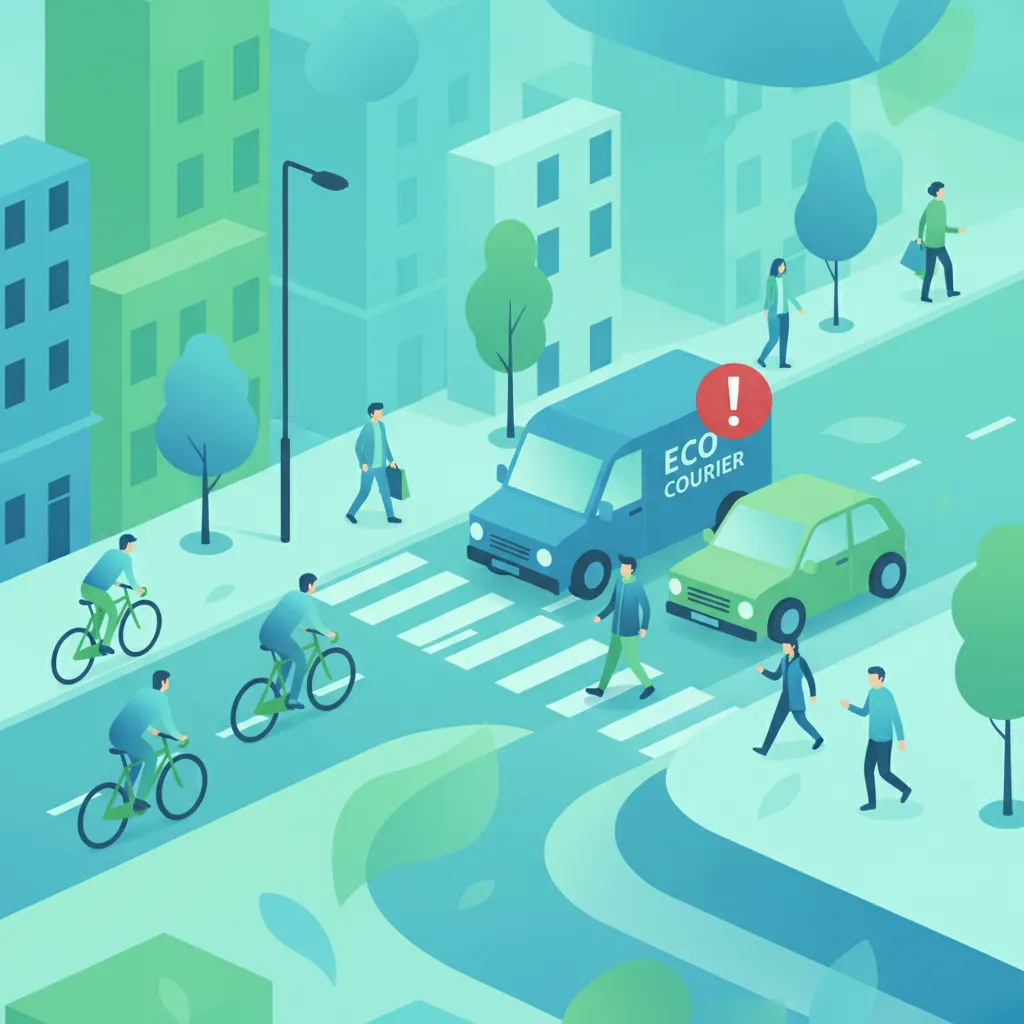
This lesson trains drivers to perform a risk assessment of bus stops along their route. It explains how to identify hazards such as poor visibility, proximity to busy intersections, or obstructed pedestrian access. The content provides proactive strategies for positioning the bus and managing passenger boarding and alighting to mitigate the identified risks effectively.

This lesson explains the relationship between a bus's dimensions—length, width, and height—and its maneuverability. It covers key concepts such as turning radius, rear overhang, and swept path, which are critical for navigating turns and tight spaces safely. Learners will also understand how these physical characteristics create significant blind spots that require specific observation techniques to manage.

This lesson details the specific rules related to bus lanes and bus stops. It clarifies when other vehicles may use bus lanes, the legal requirement to yield to buses pulling away from a stop, and the importance of being cautious around embarking or disembarking passengers. Adherence to these rules is vital for the efficient and safe operation of public transportation.
This lesson details the procedures for safe door operation during passenger boarding. It explains the driver's responsibility to visually clear the doorway and surrounding area before opening or closing doors. The content covers the function of safety features like sensors and interlock systems, ensuring compliance with Danish vehicle regulations to prevent passenger injuries.

This lesson contrasts the driving techniques required for rural roads and motorways. It covers managing speed on narrow, winding lanes with potential hazards like farm machinery or animals. The content also explains the principles of safe motorway driving, including maintaining lane discipline, managing high-speed stability, and executing safe overtaking maneuvers.
Understand how to adapt passenger boarding and alighting procedures for Danish Category D drivers during challenging conditions like rain, ice, strong winds, and high passenger volumes during peak hours.

This lesson explains how to adjust driving techniques for adverse conditions. It covers the effects of rain, snow, ice, and fog on tire grip and visibility, emphasizing the need to increase following distances and reduce speed. The content also details the correct use of lights for night driving and in poor weather to ensure the bus is visible to others.

This lesson equips you with the knowledge to drive safely in challenging weather conditions. It explains the risk of aquaplaning in heavy rain, how to counteract strong crosswinds, and the correct use of lights in darkness and fog. The core principle is adapting your speed and increasing your following distance to compensate for reduced visibility and traction.

This lesson covers the core principles of defensive driving in an urban context. It teaches drivers how to anticipate the actions of other road users, maintain safe following distances in dense traffic, and navigate complex intersections with multiple signals. The content emphasizes heightened awareness of pedestrians, cyclists, and unexpected events common in Danish city environments.

This lesson addresses the combined challenges of navigating narrow rural roads and driving in adverse weather. It explains how to adapt speed and braking techniques for conditions like heavy rain, fog, or ice, which are common on rural routes. The content also integrates these factors into route planning, teaching drivers how to select the safest and most appropriate path while avoiding local weight or height restrictions.

This lesson addresses the unique challenges of driving in tourist-heavy urban centers alongside cyclists. It teaches drivers to anticipate the behavior of individuals who may be distracted or unfamiliar with local traffic rules. The content provides strategies for communicating intentions clearly and navigating safely around large groups, luggage, and cyclists.
This lesson addresses the specific challenges of school and tourist transport. It outlines heightened safety protocols for stops near schools, including monitoring child behavior and working with school patrols. The content also covers techniques for managing large groups of tourists, dealing with luggage, and providing clear information at popular destinations.
This lesson trains drivers to perform a risk assessment of bus stops along their route. It explains how to identify hazards such as poor visibility, proximity to busy intersections, or obstructed pedestrian access. The content provides proactive strategies for positioning the bus and managing passenger boarding and alighting to mitigate the identified risks effectively.
This lesson contrasts the driving techniques required for rural roads and motorways. It covers managing speed on narrow, winding lanes with potential hazards like farm machinery or animals. The content also explains the principles of safe motorway driving, including maintaining lane discipline, managing high-speed stability, and executing safe overtaking maneuvers.

This lesson highlights the serious risks associated with driver fatigue. It teaches how to recognize the early warning signs of tiredness and the legal requirements for rest periods under Danish and EU tachograph laws. The content provides practical strategies for managing timetable pressure without compromising the need for adequate rest and safe operation.

This lesson provides critical guidance for driving in environments with heavy cycle traffic, typical of Danish cities. It focuses on identifying and yielding to cyclists in dedicated bike lanes, especially when turning right across their path. The content emphasizes advanced observation skills to detect cyclists in blind spots and the importance of giving adequate space.
Find clear answers to common questions learners have about Managing Passenger Movement While Boarding and Alighting. Learn how the lesson is structured, which driving theory objectives it supports, and how it fits into the overall learning path of units and curriculum progression in Denmark. These explanations help you understand key concepts, lesson flow, and exam focused study goals.
The driver is responsible for ensuring the vehicle is stationary and safely positioned at the curb before opening the doors. You must maintain observation of the passenger flow until the last passenger has safely cleared the vehicle and the bus remains clear of obstructions.
You must ensure the bus is sufficiently close to the curb or use ramps/kneeling systems if available. Always allow enough time for the passenger to secure themselves before moving the vehicle, as sudden movement can cause falls and is a frequent topic in theory questions.
Yes, for Category D operations, you are expected to use internal mirrors and cameras to monitor the full length of the cabin. Failure to notice a passenger who has not yet taken a seat or is still moving in the aisle can lead to safety violations.
Overcrowding and rushed movement increase the risk of slips. Your duty is to manage the boarding speed and ensure that doors are only operated when it is safe to do so, preventing injuries caused by doors closing on passengers.
Use our powerful search tool to pinpoint specific Danish driving theory topics, road signs, or traffic situations you need to review. Start exploring relevant practice sets now to reinforce your knowledge and build confidence for your upcoming driving licence exam.