
This lesson focuses on the critical safety and operational requirements for handling school children and tourist groups at bus stops. Understanding these specific procedures is vital for your Category D theory exam and your professional conduct as a bus driver in Denmark.

Lesson content overview
Driving a passenger vehicle, particularly for a Danish Category D licence, entails a high degree of responsibility, extending beyond basic traffic rules. This lesson delves into the critical additional considerations for transporting two specific groups: schoolchildren and tourists. These passenger types introduce unique safety challenges and operational demands that require heightened awareness, specific protocols, and a strong sense of professional duty. Understanding these special considerations is paramount for ensuring the safety and comfort of all passengers, adhering to Danish traffic laws, and maintaining public trust.
Transporting schoolchildren is among the most demanding tasks for a professional driver, primarily due to the unpredictable nature of children and the bustling environment around educational institutions. Drivers holding a Danish Category D licence must be acutely aware of the heightened risks and legal obligations associated with school transport.
Children, especially younger ones, are considered vulnerable road users. Their limited understanding of road safety, coupled with their tendency for impulsive behavior, means they may act unpredictably near traffic. They might dart into the road without looking, be distracted by friends, or misjudge the speed and distance of an approaching vehicle. Therefore, drivers must anticipate these behaviors and apply a proactive, defensive driving approach.
When approaching or departing from a bus stop located near a school, extreme caution is mandatory. This includes significantly reducing your speed well in advance, even if children are not immediately visible. A bus driver must scan the environment meticulously for children on sidewalks, crossing the street, or congregating at the stop. The stopping position itself should allow ample space between the bus and the curb, providing a safe zone for children to board and alight without stepping directly into traffic.
Communication is also key; making eye contact with children and giving clear, calm instructions (even non-verbally through gestures) can help manage their behavior. Ensure the bus doors are only opened when the vehicle is completely stationary and it is safe for children to move.
Many schools in Denmark, especially during peak drop-off and pick-up times, employ dedicated school patrols or traffic marshals. These individuals play a crucial role in managing pedestrian and vehicle traffic around the school. As a professional driver, you are legally obligated to obey their signals and instructions.
School patrols are authorized personnel whose directions take precedence over general traffic rules, much like a police officer, to ensure the immediate safety of children. Always follow their guidance.
Before reaching the stop, signal your intentions clearly and be prepared to stop or wait as directed by the patrol. Coordinated loading and unloading procedures, often managed by these patrols, are designed to maximize safety and efficiency. Ignoring their signals or proceeding against their instructions can lead to severe legal consequences and, more importantly, endanger lives.
Danish traffic law, Færdselsloven, places a strong emphasis on road safety, especially concerning vulnerable groups. While there might not be a single specific article solely for school bus drivers, the general provisions regarding due care, speed limits in urban and school zones, and yielding to pedestrians are rigorously applied. Drivers are expected to exercise heightened caution, known as an extended "duty of care," when operating near schools. This often translates to adhering strictly to posted speed limits, being prepared for sudden stops, and ensuring children are completely clear of the vehicle before moving off.
Tourist transport presents a different set of challenges, often involving larger groups, significant amounts of luggage, and diverse passenger needs. Professional drivers for tourist coaches, especially those operating under a Danish Category D licence, must master the art of efficient group management while maintaining the highest safety standards.
Large groups of tourists can be complex to manage during boarding and alighting. Efficient procedures are vital to avoid delays and ensure safety. This includes:
Designated Areas: Utilize designated boarding and alighting points at tourist attractions, which are often designed for larger vehicles and pedestrian flow.
Staggered Boarding: If possible, implement a staggered boarding process to prevent overcrowding at the door.
Assistance Provision: Be prepared to assist passengers with mobility issues or those needing help with their luggage. Deploy boarding ramps promptly and safely when needed.
Clear Instructions: Provide clear verbal instructions on where to stand, how to board, and where to store personal items.
The driver's calm and authoritative presence can significantly help in managing passenger flow and ensuring a smooth process. Allow sufficient time for all passengers to board or alight comfortably and safely.
Tourist groups often travel with considerable luggage, which must be managed properly for safety and vehicle stability. Incorrectly stored luggage poses several risks:
Drivers must ensure all luggage is securely stored in designated compartments, either overhead or under the vehicle. Aisle-blocking luggage is a common violation and a significant safety hazard. A quick check after boarding to ensure all aisles are clear is a critical part of the pre-departure routine.
Effective communication is crucial for a positive tourist experience and for operational efficiency. Tourists may be unfamiliar with the area, the language, or local customs. Providing clear and timely information about upcoming stops, points of interest, and expected duration of stays can prevent confusion and frustration.
Consider having pre-recorded announcements or a simple announcement script, especially if you operate routes with international tourists. Clearly stating the name of the next destination and the reason for the stop (e.g., "Next stop: Tivoli Gardens for 2 hours") helps passengers prepare and enjoy their journey more.
As a Category D licence holder in Denmark, your professional conduct is governed by stringent legal obligations and ethical standards. These underpin your daily operations, particularly in the special scenarios of school and tourist transport.
The concept of "duty of care" is central to passenger transport. It represents the legal and moral obligation of the driver to ensure the safety, well-being, and comfort of all passengers. For vulnerable groups like children, this duty is heightened, demanding extra vigilance and a conservative approach to driving. For tourists, it extends to ensuring a safe, informative, and comfortable journey, acknowledging their potential unfamiliarity with the environment.
A legal responsibility to ensure the safety and well-being of others, particularly passengers, by taking reasonable precautions to prevent harm. In passenger transport, this responsibility is elevated for vulnerable groups.
This duty requires continuous risk assessment, especially in high-risk stop areas such as school zones, busy city centers, or popular tourist destinations. Drivers must identify potential hazards and take proactive steps to mitigate them, from managing speed to ensuring proper boarding procedures.
Understanding common pitfalls is as important as knowing the correct procedures. Drivers must actively work to avoid errors that can compromise safety or passenger comfort.
Here are common violations and mistakes:
By conscientiously applying safety protocols and maintaining clear communication, drivers can prevent these mistakes and ensure a safe, smooth operation.
The driving environment is rarely static. Weather, light, road conditions, and vehicle load constantly change, requiring drivers to adapt their approach, especially in the context of school and tourist transport.
Adverse weather conditions, such as rain, snow, or fog, significantly impact driving safety. Reduced visibility and slippery roads demand a further reduction in speed, particularly near schools where children may be less visible and more prone to slipping. In such conditions, ensure all vehicle lights are operational and used correctly.
During darkness or low light, extra vigilance is required around schools and busy tourist spots. Children might be harder to see, and tourists may struggle with navigating unfamiliar areas. Using appropriate interior lighting can assist passengers with boarding and alighting, improving visibility and safety.
The type of road and prevailing traffic conditions also influence how you manage stops. In residential areas with schools, speed limits are typically lower, and stopping points might be more frequent. Drivers must be prepared for unexpected pedestrian or cyclist movements. In contrast, major tourist attractions might be located on busier roads or in areas with complex traffic flows, requiring careful maneuvering and adherence to local traffic management schemes.
A fully loaded bus or coach, especially one carrying a large tourist group with significant luggage, performs differently than an empty vehicle. The increased weight affects braking distances, acceleration, and handling. Drivers must account for this when approaching stops, requiring earlier braking and a smoother, more controlled approach to prevent discomfort for passengers and ensure safe stops. Always be mindful of your vehicle's limitations and adjust your driving style accordingly.
When carrying a full load of passengers and luggage, increase your following distance and reduce your speed further than usual, especially when approaching bus stops or junctions. This provides more time to react safely.
Understanding these terms is crucial for any driver operating under a Danish Category D Licence.
To deepen your understanding and prepare for your Danish Category D Licence theory examination, explore these related topics and practice scenarios.
This lesson covers the heightened safety requirements for school transport and tourist operations under a Danish Category D licence. Schoolchildren are classified as vulnerable road users requiring defensive driving and strict compliance with school patrol instructions. Tourist group management focuses on efficient boarding procedures, secure luggage stowage in designated compartments, and clear destination communication. The driver's duty of care is elevated for these scenarios, demanding continuous risk assessment, reduced speeds near schools, and adaptation for vehicle load and environmental conditions. Common violations include failing to obey school patrol signals, blocking aisles with luggage, and inadequate speed reduction in school zones.
A short set of high-value points that capture the most important learning from this lesson.
Children are vulnerable road users who may act unpredictably near traffic, requiring drivers to anticipate impulsive behavior and apply defensive driving techniques.
School patrols are authorized personnel whose signals take precedence over general traffic rules and must be obeyed without exception.
All luggage must be stored in designated compartments; aisle-blocking luggage creates trip hazards and blocks emergency exits.
The driver's duty of care is heightened for vulnerable groups like schoolchildren, demanding extra vigilance and conservative driving approaches.
A fully loaded vehicle has altered braking distances and handling characteristics, requiring earlier braking and smoother deceleration.
Explore all units and lessons included in this driving theory course.
Always reduce speed significantly well in advance when approaching any school zone, even if no children are immediately visible.
Never proceed against the signals of a school patrol or traffic marshal; their directions are legally binding to protect child safety.
Designated boarding and alighting points should be used for tourist groups, and staggered boarding can prevent dangerous crowding at vehicle doors.
Increased stopping distance is required when carrying full passenger loads, especially in adverse weather or low-light conditions.
Luggage must be secured in underfloor or overhead compartments before departure to prevent shifting during sudden maneuvers.
Failing to reduce speed near schools is a serious offense that dramatically increases accident risk and carries significant legal penalties.
Allowing tourist luggage to block aisles or exits impedes passenger movement and creates serious emergency evacuation hazards.
Starting the vehicle before all passengers are safely seated or clear of doors causes fall injuries, particularly among children and elderly passengers.
Inadequate communication about upcoming stops confuses tourists and can cause them to miss their intended destinations.
Boarding passengers in unsafe positions where they must step onto busy roads or uneven surfaces leads to injuries and driver liability.
Lesson content overview
A short set of high-value points that capture the most important learning from this lesson.
Children are vulnerable road users who may act unpredictably near traffic, requiring drivers to anticipate impulsive behavior and apply defensive driving techniques.
School patrols are authorized personnel whose signals take precedence over general traffic rules and must be obeyed without exception.
All luggage must be stored in designated compartments; aisle-blocking luggage creates trip hazards and blocks emergency exits.
The driver's duty of care is heightened for vulnerable groups like schoolchildren, demanding extra vigilance and conservative driving approaches.
A fully loaded vehicle has altered braking distances and handling characteristics, requiring earlier braking and smoother deceleration.
Explore all units and lessons included in this driving theory course.
Always reduce speed significantly well in advance when approaching any school zone, even if no children are immediately visible.
Never proceed against the signals of a school patrol or traffic marshal; their directions are legally binding to protect child safety.
Designated boarding and alighting points should be used for tourist groups, and staggered boarding can prevent dangerous crowding at vehicle doors.
Increased stopping distance is required when carrying full passenger loads, especially in adverse weather or low-light conditions.
Luggage must be secured in underfloor or overhead compartments before departure to prevent shifting during sudden maneuvers.
Failing to reduce speed near schools is a serious offense that dramatically increases accident risk and carries significant legal penalties.
Allowing tourist luggage to block aisles or exits impedes passenger movement and creates serious emergency evacuation hazards.
Starting the vehicle before all passengers are safely seated or clear of doors causes fall injuries, particularly among children and elderly passengers.
Inadequate communication about upcoming stops confuses tourists and can cause them to miss their intended destinations.
Boarding passengers in unsafe positions where they must step onto busy roads or uneven surfaces leads to injuries and driver liability.
Explore search topics learners often look for when studying Special Considerations for School Transport and Tourist Stops. These topics reflect common questions about road rules, driving situations, safety guidance, and lesson level theory preparation for learners in Denmark.
Browse additional driving theory lessons that cover connected traffic rules, road signs, and common driving situations related to this topic. Improve your understanding of how different rules interact across everyday traffic scenarios.
Understand the specific legal requirements and safety protocols for transporting schoolchildren in Denmark. This lesson covers safe stop procedures, interactions with school patrols, and protecting vulnerable road users like children.

This lesson details the legal requirements and safety protocols for operating a bus near schools and pedestrian crossings. It covers mandatory speed reductions, the rules for yielding to pedestrians, and techniques for anticipating the sudden movements of children. The content emphasizes the importance of constant visual scanning and maintaining a high state of alert in these sensitive areas.

This lesson contrasts the driving techniques required for rural roads and motorways. It covers managing speed on narrow, winding lanes with potential hazards like farm machinery or animals. The content also explains the principles of safe motorway driving, including maintaining lane discipline, managing high-speed stability, and executing safe overtaking maneuvers.
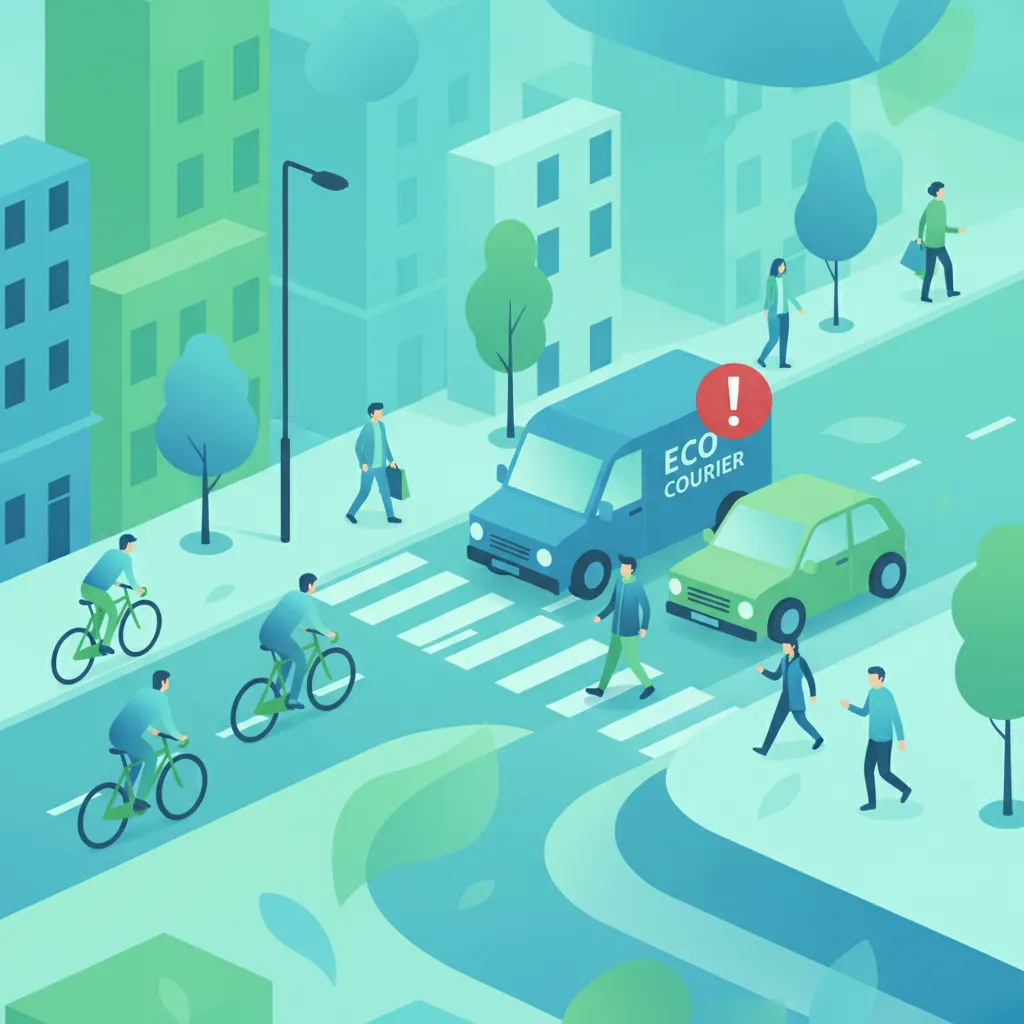
This lesson trains drivers to perform a risk assessment of bus stops along their route. It explains how to identify hazards such as poor visibility, proximity to busy intersections, or obstructed pedestrian access. The content provides proactive strategies for positioning the bus and managing passenger boarding and alighting to mitigate the identified risks effectively.

This lesson details the specific rules related to bus lanes and bus stops. It clarifies when other vehicles may use bus lanes, the legal requirement to yield to buses pulling away from a stop, and the importance of being cautious around embarking or disembarking passengers. Adherence to these rules is vital for the efficient and safe operation of public transportation.
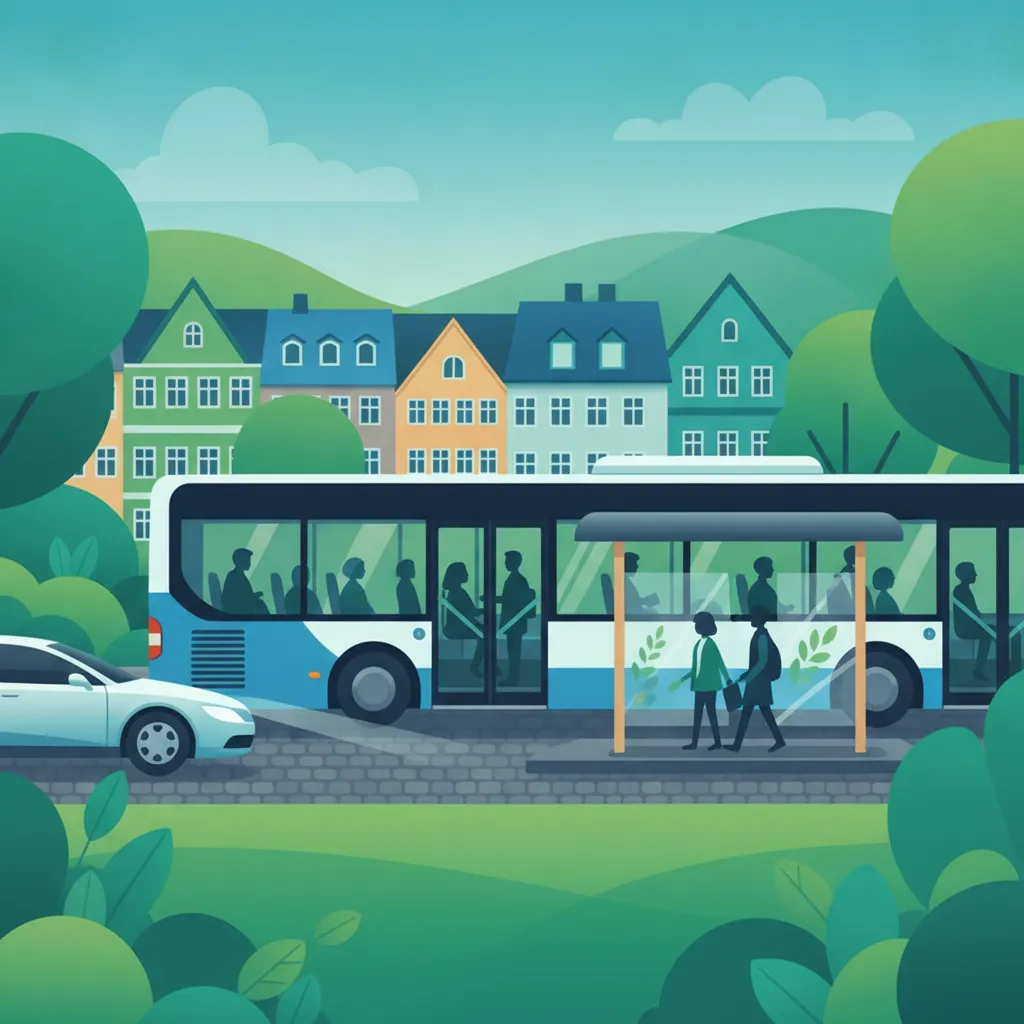
This lesson focuses on the precise maneuvers required for approaching and stopping at bus stops. It covers how to manage vehicle speed, align the bus parallel to the curb for safe access, and correctly position it relative to stop lines and shelters. The content also explains how to interpret Danish road signs and markings specific to public transport stops.
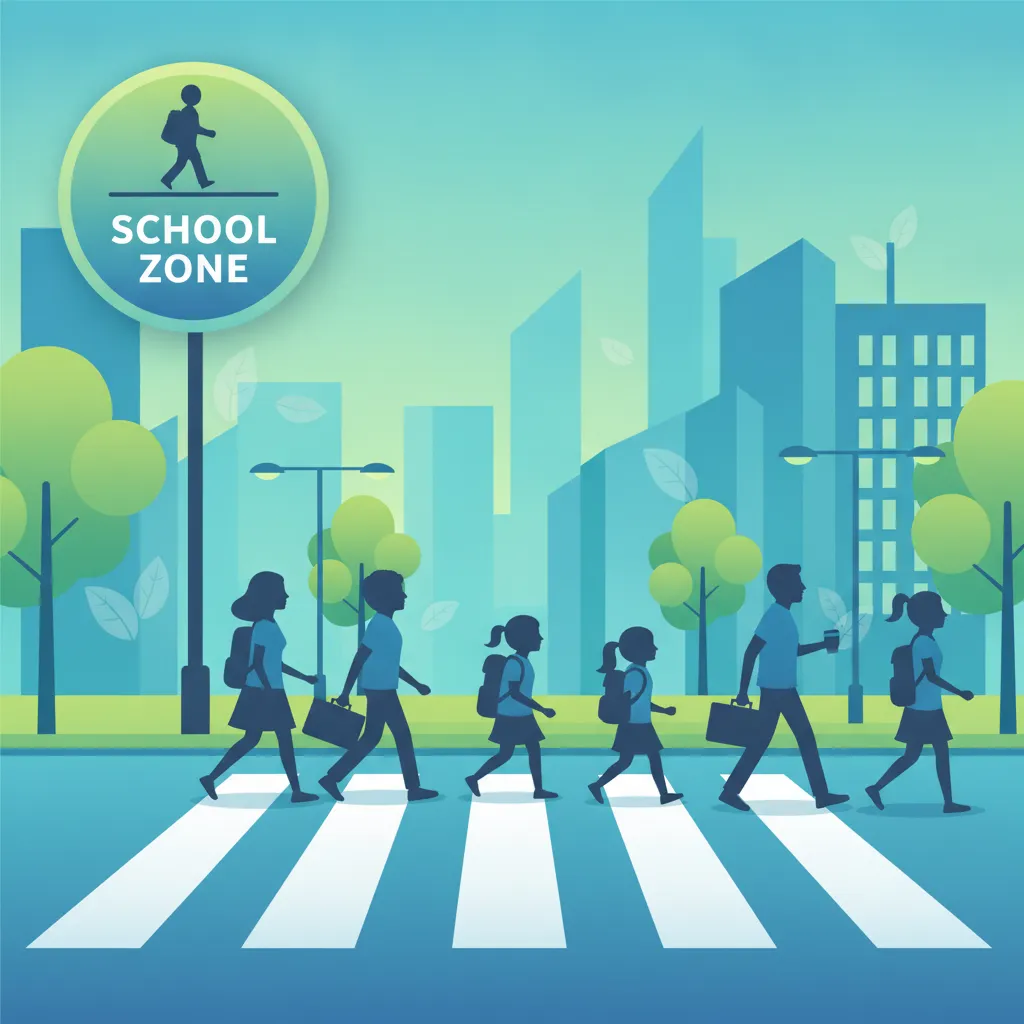
This lesson reinforces the driver's responsibility to protect pedestrians, particularly in busy urban areas and near schools. It details the procedures for approaching pedestrian crossings, the legal requirement to reduce speed significantly in marked school zones, and how to anticipate the unpredictable actions of pedestrians. The content covers traffic calming measures and the legal rights of pedestrians in various settings.
This lesson details the procedures for safe door operation during passenger boarding. It explains the driver's responsibility to visually clear the doorway and surrounding area before opening or closing doors. The content covers the function of safety features like sensors and interlock systems, ensuring compliance with Danish vehicle regulations to prevent passenger injuries.

This lesson focuses on the safe and correct operation of passenger vehicle doors. It covers the different types of door mechanisms and the importance of monitoring the door area to prevent injury during boarding and alighting. The content details Danish regulations regarding door safety systems and the driver's responsibility to ensure doors are fully closed and secured before moving.

This lesson explains the relationship between a bus's dimensions—length, width, and height—and its maneuverability. It covers key concepts such as turning radius, rear overhang, and swept path, which are critical for navigating turns and tight spaces safely. Learners will also understand how these physical characteristics create significant blind spots that require specific observation techniques to manage.

This lesson covers strategies for safely managing passenger movement at bus stops. It provides guidance on directing passenger flow, encouraging the use of handrails, and providing assistance to those who need it. The content emphasizes the driver's observational role in preventing slips, trips, and falls, particularly during peak hours or in adverse weather.
Learn effective strategies for managing tourist groups, including safe boarding and alighting procedures, proper luggage storage, and clear communication. Essential knowledge for Category D drivers handling tourist transport.

This lesson addresses the unique challenges of driving in tourist-heavy urban centers alongside cyclists. It teaches drivers to anticipate the behavior of individuals who may be distracted or unfamiliar with local traffic rules. The content provides strategies for communicating intentions clearly and navigating safely around large groups, luggage, and cyclists.
This lesson covers strategies for safely managing passenger movement at bus stops. It provides guidance on directing passenger flow, encouraging the use of handrails, and providing assistance to those who need it. The content emphasizes the driver's observational role in preventing slips, trips, and falls, particularly during peak hours or in adverse weather.
This lesson focuses on the unique demands of long-distance coach driving. It covers the importance of route planning, adherence to driving hours and tachograph regulations to manage fatigue, and techniques for ensuring passenger comfort over many hours. The content also touches upon practical aspects like luggage management and the operation of on-board facilities.

This lesson explains the importance of clear and professional communication with passengers. It covers techniques for making timely announcements about stops, delays, and route changes to manage passenger expectations effectively. The content also provides guidance on handling difficult passenger interactions and applying de-escalation strategies to resolve conflicts calmly and maintain a safe environment.
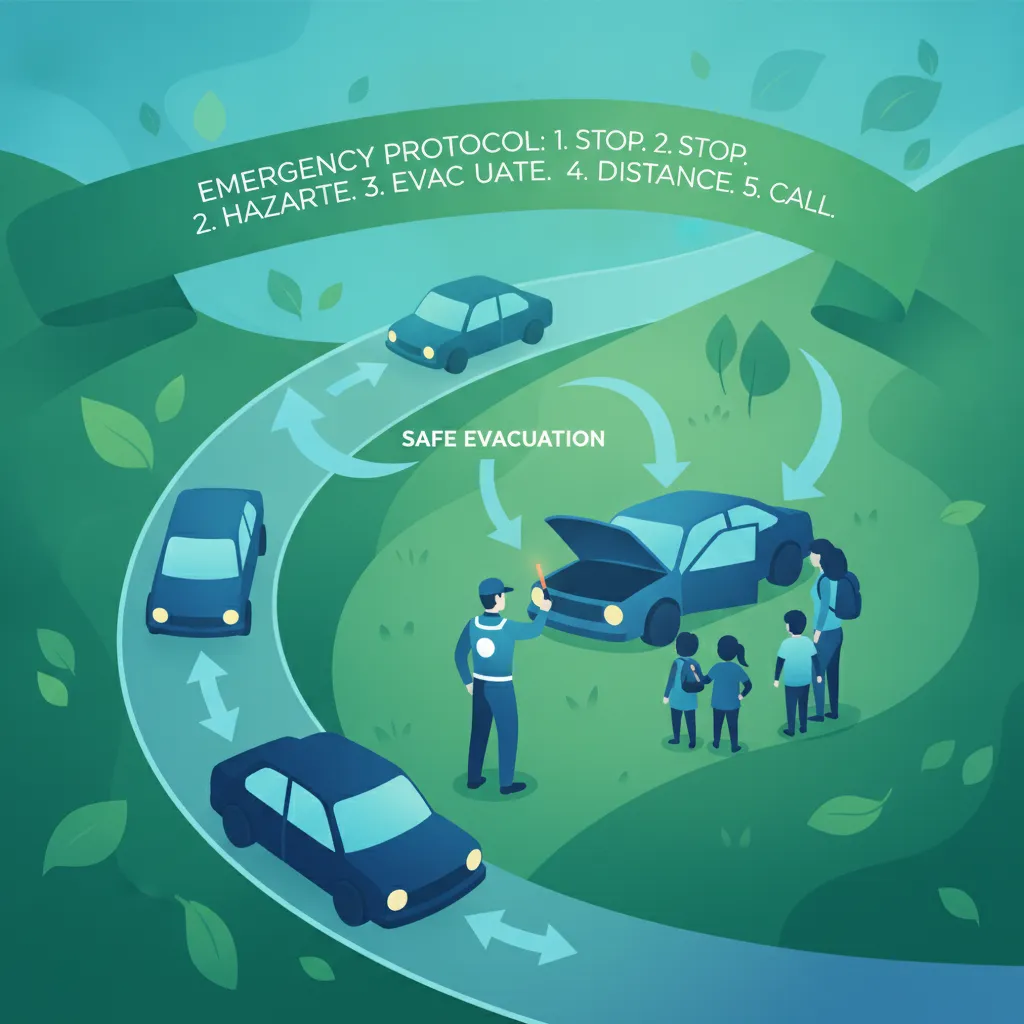
This lesson focuses on the driver's role as a leader during an emergency evacuation. It covers how to assess a situation, make the decision to evacuate, and provide clear, calm instructions to passengers. The content details the location and operation of all emergency exits and procedures for assisting passengers with reduced mobility to a safe gathering point.
This lesson focuses on the safe and correct operation of passenger vehicle doors. It covers the different types of door mechanisms and the importance of monitoring the door area to prevent injury during boarding and alighting. The content details Danish regulations regarding door safety systems and the driver's responsibility to ensure doors are fully closed and secured before moving.
This lesson details the procedures for safe door operation during passenger boarding. It explains the driver's responsibility to visually clear the doorway and surrounding area before opening or closing doors. The content covers the function of safety features like sensors and interlock systems, ensuring compliance with Danish vehicle regulations to prevent passenger injuries.

This lesson addresses the unique environment of bus terminals, focusing on safe, low-speed maneuvering around other vehicles and pedestrians. It also introduces the theory for combination vehicles (Category DE), including the principles of coupling and uncoupling trailers. The content emphasizes the different handling characteristics and increased turning radius associated with articulated buses or buses with trailers.
This lesson provides drivers with tools to manage challenging interactions with passengers. It covers verbal and non-verbal de-escalation techniques to resolve conflicts peacefully and professionally. The content emphasizes maintaining a calm demeanor, setting clear boundaries, and knowing when and how to report incidents or request assistance while prioritizing everyone's safety.
This lesson contrasts the driving techniques required for rural roads and motorways. It covers managing speed on narrow, winding lanes with potential hazards like farm machinery or animals. The content also explains the principles of safe motorway driving, including maintaining lane discipline, managing high-speed stability, and executing safe overtaking maneuvers.
Find clear answers to common questions learners have about Special Considerations for School Transport and Tourist Stops. Learn how the lesson is structured, which driving theory objectives it supports, and how it fits into the overall learning path of units and curriculum progression in Denmark. These explanations help you understand key concepts, lesson flow, and exam focused study goals.
You must exercise extreme caution, anticipating unpredictable behavior from children. Always check for school patrols or crossing guards, and never resume movement until you have full visual confirmation that the area around the bus is clear.
Safety is the priority. Ensure the bus is stationary and the doors are secured before passengers move to the luggage compartments. Always monitor the distribution of luggage to ensure it does not create a hazard on the pavement or near traffic.
Yes, you must ensure all hazard and school-specific markings are used correctly according to Danish regulations. Your primary duty is to ensure maximum visibility to other road users while passengers are alighting.
The exam often includes hazard perception scenarios involving vulnerable road users near buses. Understanding these specific stop procedures helps you correctly identify and mitigate risks in these visual test questions.
Use our powerful search tool to pinpoint specific Danish driving theory topics, road signs, or traffic situations you need to review. Start exploring relevant practice sets now to reinforce your knowledge and build confidence for your upcoming driving licence exam.