
This lesson details the specific protocols for approaching and stopping at bus stops safely and efficiently as a professional bus driver. You will learn how to navigate into stops, align with the curb, and interpret essential road markings and signs. Mastering these maneuvers is a key requirement for your Danish Category D theory test and your future role as a public transport professional.
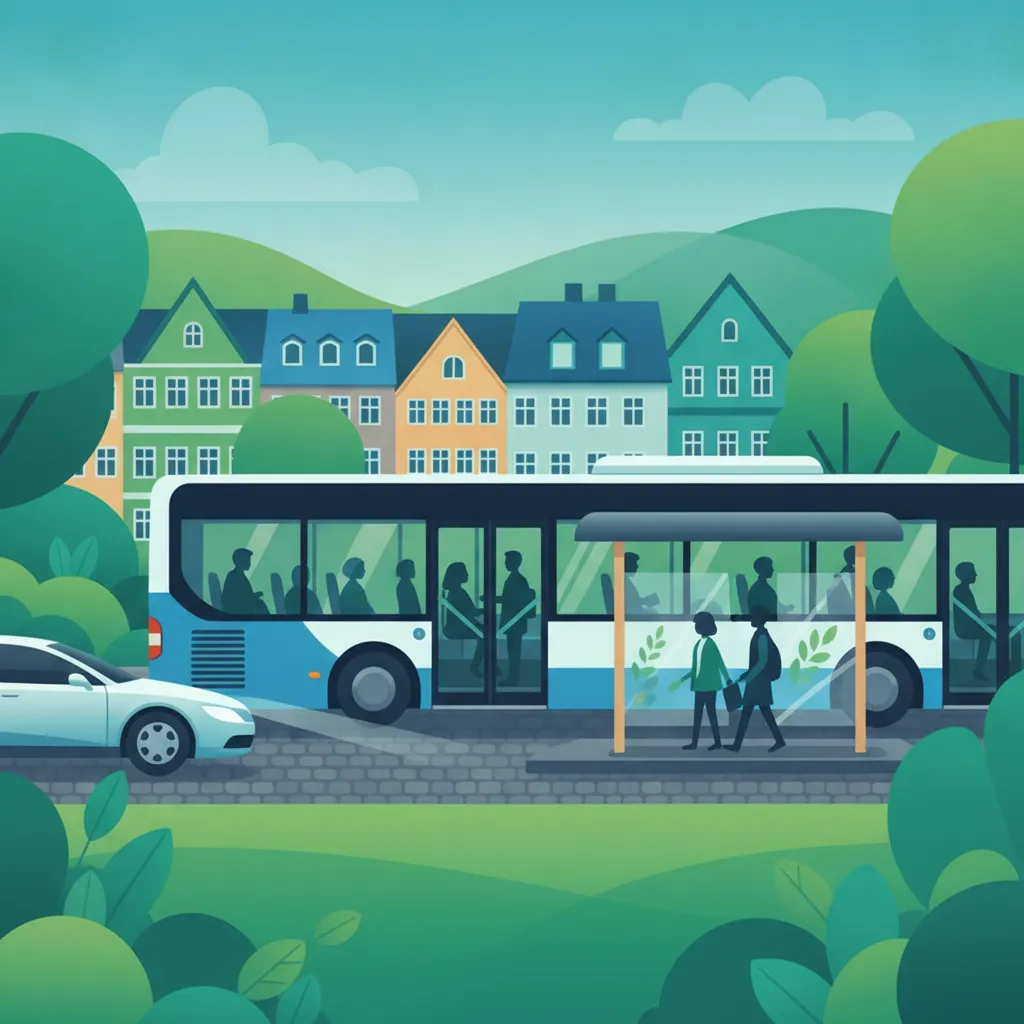
Lesson content overview
Operating a passenger transport vehicle, especially a bus, demands exceptional precision and adherence to safety protocols, particularly when approaching and stopping at designated bus stops. This lesson, part of your Danish Category D Licence Theory, focuses on the critical maneuvers and regulations essential for public transport drivers in Denmark. Mastering these techniques ensures not only passenger safety and comfort but also efficient traffic flow and compliance with Danish road law.
The primary goal when approaching a bus stop is to achieve a controlled, smooth deceleration and a precise stop, allowing passengers to safely board and alight. This involves understanding specific road markings, interpreting traffic signs, managing vehicle speed effectively, and positioning the bus correctly alongside the curb. Drivers must also be acutely aware of other road users, especially vulnerable pedestrians and cyclists, who frequently interact with bus stops.
Bus stops in Denmark are clearly identified through a combination of road markings and traffic signs, designed to guide drivers and other road users. Correctly interpreting these visual cues is fundamental to safe and compliant operation.
Road markings play a crucial role in defining the exact area and rules for bus stops. These markings communicate where a bus should stop, where passengers should wait, and how other traffic should proceed.
In addition to road markings, specific traffic signs provide further instructions and warnings regarding bus stops. These signs are standardized across Denmark and must be understood by all professional drivers.
No Stopping (C61, a blue circle with a red diagonal line) or No Parking (C62, a blue circle with a red border) are often present near bus stops to ensure that the area remains clear for public transport. Unauthorized vehicles stopping or parking in these zones can obstruct bus access and passenger safety.A safe and comfortable stop at a bus stop begins long before the bus reaches its final position. Effective speed management and smooth deceleration are crucial for passenger comfort, vehicle control, and preventing accidents.
The deceleration zone refers to the distance required to safely reduce your vehicle's speed from cruising velocity to a complete stop at the designated stop line. This distance is dynamic and depends on several factors, including your current speed, the weight of the bus (empty vs. full), road conditions (dry, wet, icy), and the gradient of the road.
Passenger comfort is a hallmark of professional bus driving. Abrupt stops can cause passengers to lose balance, especially those standing or with mobility challenges, potentially leading to injuries.
Initial Light Brake Application: As you enter the deceleration zone, apply the brakes gently to initiate speed reduction. This signals your intention to following traffic and prepares the bus.
Progressive Braking: Gradually increase brake pressure as the bus slows down. Monitor your speed and the distance to the stop line, adjusting pressure as needed.
Final Release and Hold: Just before the bus comes to a complete halt, slightly release the brake pressure, then reapply it lightly to bring the bus to a soft, smooth stop. This technique, often called "feathering the brake," prevents the jerky forward lurch that can occur with a sudden full stop.
Once the speed is adequately managed, the next critical step is to position the bus precisely and stop accurately at the designated location. This directly impacts passenger safety, accessibility, and the flow of traffic.
Correct lateral positioning of the bus relative to the curb is paramount. The goal is to align the bus parallel to the curb, with the doors positioned optimally for safe and easy boarding and alighting.
Bringing the bus to a complete stop with its front bumper accurately aligned with the stop line is a key demonstration of driver skill and adherence to regulations.
Bus stops are dynamic environments where various road users converge. Professional drivers must be highly aware of their surroundings and prioritize the safety of pedestrians and cyclists, who are particularly vulnerable.
In Denmark, the safety of pedestrians and cyclists is a high priority. At bus stops, drivers often encounter individuals who are crossing the road to or from the stop, or cyclists passing the stationary bus.
Many bus stops are situated close to intersections or junctions. It is critical that when stopping at a bus stop, the bus does not obstruct the flow of traffic through an intersection or block access for other vehicles turning.
Adherence to Danish traffic law (Færdselsloven) is not just good practice; it is a legal requirement for all drivers, especially those operating public transport vehicles.
As highlighted, stopping at the designated stop line is mandatory. This is a fundamental rule for maintaining order and safety at public transport facilities. Failure to comply can result in fines and points on your license, in addition to compromising safety.
All standard right-of-way rules apply at and around bus stops. This includes:
Driving a bus involves constant adaptation to changing conditions. A professional driver must be prepared for variations in weather, traffic, and vehicle characteristics.
Adverse weather conditions significantly impact driving dynamics and require adjusted approaches to bus stops.
The weight of the bus and the density of surrounding traffic are crucial factors in determining your approach.
Awareness of frequent mistakes helps in preventing them.
Understanding these terms is vital for effective communication and safe driving.
Mastering the approach and stopping at bus stops is a fundamental skill for any professional bus driver seeking a Danish Category D Licence. It combines precise vehicle control, acute observation, and strict adherence to traffic regulations.
Always remember to:
By consistently applying these principles, you will ensure safe, efficient, and comfortable public transport service for all passengers in Denmark.
This lesson covers the precise procedures for safely approaching and stopping at Danish bus stops, which is essential for Category D drivers. Key skills include early speed management using a deceleration zone, applying smooth braking techniques for passenger comfort, and achieving accurate positioning with the bus parallel to the curb at the correct stop line. Drivers must correctly interpret Danish road markings (stop lines, boarding bays) and traffic signs (D15, no-stopping zones, bus lanes), while prioritizing pedestrian and cyclist safety at all times. The content also addresses adjustments for adverse weather, heavy vehicle load, and the legal requirements under Danish traffic law.
A short set of high-value points that capture the most important learning from this lesson.
Begin deceleration early enough to achieve a smooth, controlled stop, typically 50-70 metres before the stop line depending on speed and conditions.
The bus must be aligned parallel to the curb with an optimal gap of approximately 20-30 centimetres to ensure safe passenger boarding and alighting.
The front bumper must stop precisely at the designated stop line; overshooting it can obstruct pedestrian crossings and intersections.
Always yield to pedestrians at crossings (fodgængerfelt) and be vigilant for cyclists passing the bus on either side.
Speed, braking distance, and positioning must all be adjusted based on weather conditions, vehicle load, and traffic density.
Explore all units and lessons included in this driving theory course.
Bus Stop Sign D15 (blue square with white bus symbol) marks authorized bus stops where buses may pick up and drop off passengers.
A boarding bay is a designated area, often with different pavement colour or texture, where buses pull in for passenger service.
The "feathering the brake" technique involves slightly releasing pressure just before stopping, then reapplying lightly for a soft stop.
In Denmark, standard right-of-way rules apply at bus stops, including giving way to traffic from the right and to pedestrians at crossings.
Stopping at a marked stop line is a legal obligation under the Danish Road Code (Færdselsloven), not merely a suggestion.
Overshooting the stop line due to late braking, which blocks pedestrian crossings and creates hazards for other road users.
Stopping too far from or too close to the curb, creating dangerous gaps that endanger passengers with mobility aids or strollers.
Blocking intersections by failing to ensure the entire bus clears the junction when stopped near one.
Failing to yield to pedestrians at crossings or cyclists passing the bus, particularly when pulling in or out of the stop.
Using sudden, abrupt braking instead of progressive deceleration, causing passenger discomfort and increased injury risk.
Lesson content overview
A short set of high-value points that capture the most important learning from this lesson.
Begin deceleration early enough to achieve a smooth, controlled stop, typically 50-70 metres before the stop line depending on speed and conditions.
The bus must be aligned parallel to the curb with an optimal gap of approximately 20-30 centimetres to ensure safe passenger boarding and alighting.
The front bumper must stop precisely at the designated stop line; overshooting it can obstruct pedestrian crossings and intersections.
Always yield to pedestrians at crossings (fodgængerfelt) and be vigilant for cyclists passing the bus on either side.
Speed, braking distance, and positioning must all be adjusted based on weather conditions, vehicle load, and traffic density.
Explore all units and lessons included in this driving theory course.
Bus Stop Sign D15 (blue square with white bus symbol) marks authorized bus stops where buses may pick up and drop off passengers.
A boarding bay is a designated area, often with different pavement colour or texture, where buses pull in for passenger service.
The "feathering the brake" technique involves slightly releasing pressure just before stopping, then reapplying lightly for a soft stop.
In Denmark, standard right-of-way rules apply at bus stops, including giving way to traffic from the right and to pedestrians at crossings.
Stopping at a marked stop line is a legal obligation under the Danish Road Code (Færdselsloven), not merely a suggestion.
Overshooting the stop line due to late braking, which blocks pedestrian crossings and creates hazards for other road users.
Stopping too far from or too close to the curb, creating dangerous gaps that endanger passengers with mobility aids or strollers.
Blocking intersections by failing to ensure the entire bus clears the junction when stopped near one.
Failing to yield to pedestrians at crossings or cyclists passing the bus, particularly when pulling in or out of the stop.
Using sudden, abrupt braking instead of progressive deceleration, causing passenger discomfort and increased injury risk.
Explore search topics learners often look for when studying Approaching and Stopping at Bus Stops. These topics reflect common questions about road rules, driving situations, safety guidance, and lesson level theory preparation for learners in Denmark.
Browse additional driving theory lessons that cover connected traffic rules, road signs, and common driving situations related to this topic. Improve your understanding of how different rules interact across everyday traffic scenarios.
Learn the essential theory for positioning your bus correctly at Danish bus stops. This lesson covers safe stopping alignment, yielding to pedestrians and cyclists, and avoiding intersection blockage for Category D drivers.

This lesson details the specific rules related to bus lanes and bus stops. It clarifies when other vehicles may use bus lanes, the legal requirement to yield to buses pulling away from a stop, and the importance of being cautious around embarking or disembarking passengers. Adherence to these rules is vital for the efficient and safe operation of public transportation.
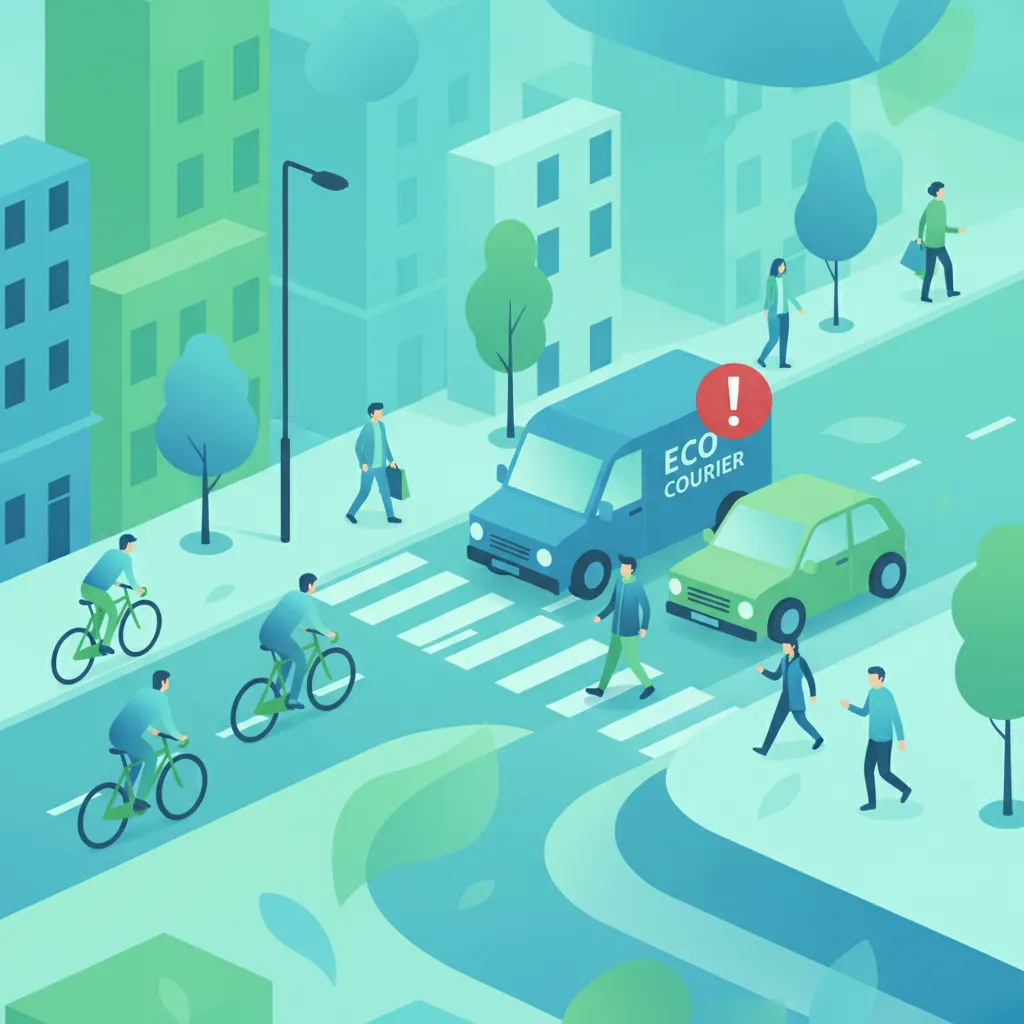
This lesson trains drivers to perform a risk assessment of bus stops along their route. It explains how to identify hazards such as poor visibility, proximity to busy intersections, or obstructed pedestrian access. The content provides proactive strategies for positioning the bus and managing passenger boarding and alighting to mitigate the identified risks effectively.
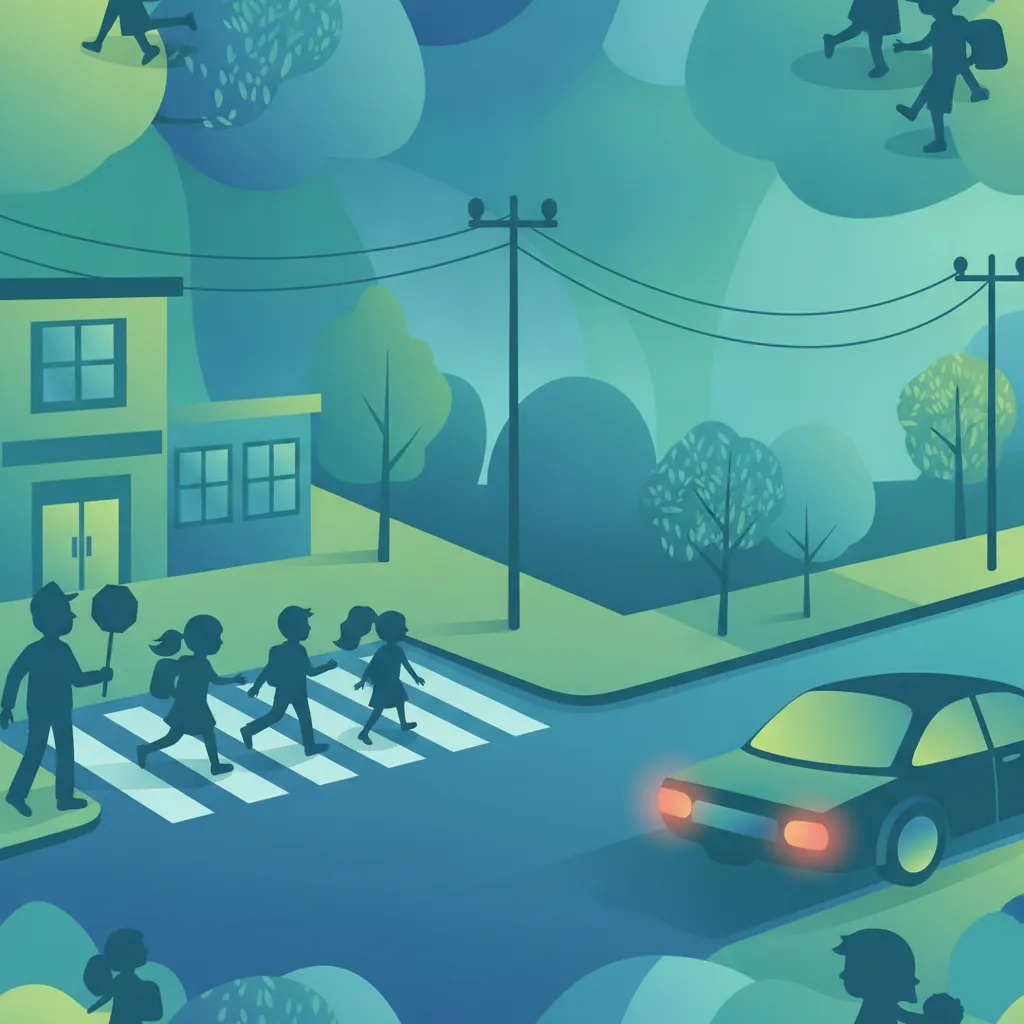
This lesson details the legal requirements and safety protocols for operating a bus near schools and pedestrian crossings. It covers mandatory speed reductions, the rules for yielding to pedestrians, and techniques for anticipating the sudden movements of children. The content emphasizes the importance of constant visual scanning and maintaining a high state of alert in these sensitive areas.
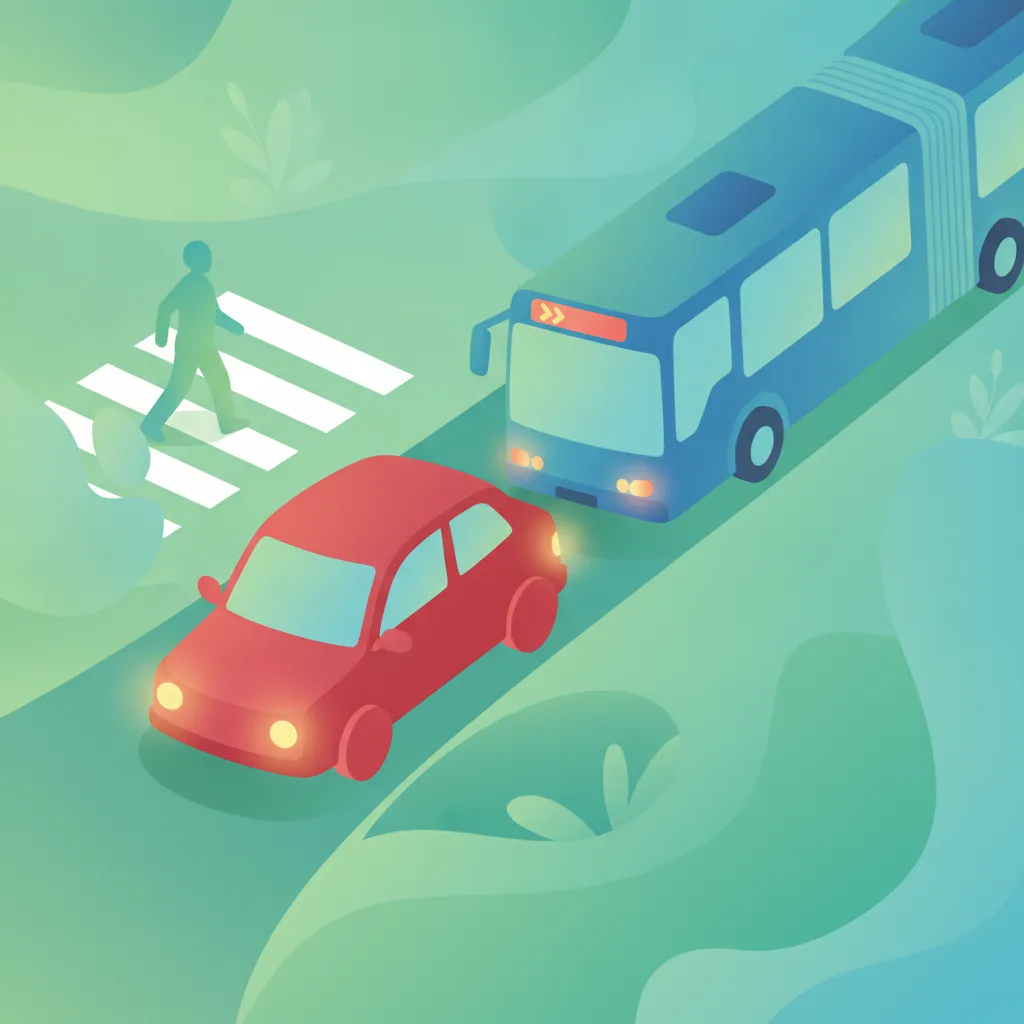
This lesson addresses the specific skills required to navigate around public transport and heavy goods vehicles safely. You will learn the rules for bus lanes, recognize when buses have priority at stops, and understand the unique challenges posed by large vehicles, such as wider turning circles and larger blind spots. The material also provides clear protocols for overtaking these vehicles while maintaining adequate safety margins.

This lesson addresses the specific challenges of school and tourist transport. It outlines heightened safety protocols for stops near schools, including monitoring child behavior and working with school patrols. The content also covers techniques for managing large groups of tourists, dealing with luggage, and providing clear information at popular destinations.

This lesson addresses the unique challenges of driving in tourist-heavy urban centers alongside cyclists. It teaches drivers to anticipate the behavior of individuals who may be distracted or unfamiliar with local traffic rules. The content provides strategies for communicating intentions clearly and navigating safely around large groups, luggage, and cyclists.

This lesson explains the relationship between a bus's dimensions—length, width, and height—and its maneuverability. It covers key concepts such as turning radius, rear overhang, and swept path, which are critical for navigating turns and tight spaces safely. Learners will also understand how these physical characteristics create significant blind spots that require specific observation techniques to manage.
This lesson explains the regulations governing the use of dedicated bus lanes in Denmark. It covers when it is permissible to enter and exit these lanes, how to merge safely with general traffic, and the meaning of specific road markings. The content also details how public transport priority systems at traffic lights work and how drivers should respond to them.

This lesson covers strategies for safely managing passenger movement at bus stops. It provides guidance on directing passenger flow, encouraging the use of handrails, and providing assistance to those who need it. The content emphasizes the driver's observational role in preventing slips, trips, and falls, particularly during peak hours or in adverse weather.
This lesson reinforces the driver's responsibility to protect pedestrians, particularly in busy urban areas and near schools. It details the procedures for approaching pedestrian crossings, the legal requirement to reduce speed significantly in marked school zones, and how to anticipate the unpredictable actions of pedestrians. The content covers traffic calming measures and the legal rights of pedestrians in various settings.
Understand the theory behind safely approaching and stopping at bus stops in Denmark. This lesson details speed management, deceleration techniques, and the correct interpretation of signs and road markings for professional drivers.
This lesson details the specific rules related to bus lanes and bus stops. It clarifies when other vehicles may use bus lanes, the legal requirement to yield to buses pulling away from a stop, and the importance of being cautious around embarking or disembarking passengers. Adherence to these rules is vital for the efficient and safe operation of public transportation.

This lesson contrasts the driving techniques required for rural roads and motorways. It covers managing speed on narrow, winding lanes with potential hazards like farm machinery or animals. The content also explains the principles of safe motorway driving, including maintaining lane discipline, managing high-speed stability, and executing safe overtaking maneuvers.
This lesson trains drivers to perform a risk assessment of bus stops along their route. It explains how to identify hazards such as poor visibility, proximity to busy intersections, or obstructed pedestrian access. The content provides proactive strategies for positioning the bus and managing passenger boarding and alighting to mitigate the identified risks effectively.
This lesson explains the regulations governing the use of dedicated bus lanes in Denmark. It covers when it is permissible to enter and exit these lanes, how to merge safely with general traffic, and the meaning of specific road markings. The content also details how public transport priority systems at traffic lights work and how drivers should respond to them.
This lesson details the legal requirements and safety protocols for operating a bus near schools and pedestrian crossings. It covers mandatory speed reductions, the rules for yielding to pedestrians, and techniques for anticipating the sudden movements of children. The content emphasizes the importance of constant visual scanning and maintaining a high state of alert in these sensitive areas.
This lesson addresses the specific skills required to navigate around public transport and heavy goods vehicles safely. You will learn the rules for bus lanes, recognize when buses have priority at stops, and understand the unique challenges posed by large vehicles, such as wider turning circles and larger blind spots. The material also provides clear protocols for overtaking these vehicles while maintaining adequate safety margins.

This lesson covers the core principles of defensive driving in an urban context. It teaches drivers how to anticipate the actions of other road users, maintain safe following distances in dense traffic, and navigate complex intersections with multiple signals. The content emphasizes heightened awareness of pedestrians, cyclists, and unexpected events common in Danish city environments.
This lesson addresses the specific challenges of school and tourist transport. It outlines heightened safety protocols for stops near schools, including monitoring child behavior and working with school patrols. The content also covers techniques for managing large groups of tourists, dealing with luggage, and providing clear information at popular destinations.
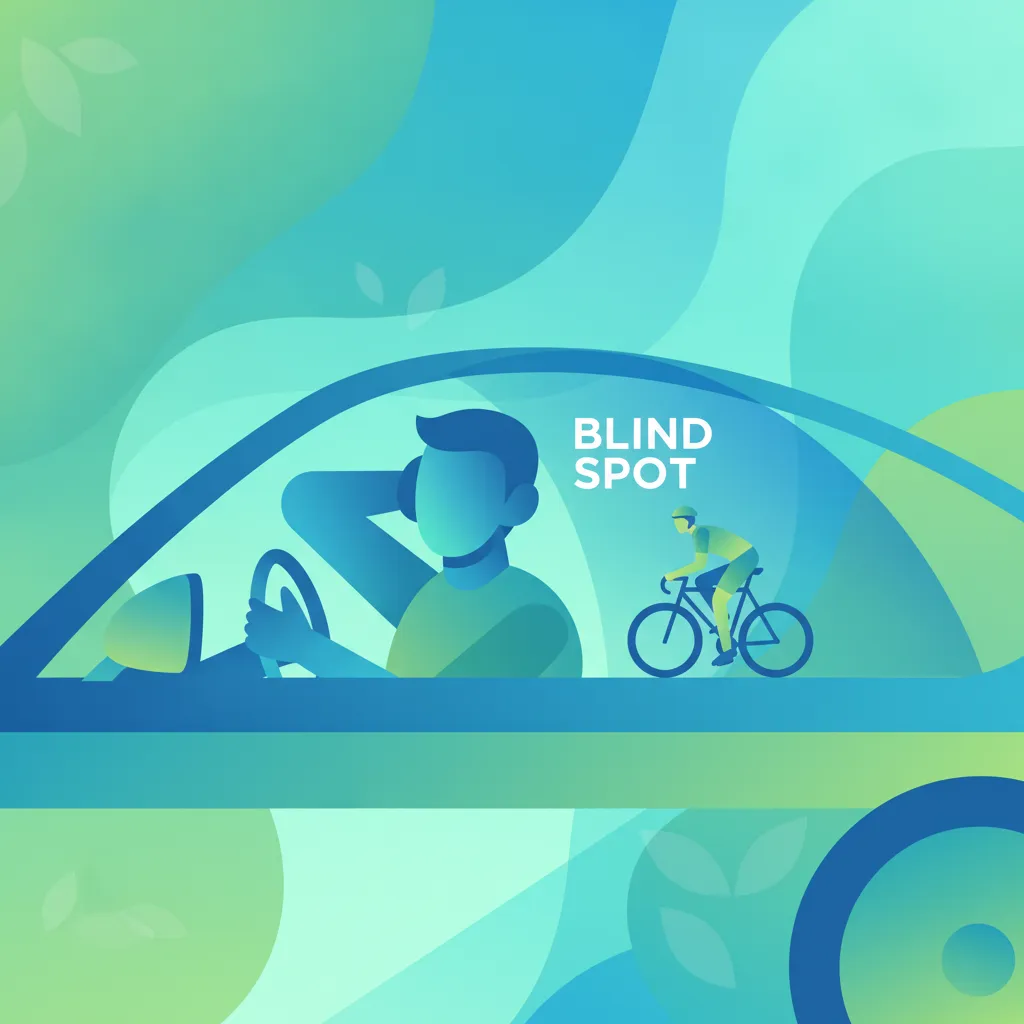
This lesson provides an in-depth analysis of the size and location of blind spots around a typical passenger bus. It teaches systematic scanning patterns that incorporate all mirrors, cameras, and direct head checks to maintain situational awareness. The content highlights high-risk areas where cyclists, pedestrians, or small vehicles can become hidden from view, especially during turns.
This lesson explains the relationship between a bus's dimensions—length, width, and height—and its maneuverability. It covers key concepts such as turning radius, rear overhang, and swept path, which are critical for navigating turns and tight spaces safely. Learners will also understand how these physical characteristics create significant blind spots that require specific observation techniques to manage.
Find clear answers to common questions learners have about Approaching and Stopping at Bus Stops. Learn how the lesson is structured, which driving theory objectives it supports, and how it fits into the overall learning path of units and curriculum progression in Denmark. These explanations help you understand key concepts, lesson flow, and exam focused study goals.
You should aim to stop as parallel and close to the curb as possible without touching it. This ensures that passengers can board and alight safely, especially those with mobility aids, and minimizes the gap that could lead to falls.
In Denmark, you must exercise caution when pulling out. While other drivers should generally facilitate your entry if you are indicating, you do not have an automatic right-of-way if it creates a danger for other road users. Always wait for a safe gap in the traffic flow.
The theory test often presents images of road markings and signs. You must identify if the stop is a formal bus stop and what the accompanying road markings (such as yellow zig-zag lines) prohibit, such as stopping or parking in that zone.
An incorrect angle can lead to the rear of the bus sticking out into traffic or the front being too far from the curb. Proper approach angles ensure the vehicle remains aligned, which is a critical safety factor checked during your practical assessment.
Use our powerful search tool to pinpoint specific Danish driving theory topics, road signs, or traffic situations you need to review. Start exploring relevant practice sets now to reinforce your knowledge and build confidence for your upcoming driving licence exam.