
This lesson focuses on the critical communication and conflict resolution skills required for professional bus drivers in Denmark. It builds upon your understanding of passenger duty of care to ensure you can maintain a safe, calm, and professional environment while navigating timetable pressures and challenging social situations.
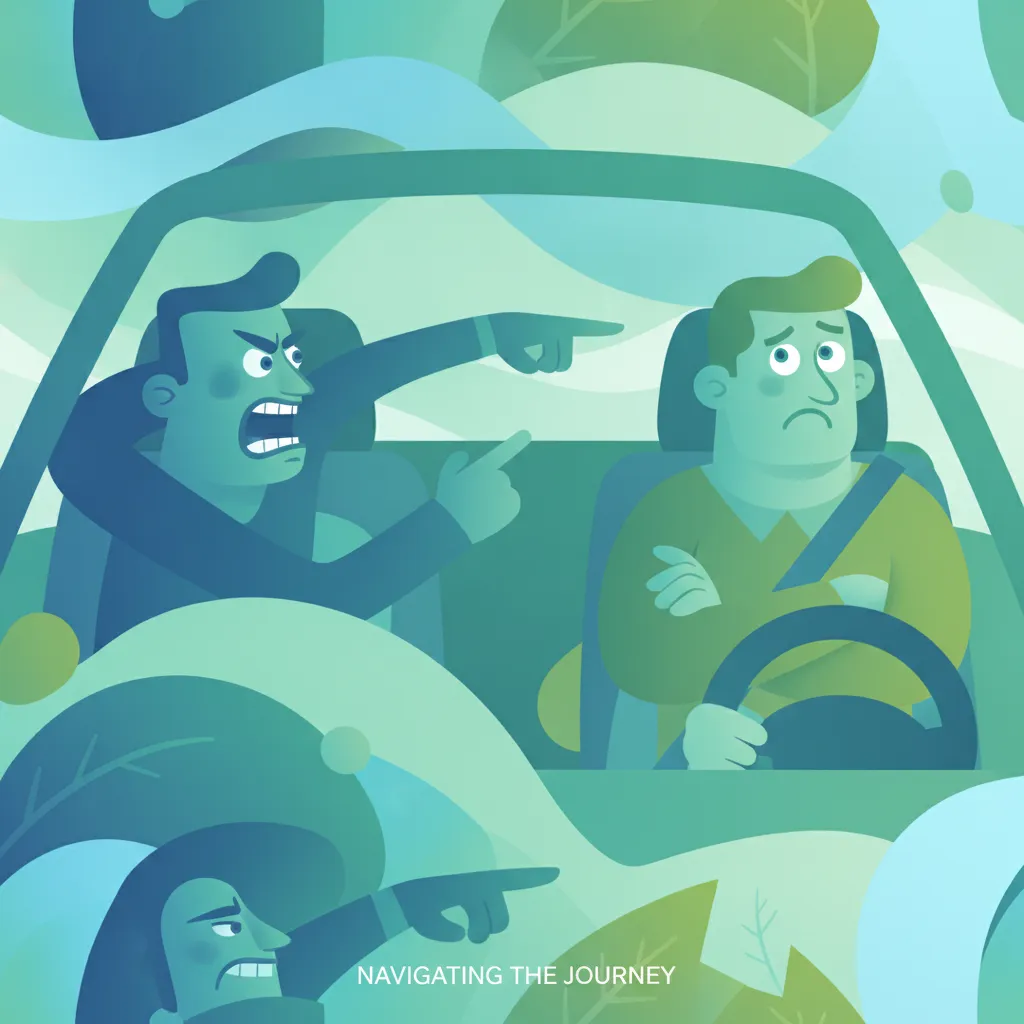
Lesson content overview
Operating a passenger transport vehicle, especially a bus in Denmark, requires a unique blend of driving skill, route knowledge, and exceptional people management. While most journeys are uneventful, situations can arise where passengers' behaviour creates tension or conflict. Effectively managing these interactions is not only a hallmark of professionalism but a critical component of ensuring safety for everyone on board.
This lesson is designed to equip drivers undertaking the Danish Category D Licence Theory with the essential strategies and knowledge to navigate challenging interactions with passengers. We will explore verbal and non-verbal de-escalation techniques, discuss how to maintain composure under pressure, and outline the critical steps for setting boundaries and knowing when to seek external assistance. The ultimate goal is to empower you to resolve conflicts peacefully, uphold your professional responsibilities, and, above all, prioritize the safety of all passengers and yourself.
For professional bus drivers, managing passenger conflicts is more than just a customer service skill; it is a fundamental aspect of operational safety and legal compliance. Unresolved conflicts can quickly escalate, leading to distractions for the driver, unsafe conditions within the vehicle, and potential harm to individuals. A driver's ability to de-escalate tension and communicate clearly directly contributes to a stable and secure environment for all passengers.
This topic integrates seamlessly with broader aspects of driver professionalism, adherence to safety protocols, and the legal obligations to provide a safe transport environment. Mastering conflict resolution techniques enhances your capacity to maintain control of the vehicle and the passenger environment, which is paramount for a smooth and safe public transport service.
Passenger conflicts can stem from a multitude of sources, ranging from minor misunderstandings to serious behavioural issues. Recognizing the potential triggers can help drivers anticipate and mitigate problems before they escalate. Common causes include:
Understanding these underlying causes helps drivers approach conflicts with empathy and a strategic mindset, rather than reacting solely to the overt behaviour.
Effective conflict management in a passenger transport setting relies on several foundational principles. Adhering to these core tenets will guide your actions and responses, ensuring professionalism and prioritizing safety.
De-escalation refers to a set of actions and communication strategies designed to reduce tension and calm an agitated or upset passenger without resorting to confrontation. This is a critical skill for preventing unsafe situations and maintaining control within the vehicle.
Techniques used to reduce tension and calm a situation, often involving a calm tone, clear language, and non-confrontational body language.
Practical de-escalation involves maintaining a calm and even tone of voice, using non-confrontational language, and offering practical solutions or assistance where possible. For instance, if a passenger is arguing about seating, a driver might calmly offer an alternative seat or explain the seating policy without becoming defensive. It is essential to apply de-escalation strategies as the primary response before considering more severe actions such as stopping the vehicle or requesting police assistance. A common misunderstanding is believing that a firm, commanding tone will always assert authority; however, this can often escalate tension rather than resolve it. Instead, firm but gentle guidance is usually more effective.
Stay Calm: Your demeanor significantly influences the situation. Speak slowly and clearly.
Listen Actively: Allow the passenger to express their concerns without interruption. This shows respect and can help you understand the root of the problem.
Acknowledge Feelings: Validate their frustration or anger ("I understand this delay is frustrating"). This doesn't mean you agree with their behaviour, but that you acknowledge their emotional state.
Offer Solutions (if possible): If there's a practical way to resolve the issue (e.g., suggesting a different stop, explaining a policy), offer it clearly.
State Rules Calmly: If a rule is being violated, explain it factually and calmly, focusing on safety rather than blame.
For example, if a passenger is agitated about a delayed route, a driver can calmly explain the reason for the delay, apologize for the inconvenience, and provide an estimated new arrival time if available. This approach addresses the passenger's concern directly and professionally.
Clear communication is the ability to convey information in a straightforward, calm, and respectful manner, crucial for preventing misunderstandings and ensuring passengers follow safety rules. This involves both verbal and non-verbal cues.
Conveying information in a straightforward, calm, and respectful manner, utilizing both verbal and non-verbal cues to ensure understanding and prevent escalation.
Techniques include using simple, unambiguous language, maintaining appropriate eye contact, and actively listening to the passenger's concerns. When communicating a sudden stop request due to traffic, a driver should use a calm, reassuring tone to avoid causing alarm. Drivers must always avoid aggressive language, shouting, or overly stern commands, as these can easily be misinterpreted or provoke a stronger negative reaction. The goal is to inform and guide, not to intimidate.
Remember that non-verbal communication — your body language, facial expressions, and posture — can speak louder than words. Maintain an open, non-threatening stance and avoid crossing your arms or pointing fingers, which can be perceived as aggressive.
Professional boundaries define the respectful distance and authority drivers must maintain with passengers. These boundaries prevent abuse or disrespect while ensuring passengers adhere to vehicle rules and safety regulations.
Maintaining a respectful distance and authority over passengers while being courteous and ensuring adherence to rules, without engaging in overly personal interactions.
The purpose of these boundaries is to protect the driver's focus, maintain order, and ensure that safety protocols are followed without question. Drivers should refrain from engaging in personal conversations that could distract them from their primary duty of safe driving. Practically, this means respectfully refusing a passenger's request to deviate from the established route or to perform an unsafe manoeuvre. A common misunderstanding is that being overly permissive or overly friendly can foster goodwill; however, this can sometimes be interpreted as a lack of authority, potentially leading to passengers challenging rules.
For example, if a passenger insists on opening the door while the bus is in motion, the driver must firmly instruct them to remain seated and explain the significant safety risk involved. This demonstrates authority focused on safety without being aggressive.
Despite best efforts in de-escalation and communication, some conflicts may escalate beyond a driver's immediate control. Knowing when to involve authorities or request assistance is crucial for ensuring the safety of all individuals.
Incident reporting involves formally notifying authorities or supervisors of unresolved conflicts or dangerous situations. This is not optional when a passenger's behaviour poses a threat.
The formal notification of serious passenger incidents to authorities or supervisors, required by law in certain dangerous or violent circumstances.
The primary implication is that the driver must prioritize safety above all else. This may mean making the critical decision to stop the vehicle safely before contacting the police or a supervisor. It's a misunderstanding to think that reporting is optional if a conflict seems to have resolved itself quickly. All serious incidents, even those that seem to have passed, should be reported according to company protocol and legal obligations, as they provide valuable data and protect the driver and company legally.
For instance, if a passenger becomes aggressive, shouting threats, or attempting to physically interfere with the driver or other passengers, the driver must find a safe location to stop the vehicle immediately and then call for police assistance.
Operating a passenger transport vehicle in Denmark means adhering to specific legal obligations outlined in Færdselsloven (the Danish Road Traffic Act) and related regulations. These laws are designed to ensure public safety and define the responsibilities of a professional driver, particularly concerning passenger behaviour.
Drivers operating under a Danish Category D Licence have a clear legal and professional obligation to maintain order and ensure passenger safety. This includes taking decisive action if a passenger's behaviour threatens the operation of the vehicle or the safety of others.
If a passenger's behaviour poses a direct threat – for example, by attempting to interfere with the driving controls, physically assaulting another passenger, or behaving in a way that could cause an accident – the driver must take action. This typically involves safely stopping the vehicle as soon as possible. The rationale behind this mandatory rule is simple: to prevent accidents, injuries, and fatalities. Continuing to drive with an uncontrolled threat on board is a severe violation of duty of care. An example would be stopping the bus to address a passenger who is threatening to pull the emergency brake while the vehicle is moving.
While maintaining authority, drivers must strictly adhere to professional conduct. This means drivers are mandated not to use threatening language or physical force in any interaction with passengers.
This rule applies universally to all interactions with passengers, regardless of how provoked a driver might feel. The rationale is to uphold professional standards, de-escalate rather than escalate situations, and avoid any actions that could be interpreted as assault or abuse of power. For example, instead of shouting at a passenger who refuses to move from the door, the driver should communicate firmly but calmly, explaining the safety reason for the rule. Using aggression can provoke further violence, creating a more dangerous situation for everyone.
Drivers are legally obligated to report violent or dangerous incidents to the relevant authorities, such as the police, and to their supervisor or company management. This obligation arises when a passenger exhibits aggression, violence, or any behaviour that poses a significant threat to safety.
The purpose of this mandatory reporting is multifaceted: it ensures immediate safety measures can be taken, contributes to legal enforcement against dangerous individuals, and provides critical data for improving transport safety protocols. It is not optional, even if the situation appears to resolve itself without direct intervention from the authorities at the time. For example, if a passenger assaults another passenger or the driver, it must be reported to the police promptly after the vehicle has been stopped safely and immediate threats contained.
Understanding specific scenarios and how to respond correctly is vital for preventing violations and managing complex situations effectively.
The environment and specific circumstances can greatly influence how conflicts arise and how they should be managed. Drivers must adapt their strategies based on these contextual variations.
Effectively handling passenger conflicts is an indispensable skill for every professional bus driver, especially those operating under a Danish Category D Licence. It moves beyond mere driving to encompass critical interpersonal and crisis management abilities. By consistently applying de-escalation techniques, maintaining clear and professional communication, and setting firm boundaries, drivers can prevent minor issues from escalating into dangerous situations.
Remember your primary duty: to ensure the safety and well-being of all passengers, as well as your own. When personal attempts to resolve conflict fail, Danish regulations mandate stopping the vehicle safely and reporting dangerous or violent incidents to the appropriate authorities. By mastering these principles and practices, you not only uphold the highest standards of driver professionalism but also contribute significantly to a safer, more orderly public transport environment across Denmark.
This lesson covers essential conflict management skills for Danish Category D bus drivers, focusing on de-escalation techniques that follow a clear sequence: staying calm, actively listening, acknowledging passenger frustration, offering practical solutions, and stating safety rules factually. The content outlines specific legal obligations under Færdselsloven, including the mandatory requirement to stop the vehicle when passenger behavior threatens safety and the absolute prohibition on using threatening language or physical force. Key professional boundaries include refusing route deviations, avoiding personal distractions, and maintaining consistent safety rule enforcement regardless of cultural differences. Drivers must report all serious incidents to police and supervisors, even when situations appear to resolve themselves, as this protects both future passengers and establishes legal compliance.
A short set of high-value points that capture the most important learning from this lesson.
De-escalation follows a specific sequence: stay calm, listen actively, acknowledge feelings, offer solutions, then state rules firmly.
Drivers must safely stop the vehicle immediately when a passenger's behavior poses a direct threat to safety.
Threatening language or physical force against passengers is strictly prohibited under Danish professional driver standards.
All serious incidents must be reported to police and company supervisors, even if the situation appears to resolve.
Cultural sensitivity combined with consistent safety rule enforcement is essential when cultural norms conflict with bus regulations.
Explore all units and lessons included in this driving theory course.
De-escalation means reducing tension through calm tone, clear language, and non-confrontational body language—not firm commanding orders.
Drivers have no authority to deviate from routes or make unscheduled stops except in genuine emergencies.
Incident reporting is mandatory by law, not optional, whenever a passenger exhibits violence or dangerous behavior.
Professional boundaries require maintaining authority without engaging in personal conversations that distract from driving duties.
Under Færdselsloven, the driver's primary duty is maintaining safety for all passengers when threats arise.
Believing that a firm, commanding tone will always assert authority—this often escalates tension rather than resolve it.
Continuing to drive while ignoring disruptive behavior because it seems manageable—this neglects duty of care.
Assuming that if a conflict resolves quickly, reporting is unnecessary—mandatory reporting applies regardless.
Thinking that being overly permissive or friendly fosters goodwill—it can be interpreted as lacking authority.
Using aggressive gestures like crossed arms or pointed fingers, which passengers may perceive as threatening.
Lesson content overview
A short set of high-value points that capture the most important learning from this lesson.
De-escalation follows a specific sequence: stay calm, listen actively, acknowledge feelings, offer solutions, then state rules firmly.
Drivers must safely stop the vehicle immediately when a passenger's behavior poses a direct threat to safety.
Threatening language or physical force against passengers is strictly prohibited under Danish professional driver standards.
All serious incidents must be reported to police and company supervisors, even if the situation appears to resolve.
Cultural sensitivity combined with consistent safety rule enforcement is essential when cultural norms conflict with bus regulations.
Explore all units and lessons included in this driving theory course.
De-escalation means reducing tension through calm tone, clear language, and non-confrontational body language—not firm commanding orders.
Drivers have no authority to deviate from routes or make unscheduled stops except in genuine emergencies.
Incident reporting is mandatory by law, not optional, whenever a passenger exhibits violence or dangerous behavior.
Professional boundaries require maintaining authority without engaging in personal conversations that distract from driving duties.
Under Færdselsloven, the driver's primary duty is maintaining safety for all passengers when threats arise.
Believing that a firm, commanding tone will always assert authority—this often escalates tension rather than resolve it.
Continuing to drive while ignoring disruptive behavior because it seems manageable—this neglects duty of care.
Assuming that if a conflict resolves quickly, reporting is unnecessary—mandatory reporting applies regardless.
Thinking that being overly permissive or friendly fosters goodwill—it can be interpreted as lacking authority.
Using aggressive gestures like crossed arms or pointed fingers, which passengers may perceive as threatening.
Explore search topics learners often look for when studying Handling Passenger Conflicts. These topics reflect common questions about road rules, driving situations, safety guidance, and lesson level theory preparation for learners in Denmark.
Browse additional driving theory lessons that cover connected traffic rules, road signs, and common driving situations related to this topic. Improve your understanding of how different rules interact across everyday traffic scenarios.
Learn essential de-escalation techniques and professional communication strategies for handling aggressive passengers. This lesson focuses on Danish Category D theory, emphasizing safety protocols and driver responsibilities in public transport.

This lesson explains the importance of clear and professional communication with passengers. It covers techniques for making timely announcements about stops, delays, and route changes to manage passenger expectations effectively. The content also provides guidance on handling difficult passenger interactions and applying de-escalation strategies to resolve conflicts calmly and maintain a safe environment.

This lesson covers strategies for safely managing passenger movement at bus stops. It provides guidance on directing passenger flow, encouraging the use of handrails, and providing assistance to those who need it. The content emphasizes the driver's observational role in preventing slips, trips, and falls, particularly during peak hours or in adverse weather.

This lesson addresses the unique challenges of driving in tourist-heavy urban centers alongside cyclists. It teaches drivers to anticipate the behavior of individuals who may be distracted or unfamiliar with local traffic rules. The content provides strategies for communicating intentions clearly and navigating safely around large groups, luggage, and cyclists.
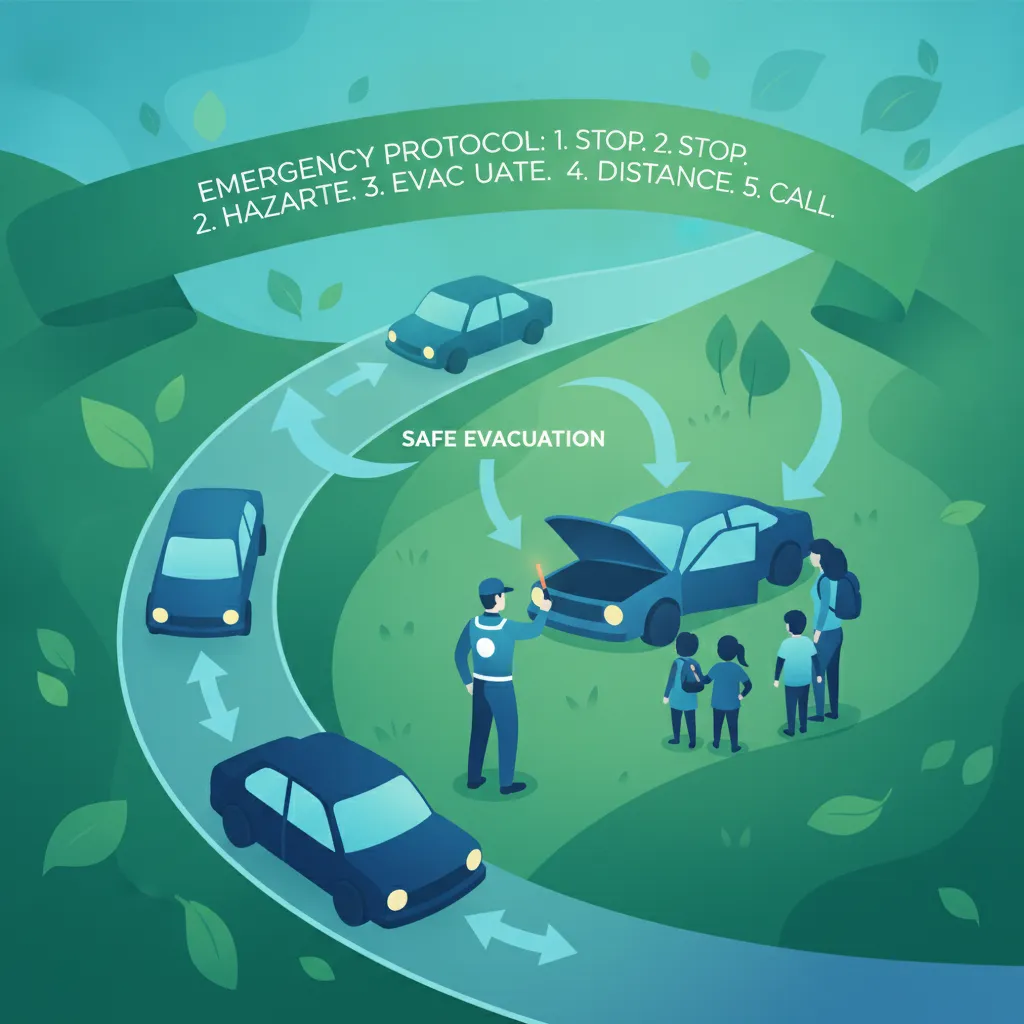
This lesson focuses on the driver's role as a leader during an emergency evacuation. It covers how to assess a situation, make the decision to evacuate, and provide clear, calm instructions to passengers. The content details the location and operation of all emergency exits and procedures for assisting passengers with reduced mobility to a safe gathering point.

This lesson covers the core principles of defensive driving in an urban context. It teaches drivers how to anticipate the actions of other road users, maintain safe following distances in dense traffic, and navigate complex intersections with multiple signals. The content emphasizes heightened awareness of pedestrians, cyclists, and unexpected events common in Danish city environments.
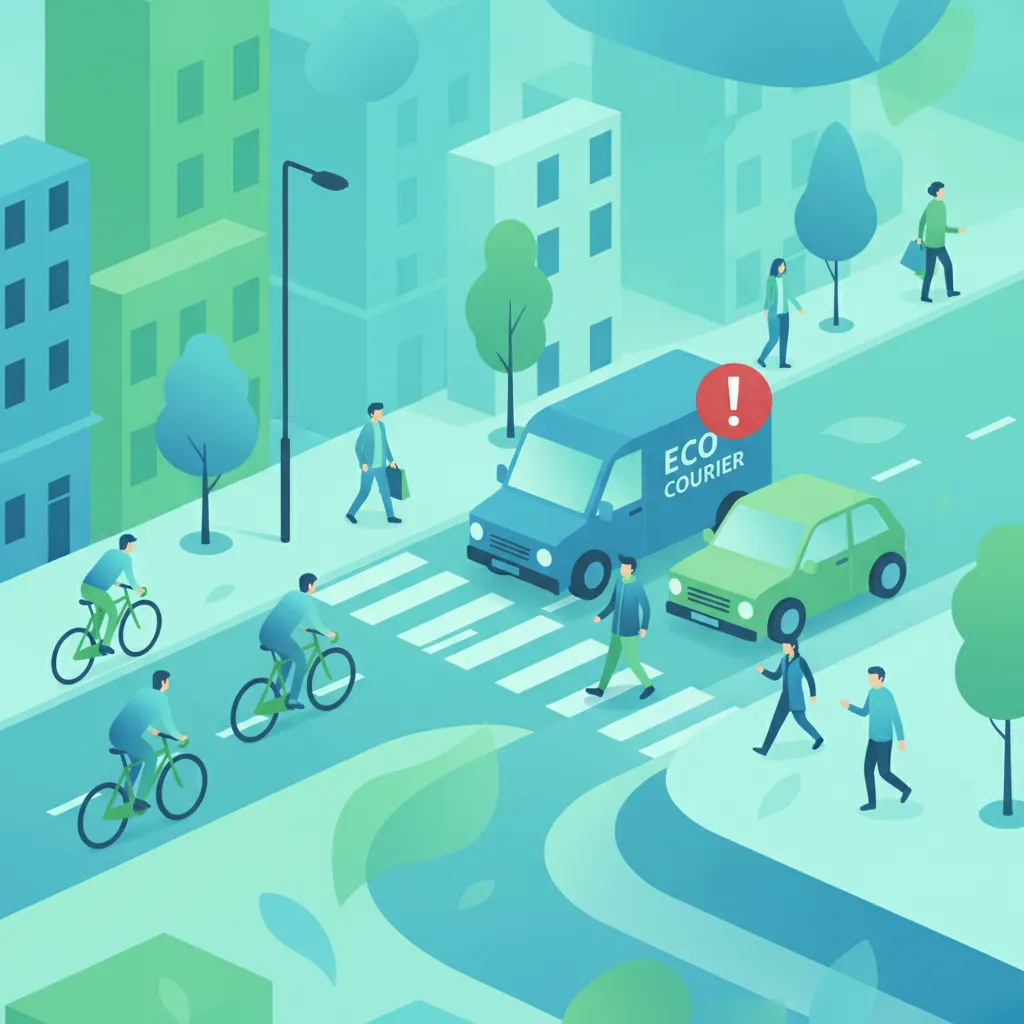
This lesson trains drivers to perform a risk assessment of bus stops along their route. It explains how to identify hazards such as poor visibility, proximity to busy intersections, or obstructed pedestrian access. The content provides proactive strategies for positioning the bus and managing passenger boarding and alighting to mitigate the identified risks effectively.

This lesson details the principles of smooth acceleration and braking, which are essential for passenger safety and comfort. It explains how to apply gradual and consistent pressure to the accelerator and brake pedals to prevent jerking motions that could cause passengers to lose their balance. The content also covers anticipation skills needed to manage speed effectively in varying Danish traffic and road conditions.

This lesson provides critical guidance for driving in environments with heavy cycle traffic, typical of Danish cities. It focuses on identifying and yielding to cyclists in dedicated bike lanes, especially when turning right across their path. The content emphasizes advanced observation skills to detect cyclists in blind spots and the importance of giving adequate space.
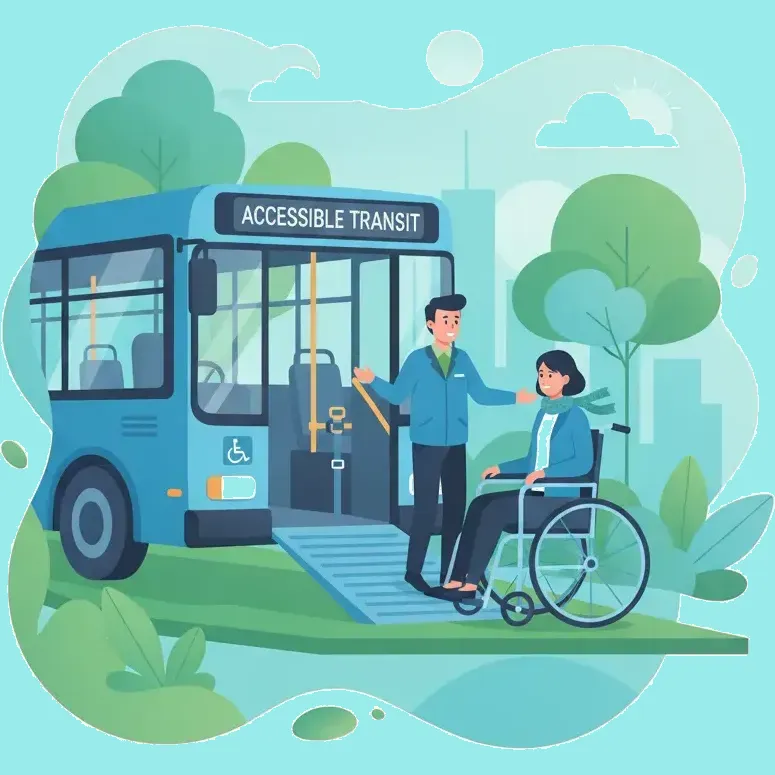
This lesson covers the driver's responsibilities in providing accessible transport for passengers with reduced mobility. It details the correct operation of wheelchair ramps and lifts, as well as the procedures for safely securing wheelchairs inside the vehicle. The content also emphasizes respectful communication and awareness of passenger needs, in line with Danish accessibility laws and standards.

This lesson addresses the specific challenges of school and tourist transport. It outlines heightened safety protocols for stops near schools, including monitoring child behavior and working with school patrols. The content also covers techniques for managing large groups of tourists, dealing with luggage, and providing clear information at popular destinations.
Understand your legal and professional duties as a Danish Category D driver concerning passenger safety, mandatory incident reporting, and the appropriate use of authority. Essential theory for safe public transport operations.
This lesson focuses on the principle of duty of care, a core responsibility for professional drivers. It examines the ethical and legal obligations to ensure passenger safety from boarding to alighting. The content explores how professional conduct builds a strong safety culture and reinforces public trust in the transport service, as mandated by Danish law.

This lesson provides an overview of essential first aid principles relevant to a transport environment. It covers how to assess a casualty, perform basic life support, and manage common injuries until professional help arrives. The content also details the correct procedure for contacting emergency services, providing clear and accurate information, and completing required incident reports.
This lesson covers strategies for safely managing passenger movement at bus stops. It provides guidance on directing passenger flow, encouraging the use of handrails, and providing assistance to those who need it. The content emphasizes the driver's observational role in preventing slips, trips, and falls, particularly during peak hours or in adverse weather.
This lesson covers the driver's responsibilities in providing accessible transport for passengers with reduced mobility. It details the correct operation of wheelchair ramps and lifts, as well as the procedures for safely securing wheelchairs inside the vehicle. The content also emphasizes respectful communication and awareness of passenger needs, in line with Danish accessibility laws and standards.

This lesson contrasts the driving techniques required for rural roads and motorways. It covers managing speed on narrow, winding lanes with potential hazards like farm machinery or animals. The content also explains the principles of safe motorway driving, including maintaining lane discipline, managing high-speed stability, and executing safe overtaking maneuvers.
This lesson explains the importance of clear and professional communication with passengers. It covers techniques for making timely announcements about stops, delays, and route changes to manage passenger expectations effectively. The content also provides guidance on handling difficult passenger interactions and applying de-escalation strategies to resolve conflicts calmly and maintain a safe environment.

This lesson details the procedures for safe door operation during passenger boarding. It explains the driver's responsibility to visually clear the doorway and surrounding area before opening or closing doors. The content covers the function of safety features like sensors and interlock systems, ensuring compliance with Danish vehicle regulations to prevent passenger injuries.

This lesson focuses on the safe and correct operation of passenger vehicle doors. It covers the different types of door mechanisms and the importance of monitoring the door area to prevent injury during boarding and alighting. The content details Danish regulations regarding door safety systems and the driver's responsibility to ensure doors are fully closed and secured before moving.

This lesson provides a detailed breakdown of the Danish licence categories for passenger transport. It explains the differences between D1, D1E, D, and DE licences based on passenger capacity, vehicle size, and permitted combinations. The content clarifies the legal definitions and professional qualifications necessary for obtaining each licence, ensuring drivers operate within the correct regulatory framework.
This lesson provides critical guidance for driving in environments with heavy cycle traffic, typical of Danish cities. It focuses on identifying and yielding to cyclists in dedicated bike lanes, especially when turning right across their path. The content emphasizes advanced observation skills to detect cyclists in blind spots and the importance of giving adequate space.
Find clear answers to common questions learners have about Handling Passenger Conflicts. Learn how the lesson is structured, which driving theory objectives it supports, and how it fits into the overall learning path of units and curriculum progression in Denmark. These explanations help you understand key concepts, lesson flow, and exam focused study goals.
Your primary responsibility is always the safety of the passengers and the vehicle. You must remain calm and prioritize de-escalation, ensuring that you do not compromise the safety of the traffic or those on board while handling the situation.
You should request assistance if a conflict becomes physical, if the passenger poses a direct threat to safety, or if the situation prevents you from operating the bus safely. Follow your company's specific reporting procedures and use available communication systems.
The theory exam often presents scenarios requiring you to prioritize actions. You must demonstrate that you understand the legal and safety-first approach to conflict, choosing professional, de-escalating responses over confrontational ones.
Yes, in specific cases defined by public transport regulations, such as when a passenger behaves in a way that disrupts safety or violates the conditions of carriage. However, this must be handled professionally and in accordance with established company policies.
Use our powerful search tool to pinpoint specific Danish driving theory topics, road signs, or traffic situations you need to review. Start exploring relevant practice sets now to reinforce your knowledge and build confidence for your upcoming driving licence exam.