
This lesson explores the principles of eco-driving, focusing on how to minimize fuel consumption and environmental impact while behind the wheel. You will learn to integrate these habits into your driving, which is both a core requirement for safe driving and a frequent topic in the German theory exam.
Lesson content overview
Welcome to this comprehensive lesson on fuel-efficient and ecologically responsible driving, often referred to as "eco-driving." As part of your German Driving License Theory – Comprehensive Category B Course, mastering eco-driving techniques is crucial not only for environmental protection but also for reducing your fuel costs and enhancing overall road safety. This lesson will demonstrate how your driving style directly impacts fuel consumption and harmful emissions, explaining practical techniques that lead to a smoother, safer, and more economical driving experience.
Eco-driving represents a conscious and strategic approach to operating a motor vehicle. It integrates an in-depth understanding of vehicle dynamics, current road conditions, and prudent driver behavior to achieve maximum efficiency. By adopting an eco-conscious driving style, you contribute significantly to reducing both your personal carbon footprint and the operational costs associated with driving.
A driving style focused on minimizing fuel consumption and environmental impact while maintaining safety and traffic flow.
Eco-driving is a systematic way of driving that prioritizes efficiency. It involves a set of techniques designed to make the most of your vehicle's energy, transforming wasted motion and excessive engine strain into smooth, controlled progress. The key elements include anticipating traffic, utilizing higher gears, and employing engine braking. These methods are not just about saving money; they are intrinsically linked to sustainable driving behavior and contribute to a healthier environment by reducing harmful emissions. Moreover, the smooth and predictable nature of eco-driving often leads to a less stressful and safer journey for everyone on the road.
The importance of fuel-efficient driving extends beyond the individual driver. Environmentally, it plays a vital role in reducing the emission of greenhouse gases like carbon dioxide (CO₂) and other pollutants such as nitrogen oxides (NOₓ) and particulate matter. These emissions contribute to climate change, air pollution, and can have adverse effects on public health. By reducing fuel consumption, you directly lessen your contribution to these environmental challenges.
Economically, the benefits are immediate and tangible. Less fuel consumed translates directly into lower operating costs for your vehicle. Furthermore, eco-driving techniques, which emphasize smooth acceleration and strategic deceleration, significantly reduce wear and tear on critical vehicle components such as brakes, tires, and the engine itself. This leads to fewer maintenance expenses and a longer lifespan for your vehicle, offering substantial long-term savings. The combination of environmental stewardship and financial prudence makes eco-driving an essential skill for every responsible driver.
Mastering eco-driving involves integrating several techniques into your daily driving habits. These techniques work in synergy to optimize your vehicle's performance and minimize waste.
Anticipatory driving is the cornerstone of eco-driving. It involves constantly scanning the road ahead, observing traffic flow, signals, and potential hazards, and making proactive decisions rather than reactive ones. This foresight allows you to adjust your speed and gear selection smoothly, avoiding abrupt acceleration or sudden braking.
Decelerating the vehicle based on upcoming traffic flow and road conditions, often by releasing the accelerator early rather than waiting to apply the friction brakes.
Anticipated braking is a fundamental technique where you begin to reduce your vehicle's speed much earlier than you would with conventional braking. Instead of driving close to a vehicle ahead and then braking suddenly, you ease off the accelerator when you see a potential slowdown, a red light, or a queue of traffic far ahead.
Reducing throttle input and allowing the vehicle to maintain momentum and speed using its inertia, without actively accelerating.
Coasting is a key form of anticipated braking. When you release the accelerator in a modern vehicle with a fuel-injected engine, the fuel supply to the engine is often cut off entirely. This means you are moving forward without consuming any fuel. This technique is especially effective when approaching a red light, a junction, or when driving downhill. For instance, if you see a red light at least 500 meters ahead (or even earlier at higher speeds), you should release the accelerator and let the vehicle coast. This reduces speed gradually and saves fuel. It's important to understand that coasting does not replace the need for braking when necessary, nor is it appropriate in all traffic situations, especially when precise speed control is required or in heavy traffic where maintaining a consistent gap is paramount.
Engine braking is a powerful and efficient way to slow down your vehicle, particularly when descending hills or approaching a stop. It involves using the engine's resistance to decelerate the vehicle, reducing reliance on the friction brakes.
Decelerating the vehicle by using the engine’s resistance, typically achieved by selecting a lower gear without accelerating.
Technique for Engine Braking: Instead of shifting into neutral (which would be dangerous as it disconnects the engine from the drivetrain, eliminating any engine resistance and cutting off power steering/brake assistance in some older vehicles), you select a lower gear. When you downshift, the engine's RPM increases, and its natural resistance helps to slow the vehicle. This is particularly useful on long descents, as it prevents your friction brakes from overheating and losing effectiveness (brake fade). For instance, when descending a steep hill, shift to a gear that keeps the engine RPM in a moderate range, providing controlled deceleration without constant brake application. This saves wear on your brake pads and discs, extends their lifespan, and contributes to fuel efficiency by maintaining vehicle control with minimal energy expenditure.
Effective gear management is crucial for fuel efficiency. The goal is to use the highest possible gear that allows your vehicle to maintain sufficient power and smooth acceleration for the given traffic conditions, without straining the engine.
The choice of gear directly impacts engine revolutions per minute (RPM) and engine load, which in turn dictate fuel consumption. Driving in a higher gear at lower RPMs generally means the engine is working less hard and consuming less fuel. Modern vehicles, especially those with smaller engines, are designed to be efficient at lower RPMs in higher gears. For most cars, the optimal range for fuel economy is often between 45-70 km/h in the highest suitable gear.
Accelerate swiftly but gently: Bring the vehicle up to speed briskly but with controlled throttle input. Avoid 'flooring it' or revving the engine unnecessarily high.
Shift up early: Change to a higher gear as soon as the engine can comfortably handle it without laboring. For many modern petrol cars, this might be around 2,000 to 2,500 RPM. For diesel vehicles, it might be slightly lower.
Maintain consistent speed: Once at your desired speed, select the highest possible gear to keep RPMs low.
Utilize momentum: On flat roads or slight inclines, use your vehicle's momentum to keep it moving in a higher gear.
For example, after starting from a standstill, quickly shift from 1st to 2nd, then to 3rd, and so on, reaching 4th or 5th gear by 50 km/h if your vehicle allows. This reduces engine workload and conserves fuel. Legal requirements do not directly dictate gear choice, but driving in an appropriate gear is part of maintaining safe driving conditions, including avoiding unnecessary noise or emissions.
Many modern vehicles are equipped with automated transmissions (automatic gearboxes) that can significantly aid eco-driving. These systems are programmed to select gear ratios and shifting points for optimal fuel efficiency. They often feature an "Eco-Mode" or "Economy Mode" that fine-tunes engine and transmission settings to further prioritize fuel savings.
While automatic transmissions aim for efficiency, the driver's input remains critical. Smooth acceleration and anticipation of traffic are still necessary to maximize benefits. Overuse of manual override features (e.g., constantly downshifting manually in heavy traffic) can undermine the eco-driving advantages of an automated system. Trust the system to select the most efficient gear, and intervene only when necessary for safety or specific power demands.
Aggressive driving, characterized by rapid acceleration and sudden braking, is a major contributor to high fuel consumption and increased wear on vehicle components. Eco-driving emphasizes smoothness in all driving maneuvers.
Efficient acceleration involves a gentle, progressive application of the throttle. Instead of pressing the accelerator pedal fully, aim for a steady, gradual increase in speed. This minimizes fuel wastage that occurs due to high engine loads and abrupt throttle changes. Gentle acceleration not only saves fuel but also promotes smoother traffic flow, reducing the risk of rear-end collisions and enhancing overall safety. It also reduces stress on the engine and transmission, extending their lifespan.
Unnecessary braking is a direct indication of inefficient driving. Every time you brake, you convert kinetic energy (motion) into wasted heat. By anticipating traffic flow and road conditions, you can often simply ease off the accelerator and let the car coast or use engine braking to slow down. This conserves energy, reduces wear on your brake pads and discs, and saves fuel. Constantly having to brake means you likely accelerated unnecessarily beforehand.
Understanding the interplay between speed, acceleration, and engine load is key to truly grasping fuel efficiency. These three factors form the "Fuel Consumption Triangle," where changes in one element inevitably affect the others and, consequently, your fuel usage.
Maintaining a constant speed within the optimal range, with gentle acceleration and keeping engine load low by using appropriate high gears, is the most effective strategy for reducing fuel consumption and emissions.
Eco-driving is not a one-size-fits-all approach; it requires adaptation to various external factors. Weather, road type, and vehicle load significantly influence how you should apply these techniques.
The optimal eco-driving strategy changes dramatically based on the road environment:
Adverse weather conditions necessitate even smoother and more cautious driving, which naturally aligns with eco-driving principles.
The weight your vehicle carries directly impacts its fuel consumption and performance.
While many eco-driving techniques are recommendations for best practice, they are often intertwined with fundamental traffic rules and regulations in Germany (StVO). Adhering to these rules not only ensures safety but also indirectly supports fuel efficiency.
Germany has established "Umweltzonen" (Environmental Zones) in many cities to reduce air pollution.
A designated area where only vehicles meeting specific emission standards (often indicated by a particulate matter sticker) are permitted to operate. In Germany, these are called "Umweltzonen."
Vehicles must display a specific emission sticker (Feinstaubplakette) to enter these zones. While eco-driving doesn't change your vehicle's emission class, it does reduce the actual emissions produced during operation, contributing to better air quality. Knowing when and where these zones apply is part of responsible driving.
Many modern vehicles are equipped with automatic start/stop systems that switch off the engine when the vehicle is stationary (e.g., at a red light or in traffic jams) and restart it automatically when the driver intends to move again. This significantly reduces fuel consumption and emissions during idling. While these systems are designed to be automatic, drivers should be aware of situations where manual override is necessary, such as on steep inclines where a quick engine restart is vital, or in specific maneuvering situations where immediate power is needed.
Understanding common eco-driving violations is as important as learning the techniques themselves. Avoiding these pitfalls will save you money, reduce your environmental impact, and enhance safety.
The failure to apply eco-driving techniques leads to a range of negative effects. Economically, higher fuel consumption directly translates to higher running costs for your vehicle. Increased wear on brakes, tires, and engine components means more frequent and expensive maintenance. Environmentally, inefficient driving contributes to higher levels of CO₂ and NOₓ emissions, exacerbating air pollution and climate change. From a safety perspective, abrupt acceleration and braking disrupt traffic flow, increase the risk of rear-end collisions, and create a more stressful driving environment for everyone.
Embracing eco-driving is a win-win scenario, offering substantial benefits across multiple domains.
By consistently applying eco-driving techniques, you will experience a noticeable reduction in your fuel expenses. This direct saving accumulates over time, making a significant difference to your personal finances. Furthermore, the smoother operation inherent in eco-driving reduces wear and tear on your vehicle's engine, transmission, brakes, and tires, leading to fewer maintenance costs and extending the lifespan of these expensive components. Environmentally, your contribution to a cleaner atmosphere is substantial, as lower fuel consumption directly results in decreased emissions of harmful pollutants, supporting efforts against climate change and improving air quality.
Eco-driving naturally promotes a safer driving style. Anticipatory driving means you are constantly aware of your surroundings and potential hazards, allowing you more time to react and avoid dangerous situations. Smooth acceleration and deceleration create a more predictable and harmonious traffic flow, significantly reducing the risk of collisions, particularly rear-end incidents. The absence of sudden movements and aggressive maneuvers also leads to a much more comfortable and less stressful driving experience for both the driver and passengers. This calm and controlled approach on the road contributes to an overall enhanced safety culture.
This lesson covers eco-driving techniques essential for the German Category B theory exam and safe driving practice. Key techniques include anticipatory driving to avoid unnecessary braking, using engine braking in place of friction brakes, and selecting higher gears at lower RPM for optimal efficiency. The fuel consumption triangle concept illustrates how speed, acceleration, and engine load interact to determine fuel usage. Eco-driving principles must adapt to urban, rural, and motorway conditions, and to adverse weather, while always respecting StVO regulations including environmental zones. Consistent application of these techniques reduces fuel costs, vehicle wear, emissions, and enhances road safety.
A short set of high-value points that capture the most important learning from this lesson.
Anticipatory driving is the foundation of eco-driving, using early accelerator release and engine braking instead of sudden friction braking to save fuel.
Engine braking in a lower gear is safer and more efficient than coasting in neutral, which eliminates engine resistance and risks brake overheating.
Use the highest possible gear that allows smooth progress to keep engine RPM low, typically shifting up around 2,000–2,500 RPM in petrol cars.
The Fuel Consumption Triangle shows that speed, acceleration, and engine load are interconnected; optimal fuel economy is achieved in the 45–70 km/h range.
Eco-driving techniques apply differently across urban, rural, and motorway environments, requiring adjustment to traffic density and road characteristics.
Explore all units and lessons included in this driving theory course.
Coasting in neutral is dangerous because it disconnects engine braking and can cause brake fade on descents—always stay in gear.
In modern fuel-injected vehicles, releasing the accelerator often cuts fuel entirely, making coasting an effective zero-consumption technique.
Gentle acceleration with early upshifting reduces engine load and fuel consumption more effectively than rapid acceleration in lower gears.
Environmental Zones (Umweltzonen) require a Feinstaubplakette; eco-driving reduces emissions during operation even if it does not change your vehicle's emission class.
Adverse weather requires even smoother inputs—gentle throttle prevents wheel spin, and engine braking provides controlled deceleration on slippery surfaces.
Coasting downhill in neutral because it seems fuel-efficient, when in fact it removes engine braking and can lead to dangerous brake overheating.
Accelerating too aggressively and then braking hard, which wastes fuel and causes unnecessary wear on brakes and engine components.
Driving too slowly in a lower gear than necessary, keeping engine RPM high and consuming more fuel than if a higher gear were used.
Ignoring speed limits in the name of eco-driving; efficiency must always be achieved within legal limits.
Over-relying on friction brakes for all deceleration, accelerating brake wear instead of using engine braking on descents.
Lesson content overview
A short set of high-value points that capture the most important learning from this lesson.
Anticipatory driving is the foundation of eco-driving, using early accelerator release and engine braking instead of sudden friction braking to save fuel.
Engine braking in a lower gear is safer and more efficient than coasting in neutral, which eliminates engine resistance and risks brake overheating.
Use the highest possible gear that allows smooth progress to keep engine RPM low, typically shifting up around 2,000–2,500 RPM in petrol cars.
The Fuel Consumption Triangle shows that speed, acceleration, and engine load are interconnected; optimal fuel economy is achieved in the 45–70 km/h range.
Eco-driving techniques apply differently across urban, rural, and motorway environments, requiring adjustment to traffic density and road characteristics.
Explore all units and lessons included in this driving theory course.
Coasting in neutral is dangerous because it disconnects engine braking and can cause brake fade on descents—always stay in gear.
In modern fuel-injected vehicles, releasing the accelerator often cuts fuel entirely, making coasting an effective zero-consumption technique.
Gentle acceleration with early upshifting reduces engine load and fuel consumption more effectively than rapid acceleration in lower gears.
Environmental Zones (Umweltzonen) require a Feinstaubplakette; eco-driving reduces emissions during operation even if it does not change your vehicle's emission class.
Adverse weather requires even smoother inputs—gentle throttle prevents wheel spin, and engine braking provides controlled deceleration on slippery surfaces.
Coasting downhill in neutral because it seems fuel-efficient, when in fact it removes engine braking and can lead to dangerous brake overheating.
Accelerating too aggressively and then braking hard, which wastes fuel and causes unnecessary wear on brakes and engine components.
Driving too slowly in a lower gear than necessary, keeping engine RPM high and consuming more fuel than if a higher gear were used.
Ignoring speed limits in the name of eco-driving; efficiency must always be achieved within legal limits.
Over-relying on friction brakes for all deceleration, accelerating brake wear instead of using engine braking on descents.
Explore search topics learners often look for when studying Fuel-Efficient and Ecologically Responsible Driving. These topics reflect common questions about road rules, driving situations, safety guidance, and lesson level theory preparation for learners in Germany.
Browse additional driving theory lessons that cover connected traffic rules, road signs, and common driving situations related to this topic. Improve your understanding of how different rules interact across everyday traffic scenarios.
Explore methods for eco-driving in Germany, including smooth acceleration, anticipatory driving, and optimal gear selection. Learn how these techniques reduce fuel consumption and environmental impact, contributing to safer driving.
This lesson explains the system of low-emission zones ('Umweltzonen') established in many German cities to improve air quality. It details the different types of emissions stickers ('Feinstaubplakette') based on a vehicle's pollution standard. You will learn how to identify these zones and understand the legal requirement of displaying the correct sticker to be allowed entry.
This lesson examines the ethical and environmental responsibilities of heavy vehicle drivers, including the impact of emissions, fuel consumption, and noise pollution. It explains the principles of sustainable logistics and making environmentally conscious decisions while operating heavy vehicles. The content also covers the broader implications of transportation on public health and resource usage.
This lesson outlines the driver's legal responsibility to ensure their vehicle is in a safe and roadworthy condition before every journey. It covers essential pre-drive checks, such as verifying lights, tyres, and fluid levels (oil, coolant, washer fluid). The lesson also explains the mandatory equipment that must be carried in the vehicle, including a warning triangle, high-visibility vest, and first-aid kit.
This lesson introduces the concept of defensive driving ('vorausschauendes Fahren'), a proactive approach focused on anticipating and mitigating potential risks. It teaches techniques for scanning the road ahead, identifying potential hazards early, and managing the space around your vehicle to create a safety buffer. The goal is to develop a mindset that prioritizes safety and collision avoidance above all else.
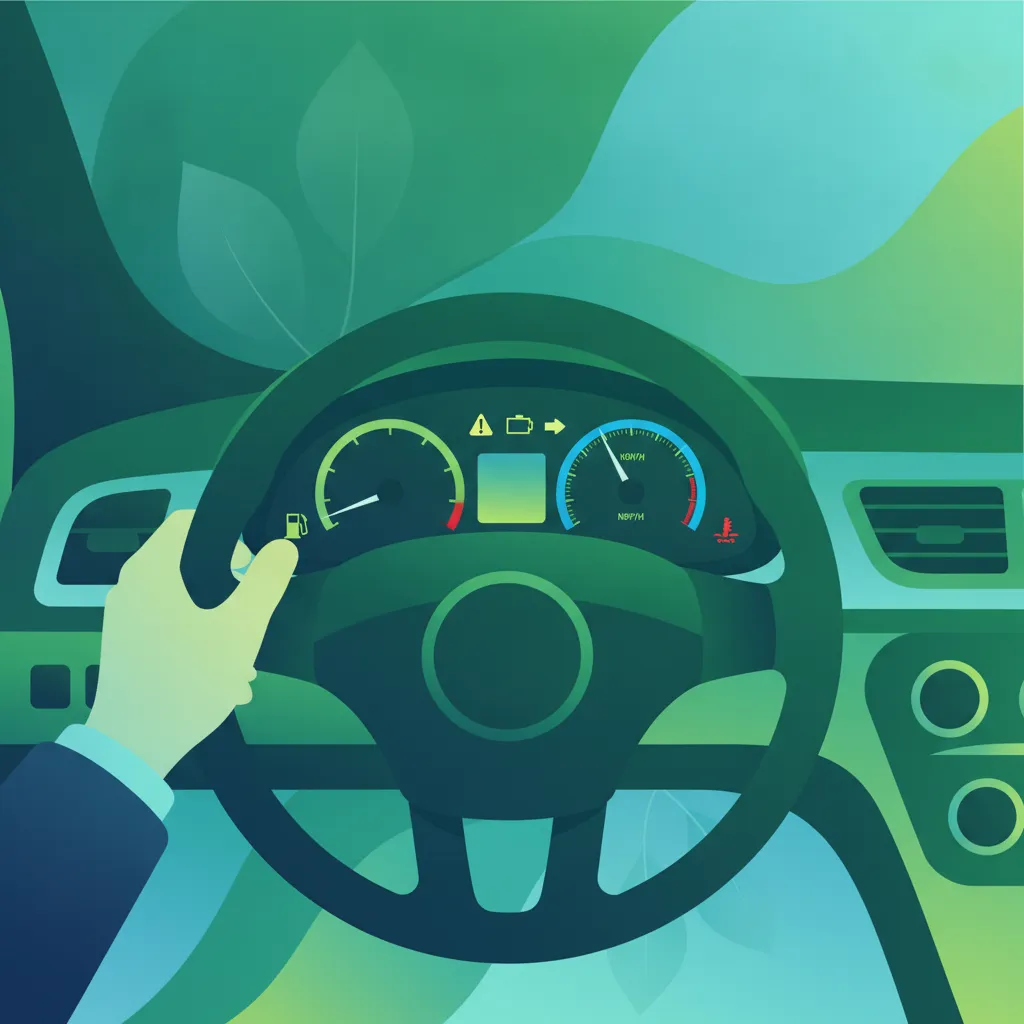
This lesson serves as an introduction to the driver's interface with the car. It explains the function of the primary controls—steering wheel, accelerator, brake, and clutch—and the gear selector. You will also learn to identify and understand the various symbols and gauges on the dashboard, including the speedometer, fuel gauge, and critical warning lights.
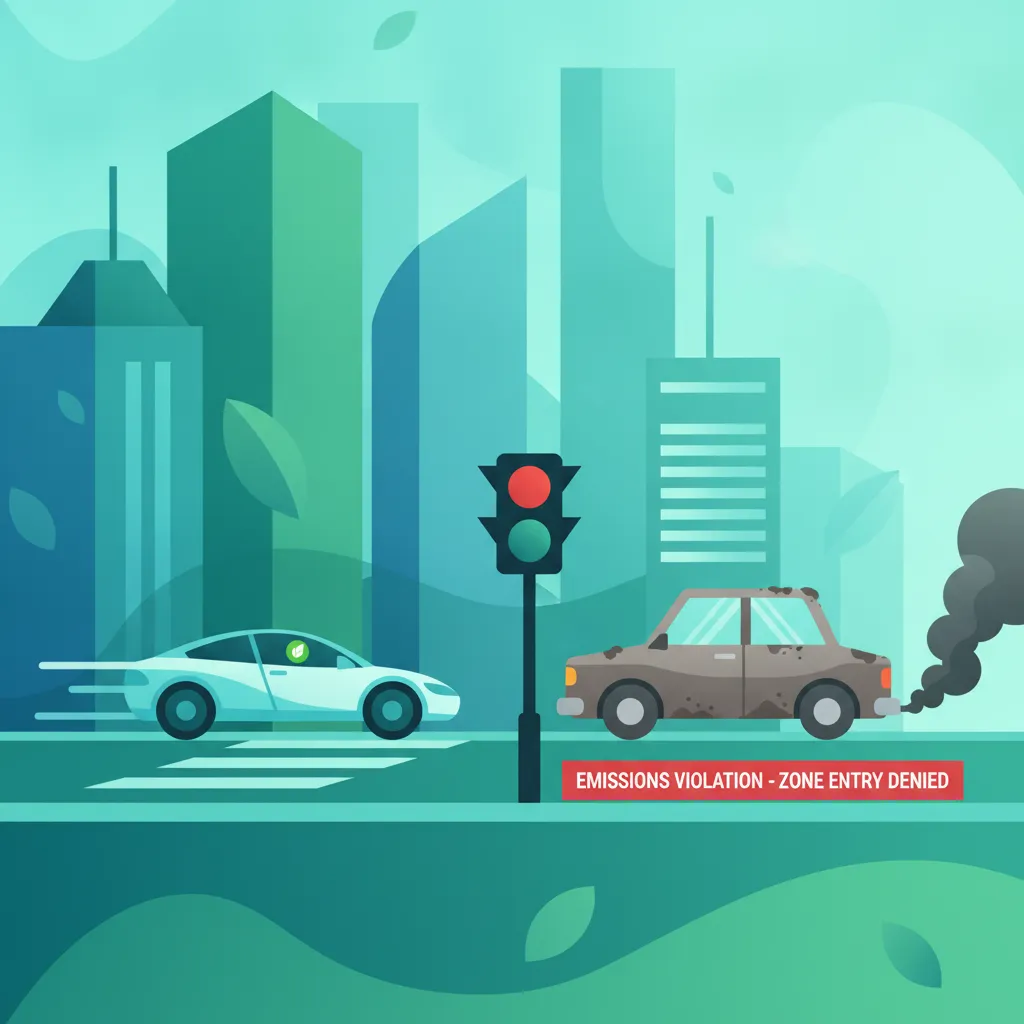
This lesson addresses the concept of environmental zones in German cities, explaining the requirements for emission stickers and the impact on heavy vehicles. It discusses the legal consequences of non-compliance, such as fines, and the importance of ensuring the vehicle meets emission standards. The content covers planning routes to avoid restricted zones if necessary.
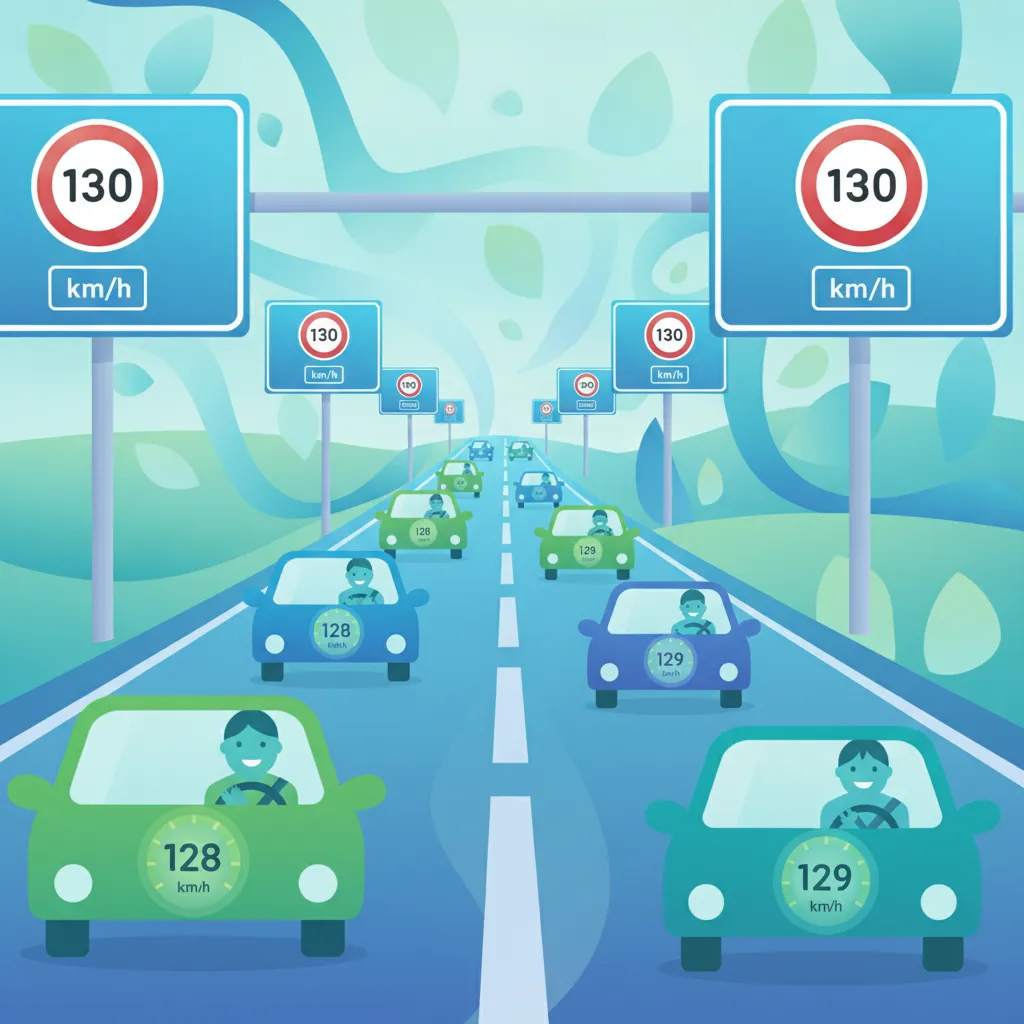
This lesson teaches the importance of adhering to speed limits and how to manage speed effectively, especially when hauling heavy loads. It covers the function of speed-limiters to ensure compliance with legal restrictions. The content also discusses the relationship between speed, fuel consumption, and its effect on braking distance.
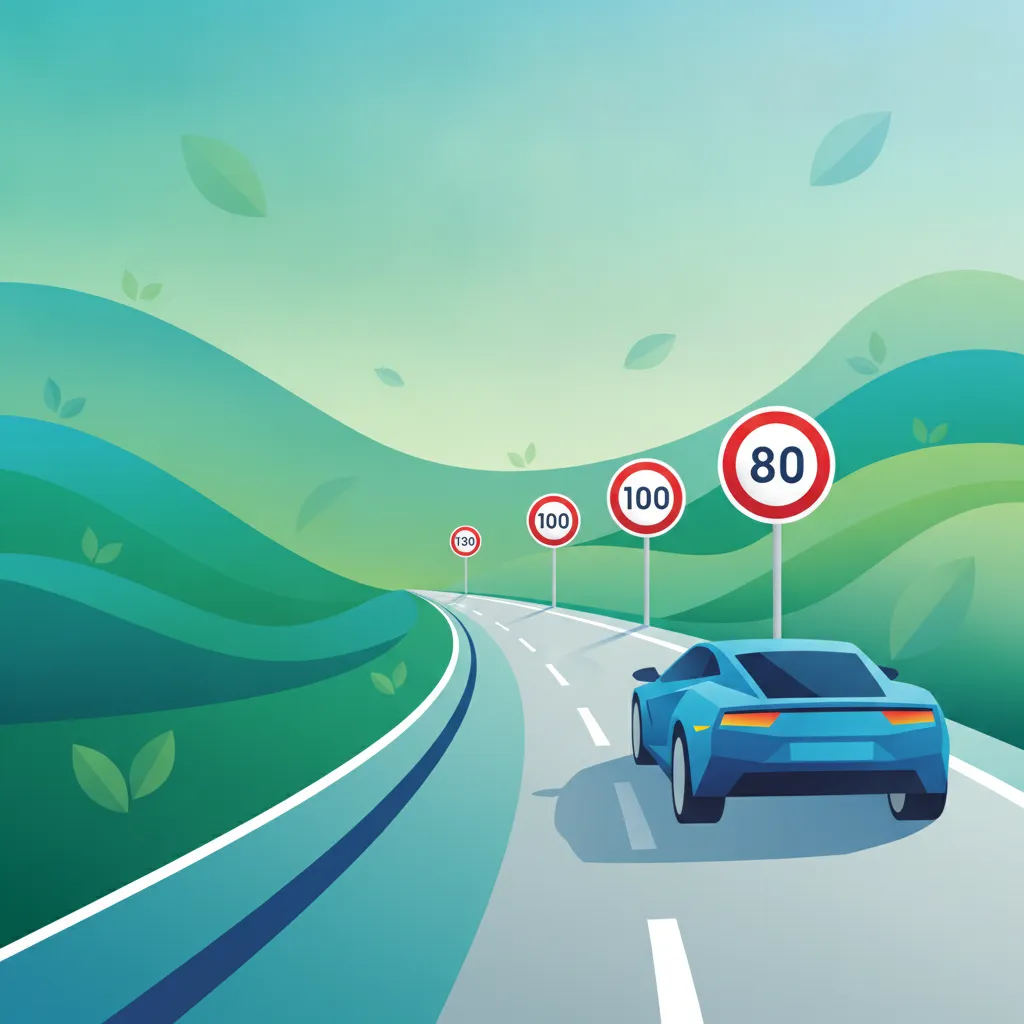
This lesson details the statutory speed limits in Germany, including the standard limits within built-up areas, on rural roads, and on the Autobahn. It emphasizes that the posted limit is a maximum and that drivers must always adapt their speed to traffic, weather, and visibility conditions. The concept of the recommended speed ('Richtgeschwindigkeit') on the Autobahn is also explained.
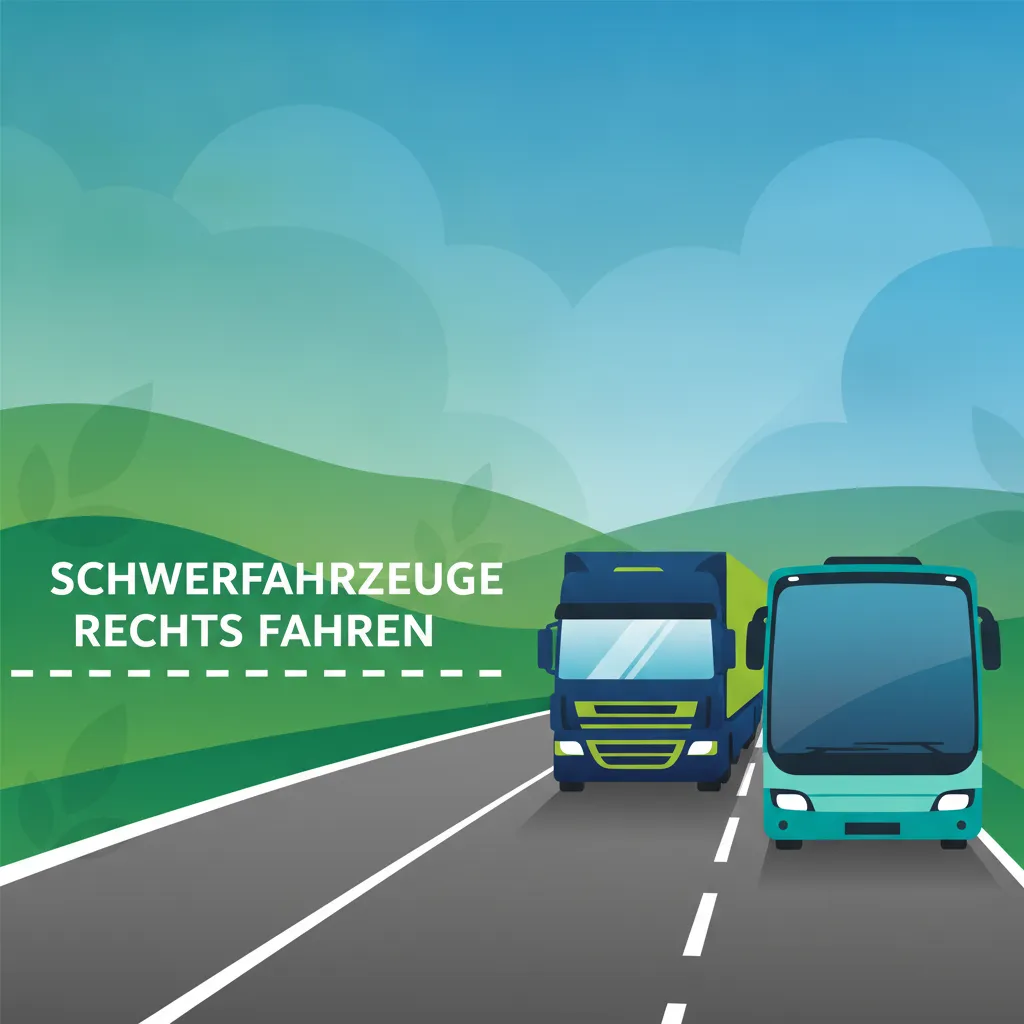
This lesson explains the specific regulations for operating heavy vehicles on Autobahnen, including speed limits, lane discipline, and overtaking rules. It discusses the use of dedicated truck lanes and the importance of maintaining appropriate following distances. The content also covers procedures for merging and exiting high-speed roads safely.

This lesson examines the significant impact of a driver's mental and physical state on road safety. It explains how stress, strong emotions, and distractions can impair judgment and reaction times. The lesson focuses on the serious dangers of fatigue, teaching drivers to recognize the warning signs of drowsiness and stressing the legal and practical importance of taking regular breaks on long journeys.
Understand how driving style, including eco-driving principles, differs across various road types in Germany such as rural roads and Autobahns. Learn to adapt your approach for safety and efficiency in diverse traffic conditions.
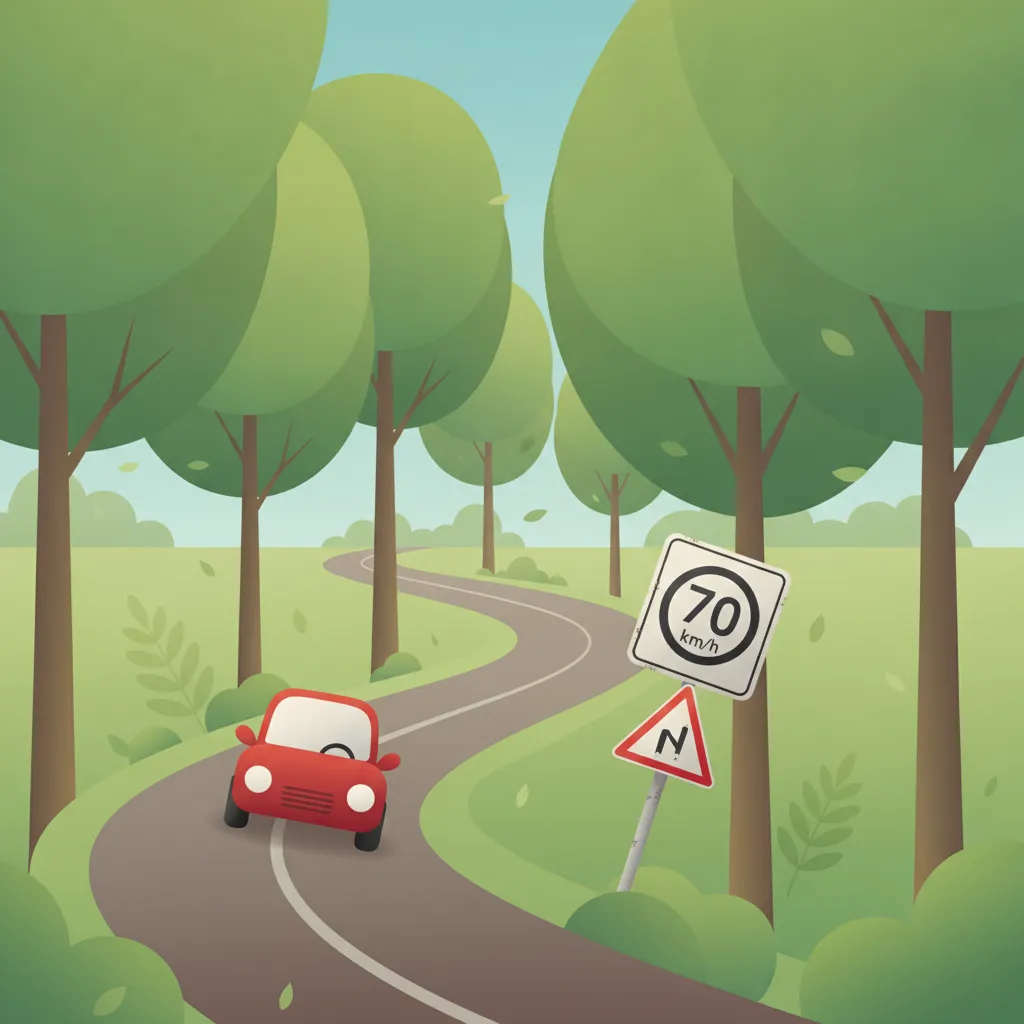
This lesson examines the specific hazards associated with driving on rural roads. It covers how to handle narrow lanes, sharp bends, and poor road surfaces, as well as how to anticipate and safely interact with slow-moving agricultural vehicles or livestock. Strategies for speed adaptation due to limited visibility and the risks associated with overtaking in these conditions are thoroughly discussed.
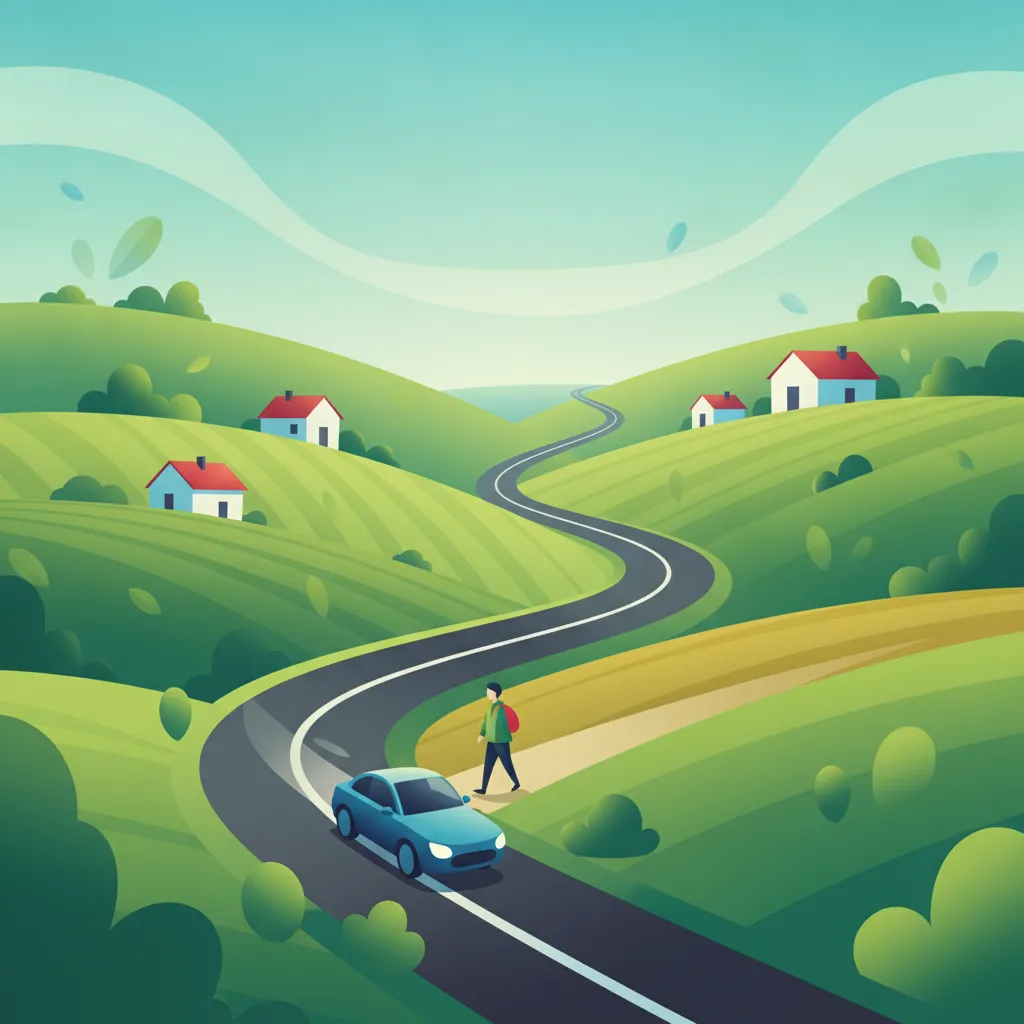
This lesson focuses on the specific challenges and dangers associated with driving on rural roads ('Landstraßen'). It highlights common hazards such as sharp, blind corners, unmarked junctions, hidden farm entrances, and the presence of slow-moving agricultural vehicles or wildlife. The lesson emphasizes the need for appropriate speed selection and caution when overtaking in these environments.
This lesson explores the complex and fast-paced nature of urban traffic environments. It covers topics such as high traffic density, frequent pedestrian crossings, and complex intersections that require heightened awareness. Learners will develop strategies for adapting their speed and lane positioning to navigate these challenges safely, especially during peak rush hour periods and in areas with traffic calming measures.
This lesson focuses on complex traffic environments where different types of road users share the same space. It provides guidance on situations like driving on streets with integrated tram tracks or where bus and bicycle lanes are part of the roadway. The content emphasizes understanding the specific priority rules and being extra vigilant to anticipate potential conflicts in these busy, shared zones.
This lesson focuses on the interaction between heavy vehicles and vulnerable road users at crossings, particularly when turning right. It covers the need for heightened vigilance, the importance of properly using mirrors, and correct signaling to alert others. The content highlights legal responsibilities and safe distance requirements to prevent accidents.
This lesson provides a complete guide to driving on the German Autobahn. It covers the correct procedure for entering and exiting via acceleration and deceleration lanes, the strict lane discipline rule of keeping right ('Rechtsfahrgebot'), and the principle of overtaking only on the left. It also explains the recommended speed limit and the critical procedure for forming an emergency corridor ('Rettungsgasse') in a traffic jam.
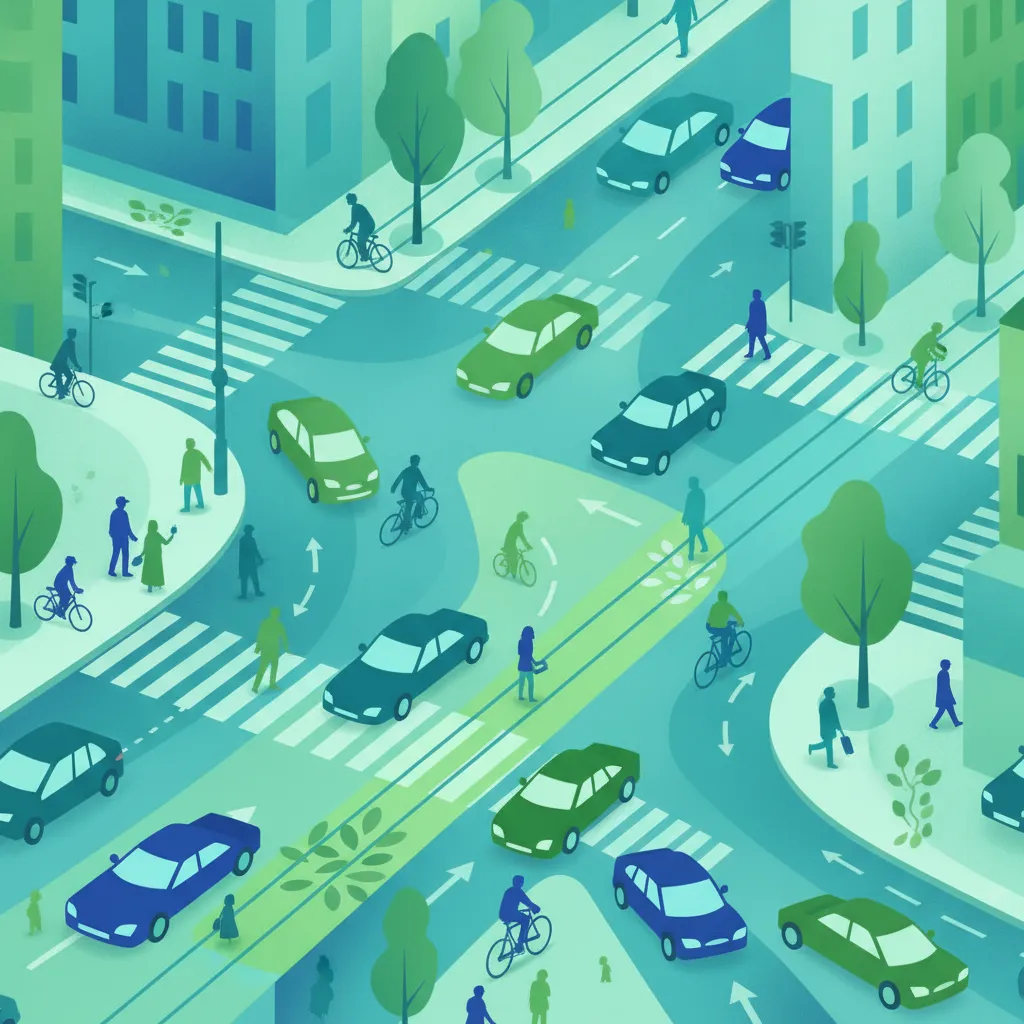
This lesson addresses the challenges of operating a small AM vehicle in dense, mixed traffic. It provides strategies for increasing visibility to other drivers, positioning oneself defensively, and safely sharing lanes with cyclists. The content emphasizes awareness of larger vehicles' blind spots and maintaining a safe space cushion.
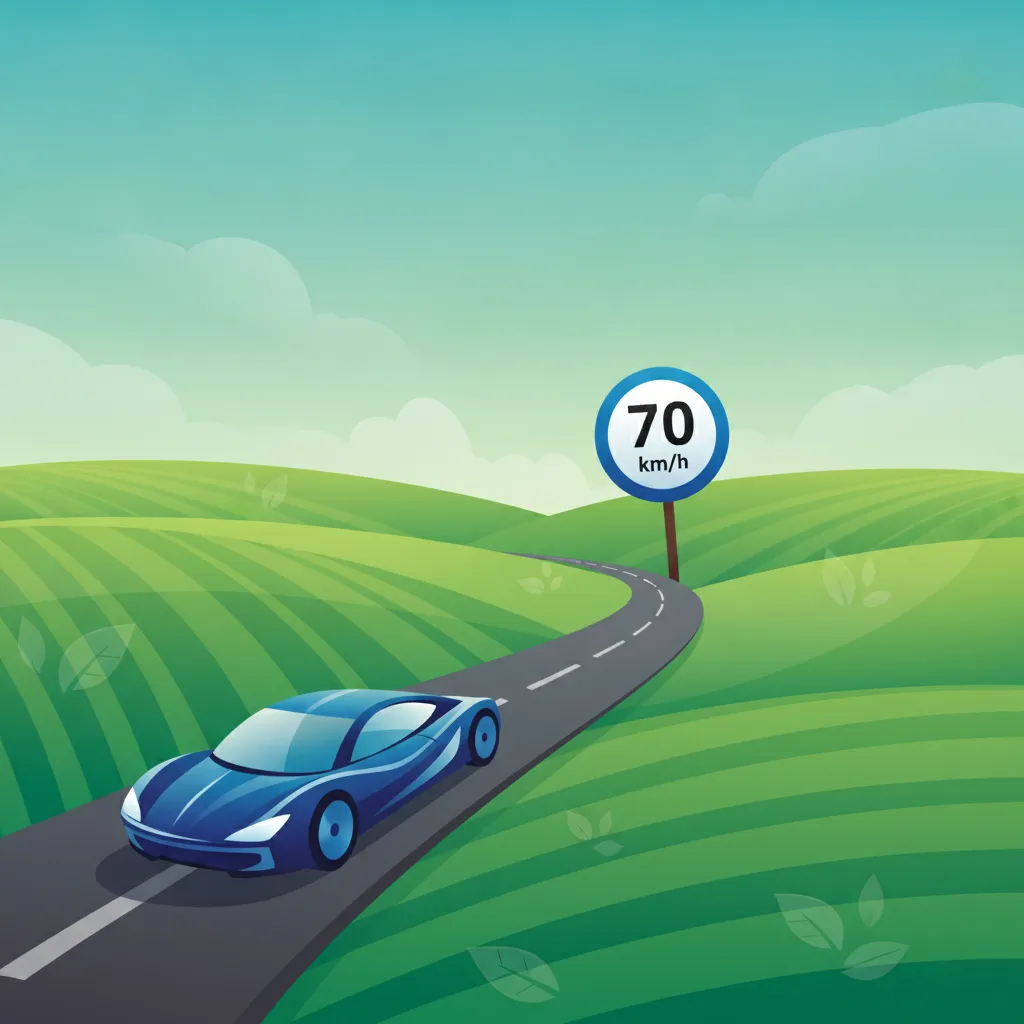
This lesson introduces the classification of rural roads and explains how speed limits are determined in these non-urban areas. It covers the German national speed limit for rural roads and how to identify local or temporary restrictions. Learners will understand the importance of adapting their speed to the road's characteristics, such as width, surface condition, and visibility, not just the posted limit.
Find clear answers to common questions learners have about Fuel-Efficient and Ecologically Responsible Driving. Learn how the lesson is structured, which driving theory objectives it supports, and how it fits into the overall learning path of units and curriculum progression in Germany. These explanations help you understand key concepts, lesson flow, and exam focused study goals.
Eco-driving is part of the core requirement for responsible driving. The exam includes questions about how driving style, gear selection, and speed influence fuel consumption and environmental pollution.
Yes. Driving in the highest possible gear at low engine speeds (low RPM) is one of the most effective ways to reduce fuel consumption and engine noise, which is a key principle taught in the course.
Engine braking allows you to decelerate by using the engine's resistance instead of the service brakes. This prevents unnecessary fuel consumption and reduces brake pad wear, helping you maintain a smooth driving flow.
Anticipating traffic flow means you can lift off the throttle early when approaching a red light or slowing traffic, rather than driving at full speed until the last moment and slamming on the brakes. This saves fuel and improves safety.
Begin your targeted revision now. Use our practice search to quickly find specific German driving theory questions. Filter by StVO rules, road signs, or hazard perception to create your focused study plan. Master challenging areas and prepare confidently for your theoretical driving test.