
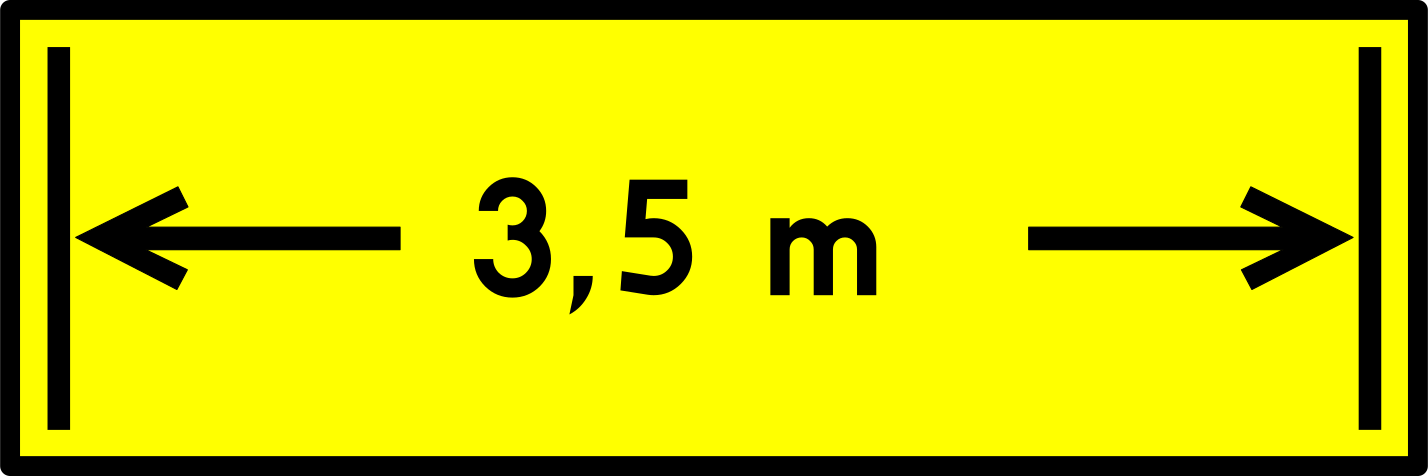
The W-6 sign indicates the narrowest point of a bridge or ferry crossing, specifically designated for military vehicles. It displays the maximum permissible width in meters, ensuring that wide military vehicles, which may have extra equipment, can safely pass. While it resembles the civilian B-15 sign, its use is generally limited to temporary military structures like pontoon or Bailey bridges. Drivers must confirm their vehicle's width before proceeding, and it's essential to consider any additional equipment that might affect the overall width.
This sign indicates the physical width of a bridge passage, specifically crucial for wide military vehicles navigating narrow crossings like pontoon or Bailey bridges. Essential for your theory test revision, grasping this road sign meaning ensures safe passage and avoids potential structural hazards during your driving knowledge acquisition.
The W-6 sign provides the physical width of the passage in meters. While similar to the civilian B-15 sign, it is used on temporary military structures like pontoon bridges or Bailey bridges. It helps drivers of wide military vehicles (which often have extra armor or equipment) ensure they can physically fit between the railings or structural elements of the crossing.
Indicates the narrowest part of a bridge or ferry crossing for military vehicles.
Get clear, practical answers to the most common questions about the W-6 - Bridge Width (Military) road sign. Learn how the sign works, what rules it represents, and how it affects real driving situations. This FAQ strengthens your understanding and supports accurate decision making for the Polish driving theory exam in Poland.
The W-6 sign's primary purpose is to inform drivers of wide military vehicles about the narrowest width of a bridge or ferry crossing. It ensures they can safely navigate these temporary military structures without exceeding the physical passage limits.
While both signs indicate width limits, the W-6 sign is specifically used for military operations and on temporary military crossings like pontoon or Bailey bridges. The B-15 sign is a more general warning for narrow bridges encountered in civilian traffic.
If your vehicle's total width, including any side armor or equipment, is greater than the width indicated on the W-6 sign, you must not attempt to cross. It is crucial to find an alternative route or wait for assistance to ensure safety and prevent damage to the structure or vehicle.
Yes, drivers should retract any foldable mirrors or equipment to maximize clearance. It is also advisable to use a 'ground guide' (a soldier walking ahead) to help navigate the narrowest part, especially in low light conditions or when visibility is reduced. Avoid approaching the crossing too quickly to prevent instability.
While the W-6 sign is specific to military contexts, understanding its purpose helps in grasping the concept of width restrictions on bridges and ferries, which is a general topic covered in the theory exam. It reinforces the importance of checking vehicle dimensions against road limitations.
A clear reference image of the W-6 - Bridge Width (Military) road sign used in Poland.
The W-6 - Bridge Width (Military) road sign may also be known by these alternative names or terms.
The W-6 - Bridge Width (Military) road sign is part of the Additional Railway Crossing Signs (G) category, which groups together signs with similar rules and functions.
Master Polish road signs by reviewing similar ones. Comparing signs like the military bridge width with others helps solidify your recognition, reducing errors during your theory test revision and improving overall sign identification.

Prepare for tram signals ahead with the AT-1 warning sign.

Understand the AT-2 Tram-Activated Signal: Know when trams are coming!
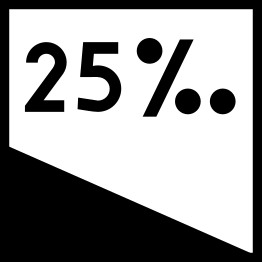
Understand the AT-3 Dangerous Tram Descent warning sign for trams.
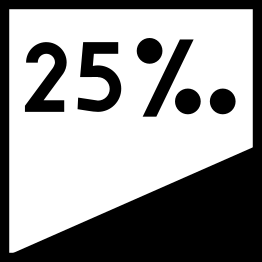
Warning: Steep Tram Ascent Ahead (AT-4)

Understand the AT-5 sign: Tram Collision Movement Warning for Turning Trams
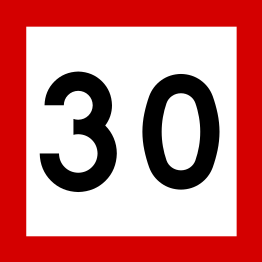
What the BT-1 Tram Speed Limit sign means and how to obey it.

BT-2: Tram Speed Limit Restriction Ends Here

BT-3 Tram Switch Lock: Don't Enter Until Clear!
Deepen your understanding of specific road signs by reviewing official Polish traffic rules and associated real-world driving scenarios. These expert-led resources help you bridge the gap between visual recognition and practical exam application.
Learners often struggle to differentiate between binding regulatory signs and mere safety advice, which can lead to confusion during the official theory exam. This guide clarifies the specific role of Polish B-33 prohibitive signs versus international speed recommendations, helping you distinguish between legal mandates and situational safety advice. You will learn to identify key sign types, understand their legal weight, and recognize why adjusting your speed to road conditions remains a fundamental requirement of the Polish driving system.
Learn the precise regulations for towing trailers in Poland with a Category B driving license. This guide breaks down the differences between the standard B license, the enhanced Code 96, and the full B+E category, focusing on weight limits and when each is necessary. This knowledge is vital for safe driving and for correctly answering exam questions on vehicle combinations.
Even a Second Can Be Fatal: Understand Microsleep to Drive Safely in Poland.
Don't Be a Road Block: Master Minimum Speeds and Smooth Traffic Flow for Your Polish Exam!
The B-18 sign protects roads and bridges that are not strong enough to support very heavy loads. Unlike other signs that look at 'allowed weight' on paper, this sign looks at the 'actual weight' (masa rzeczywista) of the vehicle at that moment. Overweight vehicles can cause permanent structural damage or even cause a bridge to collapse.
The A-13 sign is placed before bridges with movable spans (like drawbridges or bascule bridges). When the bridge is operating, traffic is stopped by red lights and often a physical barrier. This sign warns you to be prepared to stop and wait for ships to pass. These bridges can be found in coastal areas or near major rivers and canals.
After reviewing the full list of Polish road signs, explore specific sign categories for in-depth understanding. Challenge your knowledge with practice questions focused on sign recognition and interpretation to solidify your preparation for the driving theory exam.
Browse All Polish Road Signs