
The B-32 'Stop - Customs' traffic sign is a crucial directive found at border crossings or customs zones in Poland. When you encounter this sign, you must bring your vehicle to a full and complete stop before the designated line or the sign itself. You may only proceed when a customs officer gives you a clear signal, often a hand gesture or a green light. This sign is essential for ensuring proper checks and border security, and understanding its implications is vital for the theory exam.
This crucial prohibitory sign, B-32, demands a complete stop for customs checks at Polish border crossings or designated zones. Familiarise yourself with its meaning for effective theory test revision and safe navigation of international routes.
The B-32 sign is used at international border crossings or special customs zones. It is a mandatory stop sign. You must wait at the designated line or before the sign until an officer signals you to proceed. Variants of this sign (B-32a to B-32f) can indicate stops for Border Control, Damaged Barriers, Toll Collection, or Police Checks.
You must come to a complete stop for a customs inspection.
Get clear, practical answers to the most common questions about the B-32 - Stop - Customs road sign. Learn how the sign works, what rules it represents, and how it affects real driving situations. This FAQ strengthens your understanding and supports accurate decision making for the Polish driving theory exam in Poland.
The B-32 sign means you must come to a complete stop. You cannot just slow down or pause; you must bring your vehicle to a standstill. This is usually before a specific line marked on the road or directly at the sign itself. Wait until an official signals you to proceed.
This sign's purpose is to halt all vehicles for inspection by customs officers. This can involve checking documents, cargo, or ensuring compliance with import/export regulations. It's a mandatory stop for border control and security.
Yes, variants like B-32a to B-32f exist. These might indicate specific reasons for stopping, such as Border Control, damaged barriers, toll collection points, or police checks. Always read any accompanying text on a white bar beneath the main sign for specific instructions.
Failing to stop at a B-32 sign is a serious traffic violation. It is prohibited to drive past the sign without stopping fully. Doing so can lead to penalties and is a common trap in the theory exam, as it demonstrates a disregard for mandatory stops at critical points.
No, you must wait for a clear signal from the authorized official. This is typically a hand gesture or a green light. Proceeding without this signal is prohibited. Have your documents ready to speed up the inspection process.
A clear reference image of the B-32 - Stop - Customs road sign used in Poland.
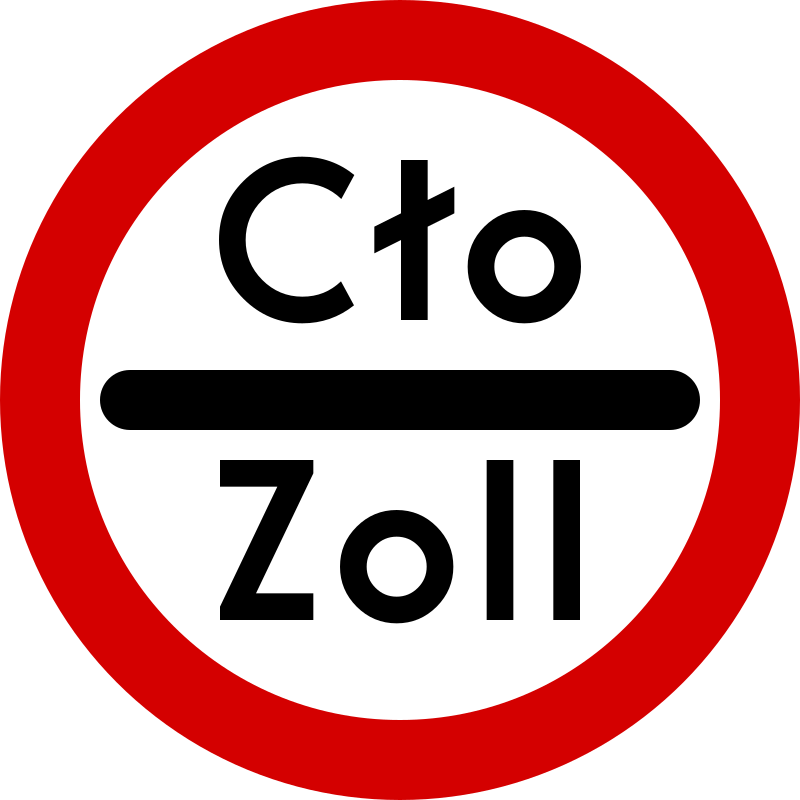
The B-32 - Stop - Customs road sign may also be known by these alternative names or terms.
The B-32 - Stop - Customs road sign is part of the Prohibitory Signs (B) category, which groups together signs with similar rules and functions.
Reviewing similar road signs side-by-side helps solidify your understanding and differentiate between critical distinctions. This focused traffic sign comparison is key for accurate recall during your theory test revision and improves overall sign recognition.

B-1 Sign: Road Closed to All Traffic in Both Directions
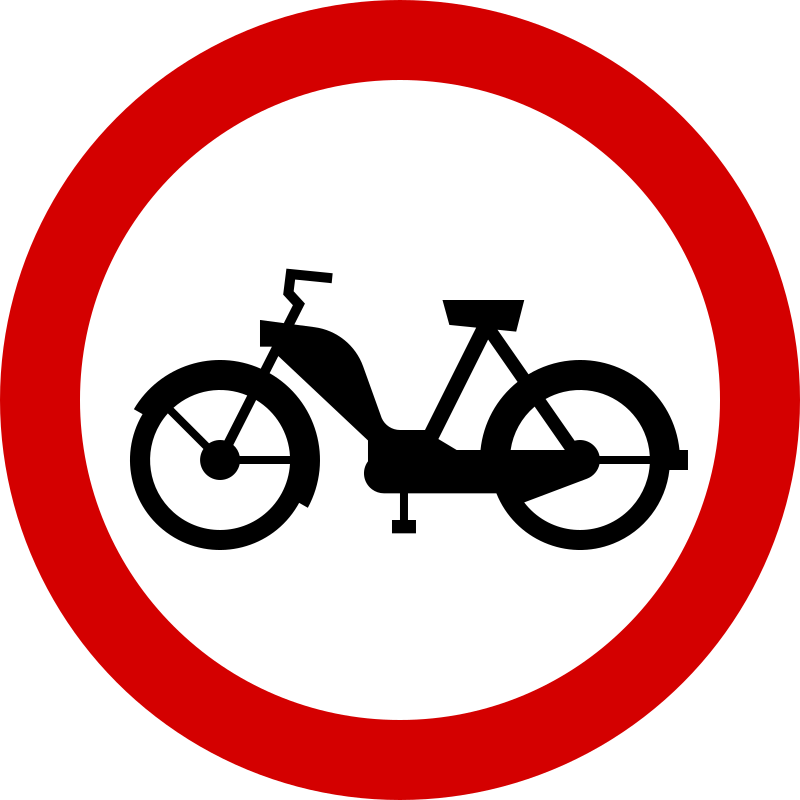
The B-10 'No Mopeds' sign prohibits entry for all mopeds past this point.
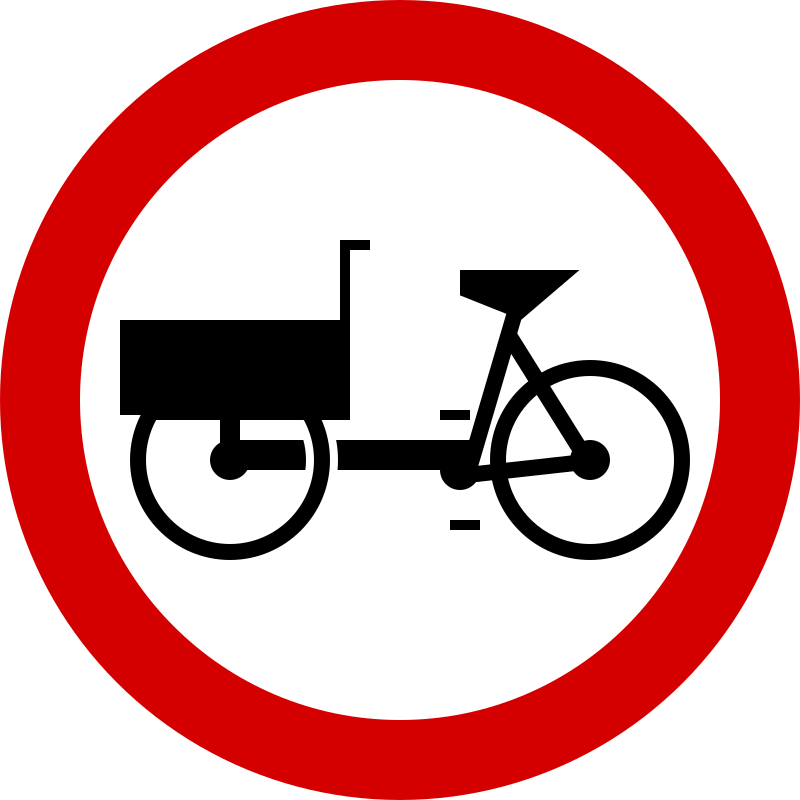
B-11: No Entry for Cycle Rickshaws and Multi-Track Carts
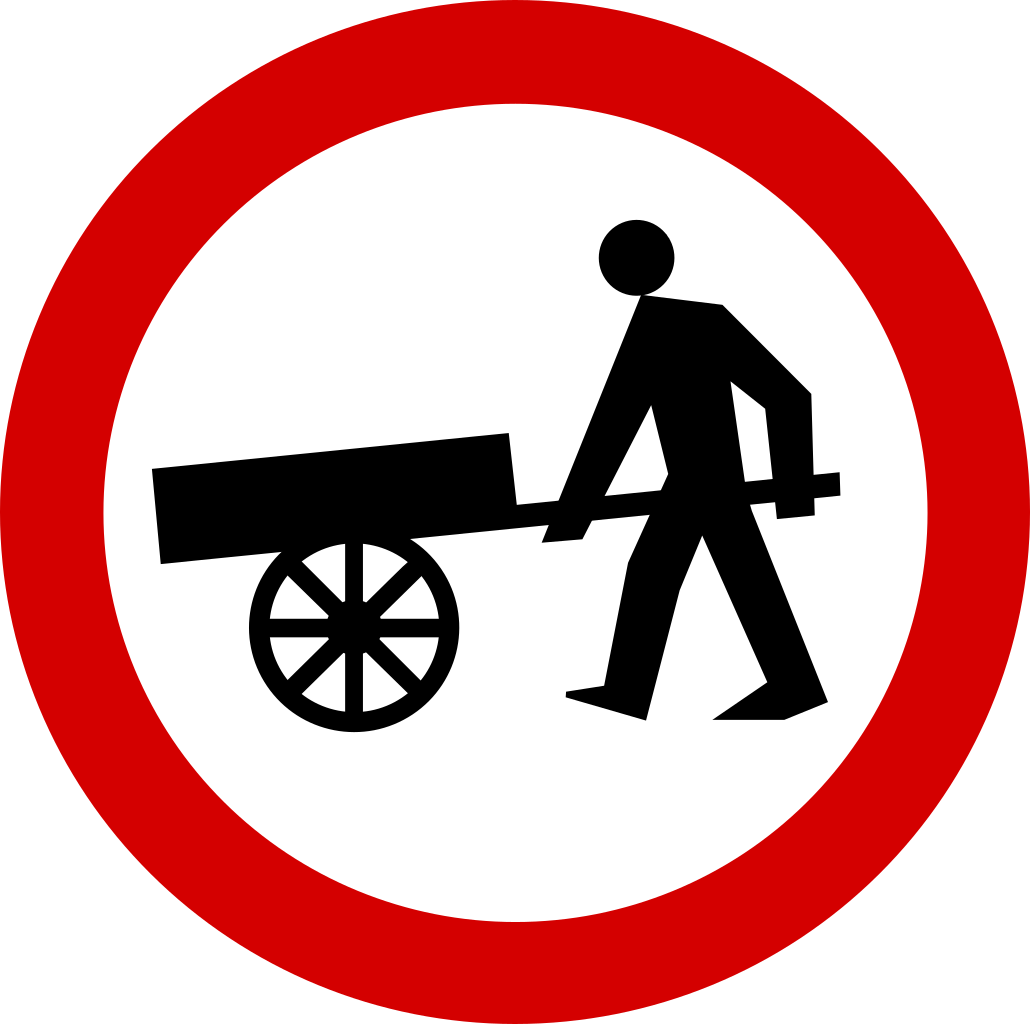
Understand the B-12 'No Handcarts' Road Sign
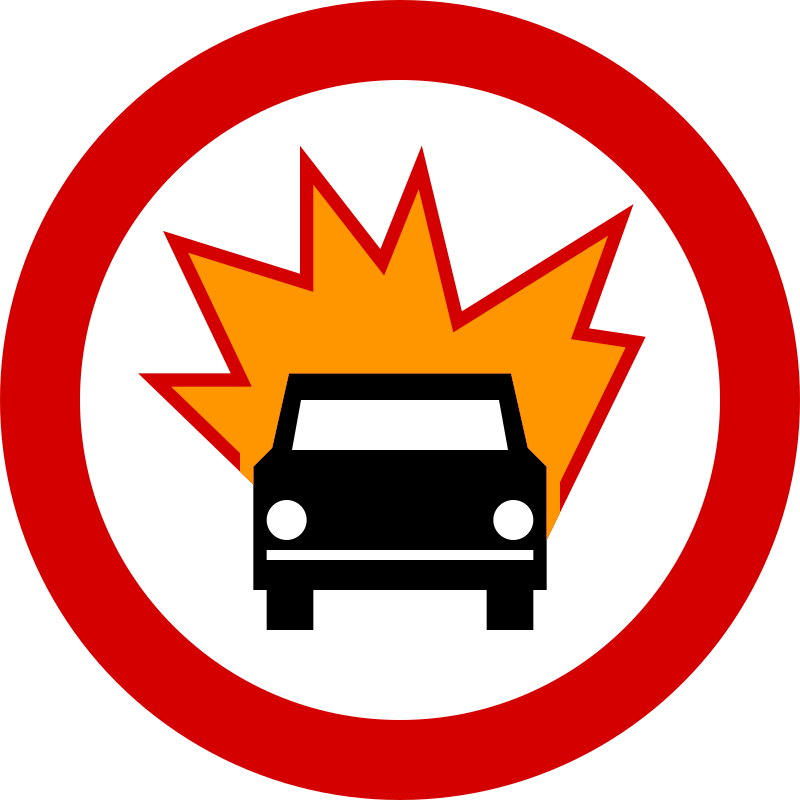
Understand the B-13 sign: No vehicles carrying explosives or flammable goods allowed.
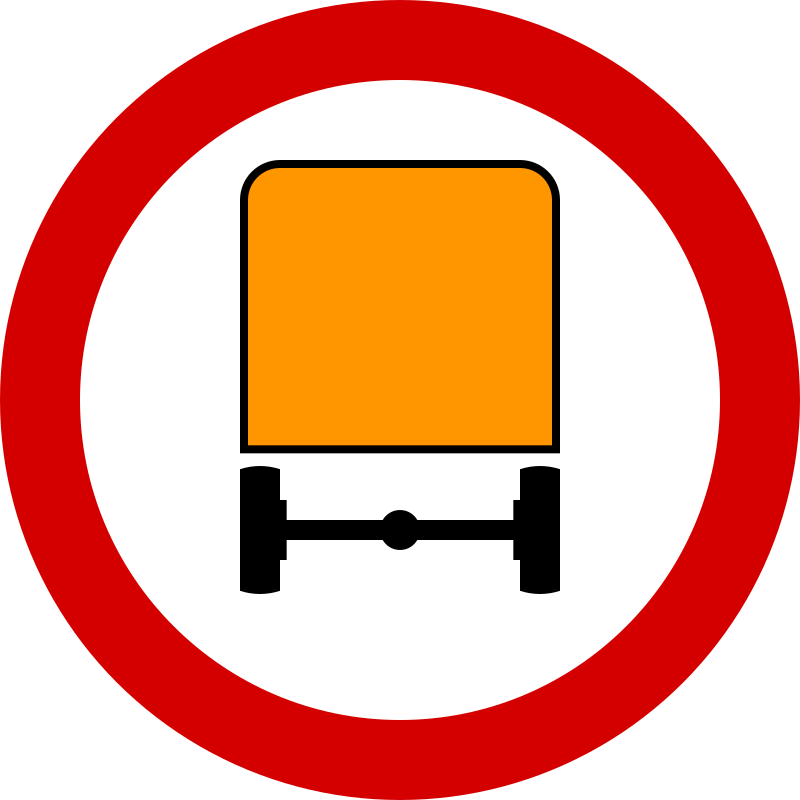
The B-13a sign means no vehicles carrying dangerous goods are allowed past this point.
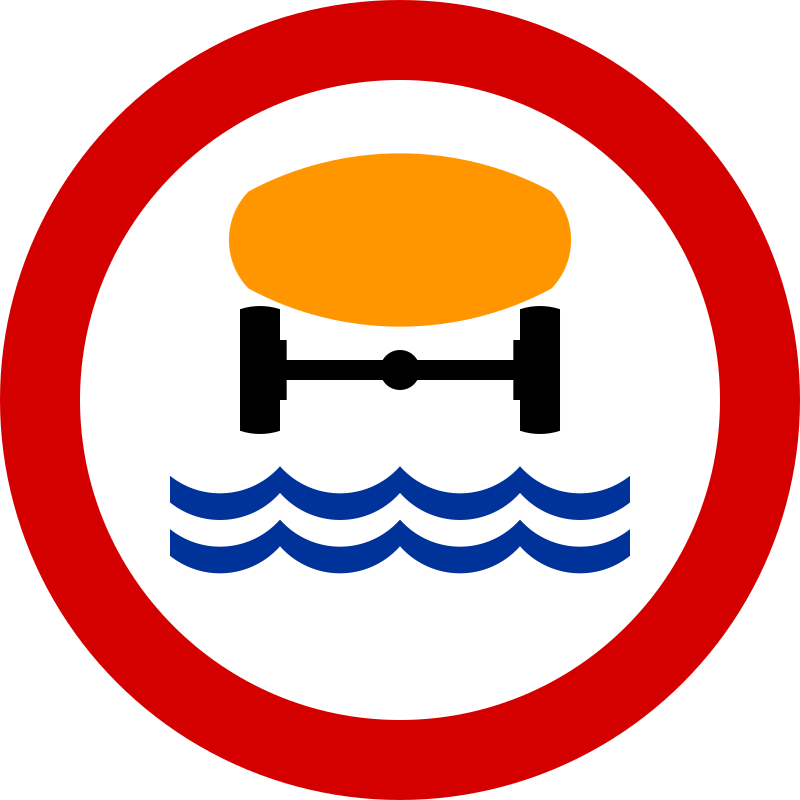
B-14 Sign: No Vehicles Carrying Water Contaminants
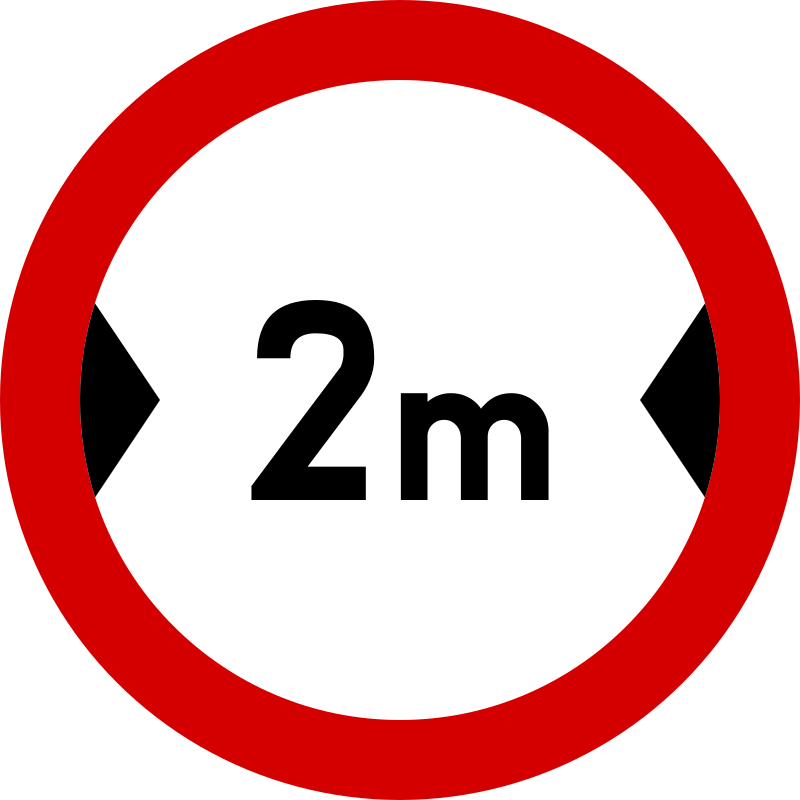
The B-15 sign prohibits vehicles wider than the specified limit from passing.
Deepen your understanding of specific road signs by reviewing official Polish traffic rules and associated real-world driving scenarios. These expert-led resources help you bridge the gap between visual recognition and practical exam application.
Navigating Polish intersections requires a clear understanding of priority rules, particularly the differing obligations imposed by the mandatory Stop sign (B-20) and the Yield sign (A-7). This article will break down the legal requirements for each sign, explaining precisely when and how you must act to ensure safety and compliance with Polish traffic law. Mastering these distinctions is vital for success in your driving theory exam and for safe driving.
This article provides a detailed explanation of how Polish traffic signs A-7 ('Ustąp Pierwszeństwa' - Yield), B-20 ('STOP'), and D-1 ('Droga z Pierwszeństwem' - Priority Road) dictate right-of-way at intersections. Understanding the nuances of these signs is a fundamental aspect of the Polish driving theory exam, and mastering them will significantly improve your preparedness for real-world driving scenarios.
Navigate Tram Intersections Like a Pro: Essential for Your Polish Driving Exam.
Master Polish Crossing Markings for a Safer Drive and Exam Success.
The P-12 is a thick, solid white line painted across the lane. It is used with vertical signs B-20 (STOP) or B-32 (Border Control). The driver must stop such that the front of the vehicle does not cross the line. Stopping is mandatory regardless of whether other traffic is visible. After stopping at the line, the driver may move forward slightly if visibility is obstructed, but the initial 'complete halt' must occur at or before this line.
The G-1c is the final marker post before the railway tracks, featuring a single diagonal red stripe. It is placed on the right side of the road at approximately 1/3 of the distance from the initial warning sign to the crossing. Passing this sign means you are usually within 50 to 80 meters of the tracks. At this stage, the driver should be at a slow, safe speed, ready to come to an absolute halt if required by lights, barriers, or a Stop sign.
After reviewing the full list of Polish road signs, explore specific sign categories for in-depth understanding. Challenge your knowledge with practice questions focused on sign recognition and interpretation to solidify your preparation for the driving theory exam.
Browse All Polish Road Signs