
This lesson explores the legal and safety implications of alcohol, drugs, and medication while driving in Switzerland. It is essential for understanding your fitness to drive and the strict regulatory environment defined by Swiss road law.
Lesson content overview
Operating a vehicle safely requires sustained attention, rapid decision-making, precise motor control, and accurate perception. Any substance that impairs these vital faculties poses a severe risk on the road. This lesson delves into the critical dangers and legal implications of driving under the influence of alcohol, illicit drugs, and certain medications within the Swiss legal framework. Understanding these regulations and their underlying safety rationales is paramount for every driver, ensuring personal safety and the well-being of all road users.
Driving is a complex task that demands a driver's full cognitive and physical capabilities. Even minor impairments can significantly degrade reaction time, judgment, and coordination, leading to dangerous situations and potential accidents. When substances like alcohol, drugs, or certain medications enter the body, they primarily affect the central nervous system, which controls all these critical functions.
For instance, alcohol tends to depress the brain's activity, slowing down information processing and dulling senses. Illicit drugs can distort perception, induce drowsiness, or create a false sense of confidence, leading to risky behaviors. Even common medications can have subtle yet profound side-effects that compromise driving fitness. The central idea enforced by Swiss law is a safety-first approach: any impairment that compromises a driver’s ability to maintain control, react to hazards, or comply with traffic rules is strictly prohibited.
Alcohol consumption significantly impairs driving ability, even at low levels. Swiss law sets clear Blood Alcohol Concentration (BAC) limits to ensure road safety. These limits vary depending on a driver's experience level and professional status, reflecting the increased risk associated with inexperienced or professional drivers.
Blood Alcohol Concentration (BAC) measures the amount of alcohol present in a driver's bloodstream. It is typically expressed in grams per liter (g/l) of blood. A higher BAC indicates a greater level of alcohol in the body and, consequently, a higher degree of impairment. While breath tests provide an estimate (in milligrams per liter, mg/l), they are widely accepted as a legal proxy for blood tests in Switzerland.
The practical meaning of BAC is straightforward: it determines whether a driver is legally allowed to operate a vehicle after consuming alcohol. It's crucial to understand that even a small amount of alcohol can affect your driving performance, irrespective of whether you feel intoxicated. The law prioritizes objective measurement over subjective feelings of sobriety.
For learner (L) and probationary (P) licence holders in Switzerland, a zero-tolerance policy applies regarding alcohol consumption. This means their BAC must be 0.0 g/l at all times while driving. This strict rule acknowledges that inexperienced drivers have not yet developed the advanced compensatory driving skills necessary to manage even minor alcohol-induced impairment.
Any detectable alcohol in the system of a learner or probationary driver, even below the standard limit for fully licensed drivers, will result in significant legal penalties, including fines, penalty points, and potential extension or revocation of their probationary period. This regulation is a critical component of the Comprehensive Swiss Driving Theory Course for Category B License, emphasizing safety for new drivers.
Alcohol metabolism is the physiological process by which the body breaks down and eliminates alcohol, primarily through the liver. After ingestion, alcohol typically enters the bloodstream within 30 minutes, with the peak BAC usually reached within an hour. The body eliminates alcohol at an average rate of approximately 0.15 g/l per hour for most adults, though this can vary based on individual factors like weight, gender, and metabolism.
This elimination rate has significant practical implications: it dictates how long a driver must wait after consuming alcohol before it is safe and legal to drive. There is no quick fix to speed up alcohol elimination; coffee, cold showers, or food do not reduce BAC. Drivers are solely responsible for ensuring their BAC is below the legal limit before getting behind the wheel. Misunderstandings, such as believing that only the feeling of intoxication matters, can lead to dangerous and illegal driving.
Swiss law establishes specific BAC thresholds:
These thresholds are set to prevent impairment that compromises safety. Drivers must monitor their consumption and allow sufficient time between drinking and driving to remain within legal limits.
Beyond alcohol, the influence of illicit drugs and other psychoactive substances on driving ability is a serious concern. These substances can profoundly alter perception, cognition, and motor control, making safe vehicle operation impossible. Swiss law takes a strict stance: the presence of any illegal psychoactive substance in the body while driving is prohibited, regardless of the quantity in some cases, or above a minimal threshold for certain substances.
Different categories of drugs have distinct effects on driving:
Any use of these substances before driving can lead to legal penalties, even if there is no detectable alcohol in the system. Drivers can be stopped and tested for drugs through saliva, urine, or blood samples.
Swiss law empowers authorities to conduct drug tests on drivers suspected of impairment. For substances like THC, specific legal limits exist (e.g., 1.5 ng/ml in blood). Exceeding these limits or having any detectable amount of other prohibited substances can result in severe legal consequences, including fines, penalty points, licence suspension, and even criminal charges.
It is a common misunderstanding that "medical marijuana" or certain herbal supplements are exempt from these rules. Drivers must understand that any substance, legal or illegal, that impairs driving ability is prohibited. Furthermore, assuming stimulants improve driving performance is a dangerous misconception; they can lead to risky behavior and rebound fatigue.
It is not just illicit drugs that can impair driving. Many prescription and even over-the-counter (OTC) medications can have side-effects that compromise a driver's ability to safely operate a vehicle. Understanding these potential effects and acting responsibly is a critical aspect of driver safety.
Medications can cause a wide range of side-effects that impair driving abilities. These include:
Drivers must always read medication labels carefully and consult with their doctor or pharmacist about potential side-effects that could affect driving. The phrase "Do not operate heavy machinery" on a medication warning label typically includes driving a car. Assuming short-term use does not affect driving, or that a medication "works fine at home," are dangerous misconceptions.
Swiss law places a clear mandatory declaration obligation on all drivers. If you have a medical condition or are taking medication that could potentially affect your ability to drive safely, you are legally required to declare this to the licensing authority. This allows authorities to assess your fitness to drive and, if necessary, impose restrictions (e.g., no night driving, regular medical check-ups) to ensure public safety.
Failure to declare relevant medical conditions or medications can result in severe penalties, including fines, licence suspension, and increased liability in the event of an accident. It is an ethical and legal responsibility to prioritize safety by being transparent about your health status with the relevant authorities.
Driving under the influence of alcohol, drugs, or impairing medication carries serious legal repercussions in Switzerland. These consequences are designed to deter such dangerous behavior and protect all road users. They often involve a combination of fines, penalty points, and licence suspension.
Switzerland employs a penalty points system (Demerit Point System) for traffic violations, including those related to impaired driving. Specific points are assigned for different levels of BAC exceedance or drug influence:
Accumulating a certain number of points within a specified period can lead to mandatory driving courses, extended licence suspension, or even permanent revocation of the driving privilege. For learner and probationary drivers, the consequences are often stricter, emphasizing the zero-tolerance policy.
Beyond penalty points, impaired driving violations typically incur substantial fines, which increase with the severity of the offense. Licence suspension periods can range from several months to indefinite revocation, depending on prior offenses and the degree of impairment. In severe cases, particularly those involving accidents with injury or death, criminal charges, including imprisonment, may be pursued.
Furthermore, impaired driving can lead to significant financial burdens, including legal fees, insurance premium increases, and potential liability for damages in an accident. The legal framework is clear: impaired driving is a serious offense with far-reaching consequences that extend beyond the immediate legal penalties.
The most effective way to avoid the dangers and legal consequences of impaired driving is through prevention and responsible planning. Every driver has an ethical and legal responsibility to ensure they are fit to drive before getting behind the wheel.
Proactive planning is key to preventing impaired driving. If you anticipate consuming alcohol, using medication with impairing side-effects, or if you feel unwell due to illness or fatigue, plan alternatives:
These simple steps can prevent potentially tragic outcomes and serious legal trouble. There is always an alternative to driving while impaired.
Self-awareness is crucial. While subjective feelings can be misleading, understanding the common signs of impairment can help you make better decisions:
If you experience any of these symptoms, or if there is any doubt about your fitness to drive, it is always best to err on the side of caution and avoid driving. Using a personal breathalyzer can provide an objective measure for alcohol, but for drugs and medication, self-assessment and professional advice are your best tools.
Never attempt to "drive it off" or believe you are "fine" if you have consumed substances that could impair your driving. The risks are too high for yourself and other road users.
This lesson has highlighted the critical importance of avoiding driving under the influence of alcohol, drugs, or impairing medications. The Swiss legal framework, part of the Comprehensive Swiss Driving Theory Course for Category B License, is designed to ensure maximum road safety by setting clear limits and imposing severe penalties for violations.
Key takeaways include:
By adhering to these rules and exercising personal responsibility, you contribute to safer roads for everyone in Switzerland.
This lesson covers Switzerland's strict regulations on driving under the influence of alcohol, drugs, and medication. Swiss law sets specific Blood Alcohol Concentration limits: 0.5 g/l for fully licensed Category B drivers, 0.1 g/l for professional drivers and drivers under 21, and an absolute zero-tolerance 0.0 g/l for all learner and probationary licence holders. The presence of any illicit psychoactive substance is prohibited, with specific limits for substances like THC. Beyond alcohol and drugs, many prescription and over-the-counter medications can impair driving ability, and drivers are legally required to declare any health conditions or medications that could affect their fitness to drive. Consequences for violations include substantial fines, penalty points, licence suspension, and potential criminal charges, emphasizing that prevention through planning and self-awareness is always the safest approach.
A short set of high-value points that capture the most important learning from this lesson.
Swiss BAC limits are tiered: 0.5 g/l for fully licensed drivers, 0.1 g/l for professional drivers and those under 21, and a strict 0.0 g/l zero-tolerance for learner and probationary licence holders.
Any detectable illicit psychoactive substance while driving is prohibited under Swiss law, with specific thresholds like 1.5 ng/ml for THC in blood.
Many prescription and over-the-counter medications can impair driving ability through drowsiness, dizziness, or slowed reflexes, even if legally prescribed.
Drivers have a legal obligation to declare any medical condition or medication that could affect driving fitness to the licensing authority.
The body eliminates alcohol at approximately 0.15 g/l per hour; there is no way to speed up this process through coffee, food, or cold showers.
Explore all units and lessons included in this driving theory course.
Zero-tolerance means exactly 0.0 g/l for learner (L) and probationary (P) licence holders—no exceptions, regardless of how small the amount.
Alcohol elimination rate averages 0.15 g/l per hour, so waiting time between drinking and driving must be calculated carefully based on your actual BAC.
Medications labelled 'do not operate heavy machinery' include driving; this warning must always be heeded.
The mandatory medical fitness declaration is a legal requirement—failing to declare impairing conditions can result in severe penalties and increased liability.
Subjective feelings of sobriety are unreliable; legal limits are based on objective measurement, not personal perception.
Assuming you are 'fine to drive' based on feeling normal or after drinking coffee, despite having consumed alcohol.
Believing that prescribed medications, including opioid painkillers or sedatives, are automatically safe for driving.
Thinking that cannabis impairment ends when the 'high' wears off, without accounting for continued THC effects on performance.
Underestimating the severity of consequences for learner or probationary drivers, who face stricter penalties than fully licensed drivers.
Relying solely on self-assessment to determine fitness to drive without consulting healthcare professionals about medication effects.
Lesson content overview
A short set of high-value points that capture the most important learning from this lesson.
Swiss BAC limits are tiered: 0.5 g/l for fully licensed drivers, 0.1 g/l for professional drivers and those under 21, and a strict 0.0 g/l zero-tolerance for learner and probationary licence holders.
Any detectable illicit psychoactive substance while driving is prohibited under Swiss law, with specific thresholds like 1.5 ng/ml for THC in blood.
Many prescription and over-the-counter medications can impair driving ability through drowsiness, dizziness, or slowed reflexes, even if legally prescribed.
Drivers have a legal obligation to declare any medical condition or medication that could affect driving fitness to the licensing authority.
The body eliminates alcohol at approximately 0.15 g/l per hour; there is no way to speed up this process through coffee, food, or cold showers.
Explore all units and lessons included in this driving theory course.
Zero-tolerance means exactly 0.0 g/l for learner (L) and probationary (P) licence holders—no exceptions, regardless of how small the amount.
Alcohol elimination rate averages 0.15 g/l per hour, so waiting time between drinking and driving must be calculated carefully based on your actual BAC.
Medications labelled 'do not operate heavy machinery' include driving; this warning must always be heeded.
The mandatory medical fitness declaration is a legal requirement—failing to declare impairing conditions can result in severe penalties and increased liability.
Subjective feelings of sobriety are unreliable; legal limits are based on objective measurement, not personal perception.
Assuming you are 'fine to drive' based on feeling normal or after drinking coffee, despite having consumed alcohol.
Believing that prescribed medications, including opioid painkillers or sedatives, are automatically safe for driving.
Thinking that cannabis impairment ends when the 'high' wears off, without accounting for continued THC effects on performance.
Underestimating the severity of consequences for learner or probationary drivers, who face stricter penalties than fully licensed drivers.
Relying solely on self-assessment to determine fitness to drive without consulting healthcare professionals about medication effects.
Explore search topics learners often look for when studying Alcohol, Drugs, and Medication Influence. These topics reflect common questions about road rules, driving situations, safety guidance, and lesson level theory preparation for learners in Switzerland.
Browse additional driving theory lessons that cover connected traffic rules, road signs, and common driving situations related to this topic. Improve your understanding of how different rules interact across everyday traffic scenarios.
Understand the strict Swiss legal framework regarding alcohol, drugs, and medication's impact on driving. Learn about BAC limits, zero-tolerance policies for new drivers, and the penalties for violations to ensure your fitness to drive.
For professional drivers, the rules regarding intoxicating substances are extremely strict. This lesson explains the severe effects of alcohol and illegal drugs on driving ability and the serious legal consequences of being caught under their influence. It also highlights the importance of checking with a doctor or pharmacist whether any prescribed or over-the-counter medication can cause drowsiness or otherwise impair driving.
Explore the probationary phase that follows the acquisition of a Category B licence, including the specific restrictions imposed on new drivers. This lesson outlines the zero tolerance policy for alcohol and the potential consequences of infractions during this period. It also discusses the process for remedial training and the conditions for full licence renewal.
This lesson outlines the legal repercussions for breaking traffic laws in Switzerland. It details the system of fines and administrative measures, including the potential for license withdrawal for serious offenses. The content also explains a rider's legal duties after being involved in an accident, including reporting and insurance obligations.
This lesson explains the Swiss penalty points system, detailing how points are assigned for various traffic violations. You will understand the thresholds for point accumulation and the legal consequences, such as licence suspension. The content also covers fine structures and the administrative process for point assessment for all driver license types.
This lesson outlines the legal and administrative repercussions of committing traffic violations or being involved in an accident. It covers the system of fines, licence points, and potential licence revocation under Swiss law. Understanding these consequences reinforces the importance of lawful and responsible riding.
For professional drivers, traffic violations can have career-altering consequences beyond standard fines. This lesson details the heightened penalties for infringements such as speeding, overloading, insecure loads, and violations of driving time regulations. It outlines the process of warnings, license suspension or withdrawal, and potential criminal liability, emphasizing the importance of strict legal compliance in the transport industry.
This lesson explores the specific restrictions that apply during the probationary licence period for beginner drivers. It covers the legal requirement for a beginner driver badge, zero tolerance for alcohol, and speed limitations. Understanding these regulations helps new drivers comply with legal obligations and reduce accident risk during the early driving phase.
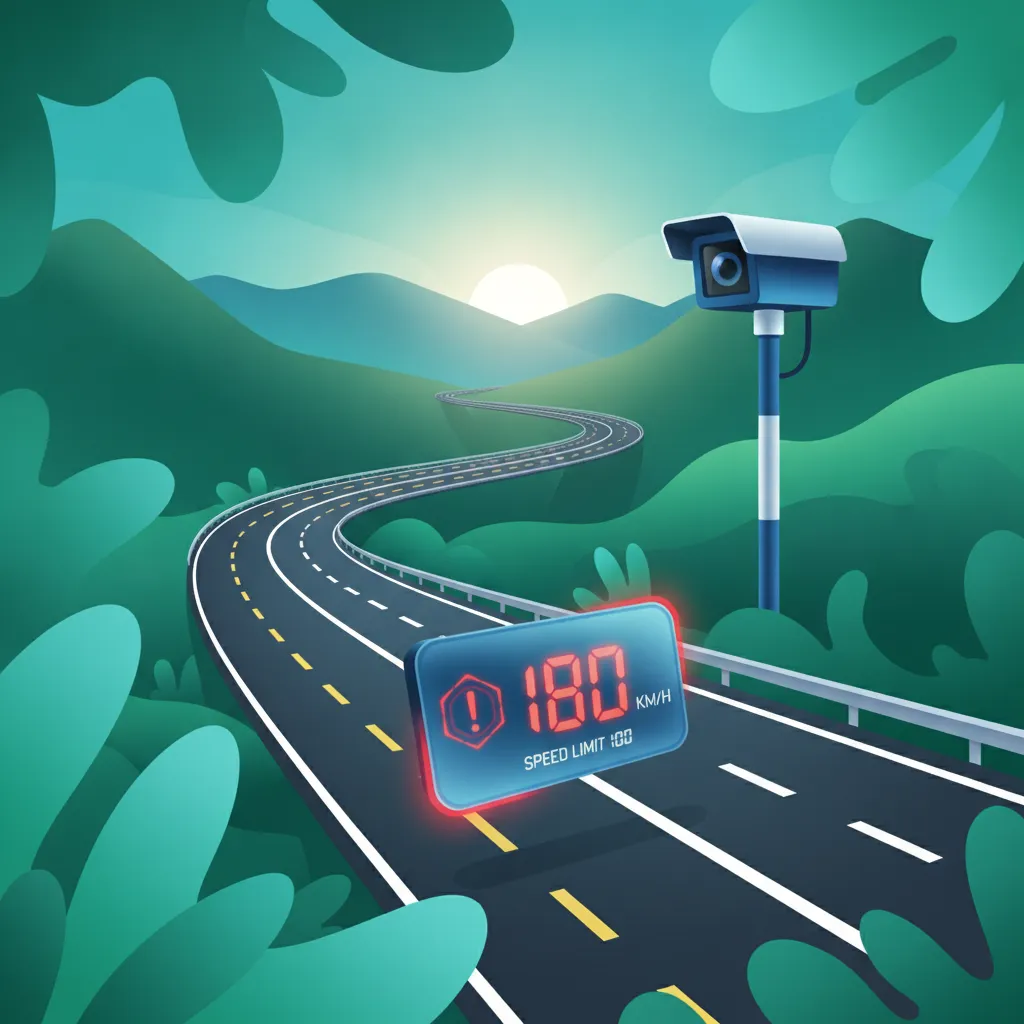
This lesson explores the various methods of speed enforcement in Switzerland, including speed cameras and police checks. It explains the legal consequences of speeding, such as fines, penalty points, and possible licence suspension. Understanding enforcement mechanisms helps drivers maintain compliance with the law and avoid legal repercussions.
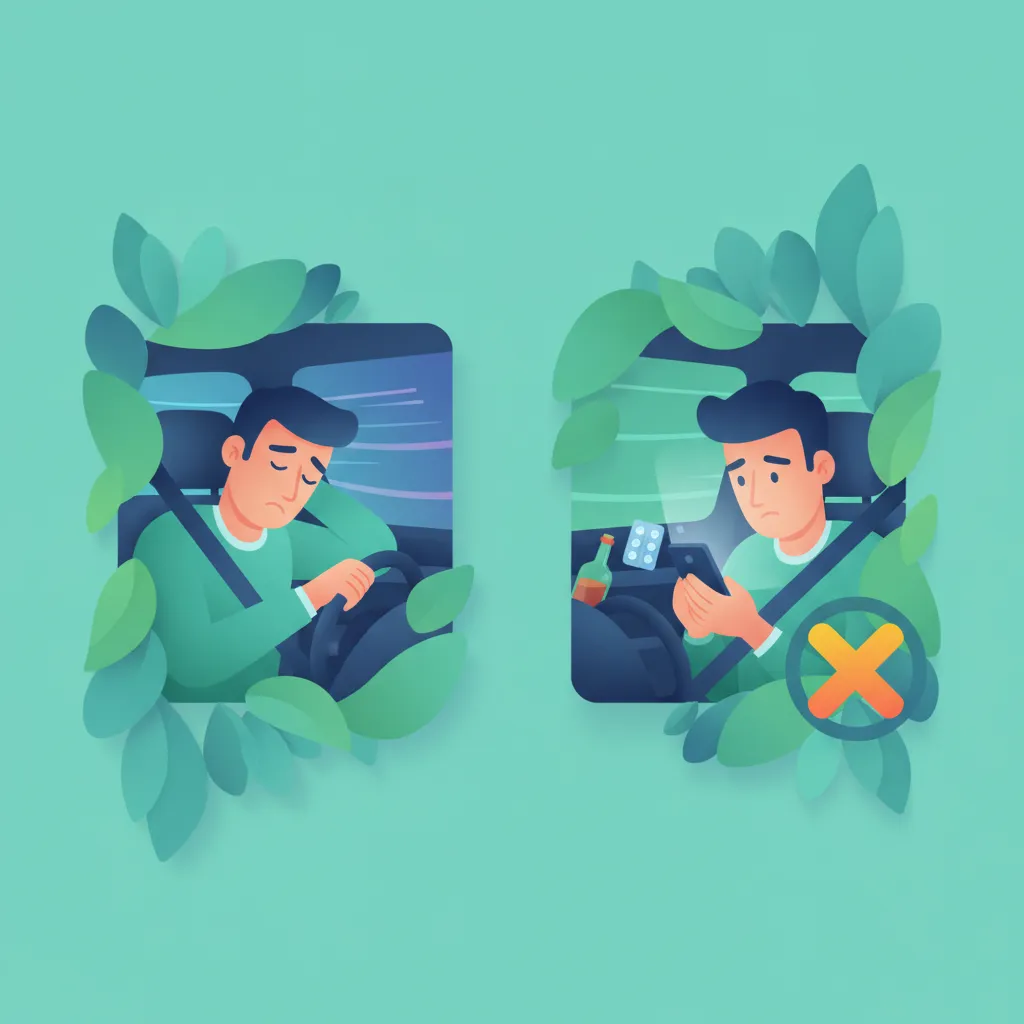
This lesson explains how various human factors can negatively impact a rider's performance. It details the effects of fatigue, alcohol, and certain medications on reaction time, judgment, and coordination. The content emphasizes the importance of self-awareness and making the responsible decision not to ride when impaired.
Explore how prescription and over-the-counter medications can impair driving ability in Switzerland. Learn about common side-effects, the importance of medical fitness declarations, and how to safely manage medication while driving.
For professional drivers, the rules regarding intoxicating substances are extremely strict. This lesson explains the severe effects of alcohol and illegal drugs on driving ability and the serious legal consequences of being caught under their influence. It also highlights the importance of checking with a doctor or pharmacist whether any prescribed or over-the-counter medication can cause drowsiness or otherwise impair driving.
This lesson explains how various human factors can negatively impact a rider's performance. It details the effects of fatigue, alcohol, and certain medications on reaction time, judgment, and coordination. The content emphasizes the importance of self-awareness and making the responsible decision not to ride when impaired.
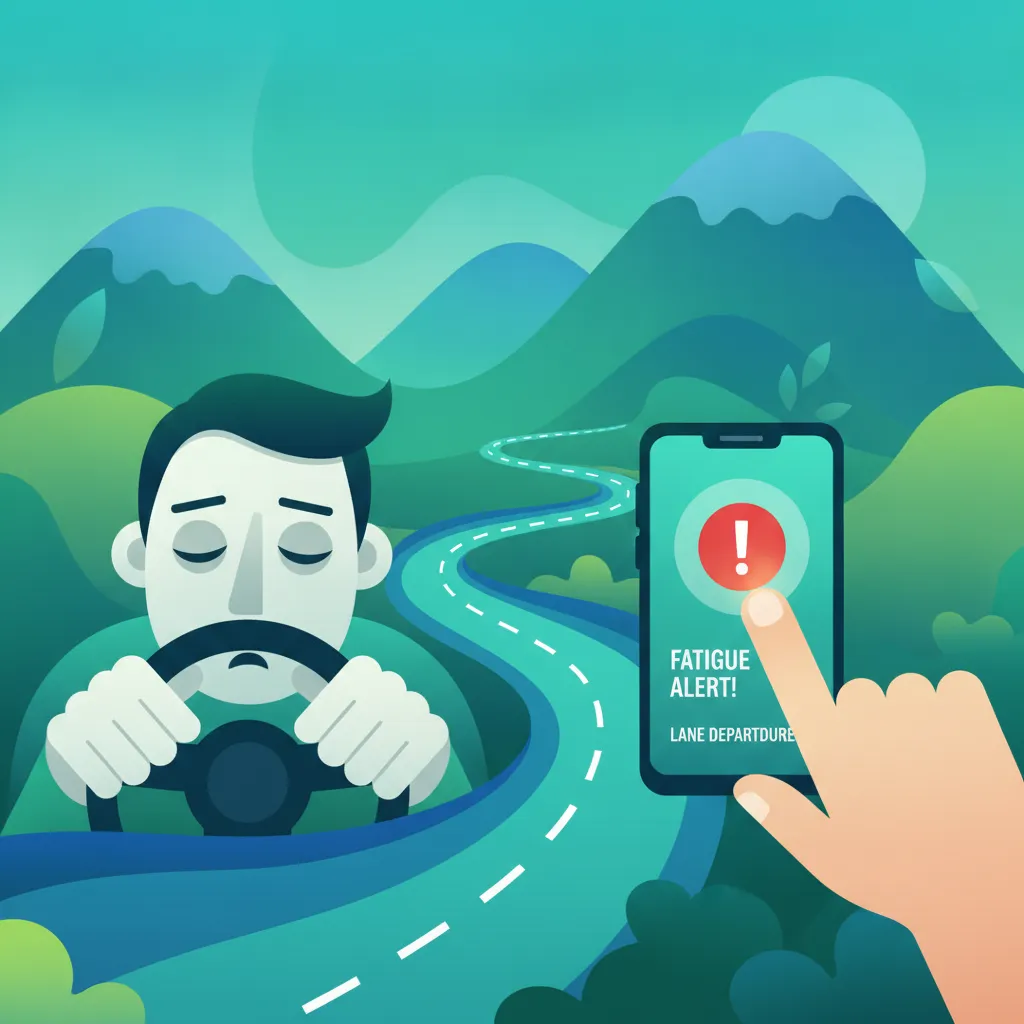
Fatigue is a major cause of accidents in the transport industry. This lesson teaches drivers to identify the early warning signs of tiredness, such as frequent yawning, heavy eyelids, and difficulty concentrating. It emphasizes that the only effective cure for fatigue is sleep and reinforces the legal and personal responsibility to take required breaks and never drive while tired.
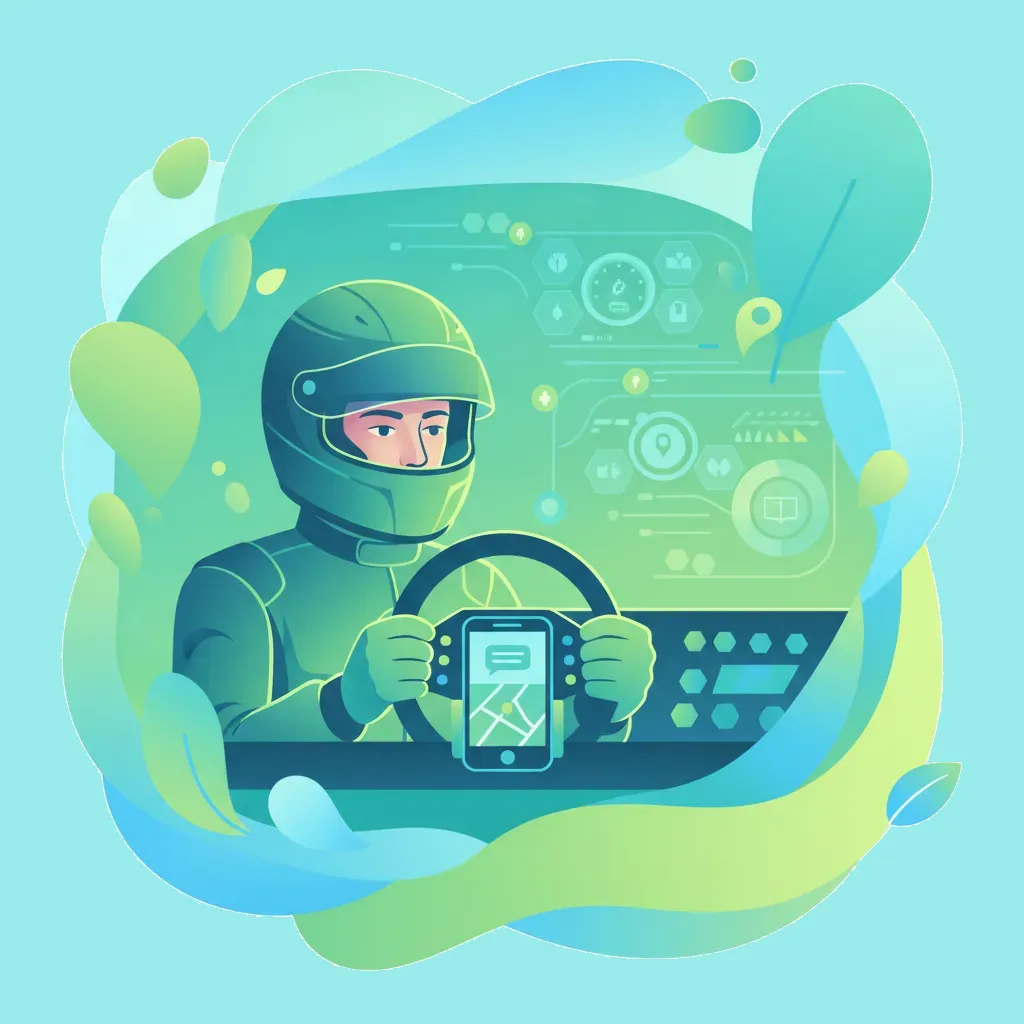
This lesson explores the psychological and physiological factors that affect driving performance, such as distraction, fatigue, and stress. It explains how mobile phone use and in-vehicle systems can impair concentration and how fatigue impacts reaction times. Strategies for managing stress and maintaining alertness while driving are also discussed.
Fatigue is a major cause of serious accidents involving professional drivers. This lesson teaches you to recognize the early warning signs of tiredness in yourself. It covers the Swiss rules on driving hours and rest periods, and provides practical strategies for staying alert and avoiding distractions while driving.
Find clear answers to common questions learners have about Alcohol, Drugs, and Medication Influence. Learn how the lesson is structured, which driving theory objectives it supports, and how it fits into the overall learning path of units and curriculum progression in Switzerland. These explanations help you understand key concepts, lesson flow, and exam focused study goals.
Learner drivers are subject to a strict zero-tolerance policy. This means you must have a blood alcohol concentration of 0.00% while driving under a learner permit.
No. If a medication affects your ability to drive safely, you are legally responsible for not operating a vehicle, even if the medication was prescribed by a physician.
During the three-year probationary period after passing your test, you are subject to the same zero-tolerance alcohol policy as learner drivers.
Yes. Refusing a mandatory breath test or medical assessment when suspected of driving under the influence can result in severe legal penalties, including immediate licence suspension.
Pinpoint specific Swiss traffic rules, road signs, or driving situations you need to master. Use the practice search to start a focused revision session now and build confidence for your official driving theory exam.