
This lesson guides you through the unique challenges of riding in tunnels, galleries, and over bridges in Switzerland. By understanding how light changes, temperature fluctuations, and crosswinds impact your motorcycle, you will be prepared for both the theory exam and real-world road safety.

Lesson content overview
Navigating tunnels, galleries, and bridges on a motorcycle presents unique challenges that demand specific awareness and riding techniques. These structures significantly alter the riding environment, impacting factors like visibility, temperature, and exposure to natural elements such as wind. Mastering safe passage through these areas is crucial for all riders preparing for their Swiss motorcycle theory exam for categories A and A1, ensuring both personal safety and compliance with Swiss traffic regulations.
This lesson delves into adapting to rapid changes in light and temperature, understanding tunnel emergency procedures, and anticipating the strong effects of crosswinds on bridges. By maintaining a steady speed and a predictable path, riders can mitigate common risks and enhance their safety in these specialized environments.
Riding through tunnels, galleries, and over bridges requires a proactive approach to safety, considering the altered dynamics and environmental shifts. Adhering to fundamental principles ensures you remain in control and visible to other road users, minimizing accident risk.
A constant velocity, adjusted for the specific conditions of the structure and any posted limits, is paramount. Sudden acceleration or deceleration can destabilize a motorcycle, particularly in environments with limited visibility or strong winds. Riders must use smooth throttle control and avoid abrupt changes when entering, riding within, or exiting these structures to ensure stability and predictability.
Consistently riding in a predictable lane position and trajectory allows other road users to anticipate your movements. This is especially vital where vision is restricted, such as inside tunnels, or where lateral forces from wind may cause deviations, like on bridges. Staying centered in your lane, avoiding unnecessary weaving, and executing early, clear lane changes are key practices.
Rapid shifts in illumination, particularly when entering or exiting a dark tunnel into bright daylight, significantly affect a rider's visual perception. Effective adaptation ensures sufficient reaction time and proper hazard detection. This involves using appropriate headlight settings, allowing your eyes time to adjust to light changes, and considering protective eyewear to manage glare.
Temperature changes within tunnels and on bridges can influence motorcycle performance and rider comfort. Cold tunnels, for instance, can affect tire pressure, potentially reducing grip, while prolonged exposure to sun on bridges can increase tire temperature. Regular tire pressure checks are crucial, and riders should be aware of how environmental temperatures might impact their vehicle's handling characteristics.
Bridges, especially long or high spans, are often exposed to strong crosswinds and sudden gusts. These lateral forces can significantly destabilize a motorcycle. Riders must learn to anticipate wind direction and speed, adjusting their speed, lean angle, and steering input proactively to counteract wind forces and maintain their lane position. Being prepared to slightly increase throttle can help maintain momentum against strong headwinds.
Familiarity with tunnel-specific safety equipment and emergency protocols is essential. This includes knowing the location of fire extinguishers, emergency exits, and understanding relevant signage. In the event of an incident like a breakdown or accident inside a tunnel, knowing the correct actions to take can facilitate safe evacuation or assistance, protecting yourself and others.
Tunnels present a unique set of challenges primarily related to rapid changes in light and the need for specific emergency preparedness.
The most immediate challenge when entering or exiting a tunnel is the rapid change in illumination.
Swiss tunnels are equipped with various safety features designed to assist in emergencies. Knowing these can be lifesaving.
If your motorcycle breaks down, try to steer it to the nearest emergency stop line or designated refuge area, if available.
Activate your hazard warning lights immediately to make your vehicle visible to approaching traffic.
If you must leave your vehicle, proceed to the nearest emergency exit following the marked signs.
Never attempt to walk into the traffic flow inside a tunnel.
Maintain a safe following distance from other vehicles, especially in tunnels, to provide adequate space for stopping or reacting to sudden incidents like smoke or a collision ahead.
Bridges, by their nature, are exposed structures that often present challenges from wind and temperature variations.
Bridges, particularly long and high spans, are highly susceptible to strong crosswinds and sudden gusts.
Temperature fluctuations can affect both the motorcycle and the road surface on bridges. Bridges can be significantly colder than surrounding roads in winter or warmer in direct sunlight.
Safe passage through tunnels and over bridges relies heavily on appropriate speed management and strict lane discipline.
Speed limits within tunnels are often lower than on open roads due to reduced visibility, confined spaces, and potential for rapid changes in conditions.
Always adhere strictly to posted speed limits. Even if no specific limit is displayed, riders should adjust their speed to match the prevailing conditions, such as reduced visibility, sharp curves, or heavy traffic. On bridges, especially during windy conditions, reducing speed is a proactive measure to maintain control and stability against lateral forces.
Lane discipline is critical in both tunnels and bridges. Staying within your marked lane and following traffic flow rules prevents collisions, particularly in low-visibility tunnels where lane markings serve as primary guidance.
Compliance with Swiss traffic regulations is mandatory when riding through tunnels and over bridges. These rules are designed to enhance safety for all road users.
Specific speed limits are often posted at tunnel entrances and may vary depending on the tunnel's length, curvature, and typical traffic volume. These limits are mandatory and must be observed throughout the tunnel. Exceeding them is a violation and significantly increases accident risk due to reduced reaction time and visibility. On bridges, while specific limits may not always be present solely for the bridge, general road speed limits apply, and riders should voluntarily reduce speed in adverse conditions like strong winds.
Riders must stay within their designated lane markings in both tunnels and on bridges. Overtaking is only permitted where indicated by clear road markings (e.g., a broken white line) and signage, and only when it is safe to do so. Crossing solid white lines to overtake is prohibited and dangerous, especially in confined spaces. Unnecessary lane changes should be avoided to maintain a predictable traffic flow.
If you encounter a breakdown or are involved in an incident inside a tunnel, it is recommended best practice to pull over to an emergency stop line or designated refuge area if one is available. Immediately activate your hazard warning lights to alert other drivers to your stationary vehicle. This increases your visibility and helps prevent further collisions. If an emergency stop line is not present, pull over as far to the right as safely possible.
Failing to adhere to safe riding practices in tunnels and on bridges can lead to dangerous situations and legal penalties.
The safety measures required can vary based on external conditions and the specific characteristics of the structure.
Mastering the unique challenges presented by tunnels, galleries, and bridges is vital for every motorcycle rider. Your ability to adapt quickly and ride predictably in these environments directly contributes to your safety and that of others.
By internalizing these principles and practices, you will be well-equipped to navigate these challenging structures safely and confidently, meeting the high standards required for your Swiss motorcycle licence theory course for categories A and A1.
This lesson covers the unique challenges motorcycle riders face in Swiss tunnels, galleries, and bridges, including rapid light transitions that require momentary speed reduction, crosswind effects that demand leaning into the wind and maintaining firm handlebar grip on exposed bridges, and tunnel-specific emergency procedures such as using emergency stop lines and hazard lights. Key regulations include mandatory dipped beam headlights in all tunnels and strict adherence to posted speed limits, which are lower than open roads due to confined conditions. The lesson also addresses temperature variations affecting tire pressure and grip, particularly on exposed bridge surfaces that can develop black ice faster than surrounding roads. Mastering these principles ensures both exam success and real-world safety when navigating Switzerland's specialized road structures.
A short set of high-value points that capture the most important learning from this lesson.
Always activate dipped beam headlights before entering any Swiss tunnel, regardless of external light conditions.
Reduce speed during tunnel entries to allow eye adaptation to darkness and prepare for glare upon exit.
On exposed bridges, lean into crosswinds and reduce speed to counteract lateral forces that can destabilize the motorcycle.
Use designated emergency stop lines in tunnels and activate hazard lights immediately if a breakdown occurs.
Maintain consistent speed and lane position in confined spaces; avoid sudden acceleration or deceleration that creates instability.
Explore all units and lessons included in this driving theory course.
Dipped beam (low beam) is mandatory inside Swiss tunnels; main beam (high beam) must be switched off upon entry.
Solid white lane markings prohibit overtaking in tunnels and on bridges due to limited space and visibility.
Bridges cool faster than surrounding roads, increasing the risk of black ice in freezing temperatures.
Swiss tunnel emergency equipment includes stop lines, fire extinguishers, emergency exits, and emergency telephones.
Wind gusts on high bridges can be sudden and stronger than on open roads, requiring proactive speed reduction.
Entering a tunnel without headlights on, reducing visibility to other road users and impairing path illumination.
Exceeding posted tunnel speed limits, which significantly reduces reaction time in low-visibility confined spaces.
Using main beam (high beam) inside tunnels, causing dangerous glare for oncoming and preceding traffic.
Maintaining insufficient following distance in tunnels, where sudden stops from incidents ahead leave no escape route.
Failing to reduce speed for crosswinds on bridges, leading to being pushed out of lane or losing control.
Lesson content overview
A short set of high-value points that capture the most important learning from this lesson.
Always activate dipped beam headlights before entering any Swiss tunnel, regardless of external light conditions.
Reduce speed during tunnel entries to allow eye adaptation to darkness and prepare for glare upon exit.
On exposed bridges, lean into crosswinds and reduce speed to counteract lateral forces that can destabilize the motorcycle.
Use designated emergency stop lines in tunnels and activate hazard lights immediately if a breakdown occurs.
Maintain consistent speed and lane position in confined spaces; avoid sudden acceleration or deceleration that creates instability.
Explore all units and lessons included in this driving theory course.
Dipped beam (low beam) is mandatory inside Swiss tunnels; main beam (high beam) must be switched off upon entry.
Solid white lane markings prohibit overtaking in tunnels and on bridges due to limited space and visibility.
Bridges cool faster than surrounding roads, increasing the risk of black ice in freezing temperatures.
Swiss tunnel emergency equipment includes stop lines, fire extinguishers, emergency exits, and emergency telephones.
Wind gusts on high bridges can be sudden and stronger than on open roads, requiring proactive speed reduction.
Entering a tunnel without headlights on, reducing visibility to other road users and impairing path illumination.
Exceeding posted tunnel speed limits, which significantly reduces reaction time in low-visibility confined spaces.
Using main beam (high beam) inside tunnels, causing dangerous glare for oncoming and preceding traffic.
Maintaining insufficient following distance in tunnels, where sudden stops from incidents ahead leave no escape route.
Failing to reduce speed for crosswinds on bridges, leading to being pushed out of lane or losing control.
Explore search topics learners often look for when studying Tunnels, Galleries, and Bridge Riding Safety. These topics reflect common questions about road rules, driving situations, safety guidance, and lesson level theory preparation for learners in Switzerland.
Browse additional driving theory lessons that cover connected traffic rules, road signs, and common driving situations related to this topic. Improve your understanding of how different rules interact across everyday traffic scenarios.
Learn essential safety protocols for navigating Swiss tunnels and bridges. Understand how to manage sudden light transitions, anticipate and counteract crosswinds, and maintain stable riding through these challenging environments.
This lesson explores the rules for driving on motorways and navigating tunnels. It covers entry and exit procedures, lane discipline, minimum speed requirements, and overtaking protocols on high-speed roads. For tunnels, the content explains speed limits, lighting, emergency exits, and ventilation requirements for safe travel.
This lesson outlines the specific rules and skills required for riding on high-speed Swiss motorways. It covers the correct procedures for entering and exiting, merging with traffic, maintaining appropriate speed, and conducting safe overtaking maneuvers. Emphasis is placed on using mirrors and signals effectively to integrate safely into the flow of traffic.
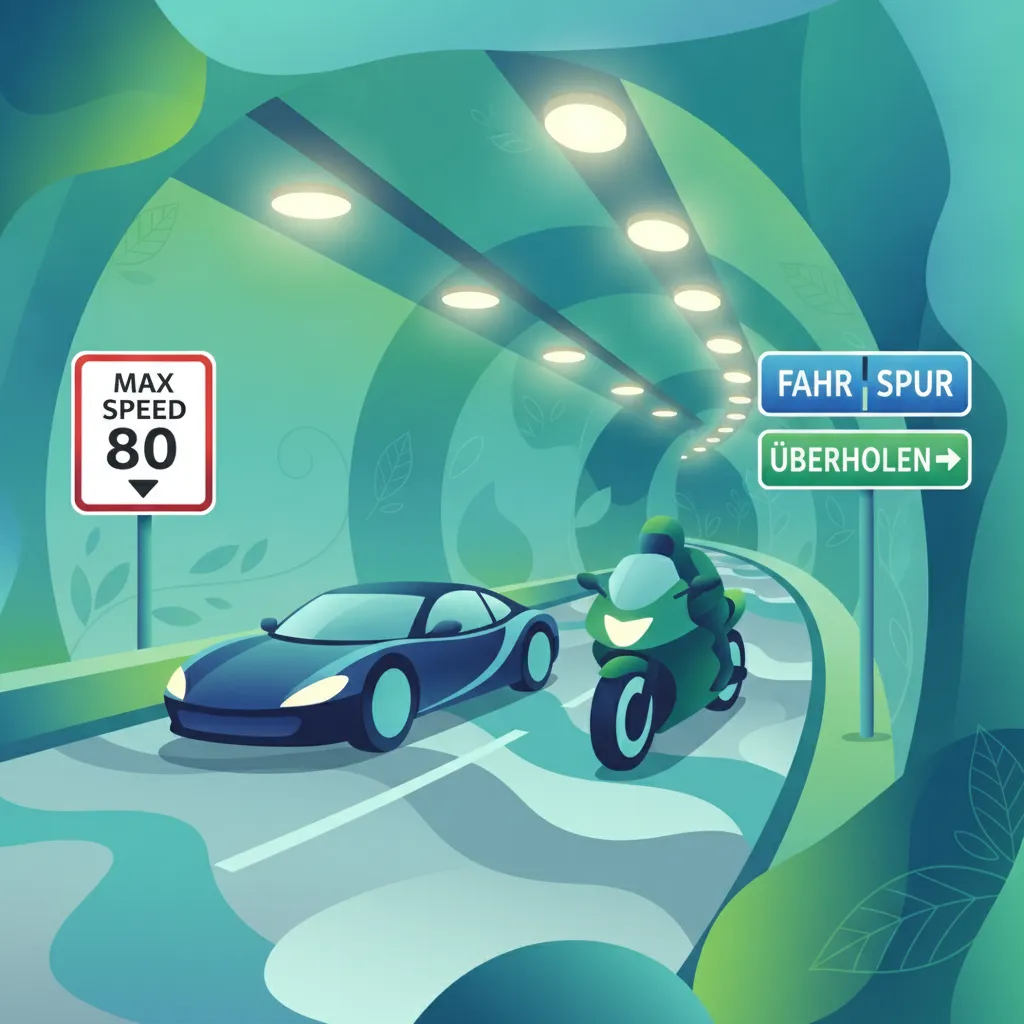
Tunnels are enclosed environments where incidents can quickly escalate. This lesson outlines the specific rules for tunnel driving: remove sunglasses, turn on dipped headlights, maintain a safe following distance, and tune the radio to the indicated frequency. It also covers the critical emergency procedures to follow in the event of a fire or breakdown inside a tunnel.
This lesson provides guidance on safely negotiating intersections and roundabouts on a motorcycle. It details the correct procedures for approach, lane selection, and yielding according to Swiss traffic regulations. Emphasis is placed on heightened awareness of other vehicles, cyclists, and pedestrians in these complex traffic environments.

This lesson focuses on mitigating the risk of collisions at intersections, particularly from vehicles turning across the rider's path. It teaches defensive strategies such as positioning for visibility, anticipating driver actions, and using head checks to be aware of surrounding traffic. Managing your own and others' blind spots is presented as a crucial survival skill.
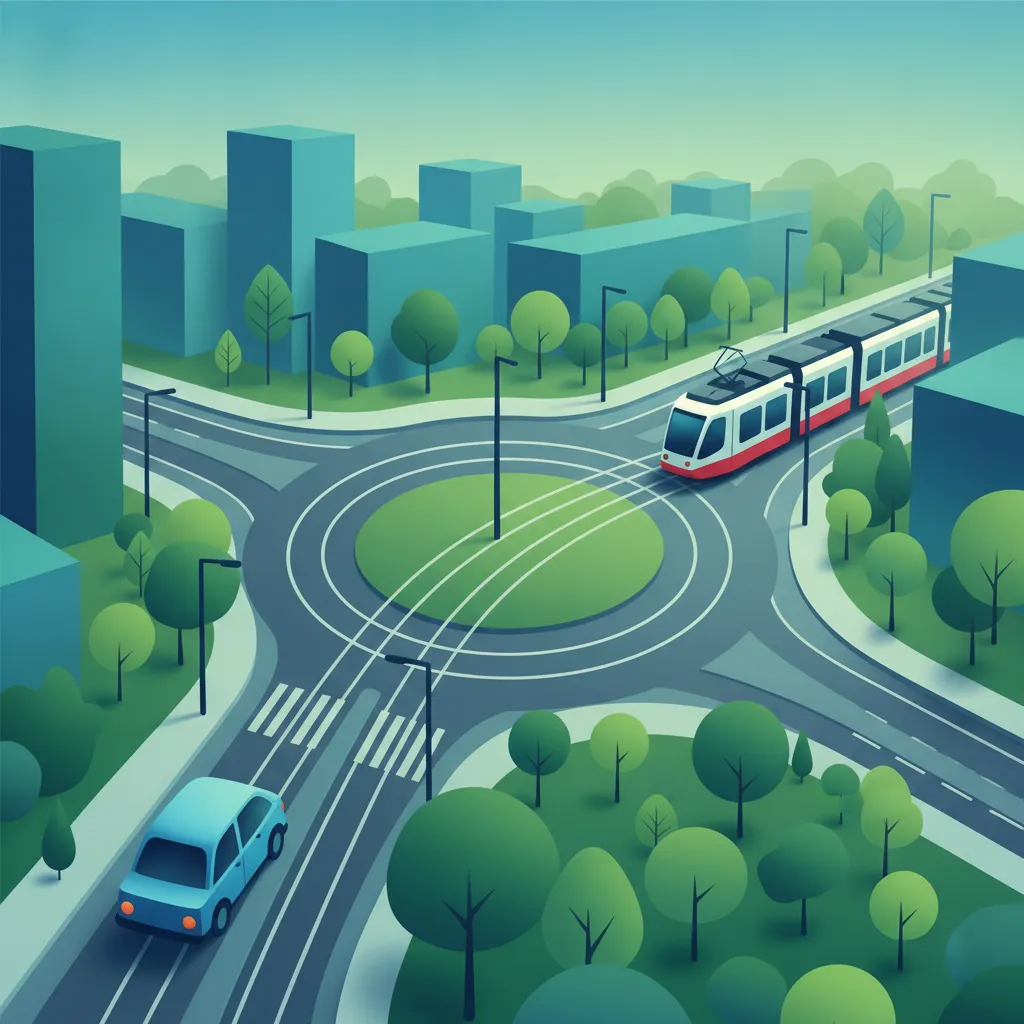
This lesson provides guidance on safely navigating roundabouts and tram lanes, common features in Swiss cities. It covers the rules for yielding, lane positioning within the roundabout, and signaling intentions upon exiting. Special attention is given to the hazards of crossing slippery tram tracks and sharing the road with public transport.

This lesson explores the complexities of riding in busy urban areas with a mix of traffic types. It covers strategies for safely navigating alongside buses, trams, cyclists, and pedestrians. Key topics include respecting designated lanes, anticipating the movements of vulnerable road users, and maintaining heightened situational awareness.

This lesson explores the typical features of rural and alpine roads, such as narrow lanes, sharp bends, and significant elevation changes. It discusses the need for heightened awareness due to limited sight distances and the potential for unexpected hazards like wildlife or agricultural vehicles. Riders will learn to adapt their speed and positioning for these challenging conditions.

This lesson outlines the principles of safe overtaking, emphasizing the importance of accurate judgment of speed and distance. It covers the necessary steps: checking mirrors, signaling, checking blind spots, executing the maneuver smoothly, and returning to the lane safely. The content is tailored to different road environments, from urban streets to rural roads.
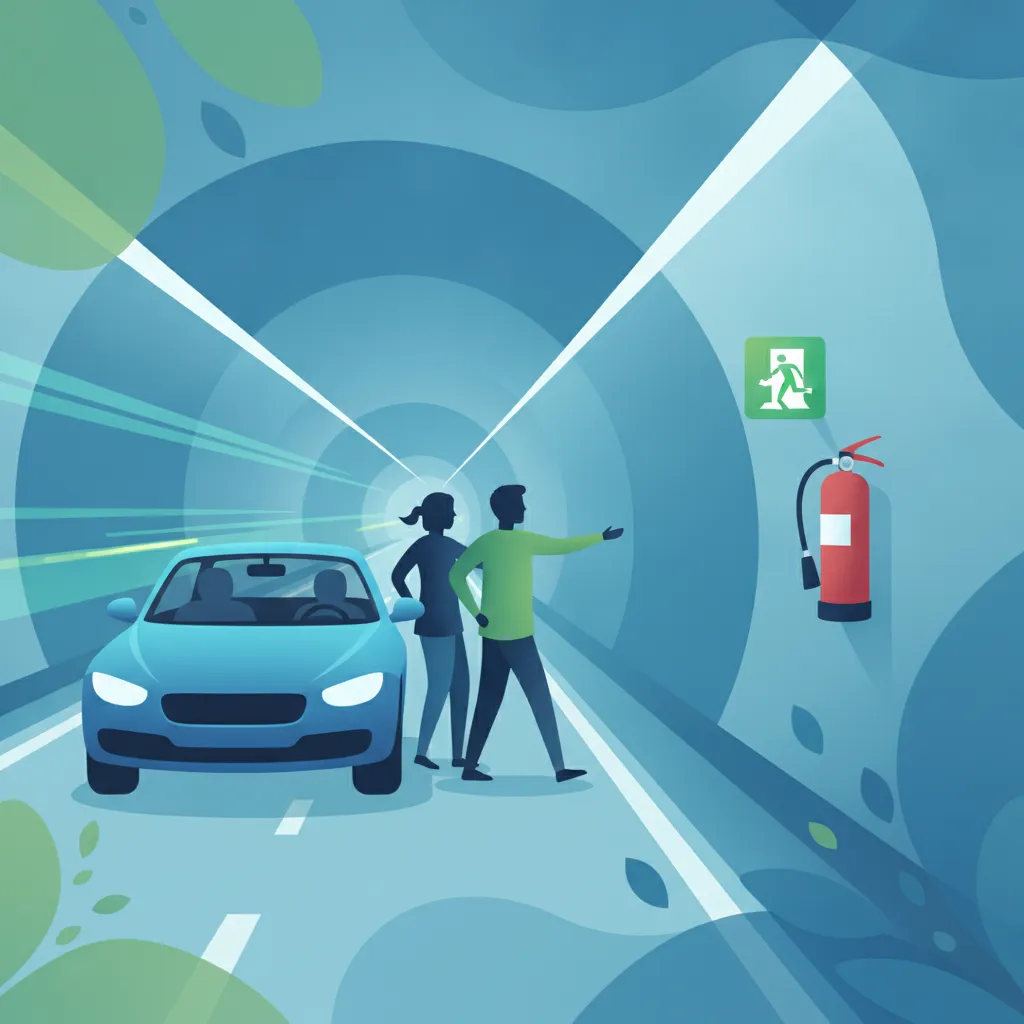
This lesson focuses on safety protocols specific to tunnel driving, explaining how to interpret tunnel signage and maintain appropriate speed. It covers how to respond to emergencies such as fires or breakdowns inside a tunnel. The content also details the location and use of emergency exits, the role of ventilation systems, and driver responsibilities.
This lesson covers crucial safety information for riding through tunnels and over bridges. Focuses on understanding tunnel emergency equipment, procedures for breakdowns, using hazard lights effectively, and general Swiss traffic regulations for these structures.
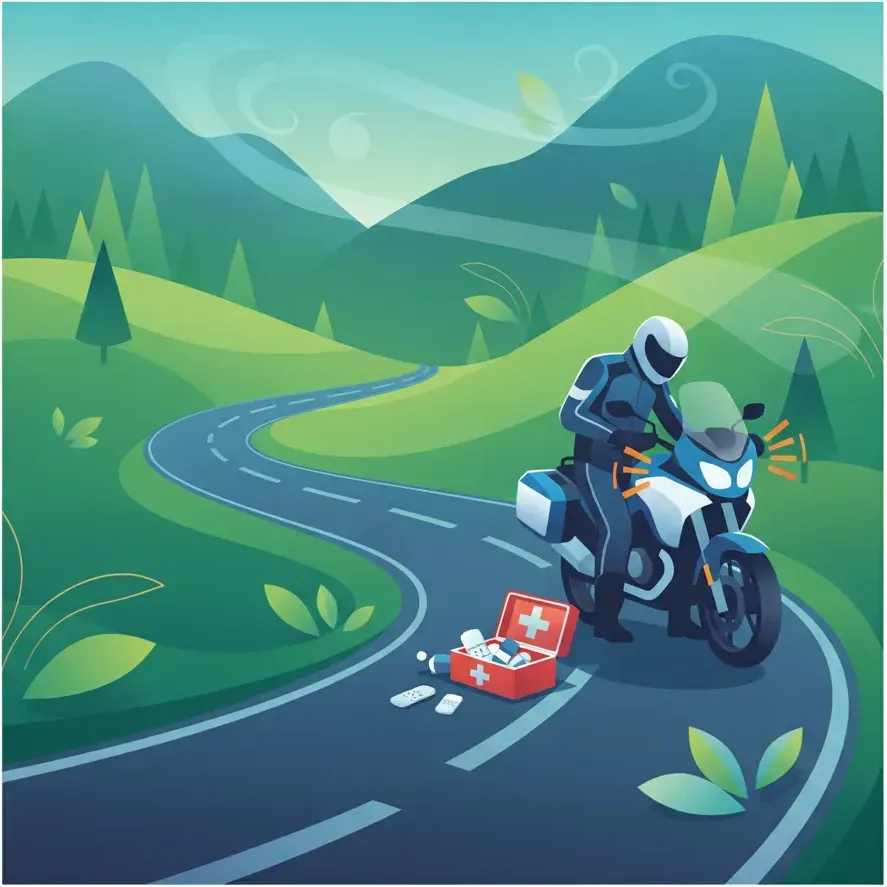
This lesson provides clear, actionable steps for managing a motorcycle breakdown safely. It covers moving the vehicle to a safe location, making yourself visible to other traffic with hazard lights and reflective gear, and contacting breakdown services. Following a proper protocol minimizes risk in a vulnerable situation.
This lesson focuses on safety protocols specific to tunnel driving, explaining how to interpret tunnel signage and maintain appropriate speed. It covers how to respond to emergencies such as fires or breakdowns inside a tunnel. The content also details the location and use of emergency exits, the role of ventilation systems, and driver responsibilities.
Tunnels are enclosed environments where incidents can quickly escalate. This lesson outlines the specific rules for tunnel driving: remove sunglasses, turn on dipped headlights, maintain a safe following distance, and tune the radio to the indicated frequency. It also covers the critical emergency procedures to follow in the event of a fire or breakdown inside a tunnel.

Tunnels are enclosed environments with unique risks. This lesson covers the mandatory pre-entry checks, such as removing sunglasses and turning on dipped headlights. It explains the importance of maintaining a greater following distance and outlines the critical emergency procedures in case of a breakdown or fire inside a tunnel.
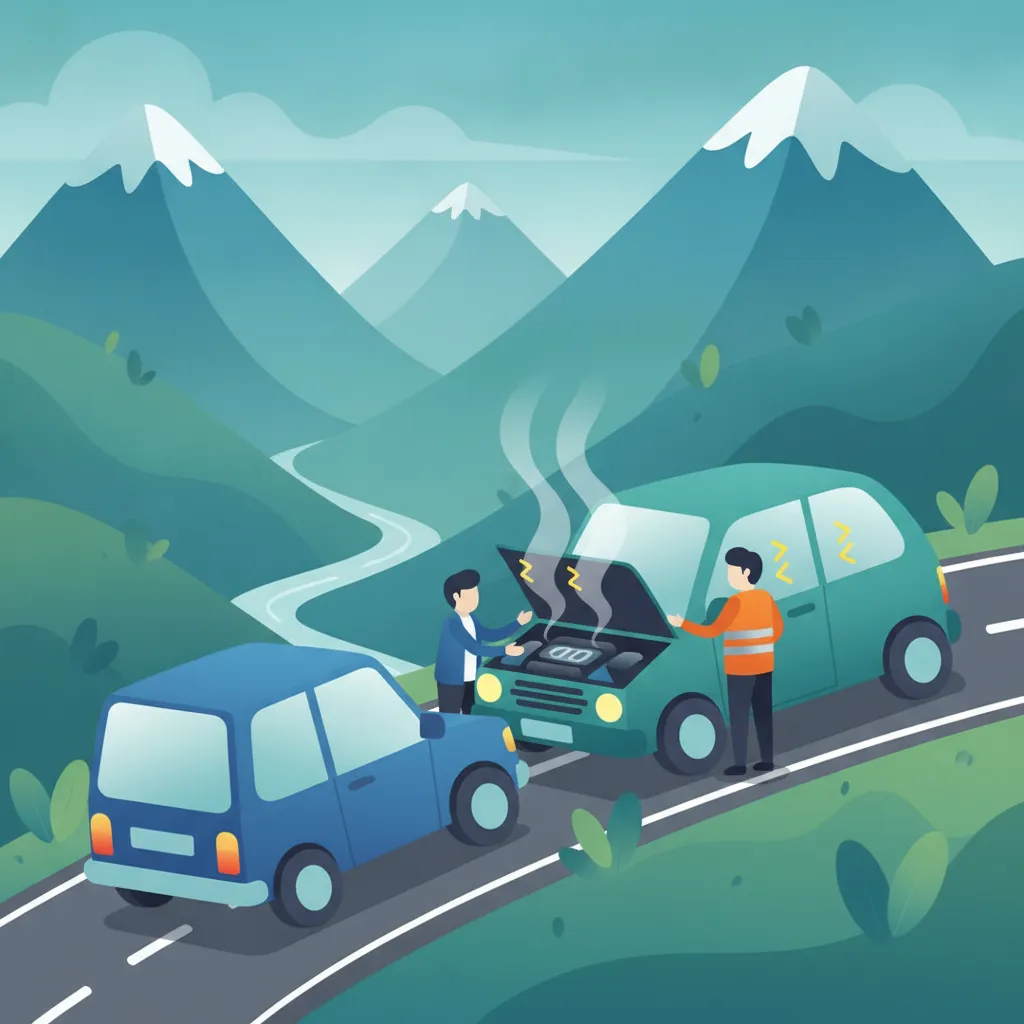
This lesson provides a practical guide for handling a vehicle breakdown. It covers the immediate steps to take, such as moving the vehicle off the road if possible and making it visible to other traffic using hazard lights. The content also explains how to contact breakdown services and what information to provide to them.

After stopping for an emergency, making the scene safe is the top priority. This lesson details the procedure: activate hazard warning lights, put on high-visibility clothing before exiting the cab, and place the warning triangle at the correct distance behind the vehicle (at least 100m on motorways). This warns approaching traffic and creates a safer environment for the driver and emergency responders.
This lesson explores the rules for driving on motorways and navigating tunnels. It covers entry and exit procedures, lane discipline, minimum speed requirements, and overtaking protocols on high-speed roads. For tunnels, the content explains speed limits, lighting, emergency exits, and ventilation requirements for safe travel.
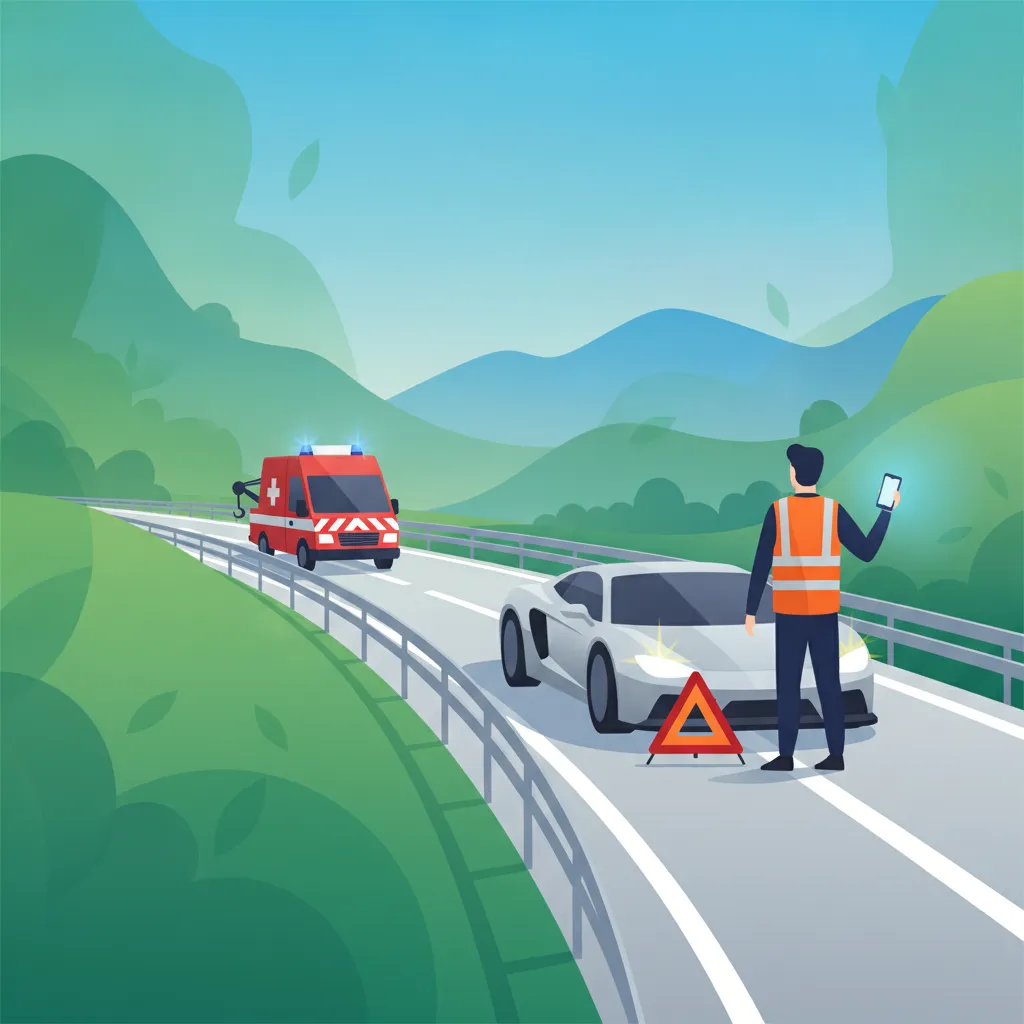
A breakdown can be a dangerous situation, especially on a busy road or motorway. This lesson provides a clear, sequential guide to follow. It includes pulling over to a safe location, activating hazard lights, placing the warning triangle, ensuring passenger safety, and contacting the appropriate services for assistance.
This lesson provides guidance on safely navigating roundabouts and tram lanes, common features in Swiss cities. It covers the rules for yielding, lane positioning within the roundabout, and signaling intentions upon exiting. Special attention is given to the hazards of crossing slippery tram tracks and sharing the road with public transport.
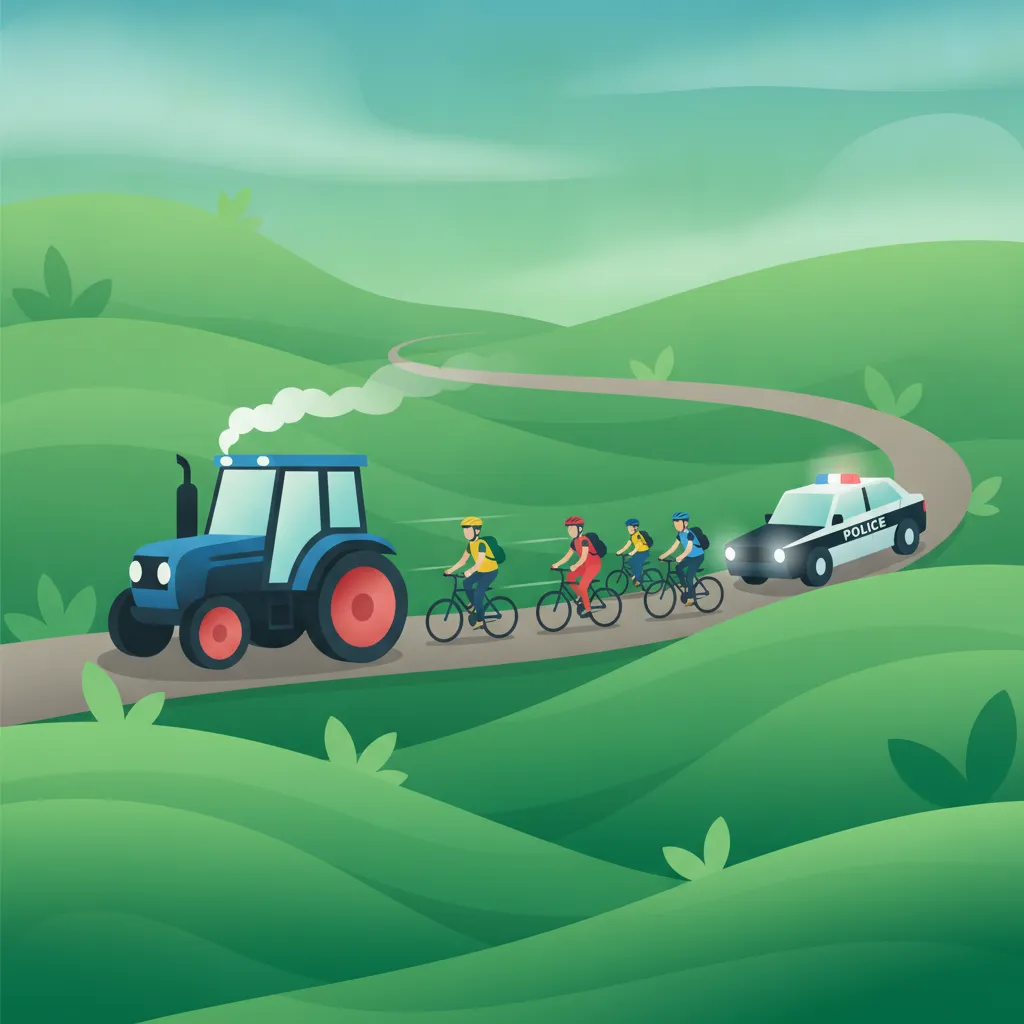
This lesson focuses on strategies for safely interacting with non-standard traffic common on rural roads. It covers how to anticipate the behaviour of slow-moving farm equipment and tourist vehicles, and the legal requirement to yield to emergency services. The importance of patience and safe passing opportunities is stressed.
Find clear answers to common questions learners have about Tunnels, Galleries, and Bridge Riding Safety. Learn how the lesson is structured, which driving theory objectives it supports, and how it fits into the overall learning path of units and curriculum progression in Switzerland. These explanations help you understand key concepts, lesson flow, and exam focused study goals.
You must ensure your headlight is on, maintain a steady speed, and be prepared for a sudden reduction in light intensity. Ensure your visor is clean and, if it is tinted, consider lifting it or switching to a clear visor before entry.
Bridges are often more exposed to strong crosswinds than the surrounding terrain. These gusts can suddenly push a motorcycle off its line, so you must keep a firm grip, avoid rigid posture, and be ready to make minor steering adjustments.
If possible, move the motorcycle to a designated breakdown bay or as far to the right as possible. Activate your hazard lights, put on your high-visibility vest, and use the emergency call point to contact authorities rather than walking in the tunnel traffic.
The exam often tests your understanding that the human eye takes time to adjust to dark tunnels and bright exits. You must demonstrate that you anticipate these changes by adjusting your speed well before the entrance or exit to remain in control.
Pinpoint specific Swiss traffic rules, road signs, or driving situations you need to master. Use the practice search to start a focused revision session now and build confidence for your official driving theory exam.