This lesson details all mandatory documents required for holding a Polish Category B driving licence and operating a vehicle. You'll learn about the vehicle registration certificate (dowód rejestracyjny), civil liability insurance (OC), and the certificate of technical inspection. Understanding these legal requirements is crucial for Unit 1: Legal Foundations and passing your Polish theory exam.

Lesson content overview
Operating a vehicle legally and safely on Polish public roads, especially with a Category B licence, requires understanding and maintaining a specific set of documents. These documents serve as official proof of your eligibility to drive, the legal status of your vehicle, and your financial responsibility in case of an accident. Familiarity with these requirements is crucial not only for passing your Polish driving theory test but also for avoiding potential fines, vehicle impoundment, or more serious legal repercussions.
This lesson provides a comprehensive overview of the mandatory documentation for both drivers and vehicles in Poland. We will delve into the purpose, practical meaning, and associated rules for each document, ensuring you are fully prepared for your future on the road.
As a driver, your primary responsibility is to prove your legal right to operate a motor vehicle. This involves several personal documents that confirm your identity, your qualifications, and your medical fitness.
The driving licence (Prawo Jazdy) is the most fundamental document for any driver in Poland. Issued by the Central Register of Drivers (CEPiK) through local administrative offices, it serves as official confirmation that you have met all necessary age, health, and training criteria, and have successfully passed both the theoretical and practical driving examinations for a specific vehicle category.
The Category B driving licence permits the operation of passenger cars and light commercial vehicles with a maximum permissible gross weight (DMC) not exceeding 3,500 kg. These vehicles can carry up to 8 passengers in addition to the driver.
It is legally required to carry your physical driving licence whenever you are operating a vehicle. Law enforcement officers may request to see it during routine checks, and failure to present a valid licence can lead to penalties. It's important to remember that this document has an expiry date, and it is the driver's responsibility to monitor and renew it to maintain continuous legal driving status.
Always keep your driving licence in a secure and accessible place within your person or vehicle. A quick check of its expiry date periodically can prevent unintended lapses in validity.
While your driving licence verifies your right to drive, a separate form of personal identification is essential for various administrative tasks related to driving. Your Polish ID card (dowód osobisty) or passport (paszport) is required when you apply for your driving licence, register a vehicle, or conduct other official paperwork with government bodies.
For non-Polish EU residents, a passport and residency card or other official proof of legal residence in Poland might be required for similar processes. These documents prevent identity fraud and ensure that all records, particularly those stored in the Central Register of Drivers (CEPiK), are accurate and linked to the correct individual.
Before you can obtain a Category B driving licence in Poland, you must undergo a medical examination (badanie lekarskie) and receive a medical certificate (orzeczenie lekarskie). This certificate confirms that you are physically and mentally fit to drive a motor vehicle without posing a danger to yourself or others. The assessment typically includes checks for vision, hearing, cardiovascular fitness, and neurological health.
For healthy individuals, the medical certificate is usually valid for 10 years, aligning with the typical validity period of the driving licence itself. However, for individuals with certain health conditions (e.g., diabetes, vision impairments), the certificate may be issued for a shorter period, requiring more frequent renewals. Neglecting to renew your medical certificate when required can lead to the suspension or invalidation of your driving licence.
Just as you need to be qualified to drive, your vehicle must also be legally permitted to be on the road. This involves a set of documents that prove its registration, technical compliance, and insurance coverage.
The vehicle registration certificate (dowód rejestracyjny) is a crucial document that legally links a specific vehicle to its owner(s) and provides essential technical data. It records details such as the vehicle identification number (VIN), make, model, engine capacity, fuel type, and its unique Polish registration number.
Historically, drivers were required to carry a physical copy of the dowód rejestracyjny in their vehicle. However, current Polish regulations allow for the electronic version of this document, which is stored in the Central Register of Vehicles (CEPiK), to be considered sufficient. While a physical copy is no longer strictly mandatory to carry, it is still advisable to keep one in your vehicle, as it can simplify roadside checks and other administrative procedures.
Upon the sale or transfer of ownership of a vehicle, the dowód rejestracyjny must be updated with the new owner's details within 30 days. Failure to do so can result in the previous owner remaining liable for fines or other legal issues incurred by the new owner. Any significant technical modifications to the vehicle also require updates to the registration certificate.
Mandatory Civil Liability Insurance (Ubezpieczenie OC) is a compulsory third-party insurance policy required for every vehicle registered in Poland. Its primary purpose is to financially protect victims of accidents or incidents caused by the insured vehicle. This means that if you are at fault in an accident, your OC policy will cover the costs of bodily injury to other individuals and property damage to other vehicles or property.
Ubezpieczenie OC is compulsory civil liability insurance that covers damages to third parties caused by the insured vehicle. It is a fundamental requirement for all vehicles operating on public roads in Poland.
Proof of valid OC insurance, often in the form of an insurance card or policy document, must be available and presented upon request during police checks. While a physical copy is no longer strictly mandatory to carry, having easy access to digital proof (e.g., on your phone) is essential. It is critical that your OC insurance is active at all times when the vehicle is on public roads. Even a single day's lapse in coverage can lead to significant fines from the Insurance Guarantee Fund (UFG) and potential vehicle impoundment.
Driving without valid Ubezpieczenie OC is a serious offense. It exposes you to significant financial liability in case of an accident and can lead to substantial fines and administrative penalties. Ensure your policy is always active and renewed before its expiry date.
The technical inspection certificate (świadectwo badania technicznego) confirms that your vehicle has undergone a periodic technical inspection and meets required safety and emission standards. These inspections are carried out at authorized Technical Inspection Stations (Stacja Kontroli Pojazdów). The goal is to ensure that all vehicles on the road are roadworthy and do not pose a risk to other road users or the environment.
The frequency of these inspections depends on the vehicle's age:
The certificate, or the entry in the dowód rejestracyjny (or CEPiK system), indicates the date of the next required inspection. Failure to present a valid technical inspection certificate during a police stop can result in fines, the vehicle being deemed unroadworthy, and potentially impoundment until the inspection is successfully completed.
Understanding the purpose of each document is only half the battle; knowing the rules governing their use and maintenance is equally important for legal compliance.
One of the most fundamental rules in Polish road law is that drivers must carry specific documents while operating a vehicle on public roads.
Drivers must carry their valid driving licence, vehicle registration certificate (dowód rejestracyjny, though electronic access is now sufficient), and proof of valid mandatory civil liability insurance (ubezpieczenie OC) while driving.
This rule, enshrined in the Polish Road Traffic Act, enables law enforcement to quickly verify a driver's eligibility, vehicle ownership, and insurance coverage during roadside checks. While physical copies of the dowód rejestracyjny and OC proof are no longer strictly mandatory to carry, it is always recommended to have them readily accessible, either physically or digitally on a mobile device, to avoid potential misunderstandings or delays during a police stop.
All essential driving and vehicle documents have specific validity periods or renewal intervals that drivers must diligently monitor.
Driving Licence: Renew your licence before its expiry date, especially if your medical certificate has a shorter validity period.
Ubezpieczenie OC: Ensure continuous coverage by renewing your policy before its current term expires. Even a one-day lapse can result in penalties.
Technical Inspection: Schedule your vehicle's technical inspection before the date indicated on your previous certificate or in the CEPiK system.
Medical Certificate: If you have a medical certificate with a limited validity, ensure you get re-examined and obtain a new certificate before it expires.
Failing to maintain the validity of any of these documents can lead to immediate legal consequences, from fines to the suspension of driving privileges or even the impoundment of your vehicle.
When a vehicle changes ownership, it is legally mandatory to update the vehicle registration certificate (dowód rejestracyjny) to reflect the new owner.
Upon the sale or transfer of a vehicle's ownership, the new owner is legally obligated to update the dowód rejestracyjny with their details within 30 days from the date of purchase.
This process typically involves both the buyer and seller completing necessary paperwork at the local registration office (Starostwo Powiatowe). The rationale behind this rule is to accurately assign legal responsibility for the vehicle, including tax obligations and any traffic violations or penalties incurred after the sale. If the transfer is not completed, the previous owner might remain legally liable for incidents involving the vehicle.
Neglecting your documentation responsibilities can lead to a range of penalties. Polish law has clear provisions to enforce these requirements.
This is one of the most serious document-related offenses. If caught driving with expired or no OC insurance, you can face substantial fines. The amount of the fine depends on the type of vehicle and the duration of the insurance gap. Furthermore, your vehicle can be impounded, and you will be personally liable for any damages caused in an accident.
While no longer strictly mandatory to carry a physical copy, if a driver cannot produce proof of registration (either physical or verifiable electronically) during a police check, they may receive a fine. The police may also initiate further checks to confirm the vehicle's legal status.
Driving a vehicle past its technical inspection expiry date renders it unroadworthy in the eyes of the law. Police can issue a fine, and may also issue a stop-order, preventing further use of the vehicle until a valid inspection certificate is obtained. In severe cases where the vehicle poses an immediate threat, it can be impounded.
If a newly acquired vehicle's registration is not updated within the 30-day legal limit, the new owner may face a fine. Critically, the previous owner may remain liable for fines and other legal issues related to the vehicle if the transfer is not properly recorded in the CEPiK system.
Using an expired, suspended, or revoked driving licence is a serious offense that can lead to substantial fines, further licence suspension, or even criminal charges, especially if it results from neglecting to renew a required medical certificate or from prior traffic violations. Using a foreign licence without proper conversion, if required, also falls under this category for long-term residents.
The importance and scrutiny of your documents can sometimes be influenced by external factors or specific situations.
In adverse weather conditions like heavy rain, snow, or fog, or on high-speed roads such as motorways and expressways, police may place an increased emphasis on verifying vehicle documentation. This is because vehicle safety and driver accountability become even more critical in situations where the risk of an accident is elevated. Missing or invalid documents could lead to immediate enforcement actions, such as preventing further travel.
When driving a Polish-registered vehicle into other EU countries, you are generally required to carry the same essential documents: your driving licence, the dowód rejestracyjny, and proof of valid OC insurance. While the format of these documents is often recognized across the EU, it's always prudent to carry physical copies, especially for the dowód rejestracyjny and OC proof, as digital verification systems might differ between countries. Some non-EU countries might even require an International Driving Permit in addition to your Polish licence.
If you are operating a vehicle under special conditions, such as towing a heavy trailer (requiring a B+E category licence) or carrying hazardous loads, the scrutiny of your documents will be even higher. Specific permits, additional insurance clauses, and more frequent technical inspections might be mandatory, and all related documentation must be impeccable.
Understanding document requirements is not an isolated topic. It directly links to several other critical areas of your Polish driving theory curriculum:
The legal operation of a vehicle in Poland is deeply intertwined with proper documentation. Maintaining the validity and accessibility of these documents is a core responsibility of every driver.
To ensure continuous legal compliance, keep this checklist in mind:
By diligently managing these documents, you demonstrate responsibility and ensure that your driving experience in Poland remains safe, legal, and free from unnecessary complications.
This lesson covers the mandatory documents required for legally driving a Category B vehicle in Poland: the driving licence (Prawo Jazdy), medical certificate (Orzeczenie Lekarskie), vehicle registration certificate (dowód rejestracyjny), mandatory OC insurance (Ubezpieczenie OC), and technical inspection certificate (Świadectwo Badania Technicznego). Each document has specific purposes, validity periods, and renewal rules that drivers must actively monitor. Non-compliance with any of these requirements can result in fines, vehicle impoundment, licence suspension, and personal liability for damages caused in accidents.
A short set of high-value points that capture the most important learning from this lesson.
Your Polish driving licence (Prawo Jazdy) confirms eligibility for specific vehicle categories and must be carried while driving, with its validity tied to your medical certificate.
The vehicle registration certificate (dowód rejestracyjny) links a vehicle to its owner with technical data and must be updated within 30 days of any ownership change.
Mandatory Civil Liability Insurance (Ubezpieczenie OC) must remain continuously active; even one day without coverage results in fines and potential vehicle impoundment.
Technical inspections follow fixed schedules: new vehicles before year 3, vehicles aged 3-5 years before year 5, and vehicles over 5 years require annual inspections.
All essential documents have expiry dates or renewal intervals, and it is the driver's sole responsibility to maintain their currency.
Explore all units and lessons included in this driving theory course.
Polish Category B licence permits driving vehicles up to 3,500 kg gross weight with up to 8 passengers; medical certificates are typically valid 10 years for healthy individuals.
While digital copies of dowód rejestracyjny and OC insurance are now legally sufficient in Poland, carrying physical copies is still recommended to avoid complications during checks.
New vehicle owners must register technical inspections before the third anniversary; the previous owner may remain legally liable if ownership transfer is not recorded within 30 days.
The Central Register of Drivers and Vehicles (CEPiK) stores official digital records of driving licences, vehicle registrations, and insurance status.
Operating a vehicle with expired technical inspection renders it legally unroadworthy and can result in fines, a stop-order, or impoundment.
Assuming OC insurance can lapse briefly without consequences; even one day without coverage triggers fines from the Insurance Guarantee Fund (UFG).
Neglecting to verify the medical certificate validity period, especially for drivers with health conditions who may have shorter validity periods.
Failing to update the dowód rejestracyjny after purchasing a used vehicle, leaving the previous owner legally responsible for the vehicle.
Not scheduling the next technical inspection before the current certificate expires, leading to unintentional driving with an invalid inspection.
Assuming that digital-only proof of documents eliminates all risk during roadside checks if electronic verification systems are unavailable or malfunctioning.
Lesson content overview
A short set of high-value points that capture the most important learning from this lesson.
Your Polish driving licence (Prawo Jazdy) confirms eligibility for specific vehicle categories and must be carried while driving, with its validity tied to your medical certificate.
The vehicle registration certificate (dowód rejestracyjny) links a vehicle to its owner with technical data and must be updated within 30 days of any ownership change.
Mandatory Civil Liability Insurance (Ubezpieczenie OC) must remain continuously active; even one day without coverage results in fines and potential vehicle impoundment.
Technical inspections follow fixed schedules: new vehicles before year 3, vehicles aged 3-5 years before year 5, and vehicles over 5 years require annual inspections.
All essential documents have expiry dates or renewal intervals, and it is the driver's sole responsibility to maintain their currency.
Explore all units and lessons included in this driving theory course.
Polish Category B licence permits driving vehicles up to 3,500 kg gross weight with up to 8 passengers; medical certificates are typically valid 10 years for healthy individuals.
While digital copies of dowód rejestracyjny and OC insurance are now legally sufficient in Poland, carrying physical copies is still recommended to avoid complications during checks.
New vehicle owners must register technical inspections before the third anniversary; the previous owner may remain legally liable if ownership transfer is not recorded within 30 days.
The Central Register of Drivers and Vehicles (CEPiK) stores official digital records of driving licences, vehicle registrations, and insurance status.
Operating a vehicle with expired technical inspection renders it legally unroadworthy and can result in fines, a stop-order, or impoundment.
Assuming OC insurance can lapse briefly without consequences; even one day without coverage triggers fines from the Insurance Guarantee Fund (UFG).
Neglecting to verify the medical certificate validity period, especially for drivers with health conditions who may have shorter validity periods.
Failing to update the dowód rejestracyjny after purchasing a used vehicle, leaving the previous owner legally responsible for the vehicle.
Not scheduling the next technical inspection before the current certificate expires, leading to unintentional driving with an invalid inspection.
Assuming that digital-only proof of documents eliminates all risk during roadside checks if electronic verification systems are unavailable or malfunctioning.
Explore search topics learners often look for when studying Required Documents and Registrations. These topics reflect common questions about road rules, driving situations, safety guidance, and lesson level theory preparation for learners in Poland.
Browse additional driving theory lessons that cover connected traffic rules, road signs, and common driving situations related to this topic. Improve your understanding of how different rules interact across everyday traffic scenarios.
Understand all necessary documents for your Polish Category B driving licence application and vehicle registration. This lesson details identification, vehicle papers, mandatory insurance (OC), and technical inspection requirements.
This lesson provides a detailed overview of Polish driving licence classifications, focusing on the privileges and limitations of Category B. It clarifies the minimum age requirement, the necessity of a medical certificate, and the process of enrolling in a driving school. The content outlines the steps to pass both the theory and practical exams to obtain a full licence, ensuring candidates understand all prerequisites.
This lesson enumerates the mandatory safety equipment every vehicle must carry in Poland, such as a warning triangle and a fire extinguisher. It explains their proper use and storage, alongside routine pre-journey inspections that a driver should perform. These checks include verifying lights, tire pressure, and fluid levels to ensure the vehicle is roadworthy and compliant with safety regulations.

This lesson details the exact requirements to qualify for a Category D driving licence. It covers the minimum age, the mandatory medical examinations for health fitness, and the hierarchy of prerequisite licences like Category B and C. You will also learn about the accredited training process and the necessary documentation for certification.
This lesson examines the compulsory training structure for professional Category C drivers. It outlines the required components of certified training programs, including both theoretical instruction and practical driving experience. Learners will understand the standards for competence assessment, the structure of the official licensing examinations, and the legal obligation to maintain accurate training records to demonstrate compliance with professional driver qualifications.
This lesson explains the scope of the Category T licence, distinguishing it from other categories and outlining the vehicles covered, such as agricultural and forestry vehicles. It details the legal basis for operating these vehicles on public roads, including specific provisions in the Prawo o ruchu drogowym. Learners will understand the regulatory environment defining where and how Category T vehicles may be driven within Poland.
This lesson details the formal prerequisites for obtaining a Category T licence, focusing on the minimum age and mandatory health assessment. It outlines the specific medical certificates required, the process for submitting proof of identity and residency, and the role of the local road transport office. The content also clarifies the importance of maintaining up-to-date health documentation and the legal consequences of non-compliance.

In this lesson, learners explore the administrative aspects of obtaining and maintaining a motorcycle licence, including the necessary documentation such as identity proof, medical certificates, and training completion records. It explains the steps for submitting an application, understanding fee structures, and the typical processing timeline administered by Polish licensing authorities. The lesson also covers renewal procedures and best practices for ensuring procedural compliance throughout the licence lifecycle.
This lesson details the structured pathway to acquiring a Polish Category C driving licence. It explains the necessary eligibility criteria, such as holding a valid Category B licence and meeting the minimum age requirement. Learners will understand the sequence of the licensing process, from submitting the initial application to passing both the theoretical and practical examinations, ensuring full awareness of the regulatory journey to becoming a professional HGV driver.
This lesson defines the scope of vehicles permitted under a Category B licence, primarily passenger cars up to 3,500 kg maximum permissible mass. It clarifies the rules on seating capacity and the regulations for towing trailers, distinguishing between a standard B licence and a B+E entitlement. Understanding these classifications ensures drivers operate vehicles legally and safely.

This lesson delineates each motorcycle licence category defined in Polish law, explaining the technical specifications of vehicles allowed under AM, A1, A2, and A. It clarifies the age limits and competency criteria required for each category, highlighting how riders can progress from a light two-wheel vehicle to high-performance motorcycles. The content also outlines the mandatory training modules that must be completed to obtain each licence tier, ensuring learners understand the legal framework governing their riding privileges.
Learn about the critical documents proving your vehicle's legal status in Poland, including the registration certificate (dowód rejestracyjny) and mandatory civil liability insurance (OC). Essential for roadworthiness and avoiding penalties.
This lesson enumerates the mandatory safety equipment every vehicle must carry in Poland, such as a warning triangle and a fire extinguisher. It explains their proper use and storage, alongside routine pre-journey inspections that a driver should perform. These checks include verifying lights, tire pressure, and fluid levels to ensure the vehicle is roadworthy and compliant with safety regulations.
This lesson defines the scope of vehicles permitted under a Category B licence, primarily passenger cars up to 3,500 kg maximum permissible mass. It clarifies the rules on seating capacity and the regulations for towing trailers, distinguishing between a standard B licence and a B+E entitlement. Understanding these classifications ensures drivers operate vehicles legally and safely.
This lesson outlines the legal responsibilities of tractor drivers as stipulated by Polish traffic law, emphasizing the duty to comply with all rules of the road. It discusses the liability framework for accidents involving agricultural vehicles, including the need for appropriate insurance and potential penalties. The lesson also explains the importance of maintaining accurate documentation, such as registration papers and a driver’s licence.
In this lesson, learners examine the core legal obligations that apply to motorcyclists operating on Polish roads, including the mandatory use of helmets, periodic vehicle inspections, and the necessity of valid insurance and registration. The content details the classification of traffic offences and explains the associated penalty system, including fines, demerit points, and potential licence suspension. Additionally, the lesson outlines procedural requirements for accident reporting and interaction with law enforcement, providing a comprehensive view of a rider’s legal responsibilities.
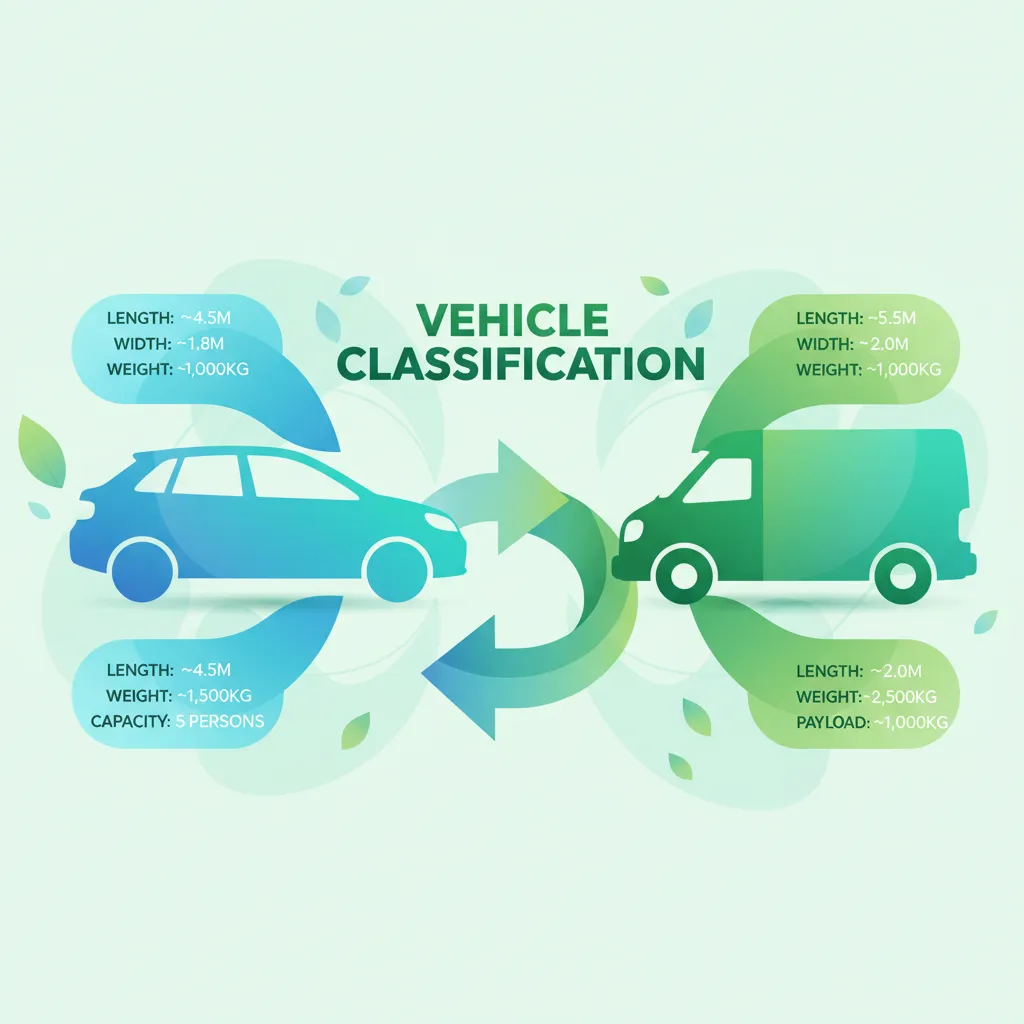
This lesson focuses on the precise classification of agricultural vehicles as defined by Polish law, differentiating between tractors, forestry machines, and trailers. It examines the legal parameters such as maximum permissible weight, width, height, and length that affect roadworthiness certifications. The lesson clarifies terminology used in official documents, ensuring learners can correctly identify the vehicles they are permitted to operate.
This lesson examines the compulsory training structure for professional Category C drivers. It outlines the required components of certified training programs, including both theoretical instruction and practical driving experience. Learners will understand the standards for competence assessment, the structure of the official licensing examinations, and the legal obligation to maintain accurate training records to demonstrate compliance with professional driver qualifications.

This lesson provides a detailed breakdown of vehicle classifications relevant to the Category C licence. It explains the concept of 'dopuszczalna masa całkowita' (permissible total weight) and how it defines a vehicle's category. Learners will identify different truck types, such as rigid vehicles, based on their axle configurations and understand the specific roadworthiness and registration requirements for each class, ensuring correct vehicle operation under the law.
This lesson explains the scope of the Category T licence, distinguishing it from other categories and outlining the vehicles covered, such as agricultural and forestry vehicles. It details the legal basis for operating these vehicles on public roads, including specific provisions in the Prawo o ruchu drogowym. Learners will understand the regulatory environment defining where and how Category T vehicles may be driven within Poland.
This lesson outlines the statutory speed limits that professional drivers of Category C vehicles must adhere to on Polish roads. It clearly distinguishes the maximum permitted speeds in built-up areas, on single carriageways, and on motorways. The content also explains how to interpret road signs that may indicate temporary or vehicle-specific speed restrictions, ensuring drivers remain compliant with the law and avoid penalties from speed enforcement measures.

This lesson examines the family of regulatory signs that dictate mandatory actions and prohibitions on Polish roads, emphasizing how each sign influences motorcyclist behaviour. Learners will explore the stop, give way, speed limit, and no overtaking signs, understanding the legal obligations they impose. The lesson also highlights signs that specifically affect motorcycles, such as lane restrictions, ensuring riders recognize and obey regulations unique to two-wheel traffic.
Find clear answers to common questions learners have about Required Documents and Registrations. Learn how the lesson is structured, which driving theory objectives it supports, and how it fits into the overall learning path of units and curriculum progression in Poland. These explanations help you understand key concepts, lesson flow, and exam focused study goals.
The 'dowód rejestracyjny' is the vehicle registration certificate in Poland. It's crucial because it proves your vehicle is legally registered and contains essential information about it, such as make, model, VIN, and owner details. It must always be carried when driving.
Yes, civil liability insurance (OC) is legally mandatory for every registered vehicle in Poland. It covers damages caused to third parties in an accident. Driving without valid OC insurance results in significant fines and legal consequences.
New vehicles in Poland typically require their first technical inspection after 3 years, then after 2 years, and subsequently annually. For older vehicles, it's generally annual. You'll need your 'dowód rejestracyjny' for the inspection. A valid certificate is essential for legal operation.
If stopped by Polish police and you cannot present your valid 'dowód rejestracyjny', proof of OC insurance, or technical inspection certificate, you may face a fine. While electronic verification is increasingly common, it's still best practice to carry physical or digital proof when driving.
As of recent changes, you are generally not required to carry your physical driving licence, vehicle registration certificate (dowód rejestracyjny), or proof of OC insurance when driving in Poland, as authorities can verify them electronically. However, it is still advisable to have them, especially if traveling abroad, and to be prepared to present them if requested.
Build custom practice sessions tailored precisely to your needs. Focus on areas requiring improvement, review specific Polish road signs, or master complex traffic rules to ensure full preparation for your official driving license exam.