
This lesson details the critical safety procedures to follow if your motorcycle breaks down on Swiss roads. You will learn how to secure your vehicle, ensure your visibility to other traffic, and communicate effectively with emergency services to maintain safety in high-stress situations.
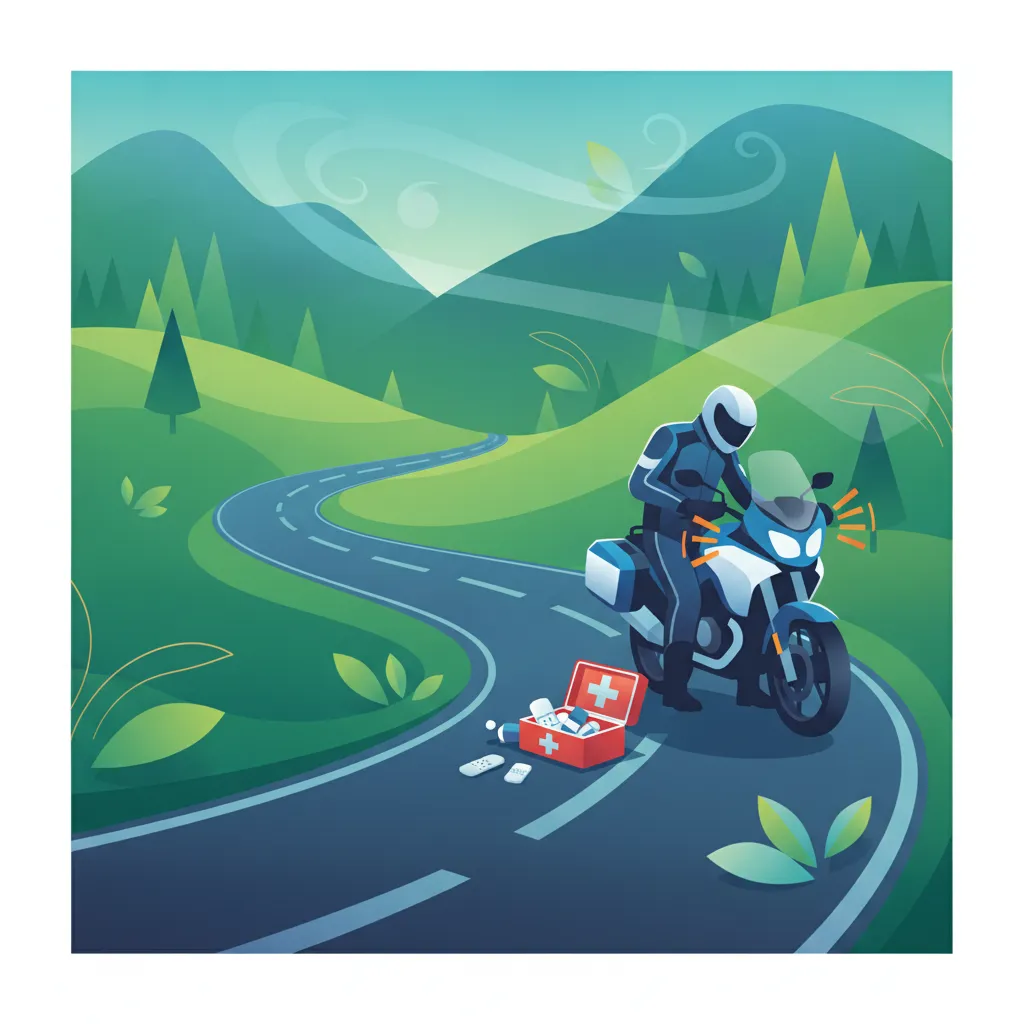
Lesson content overview
Navigating the roads on a motorcycle offers unparalleled freedom, but it also demands a thorough understanding of emergency procedures. A breakdown or an unexpected stop can quickly turn a routine ride into a hazardous situation. This comprehensive guide outlines the essential steps and legal obligations for managing a motorcycle breakdown safely and effectively on Swiss roads, aligning with the requirements for the Swiss Motorcycle Licence Theory Course for Categories A and A1.
The primary goal is to empower riders to handle roadside emergencies with confidence, minimizing risks to themselves and other road users. By understanding and adhering to proper protocols, you can transform a vulnerable situation into a controlled one, ensuring your safety and compliance with Swiss traffic regulations.
When your motorcycle unexpectedly stops or becomes unridable, your immediate reactions are crucial. The moments after a breakdown are often the most dangerous due to the sudden static obstacle your vehicle presents to moving traffic. Prioritizing safety through quick and decisive actions is paramount.
Upon recognizing a breakdown, such as engine failure, a flat tire, or a mechanical issue, your first priority is to signal your intentions to other road users. Gradually reduce your speed while looking for a safe place to pull over. Activating your hazard warning lights is the most effective way to communicate distress to other drivers. These lights flash both front and rear signals simultaneously, indicating that your motorcycle is stationary or in an unusual position.
Even if you're still moving slowly, activating hazard lights early alerts others to your predicament, allowing them more time to react and adjust their speed and position.
Identifying an appropriate location to stop is critical for personal safety and maintaining traffic flow. A safe pull-over spot is defined as a location off the main carriageway where your motorcycle can be placed without obstructing traffic or exposing you to unnecessary risk.
Scan the surroundings: Look for hard shoulders, emergency bays, or side roads.
Avoid dangerous areas: Do not stop on blind curves, at the crest of hills, in tunnels, or where visibility is poor. Never stop in a traffic lane if it can be avoided.
Consider road type: Motorways offer hard shoulders, while rural roads might only have narrow verges. Always prioritize getting as far away from the flow of traffic as possible.
Positioning the motorcycle: Once safely off the main carriageway, position your motorcycle so that it faces the direction of traffic. In Switzerland, this typically means facing forward on the right-hand side of the road or shoulder. This orientation enhances your visibility to oncoming vehicles and reduces the likelihood of being struck from behind.
After stopping, ensuring you and your motorcycle are highly visible to other road users is the next critical step. A stationary motorcycle and rider are vulnerable, especially in adverse conditions or at high-speed locations.
Hazard warning lights are your primary signal to the outside world that your motorcycle is a static hazard. Swiss traffic regulations mandate their activation within 30 seconds of stopping due to a breakdown or emergency. These lights draw attention to your vehicle, allowing approaching drivers ample time to perceive the obstruction and adjust their driving accordingly.
Dedicated lighting mode on the motorcycle that flashes both front and rear lights simultaneously to warn other road users that the vehicle is stationary or in distress.
It is important to ensure your hazard lights remain on until the motorcycle is repaired, removed, or assistance arrives. This continuous warning is essential, particularly if you are waiting for an extended period.
Your personal visibility is as important as your motorcycle's. When you exit your motorcycle on a public road, especially outside urban areas or in low-visibility conditions, wearing a reflective vest is mandatory in Switzerland. This high-visibility apparel is equipped with reflective strips that brightly reflect light from vehicle headlights, making you conspicuously visible to other drivers from a greater distance.
Clothing equipped with fluorescent and retro-reflective materials, designed to make the wearer highly conspicuous, particularly in low-light conditions or against complex backgrounds.
Always keep a reflective vest easily accessible on your motorcycle. Donning it immediately after stopping and moving to a safe spot significantly reduces your personal risk of being struck by passing traffic.
Beyond the reflective vest, several other personal safety measures are crucial:
Standing directly behind or too close to your broken-down motorcycle increases your risk of injury if another vehicle collides with it. Always prioritize moving to a safe, separated area.
Once you are in a safe location and have maximized your visibility, the next step is to communicate your situation and arrange for assistance.
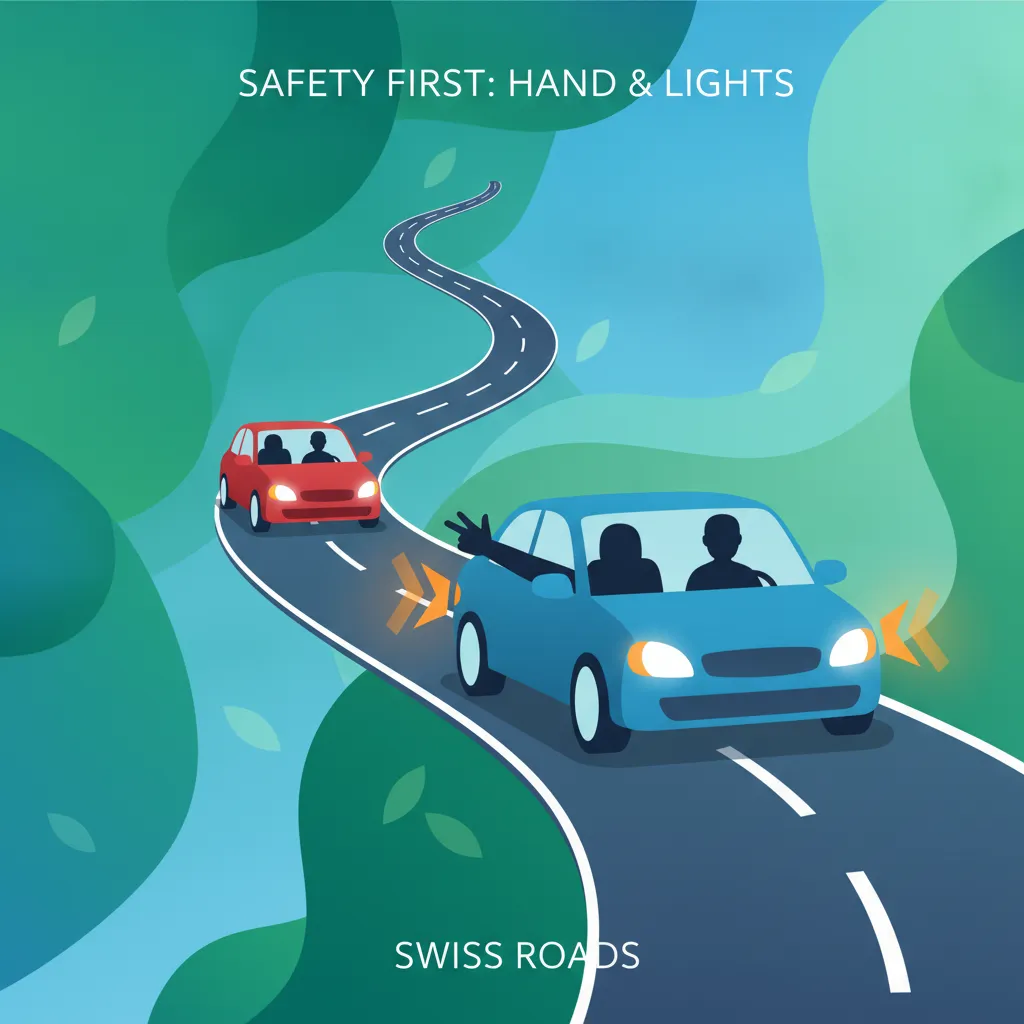
While hazard lights are essential, direct communication can further enhance safety, especially in complex situations. You can use standard, recognized hand signals to indicate your intentions if you are still moving or directing traffic around your motorcycle. For example, a clear hand wave can signal that you are pulling over or that there is a hazard ahead. However, avoid using spurious or aggressive signals, such as excessive high-beam flashing, which can confuse or blind other drivers.
Standardized gestures used by riders to communicate intentions such as turning, stopping, or signaling a hazard, typically used when vehicle signals are insufficient or non-functional.
Promptly contacting roadside assistance or emergency services is paramount. Having your mobile phone charged and easily accessible is crucial. Many insurance providers and automobile clubs offer dedicated breakdown services. Know their numbers in advance or have them programmed into your phone.
Locate your exact position: Use GPS coordinates from your phone if possible, or note significant landmarks, road numbers, and approximate distances.
Provide clear details: Explain the nature of your breakdown and your current situation (e.g., "motorcycle engine failure on A1 motorway, near exit 23, heading towards Bern").
Follow instructions: The service provider may give specific instructions on where to wait or what to do while help is en route.
Emergency calls: If your situation involves a potential immediate danger (e.g., fuel leak, fire, or if you are injured), call the general emergency number (112 in Switzerland) immediately.
Rapid communication minimizes the time you spend exposed on the roadside, reducing overall risk.
Swiss road traffic regulations (Strassenverkehrsgesetz, SVG) contain specific mandates for drivers experiencing a breakdown. Adhering to these rules is not only crucial for safety but also for avoiding potential legal penalties.
Understanding these legal requirements is a fundamental part of the Swiss Motorcycle Licence Theory Course. Non-compliance can lead to significant fines and endanger lives.
Roadside emergencies rarely happen under ideal conditions. Your response must be flexible and adapted to the specific environment, including weather, lighting, and road type.
By understanding these contextual variations, you can tailor your breakdown response to maximize safety in any situation you might encounter on your Swiss motorcycle journey.
Dealing with a motorcycle breakdown requires a calm, systematic approach focused on safety and legal compliance. By following these key principles, you can effectively manage a roadside emergency.
Activate hazard warning lights within 30 seconds of stopping due to a breakdown.
Immediately assess the environment to find the safest pull-over spot, prioritizing the hard shoulder or the furthest right side of the road.
Position the motorcycle facing the direction of traffic to enhance visibility for approaching drivers.
Wear a reflective vest or other high-visibility gear as soon as you exit the motorcycle, especially in low-light or poor weather conditions.
Use clear, standard hand signals to communicate your intentions to other road users when safe and appropriate.
Move away from the traffic flow to a safe distance while waiting for assistance, ensuring you are not standing in a traffic lane.
Contact roadside assistance promptly using your mobile phone or an emergency call box. Provide your exact location and the nature of the problem.
Stay upright and maintain your protective clothing (e.g., helmet) while exposed to the roadside environment.
Ensure all lighting and reflective equipment on your motorcycle and person are functional as part of your routine pre-ride checks.
Adapt your procedures based on prevailing weather, lighting, road type, and any special vehicle conditions (like heavy luggage) to maintain optimal safety.
These steps comprise the complete protocol for handling a motorcycle breakdown safely and in line with Swiss traffic regulations, ensuring both personal safety and compliance with the law. Adherence to these procedures significantly reduces the risk of secondary accidents and helps you manage an otherwise stressful situation effectively.
This lesson covers essential procedures for managing a motorcycle breakdown safely on Swiss roads, aligned with Swiss traffic law requirements for categories A and A1. The core protocol involves activating hazard lights within 30 seconds, moving to a safe pull-over spot off the main carriageway, wearing mandatory reflective gear, and positioning the motorcycle facing traffic direction. Riders must stay away from traffic flow while waiting for assistance and adapt their response based on road type and weather conditions, with specific guidance for motorways, rural mountain roads, and urban streets. Understanding and following these procedures ensures legal compliance and significantly reduces the risk of secondary accidents during an already stressful situation.
A short set of high-value points that capture the most important learning from this lesson.
Activate hazard warning lights immediately (within 30 seconds) when your motorcycle breaks down to alert other road users.
Always position your motorcycle facing the direction of traffic on the right side of the road or shoulder to maximize visibility.
Wearing a reflective vest is mandatory in Switzerland when you exit your motorcycle on public roads, especially outside urban areas or in low visibility.
Move to a safe location away from traffic flow (hard shoulder, behind guardrails, or ditch) while waiting for assistance.
Contact roadside assistance promptly with your exact location, including road number, exit, and direction of travel.
Explore all units and lessons included in this driving theory course.
Swiss law requires hazard lights activated within 30 seconds of stopping due to breakdown and reflective vests when exiting on public roads.
Never stand in a traffic lane or directly behind your motorcycle while waiting for help.
Position your motorcycle off the main carriageway facing traffic direction, even if this means walking to a safer waiting area.
Adapt your response to road type: motorways use hard shoulders, rural roads require the widest safe verge, urban areas avoid blocking driveways.
Keep protective gear (helmet, jacket) on while exposed at the roadside for personal protection.
Failing to activate hazard lights immediately, leaving other drivers without warning of the stationary obstacle.
Stopping in dangerous locations such as blind curves, hill crests, or tunnels where visibility is already limited.
Standing too close to or directly behind the broken-down motorcycle, increasing injury risk if another vehicle collides with it.
Neglecting to wear the reflective vest immediately after dismounting, particularly in poor visibility or adverse weather.
Attempting self-repair in unsafe locations like busy motorways or narrow mountain passes where personal safety is compromised.
Lesson content overview
A short set of high-value points that capture the most important learning from this lesson.
Activate hazard warning lights immediately (within 30 seconds) when your motorcycle breaks down to alert other road users.
Always position your motorcycle facing the direction of traffic on the right side of the road or shoulder to maximize visibility.
Wearing a reflective vest is mandatory in Switzerland when you exit your motorcycle on public roads, especially outside urban areas or in low visibility.
Move to a safe location away from traffic flow (hard shoulder, behind guardrails, or ditch) while waiting for assistance.
Contact roadside assistance promptly with your exact location, including road number, exit, and direction of travel.
Explore all units and lessons included in this driving theory course.
Swiss law requires hazard lights activated within 30 seconds of stopping due to breakdown and reflective vests when exiting on public roads.
Never stand in a traffic lane or directly behind your motorcycle while waiting for help.
Position your motorcycle off the main carriageway facing traffic direction, even if this means walking to a safer waiting area.
Adapt your response to road type: motorways use hard shoulders, rural roads require the widest safe verge, urban areas avoid blocking driveways.
Keep protective gear (helmet, jacket) on while exposed at the roadside for personal protection.
Failing to activate hazard lights immediately, leaving other drivers without warning of the stationary obstacle.
Stopping in dangerous locations such as blind curves, hill crests, or tunnels where visibility is already limited.
Standing too close to or directly behind the broken-down motorcycle, increasing injury risk if another vehicle collides with it.
Neglecting to wear the reflective vest immediately after dismounting, particularly in poor visibility or adverse weather.
Attempting self-repair in unsafe locations like busy motorways or narrow mountain passes where personal safety is compromised.
Explore search topics learners often look for when studying Procedures for Motorcycle Breakdown and Roadside Safety. These topics reflect common questions about road rules, driving situations, safety guidance, and lesson level theory preparation for learners in Switzerland.
Browse additional driving theory lessons that cover connected traffic rules, road signs, and common driving situations related to this topic. Improve your understanding of how different rules interact across everyday traffic scenarios.
Learn essential procedures for managing a motorcycle breakdown safely on Swiss roads. This lesson covers immediate actions, maximizing visibility, communicating distress, and understanding legal requirements to ensure your safety.
This lesson provides a practical guide for handling a vehicle breakdown. It covers the immediate steps to take, such as moving the vehicle off the road if possible and making it visible to other traffic using hazard lights. The content also explains how to contact breakdown services and what information to provide to them.
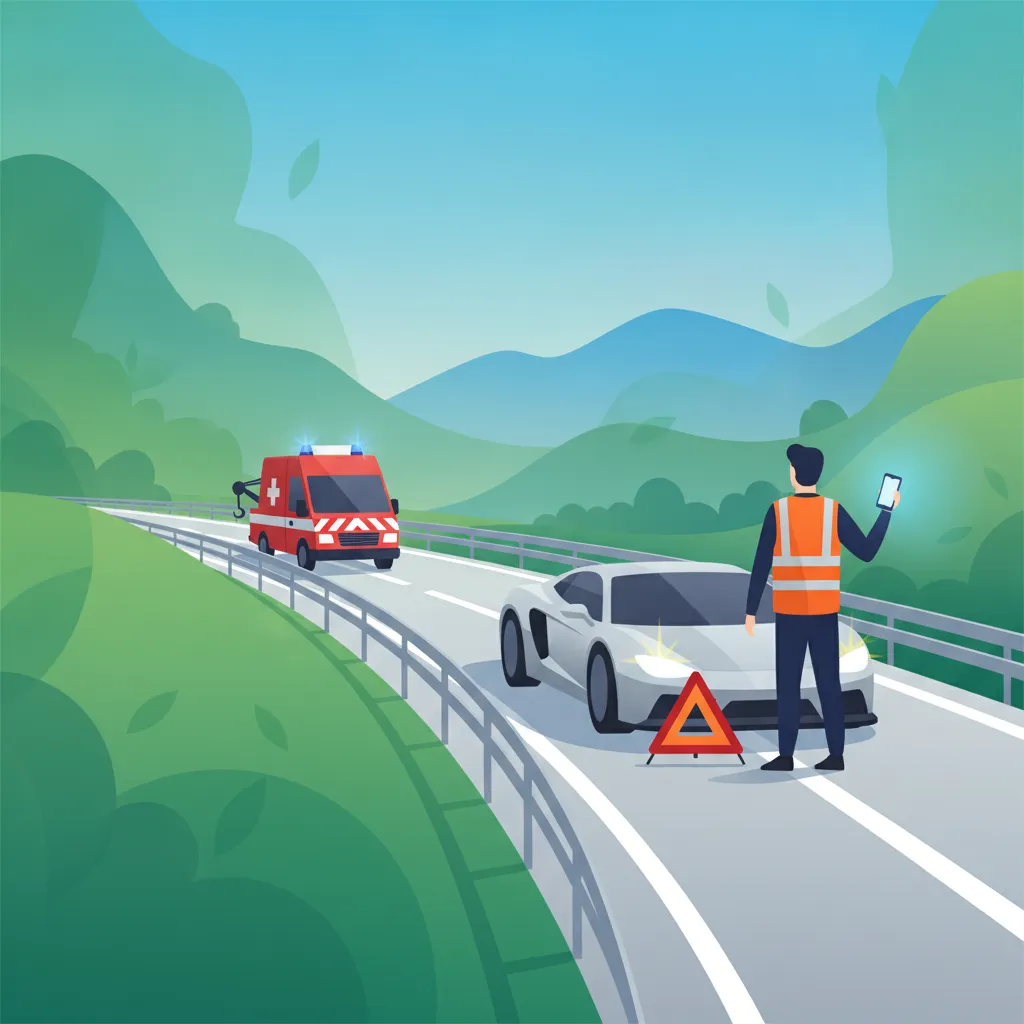
A breakdown can be a dangerous situation, especially on a busy road or motorway. This lesson provides a clear, sequential guide to follow. It includes pulling over to a safe location, activating hazard lights, placing the warning triangle, ensuring passenger safety, and contacting the appropriate services for assistance.

After stopping for an emergency, making the scene safe is the top priority. This lesson details the procedure: activate hazard warning lights, put on high-visibility clothing before exiting the cab, and place the warning triangle at the correct distance behind the vehicle (at least 100m on motorways). This warns approaching traffic and creates a safer environment for the driver and emergency responders.
This lesson provides instruction on how to perform an emergency stop safely and effectively. It covers techniques for applying maximum braking force without losing control, both in a straight line and while in a lean. Understanding how to manage traction and stability during a sudden stop is a vital skill for avoiding hazards.
A tyre blowout or engine failure can be a frightening experience. This lesson provides a clear action plan: maintain a firm grip on the steering wheel, avoid harsh braking, signal, and move the vehicle to a safe location like the hard shoulder if possible. It then covers the essential safety steps of activating hazard lights, placing the warning triangle, and waiting in a safe place away from the vehicle.
This lesson focuses on strategies for safely interacting with non-standard traffic common on rural roads. It covers how to anticipate the behaviour of slow-moving farm equipment and tourist vehicles, and the legal requirement to yield to emergency services. The importance of patience and safe passing opportunities is stressed.
This lesson equips riders with essential first-aid knowledge and procedures for managing an accident scene. It covers how to secure the area to prevent further incidents, assess injuries, and provide basic care like controlling bleeding. The steps for effectively communicating with emergency services are also detailed.
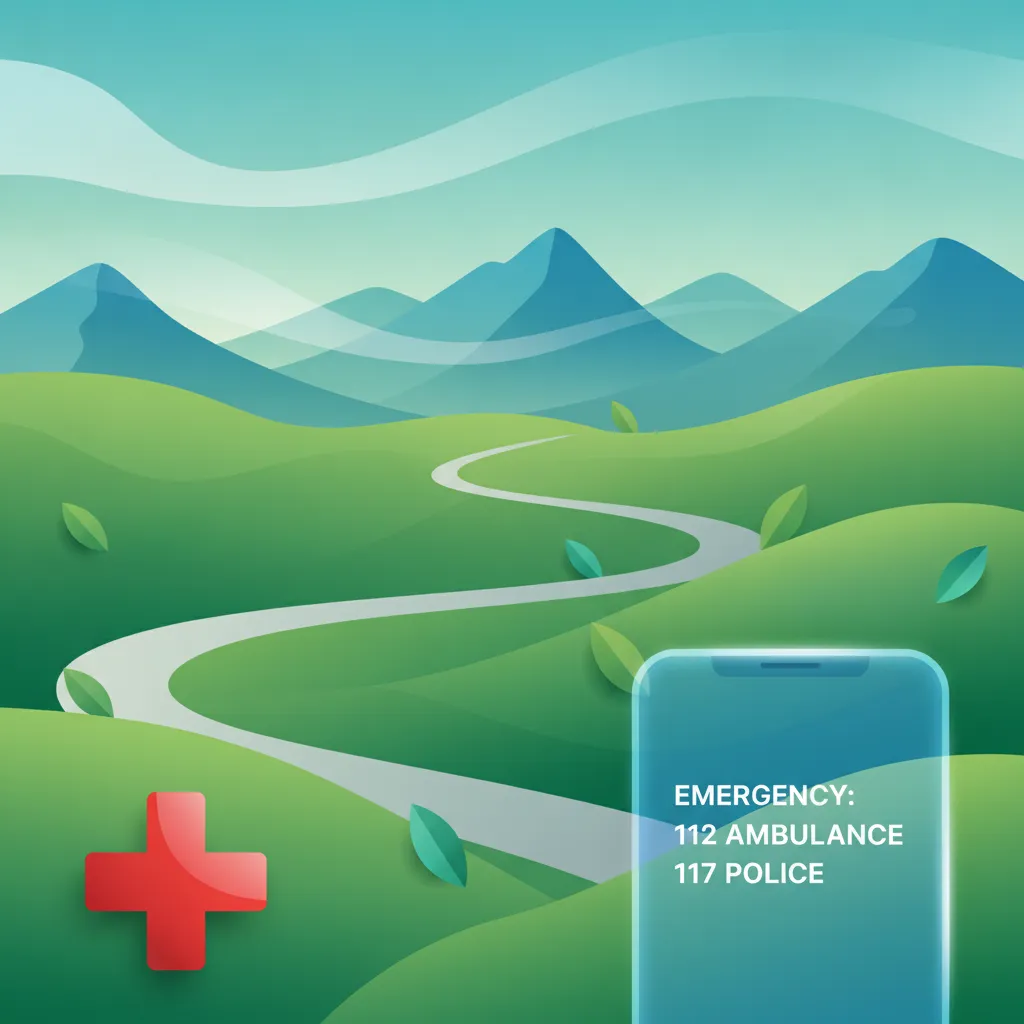
This lesson equips riders with essential knowledge for responding to an accident. It covers how to secure the scene to prevent further incidents, assess any casualties, and provide basic first aid. Crucially, it explains the difference between the general emergency number (112) and the medical emergency number (144) and what information to give the operator.

This lesson outlines the principles of safe overtaking, emphasizing the importance of accurate judgment of speed and distance. It covers the necessary steps: checking mirrors, signaling, checking blind spots, executing the maneuver smoothly, and returning to the lane safely. The content is tailored to different road environments, from urban streets to rural roads.
This lesson outlines the specific rules and skills required for riding on high-speed Swiss motorways. It covers the correct procedures for entering and exiting, merging with traffic, maintaining appropriate speed, and conducting safe overtaking maneuvers. Emphasis is placed on using mirrors and signals effectively to integrate safely into the flow of traffic.
Understand the critical role of visibility and communication for motorcycle riders, especially during roadside incidents. This lesson details the use of hazard lights, reflective vests, and other signals to ensure safety in various conditions.
This lesson focuses on techniques and equipment designed to increase a motorcyclist's visibility to others. It explains the strategic use of reflective materials, high-visibility clothing, and the mandatory use of daytime running lights. Understanding how to enhance conspicuity is a critical component of proactive self-protection on the road.
This lesson covers the standard hand signals and the correct use of a motorcycle's lighting system to communicate intentions. It explains the importance of signaling clearly and in a timely manner before turning, changing lanes, or stopping. Effective communication is a key factor in preventing misunderstandings and potential conflicts with other road users.
This lesson focuses on the concept of conspicuity, or how easily a rider can be seen by others. It explains the legal requirements for vehicle lights and reflectors in Switzerland and the benefits of wearing bright or reflective clothing. Learners will understand how to maximize their visibility during the day, at night, and in poor weather conditions.

This lesson details how adverse weather conditions like rain, fog, and snow affect motorcycle safety. It explains how wet surfaces reduce tyre grip, requiring smoother control inputs and longer braking distances. Strategies for managing reduced visibility in fog and the extreme hazards of riding on snow and ice are also covered.
This lesson covers the methods riders use to communicate their intentions to other traffic. It details the correct use of electronic turn indicators and the standard hand signals for turning and stopping. The content emphasizes signaling in a timely manner to ensure other road users can anticipate your actions.

This lesson focuses on mitigating the risk of collisions at intersections, particularly from vehicles turning across the rider's path. It teaches defensive strategies such as positioning for visibility, anticipating driver actions, and using head checks to be aware of surrounding traffic. Managing your own and others' blind spots is presented as a crucial survival skill.

This lesson explains strategic lane positioning to enhance visibility and safety in traffic. It covers how to choose a lane position that helps you see and be seen by other drivers, avoiding their blind spots. The content emphasizes maintaining a space cushion around the motorcycle to allow for reaction time and potential escape routes.

This lesson focuses on identifying and managing specific road surface hazards that can compromise traction. It provides techniques for safely crossing slippery tram rails and painted markings, navigating uneven cobblestones, and maintaining control on loose gravel. The core skill is learning to scan the road ahead and adjust riding style proactively.
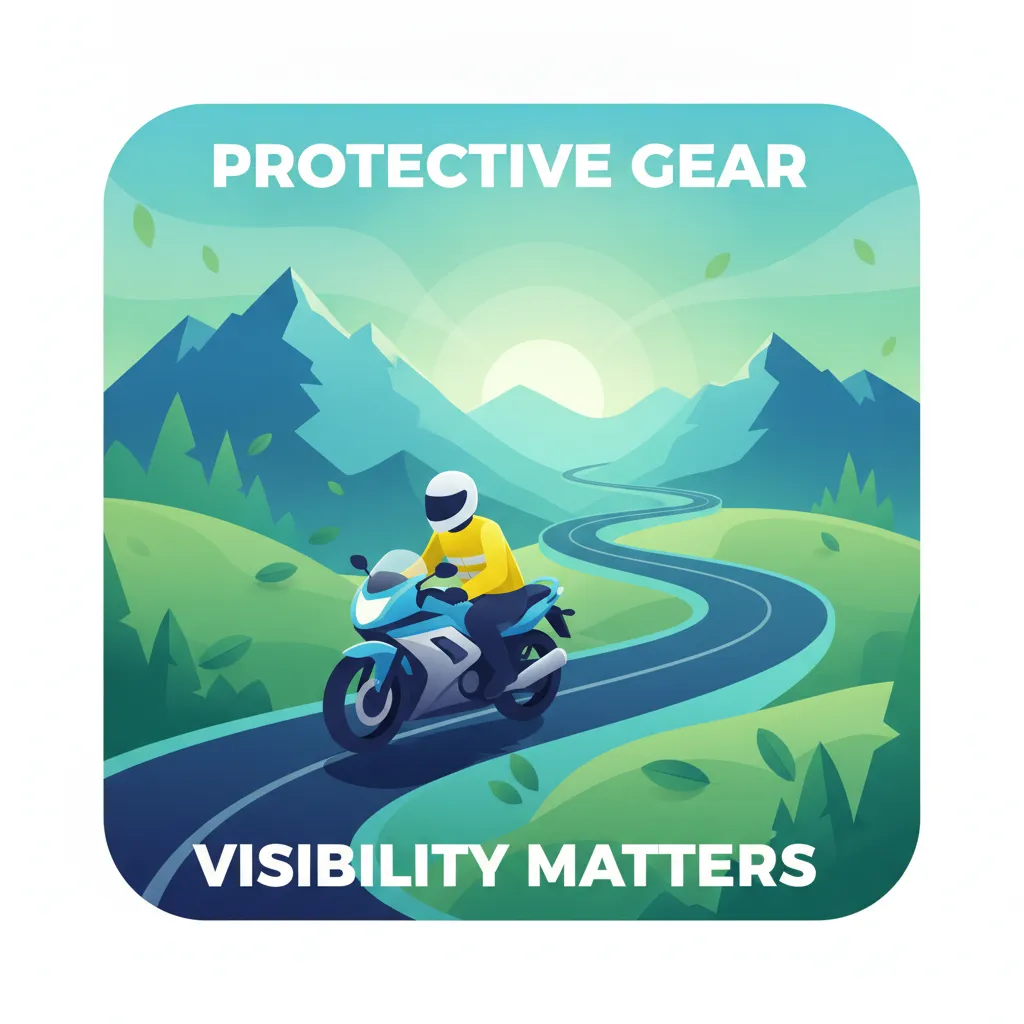
This lesson details the types and functions of personal protective equipment (PPE) for riders. It explains Swiss legal requirements for helmets and the safety standards to look for. The content also covers the benefits of wearing protective jackets, pants, gloves, and footwear to guard against impact and abrasion injuries.

This lesson explains the strategic importance of road positioning. It details how to select a lane position that makes you most visible to drivers ahead and behind, and helps you avoid the blind spots of larger vehicles. Proper positioning also allows for an escape route and a better line of sight through turns.
Find clear answers to common questions learners have about Procedures for Motorcycle Breakdown and Roadside Safety. Learn how the lesson is structured, which driving theory objectives it supports, and how it fits into the overall learning path of units and curriculum progression in Switzerland. These explanations help you understand key concepts, lesson flow, and exam focused study goals.
No. Your primary responsibility is safety. Unless it is a minor issue that can be fixed instantly in a completely protected area, you should focus on getting yourself and your bike to a safe place and calling for professional assistance.
Use your high-visibility vest immediately. Position yourself and your bike as far from the traffic flow as possible, and ensure any reflective gear or high-visibility clothing is worn. If you have hazard lights, keep them on to warn approaching traffic.
Generally, no. If you are on a motorway or a road with heavy traffic, move behind the safety barrier or to the edge of the road, away from the traffic lane, while waiting for the breakdown service.
For a breakdown, contact your chosen roadside assistance service or your insurance company's emergency number. In the case of an accident or if your vehicle is blocking traffic dangerously, contact the police using 117.
Pinpoint specific Swiss traffic rules, road signs, or driving situations you need to master. Use the practice search to start a focused revision session now and build confidence for your official driving theory exam.