
This lesson provides critical life-saving knowledge for motorcycle riders in Switzerland, focusing on immediate actions following a traffic incident. You will learn how to secure the scene, assess injuries, and coordinate effectively with emergency services to ensure the safety of yourself and other road users.
Lesson content overview
As a motorcyclist, understanding how to manage an accident scene and provide basic first aid is a critical skill, not only for your own safety but also for the well-being of others. Accidents can happen unexpectedly, and your prompt, correct actions in the crucial moments following an incident can significantly reduce further injury, save lives, and fulfill your legal obligations under Swiss law. This lesson, part of the Swiss Motorcycle Licence Theory Course for Categories A, A1, equips you with essential knowledge and step-by-step procedures for navigating the immediate aftermath of a collision.
From securing the area to prevent secondary incidents to assessing injuries, controlling bleeding, and effectively communicating with emergency services, mastering these steps is paramount. Being prepared reduces panic and enhances the efficiency of your response, turning a chaotic situation into a managed one while awaiting professional help.
The very first priority at any accident scene is to ensure safety for everyone involved, including yourself, the victims, and other road users. A structured approach to scene safety can prevent secondary collisions and further harm. This involves alerting approaching traffic to the danger and protecting yourself from potential hazards.
Before you even approach a victim, you must secure the accident site. This immediate action is crucial to prevent additional collisions, which can significantly worsen the situation. Your goal is to make the scene visible and safe for everyone.
Upon identifying an accident, your first step should be to activate your vehicle's hazard warning lights immediately. These flashing lights serve as an initial alert to other drivers. Following this, you must place a warning triangle at an appropriate distance behind the accident scene, relative to the speed limit and road type.
For urban roads, where speeds are generally lower, the warning triangle should be placed approximately 30 meters behind the scene. On open roads, where traffic travels faster, this distance increases to about 100 meters. On motorways, where speeds are highest, the warning triangle must be placed even further back, typically around 200 meters, to give oncoming traffic ample time to react. These distances are critical for the safety of both the accident victims and any rescuers.
Once the scene is partially secured, your personal safety becomes paramount before rendering aid. Always wear a high-visibility vest if you have one, especially at night or in low-light conditions. This makes you easily seen by other drivers and reduces your risk of being hit.
Additionally, always wear protective gloves when assisting victims to prevent contact with blood or other bodily fluids. This protects you from potential infections. A basic first-aid kit should always contain at least one pair of disposable gloves.
In Switzerland, the law imposes strict obligations on anyone involved in or witnessing a traffic accident. The Swiss Road Traffic Act (SVG) requires you to remain at the scene, provide reasonable assistance to victims, and report the incident to the authorities.
Leaving the scene of an accident prematurely, failing to provide assistance, or neglecting to report the incident can lead to severe legal consequences, including fines, driving licence withdrawal, and even criminal charges. Your presence and cooperation are vital for accurate reporting, legal documentation, and ensuring timely aid for those affected. You must remain at the accident site until police or an authorized official permits your departure, unless prevented by a medical emergency (e.g., you need immediate medical attention) or personal danger (e.g., an uncontrolled fire).
Once the scene is safe, your immediate focus shifts to the victims. A systematic approach, known as the Primary Survey, is used to rapidly identify and address life-threatening conditions. This protocol follows the "ABC" mnemonic: Airway, Breathing, and Circulation.
Airway (A): Ensure the victim's airway is open and clear.
Breathing (B): Check if the victim is breathing and assess the quality of their respiration.
Circulation (C): Look for signs of severe bleeding and check for a pulse.
An obstructed airway is the most immediate life threat. If a victim is unconscious, their tongue can fall back and block their airway. Other obstructions might include blood, vomit, or debris.
To check the airway, gently tilt the victim's head back and lift their chin. This maneuver helps open the airway. Look into their mouth and remove any obvious obstructions with your fingers, being careful not to push anything further down. If you suspect a spinal injury, minimize head movement as much as possible, using a jaw-thrust maneuver instead of a head tilt-chin lift.
Once the airway is clear, check for breathing. Look, listen, and feel for signs of respiration.
Do this for no more than 10 seconds. If the victim is not breathing normally or at all, and you are trained in CPR, be prepared to provide rescue breaths or chest compressions according to current first-aid guidelines. Always prioritize calling emergency services immediately if the victim is unresponsive and not breathing.
After confirming breathing, assess the victim's circulation. This primarily involves checking for a pulse and, most critically, identifying and controlling any severe bleeding.
Check for a pulse at the carotid artery in the neck or the radial artery in the wrist. A rapid or weak pulse can indicate shock. Simultaneously, quickly scan the victim for any signs of major external bleeding, especially from limbs or the torso. Uncontrolled blood loss can rapidly lead to life-threatening shock. Addressing significant bleeding is a top priority in circulation assessment.
Controlling external bleeding is a vital component of first aid at an accident scene. Preventing significant blood loss can be life-saving. Several techniques can be employed, with direct pressure being the primary method.
The most effective and immediate way to control external bleeding is by applying direct pressure to the wound.
Expose the Wound: If possible and safe, expose the wound to clearly see the source of bleeding.
Apply Pressure: Place a clean cloth (e.g., a bandage, a piece of clothing) directly over the bleeding wound.
Maintain Firm Pressure: Press down firmly and continuously with your hand. The goal is to compress the bleeding blood vessels and allow a clot to form.
Elevate (if possible): If the bleeding is from a limb, elevate it above the level of the heart while maintaining direct pressure. This uses gravity to help reduce blood flow to the injury.
Secure: Once bleeding is controlled, use a pressure bandage to keep continuous pressure on the wound. Do not remove the initial dressing; if blood soaks through, add more layers on top.
Maintain direct pressure until emergency medical services (EMS) arrive. Do not frequently lift the dressing to check the wound, as this can disrupt clot formation.
In cases where direct pressure directly on the wound is insufficient or impractical (e.g., a wound that cannot be compressed directly), pressure points can be used as a secondary measure. Pressure points are locations where major arteries lie close to the surface of the skin and can be compressed against a bone, effectively reducing blood flow to a limb distal to the point of pressure.
Common pressure points include:
Applying pressure to these points requires anatomical knowledge and can be uncomfortable for the victim. It is generally less effective than direct pressure on the wound itself and is often reserved for situations where direct pressure fails.
A tourniquet is a life-saving device used to stop severe, uncontrollable bleeding from a limb when all other methods, including direct pressure, have failed, or when multiple victims require immediate attention.
If a tourniquet is necessary, apply it high and tight on the injured limb, above the wound. Note the time of application, as this information is crucial for arriving EMS personnel. Once applied, a tourniquet should not be removed by an untrained individual.
Effective communication with emergency services (EMS) is paramount. Accurate and concise information allows responders to dispatch the appropriate resources quickly and efficiently. In Switzerland, the primary emergency number for medical emergencies is 144, though 112 is also a general European emergency number that works in Switzerland. For police, dial 117.
When you call emergency services, be prepared to provide specific details. These include:
Speak clearly and remain calm. The operator will guide you through the process, asking specific questions. Answer truthfully and concisely. Avoid speculation or giving unnecessary details that could distract from the critical information. Remember that every second counts.
Do not hang up until the operator tells you to do so. They may need to gather more information, provide you with further instructions, or keep you on the line until responders arrive to ensure a continuous flow of information. Your ability to remain calm and follow their guidance is invaluable.
Beyond the moral imperative, there are clear legal requirements for motorcyclists involved in or witnessing an accident in Switzerland. Ignorance of these laws is not an excuse and can lead to serious repercussions.
Under the Swiss Road Traffic Act (SVG), every road user has a legal duty of care. This mandates that you:
Failing to comply with these duties can lead to severe penalties. Leaving the scene of an accident where people are injured is considered "hit and run" and can result in substantial fines, imprisonment, and the revocation or suspension of your driving licence. Similarly, knowingly failing to assist a person in immediate danger or distress, when it is reasonable and safe to do so, can also lead to legal consequences under criminal law.
When police and EMS arrive, cooperate fully. Provide accurate statements, identify yourself, and follow their instructions. Your cooperation assists in the investigation, helps provide proper care to victims, and facilitates the legal process. Any attempt to obstruct, mislead, or withhold information can complicate the situation and lead to further legal issues.
Accidents do not always happen under ideal conditions. Your response needs to be flexible and adaptable to various environmental and situational factors.
Even with the best intentions, mistakes can happen in high-stress situations. Being aware of common pitfalls can help you respond more effectively.
A frequent error is failing to adequately protect the accident scene. This includes not activating hazard lights promptly, placing the warning triangle too close to the accident, or neglecting to wear a reflective vest in low visibility. These omissions increase the risk of further collisions and endanger everyone at the scene. Always prioritize your safety and the safety of others on the road before attending to victims.
Unless there is an immediate, life-threatening danger (e.g., fire, submergence in water, or imminent risk of being run over), an injured victim should generally not be moved. This is especially true if a spinal injury is suspected, as improper movement can cause irreversible damage. Moving a victim without professional assessment can worsen injuries and complicate recovery. If movement is absolutely necessary, try to do it with minimal disturbance and support the head and neck.
Providing vague or inaccurate information to EMS can lead to delayed response times or the dispatch of inappropriate resources. Common mistakes include:
Practice clear, concise, and calm communication.
Being prepared for an accident scenario is a crucial part of responsible motorcycling. By understanding and practicing these essential first-aid and accident scene management principles, you contribute significantly to road safety and the well-being of others.
This lesson teaches essential first-aid and accident scene management skills specifically for Swiss motorcycle riders. You learn to secure the scene using hazard lights and warning triangles placed at regulation distances, assess victims using the ABC Primary Survey, and control bleeding primarily through direct pressure. Swiss law mandates remaining at the scene, providing reasonable assistance, and reporting via emergency numbers 144, 117, or 112. Adapting your response to weather, visibility, and road type is critical, and common mistakes include inadequate scene protection, unnecessary victim movement, and vague emergency communication.
A short set of high-value points that capture the most important learning from this lesson.
Secure the scene first by activating hazard lights and placing a warning triangle at the correct distance (30m urban, 100m open road, 200m motorway)
Under Swiss law, you must remain at the scene, provide reasonable assistance, and report the incident to authorities (SVG)
The ABC Primary Survey prioritizes life threats: check Airway, then Breathing, then Circulation (severe bleeding)
Apply direct pressure as the primary method to control bleeding; use a tourniquet only as a last resort when all other methods fail
When calling emergency services, provide precise location, number of victims, their conditions, and any hazards present
Explore all units and lessons included in this driving theory course.
Emergency numbers in Switzerland: 144 for medical, 117 for police, 112 is also valid
The head tilt-chin lift opens the airway but avoid if spinal injury is suspected—use jaw-thrust instead
Warning triangle distances: 30m (urban), 100m (open road), 200m (motorway)
Do not remove initial bleeding dressings; add more layers if blood soaks through
Do not move victims unless they face immediate danger (fire, traffic); assume spinal injury in unconscious vulnerable road users
Placing the warning triangle too close to the scene, reducing reaction time for approaching drivers
Moving an injured victim unnecessarily when no immediate danger exists, risking spinal damage
Providing vague location information to emergency services (e.g., 'near the bridge') instead of precise details
Failing to activate hazard lights immediately or forgetting to wear a reflective vest in low visibility
Leaving the scene before police or authorized officials permit departure, which violates Swiss Road Traffic Act (SVG)
Lesson content overview
A short set of high-value points that capture the most important learning from this lesson.
Secure the scene first by activating hazard lights and placing a warning triangle at the correct distance (30m urban, 100m open road, 200m motorway)
Under Swiss law, you must remain at the scene, provide reasonable assistance, and report the incident to authorities (SVG)
The ABC Primary Survey prioritizes life threats: check Airway, then Breathing, then Circulation (severe bleeding)
Apply direct pressure as the primary method to control bleeding; use a tourniquet only as a last resort when all other methods fail
When calling emergency services, provide precise location, number of victims, their conditions, and any hazards present
Explore all units and lessons included in this driving theory course.
Emergency numbers in Switzerland: 144 for medical, 117 for police, 112 is also valid
The head tilt-chin lift opens the airway but avoid if spinal injury is suspected—use jaw-thrust instead
Warning triangle distances: 30m (urban), 100m (open road), 200m (motorway)
Do not remove initial bleeding dressings; add more layers if blood soaks through
Do not move victims unless they face immediate danger (fire, traffic); assume spinal injury in unconscious vulnerable road users
Placing the warning triangle too close to the scene, reducing reaction time for approaching drivers
Moving an injured victim unnecessarily when no immediate danger exists, risking spinal damage
Providing vague location information to emergency services (e.g., 'near the bridge') instead of precise details
Failing to activate hazard lights immediately or forgetting to wear a reflective vest in low visibility
Leaving the scene before police or authorized officials permit departure, which violates Swiss Road Traffic Act (SVG)
Explore search topics learners often look for when studying First-Aid Basics and Accident Scene Management. These topics reflect common questions about road rules, driving situations, safety guidance, and lesson level theory preparation for learners in Switzerland.
Browse additional driving theory lessons that cover connected traffic rules, road signs, and common driving situations related to this topic. Improve your understanding of how different rules interact across everyday traffic scenarios.
Understand your mandatory duties under Swiss law to remain at the scene, assist victims, and report accidents. Covers consequences of non-compliance for motorcyclists preparing for their theory exam.
This lesson clarifies the legal requirements for reporting traffic incidents in Switzerland. It provides guidance on how to interact with police and emergency personnel, providing clear and accurate information. Understanding these procedures helps ensure the incident is documented correctly for legal and insurance purposes.
This lesson outlines the legal repercussions for breaking traffic laws in Switzerland. It details the system of fines and administrative measures, including the potential for license withdrawal for serious offenses. The content also explains a rider's legal duties after being involved in an accident, including reporting and insurance obligations.
This lesson provides a structured guide for managing the scene of a road traffic accident. It covers the internationally recognized priorities: assess for danger, make the scene safe, send for help by calling emergency services (112), and provide first aid to the injured if trained to do so. It also details the legal requirement to stop and exchange information after being involved in a collision.
This lesson outlines the legal and administrative repercussions of committing traffic violations or being involved in an accident. It covers the system of fines, licence points, and potential licence revocation under Swiss law. Understanding these consequences reinforces the importance of lawful and responsible riding.
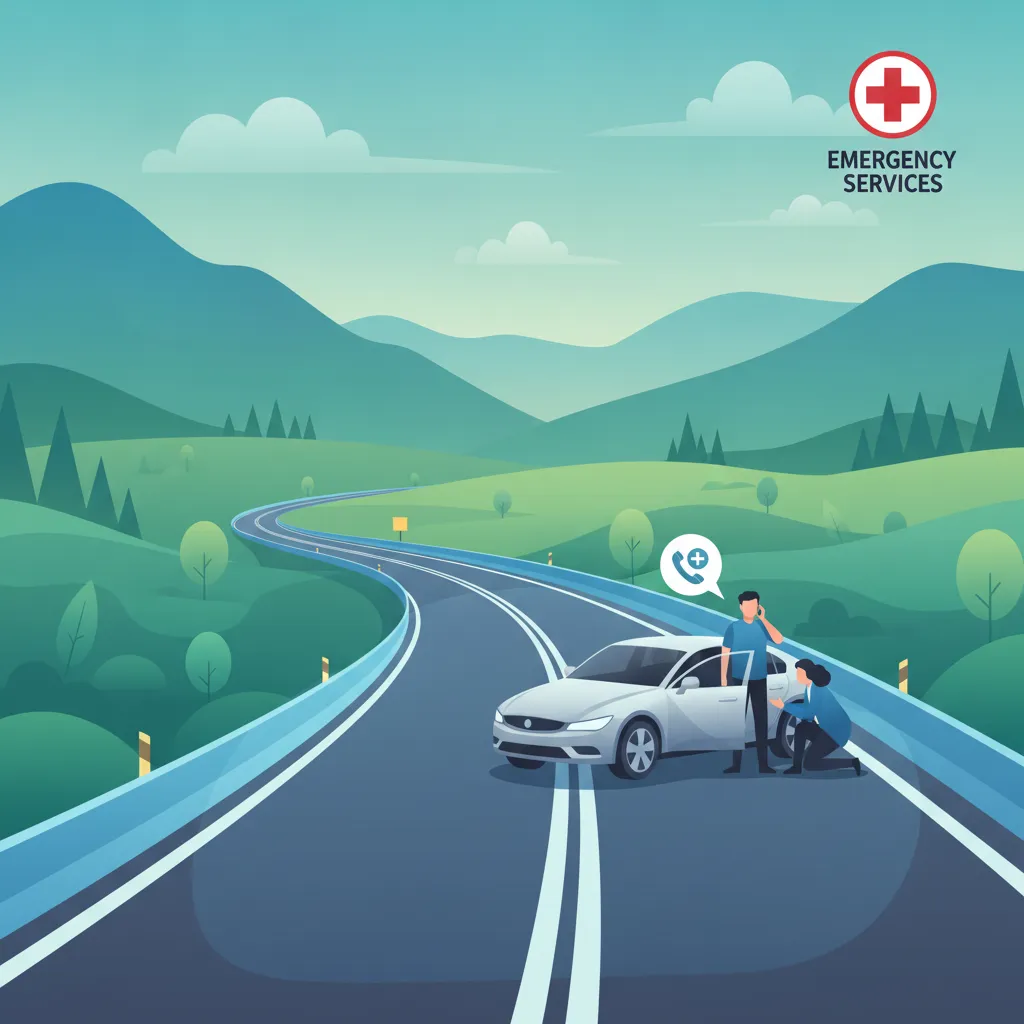
This lesson covers essential first aid skills and the procedures for reporting accidents in Switzerland. It details the use of emergency numbers 112 and 144, the correct placement of warning triangles, and the use of high-visibility vests. The content outlines the steps for securing an accident scene, providing assistance, and coordinating with emergency services.
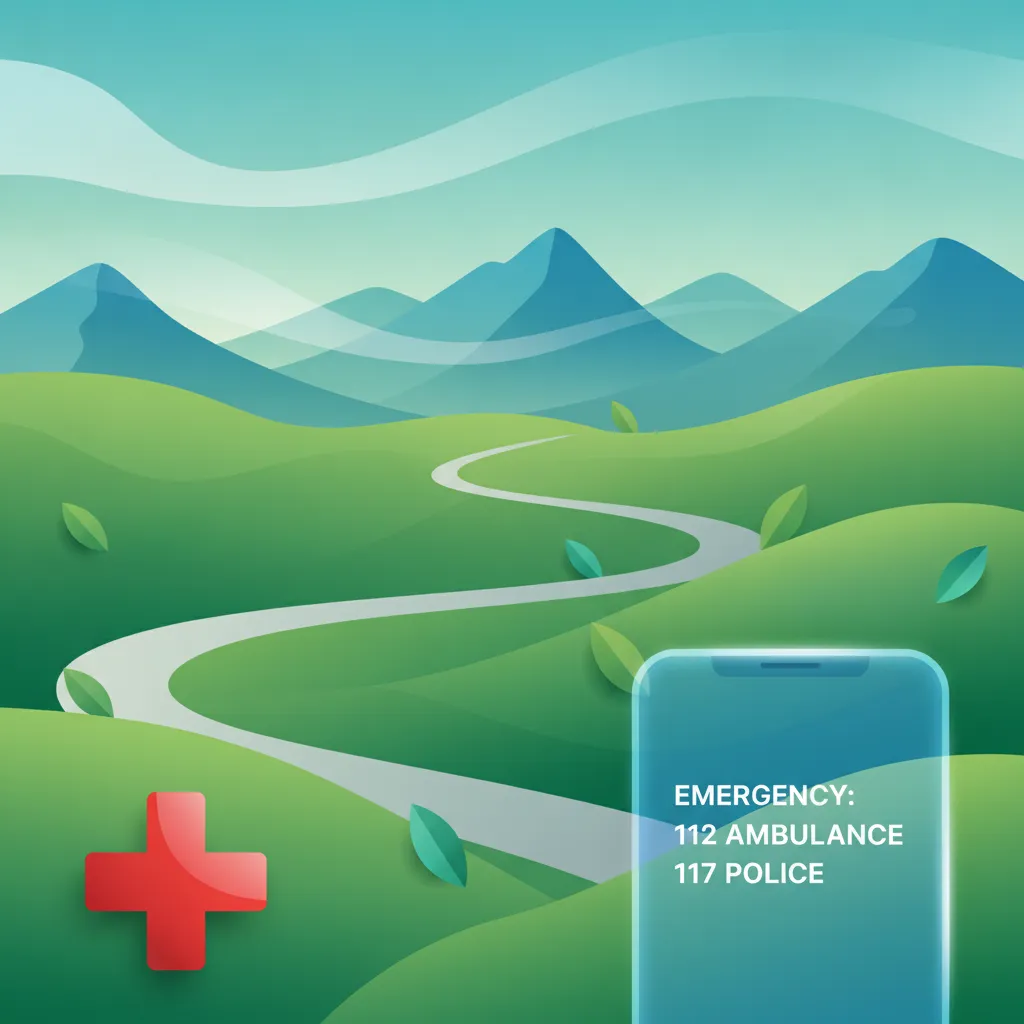
This lesson equips riders with essential knowledge for responding to an accident. It covers how to secure the scene to prevent further incidents, assess any casualties, and provide basic first aid. Crucially, it explains the difference between the general emergency number (112) and the medical emergency number (144) and what information to give the operator.
This lesson covers the immediate actions to take following a collision. The priorities are to prevent further incidents by securing the scene, to assess the situation for injuries, and to alert the emergency services. You will learn the correct procedures for making the area safe for yourself, your passengers, and other road users.
This lesson emphasizes the broad responsibilities of holding a driver's licence in Switzerland, including adherence to traffic laws and maintaining vehicle roadworthiness. It covers legal obligations related to insurance, registration, and reporting accidents, as well as the consequences of violations. The content reinforces the duty of care drivers owe to all other road users.
This lesson explores the ethical duties inherent in motorcycle riding, focusing on a rider's responsibility to ensure personal safety while respecting all other road users. It covers the Swiss code of conduct, which includes courteous behaviour, adherence to traffic rules, and responsible decision-making. The content reinforces that an ethical mindset is fundamental to contributing to overall road safety.
Learn about typical errors made during accident response, including improper scene protection, victim movement, and communication with emergency services. Essential knowledge for Swiss motorcycle theory.
This lesson equips riders with essential knowledge for responding to an accident. It covers how to secure the scene to prevent further incidents, assess any casualties, and provide basic first aid. Crucially, it explains the difference between the general emergency number (112) and the medical emergency number (144) and what information to give the operator.
This lesson provides clear, actionable steps for managing a motorcycle breakdown safely. It covers moving the vehicle to a safe location, making yourself visible to other traffic with hazard lights and reflective gear, and contacting breakdown services. Following a proper protocol minimizes risk in a vulnerable situation.
This lesson focuses on strategies for safely interacting with non-standard traffic common on rural roads. It covers how to anticipate the behaviour of slow-moving farm equipment and tourist vehicles, and the legal requirement to yield to emergency services. The importance of patience and safe passing opportunities is stressed.
This lesson clarifies the legal requirements for reporting traffic incidents in Switzerland. It provides guidance on how to interact with police and emergency personnel, providing clear and accurate information. Understanding these procedures helps ensure the incident is documented correctly for legal and insurance purposes.
This lesson covers essential first aid skills and the procedures for reporting accidents in Switzerland. It details the use of emergency numbers 112 and 144, the correct placement of warning triangles, and the use of high-visibility vests. The content outlines the steps for securing an accident scene, providing assistance, and coordinating with emergency services.
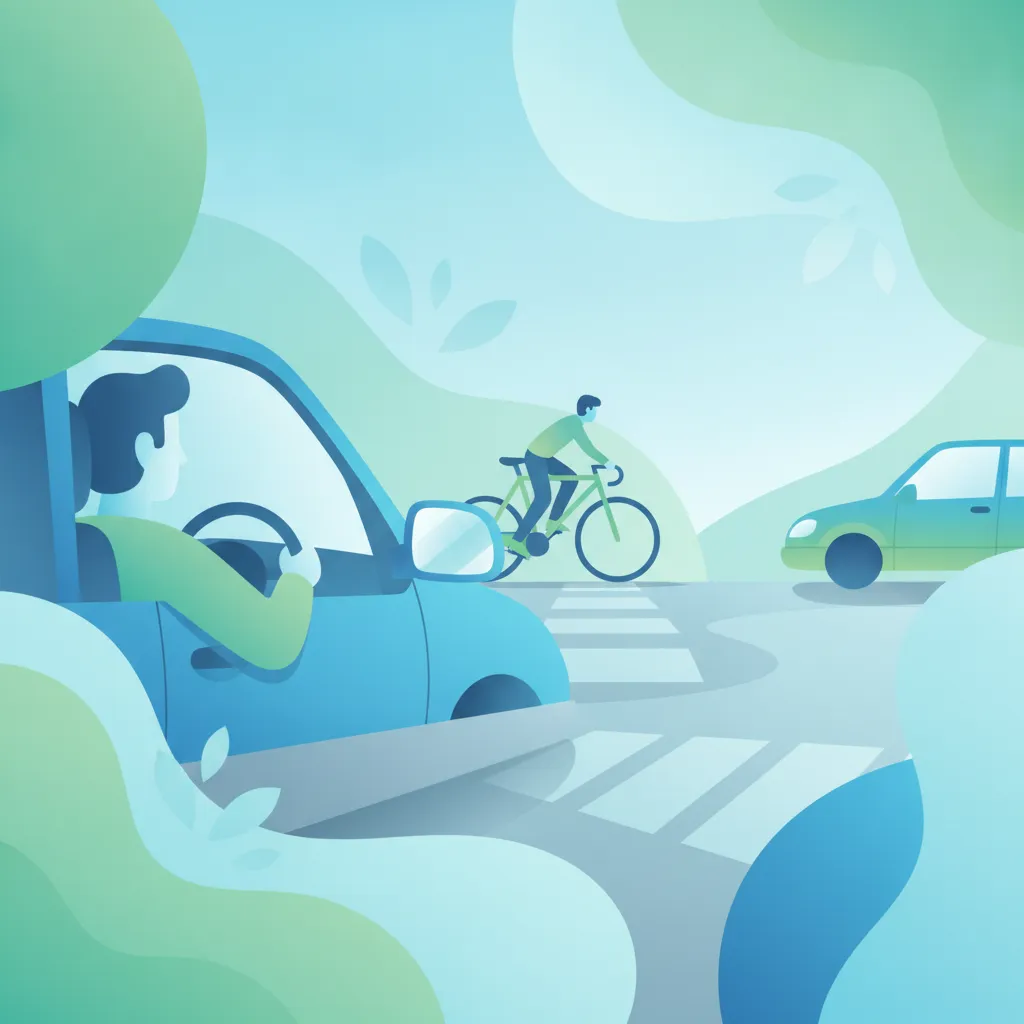
This lesson focuses on mitigating the risk of collisions at intersections, particularly from vehicles turning across the rider's path. It teaches defensive strategies such as positioning for visibility, anticipating driver actions, and using head checks to be aware of surrounding traffic. Managing your own and others' blind spots is presented as a crucial survival skill.
This lesson covers the immediate actions to take following a collision. The priorities are to prevent further incidents by securing the scene, to assess the situation for injuries, and to alert the emergency services. You will learn the correct procedures for making the area safe for yourself, your passengers, and other road users.
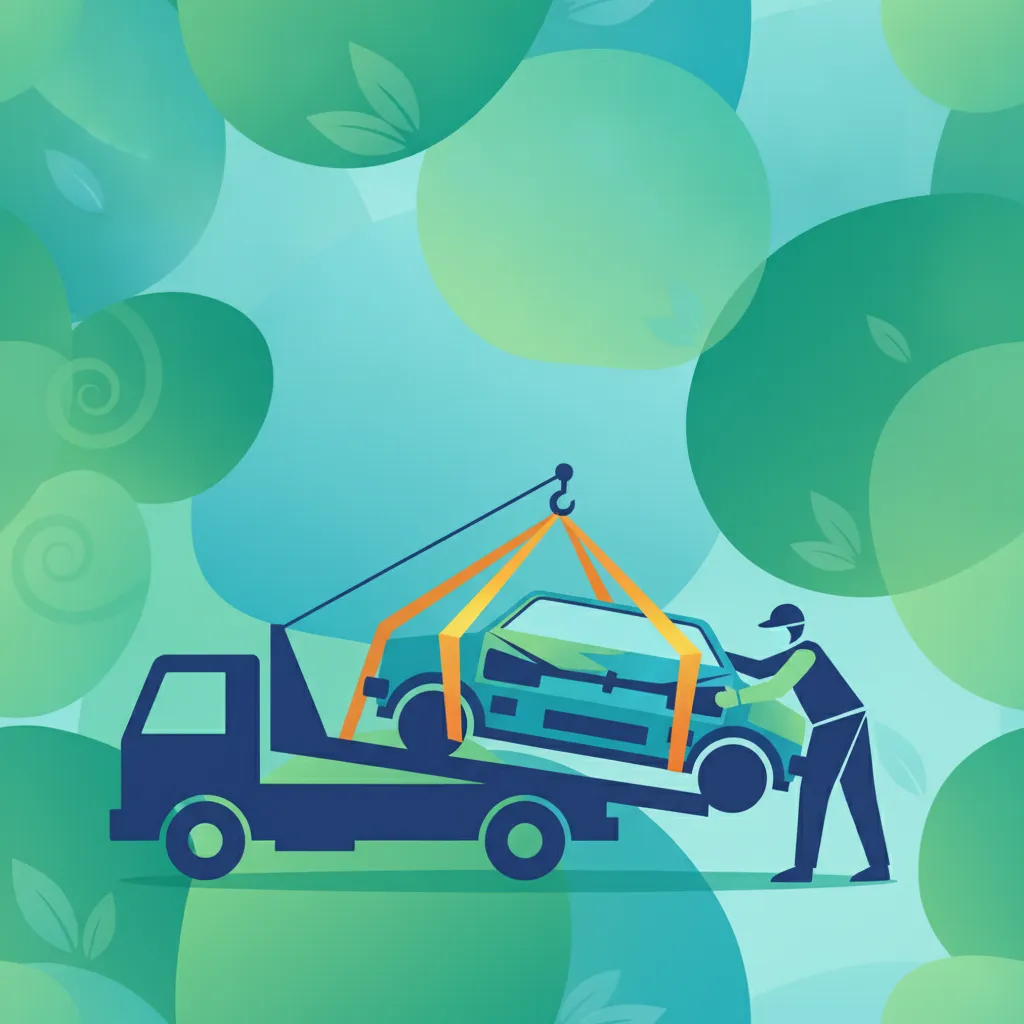
After stopping for an emergency, making the scene safe is the top priority. This lesson details the procedure: activate hazard warning lights, put on high-visibility clothing before exiting the cab, and place the warning triangle at the correct distance behind the vehicle (at least 100m on motorways). This warns approaching traffic and creates a safer environment for the driver and emergency responders.
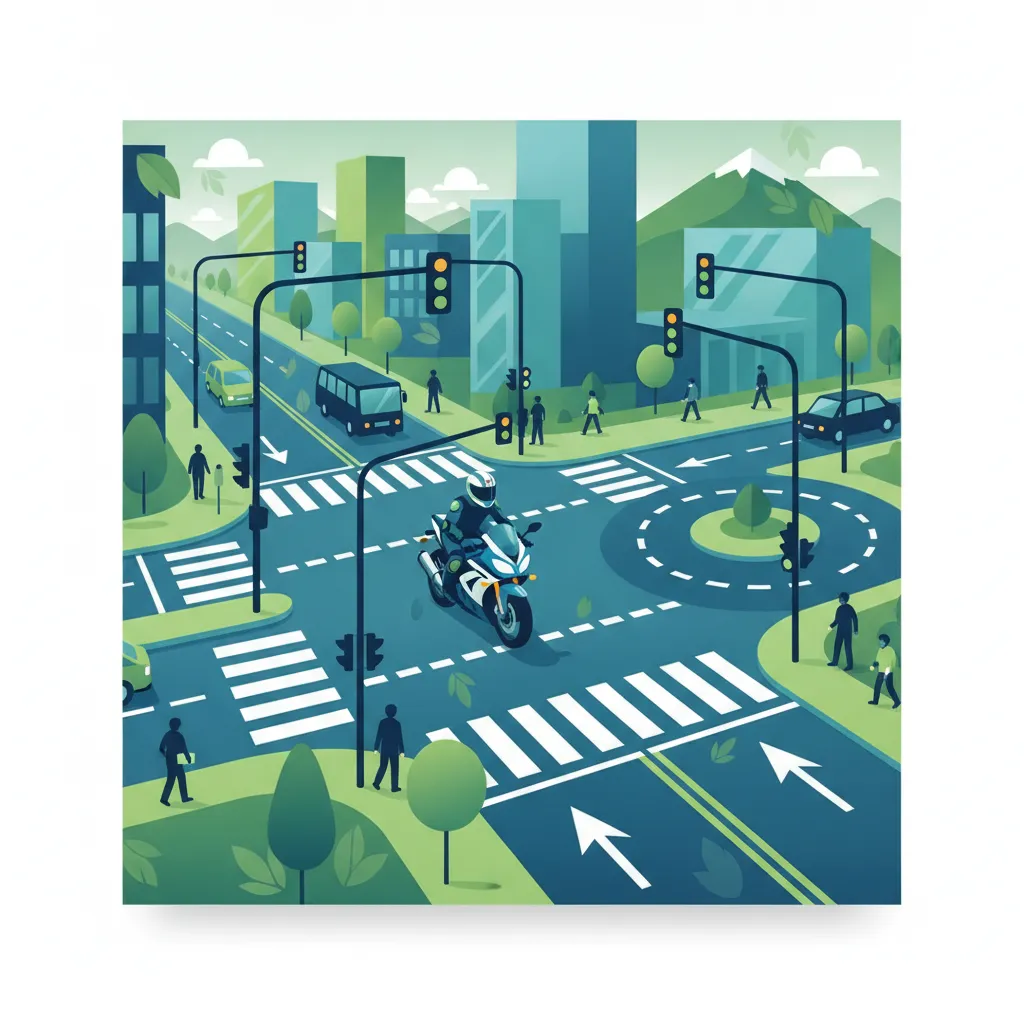
This lesson provides guidance on safely negotiating intersections and roundabouts on a motorcycle. It details the correct procedures for approach, lane selection, and yielding according to Swiss traffic regulations. Emphasis is placed on heightened awareness of other vehicles, cyclists, and pedestrians in these complex traffic environments.
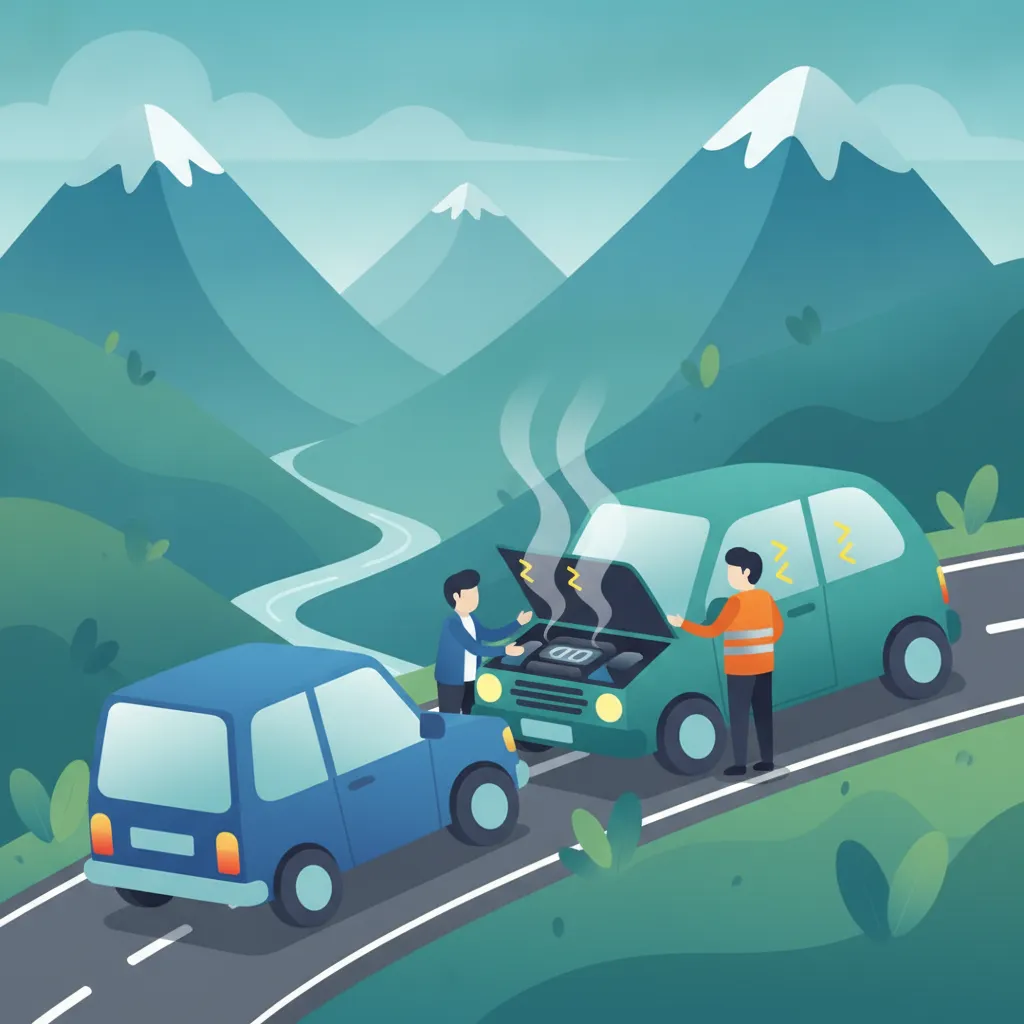
This lesson provides a practical guide for handling a vehicle breakdown. It covers the immediate steps to take, such as moving the vehicle off the road if possible and making it visible to other traffic using hazard lights. The content also explains how to contact breakdown services and what information to provide to them.
Find clear answers to common questions learners have about First-Aid Basics and Accident Scene Management. Learn how the lesson is structured, which driving theory objectives it supports, and how it fits into the overall learning path of units and curriculum progression in Switzerland. These explanations help you understand key concepts, lesson flow, and exam focused study goals.
Under Swiss law, every road user is required to stop and provide help if it is safe to do so. You must secure the scene, provide first aid, and alert emergency services if others have not already done so.
In Switzerland, dial 144 for medical emergencies (ambulance) or 117 for the police. Knowing these numbers is a common requirement in the theory exam.
Ensure your own safety first by pulling over well clear of the scene. Use hazard lights and, if available, a warning triangle placed at a sufficient distance to warn oncoming traffic before approaching the injured person.
Generally, you should not remove the helmet unless the rider is not breathing and you need to perform CPR, or if there is a risk of vomiting. Improper removal can cause serious spinal cord injuries.
Pinpoint specific Swiss traffic rules, road signs, or driving situations you need to master. Use the practice search to start a focused revision session now and build confidence for your official driving theory exam.