
This lesson explores the essential techniques for managing weight distribution, luggage, and passenger safety on your motorcycle. Proper load security is critical for maintaining vehicle balance and meeting the safety standards required for your Danish motorcycle theory exam.

Lesson content overview
Velkommen til denne lektion om belastningsstyring og udstyrssikring på motorcykler, et afgørende emne for enhver motorcyklist i Danmark, der ønsker at køre sikkert og ansvarligt. At transportere bagage eller en passager ændrer motorcyklens dynamik markant, og en grundig forståelse af disse ændringer er essentiel for at bevare kontrol og stabilitet under kørslen. Denne lektion vil dække, hvordan ekstra vægt påvirker din motorcykels balance, styring og bremseevne, samt give dig de nødvendige procedurer for korrekt sikring af last og tilpasning af din kørestil.
Belastningsstyring handler om mere end blot at spænde bagage fast; det handler om at forstå den fysiske indvirkning af yderligere masse på din motorcykel. Hver enhed af ekstra vægt, hvad enten det er en rygsæk, fuldt oppakningssystem eller en passager, ændrer motorcyklens køreegenskaber. At ignorere disse ændringer kan føre til ustabil kørsel, længere bremselængder og i værste fald ulykker.
Den primære årsag til korrekt belastningsstyring er sikkerhed. En forkert fordelt eller usikret last kan forårsage pludselige vægtforskydninger, som drastisk kan påvirke motorcyklens styring og balance, især i sving eller under nødbremsning. Derudover kan løs bagage falde af og udgøre en fare for både dig selv og andre trafikanter. Korrekt belastning sikrer, at du bevarer optimal kontrol og forudsigelig håndtering af din motorcykel under alle forhold.
Tilføjelse af vægt til en motorcykel har en række fysiologiske konsekvenser, der påvirker dens køreegenskaber. Disse effekter er kumulative og kan være mere udtalte, jo tungere lasten er, og jo højere dens placering er.
Motorcyklens tyngdepunkt (CG) er det punkt, hvor dens samlede vægt antages at virke. En lav og central placering af tyngdepunktet er ideel for stabilitet og nem håndtering. Når du tilføjer ekstra vægt, især højt oppe eller langt bagud, flytter du tyngdepunktet. Et højere tyngdepunkt kan gøre motorcyklen mere ustabil og vanskeligere at balancere, især ved lave hastigheder eller under manøvrering. Et bagudrettet tyngdepunkt kan gøre forhjulet lettere, hvilket reducerer styregreb og følsomhed.
Med ekstra vægt vil din motorcykel føles tungere og mindre responsiv. Styringsresponsen kan blive langsommere, og du kan opleve en tendens til, at motorcyklen vil "rejse" sig op i sving, hvilket kræver mere aktiv modstyring. Dette er særligt mærkbart ved hurtige retningsskift eller i skarpe sving, hvor motorcyklen skal lægges ned.
Øget vægt betyder øget inerti, hvilket har en direkte indflydelse på bremseevnen. Det tager længere tid og større kraft at bringe en tungere motorcykel til standsning. Bremserne skal arbejde hårdere, og du vil opleve en mærkbar forlængelse af din bremselængde. Dertil kommer, at vægtforskydning under opbremsning kan påvirke stabiliteten. En for tung bagage bagpå kan få baghjulet til at lette, hvilket reducerer bremseeffekten fra bagbremsen og potentielt kan føre til et udskridning.
Affjedringssystemet er designet til at håndtere en bestemt vægt. Med ekstra last vil affjedringen komprimeres mere, hvilket kan resultere i en stivere og mindre komfortabel kørsel. I ekstreme tilfælde kan affjedringen "bundfælde" (bottom out), hvilket betyder, at den rammer sit maksimumsrejse, hvilket kan være skadeligt og farligt. Dækkene skal også klare den øgede vægt og kan kræve højere dæktryk for at opretholde korrekt kontaktflade og forhindre overophedning. Kontroller altid din motorcykels manual for anbefalet dæktryk ved fuld last.
Den måde, du placerer din last på motorcyklen, er lige så vigtig som den samlede vægt. Målet er at holde tyngdepunktet så lavt og centralt som muligt for at bevare motorcyklens naturlige balance og håndtering.
De tungeste genstande skal altid placeres så tæt på motorcyklens midte og så lavt som muligt. Dette minimerer den negative indvirkning på tyngdepunktet og holder motorcyklen mest stabil. Forestil dig en linje, der går gennem midten af motorcyklen fra for til bag; ideelt set skal lasten fordeles jævnt på begge sider af denne linje for at undgå at trække motorcyklen til den ene side. Sidekufferter er designet med dette i tankerne, da de holder lasten lavt og tæt på midten.
Placer altid de tungeste genstande i bunden af sidekufferter eller tanktasker og nærmest motorcyklens chassis. Fordel vægten jævnt mellem venstre og højre side.
Uanset hvor godt lasten er fordelt, er den ubrugelig, hvis den ikke er forsvarligt sikret. Løs bagage kan falde af, bevæge sig uforudsigeligt eller endda blive fanget i hjul eller kæde, hvilket skaber en yderst farlig situation.
Brug stærke, egnede stropper, net eller bungee-snore til at fastgøre al bagage. Sørg for, at stropperne er stramme og ikke kan løsne sig under kørslen. Undgå at bruge billige elastikstropper, der kan knække eller strække sig for meget. Specifikke bagagesystemer som sidekufferter og topbokse, der er designet til motorcykler, er ofte den sikreste løsning, da de er fastgjort med solide beslag.
Før hver tur med last er det afgørende at udføre en grundig kontrol af al bagage.
Kontroller fastgørelse: Træk i al bagage for at sikre, at den sidder fuldstændig fast og ikke kan bevæge sig. Ryst motorcyklen forsigtigt; hvis noget rasler eller forskubber sig, skal det justeres.
Tjek forhindringer: Sørg for, at bagagen ikke blokerer for dine spejle, baglygter, blinklys eller nummerplade. Den må heller ikke hindre din bevægelsesfrihed eller betjening af motorcyklens kontroller.
Dæktryk: Juster dæktrykket til det anbefalede niveau for fuld last, som specificeret i din motorcykels manual.
Affjedring: Overvej at justere affjedringen (hvis din motorcykel tillader det) for at kompensere for den øgede vægt. Dette kan forbedre komfort og stabilitet.
At transportere en passager stiller særlige krav til både dig som fører og til passageren. En passager er levende, bevægelig vægt, der kan påvirke motorcyklens dynamik i langt højere grad end fast bagage.
Din passager skal altid sidde på det dertil indrettede passagersæde og bruge de tilgængelige fodhvilere. Passageren skal holde fast i dig (om livet), i håndtagene (hvis tilgængelige) eller i motorcyklens passagerhåndtag. Det er vigtigt, at passageren sidder tæt på dig og følger dine bevægelser, især i sving, hvor de skal læne sig med motorcyklen.
En passager, der ikke læner sig med motorcyklen i et sving, kan modvirke din styring og potentielt destabilisere motorcyklen. Instruer din passager i at kigge over din skulder i svingretningen.
Før I kører, er det vigtigt at etablere klar kommunikation. Forklar passageren, hvordan de skal stige af og på motorcyklen, hvordan de skal holde fast, og hvad de skal gøre i sving. Aftal eventuelt tegn for stop eller pauser. En uforberedt passager, der pludselig flytter sig, kan være farlig. Passageren bør også bære fuldt beskyttelsesudstyr, herunder en godkendt hjelm.
Med en passager skal du forvente, at motorcyklen føles anderledes.
Du skal derfor køre mere jævnt, accelerere og bremse gradvist, og være mere opmærksom på at forudse trafikken. Undgå pludselige bevægelser, der kan forstyrre passagerens balance.
Uanset om du kører med bagage eller en passager, skal din kørestil justeres for at kompensere for den øgede vægt og de ændrede køreegenskaber.
Med øget vægt vil din motorcykel accelerere langsommere. Du skal derfor planlægge dine overhalinger og sammenfletninger mere omhyggeligt og give mere plads til at opbygge hastighed. Tilsvarende skal deaccelerationen være mere jævn og tidlig. Undgå brat gasgivning eller pludselige gearskift, da dette kan føre til et ujævnt træk og uønskede vægtforskydninger.
Øget vægt påvirker især kørsel i sving. Motorcyklen vil kræve mere kraft for at lægge sig ned i svinget og vil have en større tendens til at rette sig op. Du skal starte dine sving tidligere og med en lavere hastighed end normalt. Fokusér på en blød og gradvis lean-angle, og undgå pludselige korrektioner i svinget. Det er afgørende at kigge langt fremad for at planlægge din linje gennem svinget effektivt.
Som tidligere nævnt, forlænges bremselængden markant med ekstra vægt. Du skal derfor altid holde en større sikkerhedsafstand til den forankørende, end du normalt ville gøre. Brug begge bremser jævnt og progressivt. Vær opmærksom på, hvordan vægten forskydes fremad under opbremsning, og tilpas dit tryk på forbremsen derefter. Undgå at bremse hårdt i et sving, da dette kan forstyrre balancen og forårsage et udskridning.
Som motorcyklist på danske veje er du forpligtet til at følge Færdselsloven og de specifikke regler for last og passagerer. Disse regler er designet til at sikre både din og andre trafikanters sikkerhed.
Hver motorcykel har en fabrikantens specificerede maksimalt tilladte totalvægt, som inkluderer motorcyklens egenvægt, førerens vægt, passagerens vægt og vægten af al bagage. Du må aldrig overskride denne grænse. Overtrædelse kan ikke kun resultere i bøder, men også i farlige køreegenskaber og skader på motorcyklen. Disse specifikationer findes typisk i din motorcykels instruktionsbog og på dens typeskilt.
I Danmark skal en passager på en motorcykel sidde på et sæde, der er godkendt og beregnet til formålet. Hvis motorcyklen ikke er udstyret med et passagersæde og fodhvilere, må du ikke transportere en passager. Passageren skal have tilstrækkeligt fodfæste og håndtag at holde fast i. Ifølge Færdselsloven skal passageren være behørigt sikret, og føreren skal sikre, at passageren sidder korrekt og sikkert under hele kørslen.
Alle genstande, der transporteres på motorcyklen, skal være forsvarligt fastgjort for at forhindre, at de falder af under kørslen. Lasten må ikke være til fare for hverken dig selv, passageren eller andre trafikanter. Dette betyder, at ingen del af lasten må stikke ud på en måde, der kan forårsage skade, eller flytte sig under kørsel, opbremsning eller acceleration.
Last må ikke hindre førerens udsyn til vejen, trafiksikkerhedsudstyr (som f.eks. spejle) eller motorcyklens betjeningsgreb. Det er også vigtigt, at lasten ikke dækker for lygter, reflekser eller nummerpladen, da dette er ulovligt og kan resultere i en bøde. Sørg for, at lasten ikke påvirker din evne til at manøvrere motorcyklen fuldt ud.
Selv erfarne motorcyklister kan begå fejl ved belastningsstyring. At kende de mest almindelige fejl kan hjælpe dig med at undgå dem.
Den hyppigste fejl er at overskride motorcyklens maksimale totalvægt. Dette kan forringe bremseevnen, overbelaste dæk og affjedring og gøre motorcyklen ekstremt vanskelig at styre. Husk at inkludere din egen vægt, passagerens vægt, alt udstyr og brændstof, når du beregner den samlede vægt.
Placering af tung bagage højt oppe (f.eks. en stor, tung topboks) eller for langt bagud kan drastisk hæve tyngdepunktet og gøre motorcyklen ustabil. En ujævn fordeling mellem sidekufferter kan også trække motorcyklen til den ene side, hvilket gør den vanskelig at holde lige.
En passager, der ikke er instrueret eller pludselig flytter sig, kan destabilisere motorcyklen øjeblikkeligt. Tilsvarende kan løs bagage, der begynder at rasle eller forskubbe sig, skabe panik og resultere i tab af kontrol. Regelmæssige tjek af bagagens fastgørelse er afgørende.
Belastningens indvirkning forstærkes under visse køreforhold. Du skal være ekstra forsigtig og tilpasse din kørsel yderligere i disse situationer.
På våde vejbaner er vejgreb reduceret, hvilket yderligere forlænger bremselængden og mindsker marginen for fejl. En tungt lastet motorcykel bliver endnu mere følsom. Stærk sidevind kan være ekstremt farlig, især med en høj eller bred last (som sidekufferter eller en topboks), da den øgede overflade kan fange vinden og destabilisere motorcyklen. Hold dig opmærksom på vejrforholdene og sæt farten ned.
Kørsel på ujævne veje eller over huller kan forårsage pludselige ryk i en lastet motorcykel, der kan være svære at kontrollere. Ved høje hastigheder forstærkes alle effekter af den ekstra vægt; det bliver sværere at styre præcist, og enhver ustabilitet føles mere dramatisk. Overvej at undgå ujævne veje, og reducer altid hastigheden, når du kører med fuld last, især på motorveje eller i blæsende vejr.
Korrekt belastningsstyring og udstyrssikring er ikke blot et spørgsmål om at overholde regler; det er et fundamentalt aspekt af sikker motorcykelkørsel. Ved at forstå, hvordan ekstra vægt påvirker din motorcykels dynamik, og ved at anvende de korrekte metoder for lastfordeling og fastgørelse, kan du opretholde kontrol, reducere risici og nyde dine ture fuldt ud. Husk altid at udføre en grundig kontrol før afgang og tilpasse din kørestil til den øgede masse og ændrede balance.
Load management on a motorcycle fundamentally changes its handling characteristics by raising the center of gravity, increasing inertia, and reducing braking efficiency. Safe load distribution means keeping heavy items low and centered, using proper securing methods like straps or dedicated panniers, and performing a pre-ride check of attachment, visibility, and tire pressure. When carrying passengers, clear communication and instruction on proper positioning and leaning technique are essential, and the rider must adopt a smoother, more anticipatory riding style with increased following distances. Under Danish traffic law, all loads must be securely fastened, cannot obstruct safety equipment, and must not exceed the motorcycle's rated maximum total weight including the rider, passenger, and all luggage.
A short set of high-value points that capture the most important learning from this lesson.
Extra weight shifts the center of gravity higher and backward, making the motorcycle less responsive and harder to balance, especially in turns and at low speeds
Heavier loads increase braking distance significantly because of greater inertia, requiring earlier and more gradual braking
Place the heaviest items low and centered on the motorcycle to maintain stability and predictable handling
Passengers must sit on an approved seat with footrests and handholds, and lean with the motorcycle in turns to avoid destabilizing it
Always check your motorcycle's maximum total weight rating before loading, as exceeding it compromises safety and is illegal
Explore all units and lessons included in this driving theory course.
The ideal load position keeps weight low and centered; top boxes should only carry light items because a heavy top box raises the center of gravity dangerously
Both brakes should be applied evenly and progressively when loaded, and you must maintain a greater following distance than usual
Before riding, verify luggage is fully secured, mirrors and lights are unobstructed, and tire pressure is adjusted for the load
Passengers need instruction on holding on properly, leaning with the bike in turns, and not making sudden movements
Danish traffic law requires that loads cannot fall off and must not obstruct lights, reflectors, mirrors, or the number plate
Overloading the motorcycle beyond the manufacturer's maximum total weight specification, which strains brakes, tires, and suspension
Placing heavy items in a top box or high on a rack, which raises the center of gravity and causes instability in sidewinds and turns
Failing to balance weight evenly between left and right side cases, causing the bike to pull to one side
Riding with an unprepared passenger who moves suddenly or fails to lean with the motorcycle in curves
Not adjusting tire pressure or suspension for heavy loads, leading to poor road contact and reduced control
Lesson content overview
A short set of high-value points that capture the most important learning from this lesson.
Extra weight shifts the center of gravity higher and backward, making the motorcycle less responsive and harder to balance, especially in turns and at low speeds
Heavier loads increase braking distance significantly because of greater inertia, requiring earlier and more gradual braking
Place the heaviest items low and centered on the motorcycle to maintain stability and predictable handling
Passengers must sit on an approved seat with footrests and handholds, and lean with the motorcycle in turns to avoid destabilizing it
Always check your motorcycle's maximum total weight rating before loading, as exceeding it compromises safety and is illegal
Explore all units and lessons included in this driving theory course.
The ideal load position keeps weight low and centered; top boxes should only carry light items because a heavy top box raises the center of gravity dangerously
Both brakes should be applied evenly and progressively when loaded, and you must maintain a greater following distance than usual
Before riding, verify luggage is fully secured, mirrors and lights are unobstructed, and tire pressure is adjusted for the load
Passengers need instruction on holding on properly, leaning with the bike in turns, and not making sudden movements
Danish traffic law requires that loads cannot fall off and must not obstruct lights, reflectors, mirrors, or the number plate
Overloading the motorcycle beyond the manufacturer's maximum total weight specification, which strains brakes, tires, and suspension
Placing heavy items in a top box or high on a rack, which raises the center of gravity and causes instability in sidewinds and turns
Failing to balance weight evenly between left and right side cases, causing the bike to pull to one side
Riding with an unprepared passenger who moves suddenly or fails to lean with the motorcycle in curves
Not adjusting tire pressure or suspension for heavy loads, leading to poor road contact and reduced control
Explore search topics learners often look for when studying Load Management and Equipment Security. These topics reflect common questions about road rules, driving situations, safety guidance, and lesson level theory preparation for learners in Denmark.
Browse additional driving theory lessons that cover connected traffic rules, road signs, and common driving situations related to this topic. Improve your understanding of how different rules interact across everyday traffic scenarios.
Understand the specific Danish regulations for carrying passengers on a motorcycle. This lesson covers passenger responsibilities, proper seating, and how a passenger impacts motorcycle dynamics and safety, crucial for your theory exam.

This lesson explains the physical effects of adding weight to a motorcycle. It covers how passengers or luggage change the center of gravity, affecting steering, stability, and increasing stopping distances. Learners will understand how to adjust suspension and tyre pressure, and adapt their riding inputs accordingly.
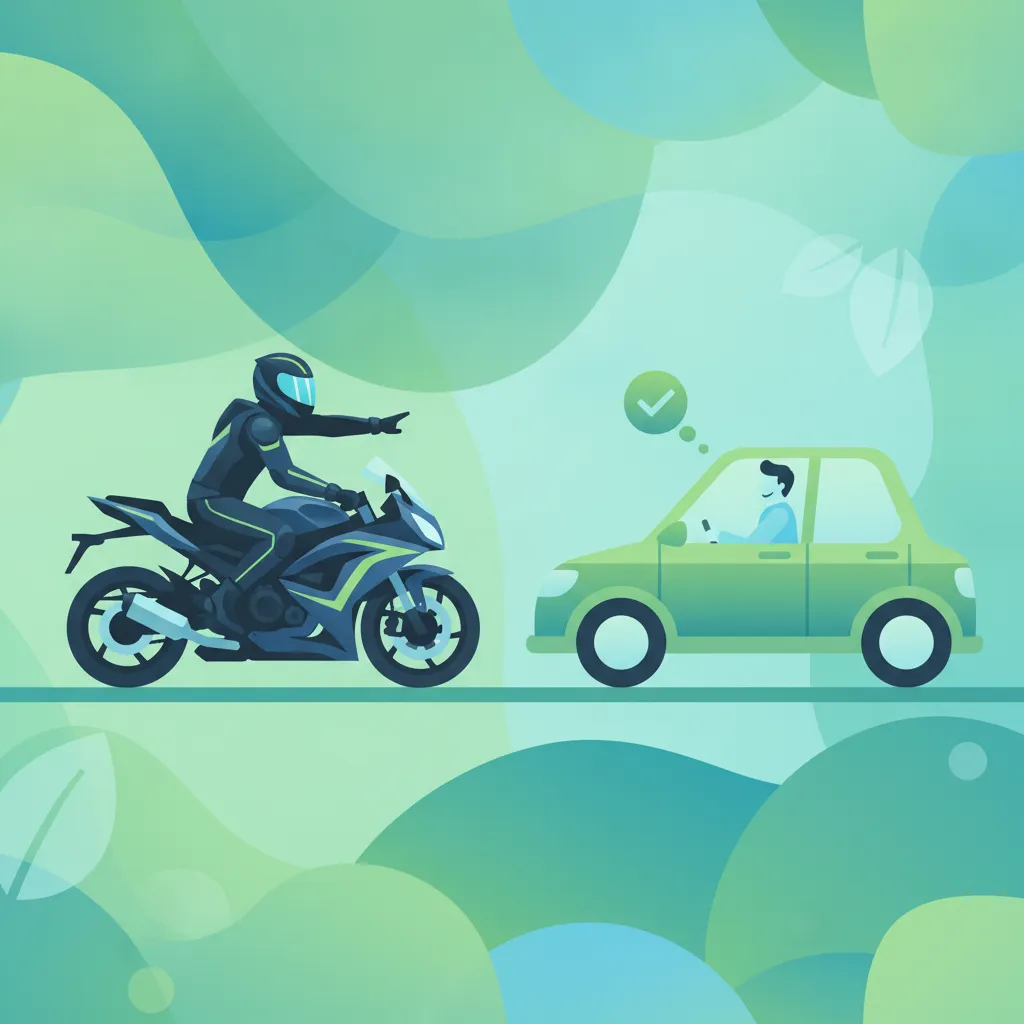
This lesson defines the fundamental responsibilities of a motorcyclist, which extend beyond simple rule-following. It emphasizes the duty of care required to operate safely, including practicing defensive riding techniques and proactively identifying potential hazards. The content focuses on the importance of maintaining visibility and communicating intentions clearly to ensure safe interactions in traffic.
This lesson examines the specific risks inherent to motorcycling, emphasizing a rider's vulnerability due to reduced physical protection compared to other vehicles. It covers the heightened severity of injuries in accidents and the critical role of protective gear in mitigating harm. Learners will understand how to adopt defensive strategies, such as proper road positioning, to counteract these risks.

This lesson details the systematic pre-ride inspection process that all motorcyclists must perform. It covers critical safety checks, including verifying correct tyre pressure, assessing brake pad wear, and ensuring all lights are functional. Regular completion of these checks is essential for preventing mechanical failures and ensuring rider safety.

This lesson provides practical guidance for motorcyclists using ferries, a common mode of transport in Denmark. It covers the process of riding onto the ferry, securing the motorcycle with straps to prevent it from falling, and navigating potentially slippery decks. Safe procedures for disembarking into traffic are also explained.

This lesson focuses on the core safety duties of a stor knallert rider. It explains the legal requirement for wearing a helmet and the benefits of other protective gear. The content also covers essential pre-ride checks, including brakes, tyres, and lights, to ensure the vehicle is in safe operating condition.

This lesson provides an overview of the Danish legal system as it applies to motorcyclists. It details the consequences of traffic violations, including fines, penalty points, and potential licence suspension. Learners will also understand their legal responsibilities concerning insurance coverage and procedures to follow in the event of a collision.

This lesson breaks down the critical skill of overtaking into a safe, repeatable process. It covers how to judge the time and space needed, check for oncoming traffic, and execute the maneuver decisively. The importance of signaling and returning to the lane safely is also emphasized.
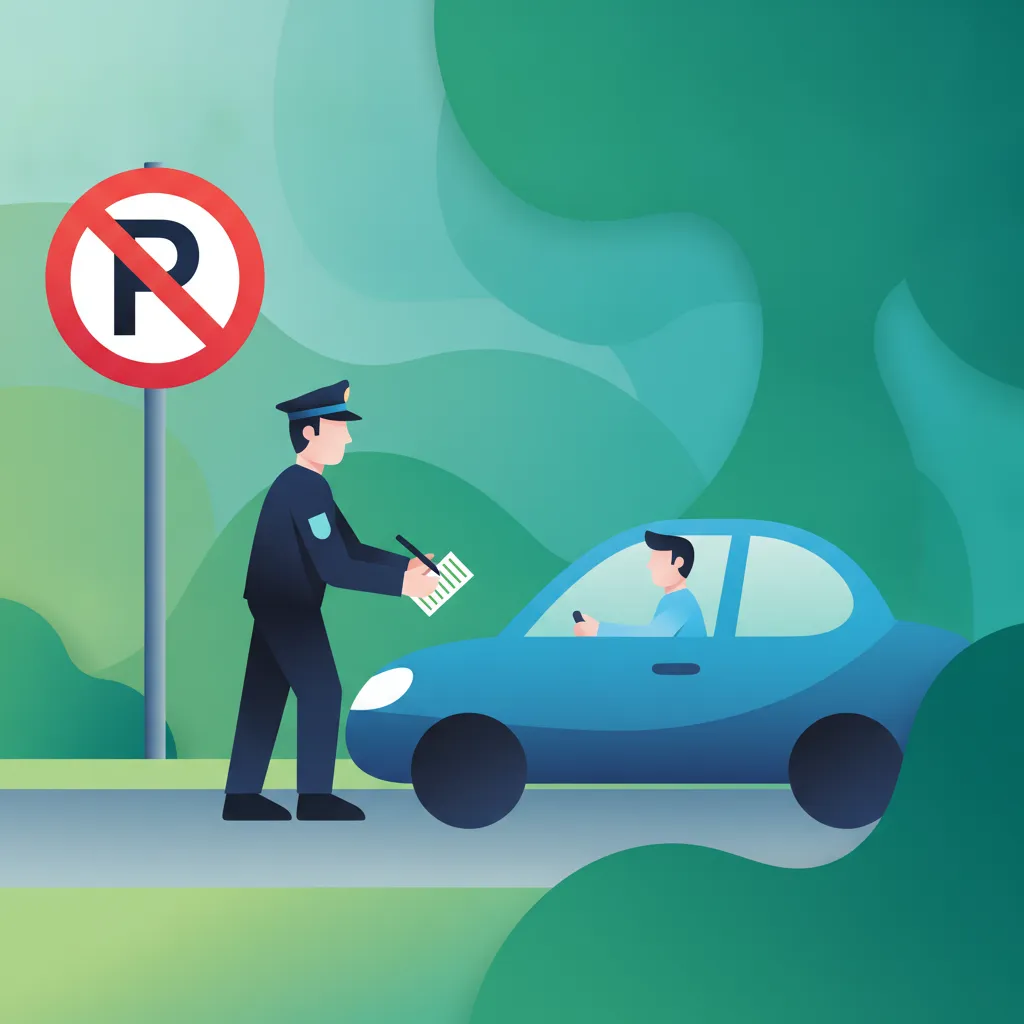
This lesson provides a clear overview of the penalties associated with breaking traffic laws as a motorcyclist. It details the Danish penalty point system ('klip i kørekortet') and the conditions that can lead to fines or licence revocation. Understanding these consequences reinforces the importance of lawful riding.

This lesson explains the strategic importance of lane positioning for a motorcyclist. It teaches how to select a position within the lane that makes you most visible to other road users and provides an escape route from potential hazards. The content covers how to adjust your position based on traffic, road conditions, and to avoid being in another vehicle's blind spot.
Learn how to safely manage and secure luggage on your motorcycle in Denmark. This lesson details the impact of cargo weight and placement on stability, braking distance, and overall motorcycle dynamics, essential for safe riding.
This lesson explains the physical effects of adding weight to a motorcycle. It covers how passengers or luggage change the center of gravity, affecting steering, stability, and increasing stopping distances. Learners will understand how to adjust suspension and tyre pressure, and adapt their riding inputs accordingly.

This lesson explains the fundamental physics of load distribution and its direct impact on a heavy vehicle's centre of gravity. It details how the positioning of cargo—whether high, low, forward, or back—alters handling characteristics and overall stability. The content emphasizes the importance of achieving a balanced load to minimize rollover risk and comply with Danish regulations for safe weight distribution.

This lesson explains the physics of motorcycle braking, highlighting the primary role of the front brake in stopping power. It covers techniques for smooth, progressive brake application to avoid wheel lock-up. Learners will also understand how body position and weight transfer affect braking efficiency and stability.

This lesson focuses on the safe transportation of both passengers and cargo. It details the legal requirements for using seat belts and the mandatory use of appropriate child restraints for younger passengers. Additionally, it explains the principles of proper load distribution and securing methods to prevent cargo from shifting, which could dangerously affect the vehicle's stability and handling.
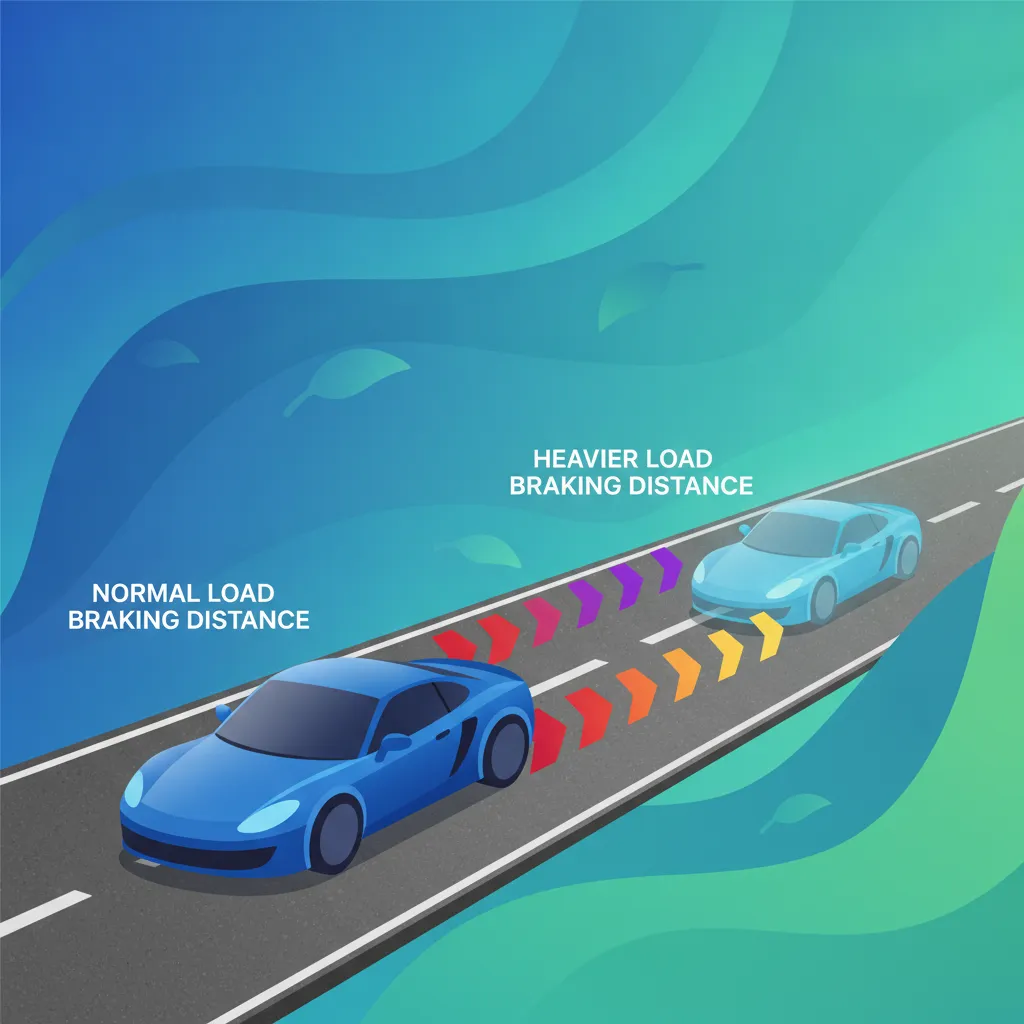
This lesson explores the direct relationship between a vehicle's mass, its speed, and the distance required to stop. It explains how increased load significantly lengthens the braking distance and details how road conditions like gradient and surface friction further affect this calculation. Learners will understand the importance of anticipating stops and maintaining a greater following distance to ensure safety.

This lesson teaches riders how to manage the destabilizing effects of wind. It covers how to anticipate gusts, adjust body position to counteract pressure, and choose a lane position that offers more stability. These skills are essential for safety on open highways, bridges, and coastal areas.

This lesson provides a guide to motorway riding, a high-speed and demanding environment. It details the process for using acceleration lanes to merge smoothly, maintaining proper lane discipline, and preparing for exits well in advance. Key safety principles like the two-second rule are reinforced for this context.
This lesson equips riders with the knowledge to handle imperfect road surfaces safely. It covers how to adjust speed, steering, and braking inputs when encountering loose gravel, slippery wet leaves, or other hazards. The focus is on smooth control inputs to avoid upsetting the motorcycle's stability.

Proper axle load distribution is crucial for the safety and legality of heavy vehicle operations. This lesson explains how axle pressure is defined and regulated, highlighting the importance of distributing weight correctly across all axles. It covers how imbalanced loads can negatively affect braking performance, steering control, and overall vehicle stability, while also explaining the Danish regulations for maximum axle loads.

This lesson focuses on the challenges of braking in adverse conditions like rain or on icy patches. It teaches riders to increase their following distance and apply brakes smoothly and gently to prevent traction loss. The role of ABS in these scenarios and strategies for maintaining control are also explained.
Find clear answers to common questions learners have about Load Management and Equipment Security. Learn how the lesson is structured, which driving theory objectives it supports, and how it fits into the overall learning path of units and curriculum progression in Denmark. These explanations help you understand key concepts, lesson flow, and exam focused study goals.
A passenger significantly increases the overall weight, which requires more distance to stop safely. You must apply both front and rear brakes progressively earlier and adjust your following distance to account for the increased momentum.
Keep the load as low and as close to the center of the motorcycle as possible. Uneven weight distribution can drastically affect your steering and cause instability, especially when cornering or performing emergency maneuvers.
Yes, regardless of the license category, the motorcycle must be legally equipped with passenger footrests and a seat. You must ensure the passenger is wearing approved protective gear and is instructed on how to lean with the bike.
Use our powerful search tool to pinpoint specific Danish driving theory topics, road signs, or traffic situations you need to review. Start exploring relevant practice sets now to reinforce your knowledge and build confidence for your upcoming driving licence exam.