
This lesson guides you through the essential rules for using vehicle lighting and signalling devices correctly on Belgian roads. You will learn when to switch between low and high beams, the specific conditions for using fog lights, and how to communicate your intentions clearly to other road users. This is a critical skill for both your Category B theory exam and your practical driving safety.
Lesson content overview
Driving safely on Belgian roads requires not only an understanding of traffic rules but also the effective use of your vehicle's lighting and signalling systems. These devices are critical tools for visibility, communication, and overall road safety. By properly using your lights and indicators, you ensure that you can see the road ahead, make your vehicle visible to others, and clearly communicate your intentions to fellow road users. This lesson, part of the Complete Theory Program for Belgian Category B Driving Licence, will detail the function, legal requirements, and best practices for each type of light and signalling device on your vehicle.
Effective use of these systems reduces the risk of collisions, especially during adverse weather conditions, at night, or when performing manoeuvres. Mastering these skills is fundamental for passing your theoretical exam and becoming a responsible and safe driver.
Your vehicle is equipped with a variety of lights, each designed for a specific purpose to enhance visibility and communication. Knowing when and how to use each one is essential for safe driving.
Headlights are mounted at the front of your vehicle and are crucial for illuminating the road ahead and making your vehicle visible to oncoming traffic. They come in different types for varying conditions.
Low beam headlights, also known as dipped headlights, are your standard setting for normal night driving and situations with reduced visibility. They provide sufficient illumination without dazzling other drivers. They cast a beam that points downwards and slightly to the right, designed to light up the road for approximately 50 to 100 metres ahead.
When to Use Low Beams:
High beam headlights, or main headlights, offer maximum illumination, significantly extending your field of vision further down the road. They are powerful and designed for use only when there is no risk of dazzling other road users.
Rules for High Beam Usage:
Front fog lights are distinct from regular headlights. They emit a wide, flat beam that is aimed low to cut under the fog, rain, or snow, reducing glare that could be reflected back at the driver. They are typically positioned below the main headlights.
When to Use Front Fog Lights:
Rear lights are just as important as front lights for ensuring your vehicle's presence and intentions are clear to drivers behind you.
Tail lights are red lights located at the rear of your vehicle that illuminate whenever your headlights or side lights are on. Their primary purpose is to indicate the presence and width of your vehicle to following traffic. They are essential at night and in poor visibility conditions.
Brake lights are red lights, usually brighter than tail lights, that illuminate automatically when you press the brake pedal. They signal to drivers behind you that your vehicle is slowing down or stopping. Functional brake lights are paramount for safety, allowing following drivers crucial time to react to your deceleration. You typically have two main brake lights and often a third, higher-mounted brake light (CHMSL - Centre High-Mounted Stop Lamp).
Safety Critical: Ensure all your brake lights are always functional. Driving with non-functional brake lights is extremely dangerous as it deprives following drivers of critical warning signals. Regular checks are vital.
Rear fog lights are very bright red lights located at the rear of your vehicle, significantly brighter than regular tail lights. They are designed to make your vehicle highly visible from behind in extremely poor visibility conditions.
When to Use Rear Fog Lights:
Communicating your intentions clearly and early is a cornerstone of safe driving. Turn signals and hazard lights are your primary tools for this.
Indicator lights, also known as turn signals or blinkers, are flashing amber lights located at the front, side, and rear of your vehicle. They signal your intention to turn left or right, change lanes, merge, or pull over.
Rules for Using Turn Signals in Belgium:
Hazard warning lights, or hazard lights, are flashing amber lights that simultaneously activate all your vehicle's indicator lights. Their purpose is to alert other road users that your vehicle is temporarily posing a hazard or is stationary in a dangerous position.
When to Use Hazard Warning Lights:
Other specialized lights contribute to overall vehicle safety and communication.
Daytime Running Lights (DRL) are lights that automatically illuminate when the engine is running during daylight hours. They are typically less bright than low beams. Their sole purpose is to increase your vehicle's visibility to other road users during the day, making you more noticeable, especially for oncoming traffic, without consuming excessive power or causing glare. DRLs are mandatory on all new vehicles sold in the EU since 2011, including Belgium. They are designed to supplement, not replace, your full lighting system for night driving or adverse weather.
Reverse lights are white lights located at the rear of your vehicle that illuminate automatically when you engage reverse gear. They serve two important functions:
Adhering to specific Belgian regulations for vehicle lighting is a legal obligation and a critical component of safe driving.
As outlined, the use of headlights is not discretionary; it is mandated by law under specific conditions.
The timing and duration of your indicator usage are legally defined to ensure clarity and predictability on the road.
The specific circumstances for using hazard warning lights are clearly defined to avoid misuse and confusion.
All lighting devices on your vehicle are subject to regular checks to ensure they are functional and properly adjusted.
Turn on your ignition and check for any warning lights related to your vehicle's lighting system on the dashboard.
Activate your low beam headlights, then high beams, and visually confirm they are working and illuminate the path ahead.
Walk around your vehicle to check that all tail lights, license plate lights, and (if applicable) daytime running lights are illuminated.
Engage your turn signals, checking front, side, and rear indicators on both sides. Listen for the rapid clicking sound if a bulb is out.
Ask someone to observe your brake lights as you press the brake pedal, or check their reflection in a wall or window.
Engage reverse gear and check your reverse lights.
Activate your front and rear fog lights (if equipped) and confirm their illumination.
Understanding the basic rules is a good start, but applying them intelligently in varying conditions is key to safe driving.
Weather conditions demand specific adjustments to your lighting strategy.
Being aware of common errors can help you prevent dangerous situations.
The fundamental principle behind all signalling and lighting is communication.
To summarize, effective use of your vehicle's lighting and signalling devices hinges on several core principles:
Mastering these aspects of vehicle lighting and signalling will not only help you pass your Belgian Category B theoretical exam but will also instill habits essential for a lifetime of safe and responsible driving.
This lesson covers the complete set of Belgian lighting and signalling rules for Category B drivers, including when to use low beams, high beams, fog lights, and indicators. Specific distances apply: dim high beams within 200m of oncoming traffic or 150m when following, and use rear fog lights only when visibility drops below 100 metres. Turn signals must be activated at least 3 seconds before any manoeuvre, while hazard lights are strictly for emergencies or stationary vehicles in dangerous positions. Proper lighting and signalling ensure visibility and clear communication with other road users, reducing collision risk and ensuring legal compliance on Belgian roads.
A short set of high-value points that capture the most important learning from this lesson.
Low beam headlights are mandatory from sunset to sunrise and in any reduced visibility condition such as fog, heavy rain, or snow
You must dim high beams within 200 metres of oncoming traffic and 150 metres when following another vehicle to avoid dazzling drivers
Rear fog lights are for extremely dense conditions only when visibility falls below 100 metres; using them in heavy rain or light fog dazzles following drivers
Always activate turn signals at least 3 seconds before any turn, lane change, or manoeuvre to give other road users time to react
Hazard warning lights are reserved for genuine emergencies and breakdowns, not for normal driving or to bypass traffic rules
Explore all units and lessons included in this driving theory course.
Switch off fog lights immediately when conditions improve; using them in clear weather is illegal and dangerous
Headlights are mandatory in tunnels regardless of time of day or external visibility conditions
Tail lights activate automatically with your headlights to make your vehicle visible from behind
All brake lights must be functional at all times; non-functional brake lights deprive following drivers of critical warning signals
Daytime Running Lights (DRL) increase visibility during the day but do not replace full lighting for night driving or adverse weather
Failing to dim high beams when approaching or following other vehicles, which temporarily blinds other drivers
Activating turn signals too late (less than 3 seconds before the manoeuvre), leaving other drivers insufficient reaction time
Using rear fog lights in heavy rain or light fog instead of reserving them only for very dense fog below 100 metres visibility
Neglecting to check that lights are functional before driving, particularly brake lights which cannot be seen from inside the vehicle
Relying solely on automatic lighting systems without being prepared to manually switch lights on in sudden changes like tunnel entry
Lesson content overview
A short set of high-value points that capture the most important learning from this lesson.
Low beam headlights are mandatory from sunset to sunrise and in any reduced visibility condition such as fog, heavy rain, or snow
You must dim high beams within 200 metres of oncoming traffic and 150 metres when following another vehicle to avoid dazzling drivers
Rear fog lights are for extremely dense conditions only when visibility falls below 100 metres; using them in heavy rain or light fog dazzles following drivers
Always activate turn signals at least 3 seconds before any turn, lane change, or manoeuvre to give other road users time to react
Hazard warning lights are reserved for genuine emergencies and breakdowns, not for normal driving or to bypass traffic rules
Explore all units and lessons included in this driving theory course.
Switch off fog lights immediately when conditions improve; using them in clear weather is illegal and dangerous
Headlights are mandatory in tunnels regardless of time of day or external visibility conditions
Tail lights activate automatically with your headlights to make your vehicle visible from behind
All brake lights must be functional at all times; non-functional brake lights deprive following drivers of critical warning signals
Daytime Running Lights (DRL) increase visibility during the day but do not replace full lighting for night driving or adverse weather
Failing to dim high beams when approaching or following other vehicles, which temporarily blinds other drivers
Activating turn signals too late (less than 3 seconds before the manoeuvre), leaving other drivers insufficient reaction time
Using rear fog lights in heavy rain or light fog instead of reserving them only for very dense fog below 100 metres visibility
Neglecting to check that lights are functional before driving, particularly brake lights which cannot be seen from inside the vehicle
Relying solely on automatic lighting systems without being prepared to manually switch lights on in sudden changes like tunnel entry
Explore search topics learners often look for when studying Proper Use of Lights and Signalling Devices. These topics reflect common questions about road rules, driving situations, safety guidance, and lesson level theory preparation for learners in Belgium.
Browse additional driving theory lessons that cover connected traffic rules, road signs, and common driving situations related to this topic. Improve your understanding of how different rules interact across everyday traffic scenarios.
Understand the legal requirements for using headlights, fog lights, turn signals, and hazard lights in Belgium. This lesson covers essential rules for visibility and communication to ensure road safety and pass your theory exam.
This lesson provides a comprehensive overview of the mandatory lighting systems for all Category AM vehicles under Belgian law. It details the required functions of headlamps, rear lights, brake lights, and turn signals, explaining their importance for communication and visibility. Learners will understand the legal standards for this equipment and how to perform simple pre-ride checks to ensure all lights are functioning correctly.
This lesson examines the operation of traffic light systems in Belgium, clarifying the meaning of red, amber, and green signals, including flashing lights and directional arrows. It details a motorcyclist's legal obligations when approaching and navigating signal-controlled intersections. The content also addresses specialized signals for pedestrians and trams that riders must recognize and respond to correctly.
This lesson provides a detailed explanation of traffic light systems and the correct response to each signal. It covers the standard red, amber, and green light sequence, as well as specific signals for pedestrians and cyclists that AM riders must also obey. The meaning of flashing amber and red lights is also clarified to ensure correct and safe behavior at signalized intersections.
This lesson focuses on techniques and equipment designed to enhance a rider's visibility on the road. It covers the effective use of reflective materials on clothing and the motorcycle itself, as well as the legal requirements for lighting under Belgian law. You will learn strategies to improve your conspicuity during the day, at night, and in adverse weather conditions.
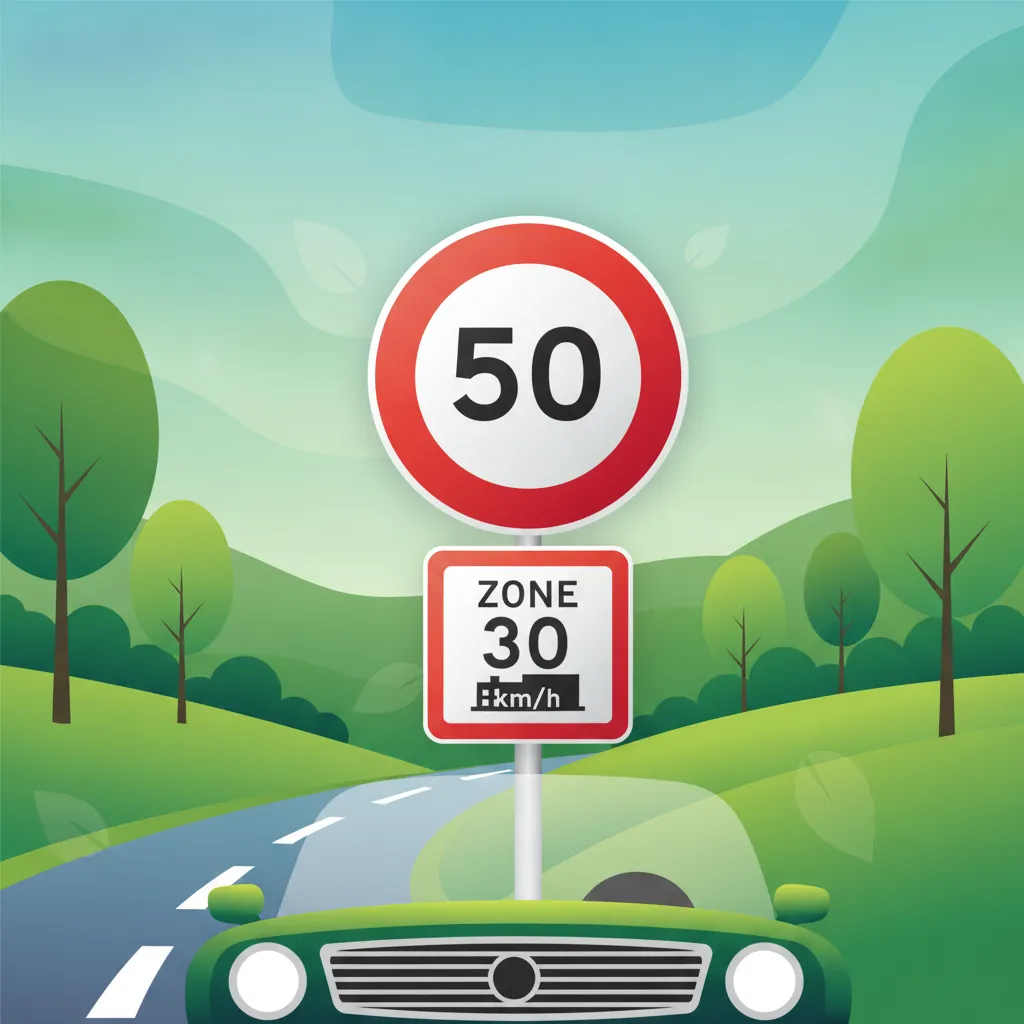
In this lesson, learners explore the full range of regulatory signs used throughout Belgium to enforce traffic laws. It covers signs that prescribe actions, such as stop and give way, as well as those that restrict actions, like speed limits and overtaking bans. Understanding these signs enables drivers to comply accurately with enforced traffic regulations.
This lesson focuses on the unique hazards associated with riding after dark. It emphasizes the importance of a fully functional lighting system and the use of reflective gear to be seen by others. The content explains how darkness affects depth perception and peripheral vision, requiring riders to reduce their speed to compensate for shorter sight distances and potential fatigue.
Learn to avoid typical errors drivers make with headlights, fog lights, and indicators in Belgium. Discover essential best practices for clear communication and enhanced visibility in various traffic and weather conditions.
This lesson examines the operation of traffic light systems in Belgium, clarifying the meaning of red, amber, and green signals, including flashing lights and directional arrows. It details a motorcyclist's legal obligations when approaching and navigating signal-controlled intersections. The content also addresses specialized signals for pedestrians and trams that riders must recognize and respond to correctly.
This lesson provides a comprehensive overview of the mandatory lighting systems for all Category AM vehicles under Belgian law. It details the required functions of headlamps, rear lights, brake lights, and turn signals, explaining their importance for communication and visibility. Learners will understand the legal standards for this equipment and how to perform simple pre-ride checks to ensure all lights are functioning correctly.
This lesson focuses on the unique hazards associated with riding after dark. It emphasizes the importance of a fully functional lighting system and the use of reflective gear to be seen by others. The content explains how darkness affects depth perception and peripheral vision, requiring riders to reduce their speed to compensate for shorter sight distances and potential fatigue.
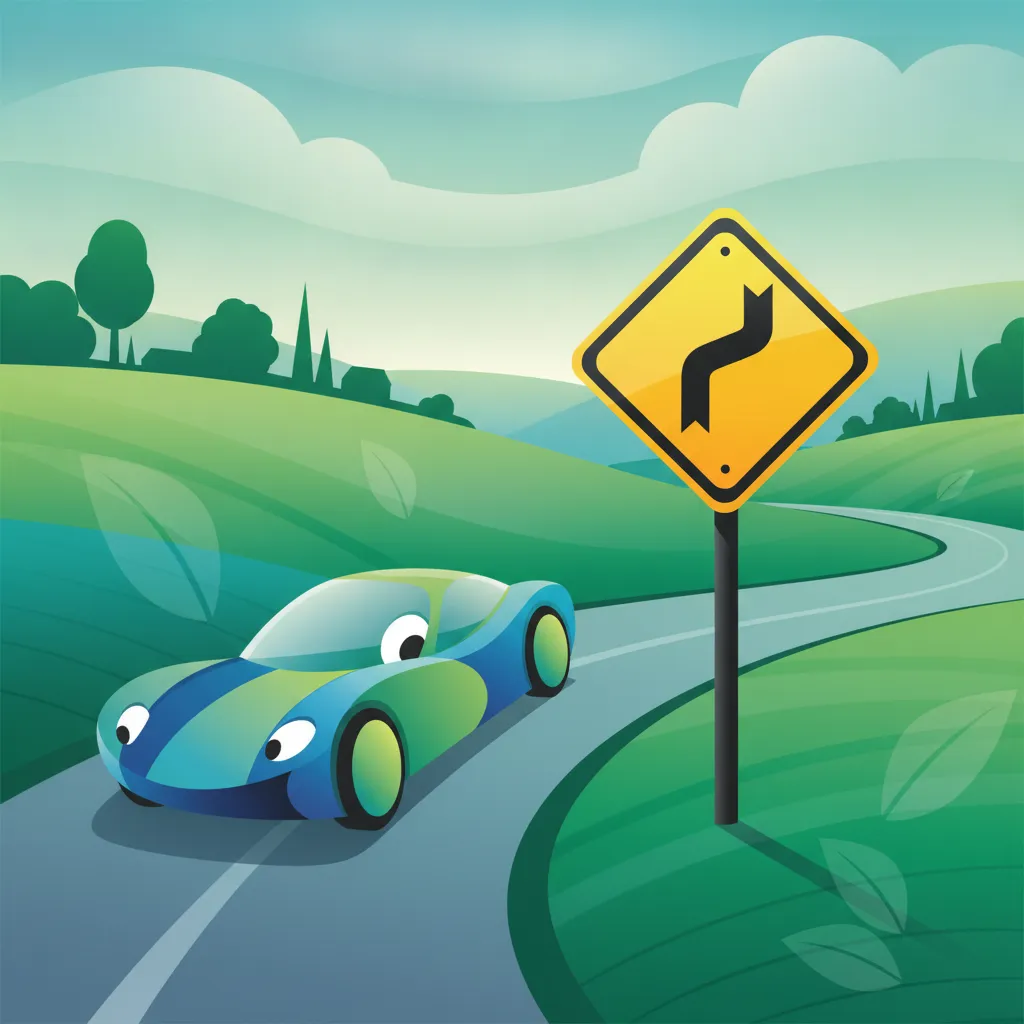
This lesson focuses on warning signs designed to alert drivers to potential hazards ahead. Topics include warnings for sharp curves, steep gradients, slippery surfaces, and zones with high pedestrian or wildlife activity. Learners will understand how to correctly interpret these signs and adjust their driving behavior to maintain safety on the road.
Night driving presents unique challenges, including reduced visibility and glare from oncoming vehicles. This lesson covers proper headlight usage, eye adaptation, and techniques for driving safely at night. It also addresses tunnel navigation, focusing on speed limits, appropriate lighting, and understanding emergency procedures inside tunnels.
This lesson focuses on basic manoeuvres, covering the proper use of indicators, safe lane positioning, and correct steering for turns. Learners will study the importance of checking blind spots and maintaining appropriate speed for a smooth transition when changing lanes. It also addresses turning at intersections and signaling intentions clearly to other road users.
This lesson provides a detailed explanation of traffic light systems and the correct response to each signal. It covers the standard red, amber, and green light sequence, as well as specific signals for pedestrians and cyclists that AM riders must also obey. The meaning of flashing amber and red lights is also clarified to ensure correct and safe behavior at signalized intersections.
This lesson is dedicated to warning signs, which are designed to alert drivers to potential dangers ahead. It covers the interpretation of signs indicating sharp curves, steep gradients, slippery surfaces, and the presence of pedestrians or animals. By understanding these warnings, riders can anticipate potential hazards and adjust their speed and position proactively for safer travel.
This lesson focuses on recognizing and staying out of the blind spots of other vehicles, especially large trucks and buses where 'no-zones' are significant. It provides practical strategies for managing your position on the road to ensure you remain visible to other drivers at all times. You will learn to anticipate lane changes and other maneuvers from vehicles that may not be aware of your presence.
Find clear answers to common questions learners have about Proper Use of Lights and Signalling Devices. Learn how the lesson is structured, which driving theory objectives it supports, and how it fits into the overall learning path of units and curriculum progression in Belgium. These explanations help you understand key concepts, lesson flow, and exam focused study goals.
Rear fog lights are mandatory when visibility is reduced to less than 100 meters due to thick fog or heavy snowfall. They are not permitted in rain, as they can cause glare for drivers behind you.
No, you must generally use low beams in built-up areas, especially if there is sufficient street lighting. High beams should only be used outside of built-up areas when there is no oncoming traffic to avoid dazzling other drivers.
Hazard lights should be used to warn other road users of an immediate danger, such as a sudden traffic jam on a motorway or if your vehicle has broken down in a dangerous position. Do not use them as an excuse for illegal parking.
Yes. Signaling is a legal requirement to indicate your intent to change direction or lanes, regardless of whether you see other road users. It helps you build good habits for safe, predictable driving.
Ready to focus your Belgian driving theory revision? Utilize our powerful search tool to pinpoint exact topics, road signs, or difficulty levels. Engage with practice questions that directly address your learning needs and solidify your understanding of Belgian traffic laws for your upcoming exam.