
This lesson covers the critical pre-drive inspections and regular maintenance tasks every driver must perform to ensure their vehicle is safe and roadworthy. By understanding these technical requirements, you will be prepared for both the theoretical exam questions on vehicle safety and the practical responsibilities of a driver in Belgium.

Lesson content overview
Operating a vehicle safely and lawfully on Belgian roads requires more than just understanding traffic rules; it demands a fundamental appreciation for the mechanical condition of your car. Regular vehicle maintenance and diligent pre-drive inspections are paramount for ensuring roadworthiness, preventing accidents, and complying with legal requirements. This lesson provides a comprehensive guide to the essential checks every driver should know and perform, safeguarding both themselves and other road users.
A well-maintained vehicle is a predictable vehicle. When all its systems are functioning correctly, the driver can focus entirely on the traffic environment, making informed decisions and reacting effectively to hazards. Neglecting vehicle maintenance can lead to unexpected equipment failures, which not only compromise safety but can also result in costly repairs, roadside breakdowns, and legal penalties under Belgian traffic law.
Preventive maintenance involves performing routine checks and servicing before any component fails. Its primary purpose is to significantly reduce the likelihood of breakdowns and ensure that safety-critical systems, such as brakes, tyres, and lights, function optimally at all times. This proactive approach helps to catch wear and tear early, addressing minor issues before they escalate into major problems. Regular servicing by qualified mechanics, coupled with a driver's own checks, forms the backbone of a reliable and safe driving experience.
Think of preventive maintenance as an investment in your safety and the longevity of your vehicle. It minimizes risks and unexpected costs.
A pre-drive inspection is a quick, systematic assessment of your vehicle performed immediately before each trip. Its goal is to identify any obvious defects or safety issues that could compromise the journey, whether it's a short drive to the shop or a long cross-country trip. This visual and tactile check takes only a few minutes but can alert you to critical problems such as a flat tyre, a broken headlight, or a low fluid level. It is especially important after the vehicle has been parked for an extended period or following adverse weather conditions.
Tyres are the sole contact point between your vehicle and the road. Their condition directly impacts handling, braking, fuel efficiency, and overall safety. Understanding how to properly maintain your tyres is a fundamental skill for every driver.
Tyre pressure refers to the amount of air inside a tyre, typically measured in pounds per square inch (PSI) or bar. Correct tyre pressure is crucial for several reasons:
The recommended tyre pressure for your vehicle can typically be found on a sticker inside the driver's side door jamb, in the glove compartment, or in the vehicle's owner's manual. This specification often includes different pressures for light loads versus full loads (passengers and cargo). It is vital to check tyre pressure when the tyres are cold, ideally before driving or after the vehicle has been stationary for several hours.
Locate the recommended tyre pressure for your vehicle (usually on a sticker in the driver's door jamb or in the owner's manual). Note the values for both normal and loaded conditions.
Ensure tyres are cold. Remove the valve cap from one tyre.
Press a tyre pressure gauge firmly onto the valve stem. The gauge will display the pressure.
Compare the reading to the recommended pressure. If too low, add air. If too high, release air by pressing the pin inside the valve stem.
Replace the valve cap and repeat for all four tyres (and the spare, if applicable).
Do not assume tyre pressure is constant. It can fluctuate with changes in ambient temperature and vehicle load. Always recheck if significant changes occur.
Tyre tread depth is the depth of the grooves in the tyre's tread pattern, measured in millimetres. These grooves are essential for channeling water away from the tyre's contact patch, which maintains traction, especially in wet conditions.
Under Belgian law, the minimum legal tyre tread depth for passenger vehicles is 1.6 millimetres across the central three-quarters of the tread. Driving with tread depth below this legal minimum is prohibited and highly dangerous. Most tyres have tread wear indicators (TWIs) – small raised bars within the main grooves. When the tyre tread wears down to the level of these indicators, it's time to replace the tyre. A simple way to get a quick visual check is by using a 20c coin: insert it into the main tread grooves; if the silver edge of the coin is visible, your tread depth might be approaching the legal limit, and a more precise check is warranted.
The braking system is arguably the most critical safety feature of your vehicle. A responsive and efficient braking system allows you to slow down or stop safely, preventing collisions. Regular checks of your brakes are non-negotiable.
Brake responsiveness refers to how immediately and effectively the braking system reacts when the brake pedal is pressed. When you apply the brakes, the vehicle should decelerate smoothly and predictably, without pulling to one side. The brake pedal itself should feel firm and should not travel excessively far before the brakes engage.
The braking system relies on brake fluid to transmit the force from your foot on the pedal to the brake calipers or drums at each wheel. The brake fluid reservoir, typically found under the bonnet, has "MIN" and "MAX" markings. The fluid level should always be between these marks. A consistently low brake fluid level often indicates worn brake pads (as the fluid fills the space created by worn pads) or a leak in the system, both of which require immediate attention.
Brake pads are friction materials that clamp onto the brake discs (rotors) to slow the wheel. They wear down over time and must be replaced periodically. Many modern vehicles have electronic wear indicators that will illuminate a warning light on your dashboard when pads are critically low. However, a visual inspection during a pre-drive check can also reveal excessively worn pads.
Just like a living organism, your vehicle requires various fluids to function correctly. Regular checks of these fluid levels are vital for the health of your engine, the efficiency of your brakes, and your overall visibility.
Engine oil lubricates the moving parts of the engine, reducing friction, dissipating heat, and cleaning internal components. Without sufficient oil, engine parts can grind against each other, leading to severe damage and overheating.
As mentioned, brake fluid is critical for transmitting braking force. Its level should be checked regularly, typically once a month, and always kept between the "MIN" and "MAX" levels in its reservoir. If the level is consistently low, it warrants immediate investigation by a professional. Brake fluid can also absorb moisture over time, reducing its effectiveness, which is why it's usually recommended to be flushed and replaced periodically by a mechanic.
Coolant (also known as antifreeze) circulates through the engine to absorb excess heat and prevent the engine from overheating, especially during strenuous operation or hot weather. It also protects against freezing in cold temperatures.
Windshield washer fluid is essential for cleaning your windshield, removing dirt, insects, and grime that can impair visibility. While not directly linked to mechanical failure, poor visibility is a significant safety hazard. Always ensure the reservoir is topped up, especially before long journeys or during seasons when dirt and spray are common. Using a suitable washer fluid (not just plain water) helps prevent freezing in winter and cleans more effectively.
Effective communication is key to safe driving. Your vehicle's lights, signals, and horn are primary tools for communicating your presence and intentions to other road users. Their proper function and correct usage are strictly regulated.
Your vehicle's lighting system serves two main purposes: to make your vehicle visible to others and to illuminate the road ahead.
The horn device is an audible warning signal used to alert other road users to your presence or to a potential hazard. It must be functional and capable of producing a clear, continuous sound.
While specific components like tyres and brakes are critical, the overall physical state of your vehicle also contributes significantly to safety and compliance.
Periodically, inspect your vehicle's bodywork for any obvious damage, loose parts, or excessive rust. While minor cosmetic damage might not immediately affect roadworthiness, significant structural damage, exposed sharp edges, or loose components could pose a hazard. Your vehicle must pass periodic technical inspections (similar to an MOT) to ensure its overall roadworthiness.
Adhering to vehicle maintenance standards is not just good practice; it's a legal obligation in Belgium. Non-compliance can lead to fines and, in some cases, the immobilization of your vehicle.
Maintaining correct fluid levels is mandatory for all vehicles.
Low levels of any critical fluid can lead to vehicle immobilization, safety hazards, and potential fines.
The horn must be functional at all times when the vehicle is on public roads. It must be audible from at least 30 metres away. Using a vehicle with a defective horn is a violation of safety regulations.
All vehicle lights and signalling devices must be fully functional and used correctly:
Ignoring regular vehicle maintenance and pre-drive checks carries significant risks, both for your safety and your legal standing.
Belgian traffic law imposes penalties for operating a vehicle that does not meet roadworthiness standards. These can range from fines for minor infractions (e.g., incorrect light usage, non-functional horn) to more severe consequences for critical safety defects (e.g., excessively worn tyres, faulty brakes). In serious cases, the police may order the vehicle to be immobilized until repairs are made, or even confiscate the vehicle's registration plates. Repeated violations can also impact your driving licence points.
Before every journey, especially after a period of parking or before a long trip, perform this quick pre-drive inspection:
Walk-Around Check: Walk around your vehicle. Check tyres for obvious signs of low pressure, punctures, or excessive wear. Look under the vehicle for any fluid leaks.
Lights and Signals: Turn on all exterior lights (headlights - dipped and main beam, taillights, brake lights, turn signals, hazard lights) one by one and visually confirm they are working. Ask someone to help you check brake lights, or reverse up to a reflective surface.
Tyre Condition: Check tyre pressure with a gauge (if not recently done). Visually inspect tread depth for significant wear and check for any embedded objects.
Fluid Levels (Monthly/Before Long Trips): Check engine oil level using the dipstick. Verify brake fluid and coolant levels in their reservoirs. Ensure windshield washer fluid is topped up.
Windshield and Mirrors: Ensure the windshield is clean and free of major cracks. Check all mirrors are intact, clean, and properly adjusted.
Wipers: Test windshield wipers to ensure they operate smoothly and clear the glass effectively.
Horn: Give a quick, brief press of the horn to confirm it is functional.
Brake Pedal: Before starting the engine, pump the brake pedal a few times. It should feel firm, and travel should not be excessive.
Regular vehicle maintenance and thorough pre-drive checks are fundamental responsibilities of every driver seeking a Belgian Category B Driving Licence. They are not merely suggestions but crucial practices that directly contribute to road safety, reduce the risk of accidents, and ensure compliance with Belgian traffic laws. By consistently checking your tyres, brakes, fluid levels, lights, and overall vehicle condition, you not only protect yourself and your passengers but also demonstrate a commitment to responsible driving on Belgium's roads. A well-maintained vehicle is a safe vehicle.
This lesson covers essential pre-drive vehicle maintenance for Belgian drivers, focusing on tyres, brakes, fluids, and lighting. Tyre maintenance requires checking pressure when cold and ensuring tread depth stays above the 1.6mm legal minimum, with tread wear indicators and the 20c coin method as visual checks. The braking system must engage firmly within 150mm of pedal travel, with brake fluid kept between MIN and MAX levels. Essential fluids include engine oil (checked via dipstick), brake fluid, coolant, and windshield washer fluid. Vehicle lighting rules specify dipped beam mandatory in low visibility and urban areas, main beam only on open roads, and fog lights only when visibility drops below 100m (front) or 50m (rear). Hazard lights are reserved exclusively for stationary vehicles presenting danger. Regular pre-drive inspections prevent breakdowns, ensure legal compliance, and reduce accident risk on Belgian roads.
A short set of high-value points that capture the most important learning from this lesson.
Tyre tread depth must be at least 1.6mm across the central three-quarters of the tread; below this is both illegal and dangerous.
Always check tyre pressure when tyres are cold using the manufacturer's recommended PSI/bar values found on the driver's door jamb.
Brake pedal travel must not exceed 150mm before brakes engage; excessive travel indicates serious wear or a hydraulic fault.
Dipped beam is mandatory from sunset to sunrise, in reduced visibility, and in urban areas; main beam only on open roads with no traffic.
Rear fog lights may only be used when visibility drops below 50 metres and must be switched off immediately when conditions improve.
Explore all units and lessons included in this driving theory course.
Minimum legal tread depth: 1.6mm; use the 20c coin test as a quick visual check if needed.
Tyre pressure fluctuates with temperature and load—recheck when conditions change significantly.
Brake fluid level must stay between MIN and MAX marks; a consistently low level signals worn pads or a leak.
Fog lights: front allowed below 100m visibility, rear below 50m; hazard lights only when stationary and posing danger.
All vehicle lights and the horn must be fully functional; the horn must be audible from at least 30 metres.
Assuming tyre pressure is constant without accounting for temperature changes or vehicle load.
Using main beam when approaching or following other vehicles, which dazzles drivers and increases accident risk.
Activating hazard lights while the vehicle is still moving, confusing other road users about your intentions.
Neglecting to check brake responsiveness or ignoring unusual pedal feel, noises, or excessive travel.
Using only plain water for windshield washers instead of proper washer fluid, which can freeze and fails to clean effectively in winter.
Lesson content overview
A short set of high-value points that capture the most important learning from this lesson.
Tyre tread depth must be at least 1.6mm across the central three-quarters of the tread; below this is both illegal and dangerous.
Always check tyre pressure when tyres are cold using the manufacturer's recommended PSI/bar values found on the driver's door jamb.
Brake pedal travel must not exceed 150mm before brakes engage; excessive travel indicates serious wear or a hydraulic fault.
Dipped beam is mandatory from sunset to sunrise, in reduced visibility, and in urban areas; main beam only on open roads with no traffic.
Rear fog lights may only be used when visibility drops below 50 metres and must be switched off immediately when conditions improve.
Explore all units and lessons included in this driving theory course.
Minimum legal tread depth: 1.6mm; use the 20c coin test as a quick visual check if needed.
Tyre pressure fluctuates with temperature and load—recheck when conditions change significantly.
Brake fluid level must stay between MIN and MAX marks; a consistently low level signals worn pads or a leak.
Fog lights: front allowed below 100m visibility, rear below 50m; hazard lights only when stationary and posing danger.
All vehicle lights and the horn must be fully functional; the horn must be audible from at least 30 metres.
Assuming tyre pressure is constant without accounting for temperature changes or vehicle load.
Using main beam when approaching or following other vehicles, which dazzles drivers and increases accident risk.
Activating hazard lights while the vehicle is still moving, confusing other road users about your intentions.
Neglecting to check brake responsiveness or ignoring unusual pedal feel, noises, or excessive travel.
Using only plain water for windshield washers instead of proper washer fluid, which can freeze and fails to clean effectively in winter.
Explore search topics learners often look for when studying Regular Vehicle Maintenance and Checks. These topics reflect common questions about road rules, driving situations, safety guidance, and lesson level theory preparation for learners in Belgium.
Browse additional driving theory lessons that cover connected traffic rules, road signs, and common driving situations related to this topic. Improve your understanding of how different rules interact across everyday traffic scenarios.
Master the legal standards for vehicle roadworthiness in Belgium, including mandatory tyre tread depth, brake system functionality, horn operation, and lighting regulations. Ensure your vehicle meets all legal requirements to avoid penalties.

This lesson provides a comprehensive overview of the mandatory lighting systems for all Category AM vehicles under Belgian law. It details the required functions of headlamps, rear lights, brake lights, and turn signals, explaining their importance for communication and visibility. Learners will understand the legal standards for this equipment and how to perform simple pre-ride checks to ensure all lights are functioning correctly.
This lesson details the proper use of all vehicle lights and signaling devices. It explains when to use low and high beams, fog lights, hazard lights, and turn signals to communicate effectively with other road users. Correct lighting usage improves visibility and safety, especially in adverse weather conditions and during hours of darkness.

This lesson details the spectrum of obligations that apply to drivers, from basic compliance with traffic signs to responsibilities like vehicle upkeep and accident reporting. Learners will understand the importance of maintaining a vehicle in a roadworthy condition. It also covers the legal expectations for safe driving practices, including the use of safety equipment.
This lesson focuses on techniques and equipment designed to enhance a rider's visibility on the road. It covers the effective use of reflective materials on clothing and the motorcycle itself, as well as the legal requirements for lighting under Belgian law. You will learn strategies to improve your conspicuity during the day, at night, and in adverse weather conditions.
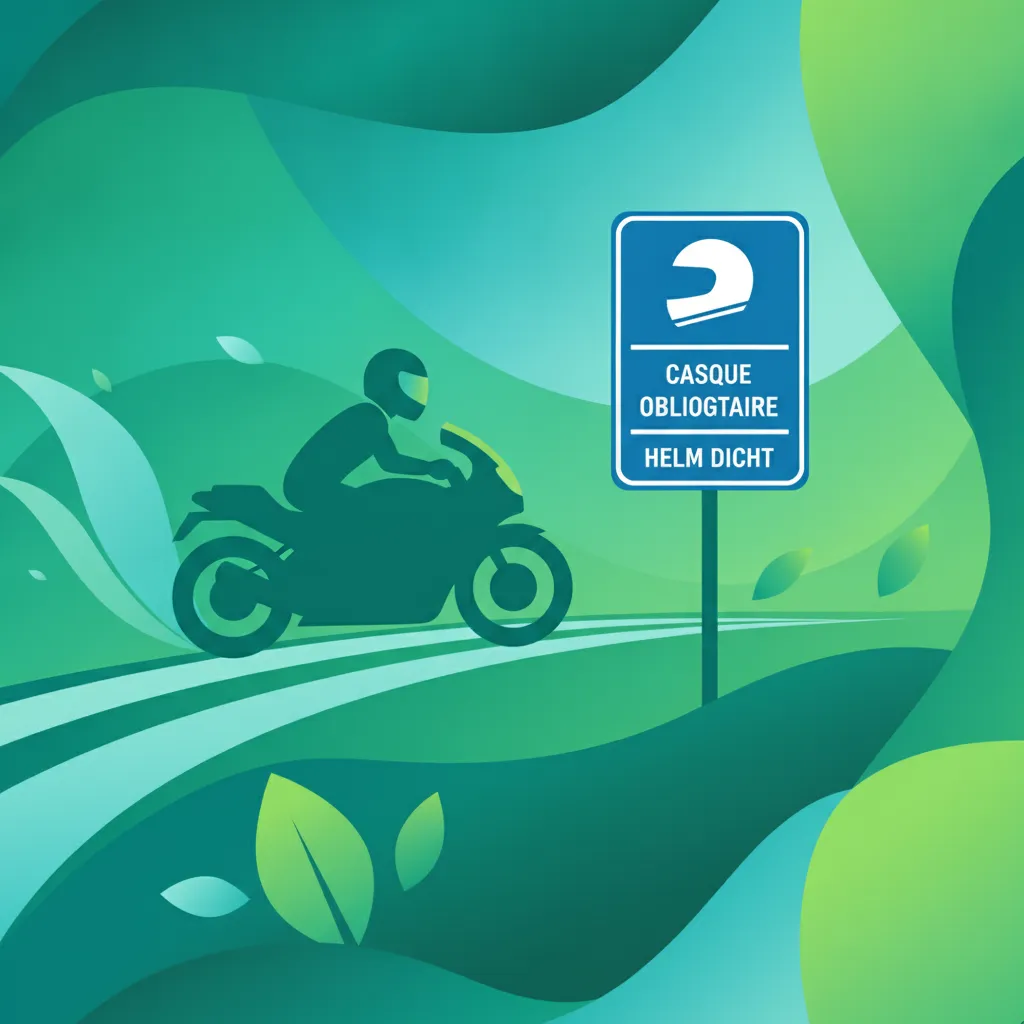
This lesson covers the absolute legal requirement for all Category AM vehicle operators in Belgium to wear a safety helmet. It explains the specific safety standards and certifications that helmets must meet to be legally compliant. Learners will be taught how to select the correct size, achieve a secure fit, and conduct regular inspections to ensure the helmet's protective integrity is maintained.

This lesson focuses on the unique hazards associated with riding after dark. It emphasizes the importance of a fully functional lighting system and the use of reflective gear to be seen by others. The content explains how darkness affects depth perception and peripheral vision, requiring riders to reduce their speed to compensate for shorter sight distances and potential fatigue.

This lesson focuses on the legal duties and responsibilities that an AM vehicle operator must uphold on Belgian roads. It covers critical rules such as adhering to speed limits, correctly applying right-of-way principles, and following regulations for overtaking other vehicles. The lesson also explains the system of fines and penalty points for traffic violations, emphasizing the legal consequences of non-compliance to foster responsible driving habits.
Understand the correct usage of dipped beam, main beam, and fog lights in Belgium. Learn essential checks for engine oil, brake fluid, and coolant to ensure vehicle safety and compliance with Belgian road law.
This lesson details the proper use of all vehicle lights and signaling devices. It explains when to use low and high beams, fog lights, hazard lights, and turn signals to communicate effectively with other road users. Correct lighting usage improves visibility and safety, especially in adverse weather conditions and during hours of darkness.
This lesson focuses on driving safely in adverse weather like rain, fog, and low sun glare, which affects road friction and visibility. It provides guidelines on speed adaptation, maintaining a safe following distance, and the proper use of vehicle equipment like lights and wipers. Learners will understand how to reduce risks like hydroplaning and skidding.
This lesson focuses on techniques and equipment designed to enhance a rider's visibility on the road. It covers the effective use of reflective materials on clothing and the motorcycle itself, as well as the legal requirements for lighting under Belgian law. You will learn strategies to improve your conspicuity during the day, at night, and in adverse weather conditions.
This lesson provides a comprehensive overview of the mandatory lighting systems for all Category AM vehicles under Belgian law. It details the required functions of headlamps, rear lights, brake lights, and turn signals, explaining their importance for communication and visibility. Learners will understand the legal standards for this equipment and how to perform simple pre-ride checks to ensure all lights are functioning correctly.
This lesson details the spectrum of obligations that apply to drivers, from basic compliance with traffic signs to responsibilities like vehicle upkeep and accident reporting. Learners will understand the importance of maintaining a vehicle in a roadworthy condition. It also covers the legal expectations for safe driving practices, including the use of safety equipment.
Night driving presents unique challenges, including reduced visibility and glare from oncoming vehicles. This lesson covers proper headlight usage, eye adaptation, and techniques for driving safely at night. It also addresses tunnel navigation, focusing on speed limits, appropriate lighting, and understanding emergency procedures inside tunnels.
This lesson examines the operation of traffic light systems in Belgium, clarifying the meaning of red, amber, and green signals, including flashing lights and directional arrows. It details a motorcyclist's legal obligations when approaching and navigating signal-controlled intersections. The content also addresses specialized signals for pedestrians and trams that riders must recognize and respond to correctly.
This lesson covers the specific challenges of driving on motorways, rural roads, and navigating roadworks. Learners will review lane discipline on high-speed roads and identify hazards common to rural roads, such as sharp bends and wildlife. It also explains the importance of adjusting speed and following temporary signage in construction zones.

This lesson details the specific precautions and techniques required for riding in rain and fog. It explains how water on the road affects tyre grip and braking distances, and how to avoid aquaplaning. You will learn the correct use of lights to be seen in low visibility and how to adjust your speed and following distance accordingly.

This lesson addresses the unique challenges of riding after dark, focusing on the correct use of high and low beam headlights to maximize visibility. It offers techniques for coping with glare from other vehicles and for adapting to the body's natural reduction in visual acuity at night. The content also emphasizes the heightened risk of fatigue during night rides and strategies to manage it.
Find clear answers to common questions learners have about Regular Vehicle Maintenance and Checks. Learn how the lesson is structured, which driving theory objectives it supports, and how it fits into the overall learning path of units and curriculum progression in Belgium. These explanations help you understand key concepts, lesson flow, and exam focused study goals.
Correct tyre pressure is vital for road safety, handling, and fuel efficiency. On the theory test, you may be asked how incorrect pressure affects stopping distance and tyre wear.
You should verify that all lights, including indicators, brake lights, and headlights, are functioning properly whenever you conduct a pre-drive inspection, especially before long trips or driving in poor visibility.
If a warning light persists, it indicates a potential fault. You should refer to the vehicle manual and, if necessary, have the vehicle inspected by a professional to avoid safety hazards or potential test failure.
Yes, understanding the importance of checking oil, coolant, and brake fluid levels is part of the broader driver responsibility framework tested to ensure you can maintain a vehicle's roadworthiness.
Ready to focus your Belgian driving theory revision? Utilize our powerful search tool to pinpoint exact topics, road signs, or difficulty levels. Engage with practice questions that directly address your learning needs and solidify your understanding of Belgian traffic laws for your upcoming exam.