
This lesson provides essential strategies for navigating complex urban environments while operating large passenger vehicles. You will learn to anticipate hazards and apply defensive driving techniques to maintain safety and passenger comfort in dense Danish city traffic.

Lesson content overview
Navigating dense urban environments presents unique challenges for professional drivers, particularly those operating passenger vehicles for the Danish Category D Licence. This lesson delves into the essential strategies and heightened awareness required to ensure safety, efficiency, and passenger comfort in city traffic. Mastering these principles is crucial for anticipating hazards, understanding the complex interactions between various road users, and confidently managing diverse traffic scenarios common in Danish cities.
This chapter builds upon foundational knowledge of vehicle handling, traffic signs, and basic right-of-way rules acquired in earlier lessons. It extends the principles of smooth driving and passenger safety by focusing specifically on the dynamic and often unpredictable nature of urban roads.
Hazard perception is a cornerstone of defensive driving, especially vital in bustling urban areas. It is defined as the ability to actively notice, interpret, and accurately predict potentially dangerous situations before they fully develop, allowing drivers to implement timely and appropriate responses. For passenger transport drivers, this skill prevents accidents, enhances passenger safety, and maintains smooth operation.
City driving involves a constant stream of information, and drivers must continuously scan their environment, both near and far, to identify potential hazards. These hazards can be broadly categorised into two types:
A common misunderstanding is assuming that all other road users will strictly follow traffic rules. In reality, human error and unexpected actions are frequent, necessitating a proactive approach. For instance, a pedestrian might be engrossed in a phone and step into the road without looking, or a cyclist might misjudge their speed and signal a turn while still too close to the bus. Constantly assessing the relevance of potential hazards to your immediate driving path and anticipating their possible development is key to mitigating risk.
Vulnerable Road Users (VRUs) are individuals who have a significantly higher risk of serious injury or fatality in the event of a collision compared to occupants of a motor vehicle. In urban environments, this category primarily includes pedestrians, cyclists, and motorcyclists. Recognizing their heightened danger and adjusting driving behavior accordingly is a critical aspect of safe urban driving, particularly for large passenger vehicles like buses.
Pedestrians are the most exposed road users, lacking any vehicle protection. They can be unpredictable, especially children or individuals distracted by mobile devices.
Cyclists are common in Danish cities and are often smaller targets, making them difficult to spot, especially in blind spots. They can move quickly and often occupy shared road spaces or dedicated bike lanes.
Motorcyclists, while faster than cyclists, also lack the protective shell of a car, making them vulnerable. Their smaller profile can make them harder to see, and their speed can be misjudged by other drivers.
A common misunderstanding regarding cyclists is assuming they will always stay in designated bike lanes or follow all traffic rules perfectly. Professional drivers must anticipate unexpected maneuvers and constantly verify the cyclist's intentions. For example, a cyclist might signal a left turn but then unexpectedly swerve right to avoid a puddle. Maintaining clear sightlines and adequate space is paramount for the safety of all VRUs.
Maintaining a safe following distance is a fundamental principle of defensive driving, especially critical in the stop-and-go nature of urban traffic and when operating a heavy passenger vehicle. This distance allows sufficient time for a driver to react to sudden changes in traffic ahead and bring their vehicle to a safe stop, preventing rear-end collisions.
Under normal conditions (dry roads, good visibility, light to moderate traffic), the widely accepted guideline for a safe following distance is the two-second rule. To apply this:
The two-second rule is a minimum. Professional drivers operating buses or other heavy vehicles must extend this distance in various situations:
When driving a bus, observe the vehicle ahead for cues that might indicate a stop, such as brake lights or indicators. A larger following distance allows you to see further ahead, anticipating traffic flow changes. For example, maintaining a safe distance from another bus allows you to see when its doors open for passengers, preparing you to stop smoothly.
A common misunderstanding is that maintaining a shorter distance helps to keep traffic flowing efficiently. In reality, tailgating leads to "accordion effects" (where small changes in speed amplify down the traffic line), increases stress, reduces safety, and ultimately does not improve traffic flow. Professional drivers must prioritize safety and passenger comfort over perceived efficiency gains from close following.
Urban intersections are nodal points where multiple traffic streams converge and diverge, often involving a mix of vehicles, pedestrians, and cyclists. Safely managing these complex junctions requires precise decision-making, a thorough understanding of right-of-way rules, and advanced hazard perception.
Intersections can be categorized by their control mechanisms:
These intersections use traffic lights to regulate flow. While signals provide clear instructions, they do not guarantee safety.
These intersections do not have traffic lights but rely on signs and road markings to establish right-of-way.
When encountering a Give Way sign (B1), you must yield to traffic on the main road. This means slowing down, being prepared to stop, and only proceeding when there is a sufficient gap in traffic to do so without forcing other drivers to brake or change speed significantly.
A Stop sign (B2) requires you to come to a complete halt before the stop line. After stopping, you must yield to all traffic on the intersecting road before proceeding when safe.
These intersections lack specific signs or signals. In such cases, the general right-of-way rules apply, such as the right-hand rule (vigepligt for højre) where you must yield to traffic coming from your right, unless there are other specific local rules. However, for professional drivers in a bus, extreme caution and slow approach are always recommended at uncontrolled intersections.
A common misunderstanding is assuming an intersection is clear simply because the light is green or you have priority. Always anticipate possible conflicts, such as a vehicle running a red light from a side road or pedestrians crossing against the signal. Scanning the entire intersection before entering and making eye contact with other road users (where possible) can significantly enhance safety.
Speed adaptation refers to the critical skill of adjusting your vehicle's speed to suit the prevailing traffic, road, and environmental conditions, rather than simply adhering to the posted speed limit. While speed limits represent the legal maximum under ideal conditions, they are not always a safe speed to travel, especially for a large passenger vehicle in a dynamic urban environment.
For example, when entering a residential area with children playing outside, even if the posted limit is 50 km/h, a professional driver should reduce speed significantly, perhaps to 30 km/h or less, to ensure sufficient reaction time for unexpected movements. Similarly, approaching a bus stop with passengers waiting requires a controlled, reduced speed for a smooth stop.
The common misunderstanding that posted speed limits are always safe, regardless of conditions, can lead to dangerous situations. Professional drivers must constantly assess the environment and adjust their speed to maintain control and ensure the safety and comfort of their passengers and other road users.
Operating a passenger transport vehicle in Danish cities requires strict adherence to specific traffic laws. These regulations are designed to manage traffic flow, prioritize public transport, and protect vulnerable road users. Understanding and applying these rules is non-negotiable for a Category D licence holder.
fodgængerfelt) where pedestrians are present or clearly intending to cross.cykelsti).lyskryds).Give Way sign (B1).
Give Way sign and slows down, stopping if necessary, to allow vehicles on the main road to pass before proceeding.skolezoner), and residential areas, often below the general urban speed limit.
These regulations are fundamental to safe and legal urban driving in Denmark. Professional drivers must not only know these rules but also understand their underlying rationale to apply them effectively in dynamic driving situations.
Urban environments are replete with situations that can lead to violations, conflicts, or accidents if not managed correctly. Professional drivers must be aware of these common pitfalls and adopt proactive strategies to avoid them.
Running a Red Light or Amber Light Misjudgment:
Failure to Yield to Pedestrians:
Inadequate Following Distance (Tailgating):
Incorrect Use of Bus Lanes:
Speeding in Residential or School Zones:
Misjudging Cyclist Speed or Position:
Safe urban driving is not a static set of rules; it's a dynamic process of continuous adaptation. Professional drivers must constantly adjust their strategies based on ever-changing conditions.
These conditional variations underscore that safe driving is about more than just following rules; it's about applying those rules intelligently and adaptively to ensure the highest level of safety for everyone on the road.
Mastering urban driving strategies and hazard perception is fundamental for all professional drivers holding a Danish Category D Licence. It ensures not only compliance with traffic laws but, more importantly, the safety and comfort of passengers and all other road users.
By integrating these strategies into your daily driving practices, you will contribute to safer roads, smoother journeys, and uphold the professional standards expected of passenger transport drivers in Denmark.
This lesson covers essential urban driving strategies for Danish Category D drivers, emphasizing that defensive driving requires anticipating unpredictable road user behavior rather than assuming compliance with rules. Key areas include recognizing static and dynamic hazards, prioritizing vulnerable road users through adequate space and vigilance, and applying the two-second following distance rule with extensions for heavy vehicles and adverse conditions. Intersection management demands scanning for conflicts even on green lights, while speed adaptation means matching driving speed to conditions and vulnerable user presence rather than blindly following posted limits. The lesson also addresses bus lane usage, cyclist safety requirements, and the critical importance of continuous environmental scanning for safe urban passenger transport operation.
A short set of high-value points that capture the most important learning from this lesson.
Hazard perception involves actively identifying both static hazards (parked cars, roadworks) and dynamic hazards (pedestrians, cyclists) before they escalate into dangerous situations.
Vulnerable Road Users (VRUs) including pedestrians, cyclists, and motorcyclists have priority in many urban situations and require extra vigilance and space from bus drivers.
The two-second rule is a minimum following distance; professional bus drivers must extend this significantly in adverse weather, heavy traffic, or when operating a fully loaded vehicle.
Always approach intersections (signal-controlled, priority, or uncontrolled) with the assumption that other road users may act unpredictably, even on a green light.
Speed adaptation means adjusting speed to match conditions, often driving below the posted limit when children, cyclists, or poor visibility are present.
Explore all units and lessons included in this driving theory course.
At marked pedestrian crossings in Denmark, drivers must yield to pedestrians even without signals—pedestrians have legal priority.
When overtaking cyclists, maintain at least one-meter clearance; cyclists in bike lanes generally have priority over turning buses.
The amber light rule: stop if you can do so safely, otherwise proceed with caution—never accelerate to beat the light.
Bus lanes are reserved exclusively for buses and authorized vehicles; private cars must not use them.
In residential zones and school areas, speed limits are often reduced to 30-40 km/h, requiring significantly lower situational speeds regardless of higher posted limits.
Assuming a green light means the intersection is clear—always check for vehicles running red lights or pedestrians still crossing from side streets.
Failing to extend following distance in heavy traffic or bad weather, which is especially dangerous for heavy buses with longer stopping distances.
Neglecting blind spot checks before turning, where cyclists can quickly move into the path of a bus.
Misjudging cyclist speed or assuming cyclists will stay in bike lanes—cyclists may swerve unexpectedly to avoid obstacles.
Treating posted speed limits as always safe rather than adjusting speed based on actual traffic density, weather, and presence of vulnerable users.
Lesson content overview
A short set of high-value points that capture the most important learning from this lesson.
Hazard perception involves actively identifying both static hazards (parked cars, roadworks) and dynamic hazards (pedestrians, cyclists) before they escalate into dangerous situations.
Vulnerable Road Users (VRUs) including pedestrians, cyclists, and motorcyclists have priority in many urban situations and require extra vigilance and space from bus drivers.
The two-second rule is a minimum following distance; professional bus drivers must extend this significantly in adverse weather, heavy traffic, or when operating a fully loaded vehicle.
Always approach intersections (signal-controlled, priority, or uncontrolled) with the assumption that other road users may act unpredictably, even on a green light.
Speed adaptation means adjusting speed to match conditions, often driving below the posted limit when children, cyclists, or poor visibility are present.
Explore all units and lessons included in this driving theory course.
At marked pedestrian crossings in Denmark, drivers must yield to pedestrians even without signals—pedestrians have legal priority.
When overtaking cyclists, maintain at least one-meter clearance; cyclists in bike lanes generally have priority over turning buses.
The amber light rule: stop if you can do so safely, otherwise proceed with caution—never accelerate to beat the light.
Bus lanes are reserved exclusively for buses and authorized vehicles; private cars must not use them.
In residential zones and school areas, speed limits are often reduced to 30-40 km/h, requiring significantly lower situational speeds regardless of higher posted limits.
Assuming a green light means the intersection is clear—always check for vehicles running red lights or pedestrians still crossing from side streets.
Failing to extend following distance in heavy traffic or bad weather, which is especially dangerous for heavy buses with longer stopping distances.
Neglecting blind spot checks before turning, where cyclists can quickly move into the path of a bus.
Misjudging cyclist speed or assuming cyclists will stay in bike lanes—cyclists may swerve unexpectedly to avoid obstacles.
Treating posted speed limits as always safe rather than adjusting speed based on actual traffic density, weather, and presence of vulnerable users.
Explore search topics learners often look for when studying Urban Driving Strategies and Hazard Perception. These topics reflect common questions about road rules, driving situations, safety guidance, and lesson level theory preparation for learners in Denmark.
Browse additional driving theory lessons that cover connected traffic rules, road signs, and common driving situations related to this topic. Improve your understanding of how different rules interact across everyday traffic scenarios.
Understand how to safely navigate Danish city streets when encountering pedestrians, cyclists, and motorcyclists. This lesson details their rights, common hazards, and specific rules to ensure their protection and smooth traffic flow.
This lesson focuses on safe interactions with Denmark's large population of cyclists and other vulnerable road users. It covers the rules for passing cyclists, yielding at pedestrian crossings, and the specific hazard of turning across a bike lane. Developing heightened awareness for these interactions is critical for urban riding.
This lesson provides critical guidance for driving in environments with heavy cycle traffic, typical of Danish cities. It focuses on identifying and yielding to cyclists in dedicated bike lanes, especially when turning right across their path. The content emphasizes advanced observation skills to detect cyclists in blind spots and the importance of giving adequate space.
This lesson provides in-depth guidance on safely interacting with cyclists and e-bike riders, a daily reality in Danish cities. It explains how to provide adequate space when overtaking, how to anticipate their movements at intersections, and how to respect their right-of-way in designated lanes. Understanding these dynamics is essential for preventing common accidents and ensuring a safe urban driving experience for everyone.

This lesson addresses the unique challenges of driving in tourist-heavy urban centers alongside cyclists. It teaches drivers to anticipate the behavior of individuals who may be distracted or unfamiliar with local traffic rules. The content provides strategies for communicating intentions clearly and navigating safely around large groups, luggage, and cyclists.
This lesson addresses the unique challenges of streets with dedicated cycle lanes and numerous bus stops. It teaches riders how to anticipate pedestrians moving to and from buses and how to position themselves to avoid conflict with cyclists. The goal is to navigate these complex environments smoothly and safely.
This lesson reinforces the driver's responsibility to protect pedestrians, particularly in busy urban areas and near schools. It details the procedures for approaching pedestrian crossings, the legal requirement to reduce speed significantly in marked school zones, and how to anticipate the unpredictable actions of pedestrians. The content covers traffic calming measures and the legal rights of pedestrians in various settings.
This lesson focuses on the safe integration of cyclists and pedestrians within the traffic system, a key feature of Danish roads. It covers the specific rights and common behaviors of cyclists, including those on e-bikes and cargo bikes, and explains procedures for yielding to pedestrians. The content emphasizes maintaining safe distances and heightened awareness to prevent accidents and promote harmonious road sharing.
This lesson provides detailed guidance on navigating pedestrian crossings (fodgængerfelter) and areas with high cyclist traffic. It clarifies your legal obligation to stop for pedestrians at zebra crossings and the proper speed to approach these zones. A central theme is understanding the rights of vulnerable road users and how to yield safely to them in accordance with Danish traffic law.
This lesson emphasizes the professional driver's heightened responsibility to protect vulnerable road users. It revisits Danish regulations concerning cyclist priority, particularly during right turns, and details the correct procedures for maintaining safe overtaking distances. The content focuses on developing advanced situational awareness, using mirrors and cameras effectively, and anticipating the behavior of pedestrians and cyclists in urban environments.
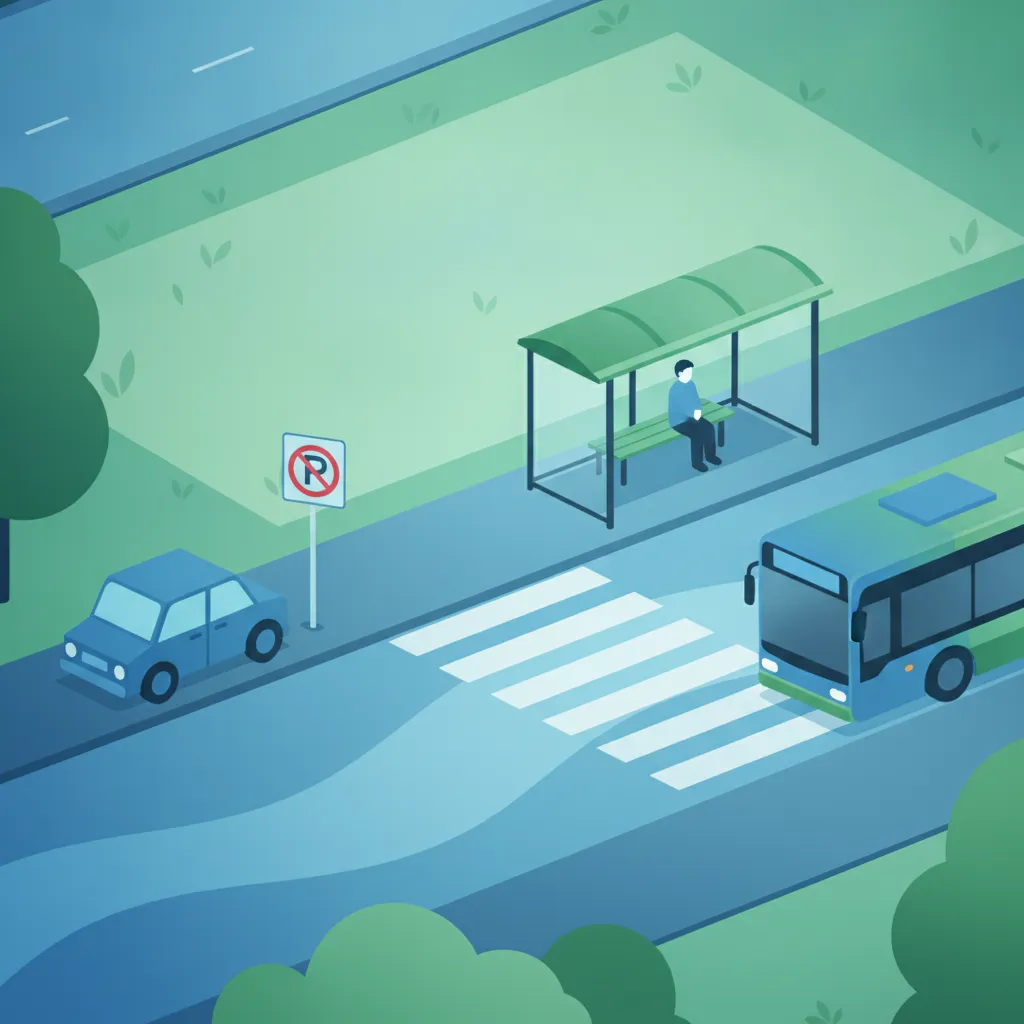
This lesson focuses on identifying and mitigating common hazards in built-up areas. It covers the risks associated with pedestrians emerging from behind buses or parked cars, and the danger of suddenly opening car doors. Learners will understand the importance of reducing speed and increasing observation in these high-risk environments.
Master the complexities of Danish urban intersections. This lesson explains advanced strategies for signal-controlled, priority, and uncontrolled junctions, focusing on right-of-way, hazard perception, and safe passage through busy city cross-sections.
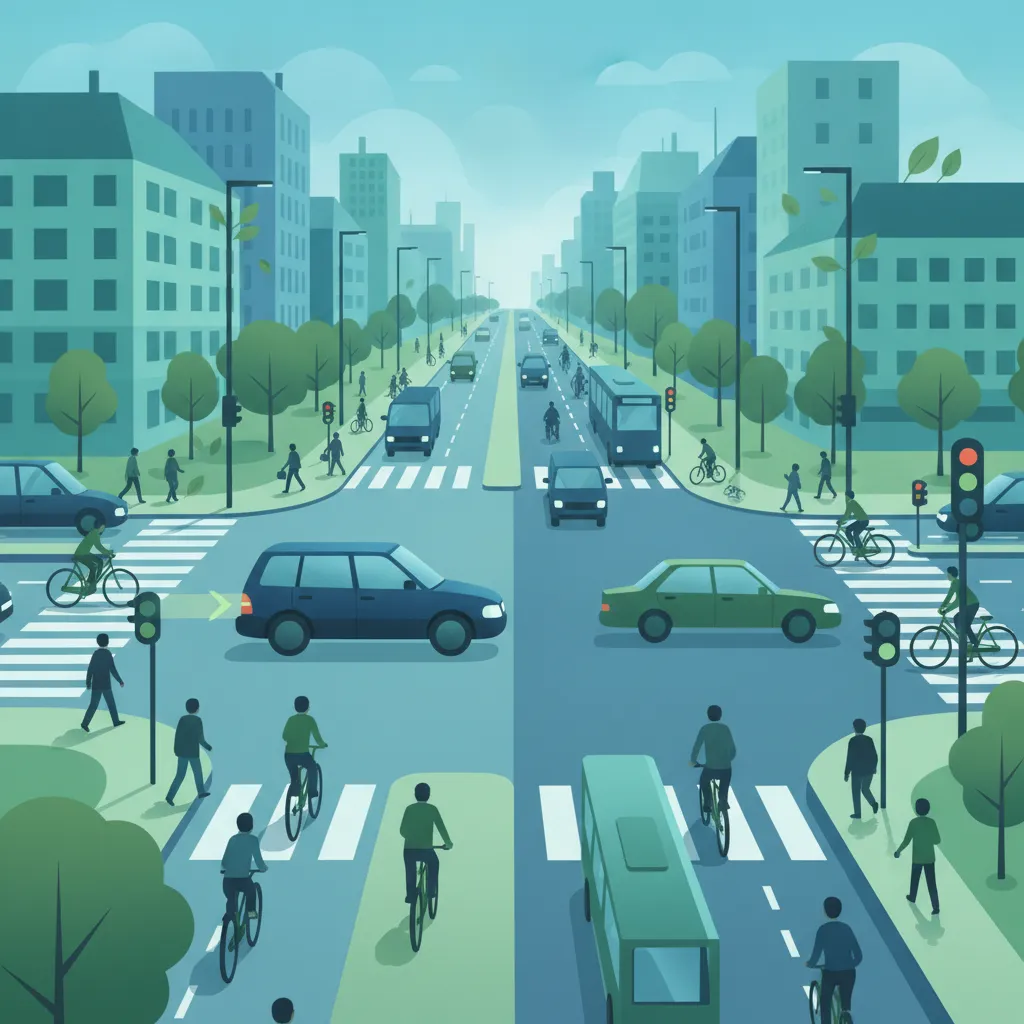
This lesson provides a structured method for approaching and crossing intersections safely. It reinforces the application of priority rules, the interpretation of signs and signals, and the importance of thorough observation. Specific attention is given to looking for cyclists and pedestrians who may be crossing the rider's path.
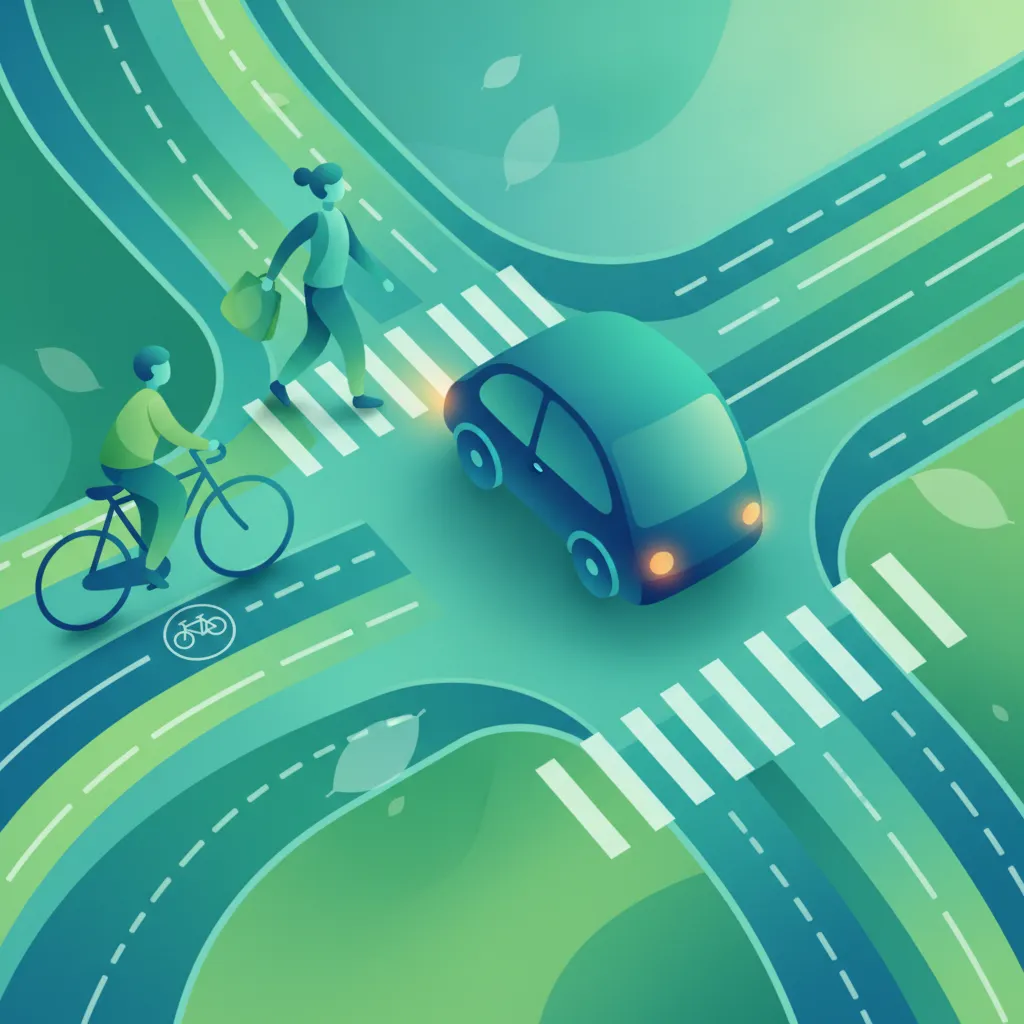
This lesson provides a systematic approach to safely navigating intersections. It covers how to interpret priority signs and traffic signals, establish right-of-way, and scan for potential conflicts from all directions. The importance of clear sightlines and anticipating the movements of other vehicles is a key focus.
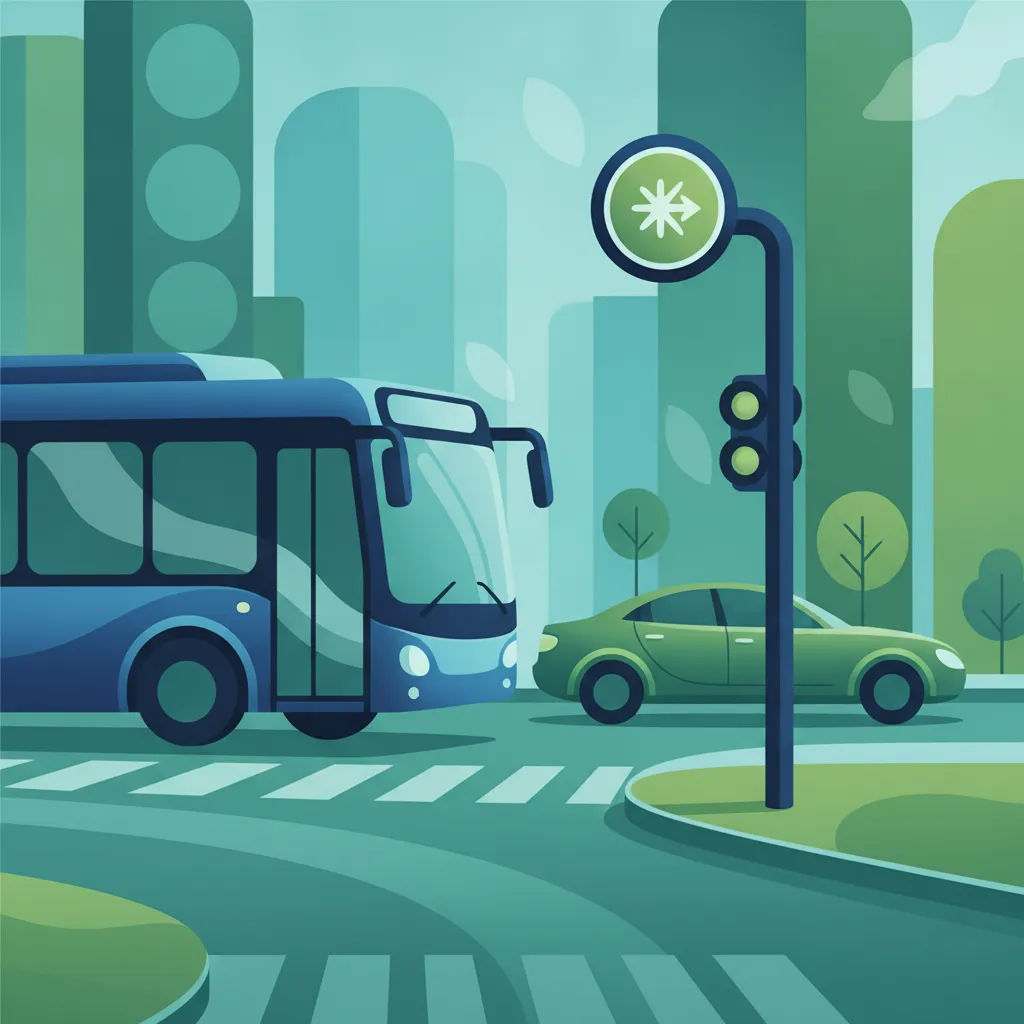
This lesson explains the regulations governing the use of dedicated bus lanes in Denmark. It covers when it is permissible to enter and exit these lanes, how to merge safely with general traffic, and the meaning of specific road markings. The content also details how public transport priority systems at traffic lights work and how drivers should respond to them.
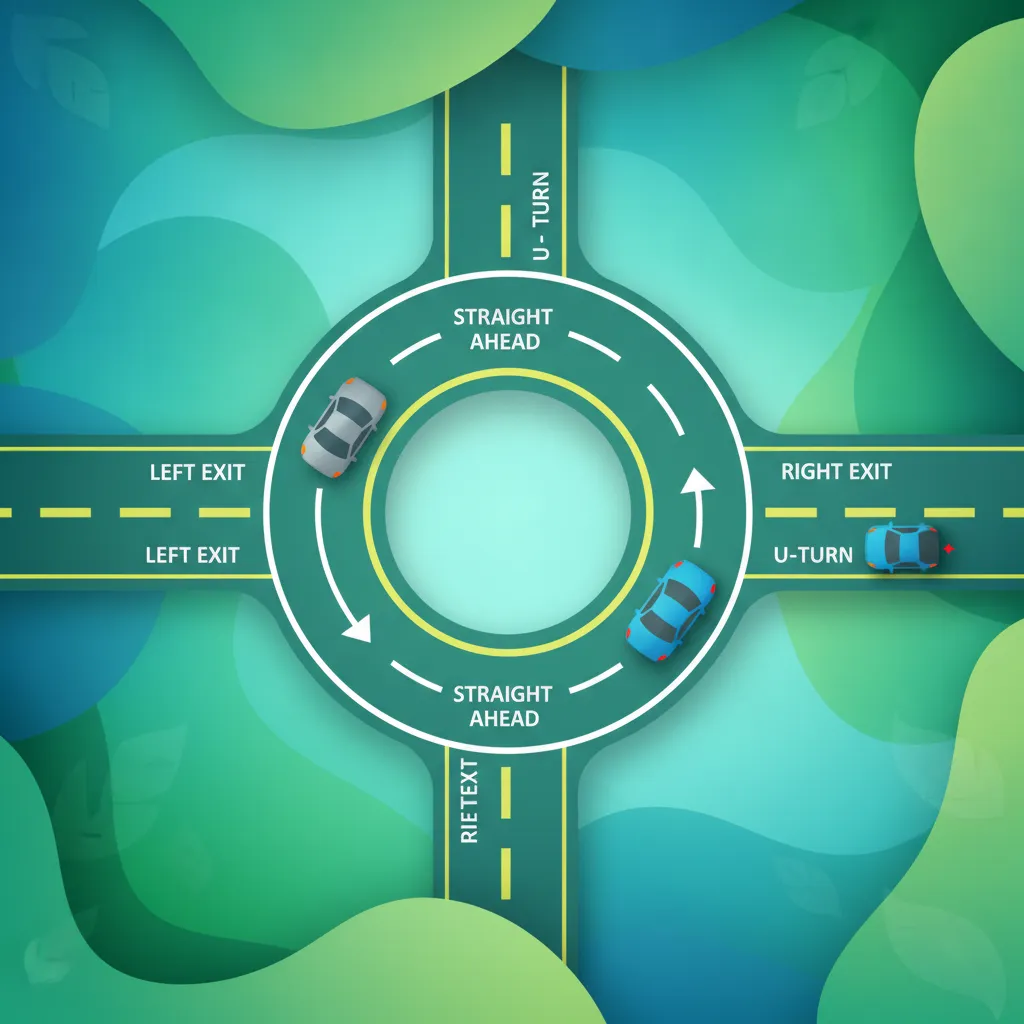
This lesson offers a step-by-step guide to navigating roundabouts in Denmark. You will learn how to approach and enter a roundabout, the requirement to yield to circulating traffic, and how to select the appropriate lane for your intended exit. Special attention is given to safely managing interactions with cyclists and pedestrians who may be present at roundabout entrances and exits.
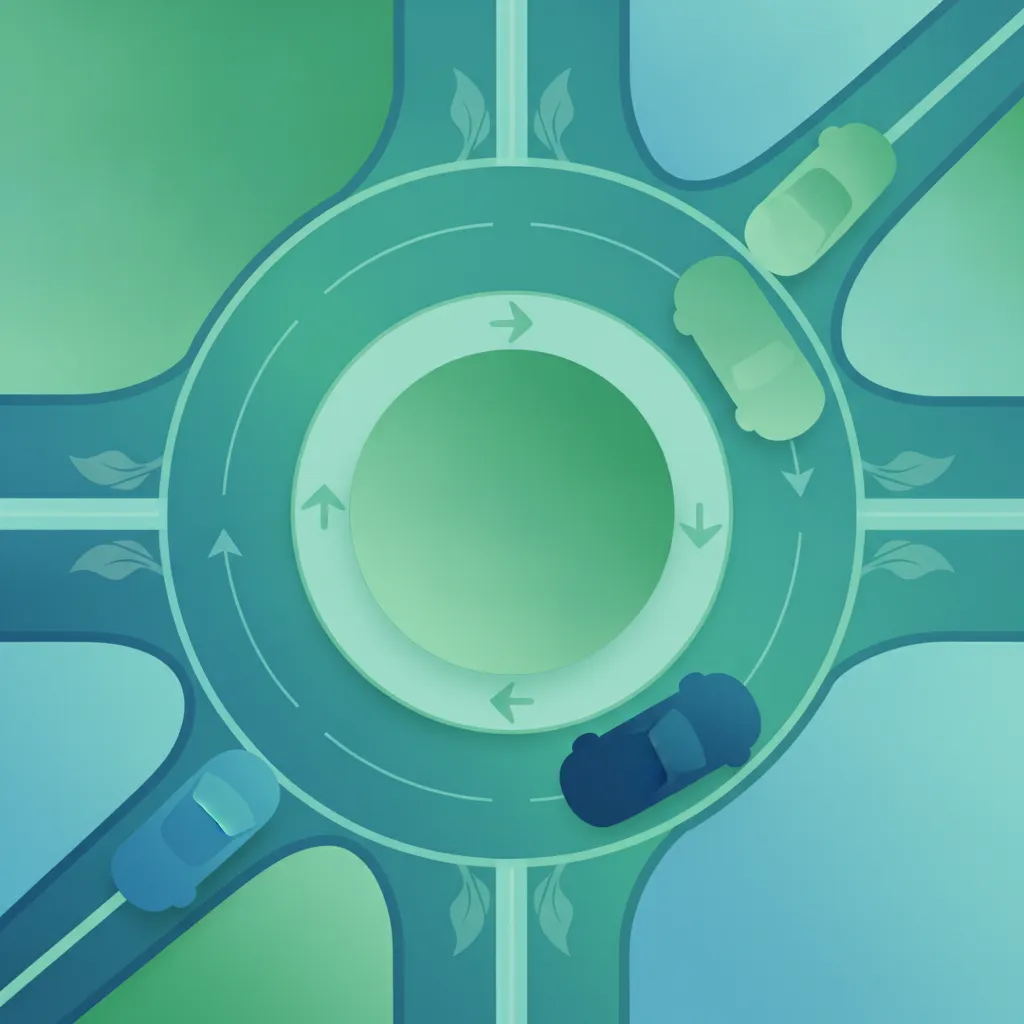
This lesson provides detailed instructions for navigating Danish roundabouts. It covers the rules for yielding upon entry, selecting the correct lane based on the intended exit, and signalling intentions clearly. The lesson also highlights the specific rules regarding priority for cyclists crossing entry and exit lanes.
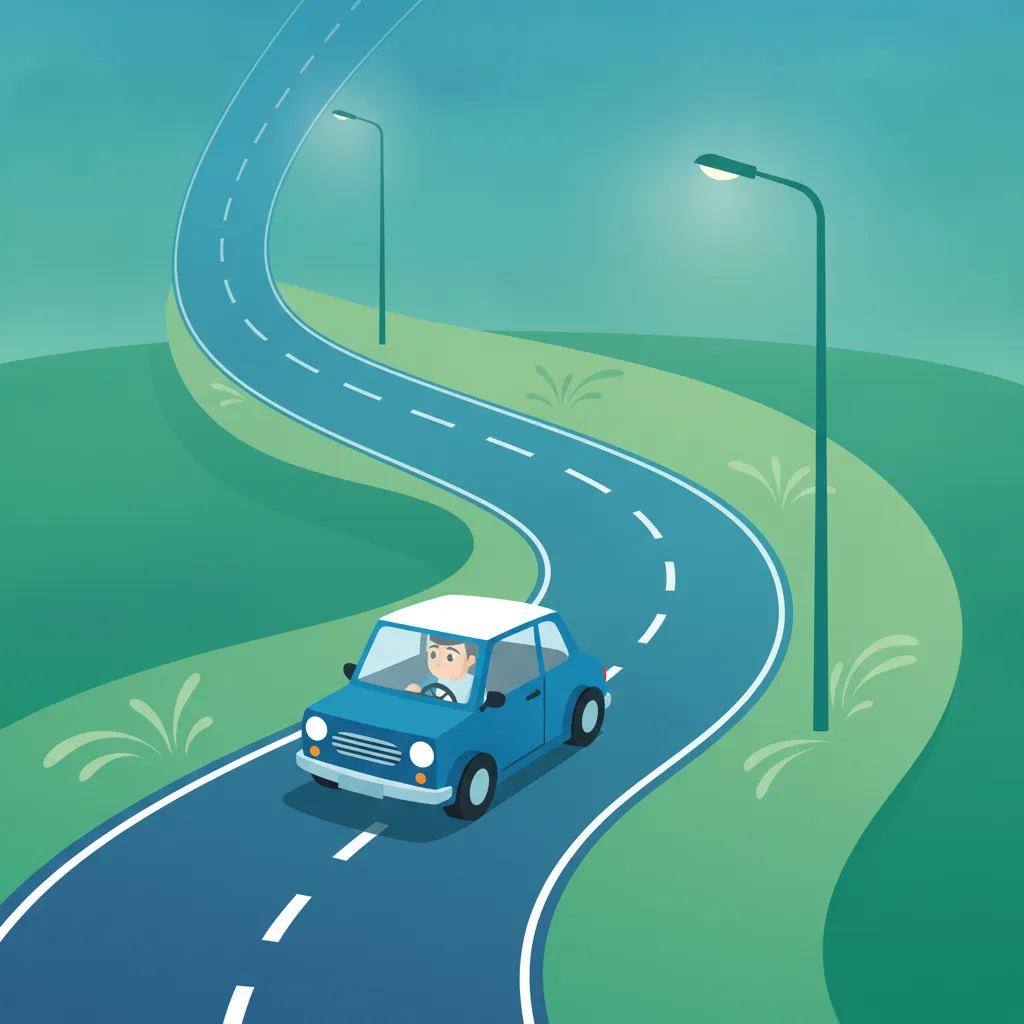
This lesson covers the correct techniques for various turning manoeuvres, including how to signal, position your vehicle, and judge gaps in traffic. It also details the legal and safety protocols for overtaking, emphasizing the importance of assessing speed, distance, and oncoming traffic. A thorough understanding of these procedures is crucial for navigating intersections and two-lane roads safely.
This lesson provides critical guidance for driving in environments with heavy cycle traffic, typical of Danish cities. It focuses on identifying and yielding to cyclists in dedicated bike lanes, especially when turning right across their path. The content emphasizes advanced observation skills to detect cyclists in blind spots and the importance of giving adequate space.
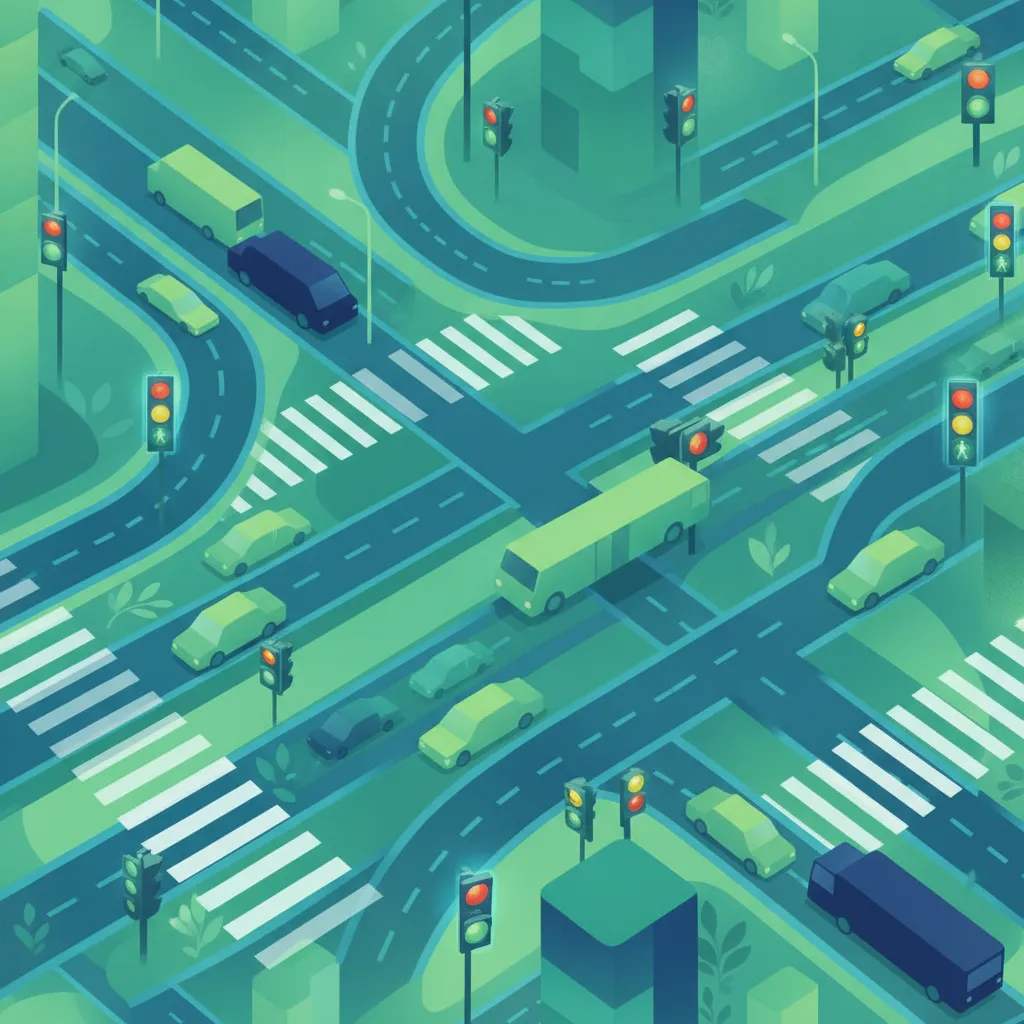
This lesson details the function and meaning of traffic light signals in Denmark. It covers the standard red, amber, and green sequences, as well as special signals like flashing amber lights and green arrows for turning. The content also explains signals specific to cyclists and pedestrians that moped riders must observe at intersections.
This lesson addresses the unique challenges of streets with dedicated cycle lanes and numerous bus stops. It teaches riders how to anticipate pedestrians moving to and from buses and how to position themselves to avoid conflict with cyclists. The goal is to navigate these complex environments smoothly and safely.
This lesson details the meaning and application of various road surface markings, including lane dividers, solid and broken lines, and directional arrows. You will also learn to interpret the full sequence of traffic light signals, including the specific rules for the amber (yellow) light phase. A proper understanding of these systems is vital for maintaining correct lane discipline and adhering to traffic controls.
Find clear answers to common questions learners have about Urban Driving Strategies and Hazard Perception. Learn how the lesson is structured, which driving theory objectives it supports, and how it fits into the overall learning path of units and curriculum progression in Denmark. These explanations help you understand key concepts, lesson flow, and exam focused study goals.
Focus on locations with high cyclist volume, schools, and busy pedestrian crossings. The theory exam often tests your ability to spot 'hidden' hazards, such as cyclists in your blind spot or pedestrians obscured by parked cars.
Generally yes, but you must look for specific road signs or markings that indicate restrictions. Always follow the priority signals and signs that regulate the specific lane usage for public transport in urban centers.
Failing to check blind spots before turning or pulling away. In your exam, always demonstrate an awareness of the 'cycle path' infrastructure and the importance of allowing sufficient space when overtaking or turning.
Exam questions may present you with a choice between staying on schedule and maintaining safety. Always prioritize safety, as failing to adjust to urban hazards due to speed or pressure is a primary cause of failed test questions.
Use our powerful search tool to pinpoint specific Danish driving theory topics, road signs, or traffic situations you need to review. Start exploring relevant practice sets now to reinforce your knowledge and build confidence for your upcoming driving licence exam.