
This lesson guides you through the complexities of urban riding, focusing on the high density of cyclists and public transport in Danish cities. You will learn to anticipate the movements of vulnerable road users and position your motorcycle to stay safe and visible. This is a critical skill for both your theory exam and your practical riding safety.

Lesson content overview
As part of your Danish Motorcycle Theory course, understanding the complexities of urban environments is crucial for safe riding. City streets, particularly those with dedicated cycle lanes and frequent bus stops, present unique challenges for motorcyclists. These areas require heightened awareness, precise positioning, and a keen ability to anticipate the actions of other road users, especially vulnerable pedestrians and cyclists. This lesson will equip you with the knowledge and strategies to navigate these dynamic environments smoothly and safely, minimizing risks and ensuring a confident ride.
Riding a motorcycle in a busy urban setting demands constant vigilance. The concentration of different traffic types—motorcycles, cars, buses, and a high volume of cyclists and pedestrians—creates complex interactions that require specific defensive riding techniques. The primary goal is to predict potential conflicts and position yourself to avoid them, rather than reacting to them at the last moment.
Safe navigation in urban areas, especially where cyclists and buses are prevalent, is built upon several fundamental principles:
Dedicated cycle lanes are an integral part of Danish urban infrastructure, designed to provide safe passage for cyclists. As a motorcyclist, understanding their purpose, types, and the rules governing them is essential for safe co-existence.
Dedicated cycle lanes are specific sections of the roadway exclusively designated for bicycles. They are typically marked by a solid white line, often accompanied by bicycle symbols painted on the road surface.
Practical Implications for Motorcyclists: Cyclists are generally required to use these lanes when available. As a motorcyclist, your responsibility is to remain in the designated vehicle lane. You must never use a dedicated cycle lane as a shortcut, for overtaking, or for general travel, even if it appears empty.
Navigating alongside cycle lanes requires specific adherence to Danish traffic regulations to ensure the safety of all road users.
Common misunderstandings include the belief that cycle lanes act as a buffer zone that motorcyclists can briefly use, or that cyclists always stay perfectly within their lane. Always anticipate that cyclists might deviate to avoid obstacles, road debris, or to prepare for turns.
Bus stops are high-risk areas in urban environments due to the unpredictable movement of pedestrians and the presence of large vehicles like buses, which can obstruct sightlines.
Bus stops are designated areas where public buses halt to pick up and drop off passengers. These locations are hubs of pedestrian activity.
Given the unpredictable nature of pedestrian flow, motorcyclists must adopt a highly cautious and proactive approach when approaching and passing bus stops.
Effective lane positioning is a critical skill for urban riding, allowing you to maximize your visibility, maintain escape routes, and anticipate potential hazards, particularly in areas with cycle lanes and bus stops.
When riding on a street with a dedicated cycle lane, your lane positioning within the vehicle lane should be strategic:
When approaching a bus stop, your lane positioning needs to prioritize safety concerning potential pedestrian and cyclist interactions:
Adhering to specific Danish traffic laws is not only a legal requirement but also a fundamental aspect of safe urban motorcycle riding. Understanding these regulations reinforces the importance of the strategies discussed.
As established, motorcyclists must respect the integrity of dedicated cycle lanes.
The rule regarding yielding to pedestrians at bus stops is unequivocal.
While not always specified with an exact numerical distance in all jurisdictions, the principle of a "safe distance" is consistently emphasized when passing cyclists.
Understanding common errors is crucial for preventing accidents and ensuring compliance with Danish traffic laws.
Urban riding conditions are rarely static. Motorcyclists must constantly adapt their strategies based on environmental and operational factors.
The principles and rules discussed for urban riding in cycle-heavy streets and near bus stops are not arbitrary; they are rooted in fundamental safety insights:
By consistently applying these insights and strategies, you can significantly reduce your risk of conflict and enhance your safety, and that of other road users, in Denmark's complex urban environments.
To solidify your understanding, let's consider a couple of real-world situations you might encounter.
Scenario A: Approaching a Bus Stop with Pedestrian and Cyclist You are riding your motorcycle in the vehicle lane, approaching a bus stop on a street with a painted cycle lane. Ahead, a bus has just stopped, and a passenger is stepping onto the road, looking to cross. A cyclist is also in the cycle lane, riding alongside the bus.
Scenario B: Unexpected Cyclist Swerve Near a Bus Stop You are riding in a street with a protected cycle lane. As you approach an intersection near a bus stop, a cyclist ahead in the cycle lane suddenly swerves into the vehicle lane to avoid a taxi that has abruptly stopped in the cycle lane. Pedestrians are waiting at the bus stop.
This lesson has focused on the specific challenges and strategies for urban riding in areas with dedicated cycle lanes and frequent bus stops, a common scenario in Denmark. By understanding these dynamics and applying defensive riding principles, you enhance your safety and confidence on the road.
This lesson covers the critical skills for navigating Danish urban streets with dedicated cycle lanes and frequent bus stops, which are common features of Danish city infrastructure. Motorcyclists must understand that dedicated cycle lanes are exclusively for cyclists and that encroaching into them is a serious violation that puts vulnerable road users at risk. Near bus stops, Danish law explicitly requires yielding to pedestrians crossing from the carriageway, and riders must reduce speed, cover their brakes, and continuously scan for unpredictable pedestrian movements that may occur even without use of crosswalks. Effective lane positioning within the vehicle lane should maintain lateral separation from cycle lanes while allowing escape routes, and riders must anticipate that cyclists may need to merge into vehicle lanes at intersections or to avoid obstacles. These defensive riding principles align with Danish theory test requirements for hazard perception and safe urban motorcycle operation.
A short set of high-value points that capture the most important learning from this lesson.
Motorcyclists must remain in the vehicle lane and never ride in dedicated cycle lanes, even if they appear empty
Danish law requires you to yield to pedestrians crossing from bus stops - slowing down and being prepared to stop is a legal obligation
Cycle lanes may be painted (white line only) or protected (physical barrier), but motorcyclists must never encroach on either type
Maintain a safe lateral distance when passing cyclists and always anticipate that they may swerve to avoid obstacles
Visibility management through headlight use, high-visibility gear, and strategic lane positioning is critical in cycle-heavy urban areas
Explore all units and lessons included in this driving theory course.
Never use a cycle lane as a shortcut, for overtaking, or general travel - this rule is mandatory with rare exceptions for specific turning maneuvers
Pedestrians exiting buses may cross unpredictably without using crosswalks - always assume they might step into your path
A stopped bus creates significant blind spots - never assume the area around it is clear and always expect worst-case pedestrian behavior
Cover your brakes and reduce speed significantly when approaching bus stops, especially when a bus is present or passengers are waiting
Cyclists may need to merge into your lane to turn left, avoid debris, or navigate intersections - maintain safe following distance and be prepared
Encroaching into the cycle lane to bypass traffic or squeeze past vehicles, creating collision risk with cyclists who rightfully occupy that space
Overtaking cyclists too closely without maintaining adequate lateral separation, which can startle them or leave insufficient room to react
Failing to scan continuously near bus stops by only watching the bus itself rather than also monitoring sidewalks and areas behind the bus
Assuming pedestrians will always use crosswalks or wait for buses to fully depart before crossing, leading to close calls with unexpected pedestrian movements
Maintaining high speed through bus stop zones, drastically reducing reaction time when pedestrians emerge unexpectedly
Lesson content overview
A short set of high-value points that capture the most important learning from this lesson.
Motorcyclists must remain in the vehicle lane and never ride in dedicated cycle lanes, even if they appear empty
Danish law requires you to yield to pedestrians crossing from bus stops - slowing down and being prepared to stop is a legal obligation
Cycle lanes may be painted (white line only) or protected (physical barrier), but motorcyclists must never encroach on either type
Maintain a safe lateral distance when passing cyclists and always anticipate that they may swerve to avoid obstacles
Visibility management through headlight use, high-visibility gear, and strategic lane positioning is critical in cycle-heavy urban areas
Explore all units and lessons included in this driving theory course.
Never use a cycle lane as a shortcut, for overtaking, or general travel - this rule is mandatory with rare exceptions for specific turning maneuvers
Pedestrians exiting buses may cross unpredictably without using crosswalks - always assume they might step into your path
A stopped bus creates significant blind spots - never assume the area around it is clear and always expect worst-case pedestrian behavior
Cover your brakes and reduce speed significantly when approaching bus stops, especially when a bus is present or passengers are waiting
Cyclists may need to merge into your lane to turn left, avoid debris, or navigate intersections - maintain safe following distance and be prepared
Encroaching into the cycle lane to bypass traffic or squeeze past vehicles, creating collision risk with cyclists who rightfully occupy that space
Overtaking cyclists too closely without maintaining adequate lateral separation, which can startle them or leave insufficient room to react
Failing to scan continuously near bus stops by only watching the bus itself rather than also monitoring sidewalks and areas behind the bus
Assuming pedestrians will always use crosswalks or wait for buses to fully depart before crossing, leading to close calls with unexpected pedestrian movements
Maintaining high speed through bus stop zones, drastically reducing reaction time when pedestrians emerge unexpectedly
Explore search topics learners often look for when studying Urban Riding in Cycle-Heavy Streets and Bus Stops. These topics reflect common questions about road rules, driving situations, safety guidance, and lesson level theory preparation for learners in Denmark.
Browse additional driving theory lessons that cover connected traffic rules, road signs, and common driving situations related to this topic. Improve your understanding of how different rules interact across everyday traffic scenarios.
Learn essential Danish motorcycle theory for navigating busy urban streets with dedicated cycle lanes and frequent bus stops. Understand how to anticipate pedestrians and cyclists for safe city riding.

This lesson focuses on safe interactions with Denmark's large population of cyclists and other vulnerable road users. It covers the rules for passing cyclists, yielding at pedestrian crossings, and the specific hazard of turning across a bike lane. Developing heightened awareness for these interactions is critical for urban riding.
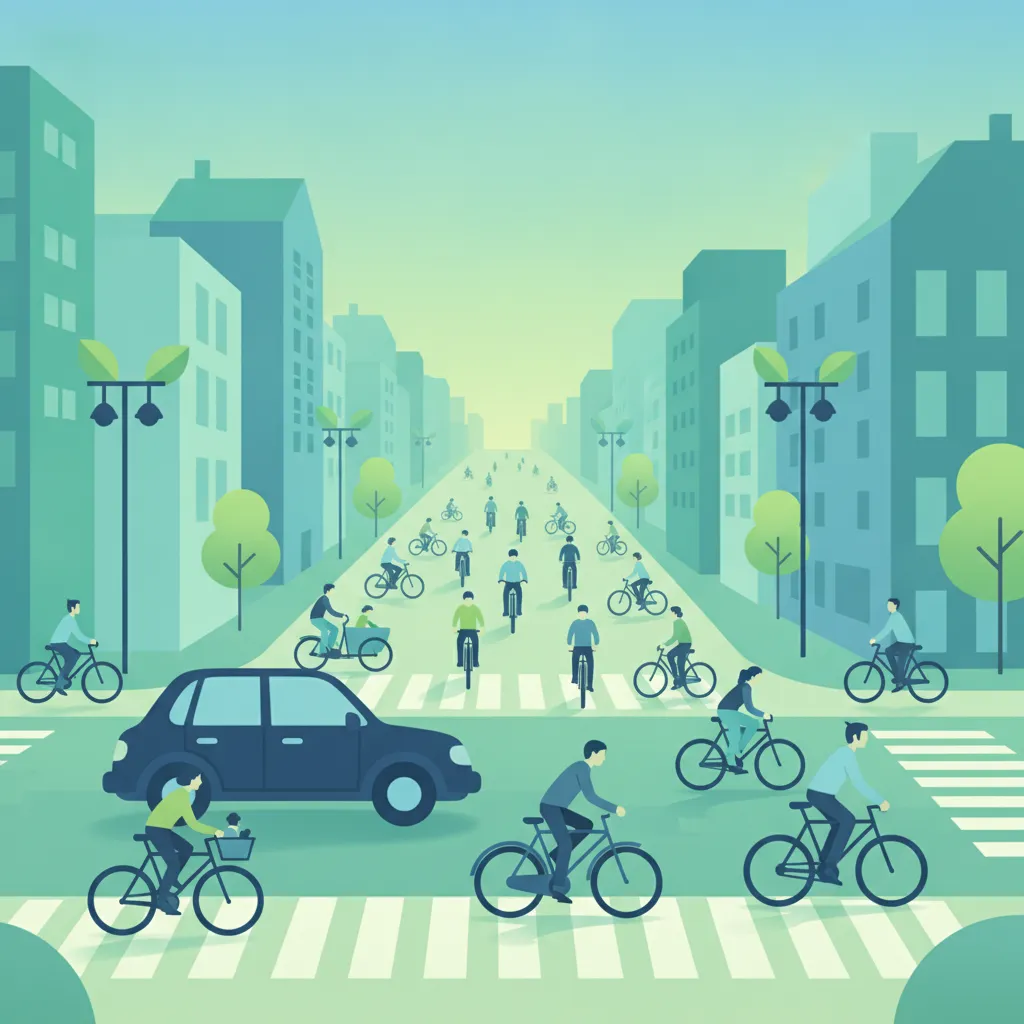
This lesson provides critical guidance for driving in environments with heavy cycle traffic, typical of Danish cities. It focuses on identifying and yielding to cyclists in dedicated bike lanes, especially when turning right across their path. The content emphasizes advanced observation skills to detect cyclists in blind spots and the importance of giving adequate space.

This lesson provides in-depth guidance on safely interacting with cyclists and e-bike riders, a daily reality in Danish cities. It explains how to provide adequate space when overtaking, how to anticipate their movements at intersections, and how to respect their right-of-way in designated lanes. Understanding these dynamics is essential for preventing common accidents and ensuring a safe urban driving experience for everyone.
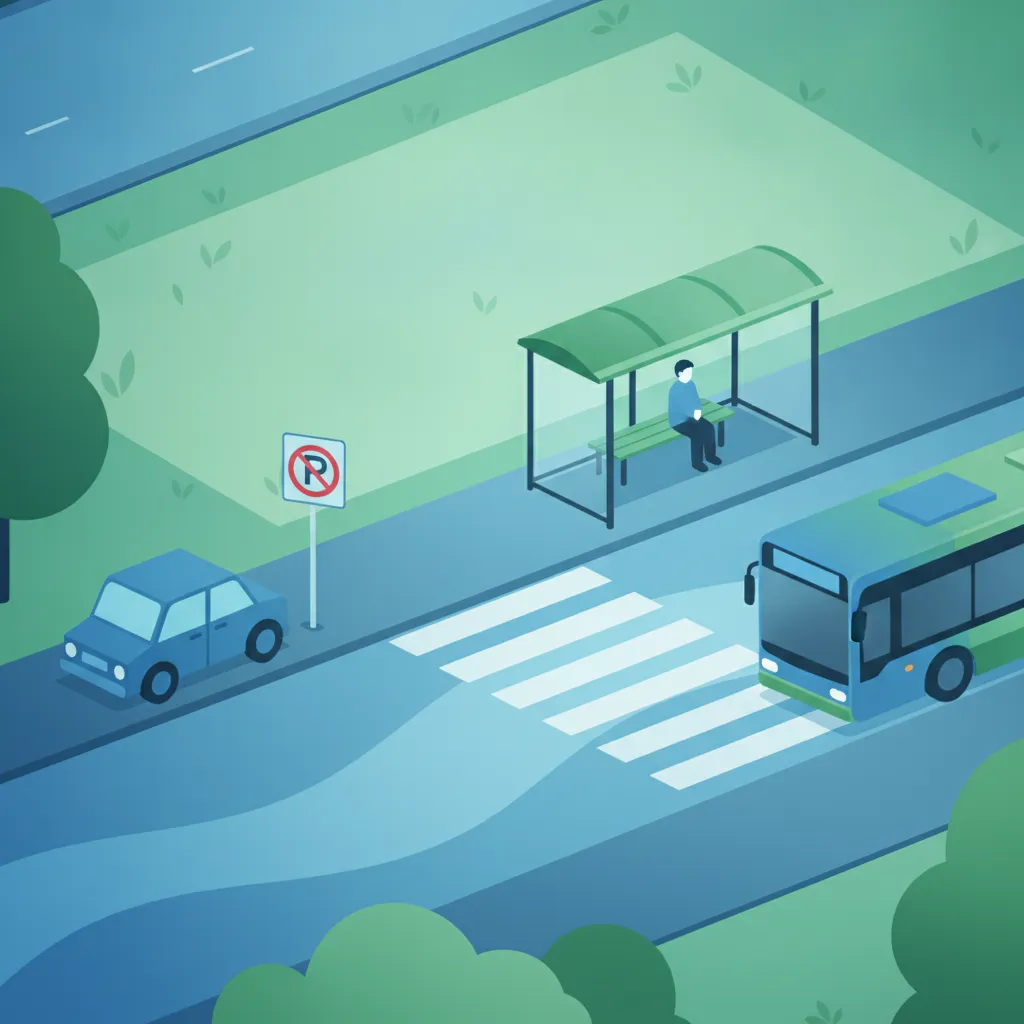
This lesson focuses on identifying and mitigating common hazards in built-up areas. It covers the risks associated with pedestrians emerging from behind buses or parked cars, and the danger of suddenly opening car doors. Learners will understand the importance of reducing speed and increasing observation in these high-risk environments.

This lesson addresses the critical skill of safely coexisting with cyclists and cargo bikes, which are prevalent in Denmark. It explains how to maintain a safe distance, overtake properly, and be vigilant for cyclists, especially when turning right. Understanding the infrastructure of cycle lanes and predicting cyclist behavior is a key focus.

This lesson addresses the unique challenges of driving in tourist-heavy urban centers alongside cyclists. It teaches drivers to anticipate the behavior of individuals who may be distracted or unfamiliar with local traffic rules. The content provides strategies for communicating intentions clearly and navigating safely around large groups, luggage, and cyclists.

This lesson covers the core principles of defensive driving in an urban context. It teaches drivers how to anticipate the actions of other road users, maintain safe following distances in dense traffic, and navigate complex intersections with multiple signals. The content emphasizes heightened awareness of pedestrians, cyclists, and unexpected events common in Danish city environments.

This lesson focuses on the safe integration of cyclists and pedestrians within the traffic system, a key feature of Danish roads. It covers the specific rights and common behaviors of cyclists, including those on e-bikes and cargo bikes, and explains procedures for yielding to pedestrians. The content emphasizes maintaining safe distances and heightened awareness to prevent accidents and promote harmonious road sharing.

This lesson provides detailed guidance on navigating pedestrian crossings (fodgængerfelter) and areas with high cyclist traffic. It clarifies your legal obligation to stop for pedestrians at zebra crossings and the proper speed to approach these zones. A central theme is understanding the rights of vulnerable road users and how to yield safely to them in accordance with Danish traffic law.
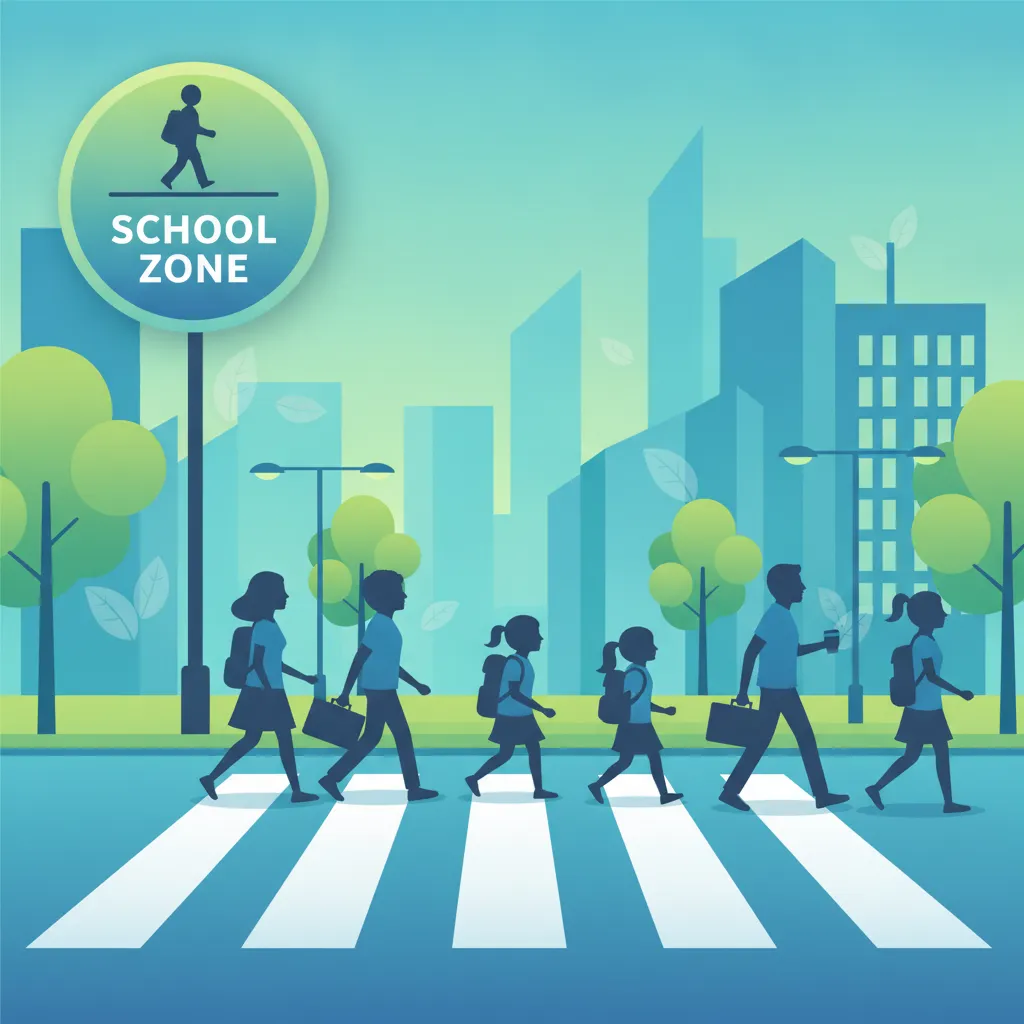
This lesson reinforces the driver's responsibility to protect pedestrians, particularly in busy urban areas and near schools. It details the procedures for approaching pedestrian crossings, the legal requirement to reduce speed significantly in marked school zones, and how to anticipate the unpredictable actions of pedestrians. The content covers traffic calming measures and the legal rights of pedestrians in various settings.
Understand typical hazards and potential legal violations faced by motorcyclists in Danish urban traffic, specifically concerning cycle lanes and bus stops. Learn to avoid mistakes and ensure compliance.
This lesson focuses on identifying and mitigating common hazards in built-up areas. It covers the risks associated with pedestrians emerging from behind buses or parked cars, and the danger of suddenly opening car doors. Learners will understand the importance of reducing speed and increasing observation in these high-risk environments.
This lesson focuses on safe interactions with Denmark's large population of cyclists and other vulnerable road users. It covers the rules for passing cyclists, yielding at pedestrian crossings, and the specific hazard of turning across a bike lane. Developing heightened awareness for these interactions is critical for urban riding.
This lesson provides critical guidance for driving in environments with heavy cycle traffic, typical of Danish cities. It focuses on identifying and yielding to cyclists in dedicated bike lanes, especially when turning right across their path. The content emphasizes advanced observation skills to detect cyclists in blind spots and the importance of giving adequate space.
This lesson covers the core principles of defensive driving in an urban context. It teaches drivers how to anticipate the actions of other road users, maintain safe following distances in dense traffic, and navigate complex intersections with multiple signals. The content emphasizes heightened awareness of pedestrians, cyclists, and unexpected events common in Danish city environments.

This lesson details the specific rules related to bus lanes and bus stops. It clarifies when other vehicles may use bus lanes, the legal requirement to yield to buses pulling away from a stop, and the importance of being cautious around embarking or disembarking passengers. Adherence to these rules is vital for the efficient and safe operation of public transportation.
This lesson addresses the critical skill of safely coexisting with cyclists and cargo bikes, which are prevalent in Denmark. It explains how to maintain a safe distance, overtake properly, and be vigilant for cyclists, especially when turning right. Understanding the infrastructure of cycle lanes and predicting cyclist behavior is a key focus.
This lesson provides in-depth guidance on safely interacting with cyclists and e-bike riders, a daily reality in Danish cities. It explains how to provide adequate space when overtaking, how to anticipate their movements at intersections, and how to respect their right-of-way in designated lanes. Understanding these dynamics is essential for preventing common accidents and ensuring a safe urban driving experience for everyone.
This lesson reinforces the driver's responsibility to protect pedestrians, particularly in busy urban areas and near schools. It details the procedures for approaching pedestrian crossings, the legal requirement to reduce speed significantly in marked school zones, and how to anticipate the unpredictable actions of pedestrians. The content covers traffic calming measures and the legal rights of pedestrians in various settings.

This lesson explains the procedures for safely riding through construction zones. It covers how to respond to temporary signage, lane closures, and flaggers directing traffic. Riders will learn to reduce speed and be vigilant for uneven pavement, loose gravel, and the movement of workers and equipment.

This lesson explains the strategic importance of lane positioning for a motorcyclist. It teaches how to select a position within the lane that makes you most visible to other road users and provides an escape route from potential hazards. The content covers how to adjust your position based on traffic, road conditions, and to avoid being in another vehicle's blind spot.
Find clear answers to common questions learners have about Urban Riding in Cycle-Heavy Streets and Bus Stops. Learn how the lesson is structured, which driving theory objectives it supports, and how it fits into the overall learning path of units and curriculum progression in Denmark. These explanations help you understand key concepts, lesson flow, and exam focused study goals.
Always proceed with extreme caution. If the bus is signaling to move out, you must yield. Be prepared for passengers stepping off, especially in front of or behind the bus, and keep a significant lateral gap to account for unexpected pedestrian movement.
You should maintain a position that discourages others from squeezing past you in your lane while keeping your view of the cycle lane clear. Never drift into the cycle lane, and always perform a thorough shoulder check before making any turn that crosses the path of cyclists.
Priority depends on the specific road signs and markings present at the location. While cyclists are vulnerable, they must follow traffic rules just like motorized vehicles. Always scan for 'Vejstriber' (road markings) and signs that dictate right-of-way.
The primary risk is obscured vision. You cannot see pedestrians crossing the road until they are already in your path. Reducing speed and anticipating 'hidden' hazards is the standard requirement for the Danish theory exam.
Use our powerful search tool to pinpoint specific Danish driving theory topics, road signs, or traffic situations you need to review. Start exploring relevant practice sets now to reinforce your knowledge and build confidence for your upcoming driving licence exam.