
This lesson provides a critical analysis of the large blind spots inherent to passenger buses, essential for your Category D licensing journey. You will learn systematic scanning patterns and camera integration techniques to keep vulnerable road users, such as cyclists, safe during complex maneuvers.
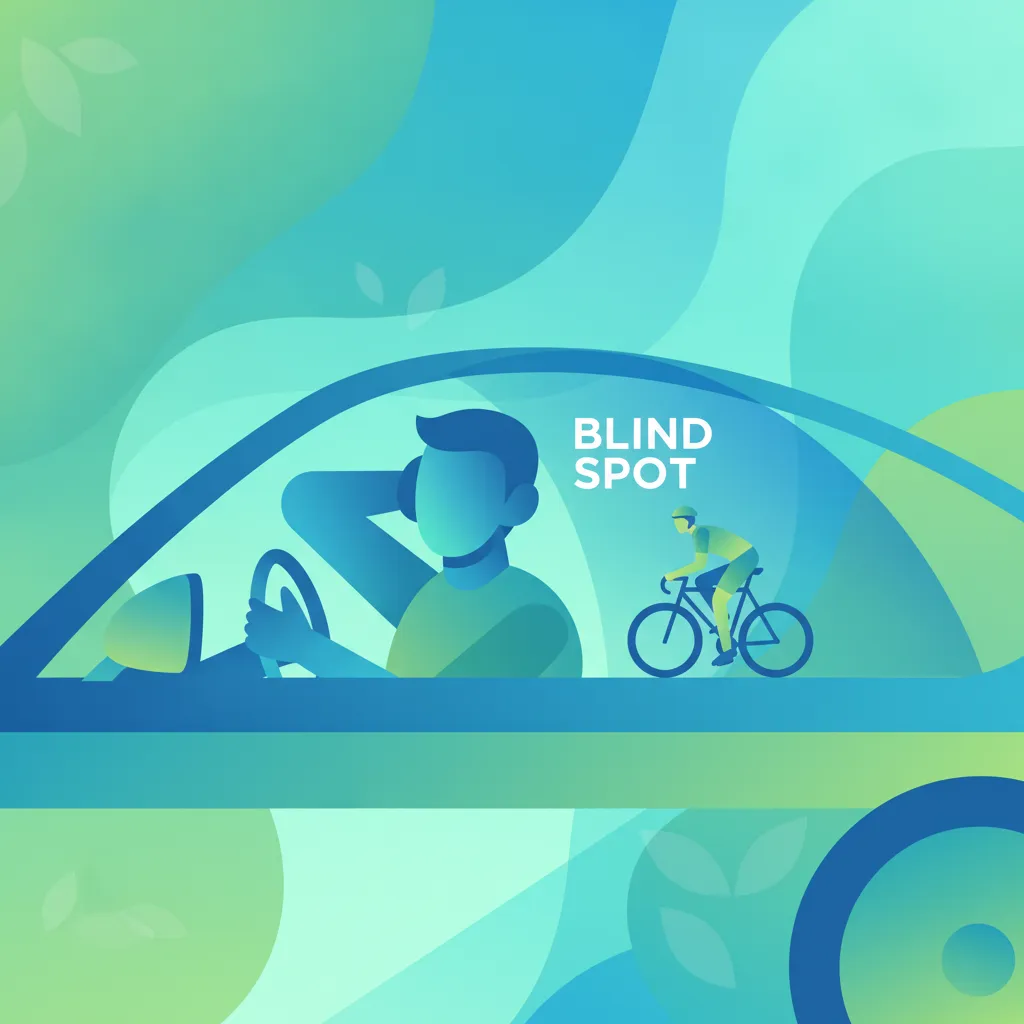
Lesson content overview
Operating a passenger bus, especially within the dynamic traffic environments of Denmark, demands an advanced understanding of vehicle visibility and potential blind spots. As a driver preparing for your Danish Category D licence, mastering blind spot awareness is paramount for passenger safety, other road users, and the efficient operation of your vehicle. This lesson delves into the intricate nature of blind spots around a typical passenger bus, outlining systematic scanning patterns that integrate mirrors, camera systems, and direct head checks to maintain comprehensive situational awareness. We will highlight critical high-risk areas where cyclists, pedestrians, or smaller vehicles can become obscured, particularly during complex maneuvers like turns and stops.
This in-depth analysis builds upon your foundational knowledge of vehicle dimensions, proper mirror adjustment, and general traffic regulations. It is designed to equip you with the advanced techniques necessary to anticipate and mitigate the risks associated with the significant blind spots inherent in large passenger vehicles.
Blind spots are areas surrounding your vehicle that cannot be seen directly by the driver through windows or using standard mirrors. While all vehicles have blind spots, their size and complexity are dramatically amplified in a passenger bus due to its considerable dimensions, elevated roofline, and distinct body design. Recognizing and actively managing these zones is fundamental to safe bus operation.
The visibility envelope refers to the total area around a vehicle that the driver can perceive at any given moment. This perception is constructed from a combination of direct sight through windows, views provided by various mirrors, and input from modern camera systems. The primary purpose of understanding your visibility envelope is to identify precisely which zones are not covered by these visual aids – these are your blind spots.
For a bus driver, identifying the edges of this envelope is crucial. It informs you where you must supplement passive mirror checks with active head movements and camera system monitoring. Before and during any maneuver, it is your responsibility to ensure that this envelope provides full coverage, leaving no hidden areas where a road user could be present.
Blind spots around a passenger bus are significantly larger and more numerous than those found in a private car. They can be broadly categorized into three main areas:
The practical implication of these zones is profound. A cyclist can disappear from view as they pass alongside your bus, a pedestrian can be hidden directly behind when you intend to reverse, and a smaller vehicle can be completely obscured between the coverage of your mirrors and the bus body itself. Understanding these specific areas is the first step in developing effective countermeasures.
The unique characteristics of passenger buses make blind spot management a specialized skill:
Constantly remind yourself that "out of sight" does not mean "out of mind." Assume there might be someone in your blind spot, especially before critical maneuvers.
To counteract the inherent blind spots of a passenger bus, drivers must actively utilize all available visual aids and employ systematic techniques. Relying on a single method is insufficient; a multi-faceted approach is essential for comprehensive situational awareness.
Side and rear-view mirrors are primary tools for monitoring traffic around the bus. Modern buses are often equipped with multiple mirror sets, including large side mirrors, convex mirrors for wider angles, and sometimes interior mirrors for passenger monitoring.
Drivers must perform regular mirror checks – not just before a maneuver, but continuously as part of their dynamic scanning pattern. This includes checking mirrors during gear changes, while maintaining speed, and especially when approaching any situation where traffic flow might change.
Many modern passenger buses are equipped with sophisticated digital camera systems designed to further reduce blind spots. These systems typically provide additional views of the rear of the bus, the side blind spots, and sometimes even the front apron area, displayed on a monitor within the driver's console.
Ensure your vehicle's camera system is functional and correctly positioned before starting any trip. Regularly clean camera lenses to maintain clear visibility, especially in adverse weather conditions.
Even with advanced mirrors and camera systems, direct head checks remain an indispensable element of blind spot awareness. A head check is a physical movement of the head, a quick but deliberate turn, to look directly into areas that mirrors and cameras may not fully cover.
Scan Mirrors: First, check your rearview and side mirrors for any approaching traffic.
Initiate Head Turn: Without significantly shifting your body, quickly turn your head to glance directly into the blind spot zone.
Return to Front: Immediately return your gaze to the front, confirming the path ahead is clear.
Confirm and Act: Only when all checks are clear, proceed with your maneuver.
A structured, consistent approach to checking your surroundings is vital for safe bus operation. This systematic scanning pattern helps to minimize the chance of overlooking any hidden road user, transforming blind spot awareness from an occasional check into a continuous, active process.
Before initiating any change in your bus's lateral position, such as changing lanes or making a turn, a specific sequence of checks must be performed. This ensures you gather all necessary information before committing to the maneuver.
Check Rear-view Mirror: First, glance at your interior and exterior rearview mirrors to assess traffic directly behind and immediately to the sides. This establishes the context of following traffic and its speed.
Check Side Mirror: Focus on the side mirror corresponding to the direction you intend to move. Look for vehicles in the adjacent lane or cyclists/pedestrians riding alongside your bus.
Perform a Head Check: Swiftly turn your head to directly observe the blind spot not covered by your mirrors. This is crucial for detecting smaller vehicles or vulnerable road users that might have entered the hidden zone.
Verify Camera Systems: If equipped, quickly check the display of your camera system for any alerts or visual confirmation of the blind spot area.
Signal Intent: Only after confirming the path is clear, activate your indicator lights to signal your intention to turn or change lanes.
Re-verify and Execute: As you begin the maneuver, continuously re-scan mirrors and be prepared to stop if a hazard appears. Maintain awareness throughout the turn or lane change.
This pattern must become an ingrained habit, performed diligently every time you consider altering your bus's trajectory. Consistency is key to preventing collisions, especially in busy traffic.
Vulnerable road users – a term that includes cyclists, pedestrians, motorcyclists, and often smaller vehicles like scooters – are disproportionately at risk from bus blind spots. Their smaller size makes them easier to hide, and their lack of protective barriers means any collision can result in severe injury or fatality.
Always assume that vulnerable road users may be present, even if you don't immediately see them. Their presence requires heightened vigilance and potentially adjusting your speed and positioning.
Drivers must exercise extreme caution whenever vulnerable users are present. This means increasing scanning frequency, particularly before and during turns, and being prepared to yield or stop to ensure their safety.
Operating a bus involves frequent stops to pick up and drop off passengers. Each stop presents unique blind spot challenges, particularly concerning the opening and closing of doors. The door opening protocol is a critical safety measure designed to prevent accidents with road users who might be alongside the bus.
This protocol is not merely a recommendation; it is a fundamental safety requirement for professional passenger transport drivers.
Effective blind spot management extends beyond routine scanning; it requires adapting your techniques to specific high-risk scenarios and challenging environmental conditions.
Intersections, especially in busy urban areas, are hotspots for blind spot-related incidents. The convergence of multiple traffic flows, including high volumes of cyclists and pedestrians, demands extreme vigilance.
Adverse weather and lighting conditions drastically reduce natural visibility, making blind spots even more perilous. Your scanning patterns and overall driving approach must adapt accordingly.
The characteristics of your bus and the roads you are on can further influence blind spot management.
In Denmark, as a professional Category D driver, ensuring safety through comprehensive blind spot checks is not just a best practice; it is a legal obligation. Adherence to these rules prevents accidents and safeguards all road users.
The Danish Road Traffic Act (Færdselsloven) and associated regulations mandate that drivers must exercise extreme caution and ensure safety before any maneuver that affects other road users. This implicitly includes thorough blind spot checks.
The safe operation of passenger doors is a specific and highly regulated aspect of bus driving, directly linked to blind spot awareness.
For buses equipped with advanced camera systems that provide visual or auditory alerts for objects in blind spots, responding to these warnings is mandatory.
Even experienced drivers can fall victim to common errors in blind spot management. Awareness of these pitfalls is key to developing consistently safe driving habits.
Mistake: Failing to perform a head check before opening a door.
Mistake: Relying solely on side mirrors for blind spot coverage.
Mistake: Ignoring a camera system warning while merging or turning.
Mistake: Not checking blind spots before a left turn in urban traffic.
Mistake: Opening a door in a bus lane or alongside moving traffic without adequate checks.
Mistake: Assuming no blind spot risks when traffic is light.
Mistake: Inadequate scanning when reversing from a stop or into a loading zone.
Mistake: Not adjusting scanning patterns in poor visibility (rain, fog, darkness).
Mistake: Assuming passengers will alert the driver to hidden road users.
Advanced blind spot awareness is a cornerstone of professional bus driving in Denmark. It requires more than just glancing in a mirror; it demands a proactive, systematic, and adaptable approach to observation. By internalizing the anatomy of bus blind spots, mastering the integrated use of mirrors, cameras, and direct head checks, and diligently following established scanning patterns and protocols, you significantly reduce the risk of collisions.
Your journey towards a Danish Category D licence emphasizes not just the operation of a large vehicle, but the profound responsibility that comes with transporting passengers and sharing the road with vulnerable users. Constant situational awareness, especially concerning the invisible dangers of blind spots, is the hallmark of a safe and competent bus driver.
Advanced blind spot awareness for Danish Category D drivers requires understanding that large buses create extensive front, side, and rear blind zones far exceeding those of private vehicles. Effective management demands a multi-tool approach combining proper mirror adjustment, camera system monitoring, and mandatory head checks performed in a consistent systematic pattern before every maneuver. The door opening protocol is particularly critical, requiring verification that no vulnerable road users—such as cyclists or pedestrians—occupy the space adjacent to passenger doors. Danish traffic law obligates drivers to ensure safety before any maneuver affecting other road users, making thorough blind spot checks a legal requirement rather than merely a best practice. Common errors include mirror-only checking, neglecting head checks for doors, and underestimating risks during turns and in poor visibility conditions.
A short set of high-value points that capture the most important learning from this lesson.
Blind spots around buses are significantly larger than in cars, encompassing distinct front, side, and rear zones that require active management through multiple visual methods.
No single visual tool provides complete coverage; effective blind spot awareness requires integrating mirrors, camera systems, and direct head checks into a systematic scanning pattern.
Vulnerable road users—including cyclists, pedestrians, and motorcyclists—are disproportionately at risk in bus blind spots, particularly alongside doors, behind the vehicle, and inside turns.
The door opening protocol is a mandatory safety procedure requiring mirror checks, head checks, and camera verification before any passenger door is activated.
Blind spot management must adapt to conditions: increase scanning frequency in poor visibility and maintain consistent vigilance regardless of traffic density.
Explore all units and lessons included in this driving theory course.
The visibility envelope concept: combine direct sight, mirrors, and cameras to identify precisely which areas remain unseen and require head checks.
Right turns create the most dangerous blind spots due to the bus's wide turning radius, placing cyclists and pedestrians at the inner curve.
The front apron blind spot results from the elevated driver position, obscuring objects directly in front and close to the ground.
Camera systems supplement but never replace mirrors and head checks; treat all camera alerts as critical warnings requiring immediate verification.
Always assume someone may be in a blind spot, especially before opening doors, changing lanes, or making any turn.
Relying solely on mirrors for blind spot coverage, which inherently leaves zones unseen and can lead to side-swipe collisions during lane changes.
Failing to perform a head check before opening passenger doors, allowing cyclists or pedestrians in the immediate door area to go undetected.
Ignoring camera system alerts when merging or turning, effectively overriding an additional safety layer designed to detect hidden hazards.
Insufficient left-side scanning before turns in urban traffic, missing cyclists attempting to pass on the left side of the bus.
Not increasing scanning frequency in adverse weather conditions, where reduced visibility makes blind spots even more dangerous.
Lesson content overview
A short set of high-value points that capture the most important learning from this lesson.
Blind spots around buses are significantly larger than in cars, encompassing distinct front, side, and rear zones that require active management through multiple visual methods.
No single visual tool provides complete coverage; effective blind spot awareness requires integrating mirrors, camera systems, and direct head checks into a systematic scanning pattern.
Vulnerable road users—including cyclists, pedestrians, and motorcyclists—are disproportionately at risk in bus blind spots, particularly alongside doors, behind the vehicle, and inside turns.
The door opening protocol is a mandatory safety procedure requiring mirror checks, head checks, and camera verification before any passenger door is activated.
Blind spot management must adapt to conditions: increase scanning frequency in poor visibility and maintain consistent vigilance regardless of traffic density.
Explore all units and lessons included in this driving theory course.
The visibility envelope concept: combine direct sight, mirrors, and cameras to identify precisely which areas remain unseen and require head checks.
Right turns create the most dangerous blind spots due to the bus's wide turning radius, placing cyclists and pedestrians at the inner curve.
The front apron blind spot results from the elevated driver position, obscuring objects directly in front and close to the ground.
Camera systems supplement but never replace mirrors and head checks; treat all camera alerts as critical warnings requiring immediate verification.
Always assume someone may be in a blind spot, especially before opening doors, changing lanes, or making any turn.
Relying solely on mirrors for blind spot coverage, which inherently leaves zones unseen and can lead to side-swipe collisions during lane changes.
Failing to perform a head check before opening passenger doors, allowing cyclists or pedestrians in the immediate door area to go undetected.
Ignoring camera system alerts when merging or turning, effectively overriding an additional safety layer designed to detect hidden hazards.
Insufficient left-side scanning before turns in urban traffic, missing cyclists attempting to pass on the left side of the bus.
Not increasing scanning frequency in adverse weather conditions, where reduced visibility makes blind spots even more dangerous.
Explore search topics learners often look for when studying Advanced Blind Spot Awareness. These topics reflect common questions about road rules, driving situations, safety guidance, and lesson level theory preparation for learners in Denmark.
Browse additional driving theory lessons that cover connected traffic rules, road signs, and common driving situations related to this topic. Improve your understanding of how different rules interact across everyday traffic scenarios.
Focus on the specific risks blind spots pose to cyclists, pedestrians, and other vulnerable road users in Danish urban traffic. Understand how to anticipate and prevent collisions with these road users during bus maneuvers.

This lesson provides critical guidance for driving in environments with heavy cycle traffic, typical of Danish cities. It focuses on identifying and yielding to cyclists in dedicated bike lanes, especially when turning right across their path. The content emphasizes advanced observation skills to detect cyclists in blind spots and the importance of giving adequate space.

This lesson emphasizes the professional driver's heightened responsibility to protect vulnerable road users. It revisits Danish regulations concerning cyclist priority, particularly during right turns, and details the correct procedures for maintaining safe overtaking distances. The content focuses on developing advanced situational awareness, using mirrors and cameras effectively, and anticipating the behavior of pedestrians and cyclists in urban environments.

This lesson provides an in-depth look at the blind spots of other vehicles and how to manage them. It teaches riders to recognize the large 'no-zones' around trucks and buses where they cannot be seen. Strategies include avoiding lingering in these areas and positioning the motorcycle for maximum visibility.

This lesson addresses the unique challenges of driving in tourist-heavy urban centers alongside cyclists. It teaches drivers to anticipate the behavior of individuals who may be distracted or unfamiliar with local traffic rules. The content provides strategies for communicating intentions clearly and navigating safely around large groups, luggage, and cyclists.

This lesson focuses on the safe integration of cyclists and pedestrians within the traffic system, a key feature of Danish roads. It covers the specific rights and common behaviors of cyclists, including those on e-bikes and cargo bikes, and explains procedures for yielding to pedestrians. The content emphasizes maintaining safe distances and heightened awareness to prevent accidents and promote harmonious road sharing.

This lesson provides detailed guidance on navigating pedestrian crossings (fodgængerfelter) and areas with high cyclist traffic. It clarifies your legal obligation to stop for pedestrians at zebra crossings and the proper speed to approach these zones. A central theme is understanding the rights of vulnerable road users and how to yield safely to them in accordance with Danish traffic law.

This lesson covers the core principles of defensive driving in an urban context. It teaches drivers how to anticipate the actions of other road users, maintain safe following distances in dense traffic, and navigate complex intersections with multiple signals. The content emphasizes heightened awareness of pedestrians, cyclists, and unexpected events common in Danish city environments.
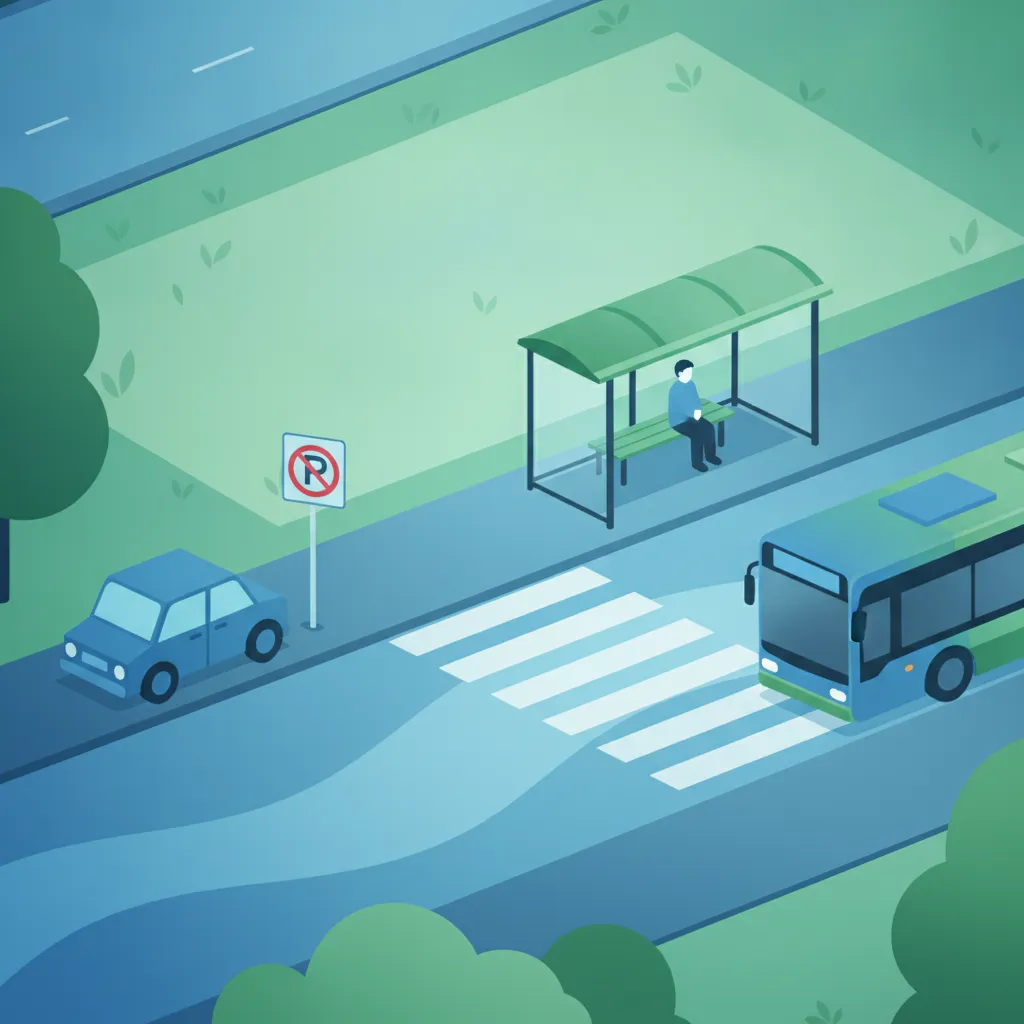
This lesson focuses on identifying and mitigating common hazards in built-up areas. It covers the risks associated with pedestrians emerging from behind buses or parked cars, and the danger of suddenly opening car doors. Learners will understand the importance of reducing speed and increasing observation in these high-risk environments.

This lesson provides in-depth guidance on safely interacting with cyclists and e-bike riders, a daily reality in Danish cities. It explains how to provide adequate space when overtaking, how to anticipate their movements at intersections, and how to respect their right-of-way in designated lanes. Understanding these dynamics is essential for preventing common accidents and ensuring a safe urban driving experience for everyone.
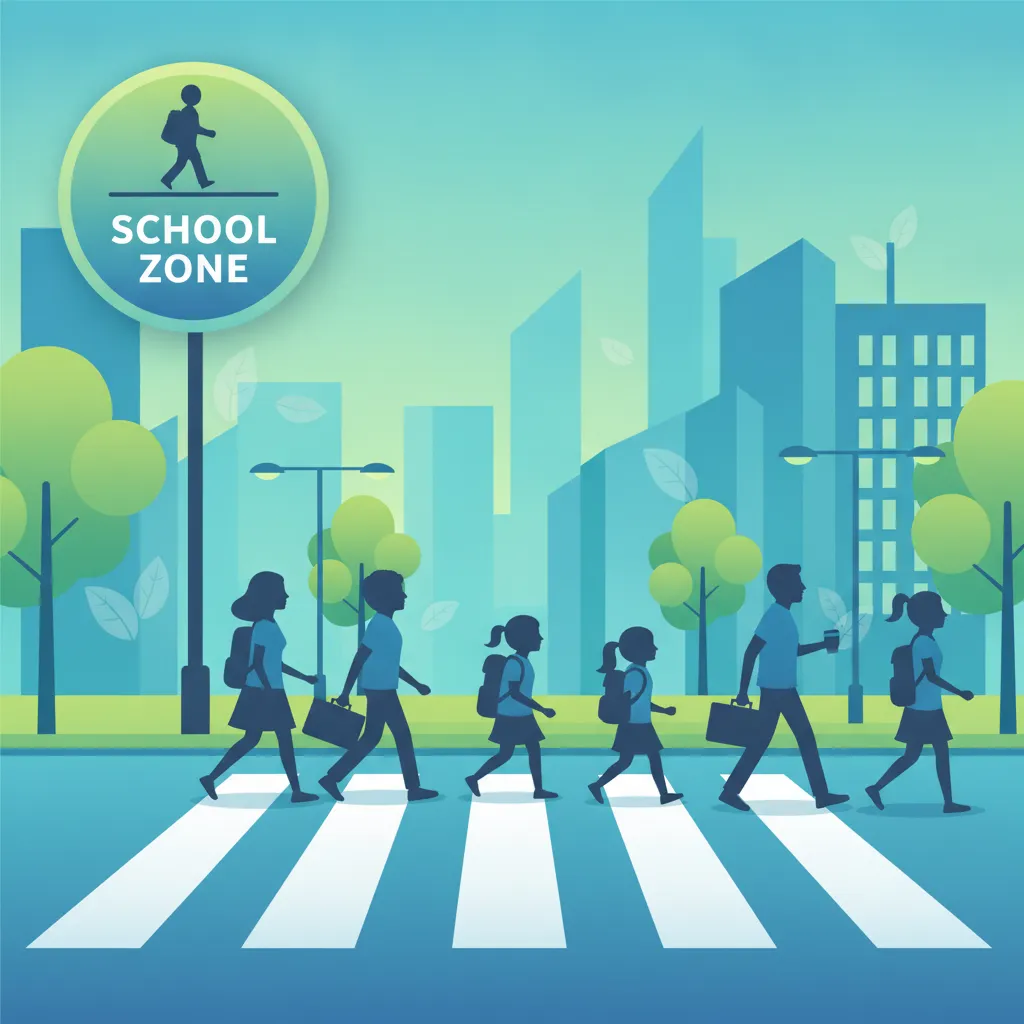
This lesson reinforces the driver's responsibility to protect pedestrians, particularly in busy urban areas and near schools. It details the procedures for approaching pedestrian crossings, the legal requirement to reduce speed significantly in marked school zones, and how to anticipate the unpredictable actions of pedestrians. The content covers traffic calming measures and the legal rights of pedestrians in various settings.
Learn advanced, systematic scanning patterns for bus drivers. This lesson covers integrated use of mirrors, cameras, and head checks to maximize visibility and situational awareness in complex Danish traffic situations.

This lesson teaches the effective use of mirrors and on-board camera systems for comprehensive spatial awareness. It explains how to correctly adjust all mirrors to minimize blind spots and how to integrate camera views into a regular scanning routine. The content emphasizes the importance of combining mirror checks with direct observation to detect vulnerable road users hidden in blind zones.

This lesson introduces proactive visual scanning techniques essential for motorcyclist safety. It explains how to use a systematic search pattern to look far, near, and side-to-side to detect potential hazards before they become immediate threats. Mastering this skill allows riders to create more time and space to react to changing road conditions.

This lesson explains the relationship between a bus's dimensions—length, width, and height—and its maneuverability. It covers key concepts such as turning radius, rear overhang, and swept path, which are critical for navigating turns and tight spaces safely. Learners will also understand how these physical characteristics create significant blind spots that require specific observation techniques to manage.
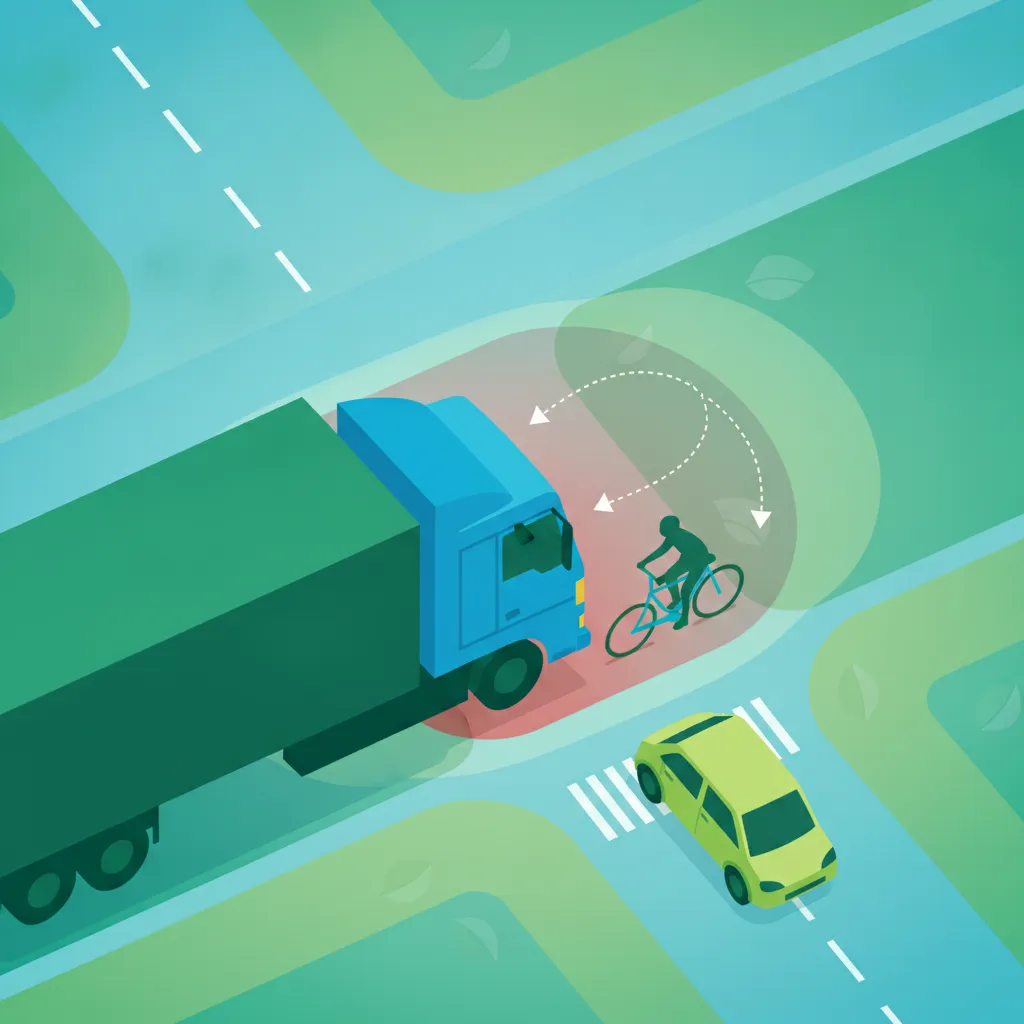
This lesson maps out the extensive blind spots, or 'no-zones,' that exist around a tractor-trailer combination, particularly to the sides and rear. It teaches the proper techniques for adjusting all mirrors to minimize these areas and explains how modern camera systems provide critical visibility. Understanding and compensating for these blind spots is a fundamental skill for preventing collisions, especially during lane changes and turns.
This lesson provides an in-depth look at the blind spots of other vehicles and how to manage them. It teaches riders to recognize the large 'no-zones' around trucks and buses where they cannot be seen. Strategies include avoiding lingering in these areas and positioning the motorcycle for maximum visibility.

This lesson explains the concept of off-tracking, where the rear wheels follow a tighter path than the front wheels during a turn. It provides techniques for positioning the bus correctly before a turn to avoid striking curbs or obstacles. The content also outlines the systematic safety checks and procedures for reversing, including the proper use of mirrors, cameras, and a guide.

This lesson trains drivers to perform a risk assessment of bus stops along their route. It explains how to identify hazards such as poor visibility, proximity to busy intersections, or obstructed pedestrian access. The content provides proactive strategies for positioning the bus and managing passenger boarding and alighting to mitigate the identified risks effectively.
This lesson covers the core principles of defensive driving in an urban context. It teaches drivers how to anticipate the actions of other road users, maintain safe following distances in dense traffic, and navigate complex intersections with multiple signals. The content emphasizes heightened awareness of pedestrians, cyclists, and unexpected events common in Danish city environments.
This lesson details the legal requirements and safety protocols for operating a bus near schools and pedestrian crossings. It covers mandatory speed reductions, the rules for yielding to pedestrians, and techniques for anticipating the sudden movements of children. The content emphasizes the importance of constant visual scanning and maintaining a high state of alert in these sensitive areas.

This lesson addresses the specific skills required to navigate around public transport and heavy goods vehicles safely. You will learn the rules for bus lanes, recognize when buses have priority at stops, and understand the unique challenges posed by large vehicles, such as wider turning circles and larger blind spots. The material also provides clear protocols for overtaking these vehicles while maintaining adequate safety margins.
Find clear answers to common questions learners have about Advanced Blind Spot Awareness. Learn how the lesson is structured, which driving theory objectives it supports, and how it fits into the overall learning path of units and curriculum progression in Denmark. These explanations help you understand key concepts, lesson flow, and exam focused study goals.
Category D vehicles have significantly different dimensions and cab configurations. The physical size and length of the bus create larger zones where mirrors alone cannot provide a full view, necessitating the use of advanced camera systems and specific scanning techniques.
A common mistake is relying solely on the primary side mirrors. Drivers often forget to check the front-view mirrors or the side-mounted cameras, leaving 'gaps' in their awareness where cyclists or pedestrians can move into hidden areas.
The exam frequently uses visual scenarios where you must identify if a driver has scanned correctly. Mastering these scanning patterns helps you answer questions correctly about whether it is safe to turn or change lanes.
Yes, Danish urban centers have high volumes of cyclists. You must demonstrate a 'defensive scanning' approach that assumes a cyclist might be in your blind spot whenever you are approaching an intersection or preparing to make a turn.
Use our powerful search tool to pinpoint specific Danish driving theory topics, road signs, or traffic situations you need to review. Start exploring relevant practice sets now to reinforce your knowledge and build confidence for your upcoming driving licence exam.