
This lesson focuses on the critical handling skills required to safely maneuver large passenger vehicles in confined spaces. You will explore the physics of off-tracking and learn systematic procedures for safe reversing and terminal operations, ensuring you are prepared for the practical demands of the Category D license.

Lesson content overview
As a professional driver of large vehicles such as buses, mastering turning and reversing maneuvers is not just about skill; it is fundamentally about safety. These actions are among the most challenging, particularly in urban environments or confined spaces, where the risk of collision with curbs, road furniture, other vehicles, and vulnerable road users is significantly higher. This lesson delves into the core principles, techniques, and regulations essential for executing safe and efficient turning and reversing maneuvers in Denmark.
We will explore the unique dynamics of large vehicles during turns, specifically the phenomenon of off-tracking. Furthermore, we will establish systematic safety checks for reversing, detailing the crucial role of mirrors, camera systems, and, when necessary, a human guide. A thorough understanding and consistent application of these practices are paramount for protecting your vehicle, passengers, and everyone else on the road.
Off-tracking is a critical concept for anyone operating a bus or other large vehicle. It describes the phenomenon where the rear wheels of a vehicle follow a tighter, inner path than the front wheels during a turn. This dynamic is a direct consequence of the vehicle's wheelbase and steering geometry, and it intensifies with sharper steering angles and longer vehicles.
Imagine drawing a circle with a compass; the point where the compass pivots represents the front axle's turning point, while the pencil tip follows a path further out. Now, picture a second, smaller circle drawn by a point further back on the compass arm; this is analogous to how the rear wheels track. For a bus, this means that while your front wheels might successfully navigate around a corner, your rear wheels could easily collide with the curb, a lamppost, or another vehicle if you do not account for their different path.
Understanding off-tracking is not merely theoretical; it has direct, significant implications for preventing accidents. Drivers must anticipate the rear wheels' path to ensure they maintain a safe distance from all obstacles. Failing to do so can lead to costly vehicle damage, disruption of services, and potential harm to passengers or other road users. This understanding is particularly vital during tight turns, such as those encountered in city centers or at bus terminals.
The extent of off-tracking is directly related to a vehicle's wheelbase – the distance between the front and rear axles. A longer wheelbase results in a more pronounced off-tracking effect. Buses, with their considerable length, exhibit significant off-tracking, demanding a wider turning radius than smaller vehicles. The turning radius itself is the smallest circular turn a vehicle can make, which is dictated by its dimensions and steering capabilities.
Drivers must internalize their specific vehicle's turning characteristics. This knowledge allows for proactive planning and execution of turns, ensuring that there is always sufficient space for the entire vehicle, not just the front. Misjudging the turning radius, especially when combined with off-tracking, can lead to the rear of the bus swinging wide or cutting in too sharply.
In busy Danish cities, off-tracking is a constant consideration. When making a right turn at an intersection, for example, if you start too close to the right-hand curb, the rear wheels will almost certainly mount or strike it. Similarly, a left turn initiated too tightly can cause the rear of the bus to swing into an adjacent lane, potentially striking another vehicle or cutting off an oncoming cyclist.
Professional bus drivers must always provide ample space. This often means swinging out slightly (counter-steering or widening the approach) before initiating a sharp turn to give the rear wheels the necessary clearance. This maneuver must be executed safely, ensuring you do not endanger other road users or infringe on their right of way. Awareness of surrounding traffic, including cyclists and pedestrians, is paramount when adjusting your path.
Effective vehicle positioning is the first step in safely executing any turn, especially with a large vehicle like a bus. It involves placing your vehicle correctly on the road, relative to lane markings and the intended path of travel, before you even begin to steer into the turn.
Before initiating any turn, particularly at an intersection, clear and early positioning is essential. This allows other road users to anticipate your intentions and provides you with the optimal angle to manage off-tracking.
Signal Your Intentions Early: Activate your turn signal well in advance to inform other drivers, cyclists, and pedestrians of your planned maneuver. This is a fundamental legal requirement and a critical safety measure.
Select the Correct Lane: Position your bus in the appropriate lane for your turn. For a right turn, move to the far right lane (if multiple lanes are available for turning right). For a left turn, move to the far left lane. This prevents other vehicles from trying to pass on the side you intend to turn into, which could lead to a squeeze collision.
Allow for Off-Tracking: As you approach the turning point, do not hug the curb or the lane divider too tightly. Instead, position your bus so that the front wheels are slightly further away from the inside of the turn than you might initially think is necessary. This creates a wider radius for your rear wheels. For example, when making a right turn, leave a gap between the front right of your bus and the curb, which the rear wheels will then track into.
Observe and Anticipate: Continuously scan your mirrors and the intersection itself for other traffic, pedestrians, and cyclists. Pay particular attention to cyclists who may position themselves on your inside, creating a significant blind spot.
Turning from too close to the curb or from the wrong lane is a common misunderstanding that can lead to insufficient turning radius. This often results in the bus mounting the curb, striking street furniture, or encroaching on adjacent lanes, creating hazardous situations.
Once you begin the turn, your focus shifts to maintaining constant awareness of your surroundings and making precise steering corrections.
When turning a large vehicle, it is often necessary to swing out slightly wider than a passenger car would. This is known as making a "set-up" or "buttonhook" turn. Always ensure this movement is safe and does not endanger other road users before initiating it.
As you steer, constantly check your side mirrors to monitor the path of your rear wheels, particularly the inner rear wheel. This direct visual feedback helps you adjust your steering angle to ensure sufficient clearance. The goal is to complete the turn smoothly, without stopping or making sudden, jerky movements that could upset passengers or cause undue stress on the vehicle. Maintain a minimum safe clearance from any obstacles. While specific legal distances may vary, a general guideline is to aim for at least 30 cm from the curb or other fixed objects.
Reversing a bus is inherently risky due to restricted visibility and the vehicle's large size. To mitigate these risks, a systematic and thorough safety check procedure must always be followed before and during any reversing maneuver. This comprehensive approach ensures that the path is clear of obstacles, pedestrians, cyclists, and other vehicles, minimizing blind spots and improving situational awareness.
Never begin reversing until you are absolutely certain that your path is clear. Rushing this process is a common cause of preventable accidents.
Rear View Mirror Check: Before moving, check your main rear-view mirror (if applicable) and both side mirrors. Pay attention to the traffic behind you, any vehicles approaching, and pedestrians. Mentally map out your intended reversing path.
Right Side Mirror Check: Focus specifically on your right-hand side mirror. Look for obstacles, parked vehicles, or people that might be in your blind spot on that side as you begin to turn or back up. Remember that the right side is often more challenging to see fully from the driver's seat.
Head Check (Shoulder Check): This is a critical step that cannot be replaced by mirrors or cameras alone. Turn your head and physically look directly behind you, scanning both over your left and right shoulders. This allows you to see areas that mirrors might miss, such as a child playing directly behind the bus or a low-lying bollard.
Rear View Camera Review (if equipped): If your bus is fitted with a rear-view or surround-view camera system, use it to complement your mirror and head checks. The camera provides a crucial wide-angle view of the immediate area behind your vehicle, often revealing low-lying objects or persons that are invisible through mirrors. However, remember that cameras can have distortions or blind spots of their own and should never be solely relied upon.
Performing these checks consistently and thoroughly significantly reduces the risk of collisions. The most common misunderstanding drivers make is relying solely on one visual aid (e.g., only mirrors or only the camera) and neglecting the comprehensive checks, especially the vital head check.
Buses have numerous blind spots, which are significantly exacerbated during reversing. The length, height, and various structural components (like window pillars) create areas that are impossible to see without external aids or careful body positioning. Even with perfectly adjusted mirrors and a camera system, small blind spots will remain.
To truly minimize blind spots:
Integrating all available visual aids is crucial for maintaining comprehensive situational awareness during turning and reversing. Each tool provides a unique perspective that, when combined, creates a robust safety net.
Before every journey, ensure your mirrors are correctly adjusted. Properly set mirrors provide the best possible view of your vehicle’s surroundings, significantly reducing blind spots and enhancing your ability to monitor traffic.
Throughout a maneuver, your eyes should constantly cycle through all your mirrors. Do not fixate on just one. This continuous scanning helps you build a complete picture of your surroundings and track the movement of other road users and obstacles relative to your bus.
Modern buses are often equipped with advanced camera systems, including rear-view cameras, side cameras, and even 360-degree surround-view systems. These are invaluable aids, providing visual information that traditional mirrors cannot.
Always use camera systems as a supplement to, never a replacement for, your mirrors and direct observation. Cameras can have limitations such as glare, fogging, or obscured lenses, and they do not always convey depth as accurately as direct vision. Integrate the camera feed into your systematic checks, using it to verify information gathered from other sources.
In situations where visibility is limited, or the reversing maneuver is complex (e.g., backing into a tight parking bay, a busy bus terminal, or near vulnerable road users), having a guide (often a passenger or a colleague) is highly recommended, and in some cases, mandatory.
The guide provides an external perspective, seeing obstacles that mirrors and cameras might miss. Effective use of a guide relies on clear communication:
Always stop reversing immediately if you lose sight of your guide or if you are unsure of their signal. Never assume what they mean.
Adherence to specific traffic regulations is crucial for ensuring safety and avoiding legal consequences. For professional drivers in Denmark, several rules directly govern turning and reversing maneuvers with large vehicles.
Rule 1: When turning, maintain a safe distance from the curb or edge of the road to accommodate off-tracking.
Rule 2: Signal intention well in advance of a turn.
Rule 3: Perform a systematic safety check before initiating any reversing maneuver.
Rule 4: Use a guide if the vehicle is large or visibility is limited during reversing.
Rule 5: Mirrors must be correctly adjusted before each journey to provide the best possible view of the vehicle’s surroundings.
Rule 6: If a rearview or surround camera is equipped, it must be used to complement mirror checks.
Even experienced drivers can fall victim to common pitfalls during turning and reversing. Understanding these errors and how to adapt to varying conditions is key to consistent safe operation.
Always err on the side of caution. If in doubt, stop, reassess, and if necessary, seek assistance. It is better to take a few extra moments than to risk an accident.
Driving conditions are rarely static, and skilled drivers must adjust their maneuvers accordingly.
Let's illustrate these concepts with practical examples that a Danish bus driver might encounter.
Urban Right Turn at a Busy Intersection: A bus approaches a right turn on a main street in Copenhagen. The driver signals early, checks the right side mirror for cyclists, and positions the bus slightly away from the curb in the rightmost lane. As the bus enters the intersection, the driver turns the wheel, constantly monitoring the right side mirror to ensure the rear wheels clear the curb and any street furniture. The turn is executed smoothly, avoiding contact and allowing for the bus's off-tracking.
Reversing into a Depot Parking Bay: At the end of a shift, a driver needs to reverse a bus into a tight parking bay at the bus depot. Before moving, the driver performs the systematic safety check: checking all mirrors, doing a head check over both shoulders, and reviewing the rear-view camera screen. A colleague acts as a guide, positioned safely at the rear corner, providing clear hand signals. The driver reverses slowly, stopping whenever the guide signals, until the bus is perfectly aligned in the bay.
Tight Left Turn on a Rural Road with a Hedge: Navigating a narrow country road, the driver needs to make a sharp left turn onto another lane. The driver signals, checks mirrors for oncoming traffic, and positions the bus carefully to the right side of their lane before initiating the left turn. This allows the bus to take a wider arc, ensuring the rear wheels clear the roadside hedge on the left without encroaching too far into the oncoming lane.
Reversing from a Bus Stop Near Pedestrians: After dropping off passengers at a busy stop, the driver realizes they need to reverse a short distance to allow another bus to pass. Before reversing, the driver thoroughly checks mirrors, performs a head check, and uses the rear camera. They also ask a helpful passenger (or a colleague on the platform) to act as a temporary guide, ensuring no pedestrians have inadvertently stepped behind the bus, and only reverse once a clear signal is given.
Mastering safe turning and reversing maneuvers is a cornerstone of professional bus driving in Denmark. It demands a thorough understanding of vehicle dynamics, meticulous planning, and consistent application of safety protocols.
By integrating these principles into your daily driving, you will enhance your safety, protect your passengers, and contribute to smoother traffic flow, upholding the high standards expected of professional drivers.
This lesson teaches Category D drivers the critical skills for safely turning and reversing large buses in Denmark. The core concept of off-tracking explains why rear wheels follow a tighter path than front wheels during turns, requiring drivers to swing out slightly and maintain extra clearance from curbs and obstacles. Systematic reversing safety checks—using mirrors, physical head turns, and cameras—are mandatory procedures that must never be shortcut, especially given the extensive blind spots on buses. When visibility is limited, a guide provides essential external perspective, but the driver remains ultimately responsible for safe operation. Understanding vehicle dynamics, adhering to Danish traffic regulations, and adapting to varying conditions (weather, load, light) are essential competencies for professional bus drivers.
A short set of high-value points that capture the most important learning from this lesson.
Off-tracking means the rear wheels follow a tighter path than the front wheels during turns, requiring you to position the front of the bus further from obstacles than you might think necessary.
Always position your bus correctly before turning by selecting the proper lane, signaling early, and allowing extra clearance for the rear wheels to track safely.
The four-stage reversing safety check must always be performed: rear view mirror, right side mirror, head check (physically turning to look over both shoulders), and rear view camera review.
A guide (spotter) should be used whenever visibility is limited during reversing, with pre-arranged signals and visual contact maintained throughout the maneuver.
Adjust your driving for weather conditions, vehicle load, and vulnerable road users—full buses have higher centers of gravity and longer stopping distances.
Explore all units and lessons included in this driving theory course.
When making a right turn, leave a gap between the front right of your bus and the curb; the rear wheels will track into that space.
Mirrors alone are never sufficient for reversing—physical head checks are mandatory and cannot be replaced by camera systems.
If you lose sight of your guide at any time, stop the maneuver immediately until visual contact is re-established.
Convex wide-angle mirrors distort distances, making objects appear further away than they actually are.
A loaded bus requires wider turning paths due to increased mass and potentially different off-tracking characteristics.
Initiating a right turn too close to the curb, causing the rear wheels to scrape or mount the curb due to off-tracking.
Relying solely on mirrors or cameras during reversing and skipping the mandatory physical head check over both shoulders.
Attempting complex reversing maneuvers in tight spaces without a guide when visibility is severely restricted.
Positioning incorrectly for a left turn (too close to the center line) and swinging too wide into oncoming traffic or adjacent lanes.
Fixating on a single mirror or visual aid instead of continuously cycling through all available mirrors, camera, and direct observation.
Lesson content overview
A short set of high-value points that capture the most important learning from this lesson.
Off-tracking means the rear wheels follow a tighter path than the front wheels during turns, requiring you to position the front of the bus further from obstacles than you might think necessary.
Always position your bus correctly before turning by selecting the proper lane, signaling early, and allowing extra clearance for the rear wheels to track safely.
The four-stage reversing safety check must always be performed: rear view mirror, right side mirror, head check (physically turning to look over both shoulders), and rear view camera review.
A guide (spotter) should be used whenever visibility is limited during reversing, with pre-arranged signals and visual contact maintained throughout the maneuver.
Adjust your driving for weather conditions, vehicle load, and vulnerable road users—full buses have higher centers of gravity and longer stopping distances.
Explore all units and lessons included in this driving theory course.
When making a right turn, leave a gap between the front right of your bus and the curb; the rear wheels will track into that space.
Mirrors alone are never sufficient for reversing—physical head checks are mandatory and cannot be replaced by camera systems.
If you lose sight of your guide at any time, stop the maneuver immediately until visual contact is re-established.
Convex wide-angle mirrors distort distances, making objects appear further away than they actually are.
A loaded bus requires wider turning paths due to increased mass and potentially different off-tracking characteristics.
Initiating a right turn too close to the curb, causing the rear wheels to scrape or mount the curb due to off-tracking.
Relying solely on mirrors or cameras during reversing and skipping the mandatory physical head check over both shoulders.
Attempting complex reversing maneuvers in tight spaces without a guide when visibility is severely restricted.
Positioning incorrectly for a left turn (too close to the center line) and swinging too wide into oncoming traffic or adjacent lanes.
Fixating on a single mirror or visual aid instead of continuously cycling through all available mirrors, camera, and direct observation.
Explore search topics learners often look for when studying Safe Turning and Reversing Maneuvers. These topics reflect common questions about road rules, driving situations, safety guidance, and lesson level theory preparation for learners in Denmark.
Browse additional driving theory lessons that cover connected traffic rules, road signs, and common driving situations related to this topic. Improve your understanding of how different rules interact across everyday traffic scenarios.
Deepen your understanding of off-tracking dynamics and advanced techniques for turning large vehicles. Learn critical procedures for safe reversing in complex Danish traffic situations, focusing on hazard avoidance and legal requirements.

Reversing a tractor-trailer combination requires skill and a clear understanding of vehicle dynamics. This lesson breaks down the technique, explaining how to use steering inputs to guide the trailer accurately while monitoring its position through mirrors and cameras. It emphasizes the importance of a slow, controlled speed and planning the entire maneuver before starting to ensure safety and precision.

This lesson explains the relationship between a bus's dimensions—length, width, and height—and its maneuverability. It covers key concepts such as turning radius, rear overhang, and swept path, which are critical for navigating turns and tight spaces safely. Learners will also understand how these physical characteristics create significant blind spots that require specific observation techniques to manage.

This lesson addresses the specific skills required to navigate around public transport and heavy goods vehicles safely. You will learn the rules for bus lanes, recognize when buses have priority at stops, and understand the unique challenges posed by large vehicles, such as wider turning circles and larger blind spots. The material also provides clear protocols for overtaking these vehicles while maintaining adequate safety margins.

This lesson provides detailed instruction on two key practical skills. You will learn the correct procedure for reversing, which emphasizes slow speed and comprehensive 360-degree observation. It also covers the technique for executing a smooth hill start, teaching the precise coordination of the clutch, accelerator, and handbrake to prevent the vehicle from rolling backwards.

This lesson covers the correct techniques for various turning manoeuvres, including how to signal, position your vehicle, and judge gaps in traffic. It also details the legal and safety protocols for overtaking, emphasizing the importance of assessing speed, distance, and oncoming traffic. A thorough understanding of these procedures is crucial for navigating intersections and two-lane roads safely.
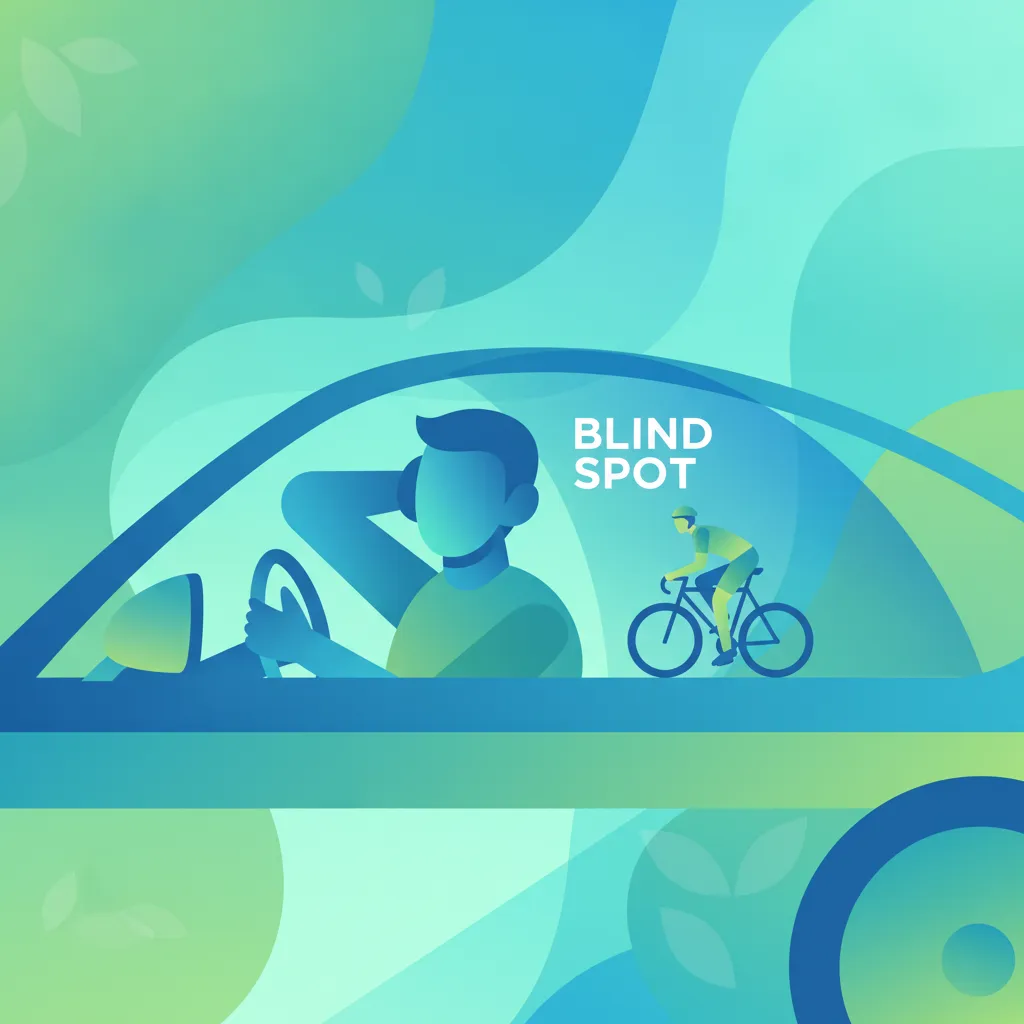
This lesson provides an in-depth analysis of the size and location of blind spots around a typical passenger bus. It teaches systematic scanning patterns that incorporate all mirrors, cameras, and direct head checks to maintain situational awareness. The content highlights high-risk areas where cyclists, pedestrians, or small vehicles can become hidden from view, especially during turns.

This lesson addresses the unique environment of bus terminals, focusing on safe, low-speed maneuvering around other vehicles and pedestrians. It also introduces the theory for combination vehicles (Category DE), including the principles of coupling and uncoupling trailers. The content emphasizes the different handling characteristics and increased turning radius associated with articulated buses or buses with trailers.

This lesson contrasts the driving techniques required for rural roads and motorways. It covers managing speed on narrow, winding lanes with potential hazards like farm machinery or animals. The content also explains the principles of safe motorway driving, including maintaining lane discipline, managing high-speed stability, and executing safe overtaking maneuvers.

This lesson delves into the unique dynamics of articulated vehicles, focusing on the behavior of the combination around its articulation point. It explains the concept of off-tracking, where the trailer's wheels follow a tighter path than the tractor's, and its implications for negotiating turns and corners. Understanding these dynamics is crucial for safe maneuvering in confined spaces and preventing collisions with curbs or other obstacles.

This lesson teaches the proper application of auxiliary speed control devices, such as retarders and engine brakes. It focuses on their use for maintaining a safe, controlled speed on long downhill gradients, which helps prevent service brake overheating and fade. The content also covers Danish regulations related to these systems and their benefits for reducing brake wear and improving overall safety.
Identify and understand frequent mistakes drivers make during turning and reversing large vehicles. Explore how varying conditions like weather, load, and vulnerable road users impact maneuverability and safety in Denmark.
This lesson covers the correct techniques for various turning manoeuvres, including how to signal, position your vehicle, and judge gaps in traffic. It also details the legal and safety protocols for overtaking, emphasizing the importance of assessing speed, distance, and oncoming traffic. A thorough understanding of these procedures is crucial for navigating intersections and two-lane roads safely.
Reversing a tractor-trailer combination requires skill and a clear understanding of vehicle dynamics. This lesson breaks down the technique, explaining how to use steering inputs to guide the trailer accurately while monitoring its position through mirrors and cameras. It emphasizes the importance of a slow, controlled speed and planning the entire maneuver before starting to ensure safety and precision.

This lesson addresses the combined challenges of navigating narrow rural roads and driving in adverse weather. It explains how to adapt speed and braking techniques for conditions like heavy rain, fog, or ice, which are common on rural routes. The content also integrates these factors into route planning, teaching drivers how to select the safest and most appropriate path while avoiding local weight or height restrictions.

This lesson focuses on the practical skills needed to maneuver a large vehicle in confined environments such as urban delivery zones and loading docks. It teaches how to accurately judge the required space, understand the vehicle's turning radius, and use reference points to position the vehicle precisely. The content covers strategies for navigating tight corners and avoiding fixed obstacles, which is essential for damage-free urban operations.
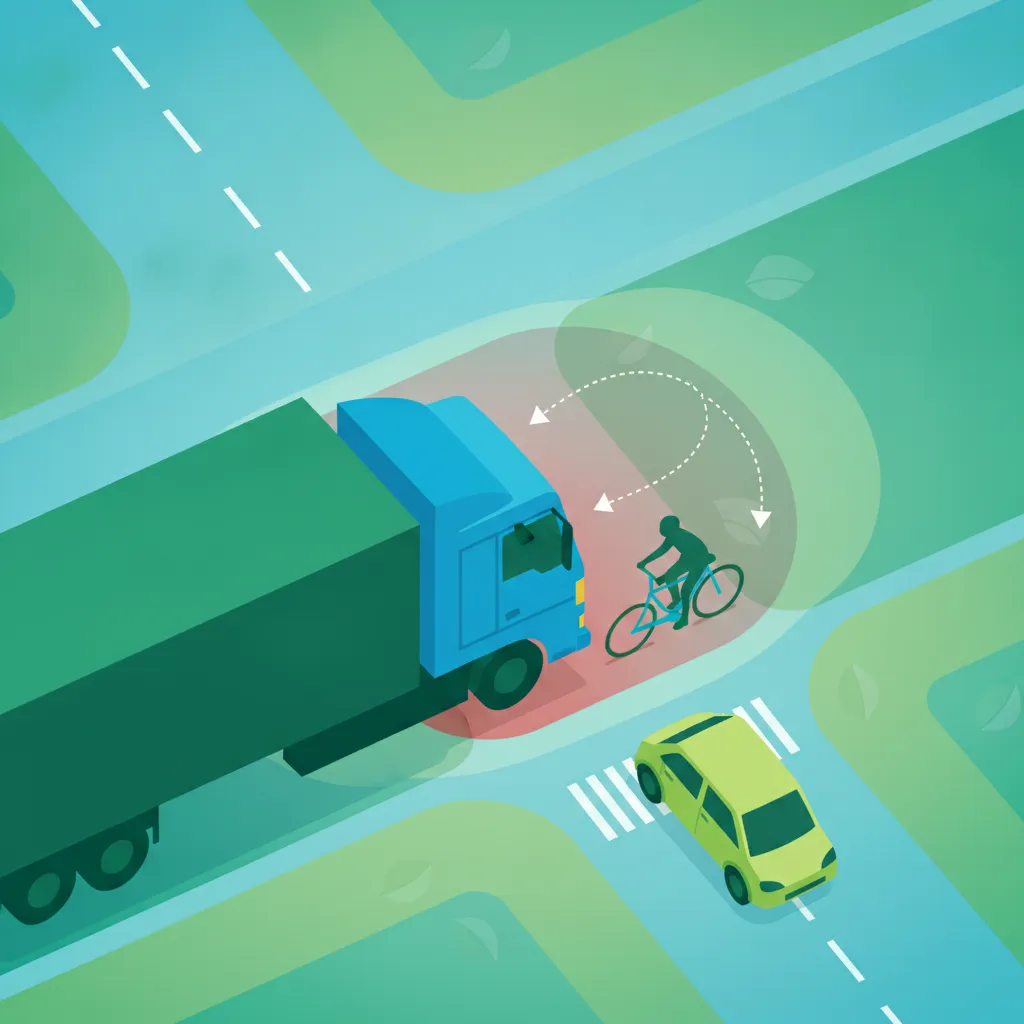
This lesson maps out the extensive blind spots, or 'no-zones,' that exist around a tractor-trailer combination, particularly to the sides and rear. It teaches the proper techniques for adjusting all mirrors to minimize these areas and explains how modern camera systems provide critical visibility. Understanding and compensating for these blind spots is a fundamental skill for preventing collisions, especially during lane changes and turns.

Crossing large bridges presents unique challenges, including strict weight restrictions and significant exposure to crosswinds. This lesson explains how to identify and respect these limits and teaches techniques for maintaining vehicle stability when hit by strong wind gusts. It covers the importance of reducing speed and making subtle steering corrections to counteract aerodynamic forces and stay safely in your lane.
This lesson provides detailed instruction on two key practical skills. You will learn the correct procedure for reversing, which emphasizes slow speed and comprehensive 360-degree observation. It also covers the technique for executing a smooth hill start, teaching the precise coordination of the clutch, accelerator, and handbrake to prevent the vehicle from rolling backwards.
This lesson addresses the specific skills required to navigate around public transport and heavy goods vehicles safely. You will learn the rules for bus lanes, recognize when buses have priority at stops, and understand the unique challenges posed by large vehicles, such as wider turning circles and larger blind spots. The material also provides clear protocols for overtaking these vehicles while maintaining adequate safety margins.
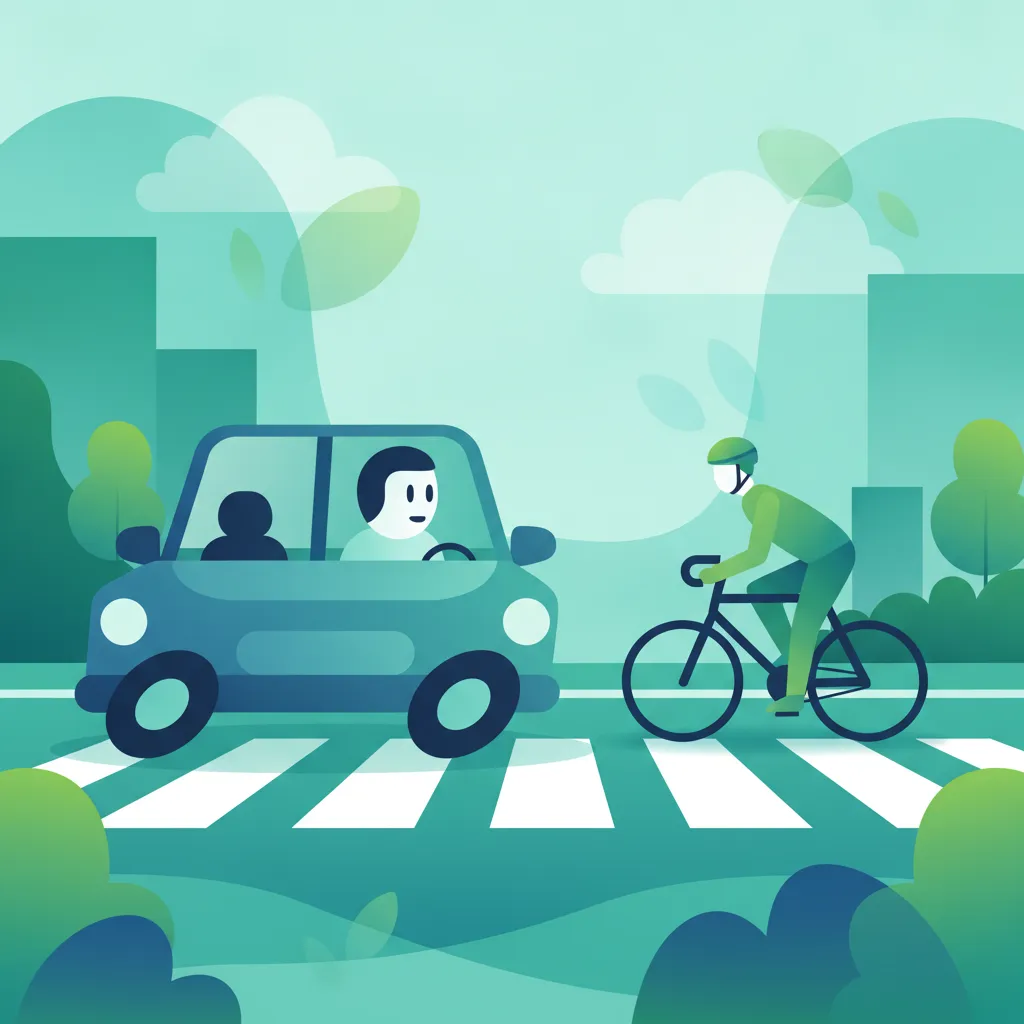
This lesson provides critical instruction on executing right turns safely, a high-risk maneuver for heavy vehicles in urban settings. It places strong emphasis on Danish traffic laws concerning cyclist priority and teaches drivers how to position their vehicle to account for off-tracking. The content focuses on defensive driving techniques, such as scanning for cyclists and making intentions clear, to prevent right-turn collisions.
This lesson explains the relationship between a bus's dimensions—length, width, and height—and its maneuverability. It covers key concepts such as turning radius, rear overhang, and swept path, which are critical for navigating turns and tight spaces safely. Learners will also understand how these physical characteristics create significant blind spots that require specific observation techniques to manage.
Find clear answers to common questions learners have about Safe Turning and Reversing Maneuvers. Learn how the lesson is structured, which driving theory objectives it supports, and how it fits into the overall learning path of units and curriculum progression in Denmark. These explanations help you understand key concepts, lesson flow, and exam focused study goals.
The primary danger is off-tracking, where the rear wheels follow a path inside the front wheels. This can cause the rear of the vehicle to swing over curbs or strike objects, making it crucial to position the bus correctly before initiating the turn.
You must use all available technology, including cameras and sensors, but if these are insufficient, you are legally and ethically required to use a guide. Always ensure clear communication with the guide before starting the maneuver.
Because of the vehicle's length and turning radius, incorrect positioning can lead to the rear wheels cutting the corner. Proper positioning allows you to manage the swept path and safely clear the intersection without hitting obstacles.
Yes, terminals are high-risk areas with constant pedestrian and vehicle movement. You must proceed at a walking pace, use all mirrors and cameras consistently, and maintain absolute control to prevent accidents with vulnerable road users.
Use our powerful search tool to pinpoint specific Danish driving theory topics, road signs, or traffic situations you need to review. Start exploring relevant practice sets now to reinforce your knowledge and build confidence for your upcoming driving licence exam.