
This lesson guides you through the specialized procedures required for driving large passenger vehicles across bridges, through tunnels, and onto ferries. You will learn to manage infrastructure-specific hazards and legal requirements essential for your Category D theory exam.
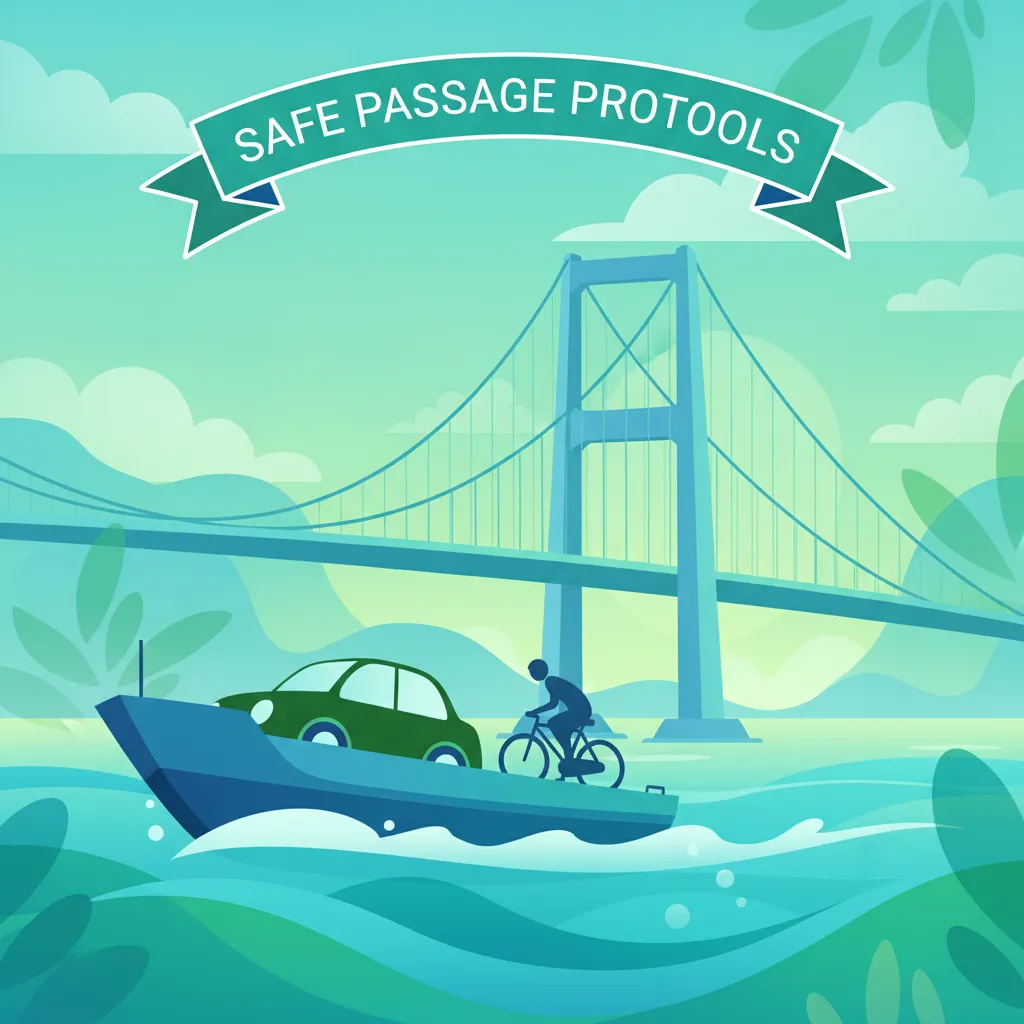
Lesson content overview
Operating a passenger vehicle, especially a bus, requires specific knowledge and adherence to safety protocols when encountering specialized infrastructure such as long bridges, tunnels, and ferries. This lesson, part of your Danish Category D Licence Theory: Passenger Transport Preparation, provides essential guidance to ensure the safety of your passengers and compliance with Danish traffic regulations. Understanding these procedures is crucial for navigating potentially hazardous situations and maintaining professional standards.
Driving large passenger vehicles presents distinct challenges on specific types of infrastructure. Bridges are exposed to environmental forces, tunnels demand rapid visual adjustments, and ferries involve complex boarding and securing protocols. Successfully navigating these requires not only general driving skill but also specialized awareness of vehicle dimensions, environmental factors, and precise operational procedures.
Before attempting to cross any bridge or enter a tunnel, it is paramount for Category D drivers to be fully aware of their vehicle's exact dimensions and laden weight. Bridges and tunnels are built with specific structural limitations that dictate the maximum height and weight they can safely accommodate. Exceeding these limits can lead to severe structural damage, costly delays, fines, and even catastrophic accidents.
Drivers must constantly monitor road signs that indicate these restrictions. These signs typically display the maximum permissible height in metres and, for bridges, may also show the maximum gross vehicle weight (GVW) or axle weight in tonnes. Such restrictions can be permanent due to the original design of the infrastructure or temporary, often implemented during construction, maintenance, or due to structural damage.
Ignoring these vital signs is a common and dangerous mistake. Always confirm your vehicle's specifications against posted restrictions. If a bridge or tunnel cannot safely accommodate your bus, you must plan an alternative route. Failure to comply can result in substantial fines and legal penalties under Danish traffic law.
Bridges, particularly long, elevated, or open structures, are highly susceptible to strong crosswinds. Crosswinds are winds that blow perpendicularly to the direction of travel, exerting significant lateral (sideways) force on vehicles. High-sided vehicles like buses are especially vulnerable to these forces due to their large surface area, which can act like a sail.
Strong crosswinds can cause a bus to deviate from its intended lane, making it difficult to maintain a straight course. This effect is compounded by high speeds, as the lateral force increases exponentially with wind speed. To counteract this:
Immediate Action for Crosswinds: When encountering strong crosswinds on a bridge, immediately reduce your speed significantly. This reduces the impact of the wind's lateral force, making it easier to control the vehicle.
Common mistakes include maintaining high speed or overcorrecting steering, both of which can lead to loss of control. Always prioritize safety over maintaining schedule when adverse wind conditions are present.
Tunnels present a unique challenge due to abrupt and significant changes in light levels. When entering a tunnel from bright daylight, your eyes need time to adapt to the reduced illumination. Conversely, when exiting a brightly lit tunnel into dim conditions (e.g., dusk or night), or even back into daylight, your eyes must readapt. This visual adaptation process, known as scotopic and photopic vision adjustment, takes time and can temporarily impair your vision and reaction time.
To ensure safety and optimal visibility for yourself and other road users:
Tunnel Vision Adaptation: Even in well-lit tunnels, the transition from external daylight causes a temporary reduction in visual acuity. Reducing speed gives your eyes more time to adjust, improving your ability to detect hazards.
Transporting a passenger vehicle on a ferry involves a specific set of procedures designed to ensure the safety of all passengers, the vehicle, and the vessel itself. As a professional Category D driver, you must follow these procedures meticulously and obey all instructions from the ferry crew.
Approach and Wait: Drive slowly towards the ferry terminal. Follow road signs and crew instructions to the designated waiting area.
Stop at Marked Line: When instructed, drive forward and stop precisely at the marked line (often a painted white line or barrier) on the ramp or deck. This ensures proper spacing and load distribution.
Follow Crew Guidance: Pay close attention to the ferry crew who will direct you to your specific parking spot on the vehicle deck. Their instructions are paramount for safe and efficient loading.
Position Vehicle: Guide your bus carefully into the assigned position, leaving adequate space from other vehicles and obstructions.
Apply Parking Brake: Once parked, immediately apply the parking brake firmly. Ensure the vehicle is secure and cannot roll.
Switch Off Engine: Turn off the engine unless otherwise instructed.
Secure Vehicle (if required): For larger vehicles and longer crossings, the crew will often provide and attach securing straps or chains to designated points on your vehicle and the ferry deck. Do not attempt to secure your vehicle yourself unless specifically asked and instructed by the crew. Ensure the crew confirms your vehicle is properly secured.
Leave Vehicle: Once your vehicle is secured, you and your passengers may be directed to leave the vehicle deck and proceed to passenger lounges or designated areas for the duration of the crossing.
Disembarkation: Upon arrival at the destination, wait for instructions from the crew before returning to your vehicle. Do not start the engine or attempt to drive off until the ferry is fully docked and you are explicitly given permission to do so.
Common mistakes include failing to stop at the marked line, not applying the parking brake, or attempting to drive off before receiving permission. Always remember that the ferry crew has ultimate authority on board to ensure safety. Unsecured vehicles can shift during transit, especially in rough seas, posing a significant risk to vessel stability and passenger safety.
Adherence to Danish traffic laws and regulations is non-negotiable for professional drivers. Specific rules apply to bridges, tunnels, and ferries to ensure safety and prevent damage to infrastructure.
Professional drivers must recognize common pitfalls to avoid them. Here are some frequent violations and the critical safety reasoning behind the rules:
Professional Responsibility: As a Category D driver, your primary responsibility is the safety of your passengers. Adhering to these specialized procedures is a fundamental aspect of this duty.
The procedures outlined above are general guidelines, but specific conditions can modify their application.
Successfully navigating bridges, tunnels, and ferries requires specific knowledge and disciplined execution. For Category D drivers in Denmark, this means:
By mastering these specialized procedures, you enhance your professionalism, ensure operational safety, and contribute to the smooth and secure transport of passengers across Denmark's diverse infrastructure.
This lesson covers the specialized procedures Danish Category D drivers must follow when navigating bridges, tunnels, and ferries. Key procedures include checking vehicle dimensions against height and weight restriction signs, reducing speed dramatically when crosswinds affect stability on exposed bridges, using low beams and dimming interior lights when entering tunnels to compensate for visual adaptation delays, and following a strict boarding protocol on ferries that includes stopping at marked lines, applying the parking brake, and allowing crew to secure the vehicle with straps. Non-compliance with these procedures risks fines, infrastructure damage, and most importantly, endangers passenger safety.
A short set of high-value points that capture the most important learning from this lesson.
Always verify your vehicle's height and weight against posted restrictions before entering any bridge or tunnel to prevent structural damage and legal penalties.
Reduce speed significantly when encountering crosswinds on bridges, as lateral force on high-sided vehicles increases with speed.
Switch to low beams and dim interior lights before entering tunnels to maintain visibility and allow your eyes to adapt to reduced lighting.
Follow all ferry crew instructions precisely during boarding, stopping at marked lines and never attempting to secure your vehicle without crew guidance.
Driving at speeds appropriate to conditions is a legal requirement under Danish traffic law when crosswinds or other hazards are present.
Explore all units and lessons included in this driving theory course.
C16 sign = maximum vehicle height allowed; C17 sign = maximum vehicle weight allowed on bridges and roads.
Crosswind lateral force is proportional to wind speed squared - small speed reductions create large stability improvements.
Apply parking brake immediately after positioning on ferry deck and wait for crew confirmation that securing straps are properly attached.
In tunnels, always use low beams only; high beams cause dangerous glare for oncoming drivers.
Bridges may be temporarily closed in extreme wind conditions regardless of posted speed limits.
Proceeding despite a low bridge or tunnel sign because the driver assumes their vehicle will fit.
Maintaining normal highway speed when crossing exposed bridges in strong winds, leading to loss of lateral control.
Using high beam headlights inside tunnels, temporarily blinding oncoming drivers and reducing overall visibility.
Failing to stop at the painted marked line during ferry boarding, disrupting load distribution and spacing.
Not applying the parking brake or leaving the engine running on the ferry deck, risking vehicle movement during transit.
Lesson content overview
A short set of high-value points that capture the most important learning from this lesson.
Always verify your vehicle's height and weight against posted restrictions before entering any bridge or tunnel to prevent structural damage and legal penalties.
Reduce speed significantly when encountering crosswinds on bridges, as lateral force on high-sided vehicles increases with speed.
Switch to low beams and dim interior lights before entering tunnels to maintain visibility and allow your eyes to adapt to reduced lighting.
Follow all ferry crew instructions precisely during boarding, stopping at marked lines and never attempting to secure your vehicle without crew guidance.
Driving at speeds appropriate to conditions is a legal requirement under Danish traffic law when crosswinds or other hazards are present.
Explore all units and lessons included in this driving theory course.
C16 sign = maximum vehicle height allowed; C17 sign = maximum vehicle weight allowed on bridges and roads.
Crosswind lateral force is proportional to wind speed squared - small speed reductions create large stability improvements.
Apply parking brake immediately after positioning on ferry deck and wait for crew confirmation that securing straps are properly attached.
In tunnels, always use low beams only; high beams cause dangerous glare for oncoming drivers.
Bridges may be temporarily closed in extreme wind conditions regardless of posted speed limits.
Proceeding despite a low bridge or tunnel sign because the driver assumes their vehicle will fit.
Maintaining normal highway speed when crossing exposed bridges in strong winds, leading to loss of lateral control.
Using high beam headlights inside tunnels, temporarily blinding oncoming drivers and reducing overall visibility.
Failing to stop at the painted marked line during ferry boarding, disrupting load distribution and spacing.
Not applying the parking brake or leaving the engine running on the ferry deck, risking vehicle movement during transit.
Explore search topics learners often look for when studying Procedures for Bridges, Tunnels, and Ferries. These topics reflect common questions about road rules, driving situations, safety guidance, and lesson level theory preparation for learners in Denmark.
Browse additional driving theory lessons that cover connected traffic rules, road signs, and common driving situations related to this topic. Improve your understanding of how different rules interact across everyday traffic scenarios.
Learn the specific rules and safety protocols for driving passenger vehicles over bridges, through tunnels, and onto ferries in Denmark. Understand restrictions, environmental challenges, and vehicle securing methods.

This lesson addresses the unique driving situations presented by bridges, tunnels, and ferries. It explains the need for speed adjustments, awareness of changing light conditions in tunnels, and following lane controls on long bridges. The material also provides practical guidance for safely boarding and disembarking from a vehicle ferry, including following crew instructions for parking.

Crossing large bridges presents unique challenges, including strict weight restrictions and significant exposure to crosswinds. This lesson explains how to identify and respect these limits and teaches techniques for maintaining vehicle stability when hit by strong wind gusts. It covers the importance of reducing speed and making subtle steering corrections to counteract aerodynamic forces and stay safely in your lane.
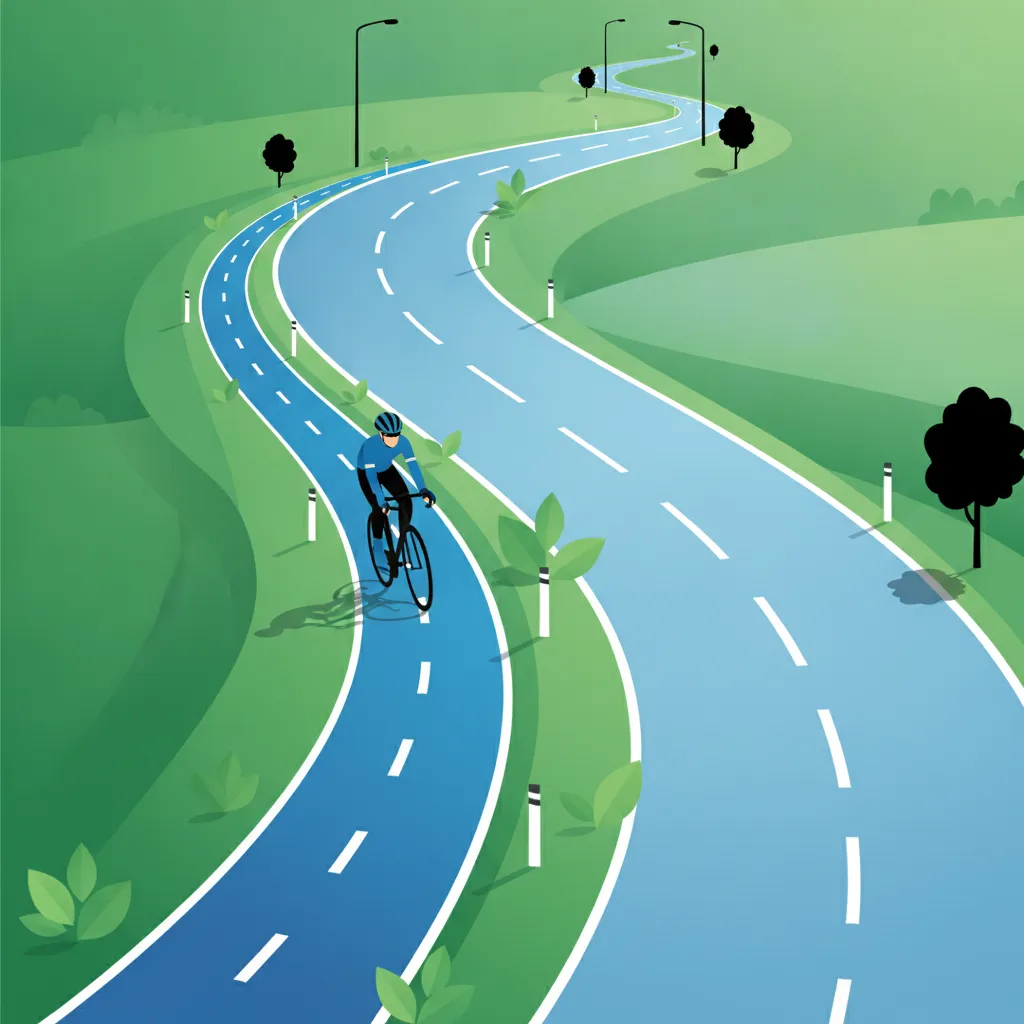
This lesson focuses on interpreting the various markings painted on Danish road surfaces. It explains the rules associated with solid and broken lane lines, directional arrows, and special-purpose lanes for buses and cyclists. Understanding these markings is crucial for maintaining correct lane discipline and safely navigating complex road layouts.
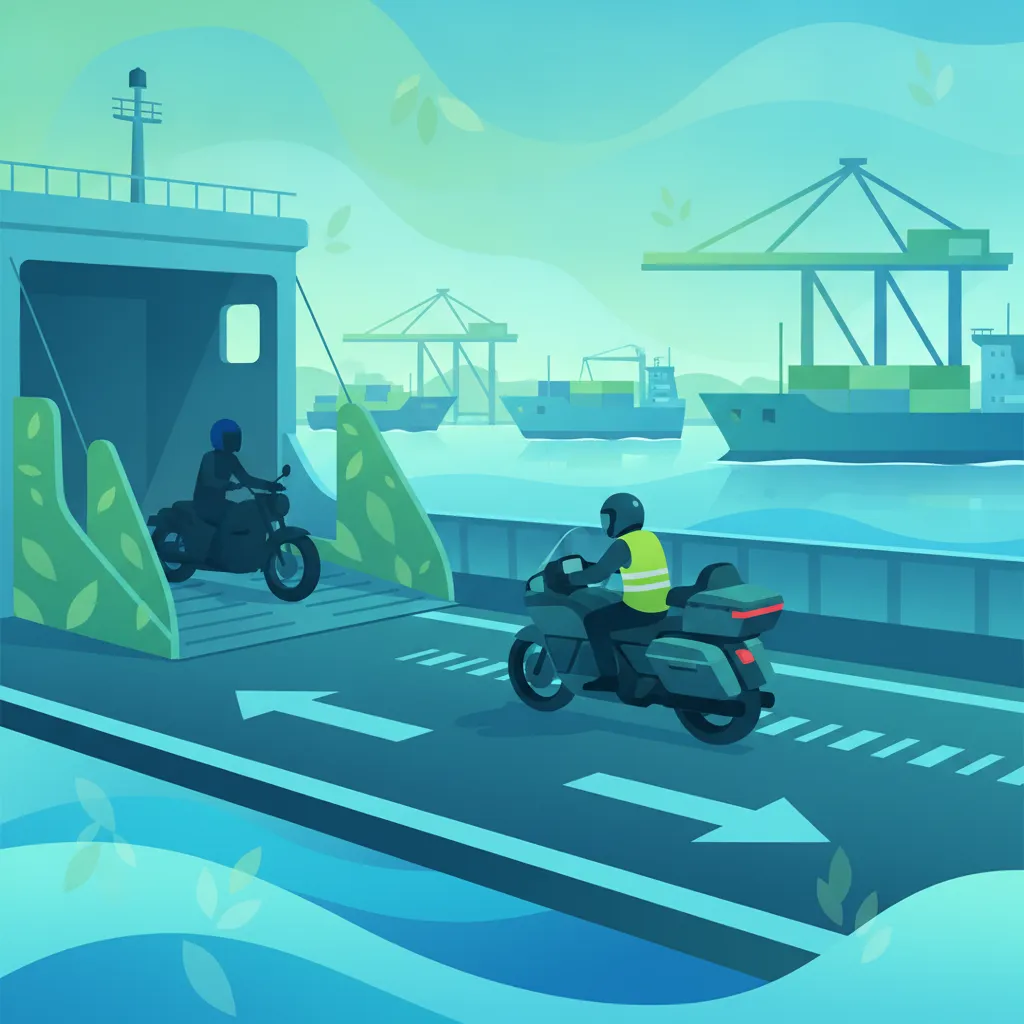
This lesson provides practical guidance for motorcyclists using ferries, a common mode of transport in Denmark. It covers the process of riding onto the ferry, securing the motorcycle with straps to prevent it from falling, and navigating potentially slippery decks. Safe procedures for disembarking into traffic are also explained.
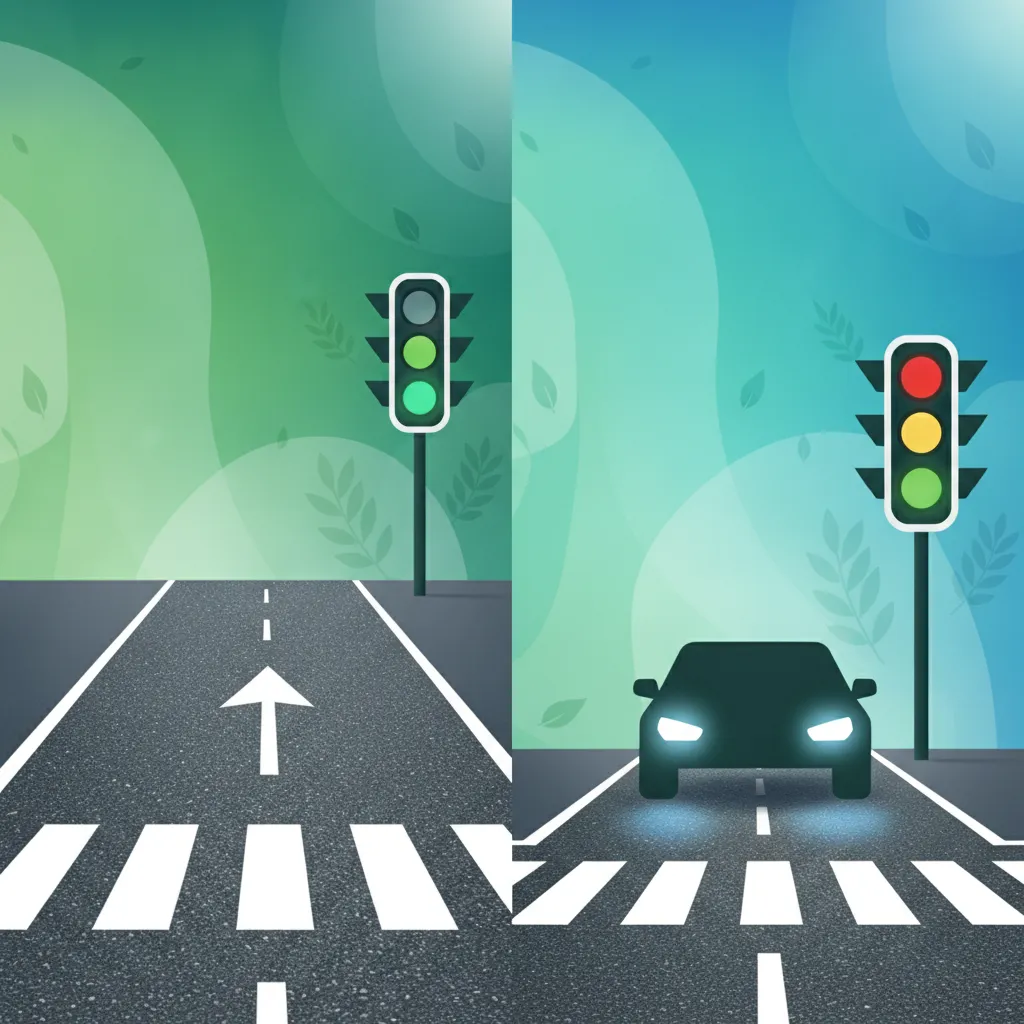
This lesson details the meaning and application of various road surface markings, including lane dividers, solid and broken lines, and directional arrows. You will also learn to interpret the full sequence of traffic light signals, including the specific rules for the amber (yellow) light phase. A proper understanding of these systems is vital for maintaining correct lane discipline and adhering to traffic controls.

This lesson details the specific procedures for safely transporting a heavy vehicle via ferry. It covers the process of boarding and maneuvering on the ferry deck, the correct methods for securing the vehicle and trailer for sea transit, and the relevant Danish regulations. The content also explains the safety protocols to follow during the crossing and the correct procedure for disembarking upon arrival.
This lesson details the specific rules related to bus lanes and bus stops. It clarifies when other vehicles may use bus lanes, the legal requirement to yield to buses pulling away from a stop, and the importance of being cautious around embarking or disembarking passengers. Adherence to these rules is vital for the efficient and safe operation of public transportation.
This lesson addresses the specific skills required to navigate around public transport and heavy goods vehicles safely. You will learn the rules for bus lanes, recognize when buses have priority at stops, and understand the unique challenges posed by large vehicles, such as wider turning circles and larger blind spots. The material also provides clear protocols for overtaking these vehicles while maintaining adequate safety margins.

This lesson focuses on the rules and best practices for operating heavy vehicles on motorways and interchanges. It details Danish regulations regarding lane usage and speed limits for lorries, and explains safe techniques for merging into and exiting high-speed traffic. Maintaining a safe and appropriate following distance to allow for longer stopping distances is a key focus of the content.

This lesson provides essential training for driving on motorways. It details the correct procedure for using acceleration lanes to merge safely into fast-moving traffic, maintaining proper lane discipline, and executing safe overtaking manoeuvres. You will also learn the importance of keeping a safe following distance and planning for your exit well in advance.
Understand the unique hazards associated with bridges, tunnels, and ferries for passenger transport, including crosswinds, lighting changes, and boarding procedures. Master risk mitigation techniques.
This lesson addresses the unique driving situations presented by bridges, tunnels, and ferries. It explains the need for speed adjustments, awareness of changing light conditions in tunnels, and following lane controls on long bridges. The material also provides practical guidance for safely boarding and disembarking from a vehicle ferry, including following crew instructions for parking.
Crossing large bridges presents unique challenges, including strict weight restrictions and significant exposure to crosswinds. This lesson explains how to identify and respect these limits and teaches techniques for maintaining vehicle stability when hit by strong wind gusts. It covers the importance of reducing speed and making subtle steering corrections to counteract aerodynamic forces and stay safely in your lane.
This lesson provides practical guidance for motorcyclists using ferries, a common mode of transport in Denmark. It covers the process of riding onto the ferry, securing the motorcycle with straps to prevent it from falling, and navigating potentially slippery decks. Safe procedures for disembarking into traffic are also explained.
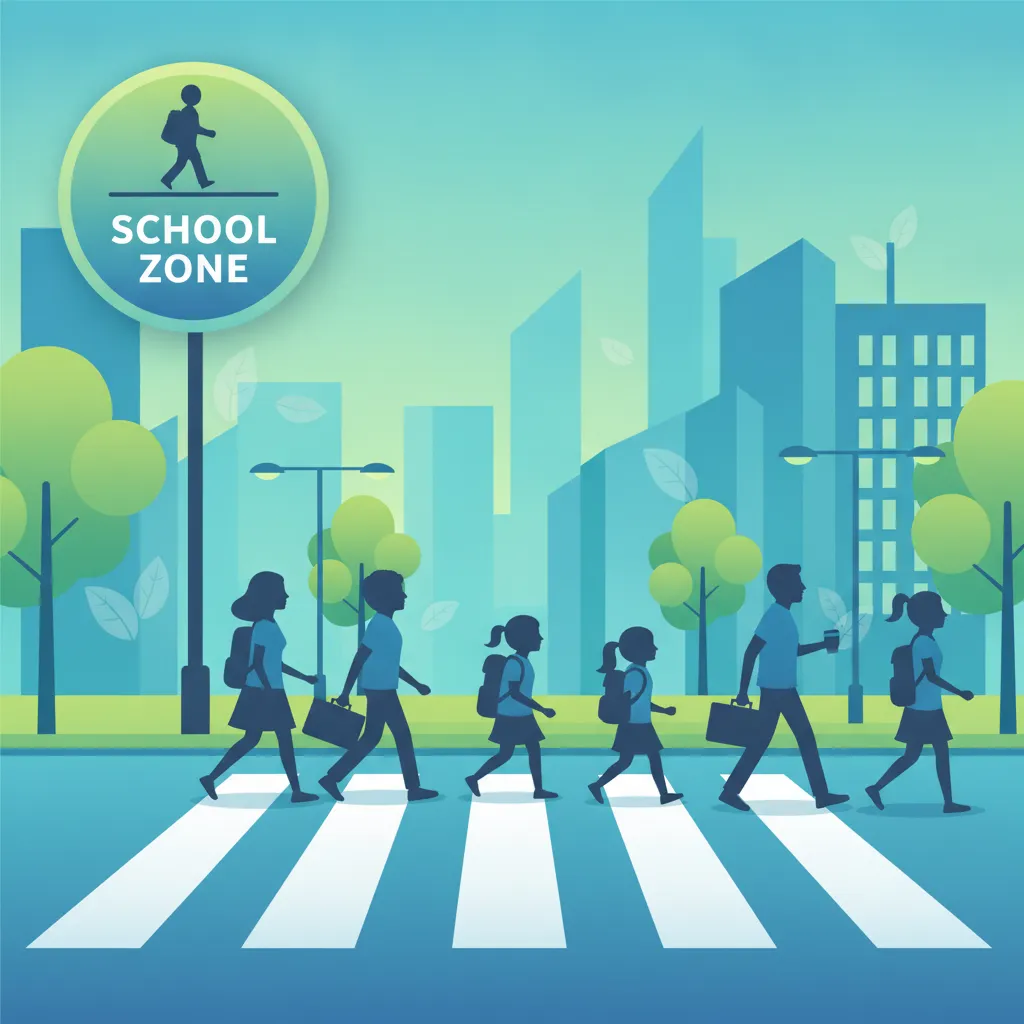
This lesson reinforces the driver's responsibility to protect pedestrians, particularly in busy urban areas and near schools. It details the procedures for approaching pedestrian crossings, the legal requirement to reduce speed significantly in marked school zones, and how to anticipate the unpredictable actions of pedestrians. The content covers traffic calming measures and the legal rights of pedestrians in various settings.

This lesson covers the core principles of defensive driving in an urban context. It teaches drivers how to anticipate the actions of other road users, maintain safe following distances in dense traffic, and navigate complex intersections with multiple signals. The content emphasizes heightened awareness of pedestrians, cyclists, and unexpected events common in Danish city environments.

This lesson teaches you to identify warning signs that alert drivers to upcoming hazards and changing road conditions. It covers common signs such as sharp curves, school zones, animal crossings, and temporary conditions like roadworks or slippery surfaces. Understanding these signs is crucial for anticipating risks and adjusting your driving to ensure safety on all types of Danish roads.
This lesson addresses the specific skills required to navigate around public transport and heavy goods vehicles safely. You will learn the rules for bus lanes, recognize when buses have priority at stops, and understand the unique challenges posed by large vehicles, such as wider turning circles and larger blind spots. The material also provides clear protocols for overtaking these vehicles while maintaining adequate safety margins.
This lesson trains drivers to perform a risk assessment of bus stops along their route. It explains how to identify hazards such as poor visibility, proximity to busy intersections, or obstructed pedestrian access. The content provides proactive strategies for positioning the bus and managing passenger boarding and alighting to mitigate the identified risks effectively.
This lesson details the specific rules related to bus lanes and bus stops. It clarifies when other vehicles may use bus lanes, the legal requirement to yield to buses pulling away from a stop, and the importance of being cautious around embarking or disembarking passengers. Adherence to these rules is vital for the efficient and safe operation of public transportation.

This lesson focuses on the unique environmental factors affecting bridges and coastal routes. It teaches riders how to anticipate and counteract the effects of strong crosswinds on stability. The content also addresses how to manage lane position and speed when transitioning between different road surfaces and structures.
Find clear answers to common questions learners have about Procedures for Bridges, Tunnels, and Ferries. Learn how the lesson is structured, which driving theory objectives it supports, and how it fits into the overall learning path of units and curriculum progression in Denmark. These explanations help you understand key concepts, lesson flow, and exam focused study goals.
You must verify your vehicle's current height, including any roof-mounted equipment, against the clearance height indicated on the tunnel's warning signs. Always observe light conditions and adjust your headlights accordingly before entering.
High-sided vehicles are susceptible to gusts on bridges. You should reduce your speed, maintain a firm grip on the steering wheel, and be prepared for sudden lateral forces, especially when exiting the wind shadow of bridge pylons.
Yes. According to Danish regulations, you must ensure passengers are aware of safety procedures, know the location of emergency exits, and follow crew instructions regarding staying in or leaving the vehicle during the transit.
Follow the instructions provided by the loading crew precisely. Ensure you allow enough space for off-tracking and check your mirrors continuously for ground-level obstacles or crew members guiding you onto the ramp.
Use our powerful search tool to pinpoint specific Danish driving theory topics, road signs, or traffic situations you need to review. Start exploring relevant practice sets now to reinforce your knowledge and build confidence for your upcoming driving licence exam.