
Construction zones can be tricky, but temporary reflective marking signs are there to guide you safely through. This group focuses on signs like directional panels, cones, and beacons that enhance visibility and clearly mark safe paths around obstacles or temporary lane changes. Understanding these markers is crucial for both passing your theory exam and ensuring your safety, as well as that of construction workers, when driving through temporary roadworks.
An explanation of how Construction Reflective Marking Signs road signs apply in real traffic situations in Spain. Learn where these signs are typically placed, what drivers are expected to do when they appear, and how correct reactions help you stay safe, avoid fines, and succeed in your Spanish driving theory exam.
You will encounter construction reflective marking signs whenever there are temporary roadworks, maintenance, or events that alter the normal road layout. These signs are particularly important at night or in poor weather conditions, as their reflective properties significantly improve visibility. You'll see them delineating temporary lane closures, marking the edges of work areas, guiding you around obstacles like barriers or machinery, and indicating safe paths on islands or channelized sections. Examples include using wide or narrow directional panels to steer you into a different lane, traffic cones or picket signs to mark off-limits areas, and beacons to highlight hazards or lane edges, especially on motorways or busy arterial roads. Always pay close attention to these signs and be prepared to adjust your speed and position to follow the indicated route safely.
An overview of the key learning outcomes when studying the Construction Reflective Marking Signs road sign category. Understand the main concepts, sign meanings, and traffic situations covered here so you can recognise patterns, answer theory questions more confidently, and build a solid foundation for safe driving in Spain.
These temporary reflective marking signs are vital for safely navigating construction areas and roadworks in Spain. They delineate obstacles, lane edges, and paths, improving visibility significantly, especially at night or in poor weather. Mastering their meanings is key for your theory test revision and ensuring road safety.
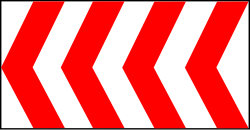
Navigate Safely Through Work Zones with the Wide Directional Panel (TB-1) Sign

Follow the TB-2 Narrow Directional Panel to safely navigate temporary work zones.
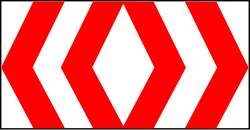
Navigate work zones safely with the TB-3 Wide Directional Double Panel road sign.

Follow the TB-4 Narrow Double Directional Panel through Work Zones

Follow the TB-5 Excluded Traffic Zone Panel for safe guidance through roadworks.
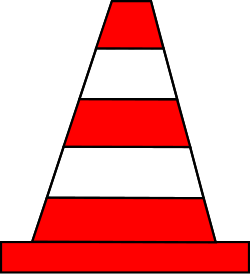
TB-6 Traffic Cone: Follow the Reflective Guidance Through Work Zones

Navigate safely through work zones with the TB-7 Picket temporary reflective marker.

TB-8 Right Edge Beacon: Guiding You Safely Through Work Zones

The TB-9 Left Edge Beacon guides you safely through work zones.
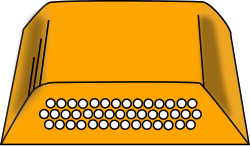
Follow the temporary reflective path indicated by the Captafaro (TB-10) sign.

TB-11: Follow the Luminous and Reflective Beacon through work zones.

Follow the TB-12 provisional road marking for safe guidance through work zones.

Understand the TB-13 'Garland' Sign for Temporary Roadworks Guidance
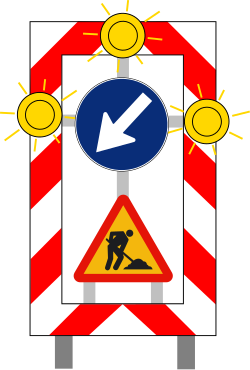
Navigate Safely Through Work Zones with the TB-14 Mobile Frame Sign
Clear answers to common questions about the Construction Reflective Marking Signs road sign category. Use this FAQ to review tricky rules, understand how these signs appear in exam scenarios, and remove confusion that often leads to mistakes in the Spanish driving theory exam in Spain.
The main purpose of reflective marking signs in construction zones is to enhance safety and guide drivers through temporary changes in road layout. They improve visibility of obstacles, lane edges, and safe driving paths, especially during nighttime or adverse weather conditions. This helps prevent confusion and accidents by clearly marking where to go and what areas to avoid.
Directional panels, whether wide or narrow, single or double, are designed to clearly indicate the direction traffic should take. They are used to guide drivers around obstacles, merge lanes, or steer them onto a temporary detour. By following the direction indicated by these panels, drivers can safely navigate through the construction area without entering hazardous zones.
No, traffic cones and picket signs are not decorative; they are essential traffic control devices. Cones are commonly used to mark temporary lane boundaries, close off areas, or delineate traffic paths. Picket signs serve a similar purpose, often used to mark the edge of an excluded traffic zone or to provide additional visual cues. Both are critical for drivers to understand where they can and cannot go within a work zone.
A Captafaro or a beacon, such as a right edge beacon or left edge beacon, typically marks a specific hazard, an island, or the edge of a traffic path. They are often illuminated or highly reflective to draw your attention. When you see these, you should be extra vigilant, ensure you are in the correct lane, and be prepared for a change in the road ahead or an obstruction near your path. Always follow the guidance they provide.
While construction reflective marking signs primarily focus on guidance and delineation, they are very often placed in areas where speed limits are also reduced for safety. The presence of work crews, temporary barriers, and narrower lanes increases the risk of accidents. Therefore, always be alert for accompanying speed limit signs and be prepared to slow down significantly when you see these reflective marking signs.
Dive deeper into specific road sign groups to test your knowledge and reinforce your understanding of Spanish traffic regulations. Start exploring each category to build a strong foundation for your DGT driving theory exam and ensure you drive safely on Spanish roads.
Browse Road Sign Categories