
This group covers a diverse range of Spanish road signs that don't fit into standard categories but are essential for operational guidance and safety. You'll learn to interpret critical signals related to fire danger, speed controls, emergency procedures, and national entry confirmations. Understanding these signs is key to passing your theory exam and ensuring safe driving, especially when they appear alongside road markings and regulatory signs.
An explanation of how Other Signs road signs apply in real traffic situations in Spain. Learn where these signs are typically placed, what drivers are expected to do when they appear, and how correct reactions help you stay safe, avoid fines, and succeed in your Spanish driving theory exam.
Signs in this group appear in various contexts across Spain. You'll encounter fire danger and extinguisher signs in areas prone to wildfires, often indicated by panels or on standalone posts. Signs confirming entry into Spain (S-920) and country confirmation (S-930) are typically seen near borders. General speed limit signs (S-940) are present throughout the country, indicating the default maximum speed if not otherwise specified. Radio frequency signs (S-950) direct you to tune into specific traffic information broadcasts. Emergency phones (S-960) and combined extinguisher/emergency phone signs (S-970) are strategically placed along roadsides and within tunnels for immediate assistance. Emergency exit signs (S-980) and indicative arrows in tunnels (S-990) are crucial for navigating safely during incidents. Various speed enforcement signs (S-991a-g) and minimum separation enforcement signs (S-991e-f, S-992a-d) are increasingly common on conventional roads, multi-lane roads, motorways, and dual carriageways, often appearing before or within sections where these controls are active. These signs require drivers to be particularly vigilant about their speed and following distance, adapting their behaviour accordingly.
An overview of the key learning outcomes when studying the Other Signs road sign category. Understand the main concepts, sign meanings, and traffic situations covered here so you can recognise patterns, answer theory questions more confidently, and build a solid foundation for safe driving in Spain.
This diverse group covers critical Spanish road signs providing essential operational guidance, from emergency exits to speed enforcement. Studying these traffic signs together enhances your sign recognition skills for safe navigation and ensures comprehensive theory test preparation regarding vital DGT information in Spain.
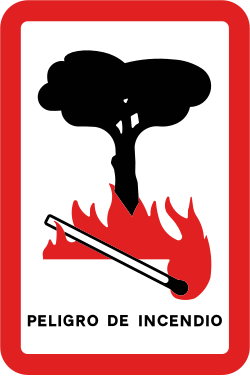
Understand the S-900 Sign: Warning of Fire Danger on the Road
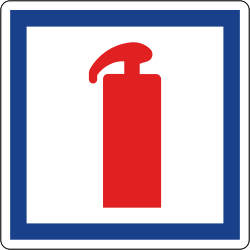
S-910: This sign indicates the location of an extinguisher.

The S-920 'Entry to Spain' sign guides you upon arrival.

Understand the Spanish Country Confirmation Sign (S-930)
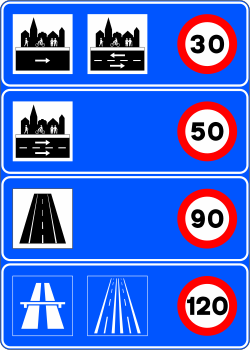
Understanding the S-940 General Speed Limit Sign in Spain
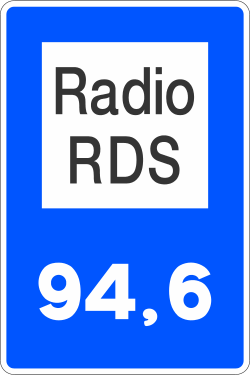
Understand the S-950 Sign for Radio Frequency Road Information
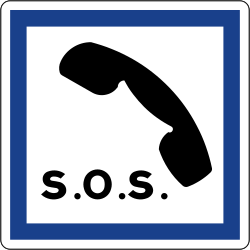
Emergency Phone: Know Where to Find Help on Spanish Roads
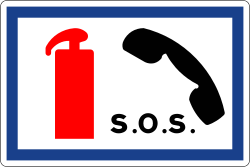
Emergency Phone and Fire Extinguisher Location Sign (S-970)
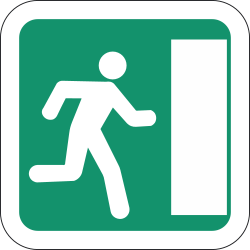
Understand the S-980 Emergency Exit Sign in Spain
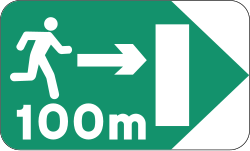
Follow the S-990 sign for emergency directions in tunnels.
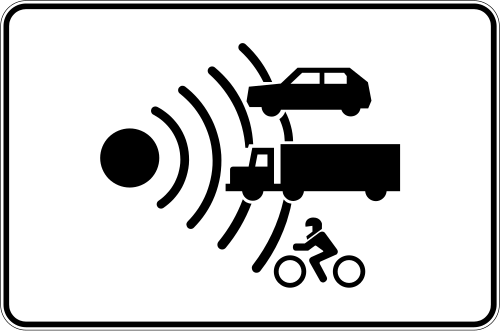
Understand the S-991a 'Control de velocidad' sign for conventional or multi-lane roads in Spain.
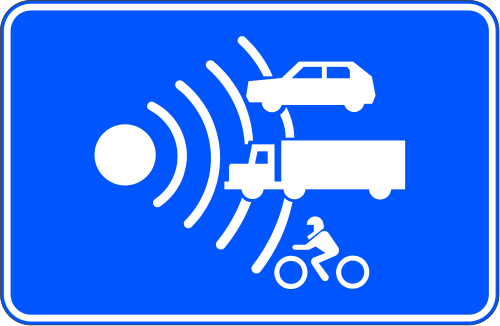
Understand the 'Speed Control' sign on Spanish motorways and dual carriageways.
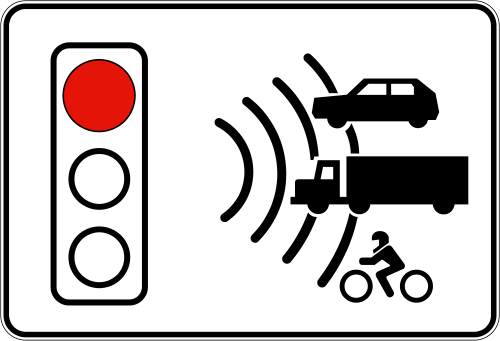
Understand the Red-light Camera Enforcement Sign (S-991c) in Spain
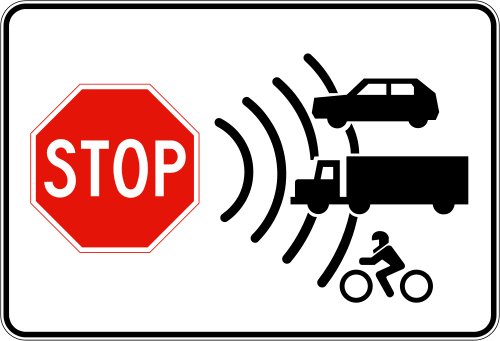
The S-991d 'Control de STOP' sign guides your road positioning and actions.
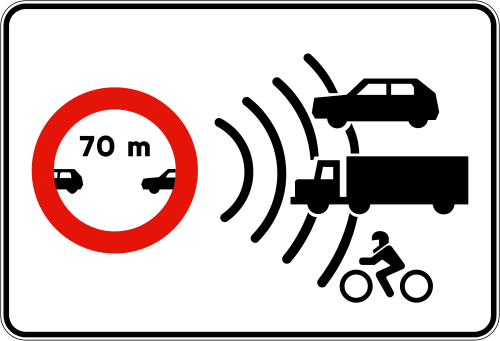
Understand the S-991e Sign: Minimum Separation Enforcement on Conventional Roads
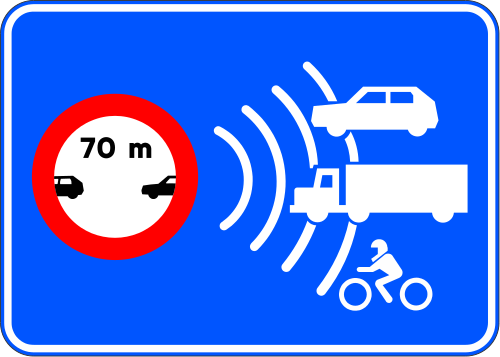
Understand Minimum Separation Enforcement on Motorways and Dual Carriageways
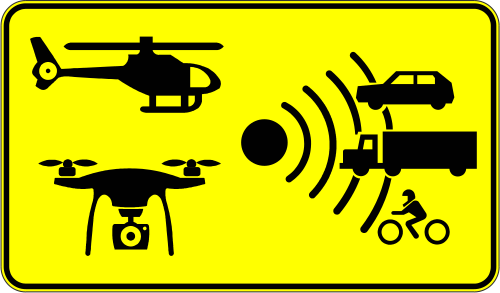
Understand the Speed Enforcement by Aerial Means Sign (S-991g) in Spain
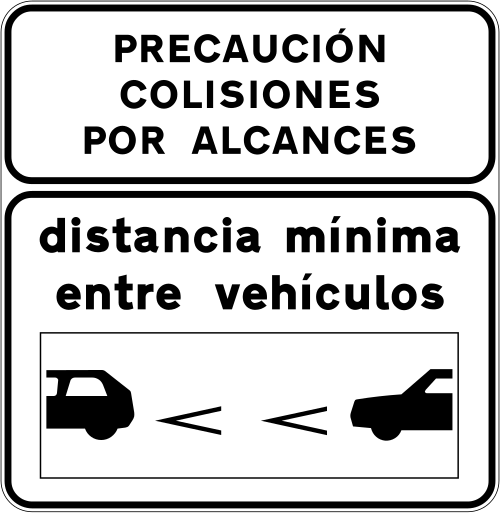
Understand the Minimum Distance Between Vehicles Sign (S-992a) on Spanish Roads
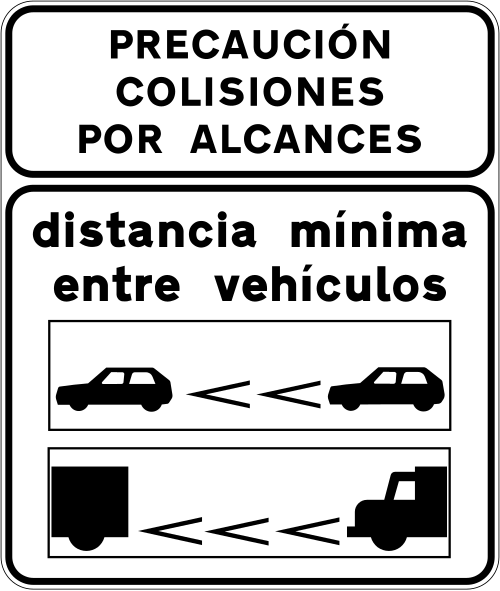
Know the minimum safe distance to maintain inside tunnels with the S-992b sign.
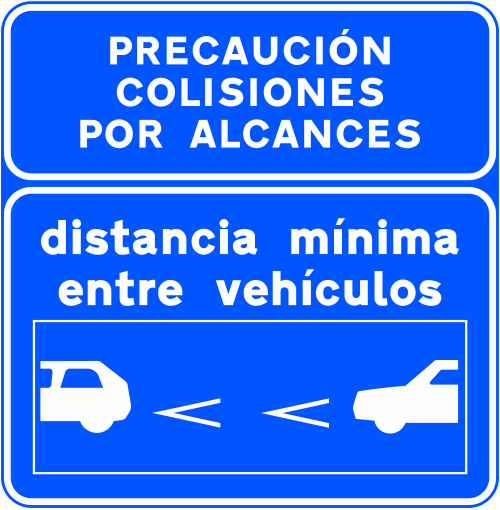
Understand the Minimum Distance Between Vehicles Sign on Spanish Motorways
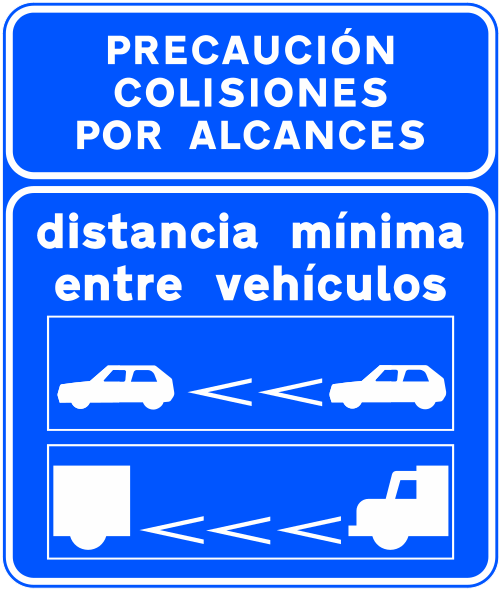
Minimum Distance Between Vehicles Inside Tunnels on Motorways & Dual Carriageways Road Sign (S-992d)
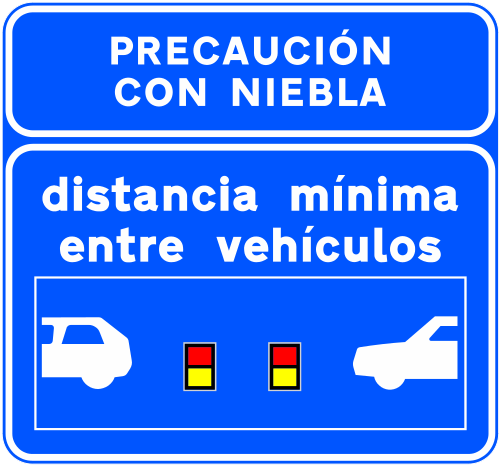
Minimum Distance Between Vehicles Indicated by Light Beacons Sign (S-992e)
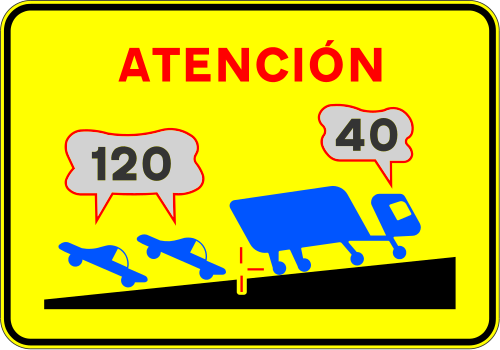
Alert: Risk of Rear-End Collisions on Uphill Motorway Slopes Ahead!
Clear answers to common questions about the Other Signs road sign category. Use this FAQ to review tricky rules, understand how these signs appear in exam scenarios, and remove confusion that often leads to mistakes in the Spanish driving theory exam in Spain.
The 'Fire Danger' sign (S-900) is a warning that conditions are favorable for a fire. It alerts drivers and other road users to be extra cautious, particularly regarding potential ignition sources like smoking or using open flames in the vicinity. It's often accompanied by restrictions or advice on how to behave safely.
These signs indicate that your speed is being monitored or that you are approaching a point where your vehicle will be captured by a camera if you run a red light. Signs S-991a and S-991b specifically refer to speed controls, with different versions for conventional/multi-lane roads and motorways/dual carriageways. S-991c is a clear warning about red-light cameras at an intersection. They serve as a reminder to adhere strictly to speed limits and traffic signals to avoid fines and ensure safety.
The different signs for minimum distance enforcement exist to reflect the varying road types and conditions where such controls are applied. Signs like S-991e and S-992a are for conventional or multi-lane roads, while S-991f and S-992c are for higher-speed motorways or dual carriageways. Some signs also specify if the enforcement is within a tunnel (S-992b, S-992d). These signs remind drivers to maintain a safe following distance appropriate for the road conditions and speed, reducing the risk of rear-end collisions.
Yes, absolutely. While they might seem specific to tunnels, understanding emergency exit routes and directional signs is crucial for safety and is a common topic in theory exams. Knowing what these signs mean can help you navigate safely and calmly in potentially stressful situations, demonstrating your readiness to handle various traffic scenarios.
The general speed limit sign for Spain (S-940) indicates the default maximum speed for passenger cars if no other specific speed limit signs are posted. On conventional roads, this is typically 90 km/h, and on motorways or dual carriageways, it is usually 120 km/h, though always check for specific signage as these can vary.
Dive deeper into specific road sign groups to test your knowledge and reinforce your understanding of Spanish traffic regulations. Start exploring each category to build a strong foundation for your DGT driving theory exam and ensure you drive safely on Spanish roads.
Browse Road Sign Categories