
This section covers a unique set of road signs primarily found within built-up areas. These signs go beyond standard directional information to guide local circulation, indicate facilities, and manage urban access. Understanding these specific signs is crucial for both passing your theory test and driving safely and efficiently in city environments.
An explanation of how Signs for Specific Use in Built-up Areas road signs apply in real traffic situations in Spain. Learn where these signs are typically placed, what drivers are expected to do when they appear, and how correct reactions help you stay safe, avoid fines, and succeed in your Spanish driving theory exam.
Signs for specific use in built-up areas are commonly encountered when driving in towns and cities. They are designed to provide detailed guidance for local traffic flow and to point drivers towards specific destinations or facilities that are not typically covered by standard inter-urban signage. You'll see these signs when looking for places of interest such as historical sites, parks, or tourist attractions, as well as when trying to locate industrial zones, sports facilities, or recreational areas. They also help navigate complex urban road networks, indicating routes for specific purposes or directing traffic towards major highways and dual carriageways accessible from within the urban area. Drivers need to pay close attention to these signs to make appropriate route choices, avoid getting lost, and to be aware of their surroundings, especially in busy city conditions.
An overview of the key learning outcomes when studying the Signs for Specific Use in Built-up Areas road sign category. Understand the main concepts, sign meanings, and traffic situations covered here so you can recognise patterns, answer theory questions more confidently, and build a solid foundation for safe driving in Spain.
These specific road signs are crucial for navigating built-up areas and interpreting local traffic rules in Spanish towns. Studying them together reveals patterns for guiding local circulation and urban access. Mastering these sign meanings is vital for your driving knowledge and Spanish theory test.
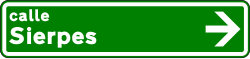
The S-700 sign guides you to specific locations within Spain's urban road network.
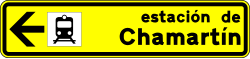
S-710: Understanding the Places of Interest for Travelers Sign in Spain
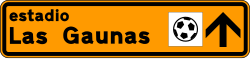
Learn about the S-720 sign for places of sporting or recreational interest in Spain.

What does the S-730 sign for places of geographical or ecological nature mean?

Guide yourself with the Places of Monumental or Cultural Interest sign (S-740)
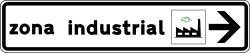
S-750 Sign: Navigate Towards Industrial Use Areas

Know Your Route: Understanding the Highways and Dual Carriageways Sign (S-760)
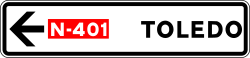
The S-770 Sign: Your Guide to Other Places and Routes in Spain
Clear answers to common questions about the Signs for Specific Use in Built-up Areas road sign category. Use this FAQ to review tricky rules, understand how these signs appear in exam scenarios, and remove confusion that often leads to mistakes in the Spanish driving theory exam in Spain.
General direction signs typically guide you towards major destinations, cities, or motorways over longer distances. Signs for specific use in built-up areas, however, focus on local circulation, amenities, and points of interest within a town or city. They provide more granular guidance, helping you find specific facilities, recreational areas, or navigate within the urban network itself.
The theory test includes questions on various types of road signs. Understanding these specific signs for built-up areas is important because they appear in exam scenarios testing your knowledge of urban navigation, finding services, and following specific local traffic instructions. Being familiar with their meaning ensures you can correctly answer questions related to urban driving situations.
While primarily designated for use 'inside built-up areas', the exact placement can vary. You will most frequently encounter them within urban environments where local guidance is most needed. However, similar informational signs might be used in larger towns or specific zones outside of what is strictly defined as a 'built-up area' if the need for detailed local direction arises.
When you encounter multiple signs like this, it indicates that the area offers diverse destinations. You'll need to decide which destination is relevant to your journey. If you're just passing through, observe which lanes or directions lead to general circulation or highways. If you are specifically looking for one of the indicated places, prepare to follow the appropriate directional sign and adjust your speed and lane position accordingly, being mindful of local traffic conditions.
Generally, these signs are informational, guiding you to specific locations or types of areas. They do not usually impose special rules or restrictions by themselves. However, the areas they direct you to might have their own specific regulations, such as access restrictions for certain vehicle types in industrial areas, or speed limits within recreational zones. Always be aware of other signs and road conditions in the vicinity.
Dive deeper into specific road sign groups to test your knowledge and reinforce your understanding of Spanish traffic regulations. Start exploring each category to build a strong foundation for your DGT driving theory exam and ensure you drive safely on Spanish roads.
Browse Road Sign Categories