
Temporary roadworks can significantly alter familiar routes, requiring drivers to be extra vigilant. This group of signs, often seen in construction zones, dictates essential priority rules, movement restrictions, and operational controls. Understanding these signs is vital for both passing your driving theory exam and ensuring your safety and the safety of others on altered roadways.
An explanation of how Construction Regulation and Priority Signs road signs apply in real traffic situations in Spain. Learn where these signs are typically placed, what drivers are expected to do when they appear, and how correct reactions help you stay safe, avoid fines, and succeed in your Spanish driving theory exam.
You will encounter these signs primarily in areas where roadworks are in progress. This can range from major highway maintenance to smaller street repairs in urban or rural settings. They are crucial for managing traffic flow through narrowed lanes, diversions, or sections where the normal road layout is temporarily compromised. For instance, signs like 'Yield' (TR-1) or 'Give way to oncoming traffic' (TR-5) will appear at single-lane passages, while restrictions on vehicle type (TR-106, TR-201, TR-204, TR-205) will be posted before bridges, tunnels, or narrow zones. Understanding these signs helps you anticipate changes, adjust your speed, and position your vehicle correctly to avoid hazards and ensure smooth transit through the work zone.
An overview of the key learning outcomes when studying the Construction Regulation and Priority Signs road sign category. Understand the main concepts, sign meanings, and traffic situations covered here so you can recognise patterns, answer theory questions more confidently, and build a solid foundation for safe driving in Spain.
These DGT road signs manage traffic flow and safety through temporary roadworks, setting crucial priority rules and movement restrictions. Studying this group helps you quickly identify specific traffic signs in altered road layouts, essential for your Spanish driving theory test. Focus on their distinct yellow or orange backgrounds for rapid recognition and safe navigation of construction zones.
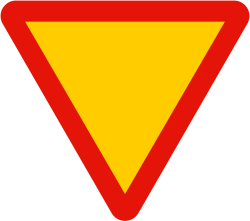
What the TR-1 Yield Road Sign Means and How to Respond
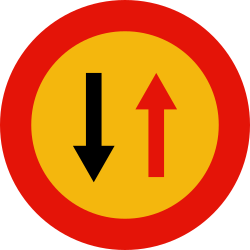
TR-5: Yield to Oncoming Traffic on Narrow Roads
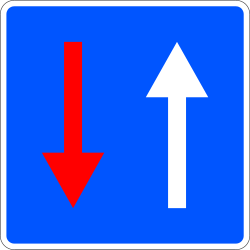
TR-6: You have priority over oncoming traffic!

TR-101: This is a No Entry road sign.
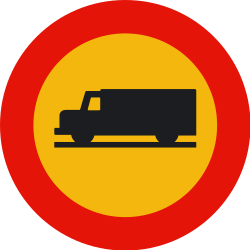
TR-106: No Goods Transport Vehicles Sign Explained
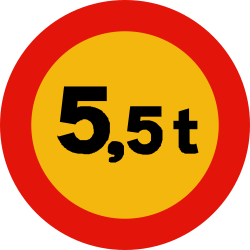
Understand the TR-201 Weight Limitation Traffic Sign
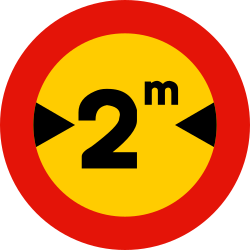
This TR-204 sign indicates a width limitation ahead.
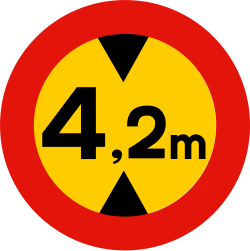
Control your vehicle's height with the TR-205 Height Limitation road sign.
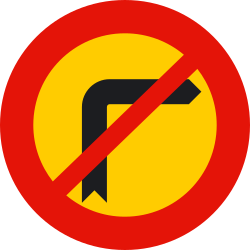
TR-302: No Right Turn Traffic Sign
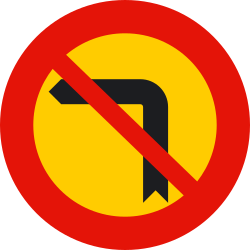
Master the TR-303: Understanding the 'No Left Turn' Road Sign in Spain
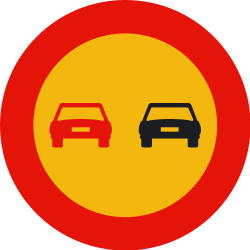
TR-305: This sign means no overtaking allowed.
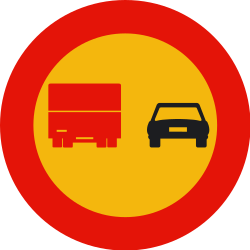
Understand the TR-306 sign: No overtaking for heavy goods vehicles.

Understand the TR-308 'No Parking' Traffic Sign in Spain

TR-400a: How to Safely Make a Right Turn Indicated by This Sign
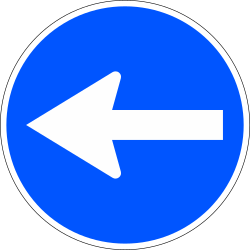
TR-400b: Understand the 'Turn Left' Road Sign in Spain
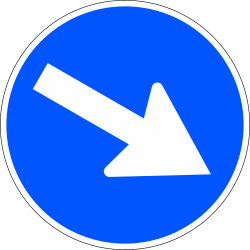
The TR-401a 'Keep Right' Sign: Your Guide to Navigating Spanish Roads Safely
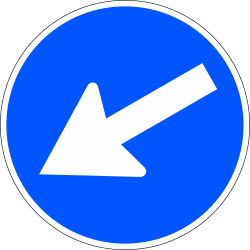
Understand the TR-401b 'Keep Left' traffic sign and how to navigate safely.
Clear answers to common questions about the Construction Regulation and Priority Signs road sign category. Use this FAQ to review tricky rules, understand how these signs appear in exam scenarios, and remove confusion that often leads to mistakes in the Spanish driving theory exam in Spain.
The main purpose of these signs is to manage traffic safely and efficiently through temporary disruptions caused by roadworks or other construction activities. They establish temporary rules for priority, movement, and vehicle access to ensure that drivers can navigate altered road layouts without compromising safety.
You'll typically see these signs shortly before and within the immediate vicinity of roadworks or temporary changes to the road. They are put in place to warn drivers of the upcoming conditions and to guide their behaviour through the affected area. They are most common on roads where work is actively taking place, leading to lane closures, diversions, or altered traffic flows.
The 'Yield' sign (TR-1) means you must allow other traffic on the main road or intersection to pass before proceeding, but you don't necessarily have to stop if it's safe to go. 'Give way to oncoming traffic' (TR-5), often seen at single-lane sections due to roadworks, specifically requires you to let vehicles coming from the opposite direction pass first if they are already in or closer to the narrow section. 'Priority over oncoming traffic' (TR-6) is the opposite, indicating that traffic from your direction has precedence.
No, these specific restrictions (like TR-106 for goods vehicles, TR-201 for weight, TR-204 for width, TR-205 for height) are usually temporary and are imposed due to the nature of the roadworks. They might be related to the structural integrity of a temporary bridge, the clearance under temporary structures, or the width available in a narrowed section. Always pay attention to the duration implied by the context of the roadworks.
If you see a 'No Overtaking' sign (TR-305 or TR-306 for heavy goods vehicles) in a construction zone, you must not overtake any vehicles. This prohibition is put in place for safety reasons, often because visibility is reduced, lanes are narrowed, or there is increased activity from workers and machinery. Your priority is to maintain a safe speed and stay within your lane until the restriction is lifted.
Dive deeper into specific road sign groups to test your knowledge and reinforce your understanding of Spanish traffic regulations. Start exploring each category to build a strong foundation for your DGT driving theory exam and ensure you drive safely on Spanish roads.
Browse Road Sign Categories