
This section covers essential construction warning signs that alert you to temporary hazards and changes in the road ahead. Understanding these signs is vital for safely navigating work zones and passing your driving theory exam. You will learn to anticipate unusual layouts, reduced speeds, and potential dangers associated with road construction.
An explanation of how Construction Warning Signs road signs apply in real traffic situations in Spain. Learn where these signs are typically placed, what drivers are expected to do when they appear, and how correct reactions help you stay safe, avoid fines, and succeed in your Spanish driving theory exam.
Construction warning signs are temporarily placed to inform drivers about ongoing road works or unusual conditions ahead. You'll frequently encounter them on motorways, main roads, and even in urban areas where repairs, maintenance, or new construction are taking place. These signs prepare you for potential hazards like lane closures, diversions, uneven road surfaces, or debris being thrown from vehicles. It's crucial to reduce your speed, increase your following distance, and be extra attentive when you see these signs, as the traffic environment can change abruptly and unpredictably.
An overview of the key learning outcomes when studying the Construction Warning Signs road sign category. Understand the main concepts, sign meanings, and traffic situations covered here so you can recognise patterns, answer theory questions more confidently, and build a solid foundation for safe driving in Spain.
Construction warning signs are vital for safe navigation through roadworks and temporary traffic changes in Spain. Studying these traffic signs together helps you quickly identify lane closures, diversions, and unexpected obstacles, ensuring you're prepared for your driving theory test. Always reduce speed and increase awareness when encountering these crucial road signs.
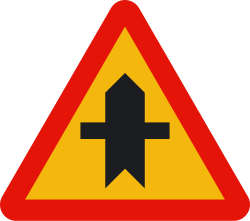
Prepare for an upcoming intersection with priority using the TP-1 warning sign.
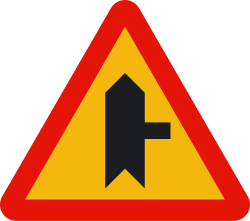
Prepare for an upcoming intersection where traffic on the right has priority with the TP-1a warning sign.
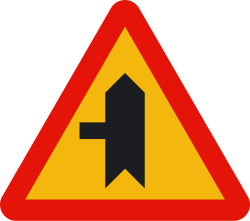
Prepare for intersections with priority on the left using the TP-1b warning sign.
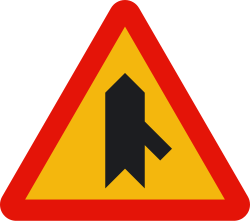
Prepare for an intersection where you have priority over traffic joining from the right.
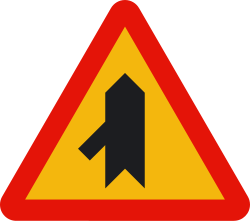
Prepare for an intersection where you have priority over traffic joining from the left.
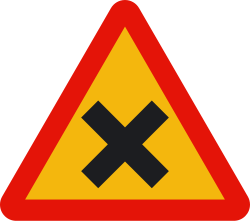
Prepare for an intersection where traffic from the right has priority with the TP-2 warning sign.
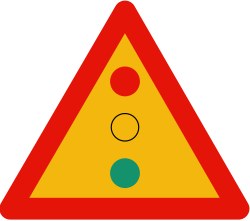
Prepare for traffic lights ahead with the TP-3 warning sign.
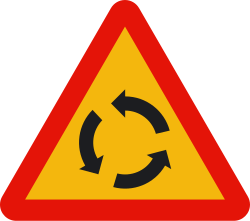
Prepare for intersections with rotary circulation ahead using the TP-4 warning sign.
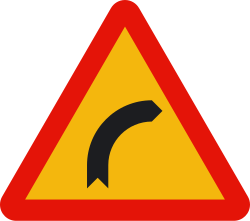
Prepare for the TP-13a Dangerous Curve to the Right Warning Sign
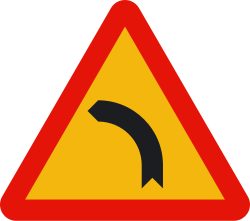
Prepare for a dangerous curve to the left ahead with the TP-13b warning sign.
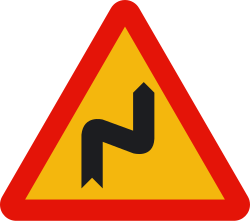
Understand the TP-14a Sign: Warning of Dangerous Curves to the Right Ahead
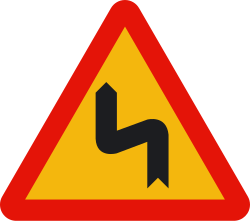
Prepare for Dangerous Curves to the Left with the TP-14b Warning Sign
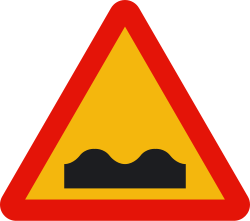
Prepare for an uneven road ahead with the TP-15 warning sign.
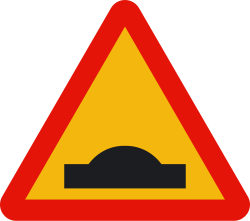
Watch out for the Bump ahead with the TP-15a warning sign!
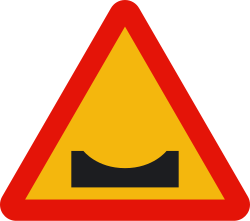
Understand the 'Dip' warning sign (TP-15b) and how to safely navigate road dips.
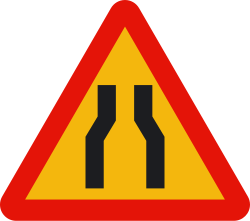
Prepare for road narrows ahead with the TP-17 warning sign.
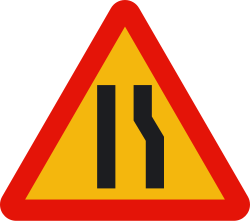
Prepare for road narrows on the right with the TP-17a warning sign.
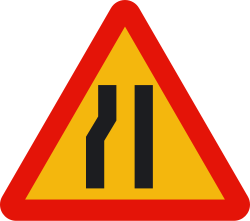
Prepare for road narrows on the left with the TP-17b warning sign.
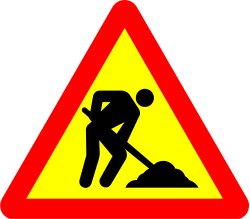
Prepare for roadworks ahead with the TP-18 warning sign.
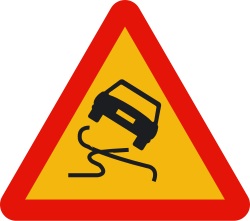
Prepare for slip pavement ahead with the TP-19 warning sign
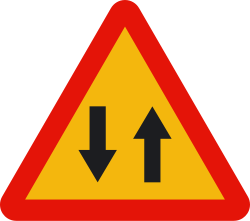
Understand the TP-25 'Traffic in Both Directions' warning sign.
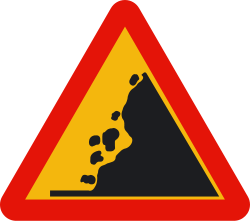
Understand the TP-26 Detachment Sign and Prepare for Road Hazards Ahead
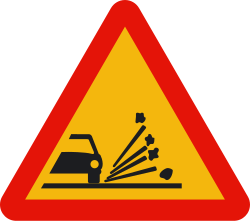
Gravel projection warning: slow down and prepare for loose surfaces ahead.
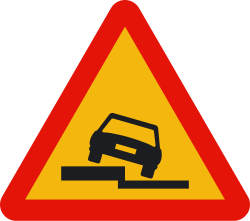
Prepare for a Side Step hazard ahead with the TP-30 warning sign.
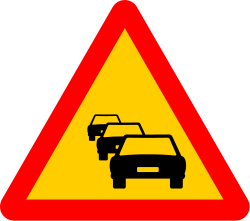
Prepare for congestion ahead with the TP-31 warning sign.
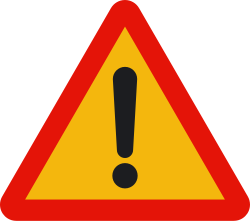
Prepare for the Unexpected with the 'Other Dangers' Warning Sign (TP-50) in Spain
Clear answers to common questions about the Construction Warning Signs road sign category. Use this FAQ to review tricky rules, understand how these signs appear in exam scenarios, and remove confusion that often leads to mistakes in the Spanish driving theory exam in Spain.
Construction zones can present a variety of temporary hazards. The different signs are designed to communicate specific risks clearly and concisely, such as uneven road surfaces, narrowed lanes, potential for falling debris, or detours. This variety helps drivers understand exactly what to expect and how to react appropriately.
When you encounter several construction warning signs in succession, it indicates a complex or potentially hazardous situation. Always prioritise the most immediate warning, reduce your speed significantly, and maintain a high level of alertness. These signs often signal a series of changes or hazards, so be prepared to adapt your driving behaviour continuously.
Yes, construction warning signs are typically temporary. They are used only for the duration of the road works or the period that the hazard exists. Once the construction is complete and the road is safe, these signs are removed. This temporary nature is a key characteristic distinguishing them from permanent hazard signs.
While not every construction sign explicitly states a speed limit, the presence of any construction warning sign implies that you should exercise caution and reduce your speed. The situation in a work zone often requires a slower pace due to narrowed lanes, equipment movement, or uneven surfaces. Always follow any posted temporary speed limits and adjust your speed to the conditions as indicated by the signs.
Dive deeper into specific road sign groups to test your knowledge and reinforce your understanding of Spanish traffic regulations. Start exploring each category to build a strong foundation for your DGT driving theory exam and ensure you drive safely on Spanish roads.
Browse Road Sign Categories