
This R-513 traffic sign in Spain indicates the end of a previous restriction or obligation specifically related to pedestrians. It signifies that the earlier signed rule, such as a pedestrian-only zone or a specific pathway requirement, no longer applies from this point onwards. Drivers should resume general road rules and remain vigilant for new signs, remembering that the end of one restriction doesn't mean all caution can be abandoned.
This de-restriction sign is crucial for Spanish drivers, signalling the end of specific pedestrian restrictions. Mastering its meaning is essential for your driving theory revision and passing the DGT exam.
The sign for end of road for pedestrians is used to show that a previous Spanish restriction or obligation has ended. It does not create a new ban or requirement; instead, it tells you that the earlier signed condition no longer governs the road beyond that point. That matters especially after speed limits, overtaking bans, work zones, or reserved-lane controls where drivers need a clear end point. Normal general rules still continue to apply, so the end of one restriction never means that all caution disappears.
This de-restriction sign marks the point where end of road for pedestrians takes effect. From here onward, the earlier ban, limit, or obligation shown by the related sign no longer applies.
Get clear, practical answers to the most common questions about the R-513 - End of road for pedestrians road sign. Learn how the sign works, what rules it represents, and how it affects real driving situations. This FAQ strengthens your understanding and supports accurate decision making for the Spanish driving theory exam in Spain.
The R-513 sign means that a previous restriction or obligation concerning pedestrians has ended. It's a de-restriction sign, cancelling a prior rule without introducing a new one. You can no longer assume the previous pedestrian-specific rule is in effect.
When you see the R-513 sign, you should understand that the previous restriction for pedestrians is over. You can return to normal driving according to general road rules. However, always remain alert for other signs that might impose new rules or conditions.
While the R-513 specifically ends a restriction for pedestrians, it often appears after signs that affect general traffic like speed limits, overtaking bans, or work zones. It signifies the end of those specific prohibitions or obligations, allowing general rules to apply again.
A common trap is assuming all restrictions have ended when you see the R-513 sign. Remember, it only cancels the specific rule it relates to. You must still adhere to any other active signs or general traffic laws, such as speed limits or priority rules that might still be in place.
No, the R-513 sign only indicates the end of a *specific* previous restriction that applied to pedestrians. It doesn't grant general permission for pedestrians in areas where they are normally prohibited by other signs or road markings. It simply cancels the preceding rule.
A clear reference image of the R-513 - End of road for pedestrians road sign used in Spain.
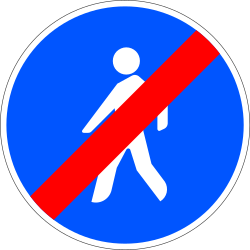
The R-513 - End of road for pedestrians road sign may also be known by these alternative names or terms.
The R-513 - End of road for pedestrians road sign is part of the De-restriction Signs category, which groups together signs with similar rules and functions.
Reviewing related road signs like the R-513 helps solidify your understanding and prevent confusion. Comparing similar traffic signs is crucial for accurate recognition and passing your theory test revision, ensuring you master all aspects of Spanish road law.
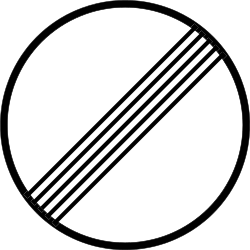
The R-500 sign means all previous road restrictions have now ended.
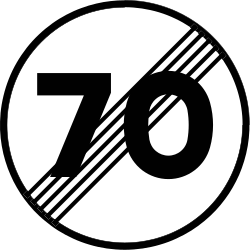
You've reached the end of the speed limit with the R-501 sign.
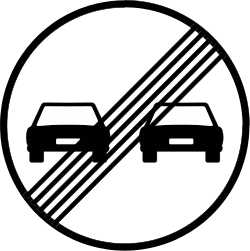
You can now overtake: The 'End of No Overtaking' sign means the restriction is over.
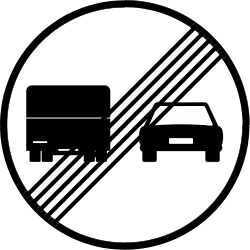
The R-503 sign marks the end of restrictions on truck overtaking.

The R-504 sign means the end of limited parking restrictions is here.
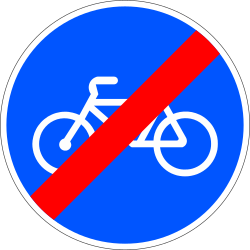
End of Road for Bicycles Sign (R-505): What it Means and How to React
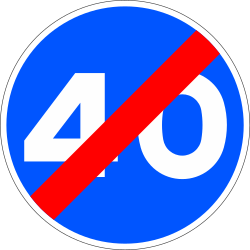
The R-506 sign signals the end of a minimum speed requirement.
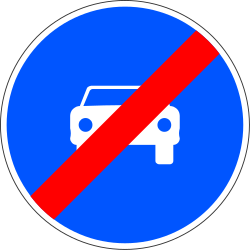
The R-507 sign marks the end of a specific restriction for cars.
Connect visual signage with the specific Spanish traffic laws and priority rules required to pass your theory test. Explore detailed articles and practice sets that explain how these regulatory markers influence daily driving on local roads.
Understanding how to effectively communicate with emergency services is a core requirement of Spanish traffic law and a common topic in the driving theory exam. This guide clarifies the correct steps for calling 112, the critical data points required by operators, and the role of automated eCall technology in modern vehicles. You will learn the exact sequence of actions to take to ensure rapid response and compliance with safety regulations.
Learn essential first-aid mistakes to avoid when dealing with burn victims or individuals in shock after a traffic incident in Spain. This knowledge is crucial for safe driving practices and is a key area assessed in the DGT theory exams, focusing on correct theoretical responses in emergencies.
Master the crucial first steps after a traffic accident according to Spanish DGT rules.
Conquer Your Driving Nerves: Master the Human Factor for a Safer Drive
The sign for end of all previously signed restrictions is used to show that a previous Spanish restriction or obligation has ended. It does not create a new ban or requirement; instead, it tells you that the earlier signed condition no longer governs the road beyond that point. That matters especially after speed limits, overtaking bans, work zones, or reserved-lane controls where drivers need a clear end point. Normal general rules still continue to apply, so the end of one restriction never means that all caution disappears.
The sign for end of all previously signed restrictions is used to show that a previous Spanish restriction or obligation has ended. It does not create a new ban or requirement; instead, it tells you that the earlier signed condition no longer governs the road beyond that point. That matters especially after speed limits, overtaking bans, work zones, or reserved-lane controls where drivers need a clear end point. Normal general rules still continue to apply, so the end of one restriction never means that all caution disappears.
You've explored the complete list of Spanish road signs. Now, deepen your understanding by reviewing specific sign groups or testing your knowledge with practice questions. Fully prepare for your DGT driving theory exam and confidently navigate Spanish roads.
Browse All Spanish Road Signs