
This lesson guides you through the critical process of connecting the braking and electrical systems between a tractor and trailer. As part of our Category C & C1 course, it ensures you understand how to maintain safety by correctly managing red and yellow air lines and trailer light connections.
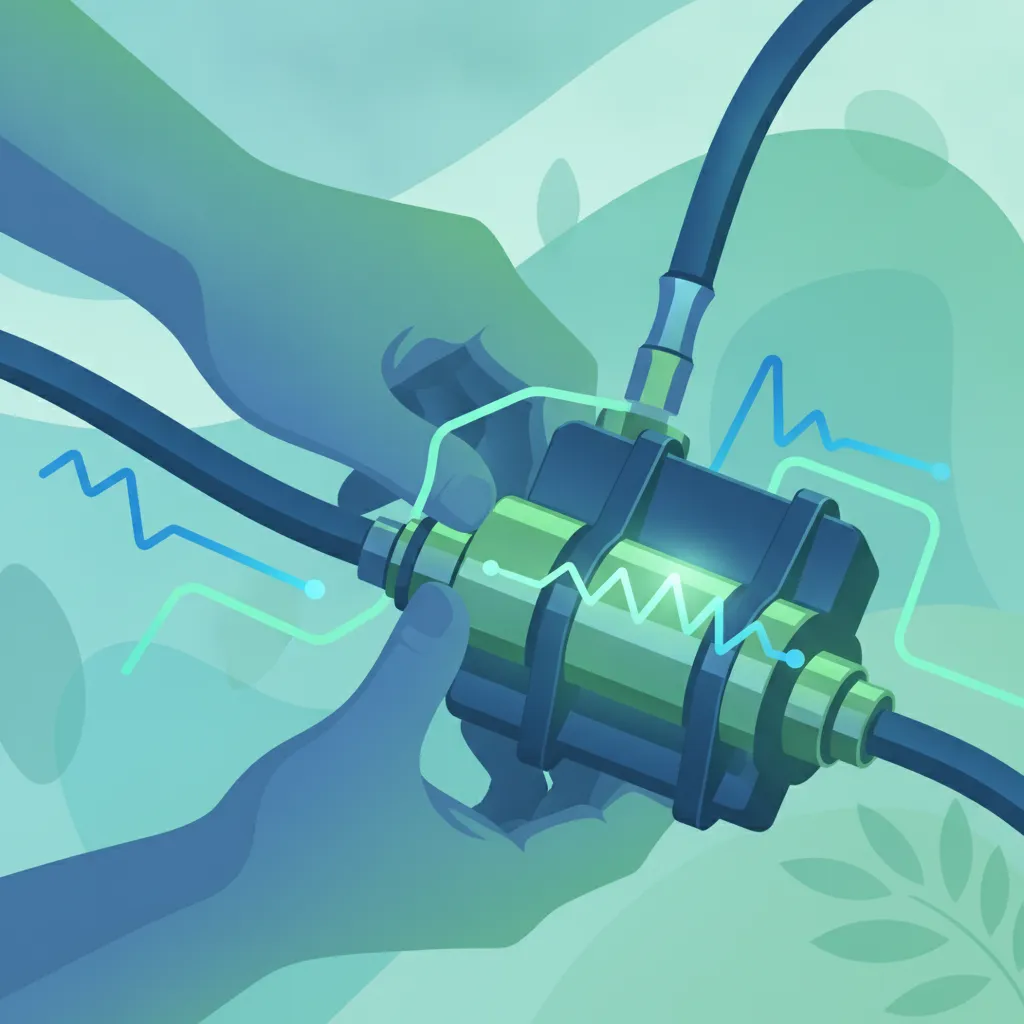
Lesson content overview
For drivers undertaking the Official Swiss Driving Theory Course for Category C & C1 Goods Vehicles, mastering the secure connection of a tractor unit to its trailer is paramount. Beyond the mechanical coupling, the vital link between these two components involves their braking and electrical systems. An incorrect or insecure connection can lead to catastrophic consequences, including loss of trailer braking, failure of essential lighting, and compromised Anti-lock Braking System (ABS) functionality, significantly increasing accident risks, particularly on challenging descents or during nighttime operations. This lesson will detail the precise function of the red (emergency) and yellow (service) air lines, the main electrical socket, and the correct, safe sequence for their connection and disconnection, ensuring your trailer operates safely and legally.
The air brake system is the primary braking mechanism for heavy goods vehicles and their trailers. For a trailer to brake effectively and safely, it must receive a continuous supply of compressed air from the tractor unit. This connection is facilitated by two distinct air lines, each serving a critical safety function, which are colour-coded for easy identification: the red emergency line and the yellow service line.
The red air line is identifiable by its distinct red colour and serves as the emergency brake system for the trailer. It maintains a constant supply of compressed air directly from the tractor's main air reservoir to the trailer's braking system. Its primary role is to keep the trailer's brakes released while coupled and charged. Should there be a loss of air pressure in this line, either intentionally by the driver or due to an accidental disconnection, the trailer's spring brakes will automatically engage, bringing the trailer to an emergency stop. This crucial safety feature prevents a runaway trailer in the event of a system failure or accidental uncoupling.
Connecting the red line correctly is the first step in establishing the braking connection. It ensures that the trailer's emergency brakes are released and ready for operation, providing an essential safety fallback. Before connecting this line, always ensure the tractor's parking brake is engaged and the trailer's parking brake is set, where applicable, to prevent unexpected movement.
Complementing the red emergency line is the yellow service air line. This line, marked in yellow, is responsible for transmitting the braking command from the tractor's foot brake pedal to the trailer's service brakes. When the driver presses the brake pedal in the tractor, air pressure is sent through the yellow line, causing the trailer's brakes to apply in proportion to the force exerted on the pedal. This is the primary means of controlling the trailer's speed and bringing it to a controlled stop under normal driving conditions.
The yellow service line works in conjunction with the red line. While the red line ensures the trailer can be stopped in an emergency or when disconnected, the yellow line provides the routine, modulated braking essential for daily operation. After connecting the yellow line, it is imperative to verify its integrity, particularly by checking for any air leaks, which could compromise braking efficiency.
The sequence in which you connect the air lines and the electrical socket is not arbitrary; it is a legally mandated safety procedure designed to prevent inadvertent brake application or loss of control. Adhering to this sequence is critical for the safe operation of any heavy goods vehicle combination.
Connect the Red Emergency Air Line First: This ensures that the trailer's emergency brakes are released, allowing air to flow to the trailer's reservoirs, and establishes the primary safety link. The trailer will now be ready for normal braking without its emergency brakes engaged.
Connect the Yellow Service Air Line Second: Once the emergency line is secured, connect the yellow service line. This completes the air brake system connection, allowing the driver to control the trailer's brakes via the foot pedal.
Connect the Electrical Socket Third: After both air lines are securely connected and their integrity verified, plug in the electrical socket. This ensures power is supplied to the trailer's lights and ABS system, making the trailer visible and its advanced safety features functional.
Deviating from this prescribed order can lead to dangerous situations, such as the trailer brakes locking unexpectedly or the electrical system not being fully operational before moving. Always ensure the tractor's parking brake is engaged throughout the coupling process.
Beyond the crucial air brake connections, a secure electrical link between the tractor and trailer is indispensable. This connection powers all essential lighting and critical safety systems like the Anti-lock Braking System (ABS) on the trailer, ensuring visibility and stability.
The main electrical socket, typically a 12V DC connector (often a 7-pin or 15-pin plug in heavy vehicles), provides all necessary electrical power from the tractor to the trailer. Its primary functions include:
Once the electrical socket is securely connected, a thorough verification of all trailer electrical systems is mandatory before departure. This check is not merely a formality but a critical safety measure.
Walk-Around Check: Systematically walk around the entire trailer, observing all light functions.
Position Lights: Activate the tractor's position lights and confirm the trailer's front, side, and rear position lights illuminate correctly.
Brake Lights: Ask a helper to press the tractor's brake pedal, or use a prop, to verify that both trailer brake lights illuminate brightly.
Turn Signals and Hazard Lights: Check left and right turn signals, ensuring they flash correctly. Then, activate hazard lights to confirm all turn signals flash simultaneously.
Reverse Lights: If applicable, engage reverse gear (with caution) to check the trailer's reverse lights.
ABS Warning Light: Observe the trailer's ABS warning light (if visible) in the tractor's dashboard or on the trailer itself. It should typically illuminate briefly upon power-up and then extinguish, indicating a functional system. If it remains lit, there is an ABS fault that requires attention.
Ensure the electrical plug is firmly seated and its locking mechanism (if any) is engaged to prevent accidental disconnection during transit. Damaged pins or connectors can lead to intermittent lighting or ABS faults.
After connecting both the red emergency and yellow service air lines, the integrity of the entire air brake system must be verified. This involves a crucial leak detection procedure, which is non-negotiable for safe operation. Air leaks, even small ones, can severely compromise braking performance and are a leading cause of heavy vehicle accidents.
Compressed air is the lifeblood of your heavy vehicle's brakes. A leak in either the red or yellow air line means a loss of critical pressure, directly impacting braking efficiency.
The leak detection procedure is straightforward but requires diligent observation.
Fully Charge the System: Start the tractor's engine and allow the air compressor to build up full system pressure (typically 8.5 to 10 bar) in both the primary and secondary air reservoirs, as indicated on the tractor's dashboard gauges.
Engage Parking Brakes: Ensure both the tractor's and trailer's parking brakes are firmly engaged.
Turn Off Engine: Switch off the tractor's engine to eliminate engine noise, which could mask the sound of air leaks.
Release Foot Brake (Trailer Brakes Engaged): Release the foot brake pedal and observe the air pressure gauges.
Observe Pressure Stability: Monitor the gauges for at least one minute. According to Swiss regulations, a pressure drop of more than 0.2 bar within one minute is generally unacceptable.
Listen for Leaks: Listen carefully for any hissing sounds emanating from the air lines, connections, or brake components. A soap-and-water solution can be sprayed on connections to visually identify bubbles indicating a leak.
Address Any Leaks: If a pressure drop exceeding the tolerance is observed or if leaks are heard/seen, the cause must be identified and rectified before the vehicle is put into service. This might involve tightening connections, replacing seals, or replacing damaged hoses.
A procedure to verify the integrity of an air brake system by observing pressure gauge readings for a specified duration, ensuring that pressure loss does not exceed tolerated limits.
Just as important as correct connection is the safe and systematic disconnection of the trailer's lines and electrical system. This procedure is essentially the reverse of the connection sequence to ensure the trailer remains secured and stable throughout the process.
Engage Trailer Parking Brake: First, ensure the trailer's parking brake is applied, typically by pushing in the trailer air supply valve (red button) in the tractor's cab. This engages the trailer's emergency/parking brakes.
Disconnect Electrical Socket: Carefully pull out the electrical socket from its receptacle on the trailer, securing it on the tractor to prevent damage. This removes power from the trailer's lights and ABS.
Disconnect Yellow Service Air Line: Next, disconnect the yellow service air line, securing it to the tractor's dummy coupling or storage port to prevent dirt ingress.
Disconnect Red Emergency Air Line: Finally, disconnect the red emergency air line and secure it to the tractor's dummy coupling. The trailer is now mechanically separated from the tractor's air and electrical systems.
Confirm Trailer Stability: Visually confirm that the trailer remains stable and its parking brakes are firmly engaged before proceeding with mechanical uncoupling.
Compliance with specific Swiss regulations is non-negotiable for Category C and C1 goods vehicle drivers. These rules are designed to enhance safety for all road users.
The Swiss Road Traffic Ordinance (Verkehrsregelverordnung – VRV) and other related standards govern the operation of heavy goods vehicles, including their coupling procedures.
Always verify current regulations, as specific values and article numbers may be subject to updates.
Even experienced drivers can sometimes fall victim to common errors during the connection process. Awareness and adherence to best practices are key to prevention.
The environment and conditions can impact the connection process and subsequent safety.
The procedures for connecting brake lines and electrical systems on heavy goods vehicles are not merely administrative tasks; they are foundational to road safety. Each step is designed to mitigate specific risks, from preventing runaway trailers to ensuring maximum visibility and braking efficiency. A meticulous approach to these connections, coupled with a deep understanding of the underlying principles and adherence to Swiss regulations, empowers drivers to operate their Category C & C1 vehicles safely and confidently on all roads, from flat motorways to challenging alpine passes. Neglecting any part of this process can have severe, potentially fatal, consequences.
Connecting a heavy goods vehicle tractor to its trailer requires linking two distinct air brake systems (red emergency and yellow service lines) and an electrical socket in a strict sequence: red first, yellow second, electrical third. The red line maintains constant emergency brake pressure to keep spring brakes released, while the yellow line transmits normal braking commands from the foot pedal. The electrical connection powers all trailer lights and the ABS system, which must be verified through a walk-around inspection before departure. A mandatory one-minute leak detection test ensures no significant pressure loss occurs after coupling. Swiss regulations (VRV Art. 54a, 54b, 40f, 41c) mandate this sequence and verification procedures for safe and legal Category C vehicle operation.
A short set of high-value points that capture the most important learning from this lesson.
The mandatory connection sequence is Red Emergency Line → Yellow Service Line → Electrical Socket, and disconnection follows the reverse order.
The red emergency air line maintains constant air pressure to keep the trailer's brakes released and automatically engages spring brakes if pressure is lost.
The yellow service air line transmits braking commands from the foot pedal to control the trailer's speed and stopping under normal driving conditions.
After connecting air lines, drivers must verify no significant pressure loss occurs; a drop exceeding 0.2 bar within one minute is generally unacceptable.
The electrical socket supplies power to all trailer lighting and the ABS system, both of which must be verified before departure.
Explore all units and lessons included in this driving theory course.
Red line before Yellow line, then Electrical - always remember this order for both connection and disconnection.
Leak detection is non-negotiable; after charging the system fully with engine off, observe gauges for one minute.
All trailer lights (position, brake, turn signals, hazard, reverse) must be verified through a physical walk-around check.
Swiss VRV Art. 54a mandates the red emergency line must be connected before the yellow service line.
The trailer's parking brake engages automatically when the red emergency line loses pressure or is deliberately vented.
Connecting the yellow service line before the red emergency line can cause the trailer's brakes to lock unexpectedly when the red line is subsequently connected.
Skipping or rushing the leak detection procedure allows gradual air loss to go unnoticed, severely compromising braking performance.
Not performing a full walk-around to physically check all trailer lights, relying only on dashboard indicators.
Using damaged, worn, or cracked air hoses and electrical connectors, which increase risks of rupture, leaks, or intermittent faults.
Attempting to connect or disconnect lines while vehicles are not fully stationary with parking brakes engaged.
Lesson content overview
A short set of high-value points that capture the most important learning from this lesson.
The mandatory connection sequence is Red Emergency Line → Yellow Service Line → Electrical Socket, and disconnection follows the reverse order.
The red emergency air line maintains constant air pressure to keep the trailer's brakes released and automatically engages spring brakes if pressure is lost.
The yellow service air line transmits braking commands from the foot pedal to control the trailer's speed and stopping under normal driving conditions.
After connecting air lines, drivers must verify no significant pressure loss occurs; a drop exceeding 0.2 bar within one minute is generally unacceptable.
The electrical socket supplies power to all trailer lighting and the ABS system, both of which must be verified before departure.
Explore all units and lessons included in this driving theory course.
Red line before Yellow line, then Electrical - always remember this order for both connection and disconnection.
Leak detection is non-negotiable; after charging the system fully with engine off, observe gauges for one minute.
All trailer lights (position, brake, turn signals, hazard, reverse) must be verified through a physical walk-around check.
Swiss VRV Art. 54a mandates the red emergency line must be connected before the yellow service line.
The trailer's parking brake engages automatically when the red emergency line loses pressure or is deliberately vented.
Connecting the yellow service line before the red emergency line can cause the trailer's brakes to lock unexpectedly when the red line is subsequently connected.
Skipping or rushing the leak detection procedure allows gradual air loss to go unnoticed, severely compromising braking performance.
Not performing a full walk-around to physically check all trailer lights, relying only on dashboard indicators.
Using damaged, worn, or cracked air hoses and electrical connectors, which increase risks of rupture, leaks, or intermittent faults.
Attempting to connect or disconnect lines while vehicles are not fully stationary with parking brakes engaged.
Explore search topics learners often look for when studying Connecting Brake Lines and Electrical Systems. These topics reflect common questions about road rules, driving situations, safety guidance, and lesson level theory preparation for learners in Switzerland.
Browse additional driving theory lessons that cover connected traffic rules, road signs, and common driving situations related to this topic. Improve your understanding of how different rules interact across everyday traffic scenarios.
Master the legally mandated order for connecting red emergency and yellow service air lines, followed by electrical systems. Essential theory for safe heavy vehicle trailer coupling and Swiss driving exam preparation.

Coupling and uncoupling are high-risk manoeuvres if not performed correctly. This lesson provides a theoretical, sequential guide to the process, covering aligning the tractor unit, raising the trailer's landing gear, locking the fifth-wheel mechanism onto the kingpin, and performing a 'tug test' to confirm a secure connection. The uncoupling process is also detailed, emphasizing the importance of a firm, level surface.

The fifth wheel is the critical link between the tractor and semitrailer. This lesson details a visual inspection of the coupling, focusing on ensuring the locking jaws are secure, the safety latch is in place, and there is adequate lubrication on the skid plate. A thorough check of the fifth wheel mechanism is a non-negotiable part of the pre-drive inspection and after every coupling procedure.

This lesson defines the common types of trailers used with heavy goods vehicles. It explains the difference between a drawbar trailer (Anhänger), which is towed behind a rigid lorry, and a semitrailer (Sattelanhänger), which is coupled to a tractor unit via a fifth wheel. Understanding these configurations is key to understanding the different handling characteristics of various vehicle combinations.
This lesson outlines the mandatory documentation required during any professional transport journey in Switzerland. Drivers must be able to present the vehicle registration document ('Fahrzeugausweis'), their valid driving license, and the OACP qualification card upon request. It also touches upon transport-specific documents like consignment notes, which are crucial for legal compliance during roadside inspections by authorities.
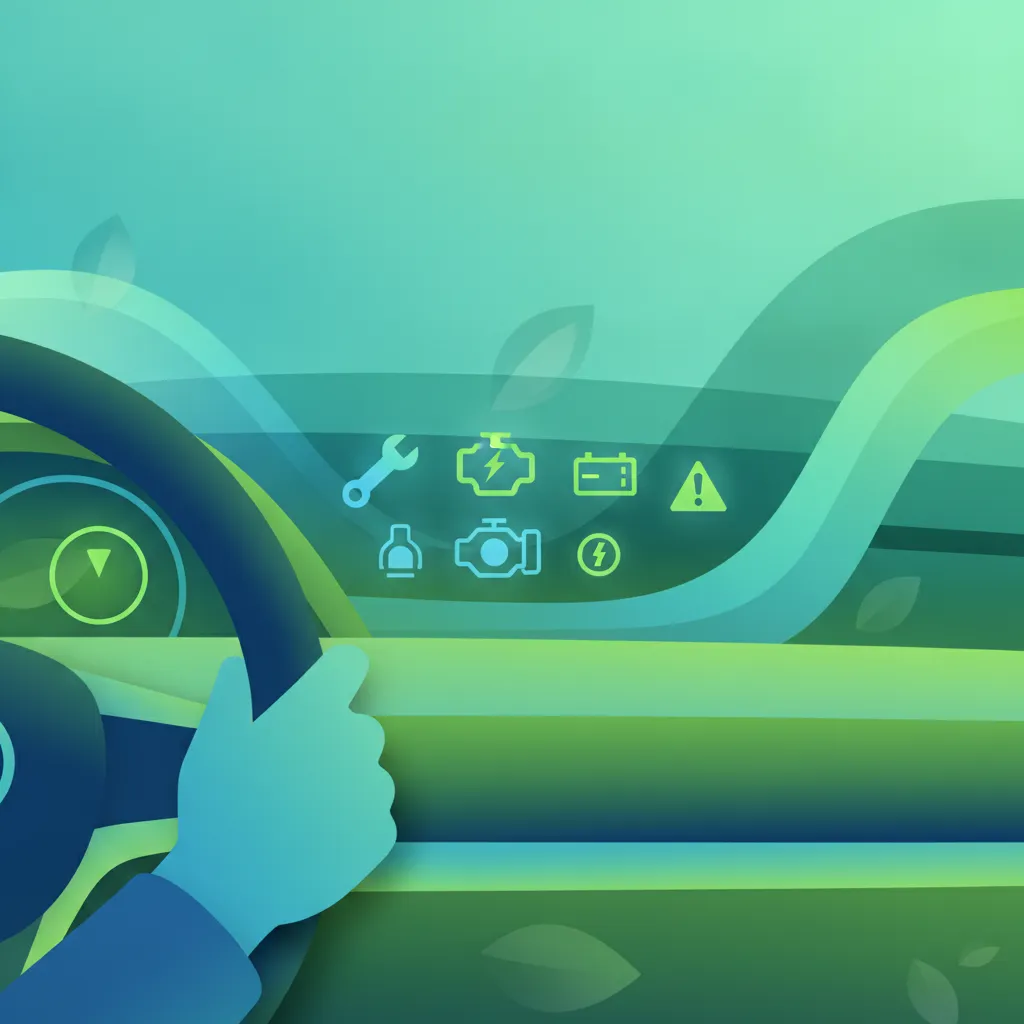
The dashboard is the vehicle's primary communication interface with the driver. This lesson explains how to read essential gauges, such as the air pressure gauges for the braking system, the tachometer, and the fuel level. It focuses on recognizing the meaning of different warning lights (red for urgent, amber for caution) and the importance of stopping safely to investigate any critical alerts immediately.

Adding a trailer (D1E) or driving an articulated bus (DE) changes the vehicle's dynamics significantly. This lesson covers the key differences in handling, braking, and reversing. It explains the concept of the pivot point and how to manage the increased length and swept path when turning and manoeuvring.

Turning a long vehicle requires careful planning and execution. This lesson covers the correct procedure: approach, observation, signalling, and positioning the vehicle correctly to allow for the trailer's off-tracking without mounting the kerb. It also highlights the need for constant mirror checks throughout the turn to monitor for cyclists or other vulnerable road users who may enter the danger zone.
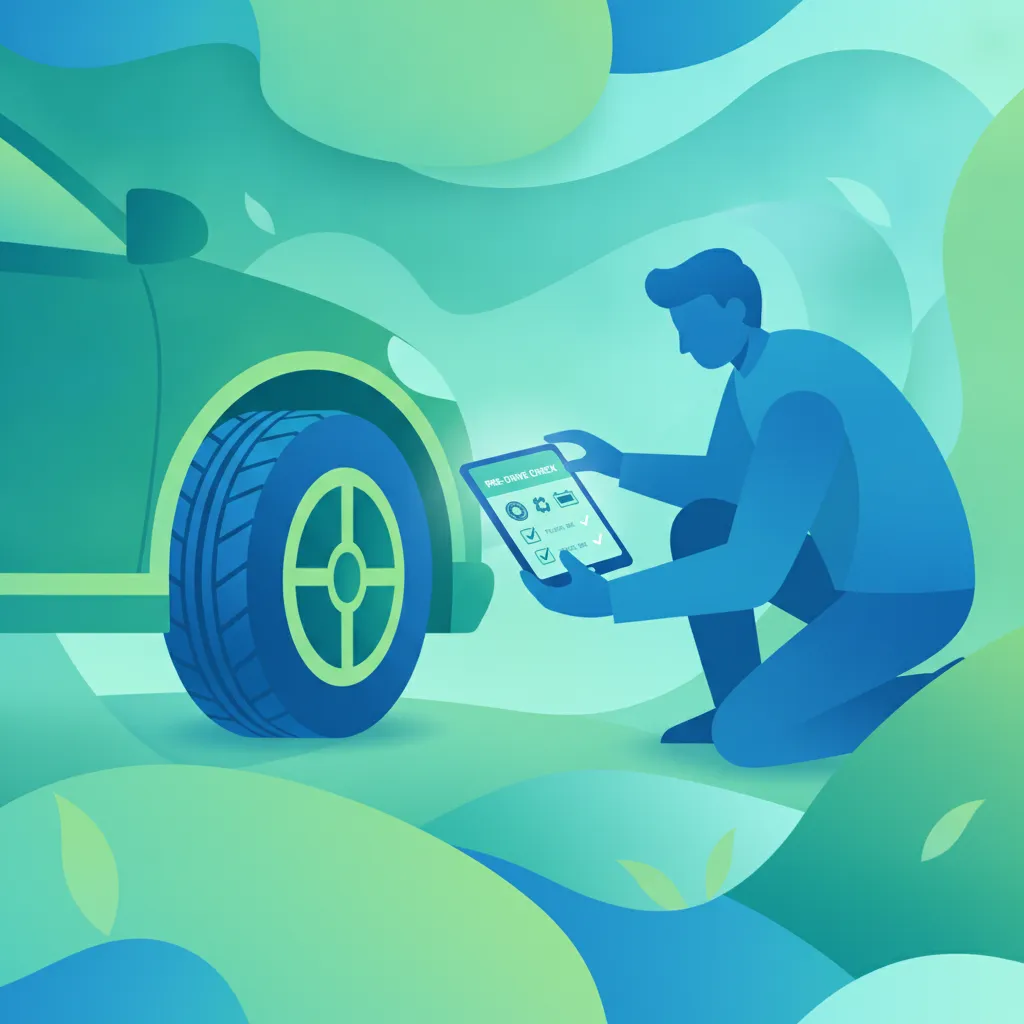
The driver is legally responsible for the roadworthiness of their vehicle at the start of and during every journey. This lesson outlines the formal process for reporting any identified defects to the transport manager or maintenance staff. It stresses the critical rule that a vehicle with a known safety-critical defect must not be driven until it has been professionally repaired and declared safe.
Before starting any journey, a professional driver must conduct a thorough pre-drive inspection. This lesson teaches a systematic walk-around method to check critical components like tyres, wheels, lights, mirrors, fluid levels, and safety equipment. This daily routine is a legal requirement and is crucial for identifying potential defects before they become a danger on the road.
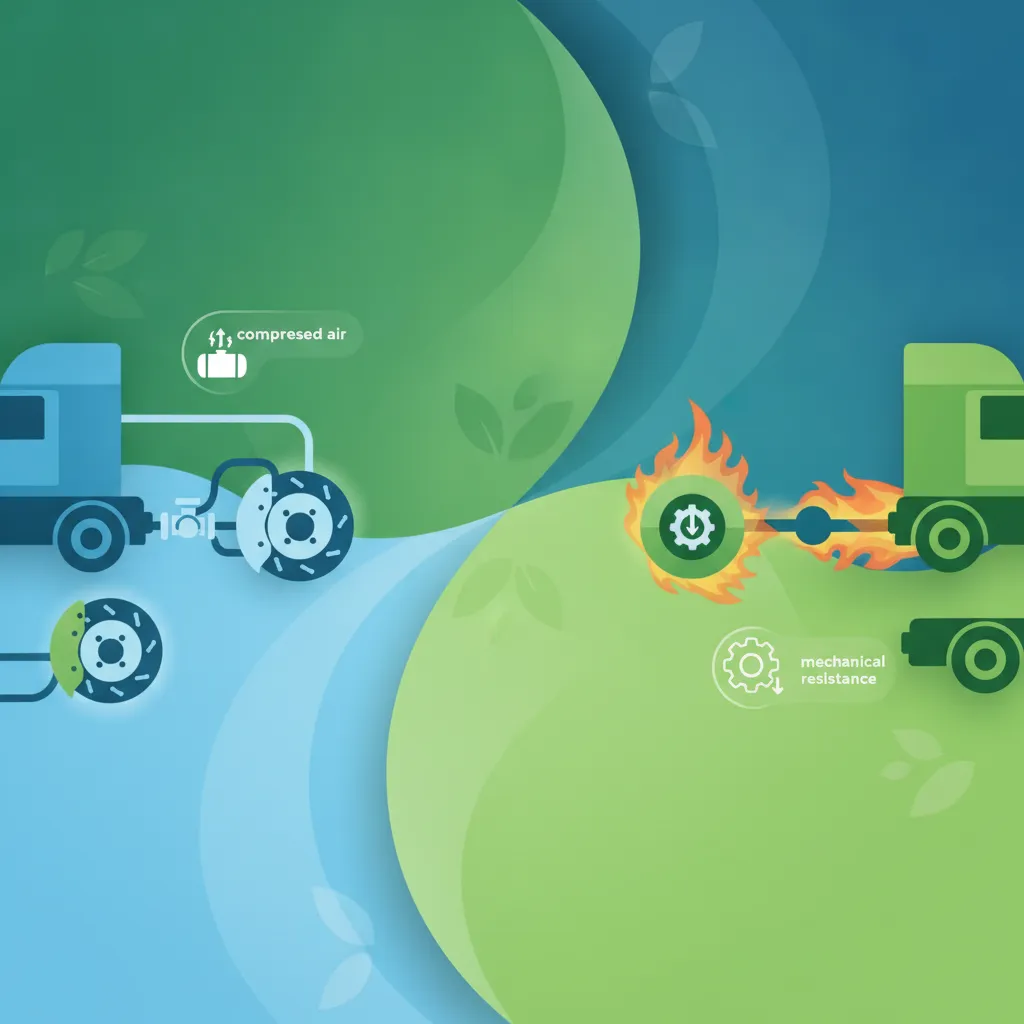
Large passenger vehicles rely on powerful air brake systems. This lesson explains how these systems work, including the importance of monitoring air pressure. It also details the function and proper use of auxiliary braking systems (retarders) to control speed on long descents and reduce wear on the service brakes.
Learn to identify and resolve common issues like air leaks and electrical faults during trailer connection. Understand the critical verification steps for ensuring safe operation and compliance with Swiss regulations.
Coupling and uncoupling are high-risk manoeuvres if not performed correctly. This lesson provides a theoretical, sequential guide to the process, covering aligning the tractor unit, raising the trailer's landing gear, locking the fifth-wheel mechanism onto the kingpin, and performing a 'tug test' to confirm a secure connection. The uncoupling process is also detailed, emphasizing the importance of a firm, level surface.
This lesson defines the common types of trailers used with heavy goods vehicles. It explains the difference between a drawbar trailer (Anhänger), which is towed behind a rigid lorry, and a semitrailer (Sattelanhänger), which is coupled to a tractor unit via a fifth wheel. Understanding these configurations is key to understanding the different handling characteristics of various vehicle combinations.
The driver is legally responsible for the roadworthiness of their vehicle at the start of and during every journey. This lesson outlines the formal process for reporting any identified defects to the transport manager or maintenance staff. It stresses the critical rule that a vehicle with a known safety-critical defect must not be driven until it has been professionally repaired and declared safe.
The fifth wheel is the critical link between the tractor and semitrailer. This lesson details a visual inspection of the coupling, focusing on ensuring the locking jaws are secure, the safety latch is in place, and there is adequate lubrication on the skid plate. A thorough check of the fifth wheel mechanism is a non-negotiable part of the pre-drive inspection and after every coupling procedure.

Proper visibility is paramount for the safety of large vehicles, especially at night or in poor weather. This lesson covers the full range of required lights, including headlights, indicators, brake lights, and side and rear marker lights. It also explains the function of reflectors and the mandatory high-visibility conspicuity markings that outline the vehicle's shape to other drivers.
Turning a long vehicle requires careful planning and execution. This lesson covers the correct procedure: approach, observation, signalling, and positioning the vehicle correctly to allow for the trailer's off-tracking without mounting the kerb. It also highlights the need for constant mirror checks throughout the turn to monitor for cyclists or other vulnerable road users who may enter the danger zone.
The dashboard is the vehicle's primary communication interface with the driver. This lesson explains how to read essential gauges, such as the air pressure gauges for the braking system, the tachometer, and the fuel level. It focuses on recognizing the meaning of different warning lights (red for urgent, amber for caution) and the importance of stopping safely to investigate any critical alerts immediately.
Overloading is a serious offence with severe safety and legal ramifications. This lesson details how excess weight drastically increases braking distances, puts extreme stress on tyres leading to blowouts, and negatively affects steering and overall stability. Furthermore, it discusses the substantial fines, potential license withdrawal, and driver liability that result from violating Swiss weight regulations.

Despite the complex mirror systems, large areas around a truck remain hidden from the driver's view. This lesson maps out these significant blind spots: directly in front, behind, and along both sides of the vehicle. It teaches drivers to be constantly aware of these 'no-zones' and to anticipate that smaller vehicles, cyclists, or pedestrians may be hidden within them, especially before changing lanes or turning.
This lesson outlines the mandatory documentation required during any professional transport journey in Switzerland. Drivers must be able to present the vehicle registration document ('Fahrzeugausweis'), their valid driving license, and the OACP qualification card upon request. It also touches upon transport-specific documents like consignment notes, which are crucial for legal compliance during roadside inspections by authorities.
Find clear answers to common questions learners have about Connecting Brake Lines and Electrical Systems. Learn how the lesson is structured, which driving theory objectives it supports, and how it fits into the overall learning path of units and curriculum progression in Switzerland. These explanations help you understand key concepts, lesson flow, and exam focused study goals.
The order is critical to maintaining system integrity. Usually, the supply line is connected first to ensure the trailer parking brake is released correctly and the system is pressurized, followed by the service line to allow for proportional braking control.
A poor electrical connection can lead to the loss of signal for stop lamps, indicators, and, crucially, the trailer's Anti-lock Braking System (ABS). In the Swiss exam, you will be expected to know that a failure here is a serious safety defect.
The ABS system receives power and data signals through the main electrical umbilical cord connected to the tractor. If the connection is absent, the trailer ABS will not function, which is a major violation of safety regulations.
Yes. A critical part of the pre-drive check is confirming the service brake holds the combination and that the parking brake effectively locks the wheels. Failure to verify this leads to dangerous, preventable road incidents.
Pinpoint specific Swiss traffic rules, road signs, or driving situations you need to master. Use the practice search to start a focused revision session now and build confidence for your official driving theory exam.