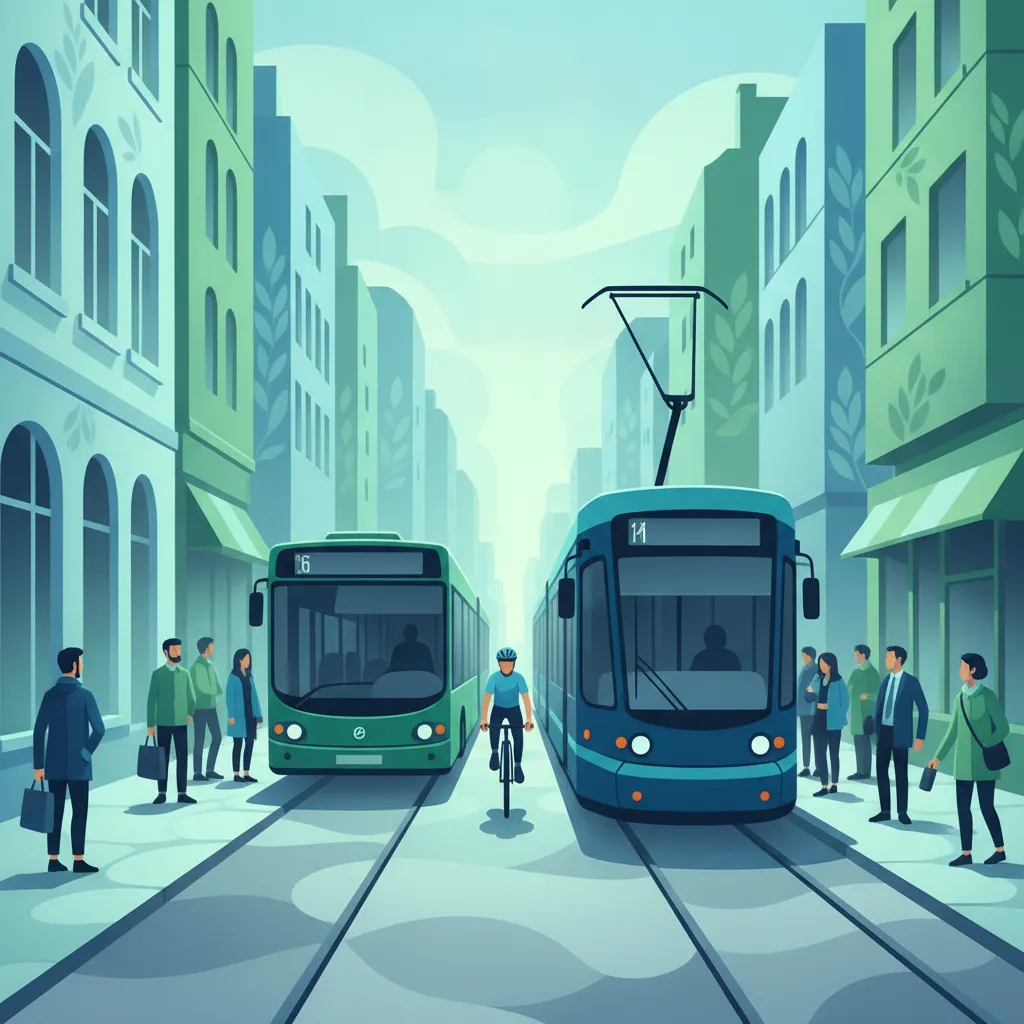
This lesson details the specific traffic rules for interacting with public transport and vulnerable road users in Belgium. You will learn how to safely navigate around buses and trams while understanding your legal obligations toward cyclists and pedestrians. This knowledge is essential for both your Category B theoretical exam and for safe, real-world driving on Belgian streets.
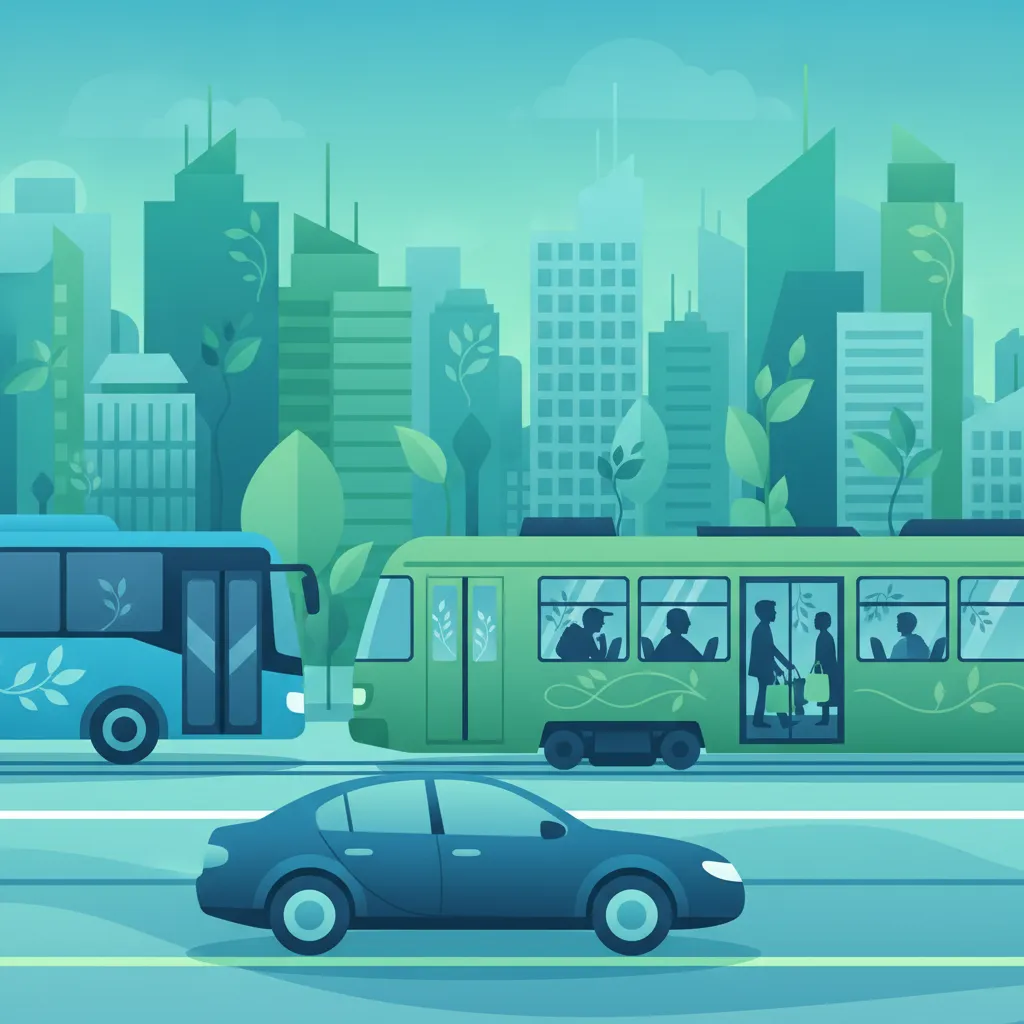
Lesson content overview
Navigating the complex traffic environment of Belgium requires drivers to understand and respect the specific rules governing interactions with public transport and other vulnerable road users. This lesson, designed for the Belgian Category B driving licence program, focuses on how private vehicles should safely coexist with buses, trams, motorcyclists, and schoolchildren. Mastering these principles is crucial for preventing accidents, ensuring efficient traffic flow, and protecting those most at risk on our roads.
Public transport vehicles, such as buses and trams, play a vital role in urban mobility and are granted specific priorities to maintain their schedules and safely transport numerous passengers. Similarly, motorcyclists and children are particularly vulnerable due to their smaller size or unpredictable behaviour, demanding extra caution from all drivers. This chapter will delve into the legal requirements, practical implications, and best practices for safe interaction, building upon your existing knowledge of road signs, markings, and general priority rules.
Public transport vehicles operate under specific regulations designed to enhance their efficiency and safety. These rules grant them priority in certain situations, which private vehicle drivers must fully understand and respect. Ignoring these priorities can lead to dangerous situations and significant traffic disruptions.
In Belgium, buses and trams are often given priority in specific scenarios to ensure their smooth operation and adherence to schedules. This priority applies particularly when these vehicles are merging back into traffic from a dedicated lane or leaving a designated stop. The rationale is to prevent delays for a large number of passengers and to maintain the fluidity of the public transport network.
When a bus signals its intention to pull out from a designated bus stop and merge into a regular traffic lane, drivers of private vehicles in that lane are generally required to yield. Similarly, trams, due to their fixed tracks and limited manoeuvrability, are frequently granted priority at intersections, especially when proceeding straight or turning while other traffic is waiting. It is a common misconception that private vehicles always maintain priority, especially when a public transport vehicle is attempting to merge. Always observe the signals and movements of buses and trams, being prepared to slow down or stop to allow them to proceed safely.
Dedicated bus lanes are sections of the road reserved exclusively for buses and sometimes other authorized vehicles like taxis or certain motorcycles, depending on local regulations and signage. These lanes are designed to allow public transport to bypass general traffic congestion, improving punctuality and efficiency.
These lanes are typically identified by specific road markings, often a white line or a distinct surface colour, and accompanying road signs. It is generally prohibited for private vehicles to enter or use a dedicated bus lane during its active hours. Some bus lanes may have time-dependent restrictions, meaning they are only active during peak hours, and private vehicles may use them at other times. Always check the accompanying signage carefully to determine the specific rules for each bus lane. Unauthorised use of a bus lane can result in fines and disrupt public transport services.
Tram tracks are fixed rails embedded in the road surface, exclusively used by trams. While private vehicles may need to cross tram tracks, driving on them for extended periods is generally prohibited and unsafe unless explicitly directed by traffic signs or road markings.
When driving near tram tracks, especially at intersections or along shared roadways, extreme caution is necessary. The tracks themselves can pose a hazard, particularly for two-wheeled vehicles like motorcycles and bicycles, as tires can get caught in the grooves. Always cross tram tracks at as close to a 90-degree angle as possible to minimize the risk of skidding or getting a wheel caught. Never stop or park on tram tracks, as this will obstruct tram movement and can lead to dangerous situations and significant delays for passengers. Trams cannot swerve to avoid obstacles, so it is imperative to keep their path clear. Pay attention to tram signals and give way to trams as appropriate, especially since they have a much longer stopping distance than cars.
Interactions at public transport stops are critical moments for safety, especially given the presence of passengers boarding and alighting. Drivers must be particularly vigilant and adhere to specific rules to protect individuals and ensure smooth operation.
When a bus or tram is stopped at a designated stop to pick up or drop off passengers, private vehicle drivers must maintain a safe distance. This rule is in place to ensure ample space for passengers, including those with reduced mobility, to safely enter and exit the vehicle without being endangered by passing traffic.
Generally, you should not stop or park within a specified distance of a bus or tram stop. This distance is often set at around 5 meters for buses and 10 meters for trams when they are actively at a stop. It is also illegal to stop or park your vehicle directly within the marked area of a bus or tram stop at any time, even if no public transport vehicle is present. Doing so obstructs public transport operations, forcing buses or trams to stop in unsafe locations and potentially blocking other traffic. Always keep these areas clear to ensure public transport can operate efficiently and safely.
School buses transport some of the most vulnerable road users: children. Due to this, specific and strict rules apply when encountering a school bus, designed to maximize the safety of children during boarding and alighting.
When a school bus stops and activates its red flashing lights or extends its 'STOP' sign arm, all approaching and following traffic, regardless of the direction of travel, must stop. This is a mandatory requirement, and you should not proceed until the bus retracts its stop sign and deactivates its flashing lights, indicating it is safe to do so. This rule applies even if there is no immediate stop sign at an intersection or if you believe you are on a priority road. The sole purpose of this rule is to protect children who may be crossing the road or moving around the bus. Failing to stop for a school bus under these circumstances is a serious violation and carries significant penalties due to the high risk it poses to children.
Motorcyclists, like cyclists and pedestrians, are considered vulnerable road users because they lack the protective enclosure of a car and are less visible. Special attention and care are required when sharing the road with them, particularly around larger vehicles and public transport stops.
Motorcyclists are highly exposed and can be difficult to spot, especially in busy urban environments or around large vehicles like buses and trams. They often manoeuvre between lanes (filtering) or position themselves in ways that car drivers might not anticipate. When driving near buses or trams, be extra cautious for motorcyclists who may be attempting to pass or position themselves alongside these large vehicles.
When overtaking a motorcyclist, always provide ample lateral distance. While general overtaking rules apply, it is recommended to allow at least 1.5 meters of clearance, especially near intersections, bus stops, or areas where sudden movements might be required. Be particularly careful when turning; always check your blind spots thoroughly as a motorcyclist could be hidden from view. Sudden lane changes or quick manoeuvres can easily lead to a collision with a motorcyclist, who has less stability and protection. Predict their movements and assume they might not always stay within a single lane.
While the focus here is on buses, trams, and motorcyclists, it's essential to reiterate the importance of general vigilance for all vulnerable road users, especially in areas with high public transport activity. Bus stops and tram stops are natural congregating points for pedestrians, including children and the elderly, who may be distracted or less aware of traffic.
Always scan the area around public transport vehicles for pedestrians crossing the road, stepping off a curb, or emerging from behind a stopped bus or tram. Similarly, cyclists often share lanes or use dedicated cycle paths adjacent to public transport routes. Be mindful of cyclists when approaching intersections, turning, or opening your car door near a bus or tram stop. The presence of a large public transport vehicle can obscure these vulnerable users, making it even more critical for drivers to actively look for them.
Understanding the rules is the first step; consistently applying them is key to road safety. Many collisions and traffic delays involving public transport and vulnerable users stem from common errors made by private vehicle drivers.
Several common violations and misunderstandings lead to hazardous situations. Here are some of the most frequent:
By being aware of these common mistakes, drivers can proactively adjust their behaviour to promote safer roads for everyone.
Safe interaction with public transport and vulnerable users is not static; it requires dynamic adaptation to prevailing conditions.
To summarize, safe interaction with buses, trams, and other vulnerable road users in Belgium revolves around a few core principles:
By consistently applying these principles, drivers contribute to a safer, more efficient road network for everyone in Belgium.
This lesson covers essential Belgian traffic rules for sharing the road safely with public transport and vulnerable users. Buses and trams receive priority when merging from dedicated lanes or stops, and drivers must maintain safe stopping distances of approximately 5 meters from buses and 10 meters from trams at designated stops. School buses have the highest protection—when their red lights flash or STOP arm extends, all traffic must stop regardless of direction. Drivers must avoid blocking bus lanes during restricted hours, never stop on tram tracks, maintain adequate lateral clearance when overtaking motorcyclists, and remain especially vigilant for pedestrians and cyclists around public transport hubs. These rules are critical for both passing the Category B theory exam and safe urban driving in Belgium.
A short set of high-value points that capture the most important learning from this lesson.
Buses and trams have priority when merging back into traffic from dedicated lanes or designated stops, and drivers must yield accordingly
Private vehicles must maintain approximately 5 meters distance from stopped buses and 10 meters from stopped trams to allow safe passenger boarding and alighting
School buses require all traffic to stop completely when red flashing lights are activated or the STOP sign arm is extended, regardless of direction of travel
Bus lanes are restricted during active hours; always check accompanying signage for time-dependent rules and authorized vehicles
Tram tracks must be kept clear at all times—never stop or park on them, and cross at as close to 90 degrees as possible
Explore all units and lessons included in this driving theory course.
When overtaking motorcyclists, maintain at least 1.5 meters of lateral clearance for safety
Bus lane restrictions vary by location and time—some are active only during peak hours while others apply continuously
Trams have a much longer stopping distance than cars and cannot swerve to avoid obstacles, making it critical to keep their path clear
Blocking a bus or tram stop area is prohibited even if no vehicle is currently present
Pedestrians and cyclists often congregate around public transport stops and may be obscured from view by large vehicles
Entering or driving in a dedicated bus lane during restricted hours, disrupting public transport flow and risking fines
Stopping too close to a bus or tram that is at a stop, obstructing passenger movement and creating safety hazards
Failing to yield to a bus that is merging from a bus stop back into traffic, leading to potential collisions
Overtaking motorcyclists too closely, especially near intersections or public transport stops where they may need to make sudden movements
Failing to stop for a school bus with activated red lights or extended STOP arm, which carries serious penalties due to the extreme risk to children
Lesson content overview
A short set of high-value points that capture the most important learning from this lesson.
Buses and trams have priority when merging back into traffic from dedicated lanes or designated stops, and drivers must yield accordingly
Private vehicles must maintain approximately 5 meters distance from stopped buses and 10 meters from stopped trams to allow safe passenger boarding and alighting
School buses require all traffic to stop completely when red flashing lights are activated or the STOP sign arm is extended, regardless of direction of travel
Bus lanes are restricted during active hours; always check accompanying signage for time-dependent rules and authorized vehicles
Tram tracks must be kept clear at all times—never stop or park on them, and cross at as close to 90 degrees as possible
Explore all units and lessons included in this driving theory course.
When overtaking motorcyclists, maintain at least 1.5 meters of lateral clearance for safety
Bus lane restrictions vary by location and time—some are active only during peak hours while others apply continuously
Trams have a much longer stopping distance than cars and cannot swerve to avoid obstacles, making it critical to keep their path clear
Blocking a bus or tram stop area is prohibited even if no vehicle is currently present
Pedestrians and cyclists often congregate around public transport stops and may be obscured from view by large vehicles
Entering or driving in a dedicated bus lane during restricted hours, disrupting public transport flow and risking fines
Stopping too close to a bus or tram that is at a stop, obstructing passenger movement and creating safety hazards
Failing to yield to a bus that is merging from a bus stop back into traffic, leading to potential collisions
Overtaking motorcyclists too closely, especially near intersections or public transport stops where they may need to make sudden movements
Failing to stop for a school bus with activated red lights or extended STOP arm, which carries serious penalties due to the extreme risk to children
Explore search topics learners often look for when studying Interaction with Buses, Trams, and Other Vulnerable Users. These topics reflect common questions about road rules, driving situations, safety guidance, and lesson level theory preparation for learners in Belgium.
Browse additional driving theory lessons that cover connected traffic rules, road signs, and common driving situations related to this topic. Improve your understanding of how different rules interact across everyday traffic scenarios.
Explore specific Belgian traffic rules and priority situations involving buses, trams, and other public transport. Understand advanced scenarios and common challenges for drivers preparing for the theory exam.
This lesson teaches motorcyclists how to safely navigate mixed traffic environments that include cars, buses, and trams. It highlights the significant blind spots of larger vehicles and explains the absolute priority of trams on their tracks. You will learn the rules for sharing space with public transport and how to maintain safe distances when following or overtaking buses.
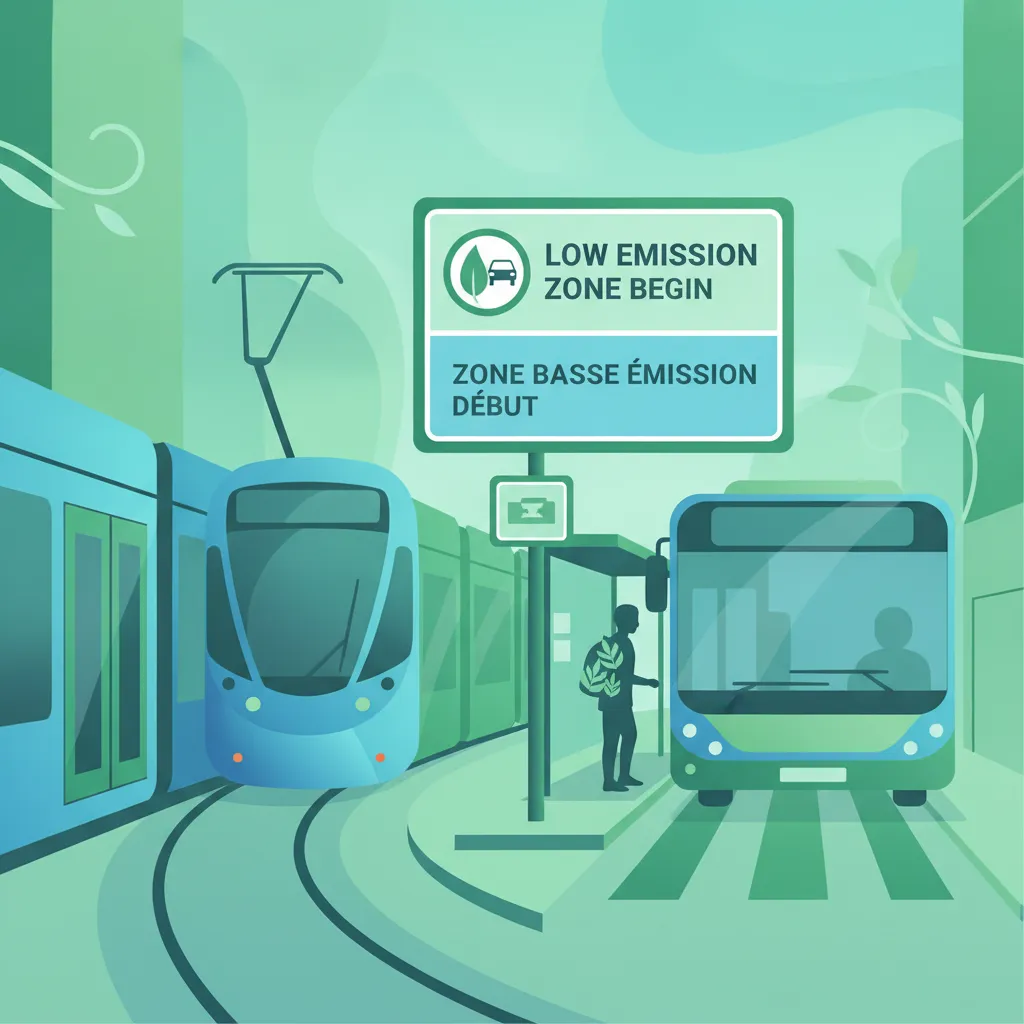
This lesson addresses unique traffic environments and special zones commonly found in Belgian urban areas. It clarifies the specific regulations concerning tramways, including where trams have absolute priority, and the conditions under which motorcycles may use bus lanes. The lesson also explains how to identify and comply with restrictions in low-emission zones.
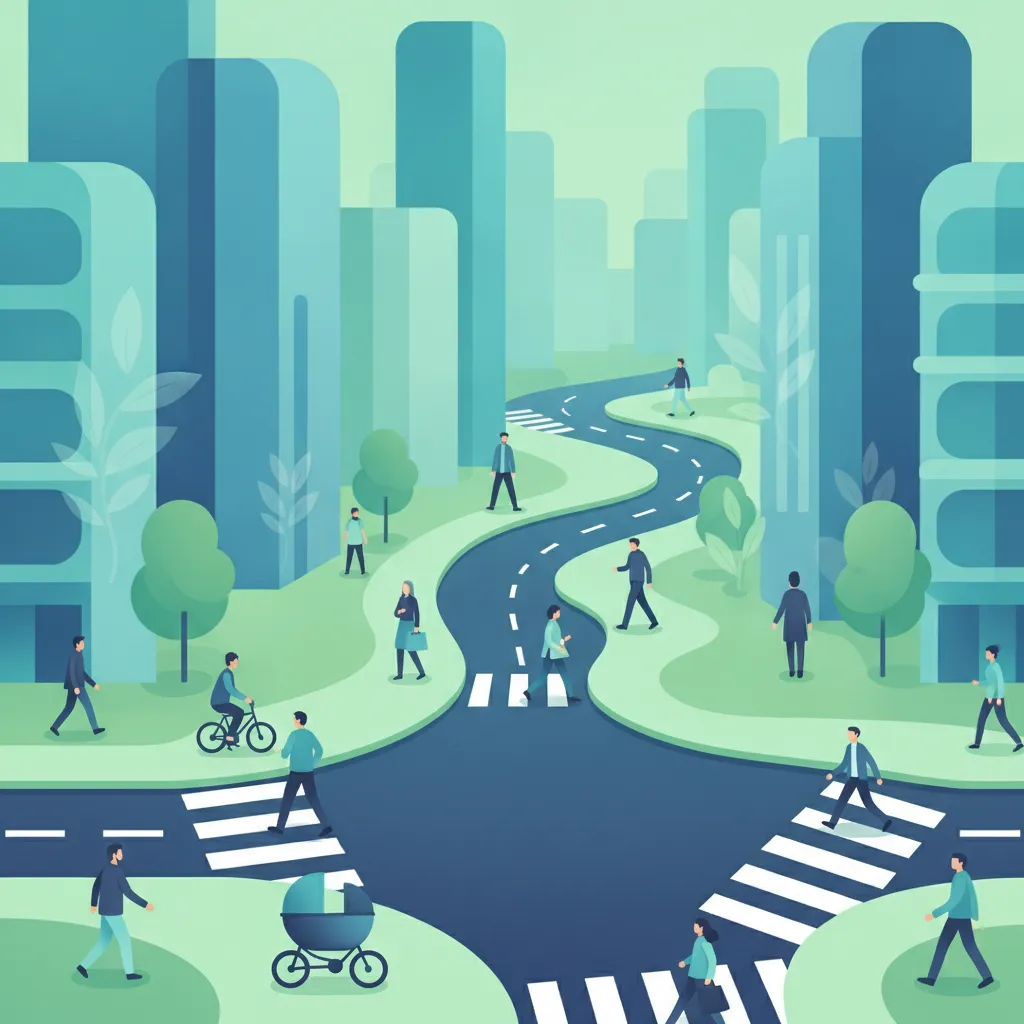
This lesson focuses on the rules governing pedestrian crossings, including marked zebra crossings and signal-controlled crossings. Special attention is given to school zones and residential areas where pedestrian activity is high. Learners will understand how to recognize and respect pedestrian priority in various crossing scenarios to ensure their safety.

This lesson delves into the complex priority rules that govern Belgian roadways, with a strong focus on the default 'priority from the right' principle. It explains how to interpret priority signs, such as 'give way' and 'stop', and apply the correct right-of-way at various types of junctions. You will learn the hierarchy of road users and the specific rules for yielding in different traffic scenarios.
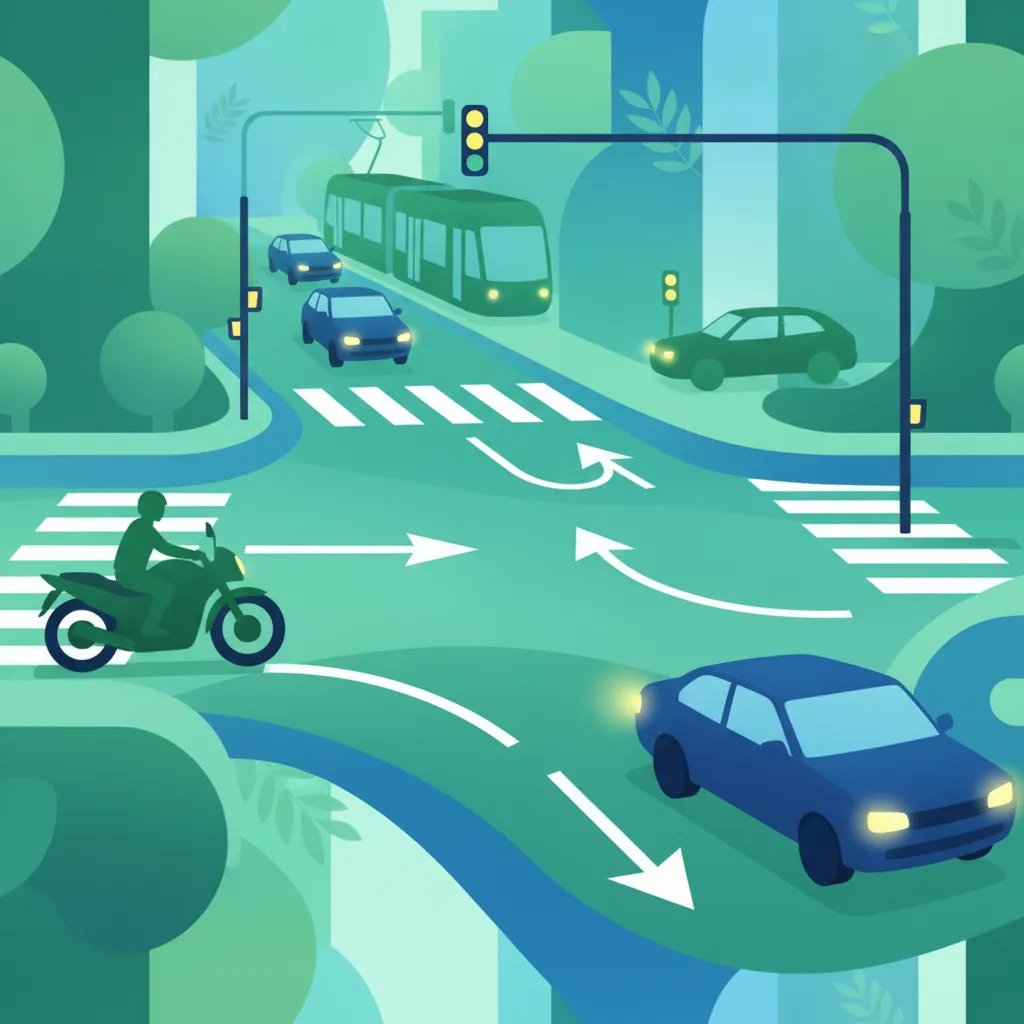
In this lesson, learners will examine the fundamental priority rules that dictate traffic flow at unmarked intersections. The lesson focuses on the principle of priority from the right, the hierarchy of traffic signs and signals, and situations requiring yielding or stopping. Understanding these principles is crucial for safe and lawful navigation of Belgian road networks.
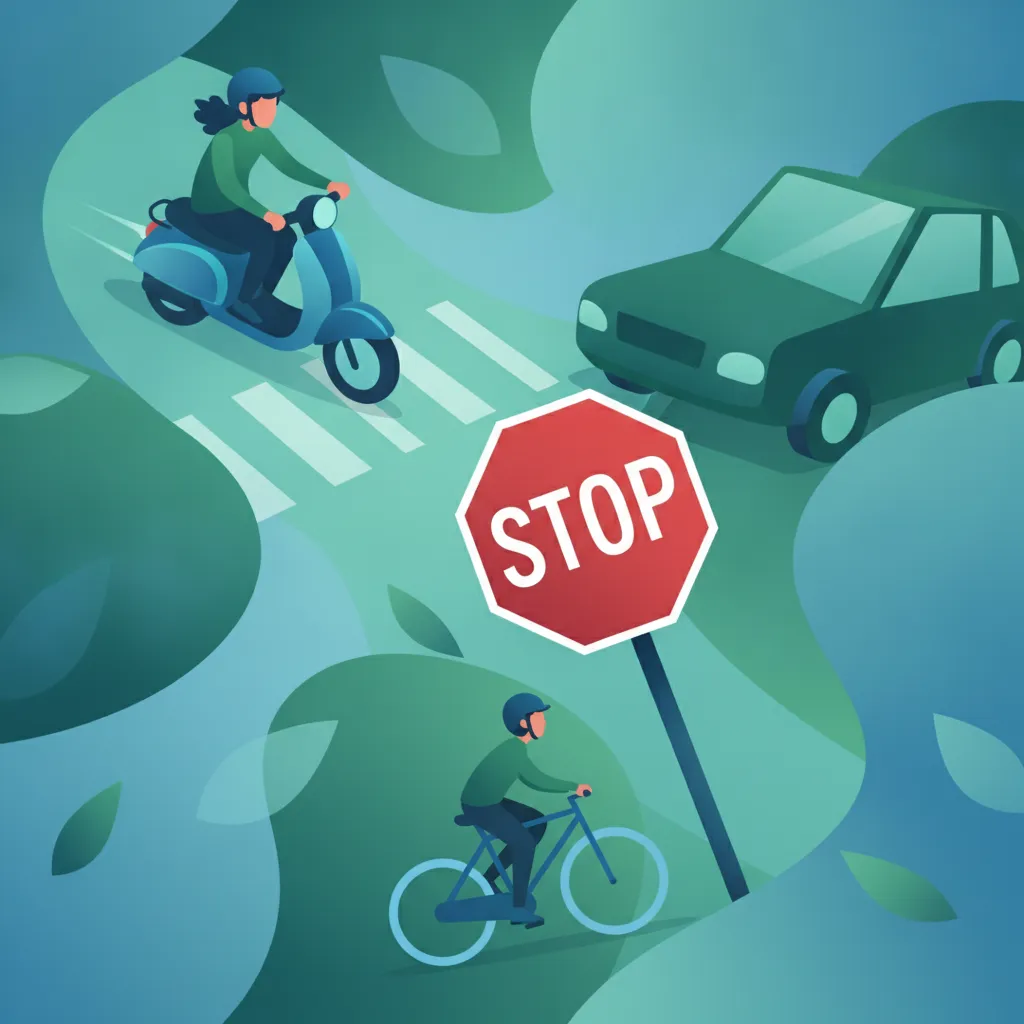
This lesson introduces the core principles of priority that govern traffic flow in Belgium, with a primary focus on the 'priority from the right' rule. It explains how to identify priority roads indicated by signs and how to act at uncontrolled intersections where the default rule applies. Understanding these rules is critical for AM riders to navigate junctions, intersections, and roundabouts safely and without conflict.
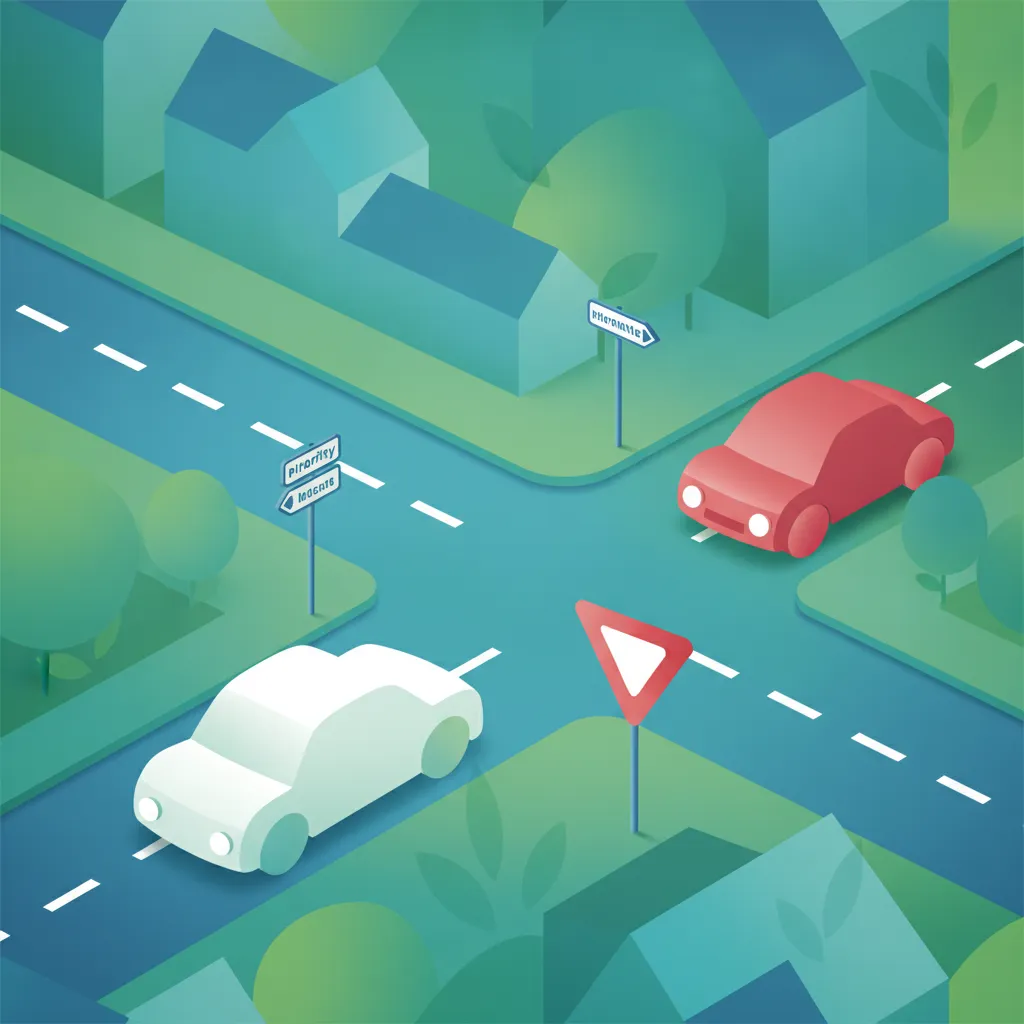
This lesson focuses on the distinction between the default priority from the right and designated priority roads, explaining how drivers should yield or proceed. Learners will discover the specific signs that indicate a priority road and when that priority ends. Understanding these concepts is essential for predictable and safe road use at intersections.
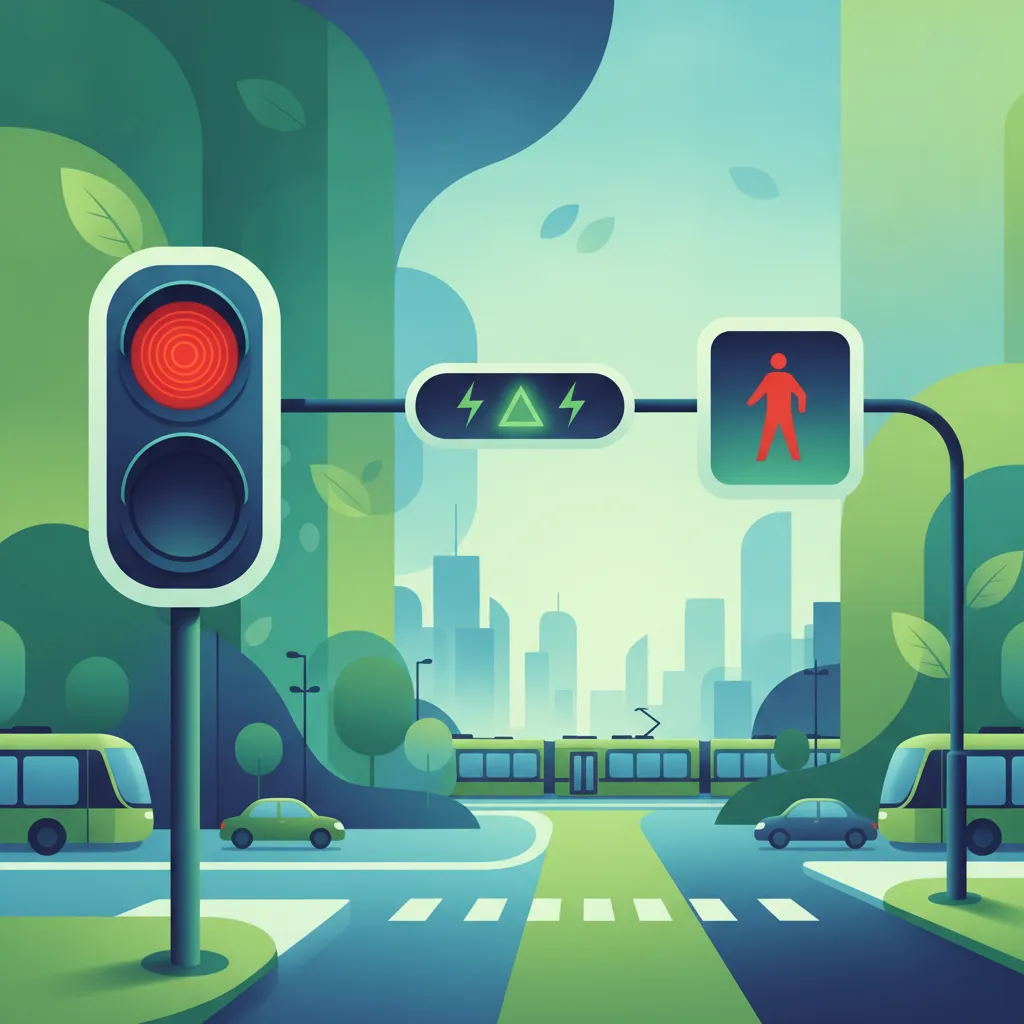
This lesson examines the operation of traffic light systems in Belgium, clarifying the meaning of red, amber, and green signals, including flashing lights and directional arrows. It details a motorcyclist's legal obligations when approaching and navigating signal-controlled intersections. The content also addresses specialized signals for pedestrians and trams that riders must recognize and respond to correctly.
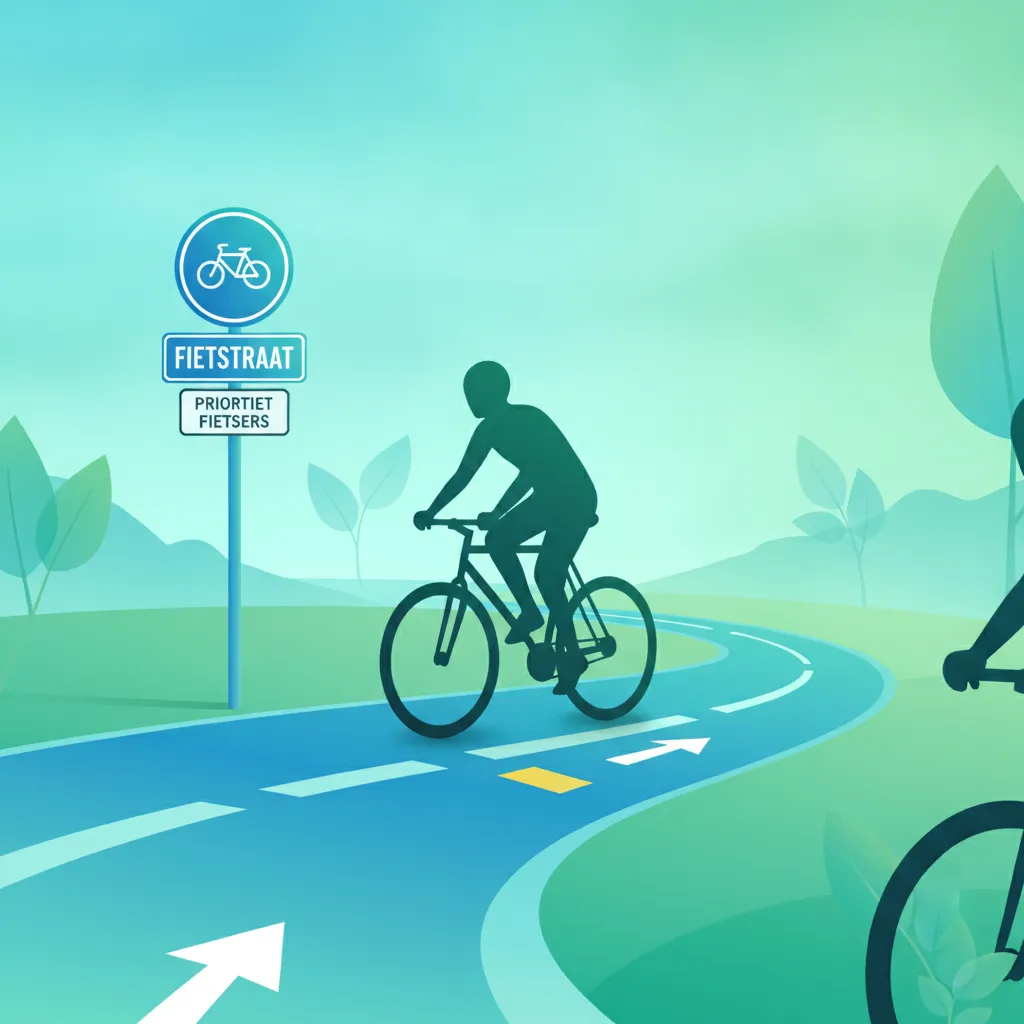
Cyclists are a significant part of Belgian traffic, and this lesson explores the rules and infrastructure that support safe cycling. Learners will study dedicated bicycle lanes, bicycle streets, and where cyclists have priority. The lesson also covers safe overtaking distances and the importance of anticipating cyclist movements.
Learn essential Belgian traffic laws and best practices for safely interacting with vulnerable road users including motorcyclists, pedestrians, cyclists, and children around school buses. This guide is vital for the Category B theory exam.
This lesson details a motorcyclist's obligations when approaching various types of crossings, including marked pedestrian and bicycle lanes. It emphasizes the legal requirement to yield to vulnerable road users and the importance of thorough visual checks before proceeding. You will learn how to maintain a safe distance and anticipate the movements of pedestrians and cyclists in urban areas.
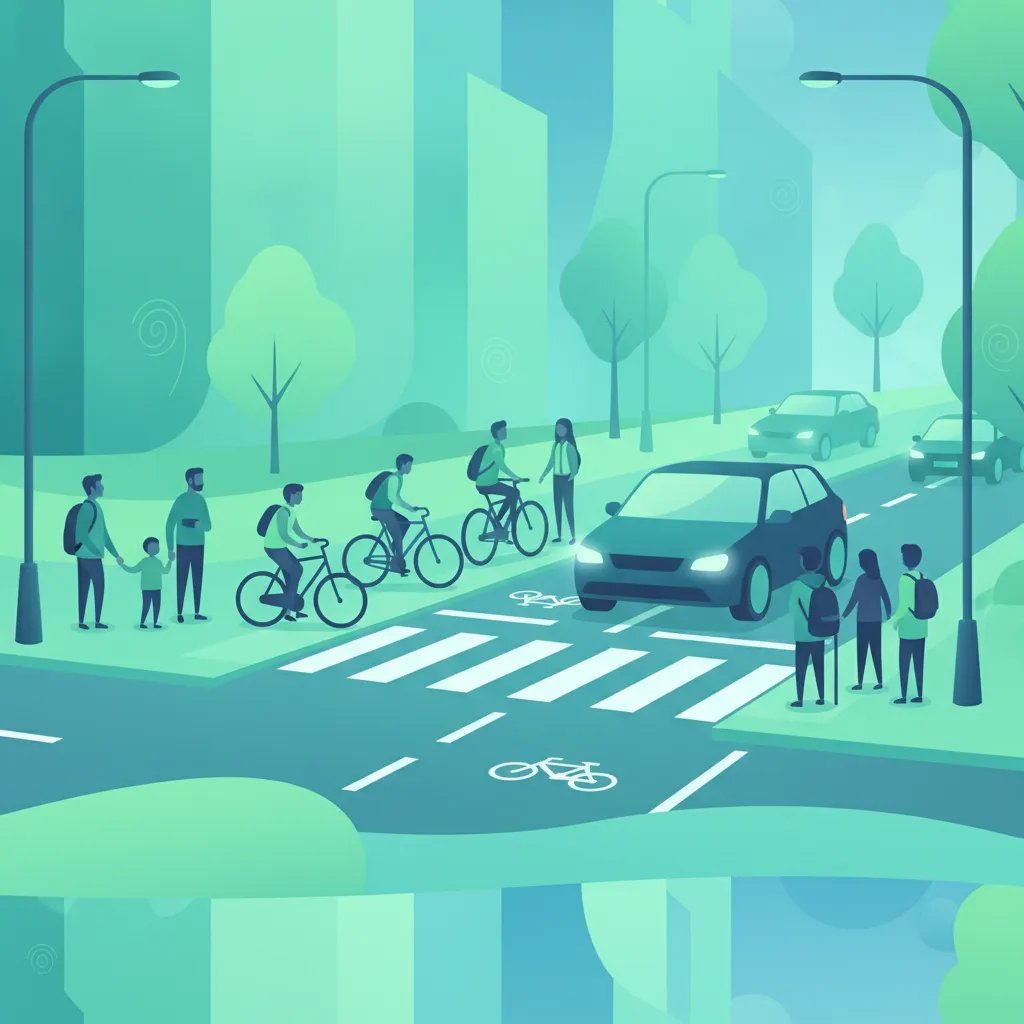
This lesson focuses on the heightened awareness required when approaching and traversing pedestrian and cyclist crossings. It clarifies the legal rules, including the absolute priority of pedestrians on zebra crossings, and the importance of reducing speed. Riders will learn how to anticipate the movements of these vulnerable road users and position their vehicle to ensure a safe interaction.
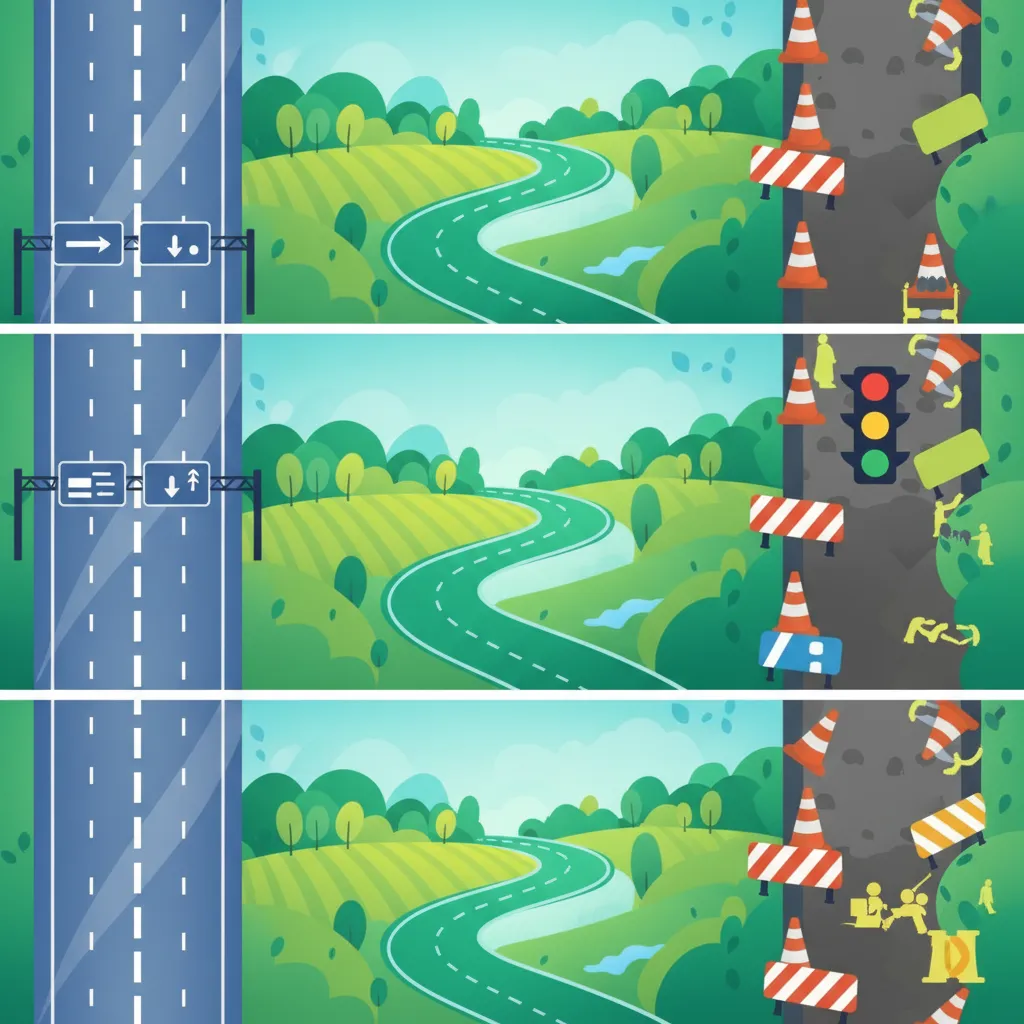
This lesson covers the specific challenges of driving on motorways, rural roads, and navigating roadworks. Learners will review lane discipline on high-speed roads and identify hazards common to rural roads, such as sharp bends and wildlife. It also explains the importance of adjusting speed and following temporary signage in construction zones.
This lesson addresses unique traffic environments and special zones commonly found in Belgian urban areas. It clarifies the specific regulations concerning tramways, including where trams have absolute priority, and the conditions under which motorcycles may use bus lanes. The lesson also explains how to identify and comply with restrictions in low-emission zones.
Cyclists are a significant part of Belgian traffic, and this lesson explores the rules and infrastructure that support safe cycling. Learners will study dedicated bicycle lanes, bicycle streets, and where cyclists have priority. The lesson also covers safe overtaking distances and the importance of anticipating cyclist movements.
This lesson focuses on the rules governing pedestrian crossings, including marked zebra crossings and signal-controlled crossings. Special attention is given to school zones and residential areas where pedestrian activity is high. Learners will understand how to recognize and respect pedestrian priority in various crossing scenarios to ensure their safety.
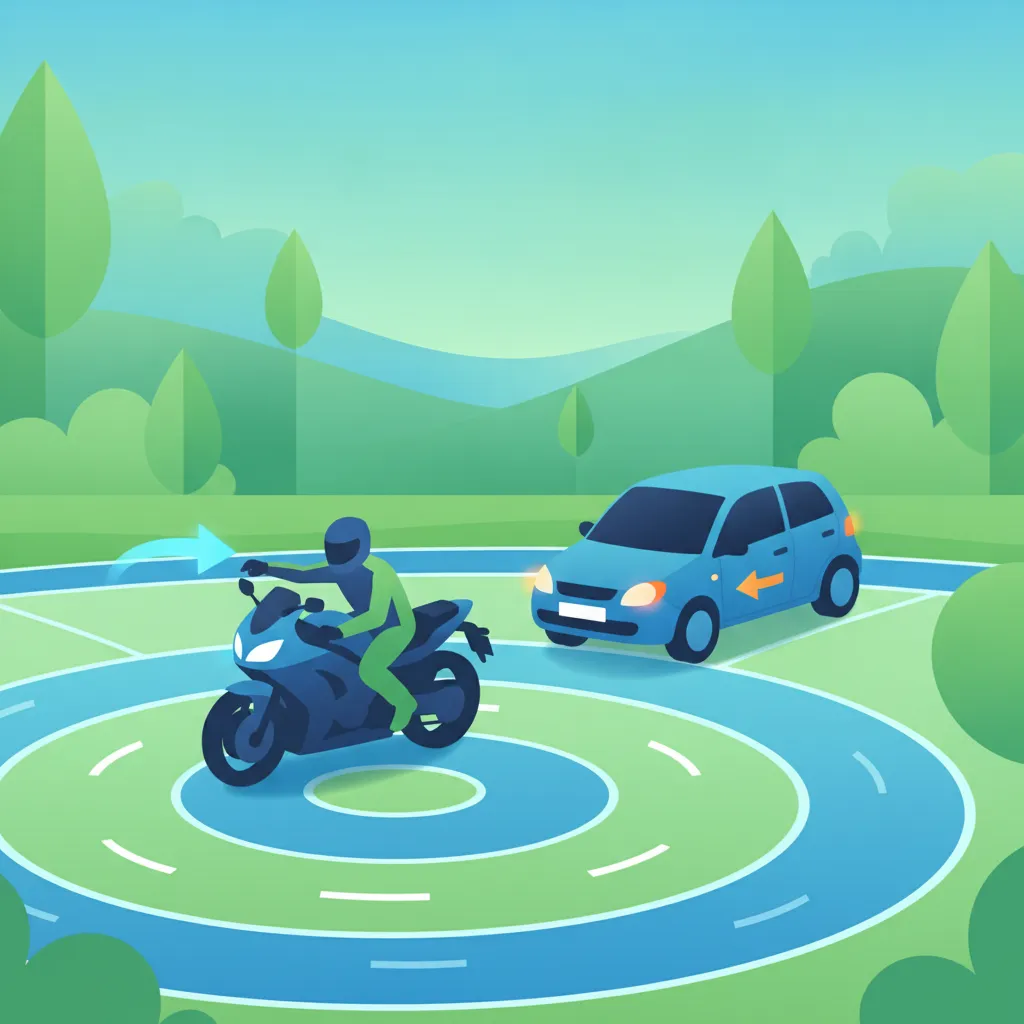
This lesson offers specific strategies for motorcyclists navigating roundabouts in Belgium. It covers the rules for entering the roundabout, including yielding to circulating traffic, and how to choose the correct lane for your intended exit. The content stresses the importance of clear signaling and maintaining awareness of other vehicles during entry and exit maneuvers.
This lesson teaches motorcyclists how to safely navigate mixed traffic environments that include cars, buses, and trams. It highlights the significant blind spots of larger vehicles and explains the absolute priority of trams on their tracks. You will learn the rules for sharing space with public transport and how to maintain safe distances when following or overtaking buses.
Find clear answers to common questions learners have about Interaction with Buses, Trams, and Other Vulnerable Users. Learn how the lesson is structured, which driving theory objectives it supports, and how it fits into the overall learning path of units and curriculum progression in Belgium. These explanations help you understand key concepts, lesson flow, and exam focused study goals.
Buses pulling away from a bus stop inside a built-up area have priority over you, provided they indicate their intention to move into traffic. You must slow down or stop to allow them to merge safely.
Generally, you should not drive on tram tracks unless it is necessary to perform a manoeuvre, such as turning left, and provided you do not obstruct the tram. Always check that no tram is approaching before entering the track area.
Dedicated bus lanes are reserved for buses, taxis, and sometimes cyclists. As a Category B driver, you are generally prohibited from driving in these lanes unless specific road signs indicate otherwise or you are turning at an intersection where the lane is marked for such turns.
When a school bus is stopped, you must be extra vigilant. If it is displaying specific hazard warning lights or indicators as it loads or unloads children, slow down significantly and be prepared to stop to prevent accidents with pedestrians.
Ready to focus your Belgian driving theory revision? Utilize our powerful search tool to pinpoint exact topics, road signs, or difficulty levels. Engage with practice questions that directly address your learning needs and solidify your understanding of Belgian traffic laws for your upcoming exam.