
This lesson guides you through the complexities of riding your motorcycle alongside larger vehicles and public transport in Belgium. You will learn to recognize the specific risks associated with buses and trams while mastering defensive strategies to ensure you remain visible and protected. This knowledge is essential for safely navigating urban environments in preparation for your A, A1, or A2 motorcycle theory test.
Lesson content overview
Navigating dense traffic environments is a fundamental skill for any motorcyclist, and this becomes even more crucial when sharing the road with larger public transport vehicles like buses and trams. Their significant size, distinct operating characteristics, and unique priority rules present specific challenges that demand heightened awareness and specific riding strategies. This lesson will equip you with the knowledge to safely manage these complex interactions, ensuring you can anticipate potential hazards and make informed decisions on Belgian roads.
Mixed traffic environments, particularly in urban areas, are dynamic and require constant vigilance. As a motorcyclist, you are more vulnerable due to your smaller size and less protective frame. Public transport vehicles like buses and trams are vital for urban mobility but introduce complexities for other road users. Buses are large and less agile than cars, possessing extensive blind spots and requiring more space for maneuvers. Trams operate on fixed tracks, making them entirely inflexible in their path and granting them absolute priority in most situations. Understanding these inherent differences is the first step towards safe coexistence.
Trams operate on dedicated tracks and are integral to Belgian urban transport. Their unique nature dictates a strict set of priority rules that all other road users, especially motorcyclists, must diligently follow.
Trams, by their very design, are confined to their tracks and cannot deviate from their path to avoid obstacles. They are heavy, have long stopping distances, and limited acceleration. This inherent lack of maneuverability is the primary reason why the Belgian traffic code grants them absolute priority at all times. This means that whether a tram is approaching an intersection, moving along a street, or even stopped at a tram stop, you must always give way to it. Failing to do so can lead to severe accidents, as a tram cannot suddenly swerve or stop to accommodate another vehicle.
Overtaking trams requires specific attention to rules to ensure safety for both the motorcyclist and potential tram passengers.
You must never overtake a tram from the left if you are in a one-way street, unless specific road markings or signs indicate otherwise. When a tram is stopped at a tram stop to pick up or drop off passengers, you must stop behind it and give way. You should only proceed once the tram has moved off and it is safe to do so. This rule protects pedestrians who may be boarding or alighting and crossing the street.
A common misunderstanding is assuming that a tram can be overtaken if it appears to be stopped or moving slowly. Even if a tram is stationary, its priority remains absolute. Always assume a tram may start moving or that passengers may cross the road unexpectedly. Maintain a safe distance and be prepared to stop.
Buses, similar to trams, are large public transport vehicles, but they share the road more directly with other traffic. They also have specific rules and characteristics that motorcyclists must be acutely aware of.
In Belgium, buses are granted special priority when they signal their intention to turn right, especially when leaving a bus stop or changing lanes to prepare for a turn. Specifically, a bus indicating a right turn at an intersection or junction has priority over other vehicles (including motorcyclists) that are also turning into the same road or proceeding straight. This rule is designed to help buses re-enter the flow of traffic smoothly and safely, given their size and the difficulty their drivers might have seeing smaller vehicles.
Always be prepared to yield to a bus that indicates a right turn, especially at intersections. Look for the bus's turn signal and anticipate its movement, even if you normally would have the right of way.
One of the most significant hazards when riding near buses is their extensive blind spots. These are areas around the vehicle that the driver cannot see, even with well-adjusted mirrors. Due to their height and length, buses have much larger blind spots than standard cars.
Key blind spot areas for buses include:
As a motorcyclist, it is critical to assume that if you cannot see the bus driver's face in their mirror, they likely cannot see you. Avoid lingering in these blind spot zones, especially when the bus is moving, signaling a turn, or preparing to pull away from a stop. The longer you spend in a blind spot, the higher the risk of a collision if the bus driver makes an unexpected maneuver.
Maintaining an adequate safe following distance is paramount when trailing any vehicle, but it becomes even more critical behind a bus. While the general rule for cars is a minimum 3-second gap, for buses, this should be extended to at least 4 seconds.
This increased distance is necessary for several reasons:
To estimate your following distance, pick a fixed point on the road (e.g., a lamppost). When the rear of the bus passes that point, start counting "one-thousand-one, one-thousand-two, one-thousand-three, one-thousand-four." If your front wheel reaches the point before you finish counting, you are too close. Increase this distance further in adverse weather conditions like rain, fog, or icy roads.
Overtaking a bus must always be done with extreme caution. The primary rule is to only overtake a bus on its left side.
Never attempt to overtake a bus on its right side. This is highly dangerous and often illegal because:
When preparing to overtake on the left, ensure you have clear visibility of the road ahead, sufficient space to complete the maneuver safely, and that the bus is not signaling a turn or preparing to stop. Complete the overtake smoothly and efficiently, returning to your lane only when you can see the entire front of the bus in your rear-view mirror.
In many urban areas, dedicated lanes or priority lanes are reserved exclusively for public transport vehicles like buses and sometimes trams. These lanes are usually marked with specific road signs and markings.
Motorcyclists are generally prohibited from using these lanes unless signage explicitly permits it. Always check local signage and road markings. Entering a dedicated bus lane when not permitted can result in fines and creates a dangerous situation where faster-moving public transport vehicles may not expect other traffic.
Beyond specific rules for trams and buses, several overarching safety principles apply to all mixed traffic situations, enhancing your ability to ride defensively and minimize risk.
Defensive riding is your best asset in mixed traffic. Always assume that other road users may not see you or anticipate your actions.
Adverse weather and poor light conditions significantly amplify the challenges of mixed traffic.
The nature of mixed traffic changes between urban and rural environments.
Being aware of common pitfalls can help you proactively avoid dangerous situations.
Mistake: Continuously monitoring a bus’s mirrors for its turn signal or assuming a bus will always signal clearly. Reality: Bus drivers often have multiple mirrors, and their signals might be hard to see from certain angles, especially if you are too close. Buses, due to their size, might also drift slightly before making a sharp turn or brake unexpectedly for passengers or unforeseen obstacles. Correct Behavior: Observe the overall motion of the bus, including its road position, speed changes, and the direction its wheels are turning, in addition to its signals. Anticipate stops and turns, and maintain sufficient distance to react to any sudden changes.
Mistake: Continuing to ride without stopping when a tram is stopped at a tram stop, assuming it won't move, or that you have priority. Reality: Trams have absolute priority. Even when they are stopped to load passengers, they maintain this priority, and pedestrians might be crossing. Attempting to pass a stopped tram from the wrong side or without yielding creates extreme danger. Correct Behavior: Always give way to trams. When a tram is stopped at a tram stop, stop behind it and wait for it to move off and for the path to be clear. Never overtake a tram from the right, and be extremely cautious when overtaking from the left in a one-way street, ensuring no passengers are crossing.
Mistake: Lingering in the blind spot of a bus or other large vehicle, believing you are visible. Reality: Large vehicles have significant blind spots where a driver cannot see smaller vehicles. If you cannot see the driver's face in their side mirrors, assume they cannot see you. Remaining in a blind spot for any length of time puts you at extreme risk if the driver changes lanes, turns, or brakes suddenly. Correct Behavior: Actively work to stay out of blind spots. Either ride ahead of the blind spot where you are visible in the driver's direct line of sight or drop back to a safe following distance where you are visible in their mirrors. Be particularly vigilant when passing, ensuring you move through the blind spot as quickly and safely as possible.
This lesson covers the critical skills for motorcyclists sharing Belgian roads with public transport. Trams have absolute priority at all times, meaning you must always yield to them, even when stopped at tram stops. Buses are granted special priority when signaling right turns, requiring you to watch for their signals and be prepared to yield. Large vehicles like buses have extensive blind spots in front, alongside, and behind - if you cannot see the driver's face in their mirrors, they cannot see you. Always overtake buses on the left only, maintain a 4-second following distance (longer in bad weather), and avoid dedicated bus lanes unless explicitly permitted. Defensive riding strategies, including looking far ahead and maintaining escape paths, are essential for safe navigation in mixed traffic environments.
A short set of high-value points that capture the most important learning from this lesson.
Trams have absolute priority at all times, even when stopped at a tram stop - you must always give way and wait for them to move off before proceeding.
Buses signaling a right turn have priority over other vehicles, including motorcyclists turning into the same road, so always be prepared to yield.
Only overtake buses on the left side - overtaking on the right is dangerous due to passenger doors and restricted driver visibility.
If you cannot see the bus driver's face in their mirror, assume they cannot see you and you are in a blind spot.
Maintain a 4-second following distance behind buses (longer than the standard 3-second gap for cars) to account for their longer stopping distances.
Explore all units and lessons included in this driving theory course.
Tram priority is absolute and unconditional - never assume you can pass a stationary tram or that it won't move suddenly.
Bus blind spots extend directly in front, alongside (especially the right/passenger side), and behind the vehicle for several meters.
Dedicated bus and tram lanes are generally off-limits to motorcycles unless signage explicitly permits entry.
A 4-second gap behind buses allows for their heavy weight, sudden stops for passengers, and gives you an escape route if needed.
Never linger in a large vehicle's blind spot - either move ahead where you're visible or drop back to a safe distance.
Assuming a stopped tram can be overtaken because it appears stationary - its absolute priority remains regardless of whether it is moving.
Attempting to overtake a bus on the right side, not realizing the danger from passenger doors, bus stops, and the driver's restricted view on that side.
Failing to recognize bus right-turn priority and proceeding when the bus is signaling, leading to conflicts at intersections.
Staying in a bus's blind spot because the motorcyclist believes they are visible in the mirrors when they are not.
Not extending following distance in adverse weather, which is especially critical behind large vehicles with longer stopping distances.
Lesson content overview
A short set of high-value points that capture the most important learning from this lesson.
Trams have absolute priority at all times, even when stopped at a tram stop - you must always give way and wait for them to move off before proceeding.
Buses signaling a right turn have priority over other vehicles, including motorcyclists turning into the same road, so always be prepared to yield.
Only overtake buses on the left side - overtaking on the right is dangerous due to passenger doors and restricted driver visibility.
If you cannot see the bus driver's face in their mirror, assume they cannot see you and you are in a blind spot.
Maintain a 4-second following distance behind buses (longer than the standard 3-second gap for cars) to account for their longer stopping distances.
Explore all units and lessons included in this driving theory course.
Tram priority is absolute and unconditional - never assume you can pass a stationary tram or that it won't move suddenly.
Bus blind spots extend directly in front, alongside (especially the right/passenger side), and behind the vehicle for several meters.
Dedicated bus and tram lanes are generally off-limits to motorcycles unless signage explicitly permits entry.
A 4-second gap behind buses allows for their heavy weight, sudden stops for passengers, and gives you an escape route if needed.
Never linger in a large vehicle's blind spot - either move ahead where you're visible or drop back to a safe distance.
Assuming a stopped tram can be overtaken because it appears stationary - its absolute priority remains regardless of whether it is moving.
Attempting to overtake a bus on the right side, not realizing the danger from passenger doors, bus stops, and the driver's restricted view on that side.
Failing to recognize bus right-turn priority and proceeding when the bus is signaling, leading to conflicts at intersections.
Staying in a bus's blind spot because the motorcyclist believes they are visible in the mirrors when they are not.
Not extending following distance in adverse weather, which is especially critical behind large vehicles with longer stopping distances.
Explore search topics learners often look for when studying Managing Mixed Traffic with Cars, Buses, and Trams. These topics reflect common questions about road rules, driving situations, safety guidance, and lesson level theory preparation for learners in Belgium.
Browse additional driving theory lessons that cover connected traffic rules, road signs, and common driving situations related to this topic. Improve your understanding of how different rules interact across everyday traffic scenarios.
Learn the specific Belgian traffic rules for motorcyclists interacting with buses and trams. Understand tram priority, bus blind spots, overtaking procedures, and safe following distances to navigate mixed traffic environments effectively.
This lesson examines the interactions between private vehicles and public transport, focusing on buses and trams. Learners will understand the priority rules for these vehicles, recognizing dedicated lanes and stopping positions. Special considerations for motorcyclists, school buses, and other vulnerable users are also discussed to ensure safe coexistence.
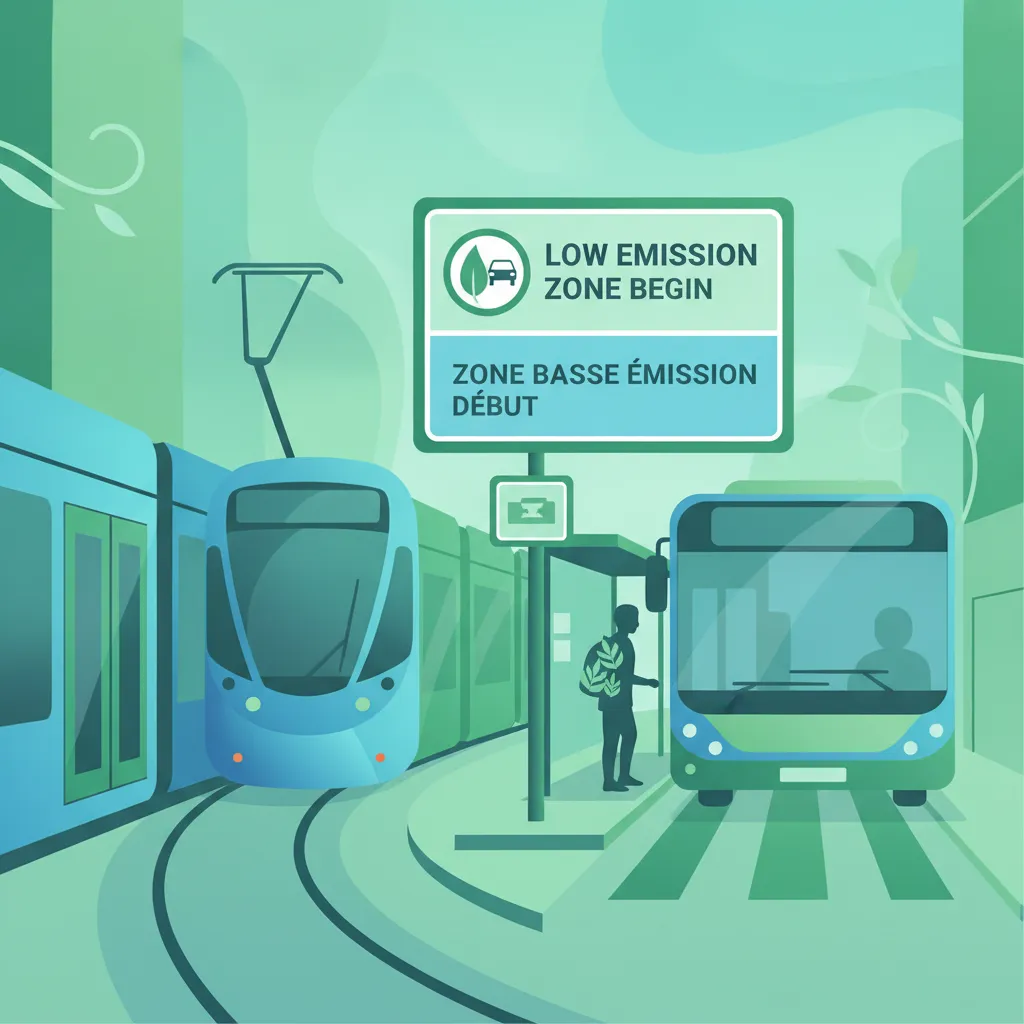
This lesson addresses unique traffic environments and special zones commonly found in Belgian urban areas. It clarifies the specific regulations concerning tramways, including where trams have absolute priority, and the conditions under which motorcycles may use bus lanes. The lesson also explains how to identify and comply with restrictions in low-emission zones.
This lesson examines the operation of traffic light systems in Belgium, clarifying the meaning of red, amber, and green signals, including flashing lights and directional arrows. It details a motorcyclist's legal obligations when approaching and navigating signal-controlled intersections. The content also addresses specialized signals for pedestrians and trams that riders must recognize and respond to correctly.
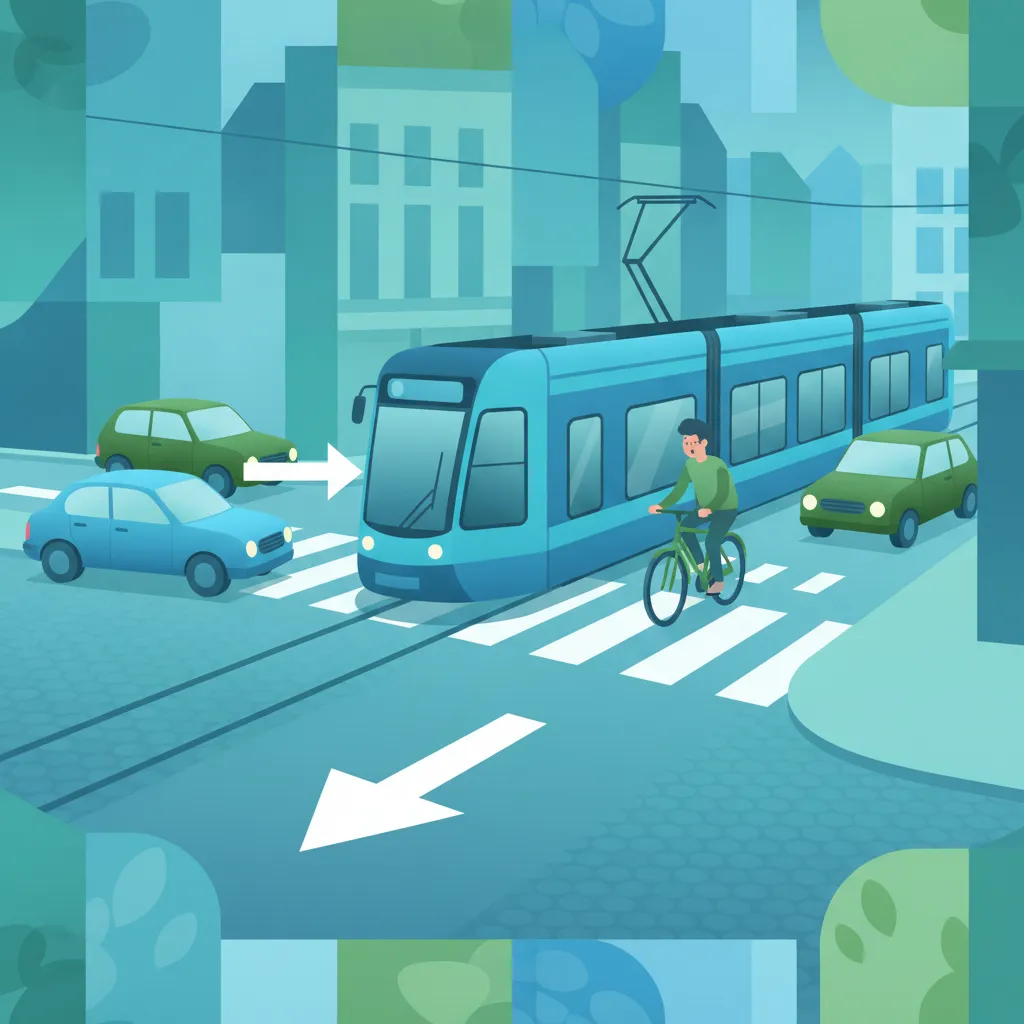
This lesson delves into the complex priority rules that govern Belgian roadways, with a strong focus on the default 'priority from the right' principle. It explains how to interpret priority signs, such as 'give way' and 'stop', and apply the correct right-of-way at various types of junctions. You will learn the hierarchy of road users and the specific rules for yielding in different traffic scenarios.
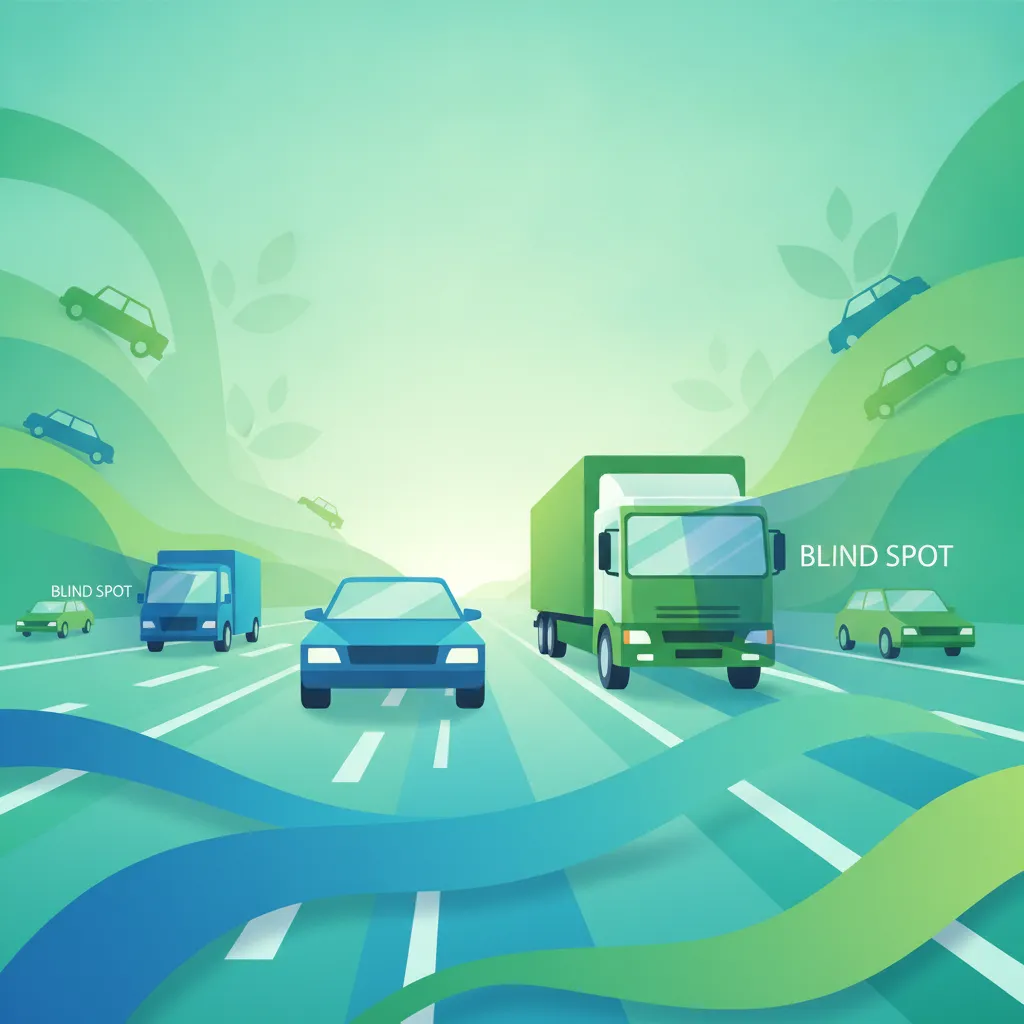
This lesson focuses on recognizing and staying out of the blind spots of other vehicles, especially large trucks and buses where 'no-zones' are significant. It provides practical strategies for managing your position on the road to ensure you remain visible to other drivers at all times. You will learn to anticipate lane changes and other maneuvers from vehicles that may not be aware of your presence.
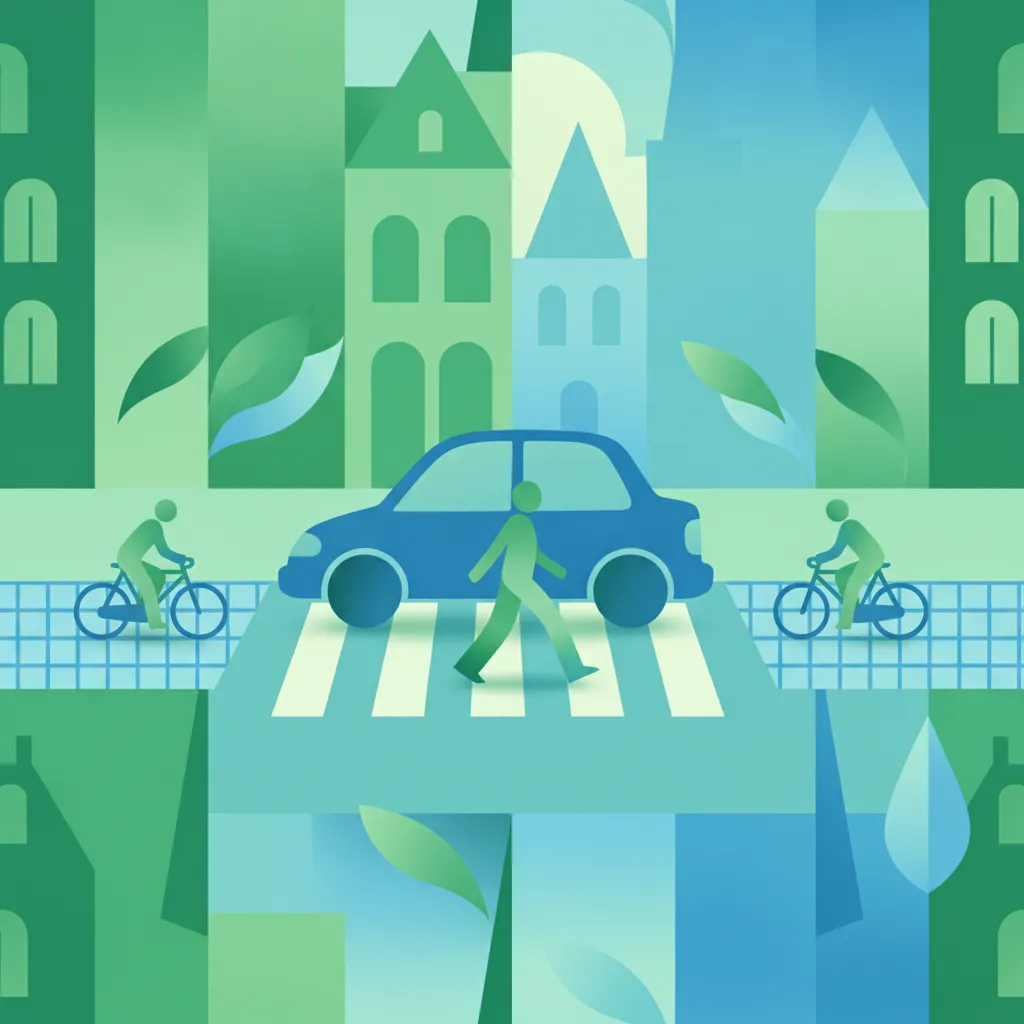
This lesson details a motorcyclist's obligations when approaching various types of crossings, including marked pedestrian and bicycle lanes. It emphasizes the legal requirement to yield to vulnerable road users and the importance of thorough visual checks before proceeding. You will learn how to maintain a safe distance and anticipate the movements of pedestrians and cyclists in urban areas.
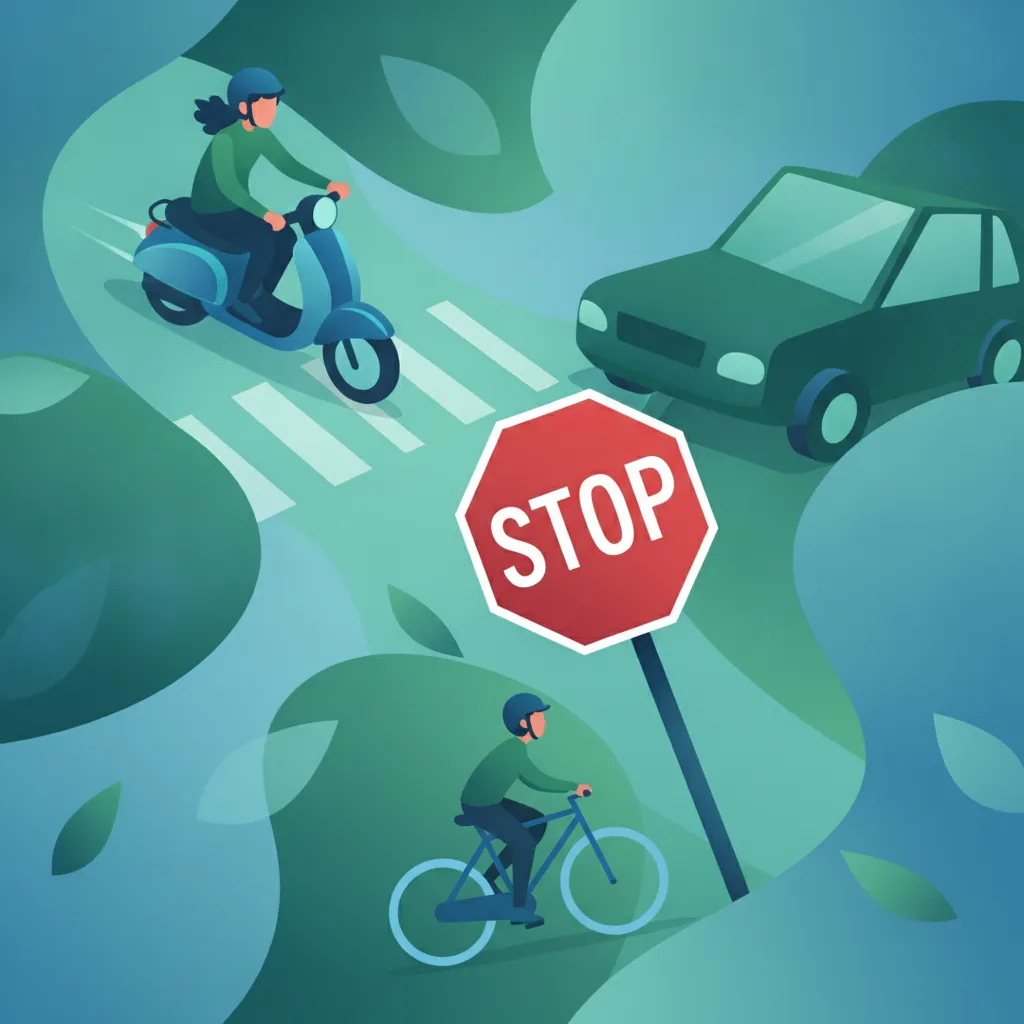
This lesson introduces the core principles of priority that govern traffic flow in Belgium, with a primary focus on the 'priority from the right' rule. It explains how to identify priority roads indicated by signs and how to act at uncontrolled intersections where the default rule applies. Understanding these rules is critical for AM riders to navigate junctions, intersections, and roundabouts safely and without conflict.
This lesson focuses on the rules governing pedestrian crossings, including marked zebra crossings and signal-controlled crossings. Special attention is given to school zones and residential areas where pedestrian activity is high. Learners will understand how to recognize and respect pedestrian priority in various crossing scenarios to ensure their safety.
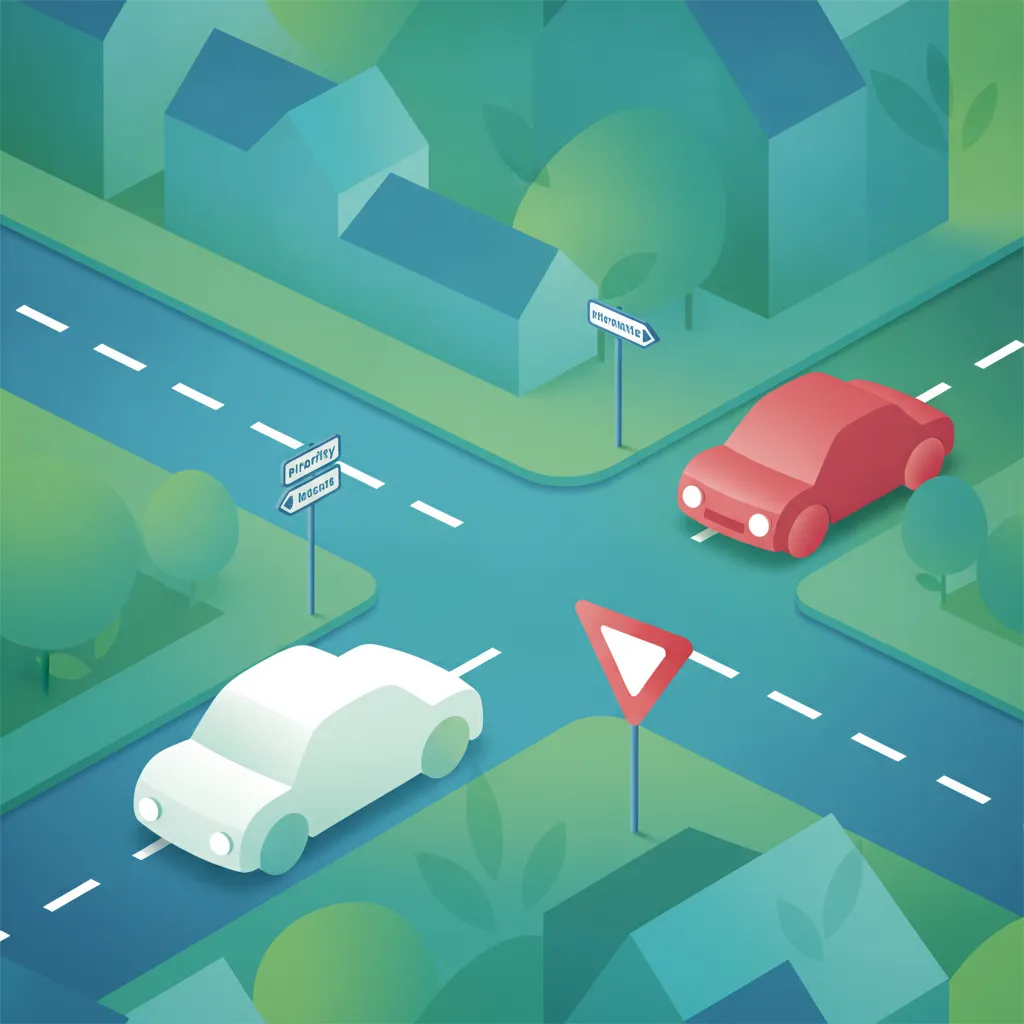
This lesson focuses on the distinction between the default priority from the right and designated priority roads, explaining how drivers should yield or proceed. Learners will discover the specific signs that indicate a priority road and when that priority ends. Understanding these concepts is essential for predictable and safe road use at intersections.
This lesson explains the concept of strategic road positioning to enhance safety and visibility. It teaches riders how to select the best position within a lane to be seen by other drivers and to have a good view of the road ahead. A key focus is on identifying and staying out of the large blind spots of cars, vans, and trucks to prevent dangerous situations.
Master strategies for maintaining visibility and avoiding dangerous blind spots when riding a motorcycle around buses and trams in Belgium. This lesson focuses on hazard perception and safe positioning in mixed traffic situations.
This lesson focuses on recognizing and staying out of the blind spots of other vehicles, especially large trucks and buses where 'no-zones' are significant. It provides practical strategies for managing your position on the road to ensure you remain visible to other drivers at all times. You will learn to anticipate lane changes and other maneuvers from vehicles that may not be aware of your presence.
This lesson explains the concept of strategic road positioning to enhance safety and visibility. It teaches riders how to select the best position within a lane to be seen by other drivers and to have a good view of the road ahead. A key focus is on identifying and staying out of the large blind spots of cars, vans, and trucks to prevent dangerous situations.
This lesson addresses unique traffic environments and special zones commonly found in Belgian urban areas. It clarifies the specific regulations concerning tramways, including where trams have absolute priority, and the conditions under which motorcycles may use bus lanes. The lesson also explains how to identify and comply with restrictions in low-emission zones.
This lesson focuses on techniques and equipment designed to enhance a rider's visibility on the road. It covers the effective use of reflective materials on clothing and the motorcycle itself, as well as the legal requirements for lighting under Belgian law. You will learn strategies to improve your conspicuity during the day, at night, and in adverse weather conditions.
This lesson explains how clothing choices significantly enhance a rider's visibility to other road users. It details the benefits of wearing bright, fluorescent colors for daytime conspicuity and the function of retro-reflective materials for nighttime safety. The content provides practical guidance on selecting appropriate apparel and maintaining its reflective properties to ensure maximum effectiveness.
This lesson examines the interactions between private vehicles and public transport, focusing on buses and trams. Learners will understand the priority rules for these vehicles, recognizing dedicated lanes and stopping positions. Special considerations for motorcyclists, school buses, and other vulnerable users are also discussed to ensure safe coexistence.
This lesson focuses on the unique hazards associated with riding after dark. It emphasizes the importance of a fully functional lighting system and the use of reflective gear to be seen by others. The content explains how darkness affects depth perception and peripheral vision, requiring riders to reduce their speed to compensate for shorter sight distances and potential fatigue.

This lesson focuses on the specific challenges of riding in adverse conditions such as rain, fog, and darkness, which severely reduce visibility. It provides practical strategies for riders to increase their own conspicuity through the use of lights and reflective gear. The content also explains how to adapt riding behavior, such as reducing speed and increasing following distance, to safely manage these high-risk situations.
This lesson examines the operation of traffic light systems in Belgium, clarifying the meaning of red, amber, and green signals, including flashing lights and directional arrows. It details a motorcyclist's legal obligations when approaching and navigating signal-controlled intersections. The content also addresses specialized signals for pedestrians and trams that riders must recognize and respond to correctly.
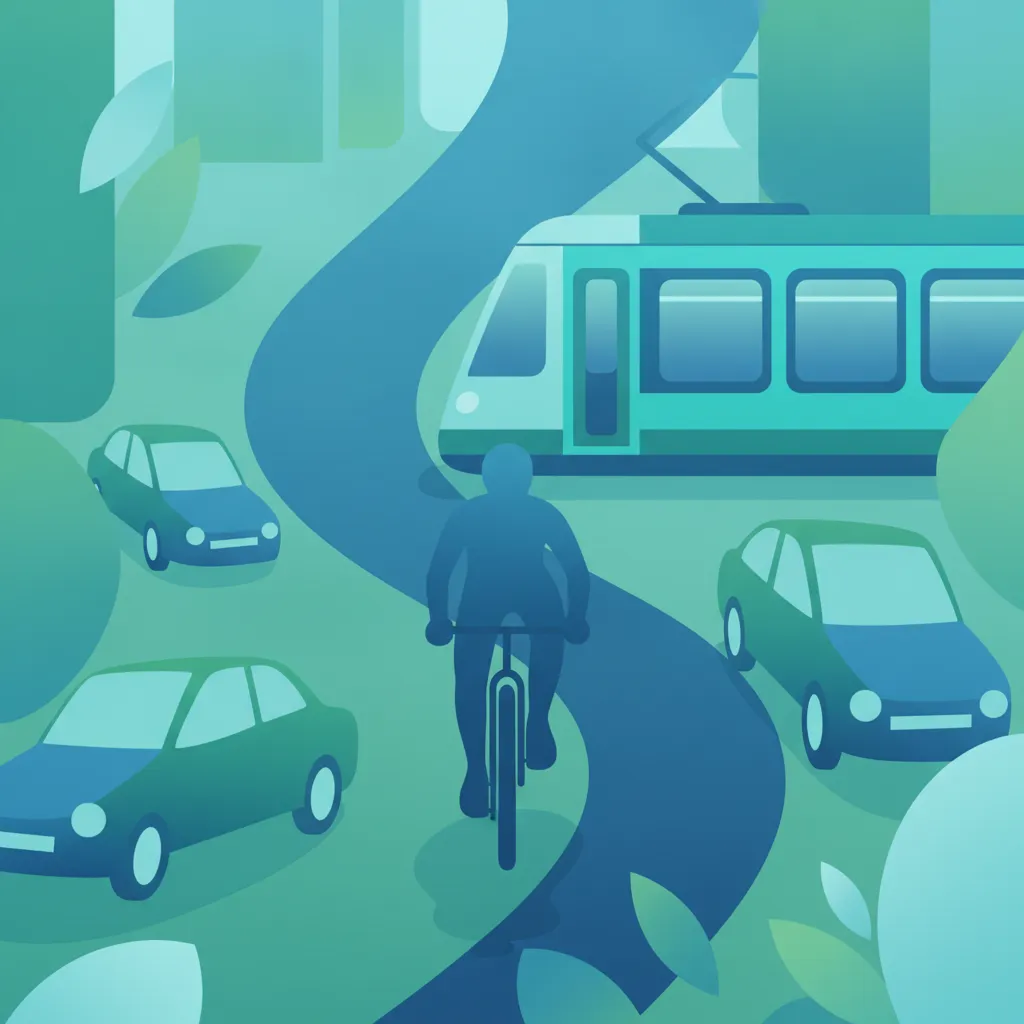
This lesson explores the unique challenges presented by dense urban environments, including riding in heavy traffic and navigating narrow streets. It provides strategies for positioning your motorcycle to avoid the 'dooring zone' of parked cars and to maintain visibility. You will learn defensive riding techniques to anticipate sudden actions from other drivers in congested conditions.
Find clear answers to common questions learners have about Managing Mixed Traffic with Cars, Buses, and Trams. Learn how the lesson is structured, which driving theory objectives it supports, and how it fits into the overall learning path of units and curriculum progression in Belgium. These explanations help you understand key concepts, lesson flow, and exam focused study goals.
In Belgium, trams are generally considered to have priority if they are on a dedicated track, even if they are coming from the left, unless a specific road sign or traffic light indicates otherwise. Always assume the tram will not stop for you and provide them with the necessary space.
In built-up areas, if a bus indicates its intention to pull out from a designated stop, you are required to facilitate its movement if it is safe to do so. Slow down and be prepared to yield, as the bus often has priority in this specific maneuver.
Avoid overtaking a bus if it is approaching a stop or if there is not enough visibility. When safe, ensure you have a clear view ahead, maintain a steady speed, and stay out of the bus driver's blind spot during the entire maneuver.
Trams are physically constrained to their tracks and cannot steer away from you. Riding too close to or crossing tram tracks at an angle can cause your tires to lose grip, especially in wet weather, leading to dangerous slides.
Ready to focus your Belgian driving theory revision? Utilize our powerful search tool to pinpoint exact topics, road signs, or difficulty levels. Engage with practice questions that directly address your learning needs and solidify your understanding of Belgian traffic laws for your upcoming exam.