
This lesson details the specific traffic regulations governing cyclists and bicycle streets in Belgium, a crucial topic for your Category B theory exam. You will learn how to identify specialized infrastructure and apply the correct road etiquette to share the road safely with vulnerable users. Understanding these rules is essential for both your theoretical test and your future practical driving.
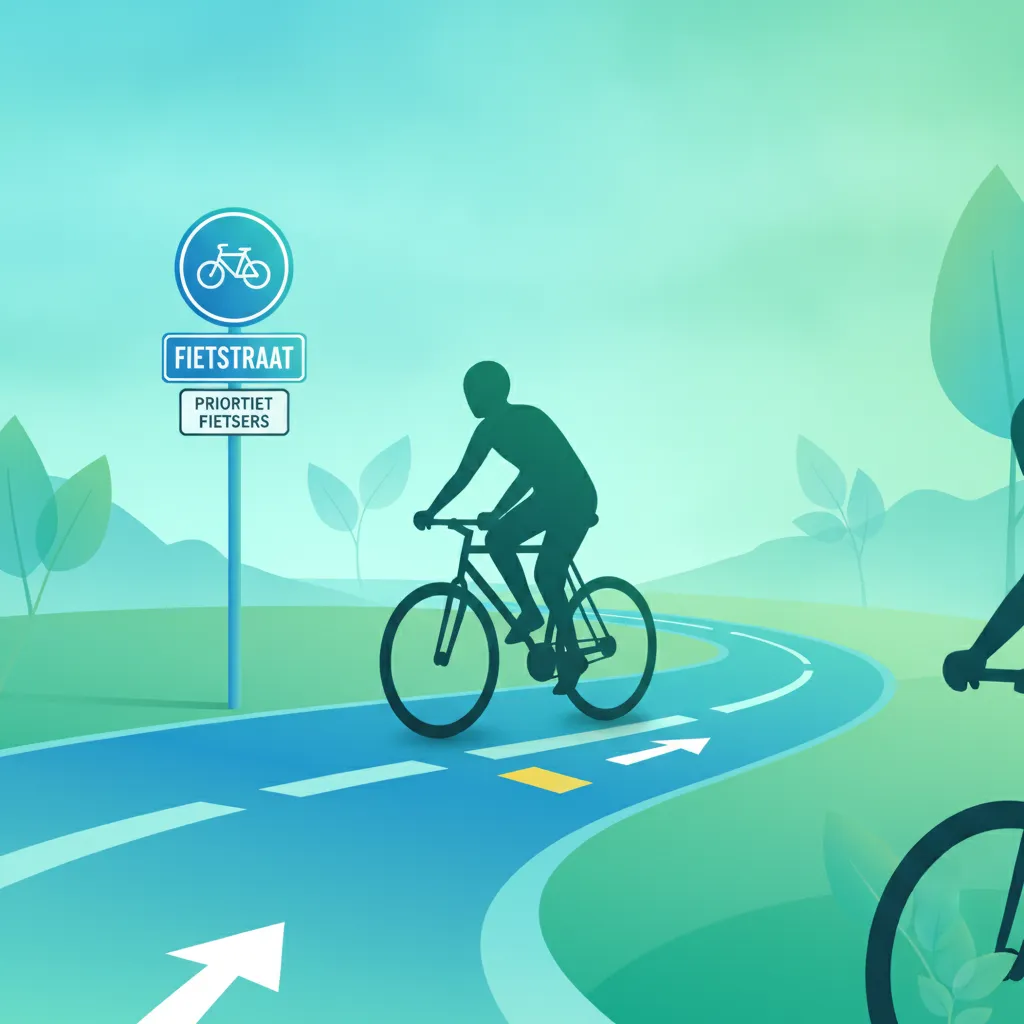
Lesson content overview
As a driver in Belgium, understanding how to safely interact with cyclists is not just a matter of courtesy, but a fundamental aspect of road safety and legal compliance. Cyclists are a ubiquitous presence in Belgian traffic, making the knowledge of dedicated infrastructure and specific priority rules essential for obtaining your Belgian Category B driving licence and ensuring smooth, accident-free journeys. This comprehensive lesson will equip you with the crucial knowledge needed to share the road safely and confidently with cyclists, from dedicated lanes to complex intersection scenarios.
Cyclists, like pedestrians, are considered vulnerable road users. This designation reflects their heightened risk in the event of a collision compared to occupants of motor vehicles, due to their lack of protective structure. Recognizing this inherent vulnerability is the foundation for responsible driving behaviour and underlies many of the specific traffic regulations concerning cyclists in Belgium.
The goal of these regulations and the development of dedicated cycling infrastructure is to enhance the safety of cyclists, encourage sustainable transportation, and reduce the potential for severe injuries or fatalities in traffic accidents. As a driver, your vigilance and adherence to these rules play a direct role in protecting these vulnerable individuals.
Belgium has invested significantly in creating infrastructure to support and protect cyclists. This includes various types of bicycle lanes and specialized bicycle streets, each with its own set of rules and implications for motor vehicle drivers. Understanding these different forms of infrastructure is paramount for safe navigation.
Bicycle lanes, known as fietspaden in Dutch, are specifically designated parts of the road network intended exclusively or primarily for bicycle traffic. They are critical for separating cyclists from faster or heavier motor vehicles, thereby enhancing safety.
A bicycle lane is typically marked on the road surface with a white bicycle symbol, often accompanied by a white or green surface colour. These lanes can vary in their degree of separation from the main carriageway for motor vehicles. It is crucial for drivers to identify and respect these lanes.
A designated part of the road surface, marked with a white bicycle symbol and often a white or green colour, intended exclusively or primarily for bicycle traffic.
Drivers of motor vehicles have strict obligations regarding bicycle lanes:
Ignoring bicycle lanes by driving, parking, or stopping in them not only creates a hazard for cyclists but is also a legal violation that can lead to significant fines.
Bicycle streets, or fietsstraten in Dutch, represent a unique concept in Belgian traffic law designed to give absolute priority and a safe environment to cyclists. These streets are easily identifiable by specific signage at their entry and exit points.
A bicycle street is a street where cyclists are considered the primary users. This means motor vehicles are permitted, but they must adapt their behaviour entirely to the presence and priority of cyclists. The primary purpose is to ensure a continuous and safe flow for cyclists.
When driving on a fietsstraat, you must adhere to several critical rules:
Consider bicycle streets as zones where you are a guest in the cyclists' domain. Your driving style should reflect extreme caution and deference to cyclists.
A street primarily designed for cyclists, where motor vehicles are permitted but must yield priority to cyclists and adhere to a reduced speed limit (typically 30 km/h).
The principle of priority for cyclists is a cornerstone of Belgian traffic law, particularly given their vulnerability. Drivers must understand when and where cyclists have the right-of-way.
A frequent misconception among drivers is that cyclists must always yield to motor vehicles, especially at intersections or when merging. This is incorrect and dangerous. Cyclists, particularly when operating within their dedicated infrastructure or proceeding straight at an intersection, often have priority. Always assume a cyclist might have priority and drive defensively.
Overtaking cyclists requires particular care and adherence to specific minimum distances to ensure their safety. Insufficient space during overtaking is a significant cause of accidents.
When overtaking a cyclist in Belgium, motor vehicle drivers must maintain a minimum lateral safety distance.
Overtaking a cyclist is not always permissible, even if you can theoretically maintain the minimum distance. You must only overtake when:
Never overtake a cyclist if it means crossing a solid white line where overtaking is prohibited, or if you must enter an opposing traffic lane without clear visibility.
Intersections and junctions are points of high risk for cyclists due to the convergence of multiple traffic flows and potential conflicts with turning vehicles. Specific rules and heightened awareness are crucial here.
One common point of confusion is cyclists' interaction with traffic signals. In Belgium, some intersections are designed to allow cyclists to proceed under specific conditions even when the main traffic light is red for motor vehicles.
When you are turning at an intersection, you must be extremely cautious of cyclists who may be continuing straight, or even turning in the same direction.
Look Twice (or Thrice): Actively scan for cyclists, especially before turning. Check blind spots thoroughly.
Signal Early: Clearly indicate your intentions well in advance to give cyclists time to react.
Yield When Necessary: Always yield to cyclists who have priority, particularly when turning across their path.
Anticipate Movements: Be aware that cyclists can change direction quickly or may not always follow predictable lines.
Adhering to rules concerning cyclists is not only about safety but also about legal responsibility. Violations can lead to significant penalties, emphasizing the serious nature of these regulations.
Drivers who fail to respect cyclist rules risk committing various violations:
Understanding these rules and diligently applying them prevents accidents, protects vulnerable road users, and ensures you remain compliant with Belgian traffic law.
Safe interaction with cyclists requires more than just knowing the rules; it demands adaptability to varying conditions. Different environments and circumstances can amplify risks, requiring drivers to exercise even greater caution.
While cyclists are generally expected to follow traffic rules, their behaviour can sometimes be unpredictable due to road conditions, obstacles, or even lack of experience.
Always anticipate the unexpected. A defensive driving mindset, assuming cyclists might not see you or might make an unpredictable move, is your best defence against accidents.
Successfully navigating Belgian roads requires a thorough understanding of how to interact safely with cyclists. They are vulnerable road users who benefit from dedicated infrastructure and specific priority rules designed to protect them. Drivers must recognize and respect bicycle lanes (fietspaden) and bicycle streets (fietsstraten), yielding priority where appropriate. Maintaining a safe overtaking distance of at least 1.5 meters (2 meters at higher speeds) is non-negotiable. Furthermore, extreme vigilance is required at intersections and junctions, where cyclists may have priority or be permitted to proceed under specific traffic light conditions. By internalizing these rules and maintaining a proactive, anticipatory driving style, you contribute to a safer, more efficient road network for everyone in Belgium.
This lesson covers the essential rules for drivers interacting with cyclists on Belgian roads, focusing on vulnerable road user status, dedicated cycling infrastructure (fietspaden and fietsstraten), and priority rules. Key requirements include maintaining at least 1.5 metres when overtaking cyclists (2 metres at higher speeds), respecting a maximum 30 km/h limit on bicycle streets, and never obstructing marked bicycle lanes. At intersections, drivers must yield to cyclists proceeding straight or using permitted cyclist traffic signal phases, and should anticipate unpredictable cyclist movements. Understanding these rules is critical for both the Category B theory exam and safe practical driving in Belgium.
A short set of high-value points that capture the most important learning from this lesson.
Cyclists are classified as vulnerable road users in Belgium, meaning they receive special priority protections and drivers must exercise heightened caution.
Bicycle streets (fietsstraten) require motor vehicles to yield priority to cyclists and adhere to a maximum speed of 30 km/h.
When overtaking cyclists, drivers must maintain at least 1.5 metres lateral distance, increasing to 2 metres at higher speeds outside built-up areas.
Drivers must never drive, park, or stop in marked bicycle lanes unless explicitly permitted by signage.
At intersections, cyclists may proceed straight or turn right on red if a supplementary bicycle sign is present, and turning vehicles must always yield to cyclists proceeding straight.
Explore all units and lessons included in this driving theory course.
Fietspad = bicycle lane (marked with bicycle symbol, cyclists have priority); Fietsstraat = bicycle street (cyclists are primary users, max 30 km/h).
Minimum overtaking distance from cyclists is 1.5m normally, 2m at higher speeds.
Bicycle streets prohibit overtaking cyclists unless it can be done safely without hindering them.
When turning across a bicycle lane or cyclist's path, always yield and check blind spots thoroughly.
Cyclists on dedicated infrastructure often have priority over turning motor vehicles at intersections.
Assuming cyclists must always yield to motor vehicles, when in fact cyclists on dedicated infrastructure often have priority.
Attempting to overtake a cyclist by squeezing past without maintaining the required 1.5m minimum lateral distance.
Failing to check blind spots before turning right, risking collision with cyclists approaching in a bicycle lane.
Driving or parking in a bicycle lane, which creates hazards for cyclists and constitutes a traffic violation.
Not anticipating that cyclists may swerve suddenly to avoid obstacles, potholes, or parked cars.
Lesson content overview
A short set of high-value points that capture the most important learning from this lesson.
Cyclists are classified as vulnerable road users in Belgium, meaning they receive special priority protections and drivers must exercise heightened caution.
Bicycle streets (fietsstraten) require motor vehicles to yield priority to cyclists and adhere to a maximum speed of 30 km/h.
When overtaking cyclists, drivers must maintain at least 1.5 metres lateral distance, increasing to 2 metres at higher speeds outside built-up areas.
Drivers must never drive, park, or stop in marked bicycle lanes unless explicitly permitted by signage.
At intersections, cyclists may proceed straight or turn right on red if a supplementary bicycle sign is present, and turning vehicles must always yield to cyclists proceeding straight.
Explore all units and lessons included in this driving theory course.
Fietspad = bicycle lane (marked with bicycle symbol, cyclists have priority); Fietsstraat = bicycle street (cyclists are primary users, max 30 km/h).
Minimum overtaking distance from cyclists is 1.5m normally, 2m at higher speeds.
Bicycle streets prohibit overtaking cyclists unless it can be done safely without hindering them.
When turning across a bicycle lane or cyclist's path, always yield and check blind spots thoroughly.
Cyclists on dedicated infrastructure often have priority over turning motor vehicles at intersections.
Assuming cyclists must always yield to motor vehicles, when in fact cyclists on dedicated infrastructure often have priority.
Attempting to overtake a cyclist by squeezing past without maintaining the required 1.5m minimum lateral distance.
Failing to check blind spots before turning right, risking collision with cyclists approaching in a bicycle lane.
Driving or parking in a bicycle lane, which creates hazards for cyclists and constitutes a traffic violation.
Not anticipating that cyclists may swerve suddenly to avoid obstacles, potholes, or parked cars.
Explore search topics learners often look for when studying Cyclists and Bicycle Streets. These topics reflect common questions about road rules, driving situations, safety guidance, and lesson level theory preparation for learners in Belgium.
Browse additional driving theory lessons that cover connected traffic rules, road signs, and common driving situations related to this topic. Improve your understanding of how different rules interact across everyday traffic scenarios.
Understand the specific priority rules for cyclists in Belgium, focusing on bicycle streets and lanes. Learn about safe overtaking distances and when cyclists have the right-of-way at intersections and roundabouts.
This lesson introduces the core principles of priority that govern traffic flow in Belgium, with a primary focus on the 'priority from the right' rule. It explains how to identify priority roads indicated by signs and how to act at uncontrolled intersections where the default rule applies. Understanding these rules is critical for AM riders to navigate junctions, intersections, and roundabouts safely and without conflict.
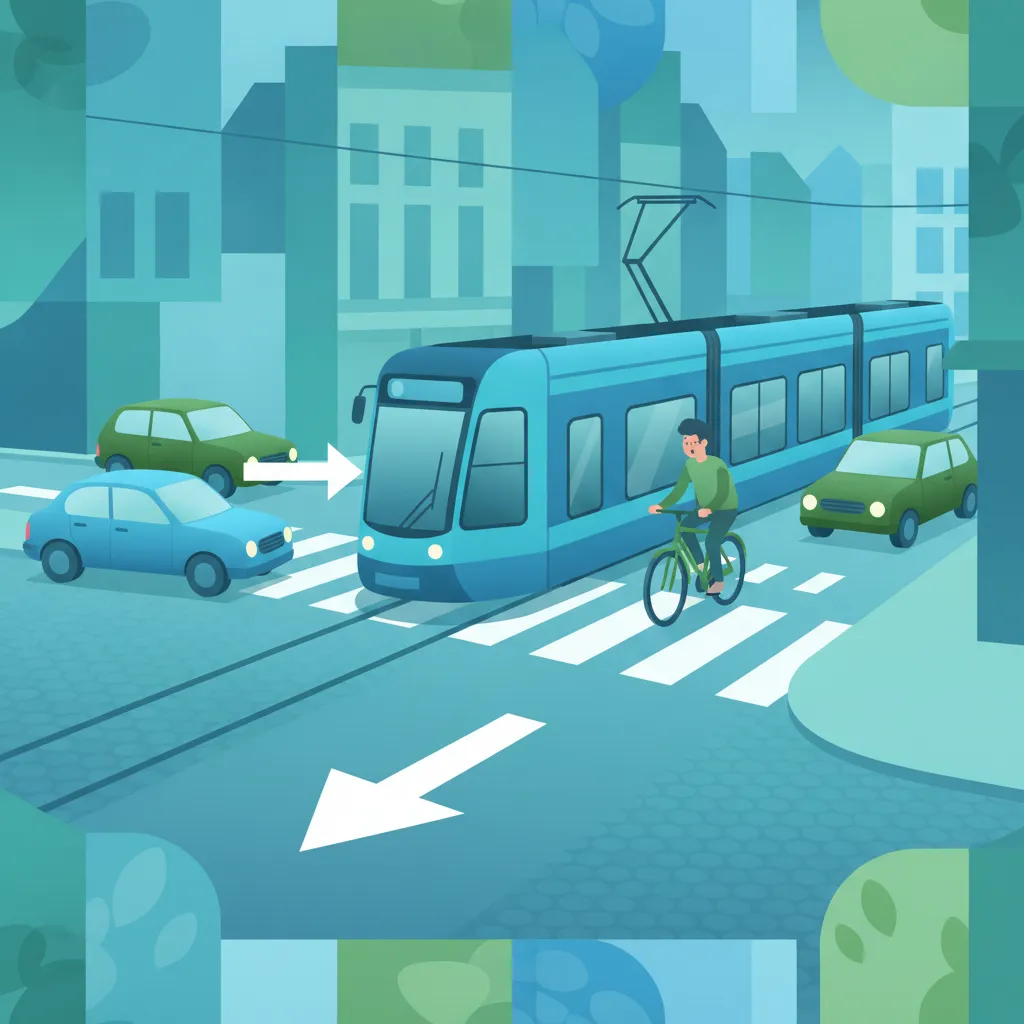
This lesson delves into the complex priority rules that govern Belgian roadways, with a strong focus on the default 'priority from the right' principle. It explains how to interpret priority signs, such as 'give way' and 'stop', and apply the correct right-of-way at various types of junctions. You will learn the hierarchy of road users and the specific rules for yielding in different traffic scenarios.
This lesson details a motorcyclist's obligations when approaching various types of crossings, including marked pedestrian and bicycle lanes. It emphasizes the legal requirement to yield to vulnerable road users and the importance of thorough visual checks before proceeding. You will learn how to maintain a safe distance and anticipate the movements of pedestrians and cyclists in urban areas.
This lesson focuses on the heightened awareness required when approaching and traversing pedestrian and cyclist crossings. It clarifies the legal rules, including the absolute priority of pedestrians on zebra crossings, and the importance of reducing speed. Riders will learn how to anticipate the movements of these vulnerable road users and position their vehicle to ensure a safe interaction.
In this lesson, learners will examine the fundamental priority rules that dictate traffic flow at unmarked intersections. The lesson focuses on the principle of priority from the right, the hierarchy of traffic signs and signals, and situations requiring yielding or stopping. Understanding these principles is crucial for safe and lawful navigation of Belgian road networks.

This lesson provides a step-by-step guide to executing a safe overtaking maneuver in compliance with Belgian law. It covers the necessary pre-maneuver checks, proper signaling, and how to accurately judge the speed and distance of oncoming traffic. You will learn the correct procedure for passing a vehicle and safely returning to your original lane.

This lesson details the specific rights and responsibilities of motorcyclists within the Belgian road system, focusing on the correct application of priority rules and safe overtaking. It covers the legal requirements for signaling intentions and adhering to proper road etiquette to ensure smooth traffic flow. The content emphasizes how riders must balance their rights with their safety obligations toward all other road users.
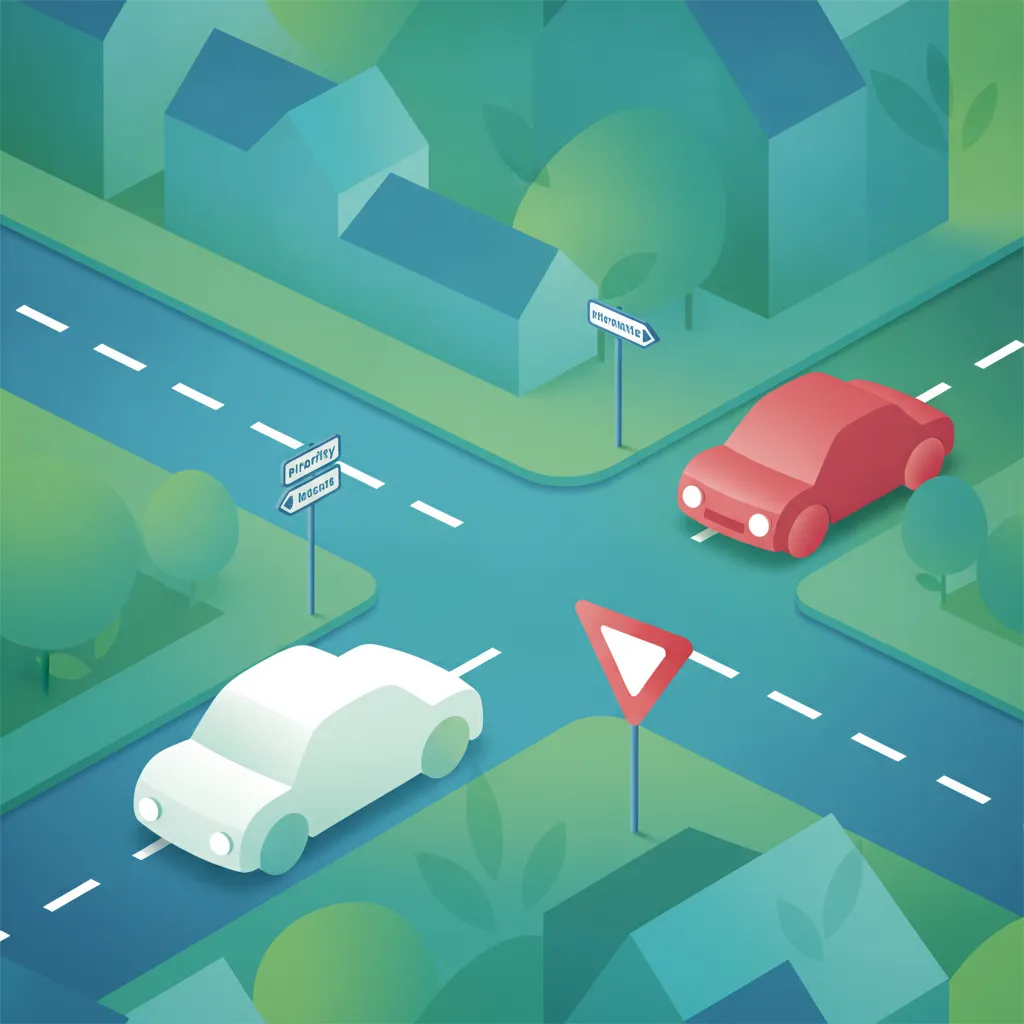
This lesson focuses on the distinction between the default priority from the right and designated priority roads, explaining how drivers should yield or proceed. Learners will discover the specific signs that indicate a priority road and when that priority ends. Understanding these concepts is essential for predictable and safe road use at intersections.
This lesson examines the operation of traffic light systems in Belgium, clarifying the meaning of red, amber, and green signals, including flashing lights and directional arrows. It details a motorcyclist's legal obligations when approaching and navigating signal-controlled intersections. The content also addresses specialized signals for pedestrians and trams that riders must recognize and respond to correctly.

Overtaking safely is a critical driving skill. This lesson explains where and how overtaking is permitted in Belgium, the importance of correct signaling, and maintaining a sufficient speed differential. Learners will understand the rules for passing on motorways and single-carriageway roads, and how to identify zones where overtaking is prohibited.
Explore common scenarios and potential hazards when driving near cyclists in Belgium. Learn how to anticipate their movements, navigate intersections safely, and adapt to different road conditions and infrastructure like bicycle lanes.
This lesson details a motorcyclist's obligations when approaching various types of crossings, including marked pedestrian and bicycle lanes. It emphasizes the legal requirement to yield to vulnerable road users and the importance of thorough visual checks before proceeding. You will learn how to maintain a safe distance and anticipate the movements of pedestrians and cyclists in urban areas.
This lesson focuses on the heightened awareness required when approaching and traversing pedestrian and cyclist crossings. It clarifies the legal rules, including the absolute priority of pedestrians on zebra crossings, and the importance of reducing speed. Riders will learn how to anticipate the movements of these vulnerable road users and position their vehicle to ensure a safe interaction.
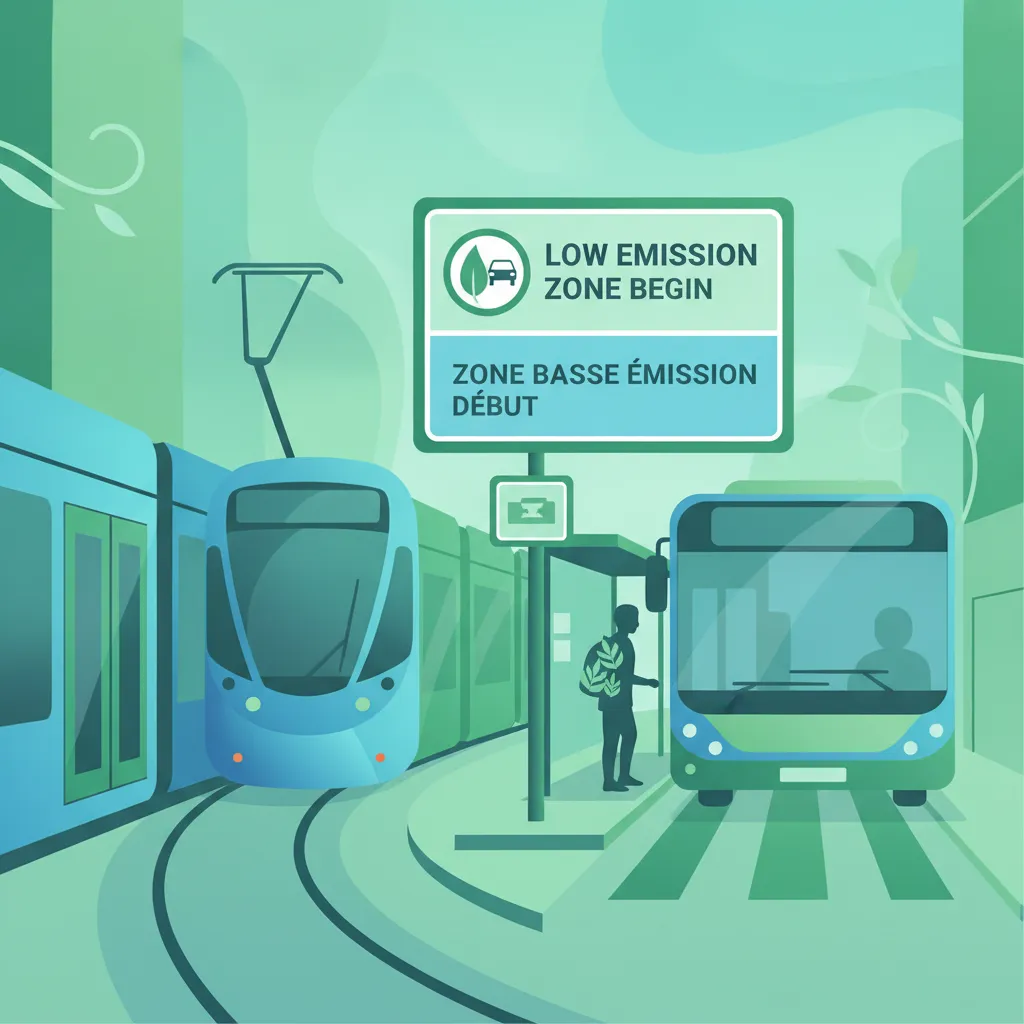
This lesson addresses unique traffic environments and special zones commonly found in Belgian urban areas. It clarifies the specific regulations concerning tramways, including where trams have absolute priority, and the conditions under which motorcycles may use bus lanes. The lesson also explains how to identify and comply with restrictions in low-emission zones.
This lesson explores the unique challenges presented by dense urban environments, including riding in heavy traffic and navigating narrow streets. It provides strategies for positioning your motorcycle to avoid the 'dooring zone' of parked cars and to maintain visibility. You will learn defensive riding techniques to anticipate sudden actions from other drivers in congested conditions.
This lesson examines the operation of traffic light systems in Belgium, clarifying the meaning of red, amber, and green signals, including flashing lights and directional arrows. It details a motorcyclist's legal obligations when approaching and navigating signal-controlled intersections. The content also addresses specialized signals for pedestrians and trams that riders must recognize and respond to correctly.
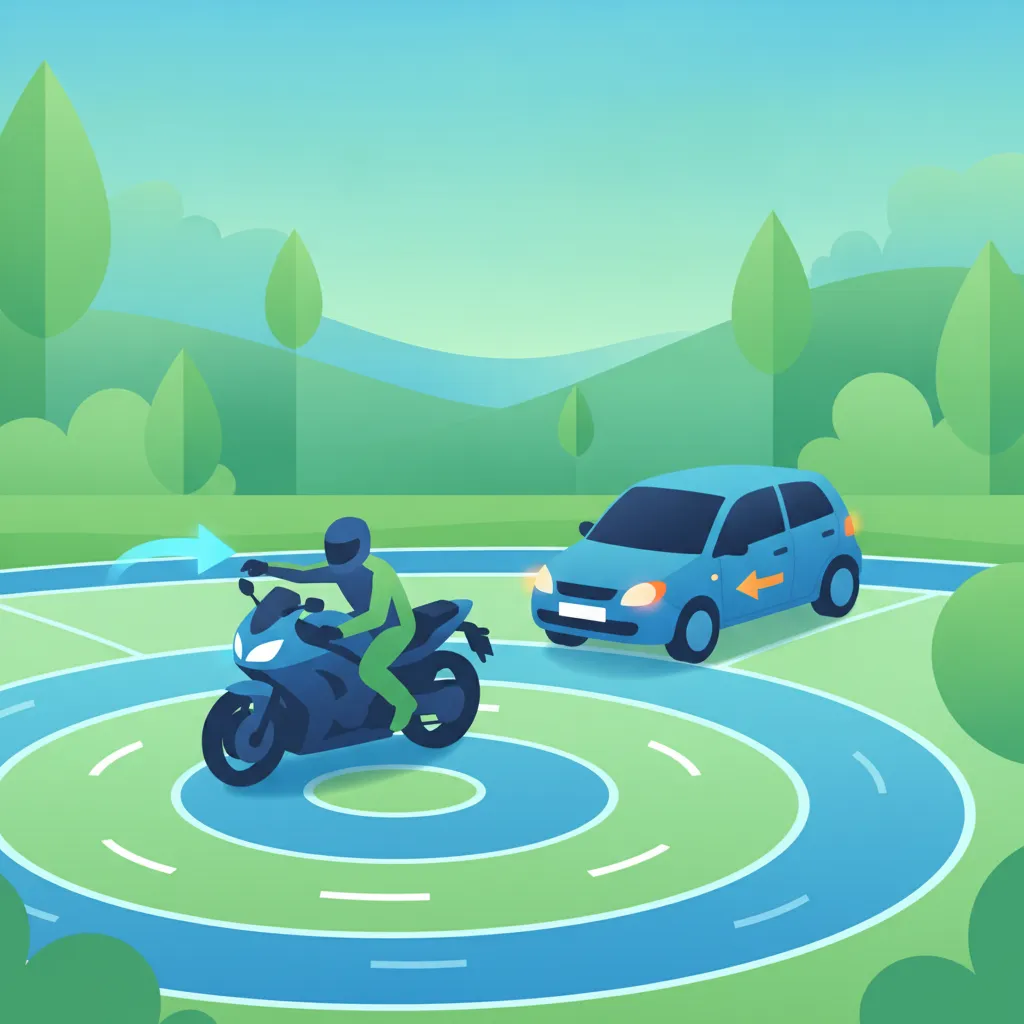
This lesson offers specific strategies for motorcyclists navigating roundabouts in Belgium. It covers the rules for entering the roundabout, including yielding to circulating traffic, and how to choose the correct lane for your intended exit. The content stresses the importance of clear signaling and maintaining awareness of other vehicles during entry and exit maneuvers.
This lesson examines the interactions between private vehicles and public transport, focusing on buses and trams. Learners will understand the priority rules for these vehicles, recognizing dedicated lanes and stopping positions. Special considerations for motorcyclists, school buses, and other vulnerable users are also discussed to ensure safe coexistence.
This lesson delves into the complex priority rules that govern Belgian roadways, with a strong focus on the default 'priority from the right' principle. It explains how to interpret priority signs, such as 'give way' and 'stop', and apply the correct right-of-way at various types of junctions. You will learn the hierarchy of road users and the specific rules for yielding in different traffic scenarios.

This lesson provides specific instructions for navigating roundabouts, a common feature on Belgian roads. It covers the rules of priority upon entry, the correct lane choice based on the intended exit, and the proper use of signals. Learners will understand how to safely circulate and exit, while being mindful of other vehicles, particularly larger ones with significant blind spots.
Find clear answers to common questions learners have about Cyclists and Bicycle Streets. Learn how the lesson is structured, which driving theory objectives it supports, and how it fits into the overall learning path of units and curriculum progression in Belgium. These explanations help you understand key concepts, lesson flow, and exam focused study goals.
No, you are not permitted to overtake a cyclist in a bicycle street. You must remain behind them, as the street is designed to prioritize cyclists while allowing motor vehicles to share the space.
The maximum permitted speed for all vehicles in a bicycle street is 30 km/h, regardless of the speed limit in the surrounding area.
Cyclists occupy the full width of the bicycle street. While they have specific priority, you must always adhere to the standard priority rules at intersections unless a sign indicates otherwise.
On a normal road where you are allowed to pass, you must leave a lateral distance of at least 1 meter between your vehicle and the cyclist within built-up areas, and 1.5 meters outside of built-up areas.
Ready to focus your Belgian driving theory revision? Utilize our powerful search tool to pinpoint exact topics, road signs, or difficulty levels. Engage with practice questions that directly address your learning needs and solidify your understanding of Belgian traffic laws for your upcoming exam.