
This lesson details the legal requirements for interacting with pedestrians in Belgium. You will learn how to identify different crossing types and the rules governing priority to ensure you are fully prepared for the Category B theoretical exam.

Lesson content overview
Navigating Belgian roads safely requires a thorough understanding of rules pertaining to pedestrians, especially at designated crossings and in areas with high foot traffic. This lesson, designed for the Belgian Category B Driving Licence theory program, delves into the specific regulations governing pedestrian crossings and zones, emphasising driver responsibilities to ensure the safety of all road users. Mastering these rules is not only crucial for passing your theoretical exam but also for becoming a responsible and proactive driver.
Pedestrians are among the most vulnerable road users. Due to their lack of protective barriers, even minor collisions can result in severe injuries or fatalities. Therefore, specific traffic rules and road designs are implemented to enhance their safety, particularly where they interact with vehicular traffic. As a driver, your awareness and adherence to these rules are paramount in preventing accidents and ensuring harmonious road sharing.
The core principle behind pedestrian crossings and zones is to grant pedestrians a safe passage across roads and to mandate increased driver vigilance in areas where pedestrians are frequently present. This priority is not merely a courtesy; it is a legally enforced obligation that places a significant responsibility on drivers. Prioritising pedestrians means being prepared to slow down, stop, and yield the right of way whenever the situation demands it, regardless of whether a formal crossing is present in certain contexts.
Belgian traffic law provides clear guidelines on how drivers must interact with pedestrians. These regulations are designed to minimise risks and provide a structured approach to pedestrian safety. Understanding this legal framework is essential for every driver, as non-compliance can lead to serious legal consequences, including fines, penalty points, and potential liability in the event of an accident. The rules focus on ensuring predictable behaviour from both drivers and pedestrians, creating a safer environment for everyone.
Zebra crossings are perhaps the most common type of pedestrian crossing and represent a critical point of interaction between vehicles and pedestrians. Recognising them and understanding the associated rules is fundamental for safe driving.
A zebra crossing, officially known as a "pedestrian crossing" in Belgian traffic law, is an unsignalized area of the road specifically reserved for pedestrians to cross. They are easily identified by distinctive white longitudinal stripes, often referred to as "zebra stripes," painted on the road surface. These markings are typically accompanied by specific road signs to further alert drivers.
This sign, F2, explicitly warns drivers of an approaching pedestrian crossing. In some instances, especially in areas with poor visibility or high traffic, zebra crossings may also be equipped with flashing amber lights or additional warning signs to enhance their visibility, particularly during adverse weather conditions or at night.
The primary rule at a zebra crossing is that pedestrians have priority. This means that if a pedestrian has stepped onto the crossing, or is clearly about to step onto it, drivers must slow down and stop to allow them to cross safely. It is not sufficient to simply slow down; a full stop is required if there is any doubt about the pedestrian's intention to cross or if they are already on the crossing.
Drivers should anticipate pedestrian presence at these crossings. Look for individuals waiting on the pavement or making eye contact, indicating their intention to cross. Even if a pedestrian appears hesitant, it is safest to assume they will cross and be prepared to stop.
Always scan the pavements on both sides of a zebra crossing as you approach. Look for pedestrians who might be about to step onto the road, even if they aren't actively looking at you.
To further protect pedestrians, specific overtaking restrictions apply around zebra crossings. It is strictly prohibited to overtake any vehicle that has stopped or is slowing down for pedestrians at a zebra crossing. This rule prevents situations where a pedestrian, obscured by the stopped vehicle, might step out into the path of an oncoming overtaking vehicle.
Additionally, drivers should avoid overtaking other vehicles when approaching a zebra crossing, especially if visibility is limited or if other vehicles might obscure a pedestrian. The general principle is to maintain a safe distance and be prepared to stop.
Driving conditions such as heavy rain, fog, or darkness significantly reduce visibility, making it harder to spot pedestrians, especially those wearing dark clothing. In such circumstances, drivers must reduce their speed even further when approaching zebra crossings and be extra vigilant. It is crucial to remember that stopping distances also increase in adverse weather.
When a group of pedestrians, such as schoolchildren, approaches a zebra crossing, drivers must yield to the entire group. Do not proceed until all pedestrians have safely cleared the crossing. Patience and caution are key in these situations.
Signal-controlled crossings, unlike zebra crossings, use traffic lights to regulate the flow of both vehicles and pedestrians. These are often found at busier intersections or major roads where manually controlled pedestrian flow is necessary for safety and traffic management.
These crossings are equipped with traffic lights specifically for vehicles and separate signals for pedestrians. The lights dictate when vehicles must stop and when pedestrians are permitted to cross. Pedestrian signals typically show a red standing figure (do not cross) and a green walking figure (cross).
While often generally referred to, the terms "Pelican" and "Puffin" crossings are more common in British terminology but describe the operational principles universally.
At signal-controlled pedestrian crossings, drivers must strictly obey the traffic lights.
Never accelerate to 'beat' an amber or red light at a signal-controlled crossing. This is extremely dangerous and could lead to a collision with pedestrians or other vehicles.
Pedestrians also have their own signals. They should only cross when the green walking figure is displayed. If the pedestrian signal is flashing green, it usually indicates that the signal is about to change to red, and pedestrians should finish crossing quickly or wait for the next green signal. Drivers should anticipate that pedestrians may still be on the crossing during a flashing green pedestrian signal period.
It is crucial to differentiate between vehicle traffic lights and pedestrian signals. A green light for vehicles does not automatically mean the crossing is clear of pedestrians, especially if they started crossing on their green light. Always check the crossing before proceeding.
While specific names may vary, the principles remain consistent. The Toucan crossing (Two-can cross) is another type designed for both pedestrians and cyclists to cross together, often wider than standard crossings. Regardless of the specific type, the fundamental rule for drivers is to obey the vehicle traffic signals and remain vigilant for pedestrians.
Beyond marked crossings, certain areas are designated as pedestrian-intensive zones where drivers must exercise even greater caution and adhere to stricter rules, primarily related to speed. These zones are created to enhance safety for vulnerable road users, especially children and residents.
School zones are areas around educational institutions where the presence of children, often less predictable in their movements, necessitates significantly reduced speeds and heightened driver awareness. These zones are critically important for preventing accidents involving children.
School zones in Belgium are typically identified by specific road signs indicating the presence of a school or children, often accompanied by reduced speed limit signs. These signs might be permanent or temporary, often with variable messaging or flashing lights that activate during school hours (e.g., morning drop-off, lunchtime, afternoon pick-up).
This sign A27 warns drivers of children. Combined with a speed limit sign, it defines a school zone.
During designated school hours, typically indicated on supplementary signs or by flashing lights, drivers must strictly observe the reduced speed limits, which are often 30 km/h or even lower. These reduced speeds provide drivers with more time to react to unexpected movements from children who might dart into the road, chase a ball, or step out from between parked cars.
Even outside of official school hours, it's wise to maintain extra caution when driving near schools. Children may be present for extracurricular activities, sports, or playing in nearby areas.
Increased vigilance involves not only monitoring the road ahead but also continuously scanning the pavements, parked cars, and potential blind spots. Be prepared for sudden stops and unpredictable behaviour.
Violating speed limits in school zones carries severe penalties in Belgium due to the high risk involved. Fines are substantial, and penalty points can be applied to your licence. The law prioritises the safety of children, and enforcement in these areas is strict. Always assume children are present and drive defensively.
Residential areas are neighbourhoods where people live, play, and socialise. These zones are characterised by lower traffic volumes but a significantly higher likelihood of pedestrians, including children, playing in or near the street, or crossing at unmarked points.
Many residential areas in Belgium are designated as "Zone 30," meaning the maximum speed limit is 30 km/h. These zones are clearly marked at their entry and exit points. The intention behind these lower speed limits is to create a safer and more liveable environment, where pedestrians and cyclists can share the road more safely with vehicles.
In some very specific residential areas, especially "living streets" (erven/rues résidentielles), pedestrians are allowed to use the entire width of the road, and vehicles must give way to them and proceed at walking pace.
In residential areas, drivers must adopt a highly defensive driving approach. This means:
Pedestrians in residential areas may not always use marked crossings, making it imperative for drivers to anticipate their presence and be prepared to yield, even if there isn't a formal zebra crossing.
Adhering to pedestrian crossing rules is not just about common sense; it's a legal obligation with clear consequences for non-compliance. Belgian traffic laws are strict when it comes to protecting vulnerable road users.
Several common mistakes lead to dangerous situations and violations:
Violations of pedestrian priority and safety rules can result in significant legal penalties in Belgium:
Understanding the theory is the first step; applying it in real-world driving situations is where true safety lies.
Scenario 1: Approaching a Zebra Crossing in a Busy Street You are driving on a busy urban street towards a zebra crossing. You see an elderly person with a walking stick standing on the pavement, looking towards the crossing, indicating an intent to cross.
Scenario 2: Driving in a School Zone During Peak Hours It's 8:00 AM, and you are driving through a marked school zone. Flashing lights indicate the reduced speed limit of 30 km/h is active. Children are walking on the pavements, and parents are dropping off students.
Scenario 3: At a Signal-Controlled Crossing with Changing Lights You are at a signal-controlled crossing. The vehicle light turns amber as you approach the stop line, and you see that the pedestrian signal on the opposite side is still red.
The rules surrounding pedestrian crossings and zones are fundamental to road safety. They are designed to create a predictable and secure environment for everyone, particularly the most vulnerable. By consistently applying these rules, drivers contribute significantly to reducing accidents and fostering a respectful driving culture in Belgium. Always remember that the responsibility for pedestrian safety largely rests with the driver, requiring constant vigilance, appropriate speed management, and a willingness to yield.
This lesson covers the essential Belgian rules for pedestrian crossings and zones, which are critical for both the Category B theory exam and safe driving. Drivers must understand that pedestrians have priority at zebra crossings (identified by white stripes and the F2 sign), requiring a full stop when pedestrians are on or about to enter the crossing. Signal-controlled crossings require strict obedience to traffic lights while maintaining awareness of pedestrians who may still be crossing when the vehicle light turns green. Special zones like school areas (marked by A27 signs with reduced speeds during school hours) and Zone 30 residential streets (C43 sign, 30 km/h maximum) demand heightened vigilance and lower speeds. Key prohibitions include overtaking stopped vehicles at crossings and using mobile devices while driving near pedestrian areas. These rules carry significant penalties including fines, penalty points, and potential driving bans for non-compliance.
A short set of high-value points that capture the most important learning from this lesson.
Pedestrians have absolute priority at zebra crossings and you must stop if they are on or about to step onto the crossing
It is strictly prohibited to overtake any vehicle that has stopped or slowed for pedestrians at a zebra crossing
At signal-controlled crossings, you must obey vehicle traffic lights and remain vigilant even when you have a green light
School zones require reduced speeds (typically 30 km/h) during designated hours when children are present
In Zone 30 residential areas, pedestrians may use the full road width and drivers must proceed at walking pace when necessary
Explore all units and lessons included in this driving theory course.
Zebra crossing sign (F2) means pedestrians have priority - prepare to stop for anyone waiting or approaching
School zone sign (A27) combined with reduced speed limits activates during school hours, often indicated by flashing lights
Zone 30 sign (C43) marks residential areas with a maximum 30 km/h speed limit and heightened pedestrian presence
At signal-controlled crossings, a green vehicle light does not mean the crossing is clear of pedestrians who started crossing on their own green signal
Stopping distances increase in adverse weather, so reduce speed further when approaching crossings in rain, fog, or darkness
Assuming pedestrians will wait even when they are clearly indicating an intention to cross - always yield
Accelerating to 'beat' an amber or red light at signal-controlled crossings, risking collision with pedestrians
Using a mobile phone or other distractions while approaching crossings or driving through pedestrian zones
Failing to reduce speed adequately in low visibility conditions, increasing stopping distance and reaction time
Believing it is safe to maintain speed in residential areas simply because no pedestrians are immediately visible
Lesson content overview
A short set of high-value points that capture the most important learning from this lesson.
Pedestrians have absolute priority at zebra crossings and you must stop if they are on or about to step onto the crossing
It is strictly prohibited to overtake any vehicle that has stopped or slowed for pedestrians at a zebra crossing
At signal-controlled crossings, you must obey vehicle traffic lights and remain vigilant even when you have a green light
School zones require reduced speeds (typically 30 km/h) during designated hours when children are present
In Zone 30 residential areas, pedestrians may use the full road width and drivers must proceed at walking pace when necessary
Explore all units and lessons included in this driving theory course.
Zebra crossing sign (F2) means pedestrians have priority - prepare to stop for anyone waiting or approaching
School zone sign (A27) combined with reduced speed limits activates during school hours, often indicated by flashing lights
Zone 30 sign (C43) marks residential areas with a maximum 30 km/h speed limit and heightened pedestrian presence
At signal-controlled crossings, a green vehicle light does not mean the crossing is clear of pedestrians who started crossing on their own green signal
Stopping distances increase in adverse weather, so reduce speed further when approaching crossings in rain, fog, or darkness
Assuming pedestrians will wait even when they are clearly indicating an intention to cross - always yield
Accelerating to 'beat' an amber or red light at signal-controlled crossings, risking collision with pedestrians
Using a mobile phone or other distractions while approaching crossings or driving through pedestrian zones
Failing to reduce speed adequately in low visibility conditions, increasing stopping distance and reaction time
Believing it is safe to maintain speed in residential areas simply because no pedestrians are immediately visible
Explore search topics learners often look for when studying Pedestrian Crossings and Zones. These topics reflect common questions about road rules, driving situations, safety guidance, and lesson level theory preparation for learners in Belgium.
Browse additional driving theory lessons that cover connected traffic rules, road signs, and common driving situations related to this topic. Improve your understanding of how different rules interact across everyday traffic scenarios.
Explore Belgian regulations for protecting vulnerable road users like pedestrians and cyclists. Understand detailed interactions at crossings, in zones, and how to ensure their safety according to traffic law.
This lesson examines the interactions between private vehicles and public transport, focusing on buses and trams. Learners will understand the priority rules for these vehicles, recognizing dedicated lanes and stopping positions. Special considerations for motorcyclists, school buses, and other vulnerable users are also discussed to ensure safe coexistence.
This lesson details a motorcyclist's obligations when approaching various types of crossings, including marked pedestrian and bicycle lanes. It emphasizes the legal requirement to yield to vulnerable road users and the importance of thorough visual checks before proceeding. You will learn how to maintain a safe distance and anticipate the movements of pedestrians and cyclists in urban areas.
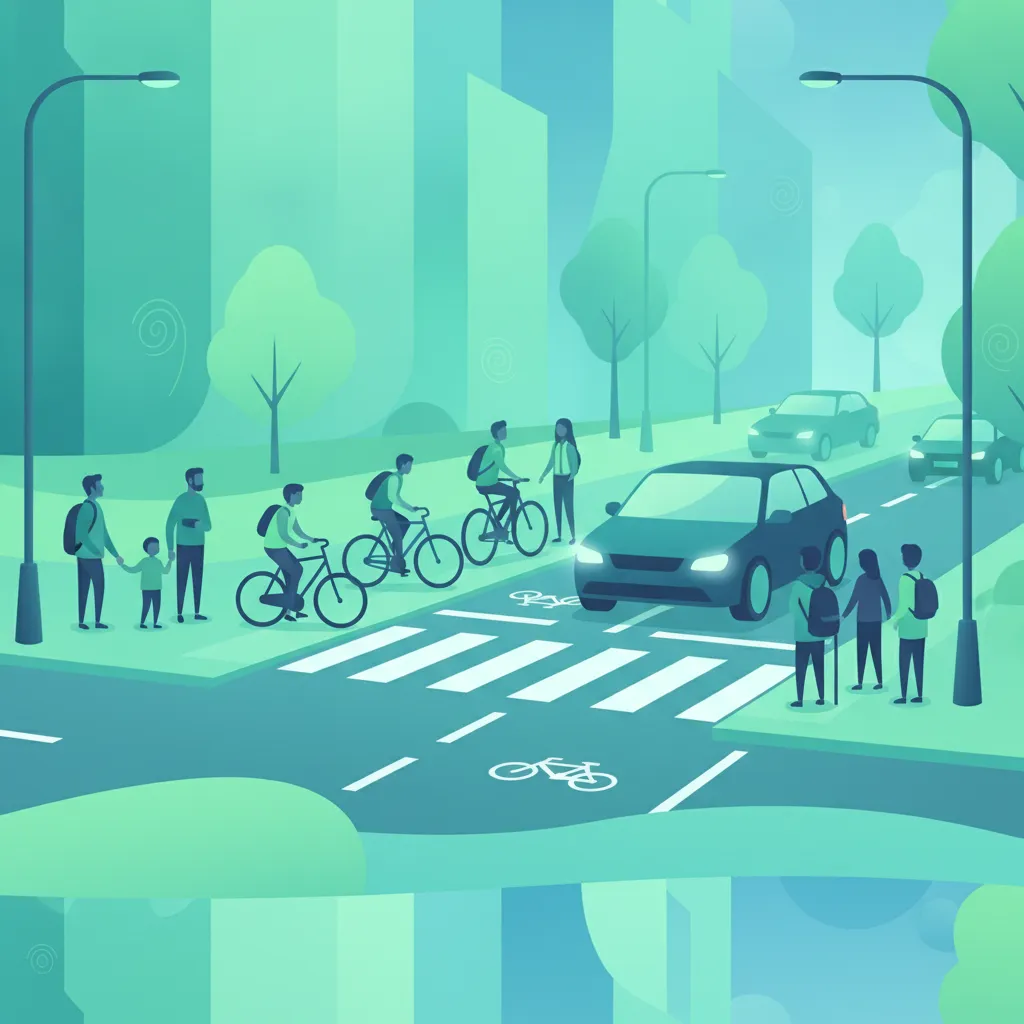
This lesson focuses on the heightened awareness required when approaching and traversing pedestrian and cyclist crossings. It clarifies the legal rules, including the absolute priority of pedestrians on zebra crossings, and the importance of reducing speed. Riders will learn how to anticipate the movements of these vulnerable road users and position their vehicle to ensure a safe interaction.
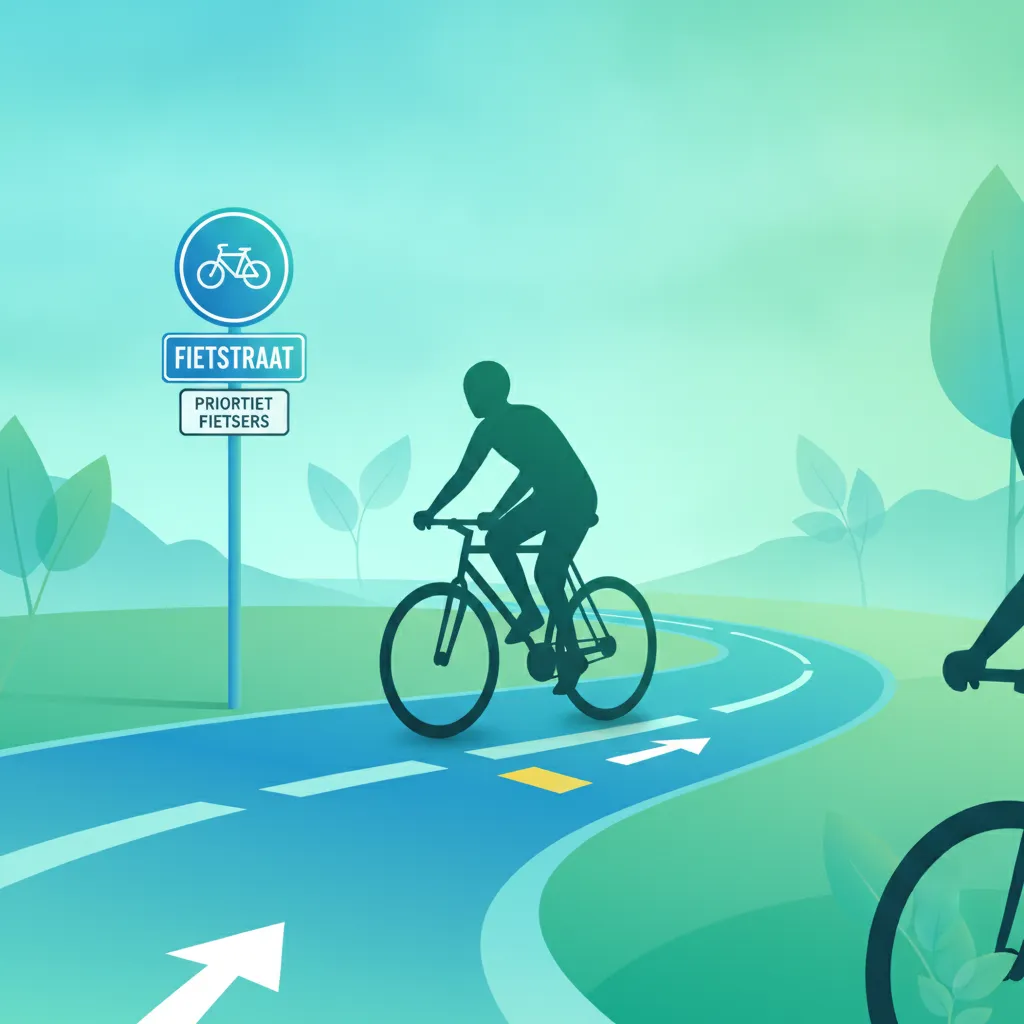
Cyclists are a significant part of Belgian traffic, and this lesson explores the rules and infrastructure that support safe cycling. Learners will study dedicated bicycle lanes, bicycle streets, and where cyclists have priority. The lesson also covers safe overtaking distances and the importance of anticipating cyclist movements.
Beyond legal requirements, this lesson emphasizes the ethical dimension of driving, focusing on courtesy and cooperative behavior on Belgian roads. It introduces the social norms and etiquette expected of drivers, including respectful interactions with vulnerable road users. This ethical foundation fosters a responsible and harmonious traffic environment.
This lesson explains the concept of strategic road positioning to enhance safety and visibility. It teaches riders how to select the best position within a lane to be seen by other drivers and to have a good view of the road ahead. A key focus is on identifying and staying out of the large blind spots of cars, vans, and trucks to prevent dangerous situations.
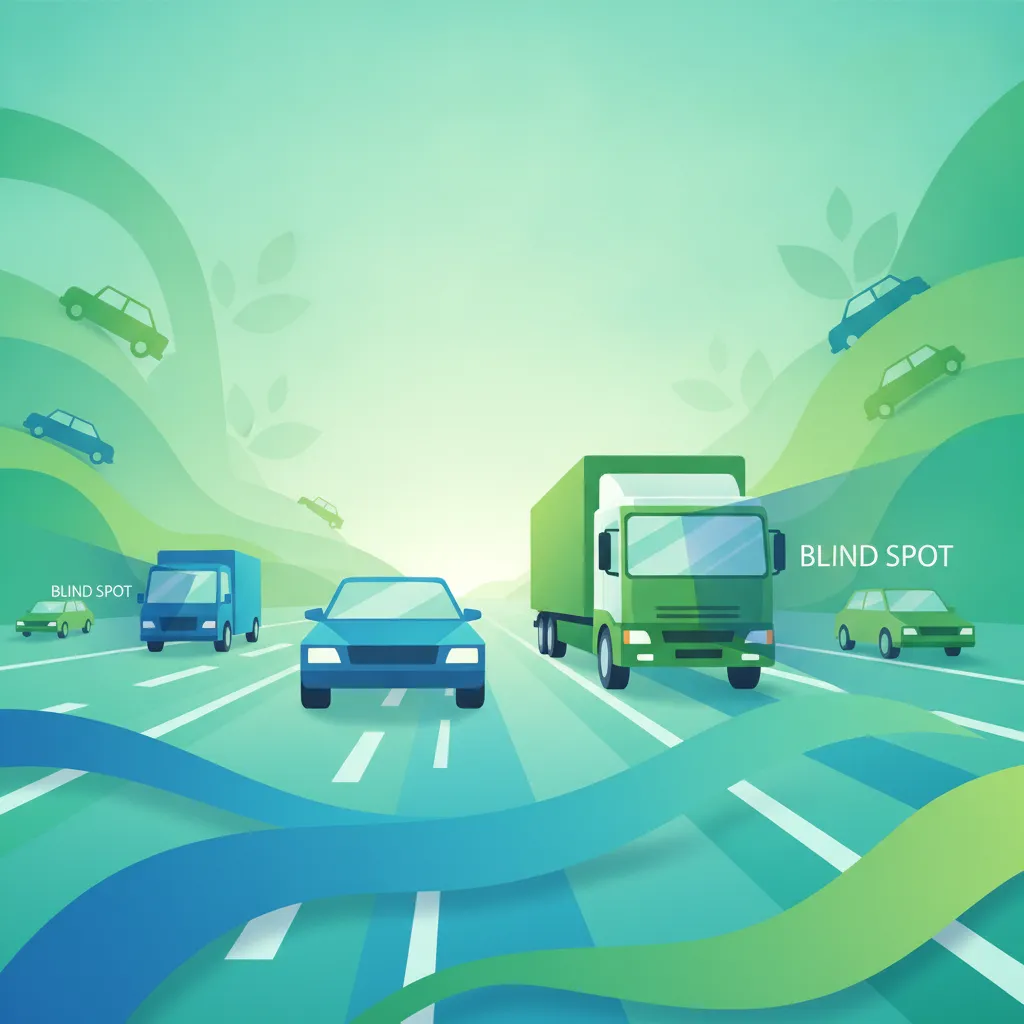
This lesson focuses on recognizing and staying out of the blind spots of other vehicles, especially large trucks and buses where 'no-zones' are significant. It provides practical strategies for managing your position on the road to ensure you remain visible to other drivers at all times. You will learn to anticipate lane changes and other maneuvers from vehicles that may not be aware of your presence.
Learn how to apply Belgian traffic rules for pedestrian crossings and zones through practical driving scenarios. Understand common situations and how to react safely to ensure pedestrian priority.
This lesson focuses on the heightened awareness required when approaching and traversing pedestrian and cyclist crossings. It clarifies the legal rules, including the absolute priority of pedestrians on zebra crossings, and the importance of reducing speed. Riders will learn how to anticipate the movements of these vulnerable road users and position their vehicle to ensure a safe interaction.
This lesson details a motorcyclist's obligations when approaching various types of crossings, including marked pedestrian and bicycle lanes. It emphasizes the legal requirement to yield to vulnerable road users and the importance of thorough visual checks before proceeding. You will learn how to maintain a safe distance and anticipate the movements of pedestrians and cyclists in urban areas.
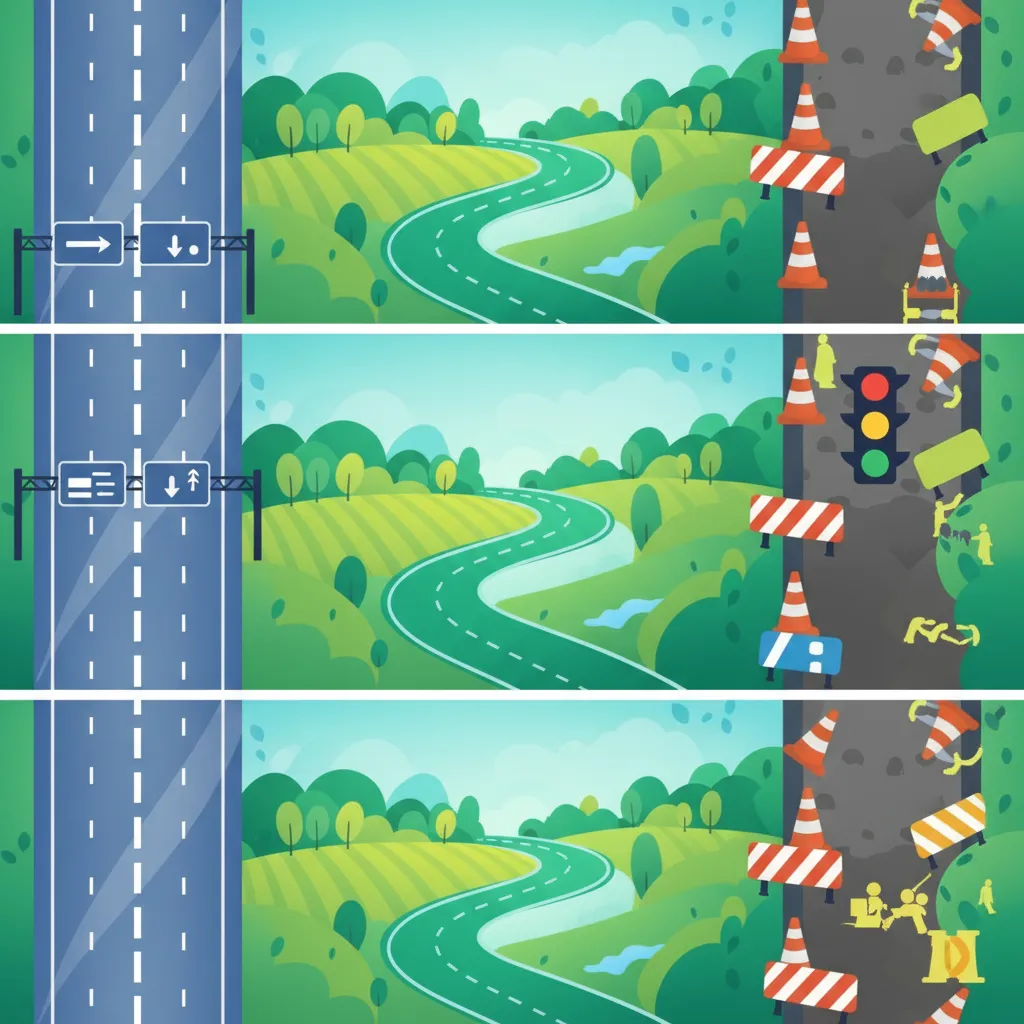
This lesson covers the specific challenges of driving on motorways, rural roads, and navigating roadworks. Learners will review lane discipline on high-speed roads and identify hazards common to rural roads, such as sharp bends and wildlife. It also explains the importance of adjusting speed and following temporary signage in construction zones.
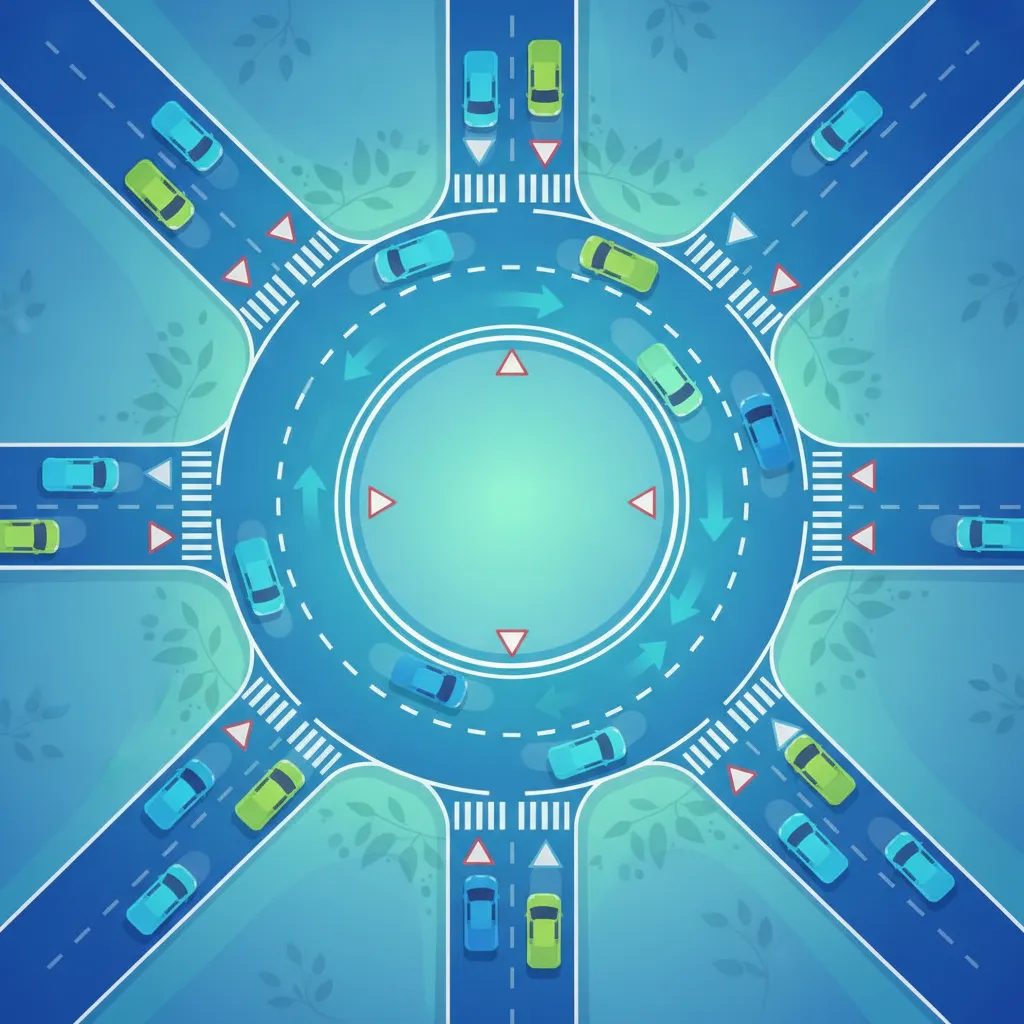
Roundabouts are a key feature of Belgian traffic management. This lesson explains how to approach, enter, navigate, and exit a roundabout safely, with a focus on yielding priority to traffic already circulating. Learners will also study correct lane positioning on multi-lane roundabouts and the appropriate use of signals.
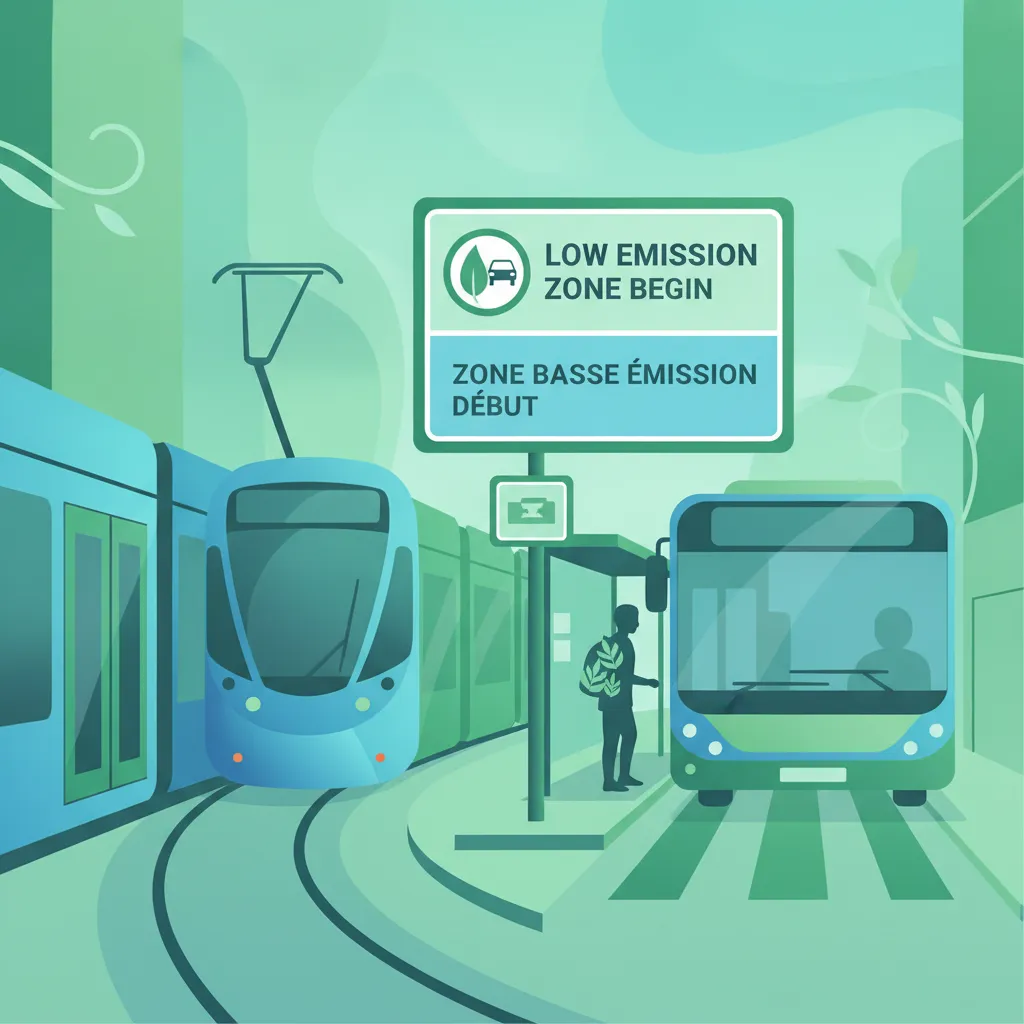
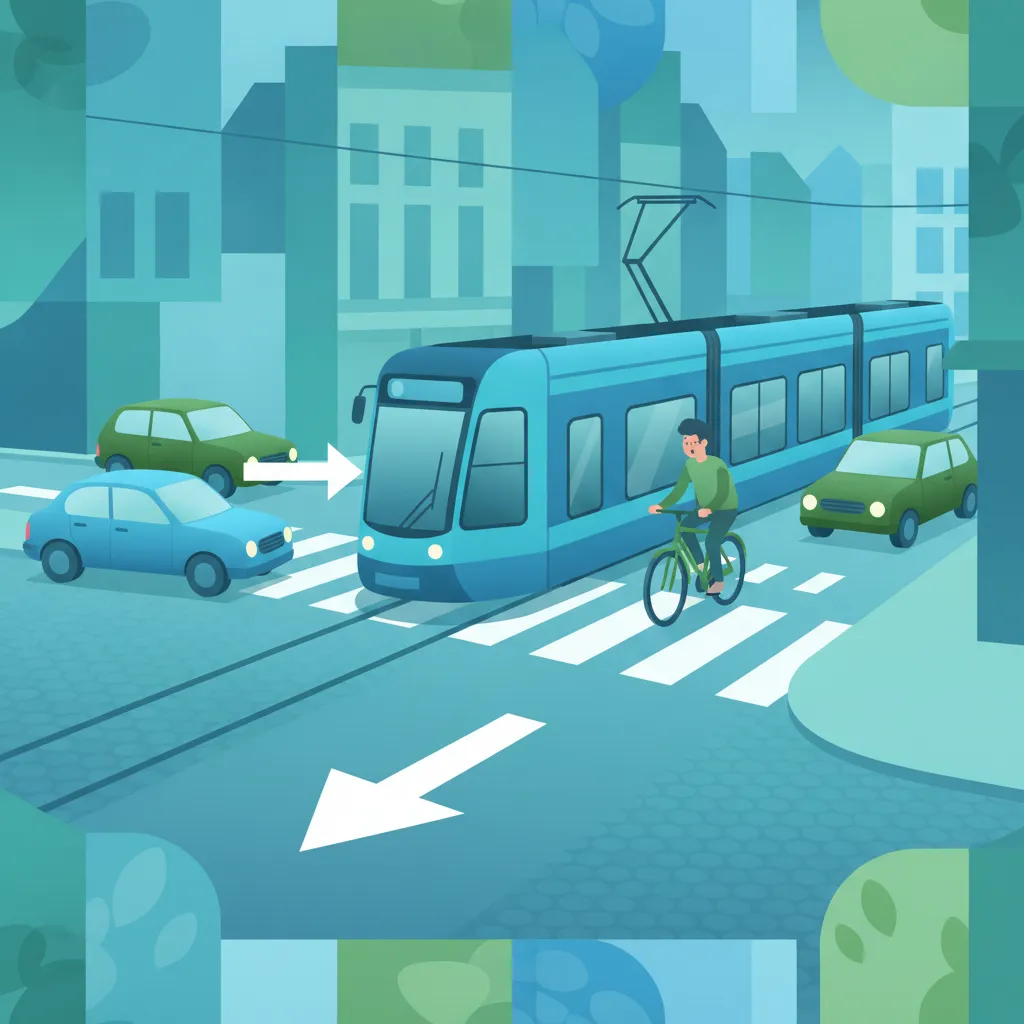
This lesson addresses unique traffic environments and special zones commonly found in Belgian urban areas. It clarifies the specific regulations concerning tramways, including where trams have absolute priority, and the conditions under which motorcycles may use bus lanes. The lesson also explains how to identify and comply with restrictions in low-emission zones.
This lesson details the safe and systematic approach to different types of intersections, both signal-controlled and uncontrolled. It explains how to use road signs and markings to determine right-of-way and when to stop or yield. The importance of comprehensive scanning for traffic from all directions and adjusting approach speed is emphasized to ensure safe passage.
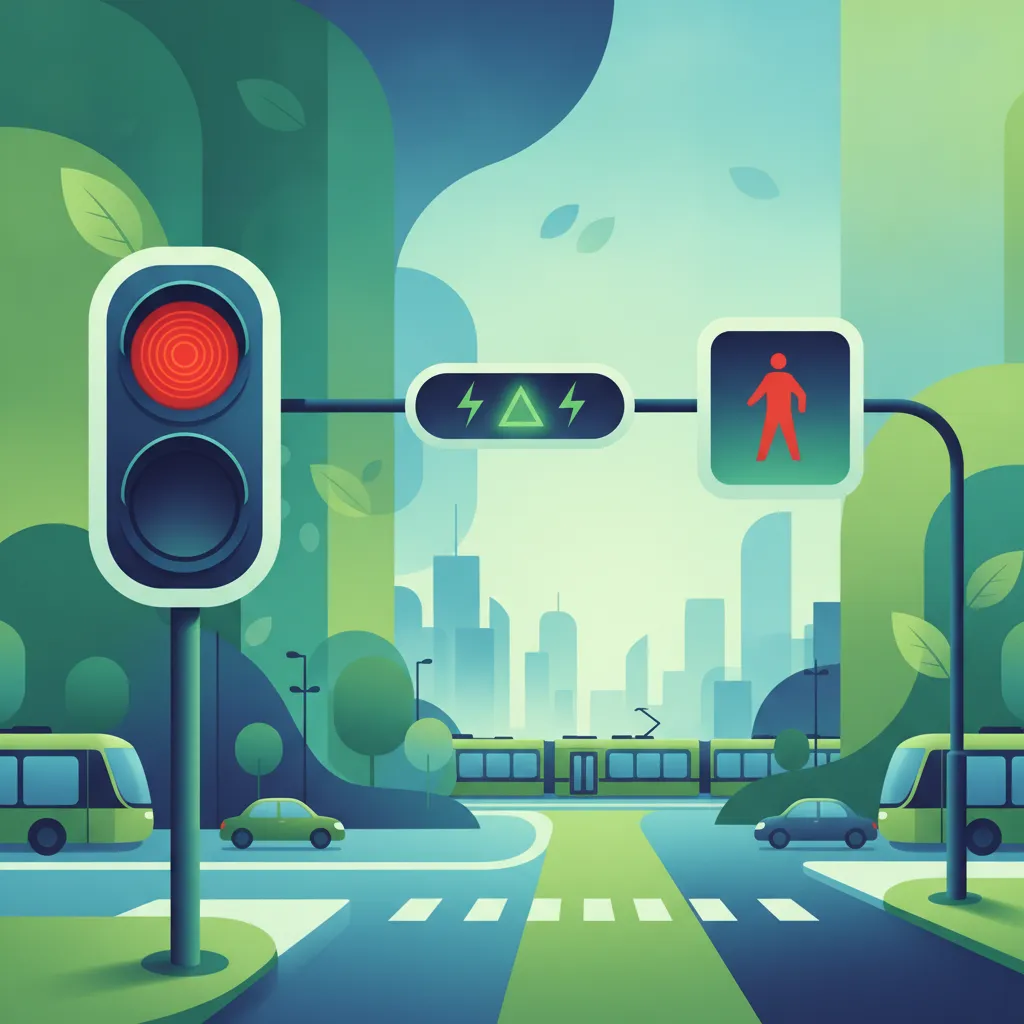
This lesson examines the operation of traffic light systems in Belgium, clarifying the meaning of red, amber, and green signals, including flashing lights and directional arrows. It details a motorcyclist's legal obligations when approaching and navigating signal-controlled intersections. The content also addresses specialized signals for pedestrians and trams that riders must recognize and respond to correctly.

This lesson provides specific instructions for navigating roundabouts, a common feature on Belgian roads. It covers the rules of priority upon entry, the correct lane choice based on the intended exit, and the proper use of signals. Learners will understand how to safely circulate and exit, while being mindful of other vehicles, particularly larger ones with significant blind spots.
This lesson delves into the complex priority rules that govern Belgian roadways, with a strong focus on the default 'priority from the right' principle. It explains how to interpret priority signs, such as 'give way' and 'stop', and apply the correct right-of-way at various types of junctions. You will learn the hierarchy of road users and the specific rules for yielding in different traffic scenarios.

This lesson provides detailed guidance on navigating various intersections, focusing on yielding behaviors at give way signs and mandatory stops at stop signs. Learners will explore how traffic lights override other priority rules and the importance of granting right-of-way to pedestrians and cyclists. The lesson emphasizes safe crossing procedures and correct yielding.
Find clear answers to common questions learners have about Pedestrian Crossings and Zones. Learn how the lesson is structured, which driving theory objectives it supports, and how it fits into the overall learning path of units and curriculum progression in Belgium. These explanations help you understand key concepts, lesson flow, and exam focused study goals.
In Belgium, if a pedestrian is standing on the sidewalk and shows clear intent to cross at a marked zebra crossing, you must slow down and, if necessary, stop to allow them to cross safely.
In a residential zone, pedestrians may use the full width of the road. Drivers must proceed at a walking pace and never impede pedestrians or put them in danger.
No, it is strictly forbidden to overtake a vehicle that has stopped or is slowing down to let pedestrians pass at a marked crossing. This is a critical safety rule and a common topic in the theory exam.
School zones are often indicated by specific signs and may have reduced speed limits. Drivers must be extra vigilant for children who may enter the road suddenly and prioritize their safety above all else.
Ready to focus your Belgian driving theory revision? Utilize our powerful search tool to pinpoint exact topics, road signs, or difficulty levels. Engage with practice questions that directly address your learning needs and solidify your understanding of Belgian traffic laws for your upcoming exam.