
This lesson explores the essential rules for merging onto motorways and navigating high-speed highways in Belgium. Building on your knowledge of lane discipline and vehicle control, you will learn how to safely join traffic flows and maintain safety on multi-lane roads.
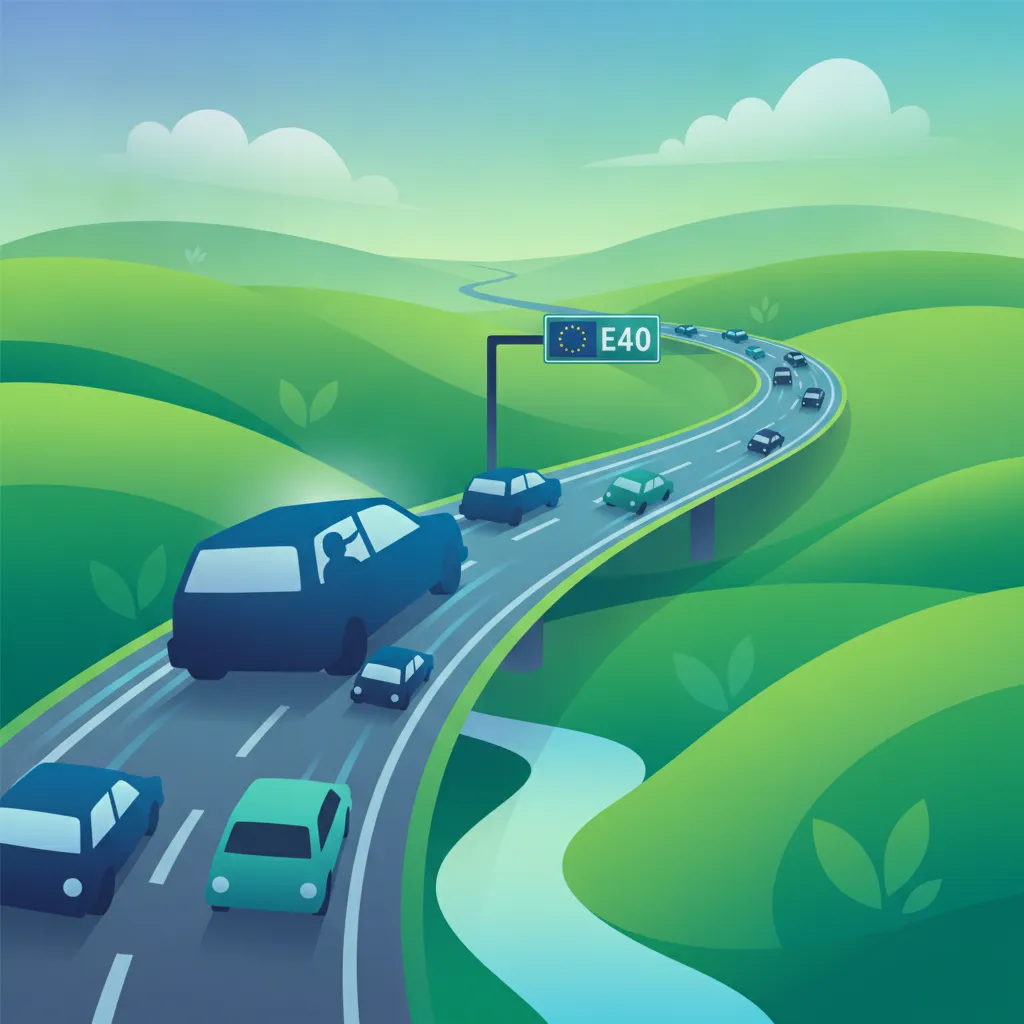
Lesson content overview
Merging onto motorways and highways is a critical skill for any driver, especially for those operating on Belgium's extensive road network. It involves safely integrating your vehicle from an entrance ramp onto a fast-moving main carriageway, often with traffic traveling at high speeds. This lesson provides a detailed guide to understanding the dynamics of motorway merging, focusing on correct procedures, essential infrastructure, and the underlying principles that ensure safety and smooth traffic flow. Mastery of these techniques is crucial for obtaining your Belgian Category B driving licence and for confident driving on the country's high-speed roads.
Successful merging is built upon a foundation of three core principles: matching speed, selecting an appropriate gap, and understanding when to yield. Each principle plays a vital role in preventing collisions and maintaining the fluidity of traffic.
Adjusting your vehicle's speed to align with that of the mainline traffic is paramount for a smooth and safe merge. When you enter a motorway, the goal is to reduce the speed differential between your vehicle and those already on the main carriageway. This allows you to integrate seamlessly without forcing other drivers to brake abruptly or swerve. Failure to match speed can create hazardous situations, as faster mainline traffic may struggle to react to a slow-moving vehicle entering their lane, or you might find yourself in an unsafe gap.
A "gap" refers to the space between two vehicles already traveling on the motorway. Identifying and entering a suitable gap is a decision-making process known as gap acceptance. A safe gap allows you to merge without causing mainline drivers to alter their speed or direction significantly. It requires quick assessment of the speed and distance of approaching vehicles. Forcing your way into an insufficient gap is a common cause of accidents, disrupting traffic flow and creating a ripple effect of braking behind you. Always aim for a gap that provides ample time and space for your vehicle to merge comfortably and accelerate to the prevailing speed.
On motorways, traffic already on the main carriageway generally has priority. This means that drivers on entrance ramps must be prepared to yield, or give way, to vehicles already traveling on the motorway, unless specific signage indicates otherwise. This rule is fundamental to preventing collisions and maintaining the established right-of-way hierarchy. Ignoring the need to yield can lead to dangerous situations, as mainline drivers may not anticipate a vehicle suddenly entering their path.
The presence of a B1 'Give Way' sign at the end of an entrance ramp explicitly reinforces this obligation. Even without this sign, the general principle is to prioritize mainline traffic.
Motorways are designed with specific infrastructure to facilitate safe merging. Understanding the purpose and correct use of entrance ramps and acceleration lanes is crucial.
Entrance ramps, often referred to as slip roads, are dedicated roads that provide access to motorways. They vary in length and design but generally guide traffic from local roads onto the motorway system. Some entrance ramps lead directly onto the motorway with a very short merging area, while others feed into a dedicated acceleration lane. Regardless of their design, drivers must always be prepared to merge and yield to mainline traffic unless specific signs indicate priority. A common mistake is assuming priority or attempting to merge too slowly, which can create immediate hazards.
Acceleration lanes are specially designed sections of road that run parallel to the main motorway carriageway. Their primary purpose is to provide drivers with sufficient space and time to build up their speed to match that of the mainline traffic before merging. These lanes can vary in length, but they all serve the same critical function: to allow for a smooth speed transition.
Proper use of an acceleration lane involves continuously increasing your speed as you travel down it, monitoring mainline traffic in your mirrors, and selecting an appropriate gap. A common error is merging too early without adequate speed, or waiting until the very end of the lane and then attempting a sudden, rushed merge. Both scenarios are dangerous and disrupt the flow of traffic. Utilize the entire length of the acceleration lane to achieve the necessary speed, typically around 90-120 km/h, depending on the prevailing motorway speed limit and traffic conditions in Belgium.
Maximize Acceleration Lane Use: Always use the full length of the acceleration lane to build speed. This gives you more time to assess traffic, select a safe gap, and merge smoothly.
A structured approach to merging significantly enhances safety. Follow these steps for a safe integration onto Belgian motorways:
Check Road Signs and Markings: As you approach the entrance ramp, pay attention to any signs, such as speed limits or 'Give Way' (B1) signs, that provide specific instructions for merging.
Signal Your Intent Early: Well before you intend to merge, activate your turn indicator to signal your intention to move into the left lane (or the appropriate lane for merging) of the motorway. This alerts mainline traffic to your presence and intentions. Belgian law typically requires signaling at least 100 meters before a maneuver.
Accelerate Decisively on the Acceleration Lane: As you enter the acceleration lane, begin to build up your speed. Your goal is to match the speed of the traffic already on the motorway. Look ahead, use your mirrors, and observe the flow of mainline traffic. Do not brake or hesitate unless absolutely necessary due to an unsafe situation.
Check Mirrors and Blind Spots: Continuously check your left-side mirror and perform a quick head check (shoulder check) to verify your blind spot. Identify potential gaps in traffic.
Select a Safe Gap: Choose a gap that provides sufficient space for your vehicle to merge without requiring mainline drivers to brake or swerve. A gap of at least 3-4 seconds is generally recommended. Avoid trying to squeeze into small gaps.
Merge Smoothly: Once a safe gap is identified and your speed matches the mainline traffic, steer smoothly into the lane. Maintain your speed and establish a safe following distance with the vehicle ahead.
Cancel Signal and Adjust: Once safely merged, cancel your turn indicator. Continue to monitor traffic and adjust your speed and position as needed, maintaining a safe following distance.
Understanding right-of-way rules is paramount for safe merging. In Belgium, as in most countries, vehicles already on the motorway have priority over vehicles attempting to merge from an entrance ramp. This means that you, as the merging driver, are generally required to yield.
This rule exists because mainline traffic is typically traveling at high speeds (up to 120 km/h on Belgian motorways) and would find it extremely difficult and dangerous to brake suddenly or swerve to accommodate a merging vehicle. Therefore, the responsibility lies with the driver entering the motorway to find a safe opportunity to merge without disrupting the flow of existing traffic. Only if there are specific signs or traffic light signals indicating otherwise (which is rare on standard entrance ramps) would the merging driver have priority.
Never Assume Priority: Always assume you must yield to mainline traffic when merging onto a motorway. Do not force your way in or expect other drivers to make space for you.
Several common mistakes can turn a routine merge into a dangerous situation. Being aware of these errors can help you prevent them.
Safe merging is not a one-size-fits-all maneuver; it must be adapted to various external conditions.
Adverse weather conditions significantly impact merging safety:
The density and speed of traffic on the motorway will dictate how challenging merging becomes. In heavy traffic, finding a large enough gap can be difficult, sometimes requiring you to slow down more on the acceleration lane and wait for an opening. In free-flowing traffic, it's easier to match speed and find a gap. Always prioritize safety over speed when traffic is dense.
The type and condition of your vehicle also influence merging:
Belgian motorways often have multiple lanes. When merging onto a multi-lane motorway, aim for the right-most lane (lane 1 in right-hand traffic countries like Belgium) unless your immediate destination requires you to be in a different lane, or if the right-most lane is congested. However, always prioritize merging safely into any available safe gap first, then signal and change lanes if necessary, once established on the motorway.
The general principles of safe merging are enshrined in Belgian traffic law (Code de la route / Wegcode). While specific article numbers for every merging nuance might be extensive, the core mandatory rules include:
Violations of these rules can lead to fines, points on a licence, and significantly increase the risk of collisions, impacting your eligibility for the Belgian Category B driving licence.
Understanding the direct consequences of your actions during merging is vital for defensive driving:
Merging onto motorways and highways requires a combination of observation, judgment, and precise vehicle control. For safe driving on Belgian roads and to succeed in your Belgian Category B theoretical exam, remember these key points:
Mastering these merging techniques is not just about passing your driving exam; it's about ensuring your safety and the safety of all road users on Belgium's motorways.
Merging onto Belgian motorways requires matching the speed of mainline traffic using the full length of the acceleration lane, yielding priority to vehicles already on the carriageway, and selecting a gap that allows smooth integration without disrupting traffic flow. The 7-step procedure emphasizes early signaling, continuous mirror and blind spot checks, and smooth acceleration to prevailing speeds of 90-120 km/h. Common errors include merging too slowly, failing to signal, forcing small gaps, and stopping at the end of the acceleration lane. Adapting technique to weather, traffic volume, and vehicle characteristics is essential for safe motorway entry under Belgian traffic law.
A short set of high-value points that capture the most important learning from this lesson.
Use the entire acceleration lane to build speed to match the 90-120 km/h flow of Belgian motorway traffic before merging.
Vehicles already on the motorway always have priority; you must yield and find a safe gap before entering.
Signal your intention at least 100 metres before merging to allow mainline traffic to anticipate your move.
Always perform a shoulder check to verify your blind spot, even after checking mirrors.
Adapt your merging technique to weather conditions, traffic density, and your vehicle's acceleration capability.
Explore all units and lessons included in this driving theory course.
A safe gap allows you to merge without requiring mainline drivers to brake or swerve; a gap of 3-4 seconds is recommended.
Never stop at the end of an acceleration lane unless there is absolutely no gap available.
Target fixation—staring only at your intended gap—causes you to miss other hazards and misjudge speeds.
Belgian motorways use the B1 'Give Way' sign at ramp endings, but even without it, yielding to mainline traffic is mandatory.
On multi-lane motorways in Belgium, always aim for the right-most lane first unless congestion requires otherwise.
Insufficient acceleration: merging too slowly creates a dangerous speed differential with mainline traffic and forces others to brake.
Late or no signaling: failing to indicate early removes precious reaction time from other drivers.
Forcing an insufficient gap: attempting to merge into a closing gap shows poor judgment and risks side-swipe collisions.
Stopping unnecessarily at the end of the acceleration lane: you lose all momentum and must then accelerate from standstill into fast traffic.
Failure to check blind spots: mirrors alone do not show everything; a shoulder check is essential before merging.
Lesson content overview
A short set of high-value points that capture the most important learning from this lesson.
Use the entire acceleration lane to build speed to match the 90-120 km/h flow of Belgian motorway traffic before merging.
Vehicles already on the motorway always have priority; you must yield and find a safe gap before entering.
Signal your intention at least 100 metres before merging to allow mainline traffic to anticipate your move.
Always perform a shoulder check to verify your blind spot, even after checking mirrors.
Adapt your merging technique to weather conditions, traffic density, and your vehicle's acceleration capability.
Explore all units and lessons included in this driving theory course.
A safe gap allows you to merge without requiring mainline drivers to brake or swerve; a gap of 3-4 seconds is recommended.
Never stop at the end of an acceleration lane unless there is absolutely no gap available.
Target fixation—staring only at your intended gap—causes you to miss other hazards and misjudge speeds.
Belgian motorways use the B1 'Give Way' sign at ramp endings, but even without it, yielding to mainline traffic is mandatory.
On multi-lane motorways in Belgium, always aim for the right-most lane first unless congestion requires otherwise.
Insufficient acceleration: merging too slowly creates a dangerous speed differential with mainline traffic and forces others to brake.
Late or no signaling: failing to indicate early removes precious reaction time from other drivers.
Forcing an insufficient gap: attempting to merge into a closing gap shows poor judgment and risks side-swipe collisions.
Stopping unnecessarily at the end of the acceleration lane: you lose all momentum and must then accelerate from standstill into fast traffic.
Failure to check blind spots: mirrors alone do not show everything; a shoulder check is essential before merging.
Explore search topics learners often look for when studying Merging onto Motorways and Highway Driving. These topics reflect common questions about road rules, driving situations, safety guidance, and lesson level theory preparation for learners in Belgium.
Browse additional driving theory lessons that cover connected traffic rules, road signs, and common driving situations related to this topic. Improve your understanding of how different rules interact across everyday traffic scenarios.
Learn the correct procedures for merging onto Belgian motorways, including optimal use of acceleration lanes and identifying safe gaps in fast-moving traffic. Understand yielding rules and traffic dynamics for safe highway driving.

This lesson provides a comprehensive guide to motorway riding, starting with the procedure for safely merging into high-speed traffic from a slip road. It details the importance of strict lane discipline, including the rules for overtaking and the proper use of lanes. You will also learn the correct technique for planning and executing a safe exit from the motorway.
This lesson covers the specific challenges of driving on motorways, rural roads, and navigating roadworks. Learners will review lane discipline on high-speed roads and identify hazards common to rural roads, such as sharp bends and wildlife. It also explains the importance of adjusting speed and following temporary signage in construction zones.
The focus of this lesson is on maintaining proper lane discipline, especially on motorways and other high-speed roads. Learners will explore the rules for changing lanes, overtaking, and positioning in the correct lane based on speed and traffic flow. Emphasis is placed on safe merging techniques and adherence to all lane markings for fluid traffic movement.
This lesson focuses on basic manoeuvres, covering the proper use of indicators, safe lane positioning, and correct steering for turns. Learners will study the importance of checking blind spots and maintaining appropriate speed for a smooth transition when changing lanes. It also addresses turning at intersections and signaling intentions clearly to other road users.

Roundabouts are a key feature of Belgian traffic management. This lesson explains how to approach, enter, navigate, and exit a roundabout safely, with a focus on yielding priority to traffic already circulating. Learners will also study correct lane positioning on multi-lane roundabouts and the appropriate use of signals.

Overtaking safely is a critical driving skill. This lesson explains where and how overtaking is permitted in Belgium, the importance of correct signaling, and maintaining a sufficient speed differential. Learners will understand the rules for passing on motorways and single-carriageway roads, and how to identify zones where overtaking is prohibited.

This lesson offers specific strategies for motorcyclists navigating roundabouts in Belgium. It covers the rules for entering the roundabout, including yielding to circulating traffic, and how to choose the correct lane for your intended exit. The content stresses the importance of clear signaling and maintaining awareness of other vehicles during entry and exit maneuvers.
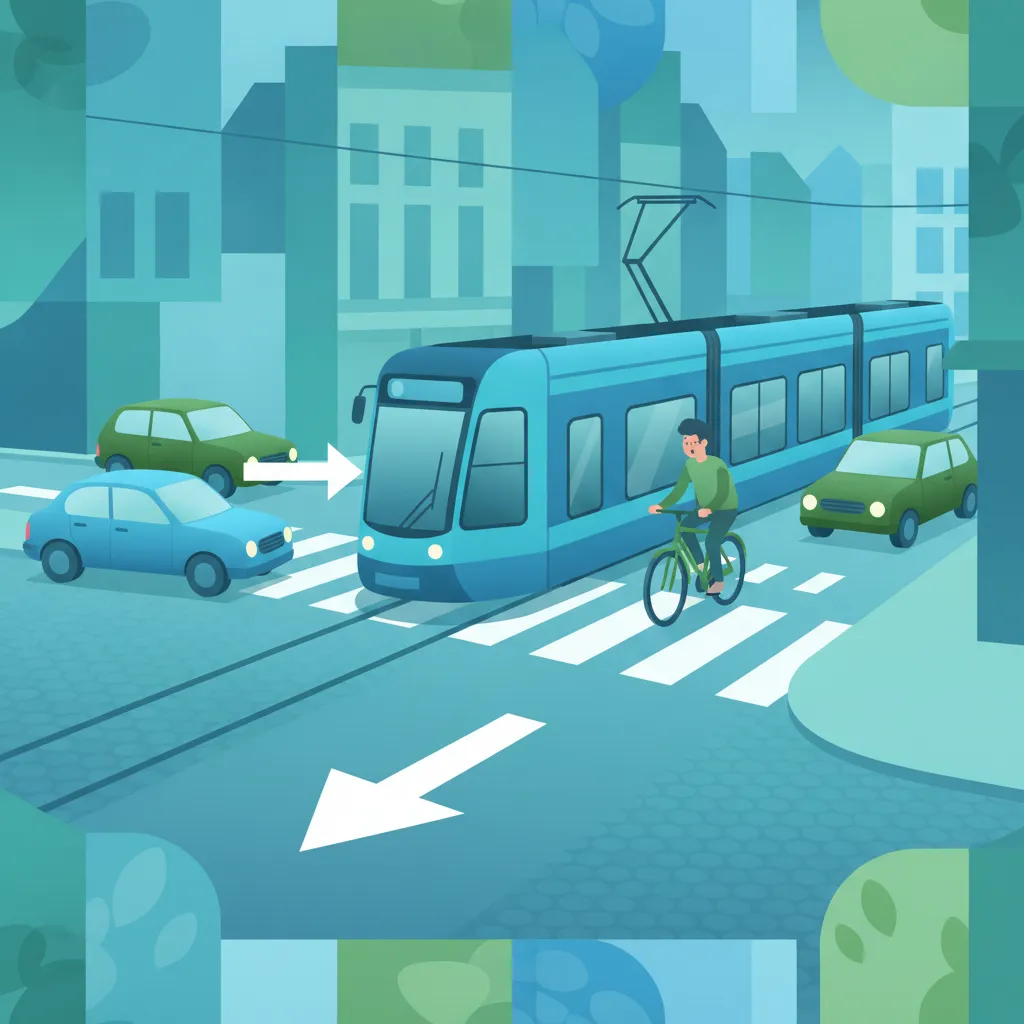
This lesson delves into the complex priority rules that govern Belgian roadways, with a strong focus on the default 'priority from the right' principle. It explains how to interpret priority signs, such as 'give way' and 'stop', and apply the correct right-of-way at various types of junctions. You will learn the hierarchy of road users and the specific rules for yielding in different traffic scenarios.

This lesson provides specific instructions for navigating roundabouts, a common feature on Belgian roads. It covers the rules of priority upon entry, the correct lane choice based on the intended exit, and the proper use of signals. Learners will understand how to safely circulate and exit, while being mindful of other vehicles, particularly larger ones with significant blind spots.
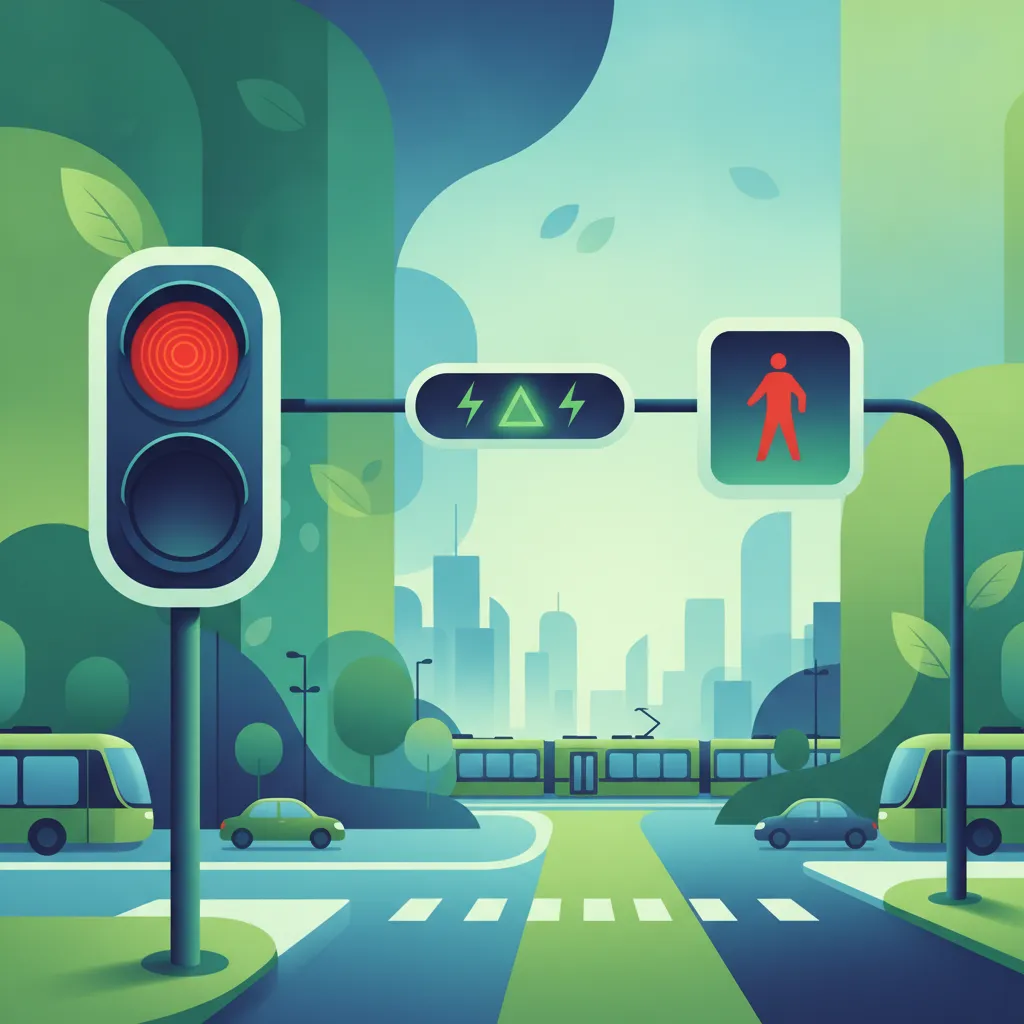
This lesson examines the operation of traffic light systems in Belgium, clarifying the meaning of red, amber, and green signals, including flashing lights and directional arrows. It details a motorcyclist's legal obligations when approaching and navigating signal-controlled intersections. The content also addresses specialized signals for pedestrians and trams that riders must recognize and respond to correctly.
Understand typical errors drivers make when merging onto motorways in Belgium, such as insufficient acceleration or failing to yield. Learn how to avoid these mistakes and anticipate potential hazards for safer highway driving.
This lesson covers the specific challenges of driving on motorways, rural roads, and navigating roadworks. Learners will review lane discipline on high-speed roads and identify hazards common to rural roads, such as sharp bends and wildlife. It also explains the importance of adjusting speed and following temporary signage in construction zones.
This lesson provides a comprehensive guide to motorway riding, starting with the procedure for safely merging into high-speed traffic from a slip road. It details the importance of strict lane discipline, including the rules for overtaking and the proper use of lanes. You will also learn the correct technique for planning and executing a safe exit from the motorway.
The focus of this lesson is on maintaining proper lane discipline, especially on motorways and other high-speed roads. Learners will explore the rules for changing lanes, overtaking, and positioning in the correct lane based on speed and traffic flow. Emphasis is placed on safe merging techniques and adherence to all lane markings for fluid traffic movement.

This lesson focuses on warning signs designed to alert drivers to potential hazards ahead. Topics include warnings for sharp curves, steep gradients, slippery surfaces, and zones with high pedestrian or wildlife activity. Learners will understand how to correctly interpret these signs and adjust their driving behavior to maintain safety on the road.
Roundabouts are a key feature of Belgian traffic management. This lesson explains how to approach, enter, navigate, and exit a roundabout safely, with a focus on yielding priority to traffic already circulating. Learners will also study correct lane positioning on multi-lane roundabouts and the appropriate use of signals.
This lesson focuses on basic manoeuvres, covering the proper use of indicators, safe lane positioning, and correct steering for turns. Learners will study the importance of checking blind spots and maintaining appropriate speed for a smooth transition when changing lanes. It also addresses turning at intersections and signaling intentions clearly to other road users.
Overtaking safely is a critical driving skill. This lesson explains where and how overtaking is permitted in Belgium, the importance of correct signaling, and maintaining a sufficient speed differential. Learners will understand the rules for passing on motorways and single-carriageway roads, and how to identify zones where overtaking is prohibited.

This lesson is dedicated to warning signs, which are designed to alert drivers to potential dangers ahead. It covers the interpretation of signs indicating sharp curves, steep gradients, slippery surfaces, and the presence of pedestrians or animals. By understanding these warnings, riders can anticipate potential hazards and adjust their speed and position proactively for safer travel.

This lesson details the proper use of all vehicle lights and signaling devices. It explains when to use low and high beams, fog lights, hazard lights, and turn signals to communicate effectively with other road users. Correct lighting usage improves visibility and safety, especially in adverse weather conditions and during hours of darkness.

This lesson details the safe and systematic approach to different types of intersections, both signal-controlled and uncontrolled. It explains how to use road signs and markings to determine right-of-way and when to stop or yield. The importance of comprehensive scanning for traffic from all directions and adjusting approach speed is emphasized to ensure safe passage.
Find clear answers to common questions learners have about Merging onto Motorways and Highway Driving. Learn how the lesson is structured, which driving theory objectives it supports, and how it fits into the overall learning path of units and curriculum progression in Belgium. These explanations help you understand key concepts, lesson flow, and exam focused study goals.
No, you should use the acceleration lane to match the speed of the traffic on the motorway. You should only stop if it is impossible to merge safely due to heavy traffic.
Traffic already on the motorway has priority. You must ensure you can merge safely without causing vehicles already on the motorway to adjust their speed or direction.
The primary purpose is to allow a vehicle to increase speed to match the prevailing speed of the motorway traffic before entering, ensuring a smooth and safe merge.
While the merging principle is similar, heavy vehicles require more space and time to accelerate, so it is vital to begin building speed as early as possible on the ramp.
Ready to focus your Belgian driving theory revision? Utilize our powerful search tool to pinpoint exact topics, road signs, or difficulty levels. Engage with practice questions that directly address your learning needs and solidify your understanding of Belgian traffic laws for your upcoming exam.