
This lesson focuses on the technical skills required to maintain passenger comfort and vehicle stability while operating a bus. It covers the precise application of controls to avoid sudden jerks, which is a vital professional requirement in Danish passenger transport. Mastering these techniques will help you manage vehicle momentum effectively during your daily operations and your driving theory exam.

Lesson content overview
Operating a public transport vehicle, such as a bus under a Danish Category D licence, demands a high level of skill and professionalism, particularly concerning passenger comfort and safety. This lesson delves into the crucial techniques of smooth acceleration and braking, which are fundamental to preventing passenger discomfort and ensuring a safe journey for everyone on board. By mastering these techniques, drivers not only enhance the passenger experience but also uphold their legal duty of care and contribute to safer, more efficient traffic flow.
The principles discussed here are rooted in an understanding of vehicle dynamics and human physiology, acknowledging how sudden movements can affect a person's balance and well-being. This knowledge is essential for all professional drivers, especially those responsible for the welfare of numerous passengers.
Smooth driving is more than just a preference; it is a critical aspect of professional passenger transport. It encompasses several interconnected principles designed to provide a safe, stable, and comfortable environment for all passengers, whether seated or standing. These principles guide every interaction with the vehicle's controls and the road environment.
The most fundamental principle of smooth driving involves the gradual pedal application of both the accelerator and the brake. This means applying pressure steadily and incrementally rather than abruptly. Sudden changes in speed, whether accelerating or decelerating, can cause passengers to be jolted forward or backward, leading to instability or even falls.
A technique involving a controlled, incremental increase of pressure on the accelerator pedal to achieve a smooth and gradual increase in vehicle speed.
When beginning to move from a standstill, such as departing from a bus stop, the accelerator pedal should be pressed gently and progressively. This "feathering" action allows the vehicle to gain momentum smoothly, preventing standing passengers from being thrown backwards and seated passengers from feeling a sudden surge. The aim is to achieve motion so smoothly that passengers barely perceive the start of movement. This technique is especially vital when operating buses with manual transmissions, where coordinated clutch and accelerator input prevents jolting gear changes.
A braking technique where pressure on the brake pedal is applied gradually and consistently, decreasing towards the end of the braking cycle to bring the vehicle to a smooth stop.
Similarly, when decelerating or coming to a stop, progressive braking is paramount. Instead of pressing the brake pedal hard and then releasing, drivers should apply gentle, consistent pressure, increasing it as needed, and then gradually easing off just before the vehicle comes to a complete halt. This smooth deceleration allows passengers to maintain their balance and prepare for the stop without experiencing a sudden lurch. Abrupt braking, often referred to as "hard braking," is a common cause of passenger discomfort and potential injury.
Anticipation is the skill of predicting upcoming traffic events and road conditions to adjust driving behaviour proactively rather than reactively. For Category D drivers, this means constantly scanning the environment far ahead, beyond the vehicle immediately in front. This forward-looking approach is crucial for maintaining smooth acceleration and braking.
By anticipating factors such as traffic light changes, pedestrian crossings, upcoming turns, bus stops, or changes in road gradient, drivers can prepare for speed adjustments well in advance. This allows for gentle, controlled applications of the accelerator or brake, avoiding the need for sudden, emergency maneuvers. For instance, spotting a red light in the distance gives a driver ample time to ease off the accelerator and begin a long, gradual braking sequence.
Develop your visual scanning habits to look 12-15 seconds ahead in urban environments and even further on rural roads or motorways. This foresight is critical for effective anticipation.
Effective speed management involves adjusting the vehicle's speed appropriately for current traffic, road, and weather conditions, while also adhering to posted speed limits. It’s not just about obeying the law but about ensuring passenger comfort and safety. Driving too fast for conditions, or at an inconsistent speed, can lead to frequent, abrupt changes in velocity.
Maintaining a steady, appropriate cruising speed helps prevent unnecessary speed adjustments. When traffic congestion builds, or approaching areas requiring reduced speed, drivers should gradually ease off the accelerator and use progressive braking if necessary. The goal is to avoid situations that demand sudden slowdowns or rapid acceleration, ensuring a consistent and comfortable ride for passengers. This is especially relevant in Denmark's varying urban and rural traffic environments.
One of the unique challenges of operating a bus is accommodating standing passengers. Balance maintenance refers to driving in a manner that ensures bus movements do not compromise the stability of individuals who are standing. This means drivers must be acutely aware of how their actions directly affect passenger equilibrium.
Sudden acceleration can cause standing passengers to fall backward, while abrupt braking can throw them forward. Even sharp turns or sudden lane changes can cause instability. By employing gradual pedal control and smooth steering techniques, drivers can minimise these forces, allowing standing passengers to maintain their balance with greater ease. This commitment to passenger stability is a direct reflection of the driver's professional responsibility.
Underpinning all aspects of smooth driving is the legal duty of care that a professional driver owes to their passengers. In the context of the Danish Category D licence, this is a binding obligation to transport passengers safely and comfortably. This duty goes beyond merely avoiding accidents; it includes preventing any actions that could cause discomfort, distress, or injury to passengers.
Aggressive driving, sudden movements, or a disregard for passenger stability can be considered a breach of this duty. Professional drivers are expected to operate their vehicles with due diligence, prioritising the well-being of those they transport. This legal framework provides the rationale for the stringent requirements on smooth acceleration and braking.
Implementing the core principles requires specific techniques that translate theory into practical driving skills. Mastering these ensures a consistent, comfortable, and safe journey.
Achieving truly smooth acceleration and braking depends heavily on the driver's ability to manipulate the pedals with precision and sensitivity.
Anticipate the stop: Identify your stopping point well in advance (e.g., traffic light, bus stop, junction).
Ease off accelerator: Gently lift your foot from the accelerator, allowing engine braking to begin slowing the vehicle.
Initial brake application: Apply light, consistent pressure to the brake pedal. This initiates deceleration without jarring passengers.
Progressive pressure increase: Gradually increase brake pressure as you get closer to the stop, judging the required stopping force.
Smooth release: Just before the bus comes to a complete standstill, slightly ease off the brake pedal. This "softens" the final stop, preventing the common forward lurch.
Beyond basic visual scanning, advanced anticipation involves interpreting complex traffic scenarios and environmental cues.
The ability to adapt speed dynamically is crucial in Danish traffic conditions, which can vary greatly from busy city centres to open rural roads.
Professional drivers operating under a Danish Category D licence are bound by specific regulations and best practices designed to ensure safe and comfortable passenger transport. Understanding these and common pitfalls is crucial for success.
Ignoring the principles of smooth driving often leads to predictable and undesirable outcomes:
The application of smooth acceleration and braking techniques must be adapted to various driving conditions. What works perfectly on a dry, straight road may be hazardous on an icy incline.
Understanding the direct links between driving actions and their outcomes reinforces the importance of these techniques:
Here are practical examples demonstrating the application of smooth acceleration and braking in typical Danish driving situations:
The rationale behind smooth driving techniques is deeply rooted in both physics and human psychology. From a physics perspective, inertia dictates that a body in motion tends to stay in motion, and a body at rest tends to stay at rest. When a bus suddenly accelerates, passengers' bodies tend to stay at rest, pushing them backward. Conversely, when a bus brakes suddenly, their bodies tend to stay in motion, pushing them forward. Professional drivers manipulate these forces through gradual control to minimise their impact on passengers.
Psychologically, a smooth ride fosters trust and confidence in the driver and the transport service. Passengers feel safer and more relaxed, reducing anxiety and making their journey more pleasant. This positive perception is crucial for public transport operators and reflects highly on the driver's professionalism.
Smooth acceleration and braking are paramount skills for any driver holding a Danish Category D licence, directly impacting passenger safety, comfort, and the overall efficiency of public transport operations. The successful application of these techniques hinges on:
By consistently applying these principles and techniques, professional drivers contribute significantly to a safe, comfortable, and reliable public transport experience, upholding the highest standards of their profession in Denmark.
This lesson teaches Category D drivers the essential skills for smooth acceleration and braking to protect passenger safety and comfort. The core technique involves gradual, incremental pedal control—feathering the accelerator when accelerating and progressively releasing brake pressure before a stop. Effective anticipation, scanning far ahead to predict traffic events, enables proactive speed adjustments rather than reactive movements. Drivers must also adapt their techniques to conditions such as weather, road surface, vehicle load, and urban versus rural environments. Underpinning all techniques is the driver's legal duty of care to transport passengers safely and comfortably, which makes smooth driving a professional and legal requirement in Danish public transport.
A short set of high-value points that capture the most important learning from this lesson.
Gradual pedal application—feathering the accelerator and progressive braking—prevents passengers from losing balance during speed changes.
Effective anticipation means scanning 12–15 seconds ahead to prepare smooth speed adjustments before reactive situations arise.
Standing passengers are uniquely vulnerable; every driving action directly affects their equilibrium and safety.
Speed must be continuously adapted to traffic density, road surface, weather, and vehicle load to maintain consistent control.
Smooth driving is a legal duty of care obligation for Category D drivers, not merely a comfort preference.
Explore all units and lessons included in this driving theory course.
Feathering uses incremental accelerator pressure for smooth starts; progressive braking eases pressure just before the final stop.
A heavier vehicle requires earlier braking and gentler acceleration due to increased inertia.
On wet or icy roads, brake and accelerate even more gradually to prevent wheel spin and maintain grip.
Smooth gear changes on manual buses prevent jerking between shifts—coordinate clutch and accelerator carefully.
Following too closely eliminates reaction time, forcing the sudden braking that causes passenger injury.
Pressing the accelerator too hard when departing a stop throws standing passengers backward.
Harsh braking in light traffic—often from inattention—jerks passengers forward and risks falls.
Tailgating reduces reaction time, making sudden braking unavoidable and dangerous for passengers.
Failing to anticipate stop signs or traffic lights forces reactive, abrupt braking instead of planned deceleration.
Rough gear changes on manual buses create vehicle jerks that disturb passenger stability.
Lesson content overview
A short set of high-value points that capture the most important learning from this lesson.
Gradual pedal application—feathering the accelerator and progressive braking—prevents passengers from losing balance during speed changes.
Effective anticipation means scanning 12–15 seconds ahead to prepare smooth speed adjustments before reactive situations arise.
Standing passengers are uniquely vulnerable; every driving action directly affects their equilibrium and safety.
Speed must be continuously adapted to traffic density, road surface, weather, and vehicle load to maintain consistent control.
Smooth driving is a legal duty of care obligation for Category D drivers, not merely a comfort preference.
Explore all units and lessons included in this driving theory course.
Feathering uses incremental accelerator pressure for smooth starts; progressive braking eases pressure just before the final stop.
A heavier vehicle requires earlier braking and gentler acceleration due to increased inertia.
On wet or icy roads, brake and accelerate even more gradually to prevent wheel spin and maintain grip.
Smooth gear changes on manual buses prevent jerking between shifts—coordinate clutch and accelerator carefully.
Following too closely eliminates reaction time, forcing the sudden braking that causes passenger injury.
Pressing the accelerator too hard when departing a stop throws standing passengers backward.
Harsh braking in light traffic—often from inattention—jerks passengers forward and risks falls.
Tailgating reduces reaction time, making sudden braking unavoidable and dangerous for passengers.
Failing to anticipate stop signs or traffic lights forces reactive, abrupt braking instead of planned deceleration.
Rough gear changes on manual buses create vehicle jerks that disturb passenger stability.
Explore search topics learners often look for when studying Techniques for Smooth Acceleration and Braking. These topics reflect common questions about road rules, driving situations, safety guidance, and lesson level theory preparation for learners in Denmark.
Browse additional driving theory lessons that cover connected traffic rules, road signs, and common driving situations related to this topic. Improve your understanding of how different rules interact across everyday traffic scenarios.
Learn essential techniques for smooth acceleration and braking to ensure passenger comfort and safety in Danish Category D transport. Understand how gradual pedal control and anticipation prevent jolting movements and enhance the overall passenger experience.

This lesson teaches the proper application of auxiliary speed control devices, such as retarders and engine brakes. It focuses on their use for maintaining a safe, controlled speed on long downhill gradients, which helps prevent service brake overheating and fade. The content also covers Danish regulations related to these systems and their benefits for reducing brake wear and improving overall safety.

This lesson contrasts the driving techniques required for rural roads and motorways. It covers managing speed on narrow, winding lanes with potential hazards like farm machinery or animals. The content also explains the principles of safe motorway driving, including maintaining lane discipline, managing high-speed stability, and executing safe overtaking maneuvers.

This lesson focuses on steering techniques designed to maintain vehicle stability and ensure passenger comfort. It explains how to execute turns smoothly and maintain a correct and consistent lane position to avoid sudden lateral movements. The content differentiates between steering inputs required for low-speed maneuvering in cities and those for maintaining stability at higher speeds on motorways.

This lesson explains the relationship between a bus's dimensions—length, width, and height—and its maneuverability. It covers key concepts such as turning radius, rear overhang, and swept path, which are critical for navigating turns and tight spaces safely. Learners will also understand how these physical characteristics create significant blind spots that require specific observation techniques to manage.

This lesson covers strategies for safely managing passenger movement at bus stops. It provides guidance on directing passenger flow, encouraging the use of handrails, and providing assistance to those who need it. The content emphasizes the driver's observational role in preventing slips, trips, and falls, particularly during peak hours or in adverse weather.
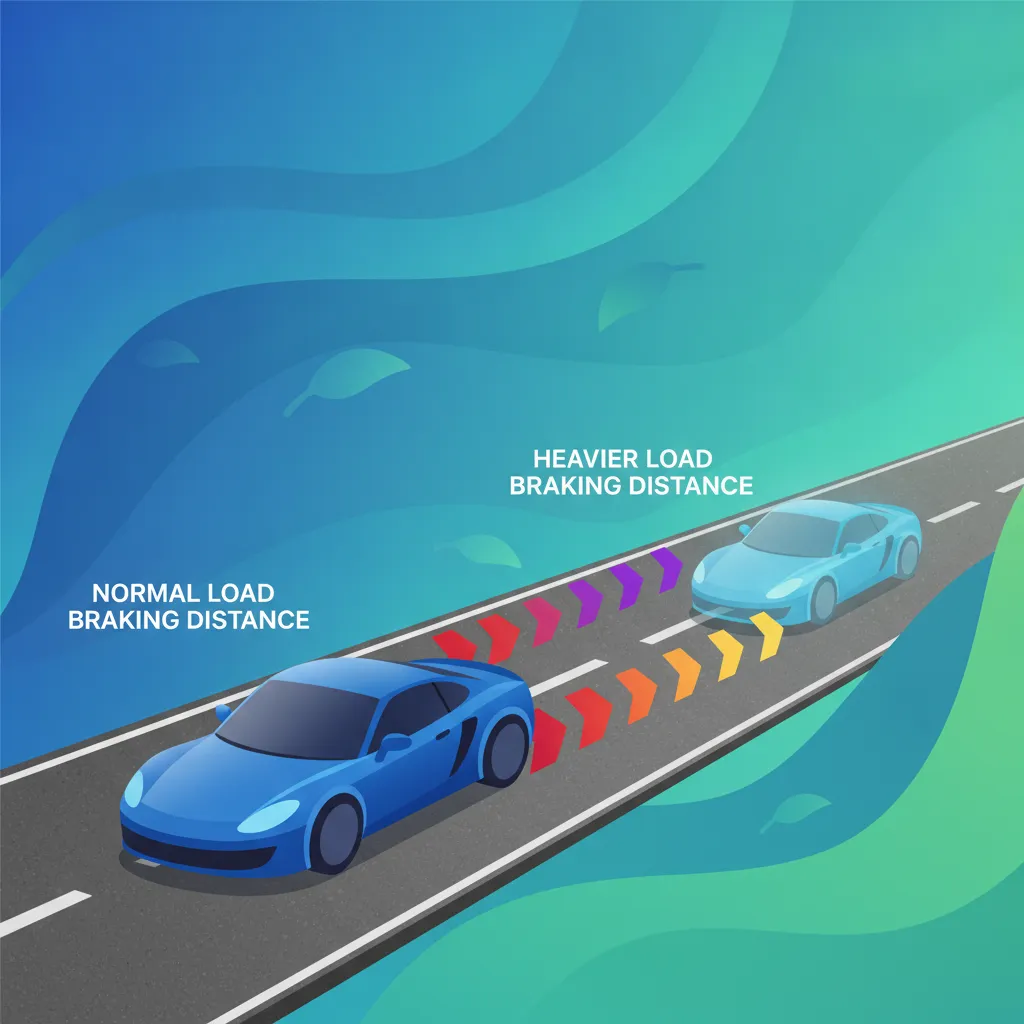
This lesson explores the direct relationship between a vehicle's mass, its speed, and the distance required to stop. It explains how increased load significantly lengthens the braking distance and details how road conditions like gradient and surface friction further affect this calculation. Learners will understand the importance of anticipating stops and maintaining a greater following distance to ensure safety.

This lesson breaks down the concept of total stopping distance into its core components: perception, reaction, and braking distances. It explains how variables such as vehicle speed, tyre quality, and road friction significantly impact how quickly you can stop. By understanding these principles, you will be ableto maintain a safe following distance and avoid collisions.

This lesson addresses the unique environment of bus terminals, focusing on safe, low-speed maneuvering around other vehicles and pedestrians. It also introduces the theory for combination vehicles (Category DE), including the principles of coupling and uncoupling trailers. The content emphasizes the different handling characteristics and increased turning radius associated with articulated buses or buses with trailers.

This lesson introduces the primary components of heavy vehicle braking systems, distinguishing between service, parking, and auxiliary brakes like retarders. It explains the mechanical and pneumatic principles behind how these systems operate to safely slow and stop a large vehicle. Understanding the function of each component is essential for proper use, maintenance, and compliance with Danish braking regulations.
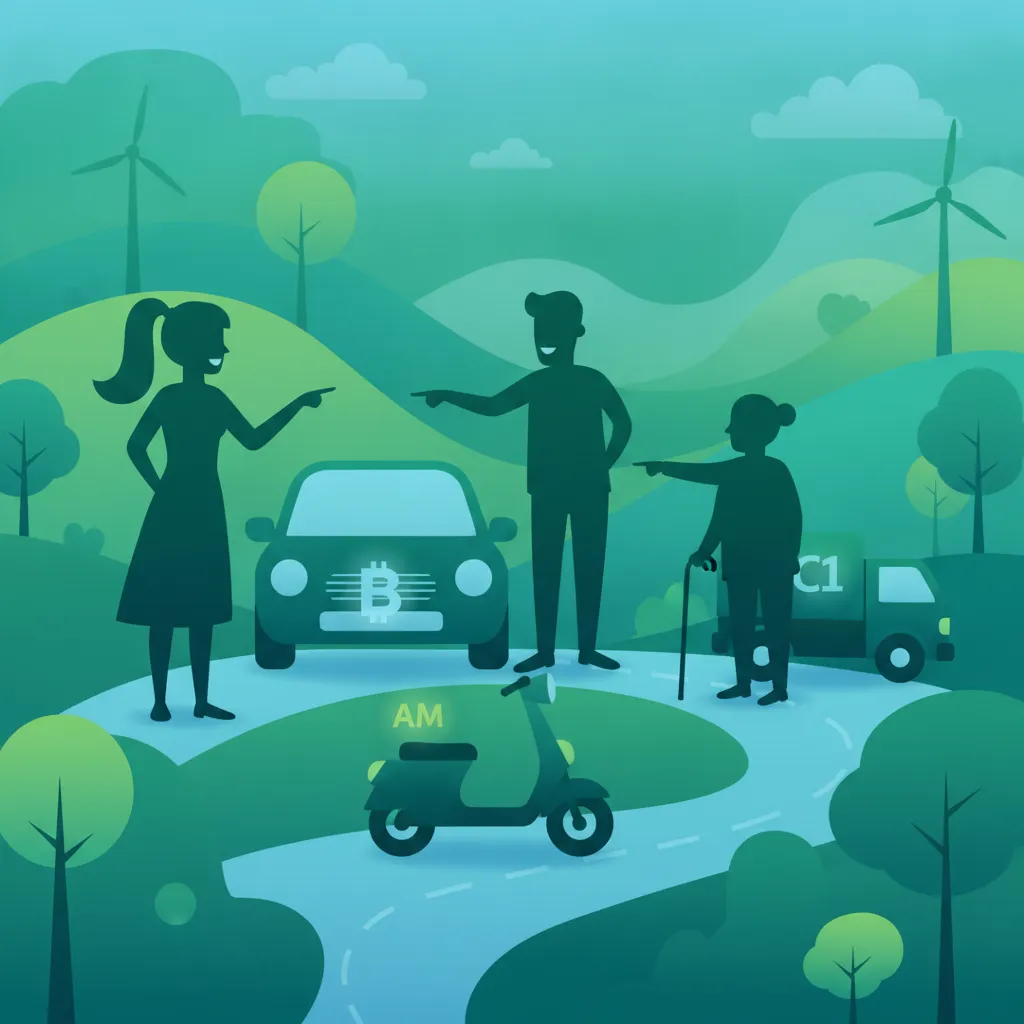
This lesson provides a detailed breakdown of the Danish licence categories for passenger transport. It explains the differences between D1, D1E, D, and DE licences based on passenger capacity, vehicle size, and permitted combinations. The content clarifies the legal definitions and professional qualifications necessary for obtaining each licence, ensuring drivers operate within the correct regulatory framework.
Explore how to adapt smooth driving techniques for passenger transport in diverse Danish environments, including urban traffic, rural roads, and adverse weather. Understand the cause-and-effect relationships of driving actions on passenger comfort and safety.
This lesson contrasts the driving techniques required for rural roads and motorways. It covers managing speed on narrow, winding lanes with potential hazards like farm machinery or animals. The content also explains the principles of safe motorway driving, including maintaining lane discipline, managing high-speed stability, and executing safe overtaking maneuvers.

This lesson provides detailed guidance on navigating pedestrian crossings (fodgængerfelter) and areas with high cyclist traffic. It clarifies your legal obligation to stop for pedestrians at zebra crossings and the proper speed to approach these zones. A central theme is understanding the rights of vulnerable road users and how to yield safely to them in accordance with Danish traffic law.

This lesson addresses the specific challenges of school and tourist transport. It outlines heightened safety protocols for stops near schools, including monitoring child behavior and working with school patrols. The content also covers techniques for managing large groups of tourists, dealing with luggage, and providing clear information at popular destinations.

This lesson addresses the specific skills required to navigate around public transport and heavy goods vehicles safely. You will learn the rules for bus lanes, recognize when buses have priority at stops, and understand the unique challenges posed by large vehicles, such as wider turning circles and larger blind spots. The material also provides clear protocols for overtaking these vehicles while maintaining adequate safety margins.

This lesson provides practical guidance for navigating the challenges of urban deliveries. It details Danish regulations for using loading zones, including time restrictions and parking rules, and offers strategies for effective route planning in dense traffic. The content emphasizes awareness of pedestrian-heavy areas and the importance of maneuvering with caution to ensure public safety during delivery operations.

This lesson covers the core principles of defensive driving in an urban context. It teaches drivers how to anticipate the actions of other road users, maintain safe following distances in dense traffic, and navigate complex intersections with multiple signals. The content emphasizes heightened awareness of pedestrians, cyclists, and unexpected events common in Danish city environments.

This lesson introduces cooperative driving as a fundamental element of road safety in Denmark. It highlights the social responsibility of drivers to act predictably, anticipate the actions of others, and maintain courteous interactions with all road users. By fostering mutual respect and cooperation, you will learn how to reduce the potential for conflict and enhance overall traffic safety.

This lesson teaches the importance of adapting your speed to prevailing conditions, rather than simply adhering to the posted limit. It explains how factors like traffic density, road surface quality, visibility, and adverse weather should influence your speed choice. Developing this risk-aware approach is crucial for maintaining vehicle control and ensuring safety in all driving environments.

This lesson equips you with the knowledge to drive safely in challenging weather conditions. It explains the risk of aquaplaning in heavy rain, how to counteract strong crosswinds, and the correct use of lights in darkness and fog. The core principle is adapting your speed and increasing your following distance to compensate for reduced visibility and traction.

This lesson focuses on the rules and best practices for operating heavy vehicles on motorways and interchanges. It details Danish regulations regarding lane usage and speed limits for lorries, and explains safe techniques for merging into and exiting high-speed traffic. Maintaining a safe and appropriate following distance to allow for longer stopping distances is a key focus of the content.
Find clear answers to common questions learners have about Techniques for Smooth Acceleration and Braking. Learn how the lesson is structured, which driving theory objectives it supports, and how it fits into the overall learning path of units and curriculum progression in Denmark. These explanations help you understand key concepts, lesson flow, and exam focused study goals.
For a bus driver, passenger comfort is a primary duty of care. Harsh acceleration or braking can cause passengers to fall or get injured, particularly those standing or moving in the aisle. It also reflects on your professional competence during your practical and theoretical assessment.
By scanning the road ahead and anticipating traffic flow, you can ease off the accelerator early rather than slamming on the brakes at the last second. This gives you more time to slow down gradually, which is safer for passengers and better for vehicle stability.
Yes. A fully loaded bus has significantly more mass, which increases your stopping distance and makes every movement more pronounced. You must start your braking process earlier and apply pressure more gently to account for the increased inertia.
Yes. The exam often features scenario-based questions where you must choose the safest action in response to a developing hazard, such as a pedestrian stepping into the road, which requires you to prioritize controlled, steady deceleration.
Use our powerful search tool to pinpoint specific Danish driving theory topics, road signs, or traffic situations you need to review. Start exploring relevant practice sets now to reinforce your knowledge and build confidence for your upcoming driving licence exam.