
Learn how modern algorithms use probe data to monitor traffic flow and provide real-time updates for your journeys. Understanding these digital tools will help you better interpret road information and maintain safe driving habits, which are essential topics for both the theory exam and everyday navigation on Spanish roads.
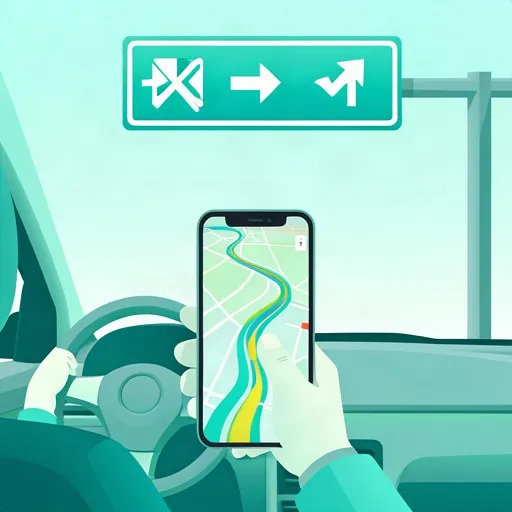
Article content overview
Navigating Spanish roads requires more than just knowing the traffic signs; it demands a deep understanding of how road conditions are communicated. As a learner preparing for the DGT theory exam, you have likely encountered questions about variable message panels and the importance of adapting your speed to the flow of traffic. Today, modern technology allows us to access real-time traffic data directly through smartphones and connected vehicles, transforming how we plan our journeys across motorways like the autovías and autopistas.
Real-time traffic information is not magically generated by GPS satellites alone. Instead, it relies on a sophisticated concept known as "probe data." In this system, thousands of vehicles and smartphones act as mobile sensors. By anonymizing and aggregating location, speed, and direction data from these devices, navigation service providers can identify traffic patterns instantly. When a significant number of devices report a sudden decrease in speed on a specific stretch of road, the system identifies this as a potential congestion point or incident.
These algorithms do not just look at the present; they often incorporate historical data to predict how traffic will flow during peak hours or specific days of the week. For a driver in Spain, this means that your navigation app can often anticipate a slowdown before you even see the brake lights of the vehicle ahead. Understanding this helps you make better decisions, such as choosing an alternative route or adjusting your driving style to be more cautious and fuel-efficient.
While your navigation app is a powerful tool, it should always be complemented by official sources provided by the Dirección General de Tráfico (DGT). Traditional variable message panels found above motorways remain the primary, most reliable source for emergency information, such as mandatory speed limit changes due to adverse weather or immediate road blocks.
However, the landscape is evolving with the DGT 3.0 platform. This initiative connects the road infrastructure directly to the digital ecosystem, providing real-time data on everything from road maintenance and accidents to the presence of vulnerable users. Unlike private apps that might prioritize speed, DGT 3.0 focuses on safety, efficiency, and sustainability. For the theory exam, it is crucial to understand that while GPS information is helpful, the official signals—whether digital or physical—always take precedence.
Always remember that technology is a supplement, not a replacement for your own observation. Even if your GPS shows a clear road, you must remain vigilant for temporary road signs or signals from the Agrupación de Tráfico de la Guardia Civil (ATGC).
In the context of the Spanish theory exam, being aware of how traffic information is gathered reflects your overall understanding of road safety. A driver who understands that high-density traffic often leads to reduced safety margins is better prepared to answer questions about following distances and braking times. Recognizing that a slowdown reported by technology often precedes a queue is a key aspect of defensive driving.
When you encounter questions regarding speed limits or the use of road infrastructure, think about the "why" behind the regulation. Speed limits are often reduced dynamically through variable panels because the current road conditions—detected by the same sensors we rely on for navigation—have become more hazardous.
Understanding how data flows on the road is just one part of your preparation. To excel in the DGT theory exam, you must also be able to apply this knowledge to hypothetical traffic scenarios. Remember that the ultimate goal of all traffic technology in Spain is to reduce accidents and ensure a smooth flow of vehicles.
This article explains how real-time traffic data is collected in Spain through probe data from vehicles and smartphones, and how the official DGT 3.0 platform integrates road infrastructure with digital systems to provide real-time alerts. It clarifies that while private navigation apps help with route planning, official sources like variable message panels and DGT communications take priority for safety-critical information. Understanding this technology reinforces key theory concepts including dynamic speed limits, defensive driving practices, and situational awareness on Spanish motorways. The content bridges modern traffic technology with the core driving theory principle that technology supplements but never replaces driver vigilance.
A short set of high-value points that capture the most important ideas from this article.
Real-time traffic data comes from aggregated probe data collected by smartphones and connected vehicles, not directly from GPS satellites alone.
DGT 3.0 is the official Spanish platform that connects road infrastructure to digital systems, prioritizing safety over route speed.
Variable message panels on Spanish motorways remain the most reliable source for urgent safety information like weather-related speed changes.
Technology like traffic sensors confirms what good drivers already practice: anticipating hazards before they become visible.
Understanding how traffic data is gathered helps explain why speed limits change dynamically on autovías and autopistas.
Private navigation apps may prioritize fastest routes, but DGT 3.0 prioritizes safety and official road authority communications.
The Agrupación de Tráfico de la Guardia Civil (ATGC) signals always take precedence over any app-based information.
Probe data combines real-time location, speed, and direction from thousands of anonymized devices to detect congestion instantly.
Historical traffic patterns are used alongside current data to predict future congestion, not just report it.
Physical and digital road signs override GPS routing recommendations in all circumstances.
Assuming GPS navigation is more reliable than official variable message panels during emergencies.
Believing real-time traffic apps see everything; they depend on sufficient device density for accurate reporting.
Ignoring variable message panels because a navigation app shows the road as clear.
Confusing private traffic apps with the official DGT 3.0 platform, which has different priorities.
Relying solely on predicted traffic flow without maintaining direct observation of the road ahead.
Article content overview
A short set of high-value points that capture the most important ideas from this article.
Real-time traffic data comes from aggregated probe data collected by smartphones and connected vehicles, not directly from GPS satellites alone.
DGT 3.0 is the official Spanish platform that connects road infrastructure to digital systems, prioritizing safety over route speed.
Variable message panels on Spanish motorways remain the most reliable source for urgent safety information like weather-related speed changes.
Technology like traffic sensors confirms what good drivers already practice: anticipating hazards before they become visible.
Understanding how traffic data is gathered helps explain why speed limits change dynamically on autovías and autopistas.
Private navigation apps may prioritize fastest routes, but DGT 3.0 prioritizes safety and official road authority communications.
The Agrupación de Tráfico de la Guardia Civil (ATGC) signals always take precedence over any app-based information.
Probe data combines real-time location, speed, and direction from thousands of anonymized devices to detect congestion instantly.
Historical traffic patterns are used alongside current data to predict future congestion, not just report it.
Physical and digital road signs override GPS routing recommendations in all circumstances.
Assuming GPS navigation is more reliable than official variable message panels during emergencies.
Believing real-time traffic apps see everything; they depend on sufficient device density for accurate reporting.
Ignoring variable message panels because a navigation app shows the road as clear.
Confusing private traffic apps with the official DGT 3.0 platform, which has different priorities.
Relying solely on predicted traffic flow without maintaining direct observation of the road ahead.
Explore related topics, search based questions, and concepts that learners often look up when studying Real-Time Traffic Technology in Spain. These themes reflect real search intent and help you understand how this topic connects to wider driving theory knowledge in Spain.
Find clear and practical answers to common questions learners often have about Real-Time Traffic Technology in Spain. This section helps explain difficult points, remove confusion, and reinforce the key driving theory concepts that matter for learners in Spain.
No, GPS devices do not detect traffic. They rely on aggregated probe data from many devices that report their location and speed to identify traffic patterns in real-time.
DGT 3.0 is a platform created by the Spanish General Directorate of Traffic that collects and shares real-time information from connected vehicles and traffic sensors to improve mobility and safety.
Variable message panels are physical signs managed by the authorities on the road, while probe data is a modern, dynamic digital system that uses real-time speed and flow information from thousands of individual connected vehicles.
It enhances your situational awareness and understanding of how traffic flow, hazards, and congestion are managed, which are critical skills for safe driving and passing the theory test.
Now that you have found specific articles, continue to deepen your understanding by exploring related DGT regulations or other driving theory topics. Strengthen your knowledge of road signs, traffic scenarios, and essential Spanish driving procedures to prepare for your official driving license exam.