
This unit focuses on the crucial skills of managing safe stops and interacting professionally with passengers in bus and coach operations. You will learn the precise procedures for stopping at designated points, ensuring passenger safety during boarding and alighting, and maintaining effective communication. Mastering these elements is vital for both your DGT theory exam preparation and for providing excellent service as a professional driver in Spain.
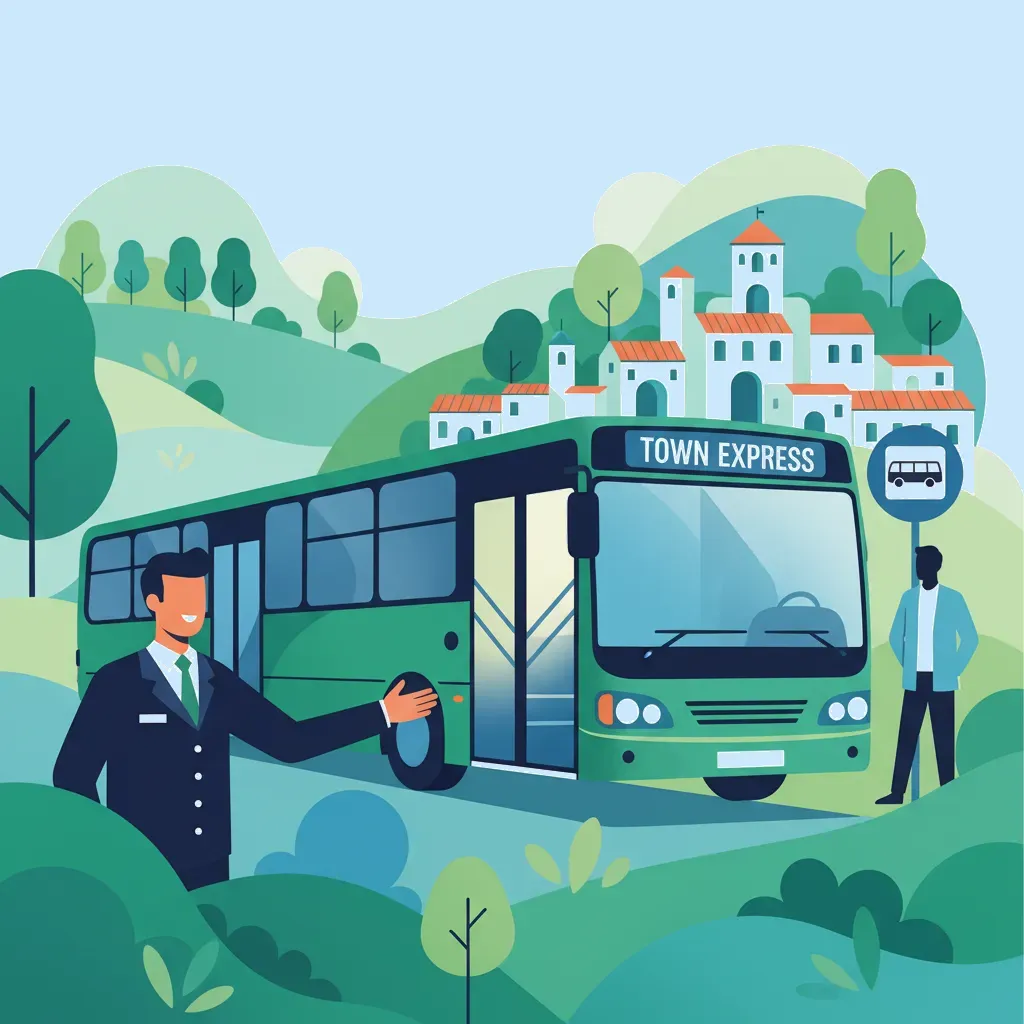
Browse all lessons that make up Stops & Passenger Interaction. Each lesson focuses on specific topics, learning objectives, and core concepts, helping you build essential knowledge and follow a clear, structured progression toward your study goals in Spain.
This lesson outlines the techniques for executing safe and precise stops at bus stops and transport stations, focusing on controlled deceleration and correct alignment with the stop line. Learners will understand the importance of maintaining clear passenger visibility, applying the parking brake correctly, and minimizing dwell time without compromising safety. The module also emphasizes the need for consistency in stop positioning to improve service predictability.
This lesson focuses on effective communication strategies for drivers, including clear verbal announcements, the use of standard hand signals, and providing multilingual support where necessary. Learners will study best practices for delivering concise information regarding routes, upcoming stops, and essential safety instructions. The content also highlights the importance of timing these announcements correctly to prevent confusion and ensure passenger confidence.
This lesson addresses various strategies to optimize passenger boarding times, focusing on coordinated door operation, managing queues, and implementing priority boarding for eligible individuals. Learners will explore techniques for rapid fare verification, safe and efficient wheelchair assistance, and overall time management to reduce stop dwell times. The goal is to improve service punctuality while maintaining high standards of safety and passenger satisfaction.
This lesson provides detailed guidance on accommodating passengers with disabilities, covering the correct operation of wheelchair ramps, allocation of priority seating, and use of communication aids. Learners will understand the legal accessibility standards set by the DGT, the training required for staff, and techniques for preserving passenger dignity during boarding and travel. Emphasis is placed on safety, respect, and full compliance with all accessibility regulations.
Explore high-intent keywords and long-tail search topics learners use when researching Stops & Passenger Interaction. These terms reflect how people search for reliable study materials, structured explanations, and unit-level theory preparation support in Spain.
Find clear answers to the most common questions learners ask about Stops & Passenger Interaction. Understand how the unit is organized, what learning goals it supports, and how it contributes to your study progression with structured explanations and practical guidance tailored for learners in Spain.
In Spain, when approaching a designated bus stop, you must signal your intention to stop and position the vehicle close to the kerb without obstructing other traffic. Ensure the vehicle is stable and engaged the parking brake before opening the doors. Always check your mirrors and surroundings before moving off.
When assisting passengers with special needs, such as those using wheelchairs or with mobility impairments, offer clear verbal communication and provide ample time. Ensure ramps or lifts are functioning correctly and used safely. Always confirm the passenger is securely seated or has safely alighted before closing doors and proceeding. DGT regulations emphasize accessibility and passenger welfare.
Effective communication involves announcing the stop clearly, informing passengers about any delays or route changes, and responding politely to inquiries. Announcing the next stop is crucial for passenger orientation. Maintain a professional and calm demeanor, even in crowded or noisy conditions.
Efficiency is achieved through clear communication, anticipating passenger needs, and maintaining a steady but safe flow. Having fare collection systems ready and ensuring passengers are aware of where to board can significantly speed up the process. However, safety and passenger comfort must never be compromised for speed.
Ensure your attention is primarily on the driving task and passenger safety. When handling fares, do so in a manner that does not distract you from monitoring passengers or traffic. For buses with conductors, specific roles and procedures apply; for solo drivers, maintaining awareness of passengers and traffic is paramount.
No, as a professional bus driver in Spain, you must stop only at designated bus stops or stations to allow passengers to board or alight. Unscheduled stops can be dangerous, cause traffic disruptions, and violate DGT regulations. Always adhere to the planned route and stopping points.
All included lessons
Lessons in Stops & Passenger Interaction
See who benefits most from studying Stops & Passenger Interaction. This overview explains how the unit supports different learning needs, what level of knowledge is helpful before starting, and how it fits into the overall study path in Spain.
This unit is essential for all aspiring professional bus and coach drivers preparing for the Spanish Category D and D1 DGT theory exam. It is particularly beneficial for learners who need to understand the specific protocols for large passenger vehicles and want to ensure they can handle all passenger interaction scenarios safely and efficiently.

Begin your preparation for the Spanish DGT driving licence exam today. Browse our full curriculum to find guided courses, detailed lessons on traffic legislation, road signs, and essential driving practices. Start learning systematically and confidently.
Explore DGT Theory Courses & CurriculumExplore all units and lessons included in this driving theory course.
Begin your preparation for the Spanish DGT driving licence exam today. Browse our full curriculum to find guided courses, detailed lessons on traffic legislation, road signs, and essential driving practices. Start learning systematically and confidently.
Explore DGT Theory Courses & Curriculum