
Welcome to the 'Managing Boarding Times Efficiently' lesson, part of the 'Stops & Passenger Interaction' unit for your Professional Bus and Coach Theory exam. This lesson focuses on the crucial operational aspect of minimising stop dwell times, ensuring your service runs punctually and safely.

Lesson content overview
Efficient management of passenger boarding and alighting processes is a cornerstone of professional bus and coach operation. For drivers holding a Spanish Category D or D1 driving license, mastering these techniques is not merely about speed; it's about upholding safety, ensuring punctuality, and complying with stringent Spanish transport legislation. This lesson delves into the systematic strategies and protocols necessary to optimize the time a vehicle spends at stops, commonly referred to as "dwell time."
The process of passengers entering and exiting a bus or coach significantly impacts the overall efficiency and reliability of public transport services. From the driver's perspective, managing boarding times effectively translates into several critical benefits: improved timetable adherence, reduced fuel consumption by minimizing idle time, decreased driver workload through streamlined procedures, and enhanced passenger satisfaction dueved to punctual service and a smooth experience. Crucially, all these operational aspects must be balanced with the paramount need to maintain the highest safety standards mandated by Spanish transport regulations.
Understanding the principles discussed here requires a foundational knowledge of basic vehicle operation, adherence to traffic regulations, established passenger safety protocols, and proper stop-signal procedures. These topics are typically covered in earlier units focusing on licensing responsibilities, safe stopping techniques, and passenger communication protocols, forming essential prerequisites for this advanced lesson.
At its core, optimizing dwell time involves structuring processes, fostering clear communication, and rigorously adhering to legal obligations. This approach ensures safety by reducing the window for potential hazards, such as passengers stepping onto the roadway prematurely. It also guarantees legal compliance, particularly with the Spanish Reglamento General de Circulación (RGC) and specific accessibility mandates for persons with reduced mobility (PRM). Operationally, faster and more organized boarding directly improves timetable adherence, mitigates route congestion, and maximizes fleet utilization, all contributing to a more efficient and reliable public transport system.
Effective boarding time management in professional bus and coach services relies on several interconnected principles. Adherence to these principles ensures both operational efficiency and passenger safety, aligning with Spanish transport legislation.
Simultaneous control of all passenger doors using a centralized system, typically operated by the driver or a dedicated assistant. This system prevents accidental opening and ensures the driver is fully aware of the boarding status before moving the vehicle.
This centralized control system is vital for preventing accidents. Drivers must always perform thorough checks to confirm all doors are clear and securely closed before engaging the vehicle in motion. This directly influences the accuracy of dwell time estimates.
The structured organization of passengers waiting to board, often facilitated by visual markers such as painted lines on the ground or explicit staff direction.
Proper queue management reduces chaos, significantly speeds up the boarding process, and ensures an orderly flow of passengers. Drivers play a role in monitoring queue discipline and enforcing designated priority lines.
A designated boarding order that grants precedence to specific eligible groups, including the elderly, disabled individuals, pregnant persons, those with young children, and professional personnel such as ticket inspectors.
Priority boarding ensures equitable service and is a legal obligation under Spanish accessibility laws. Drivers must recognize and respect priority signage and announcements to facilitate this process smoothly.
The swift process of confirming ticket validity, typically through electronic validators, contactless payment cards, or pre-loaded mobile tickets that are scanned as passengers board.
This method minimizes delays associated with traditional cash handling or manual ticket checks, directly reducing stop extension times. Functional equipment and driver awareness of the verification status are essential.
A specific, step-by-step procedure designed for the safe boarding and alighting of wheelchair users, encompassing ramp deployment, securement of the wheelchair within the vehicle, driver assistance, and safe retraction of the ramp.
This protocol is critical for protecting vulnerable passengers and complying with legal accessibility obligations in Spain. Drivers must allocate a safety buffer in their schedule planning to accommodate the fixed time component added by this assistance.
The calculated allocation of time for each stop, integrating all anticipated boarding and alighting activities along with an appropriate safety margin.
Effective dwell-time management enables the creation of realistic timetables and significantly improves service punctuality. Drivers are expected to adhere to allocated dwell times unless exceptional, unforeseen circumstances arise.
A system where all passenger entry and exit doors are controlled centrally, typically by a single button or lever in the driver's cabin, allowing for simultaneous opening and closing.
This mechanism is fundamental for passenger safety. It allows the driver to maintain full control and awareness of the vehicle's perimeter during boarding and alighting. Whether the system is manual, requiring individual door operation, or automatic, where one control activates all doors, the principle remains the same: complete driver oversight.
Before initiating any vehicle movement, the driver must always verify that no passenger is near any door and that all doors are fully closed and securely latched. Passengers, in turn, must be instructed to only board or exit when doors are completely open and the vehicle is stationary. The Spanish Reglamento General de Circulación (RGC) explicitly mandates that drivers confirm all doors are fully closed before the vehicle can commence movement. Common mistakes include partial door closure, which can lead to premature vehicle movement, or, more dangerously, driving with doors still open.
For instance, a bus operator will press the door button, listen for an audible chime confirming all doors are securely closed, and then, and only then, signal for the engine to engage and the vehicle to move. This procedure is also closely related to 6.1 Safe Stopping Techniques, particularly in ensuring proper positioning at stops to allow for unimpeded door clearance, and 6.2 Passenger Communication Protocols for clear announcements regarding door operations.
The organized arrangement of waiting passengers into an orderly line, often utilizing visible cues like painted floor lines, clear signage, or direct guidance from staff.
Implementing effective queue management is crucial for maintaining order and safety at bus and coach stops. This involves guiding passengers to wait at designated, marked spots, thereby reducing the risk of them encroaching onto the roadway or crowding the door area. Such organization allows the driver to better anticipate boarding flow and minimize delays.
Queue systems can vary, from a standard first-in-first-out line to a dedicated priority queue for special groups. The RGC obliges drivers to stop the vehicle safely and ensure that passengers board from the appropriate side, typically the curb side (or left side for specific vehicle configurations). Common mistakes include passengers crowding the door haphazardly or attempting to board from an unsafe side, which increases pedestrian-vehicle conflict.
Consider a busy city stop where painted lines direct general passengers to form a queue along the curb. Simultaneously, specific markings or signage might guide disabled passengers to a designated area near the wheelchair ramp. This structured approach, combined with clear verbal guidance, helps maintain order and expedites the boarding process, linking directly to ### Implementing Priority Boarding for Vulnerable Passengers and 6.2 Passenger Communication Protocols.
A pre-established system that grants the right of first boarding to specific passenger groups based on criteria such as age, disability, pregnancy, or their professional role (e.g., ticket inspectors).
Priority boarding is a critical aspect of equitable service and a legal requirement in Spain. It ensures that passengers who may require more time or assistance can board safely and without undue pressure. These priority groups typically include persons with reduced mobility (PRM), the elderly, pregnant individuals, and those accompanying young children.
Spanish law, specifically Real Decreto 1620/2007, mandates that transport companies and their drivers must facilitate boarding for persons with disabilities and limited mobility. Practically, this means the driver should announce a priority boarding call before the doors open, allowing eligible passengers to board first. A common mistake is ignoring visible priority signage or failing to make the necessary announcement, which can cause confusion and delays for those who require priority.
Always make a clear, audible announcement for priority boarding before opening the doors. This allows eligible passengers to position themselves and signals other passengers to yield.
For instance, a driver might announce, "Welcome, please board now, priority passengers first." This immediately signals to a wheelchair user that they can proceed via the ramp, followed by other priority groups, before general boarding commences. This concept is intrinsically linked with the ### Safe Wheelchair Assistance Protocols and ### Streamlining Fare Verification Processes as priority passengers still need to verify their fares.
The procedure for quickly confirming the validity of a passenger's ticket or travel pass, typically through electronic systems such as on-board validators, contactless card readers, or QR code scanners.
Rapid fare verification is fundamental to reducing dwell time and maintaining service punctuality. By minimizing the time drivers spend on handling cash or inspecting paper tickets, the overall stop duration is significantly shortened. Modern buses and coaches are equipped with electronic systems designed for this purpose.
These systems generally fall into two categories: on-board validators, where passengers tap their travel cards or devices as they enter, and driver-assisted verification, where the driver visually checks electronic tickets at the door. For these systems to be effective, they must be fully functional. A malfunctioning validator can lead to delays as drivers may need to resort to manual ticket checks, which can also result in fare discrepancies. Spanish regulations (e.g., Real Decreto 1500/2009 regarding electronic ticket validation) require operators to ensure these systems are operational, or to provide an alternative verification method.
A typical scenario involves passengers tapping their travel cards on a sensor as they board. A confirming beep or green light indicates a successful transaction. If a validator malfunctions, the driver must announce the issue and perform manual checks, thereby allocating an additional few seconds to the dwell time. This directly influences ### Mastering Dwell-Time Management for Punctuality and can also interact with 6.2 Passenger Communication Protocols when announcements about validation issues are required.
A structured, multi-step process for safely assisting wheelchair users to board and alight from a bus or coach, encompassing ramp deployment, securement of the wheelchair, driver assistance, and careful retraction of the ramp.
The safe and efficient boarding of wheelchair users is a primary responsibility for professional drivers and a non-negotiable legal requirement under Spanish law (e.g., Real Decreto 1620/2007). This process requires careful attention to detail and adherence to a specific protocol to ensure the safety of the passenger.
Stop Precisely: Position the vehicle accurately at the designated accessibility spot at the stop, ensuring there is ample clear space for ramp deployment onto a stable surface.
Deploy Ramp Safely: Activate the ramp (manual or hydraulic). Ensure it is fully extended, stable, and locked into position before the passenger begins to board. Check for any obstructions or slippery conditions, especially in adverse weather.
Assist Boarding: Offer verbal and, if necessary, physical assistance to the wheelchair user as they roll onto the vehicle. Maintain clear communication throughout the process.
Secure Wheelchair: Guide the passenger to the designated wheelchair space. Secure the wheelchair using the vehicle's built-in securement devices (straps, docking system). Verify that all locks and straps are firmly engaged and the passenger is comfortable.
Confirm Passenger Readiness: Ensure the wheelchair user is safely positioned and ready for travel before proceeding.
Retract Ramp: Once the passenger is secure, safely retract the ramp and ensure it is fully stowed and the door mechanism is closed before attempting to move the vehicle.
Common mistakes include failing to check ramp stability, attempting to move the vehicle before the wheelchair is fully secured, or neglecting to fasten all necessary straps. These errors can lead to serious injury and legal penalties. This protocol inherently adds a fixed time component to the dwell time, which drivers must factor into their schedule. Therefore, it is closely linked to ### Mastering Dwell-Time Management for Punctuality and is a core component of 6.4 Handling Special Needs Passengers.
The strategic planning and execution of time allocation for each stop along a route, encompassing all activities related to passenger boarding and alighting, along with a reasonable safety buffer.
Effective dwell-time management is the cornerstone of maintaining service punctuality and reliability. Timetables are constructed with specific dwell times for each stop, based on average passenger volumes and expected activities. Drivers are expected to adhere to these allocated times, deviating only under exceptional or unforeseen circumstances.
Dwell times can be categorized as standard (for typical stops) or adjusted (for stops with higher passenger turnover, or anticipated wheelchair boarding). Drivers must be adept at estimating the time required for each stop, integrating the time for coordinated door operation, queue management, fare verification, and, critically, any necessary wheelchair assistance. Overrunning dwell time due to poor queue management, slow fare validation, or inefficient assistance protocols can lead to delays that cascade throughout the route.
Do not attempt to recover lost dwell time by accelerating aggressively or making abrupt starts and stops. This compromises passenger safety and comfort.
For example, a driver's schedule might allocate 30 seconds for a normal stop but increase this to 45-60 seconds for a stop known to have frequent wheelchair users. Adherence to these planned times, while maintaining safety, is a key performance indicator for professional drivers and directly impacts the operator's contractual obligations. This principle synthesizes elements from ### Coordinated Door Operation and Safety, ### Wheelchair Assistance Protocols, and ### Streamlining Fare Verification Processes.
Professional bus and coach drivers operating in Spain must be intimately familiar with the specific laws and regulations governing passenger boarding and alighting. These regulations, primarily from the Reglamento General de Circulación (RGC) and specific Royal Decrees, ensure passenger safety and accessibility.
Real Decreto 1620/2007 (Accessibility): This key regulation mandates that drivers must provide assistance for boarding and alighting wheelchair users and allow extra dwell time for persons with reduced mobility (PRM) passengers.
Ley de Tráfico, Artículo 78: This article specifies that drivers must give priority to passengers with reduced mobility when they are boarding or alighting.
RGC (Reglamento General de Circulación) Article 117: This article stipulates that the vehicle must come to a complete stop before opening any doors, and all doors must be fully closed and secured before the vehicle can commence movement.
Real Decreto 1500/2009 (Electronic Ticket Validation): This regulation requires transport operators to ensure that functional electronic validators are available on board. If a validator is unavailable or malfunctioning, an alternative method of manual fare verification must be performed.
Código de Conducta del Transporte Público (Company policy): While not a DGT Royal Decree, many transport companies implement their own internal codes of conduct that mandate specific procedures, such as drivers announcing boarding priorities using a clear audible signal before doors open.
Professional drivers must be vigilant against common errors and prepared to adjust boarding procedures based on varying environmental and operational conditions. Failure to do so can compromise safety, disrupt schedules, and lead to legal penalties.
Professional drivers must possess the flexibility to adapt their boarding procedures to various contextual variations to maintain safety and efficiency.
Applying the principles of efficient boarding requires sound judgment and adherence to protocols in diverse situations. Here are several scenarios illustrating correct and incorrect behaviors.
Urban Stop – Normal Boarding
Rural Stop with Elderly Passenger in Adverse Weather
Peak Hour Boarding with High Passenger Volume
Technical Failure – Faulty Fare Validator
Special Event – Increased PRM Presence
Mastering efficient boarding times is a critical skill for professional bus and coach drivers in Spain, directly impacting safety, punctuality, and passenger satisfaction.
Drivers must deeply understand the legal framework governing boarding procedures, particularly for persons with reduced mobility (PRM) as mandated by Spanish accessibility laws (e.g., RD 1620/2007). Strict adherence to the RGC ensures that coordinated door operation is flawlessly executed, with doors fully closed and secured before any vehicle movement.
Effective queue management through physical markers and clear communication helps maintain order and expedites the process. Always prioritize priority boarding for eligible categories, making clear announcements to facilitate a smooth flow. Rapid fare verification with functional electronic validators is essential for minimizing delays, with drivers prepared to implement manual checks as a fallback.
The wheelchair assistance protocol is non-negotiable, requiring precise ramp deployment, securement, and retraction. Finally, drivers must proficiently manage dwell time, allocating appropriate standard and adjusted buffers per stop, factoring in passenger composition and environmental conditions.
It is paramount to adjust procedures based on external factors like weather, visibility, road type, and internal factors like vehicle state. Recognizing and actively mitigating common violations such as premature movement, omitted announcements, or improper safety measures is crucial.
This knowledge integrates seamlessly with preceding lessons, such as 6.1 Safe Stopping Techniques (for proper vehicle positioning), 6.2 Passenger Communication Protocols (for clear announcements and signals), and 6.4 Handling Special Needs Passengers (for in-depth understanding of PRM needs). By applying these principles, professional drivers ensure not only their own compliance but also the safety, comfort, and satisfaction of all passengers on their journey.
This lesson covers the operational skills and legal obligations for professional bus and coach drivers managing passenger boarding and alighting under Spanish transport regulations. Core procedures include coordinated door operation (ensuring doors are fully closed before moving), priority boarding with audible announcements, rapid fare verification using electronic validators with manual fallback, and a strict 6-step wheelchair assistance protocol. Drivers must allocate appropriate dwell time per stop, factoring in passenger composition and weather conditions, and must never attempt to recover delays by compromising safety. Key legislation includes RGC Article 117 for vehicle and door safety, and Real Decreto 1620/2007 for accessibility obligations.
A short set of high-value points that capture the most important learning from this lesson.
Coordinated door operation requires confirming full door closure with an audible chime before vehicle movement, per RGC Article 117.
Priority boarding must be announced aloud before doors open to give eligible passengers (PRM, elderly, pregnant) time to position themselves.
The wheelchair assistance protocol has 6 mandatory steps: stop precisely, deploy ramp safely, assist boarding, secure wheelchair with straps/docking system, confirm passenger readiness, retract ramp.
Dwell time allocation must include a safety buffer for special assistance; drivers must not attempt to recover delays through aggressive acceleration or abbreviated safety checks.
When electronic fare validators malfunction, drivers must immediately announce the issue and perform manual ticket checks as a mandatory fallback per RD 1500/2009.
Explore all units and lessons included in this driving theory course.
All doors must be fully closed and secured before moving the vehicle; partial closure or driving with open doors is a severe RGC violation.
Drivers must assist wheelchair users and allow extra dwell time whenever PRM passengers are present, per RD 1620/2007 and Ley de Tráfico Article 78.
Rapid fare verification relies on functional electronic validators; if equipment fails, manual checks are legally required.
Environmental factors (rain, ice, low visibility) require adjusted dwell times, non-slip mats deployment, and additional verbal warnings to passengers.
Real Decreto 1620/2007 mandates accessibility compliance including ramp deployment, securement devices, and full driver assistance for wheelchair users.
Moving the vehicle while doors are still open or only partially closed because the driver did not wait for the chime confirmation.
Failing to announce priority boarding before opening doors, causing confusion and potentially delaying PRM, elderly, or pregnant passengers.
Inadequate wheelchair securement: forgetting to fasten all straps or locks before moving, which risks serious injury.
Ignoring weather-related hazards such as slippery ramps or steps without deploying non-slip mats or increasing assistance time.
Assuming children have automatic priority boarding without ensuring they are accompanied as required by safety protocols.
Lesson content overview
A short set of high-value points that capture the most important learning from this lesson.
Coordinated door operation requires confirming full door closure with an audible chime before vehicle movement, per RGC Article 117.
Priority boarding must be announced aloud before doors open to give eligible passengers (PRM, elderly, pregnant) time to position themselves.
The wheelchair assistance protocol has 6 mandatory steps: stop precisely, deploy ramp safely, assist boarding, secure wheelchair with straps/docking system, confirm passenger readiness, retract ramp.
Dwell time allocation must include a safety buffer for special assistance; drivers must not attempt to recover delays through aggressive acceleration or abbreviated safety checks.
When electronic fare validators malfunction, drivers must immediately announce the issue and perform manual ticket checks as a mandatory fallback per RD 1500/2009.
Explore all units and lessons included in this driving theory course.
All doors must be fully closed and secured before moving the vehicle; partial closure or driving with open doors is a severe RGC violation.
Drivers must assist wheelchair users and allow extra dwell time whenever PRM passengers are present, per RD 1620/2007 and Ley de Tráfico Article 78.
Rapid fare verification relies on functional electronic validators; if equipment fails, manual checks are legally required.
Environmental factors (rain, ice, low visibility) require adjusted dwell times, non-slip mats deployment, and additional verbal warnings to passengers.
Real Decreto 1620/2007 mandates accessibility compliance including ramp deployment, securement devices, and full driver assistance for wheelchair users.
Moving the vehicle while doors are still open or only partially closed because the driver did not wait for the chime confirmation.
Failing to announce priority boarding before opening doors, causing confusion and potentially delaying PRM, elderly, or pregnant passengers.
Inadequate wheelchair securement: forgetting to fasten all straps or locks before moving, which risks serious injury.
Ignoring weather-related hazards such as slippery ramps or steps without deploying non-slip mats or increasing assistance time.
Assuming children have automatic priority boarding without ensuring they are accompanied as required by safety protocols.
Explore search topics learners often look for when studying Managing Boarding Times Efficiently. These topics reflect common questions about road rules, driving situations, safety guidance, and lesson level theory preparation for learners in Spain.
Browse additional driving theory lessons that cover connected traffic rules, road signs, and common driving situations related to this topic. Improve your understanding of how different rules interact across everyday traffic scenarios.
Learn how to adjust bus boarding and alighting procedures for various situations including weather, night driving, and special passenger needs. Understand common errors and legal compliance in Spanish DGT theory.

This lesson focuses on safe and efficient methods for passenger boarding and alighting at designated stops and stations, highlighting correct stop positioning and controlled door operation. It covers the proper deployment of wheelchair ramps, the use of safety signage, and the delivery of clear announcements to manage passenger movement effectively. Learners will develop techniques for controlling speed and performing safety checks to minimize stop times while maximizing safety.

This lesson provides detailed guidance on accommodating passengers with disabilities, covering the correct operation of wheelchair ramps, allocation of priority seating, and use of communication aids. Learners will understand the legal accessibility standards set by the DGT, the training required for staff, and techniques for preserving passenger dignity during boarding and travel. Emphasis is placed on safety, respect, and full compliance with all accessibility regulations.

This lesson outlines the best practices for precise vehicle positioning at urban bus stops and ensuring safe interaction with passengers. It covers the management of approach speed, correct alignment with the curb, and effective communication during boarding and alighting processes. Learners will also study how stopping maneuvers impact surrounding traffic flow and the importance of maintaining safety distances for efficient service.

This lesson focuses on effective communication strategies for drivers, including clear verbal announcements, the use of standard hand signals, and providing multilingual support where necessary. Learners will study best practices for delivering concise information regarding routes, upcoming stops, and essential safety instructions. The content also highlights the importance of timing these announcements correctly to prevent confusion and ensure passenger confidence.
Understand the legal requirements for efficient bus boarding and alighting in Spain, including accessibility laws and door operation safety. Essential theory for DGT Category D and D1 licenses.
This lesson focuses on safe and efficient methods for passenger boarding and alighting at designated stops and stations, highlighting correct stop positioning and controlled door operation. It covers the proper deployment of wheelchair ramps, the use of safety signage, and the delivery of clear announcements to manage passenger movement effectively. Learners will develop techniques for controlling speed and performing safety checks to minimize stop times while maximizing safety.
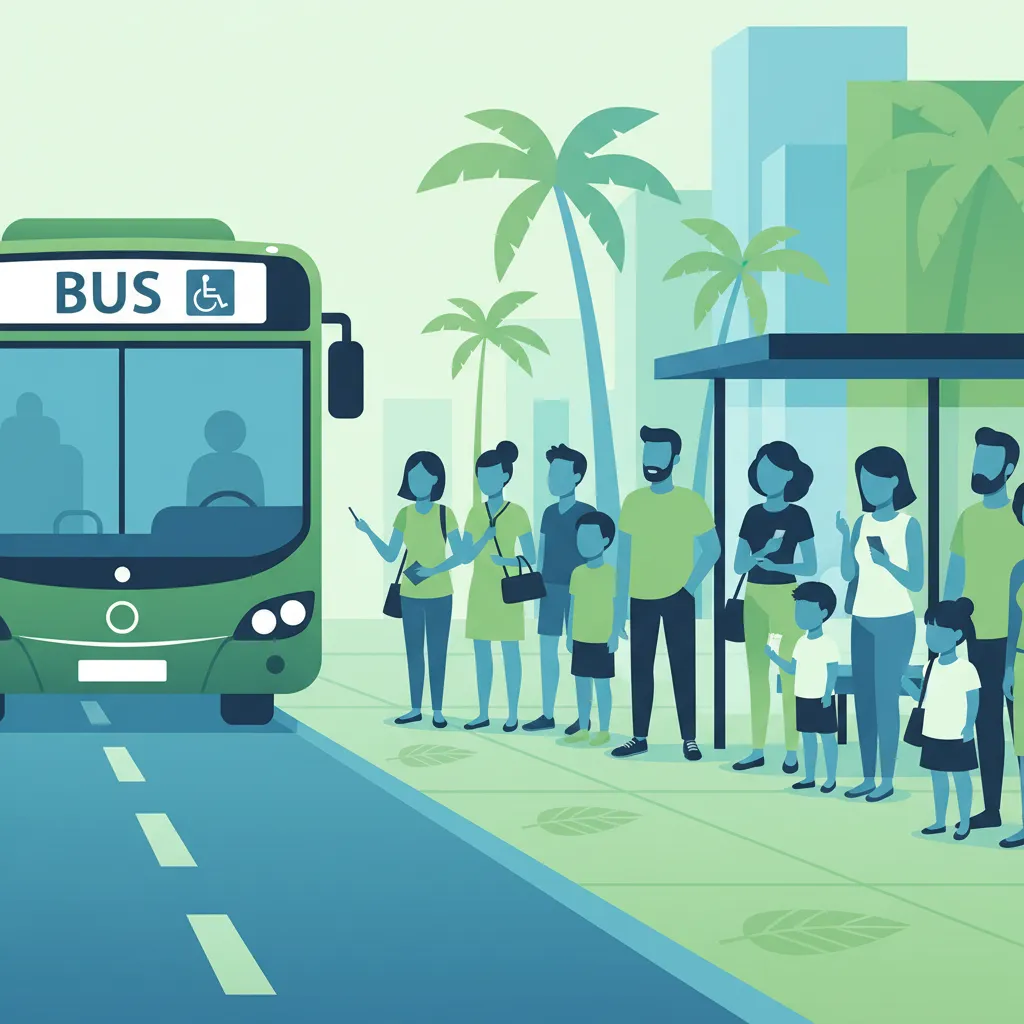
This lesson explains the fundamental DGT regulations that govern public transport services, including requirements for operational permits and route authorizations. It covers the mandatory schedules for vehicle inspections, standards for emissions, and the legal importance of adhering to timetables and service quality. Learners will also understand the nature of regulatory audits and compliance checks that operators must undergo.

This lesson provides a detailed outline of the legal framework that governs driver duty hours in Spain, specifying the maximum continuous driving time and mandatory rest periods defined by the DGT. Learners will understand the limits on cumulative work hours, the necessity of meticulous record-keeping, and methods for monitoring compliance with these regulations. The module also discusses the penalties for violations and reinforces the safety imperative of adherence.
This lesson focuses on effective communication strategies for drivers, including clear verbal announcements, the use of standard hand signals, and providing multilingual support where necessary. Learners will study best practices for delivering concise information regarding routes, upcoming stops, and essential safety instructions. The content also highlights the importance of timing these announcements correctly to prevent confusion and ensure passenger confidence.
This lesson provides detailed guidance on accommodating passengers with disabilities, covering the correct operation of wheelchair ramps, allocation of priority seating, and use of communication aids. Learners will understand the legal accessibility standards set by the DGT, the training required for staff, and techniques for preserving passenger dignity during boarding and travel. Emphasis is placed on safety, respect, and full compliance with all accessibility regulations.
This lesson outlines the best practices for precise vehicle positioning at urban bus stops and ensuring safe interaction with passengers. It covers the management of approach speed, correct alignment with the curb, and effective communication during boarding and alighting processes. Learners will also study how stopping maneuvers impact surrounding traffic flow and the importance of maintaining safety distances for efficient service.
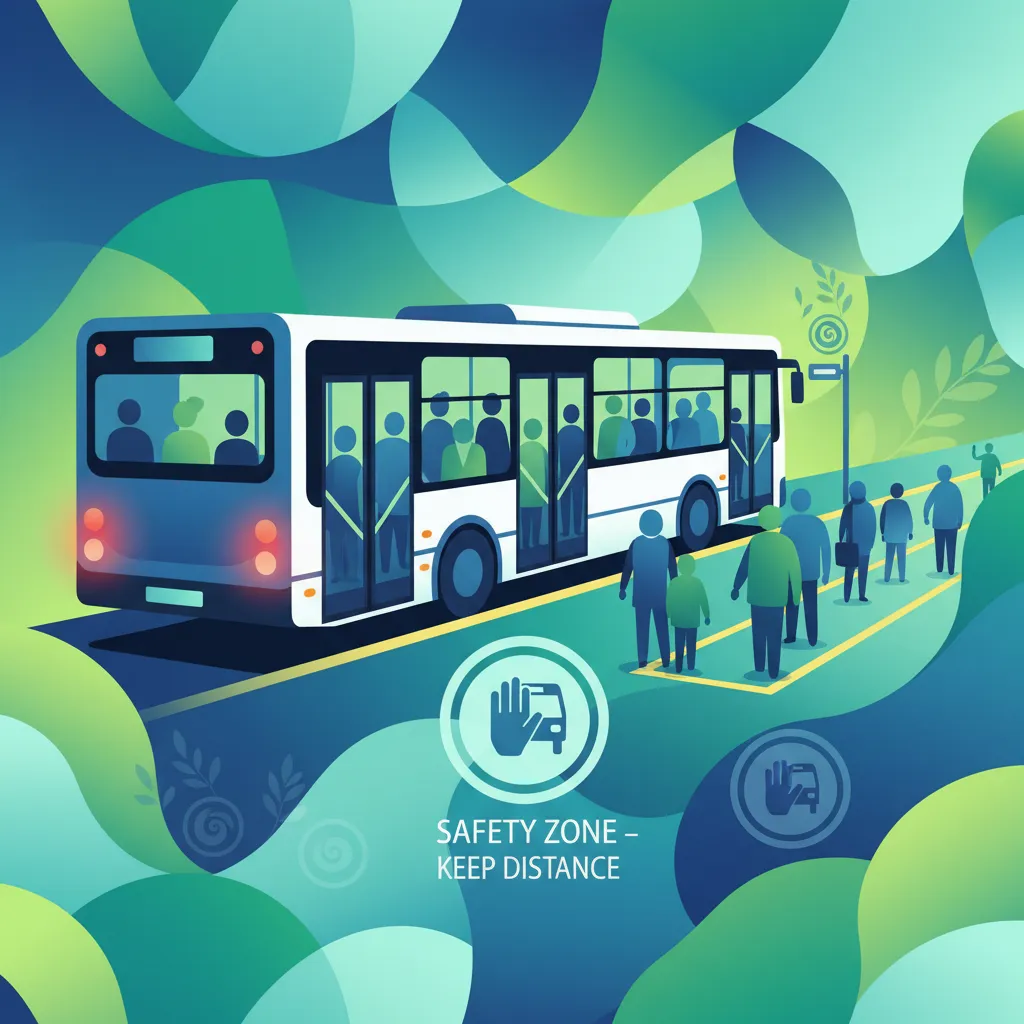
This lesson outlines the techniques for executing safe and precise stops at bus stops and transport stations, focusing on controlled deceleration and correct alignment with the stop line. Learners will understand the importance of maintaining clear passenger visibility, applying the parking brake correctly, and minimizing dwell time without compromising safety. The module also emphasizes the need for consistency in stop positioning to improve service predictability.
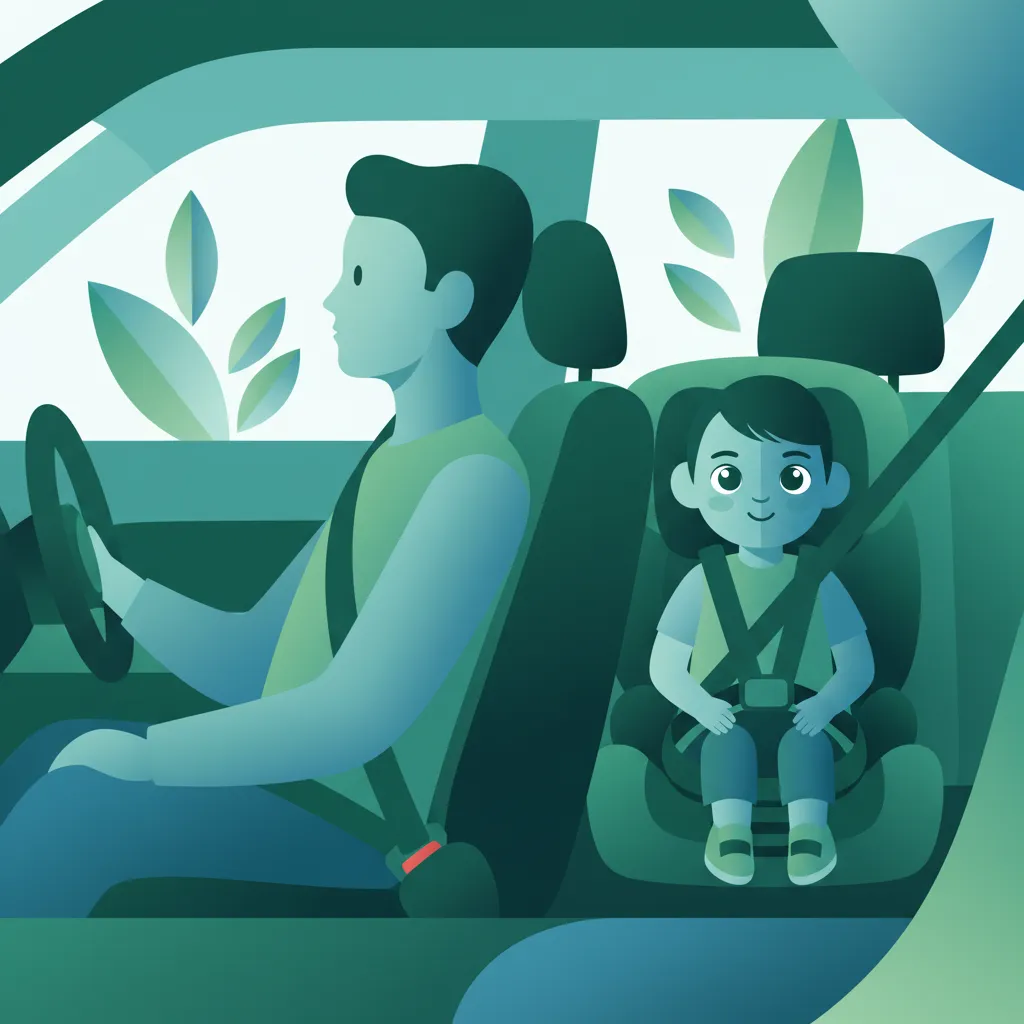
This lesson details the legal requirements for the use of seatbelts and child restraint systems in buses and coaches, as stipulated by DGT regulations. It specifies the age and size limits for various restraint devices and explains the verification checks drivers must perform. Learners will also review safety statistics that highlight the importance of correct usage and understand the legal penalties associated with non-compliance.
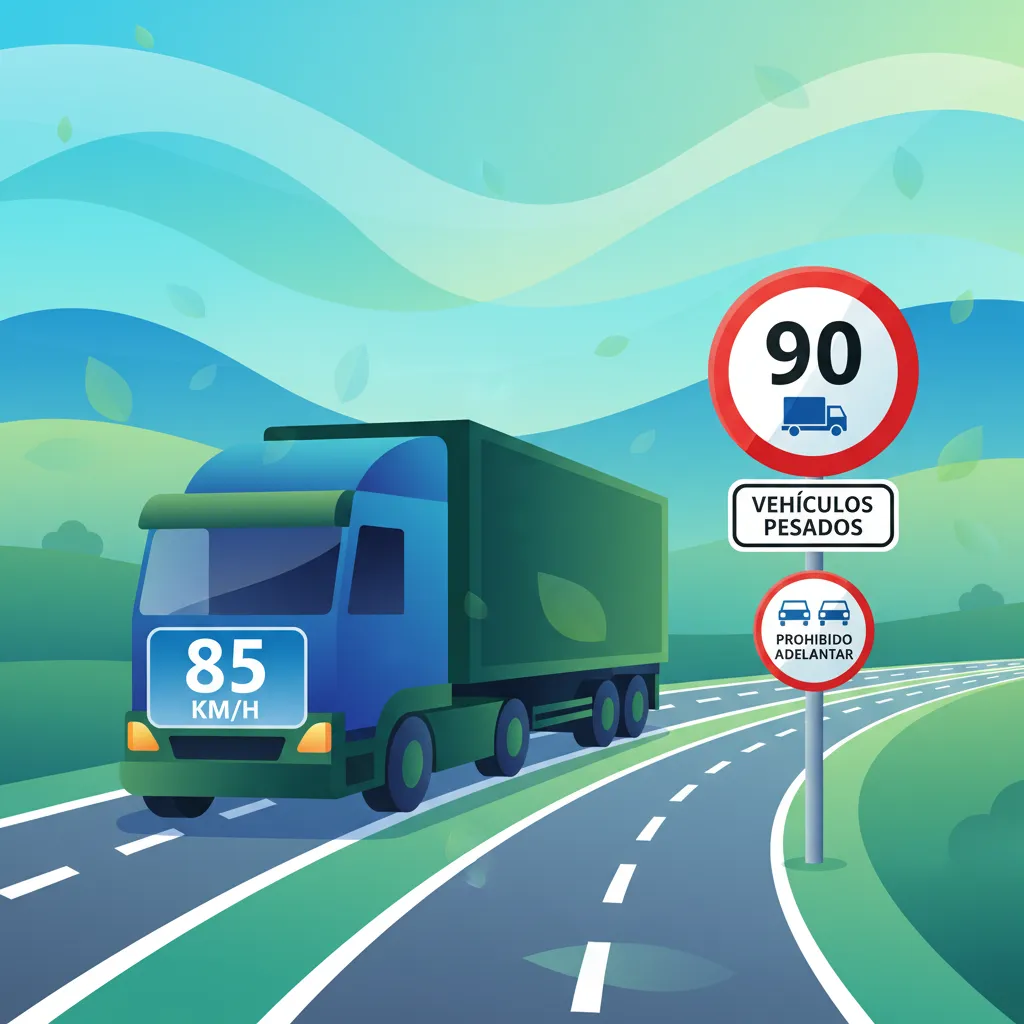
This lesson details the specific legal speed limits that apply to heavy passenger vehicles on Spanish highways, including variable speed zones that adjust based on traffic and weather conditions. Learners will understand the methods for speed monitoring, the function of speed control devices, and the legal consequences of non-compliance. The content also provides guidance on calculating a safe operating speed based on vehicle load and road conditions.
Find clear answers to common questions learners have about Managing Boarding Times Efficiently. Learn how the lesson is structured, which driving theory objectives it supports, and how it fits into the overall learning path of units and curriculum progression in Spain. These explanations help you understand key concepts, lesson flow, and exam focused study goals.
The primary goal is to reduce the time the bus spends stationary at a stop, known as 'dwell time'. This improves overall service punctuality, ensures adherence to schedules, and enhances passenger satisfaction by minimising waiting periods.
To manage queues, ensure clear communication with passengers about where to queue, consider staggered boarding if multiple doors are available, and ensure fare payment or ticket validation is as swift as possible. Having designated staff or clear signage can also help.
Priority boarding typically applies to passengers with disabilities, elderly individuals, or those with young children. Drivers must be aware of these passenger groups and ensure they have adequate time and assistance to board safely without causing undue delays for other passengers.
Swift and accurate fare verification is critical. Passengers should be encouraged to have their tickets or payment ready before boarding. Drivers or conductors need efficient systems for checking passes or accepting payments without significant delays.
While the DGT emphasizes safety and efficiency, specific regulations focus more on the overall operation and passenger rights. This lesson covers the practical application of these principles to ensure compliance and smooth operations as expected in the theory exam for Category D and D1 licenses.
Use our powerful search functionality to pinpoint specific Spanish DGT driving theory practice sets. Filter by road sign categories, traffic law topics, or question difficulty to build custom study sessions and reinforce your knowledge precisely where it matters for your official exam.