
This practice set from Spanish Driving License Theory is designed to thoroughly test your knowledge of DGT lighting regulations for adverse weather. You'll practice scenarios involving heavy rain, thick dust, and dense smoke, ensuring you understand mandatory light usage, how to avoid dazzling others, and the importance of 'seeing and being seen' safely for your Spanish driving exam.
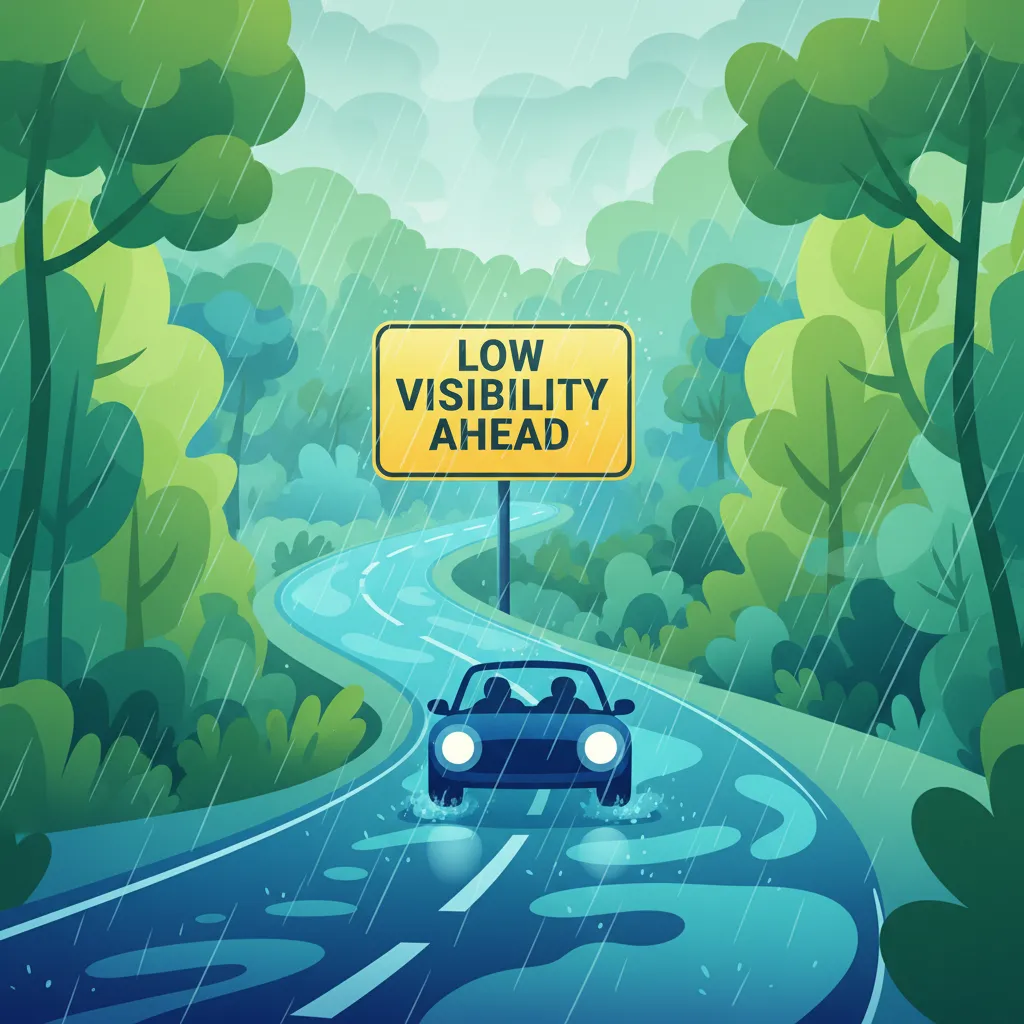
Prepare for the Spanish DGT driving theory exam by tackling intricate practice questions on visibility and lighting in adverse conditions. This set covers the specific usage of lights in varying intensities of rain, dense dust, and smoke, helping you avoid common mistakes and understand crucial safety protocols for the road.
Prepare for the Spanish DGT driving theory exam by tackling intricate questions on visibility and lighting in adverse conditions. This set covers the specific usage of lights in varying intensities of rain, dense dust, and smoke, helping you avoid common mistakes and understand crucial safety protocols for the road.
Preview sample questions from the Adverse Weather Lighting practice set to see how they help you prepare for the driving theory exam in Spain.
Learners choose Adverse Weather Lighting to improve accuracy and understanding of key exam themes in Spain. It offers realistic driving theory questions and targeted revision for effective preparation.
Find answers to the most common queries learners have when practising Adverse Weather Lighting, including how questions match the official theory exam in Spain, how scoring works, and how this practice improves exam readiness.
In Spain, rear fog lights (luz antiniebla trasera) are mandatory only in 'very intense rain' (lluvia muy intensa) or torrential rain where visibility is significantly reduced. They are optional with 'intense rain' and prohibited in light rain.
No, it is generally not advisable to use high beams (luces de carretera) in heavy rain, thick dust, or dense smoke. The light reflects off the water droplets or particles, worsening your own visibility and potentially dazzling oncoming drivers or those ahead of you. Low beams (luces de cruce) are usually the correct choice.
In thick clouds of dust or smoke, where visibility is greatly reduced, you must use your low beams (luces de cruce) and the rear fog light (luz antiniebla trasera). Front fog lights (luz antiniebla delantera) are optional in these conditions if your vehicle has them.
To warn other drivers of a sudden stop, especially in poor visibility conditions like heavy rain or dense dust, you should use your hazard lights (luz de emergencia) repeatedly and engage your brake lights. This provides an additional warning beyond standard braking signals.
The general principle, often summarized as 'Ver y ser visto' (to see and be seen), means you should ensure you have adequate visibility of the road ahead and are clearly visible to other road users, all while taking care not to dazzle or discomfort them with your lighting.
By completing Adverse Weather Lighting, you will gain stronger rule knowledge, faster recognition of signs and situations, better decision making in traffic scenarios, and increased accuracy on exam style questions used in Spain. These outcomes directly support higher scoring exam performance.
Continuing with related practice questions helps solidify your understanding of complex Spanish DGT traffic rules, particularly concerning lighting and visibility in challenging conditions. These additional exercises are vital for comprehensive topic revision and effective exam preparation, ensuring you master all nuances for your theory test.
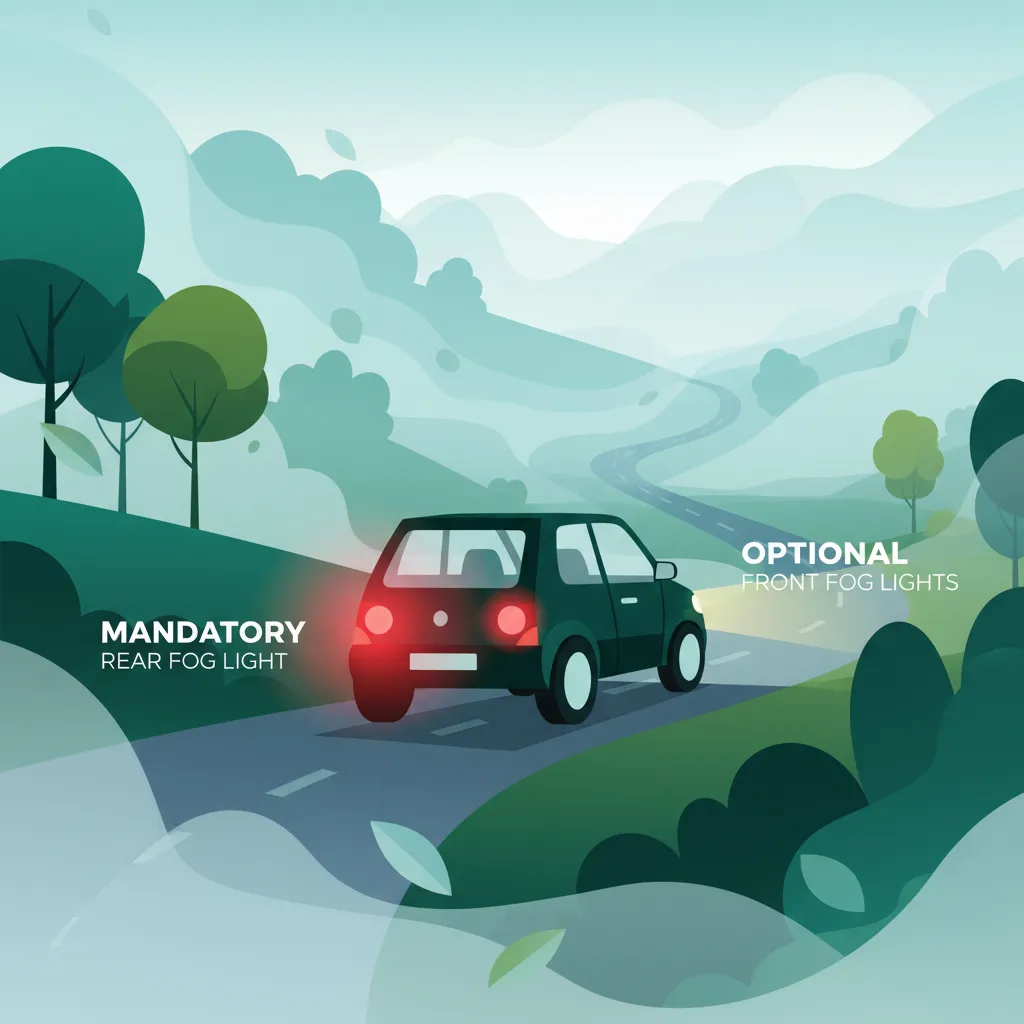
Distinguish legal fog light usage and avoid critical exam errors.
Illuminate Your Knowledge: Avoid Dazzling and Drive Safely After Dark.
Master Spanish Rules for Safe Driving in Low Visibility Conditions.

Stay Safe After Sunset: Conquer Night Driving Challenges for Your Spanish Exam.
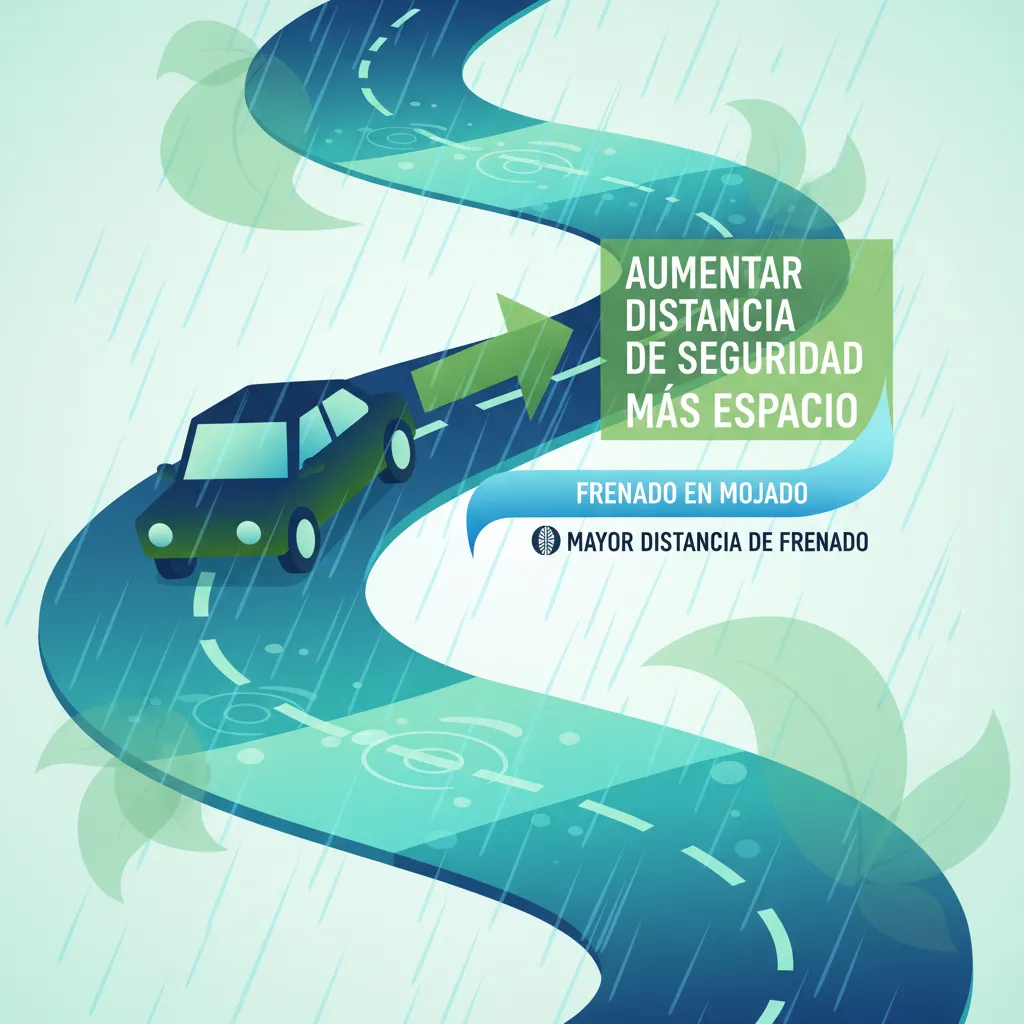
Double your safety margins, halve your risk: Master wet weather driving.
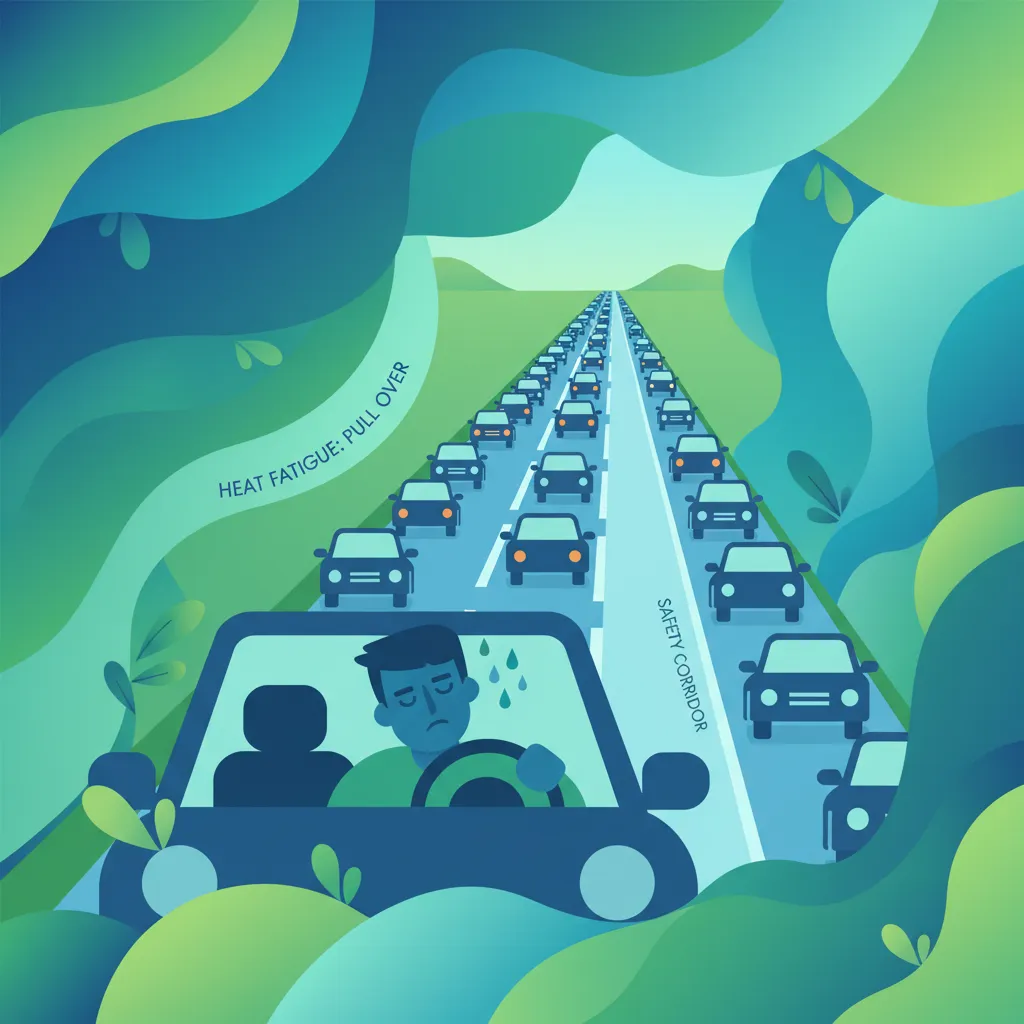
Master Spain's Summer Road Hazards to Ensure a Safe Journey During Peak Travel Season.
Questions in Adverse Weather Lighting
Exam focused questionss
Adverse Weather Lighting offers quick, focused exam style practice to boost your Spanish knowledge for the driving theory exam in Spain.
Adverse Weather Lighting helps learners in Spain with clear explanations and targeted Spanish practice to improve essential driving theory topics.
This practice set is for intermediate to advanced learners preparing for their Spanish driving theory exam who want to master the often-confusing rules around vehicle lighting in adverse weather. It's especially useful for those who struggle with distinguishing between 'intense' and 'very intense' conditions or when high beams are detrimental, helping to secure a pass on the DGT test.
Explore more topics for the Spanish driving theory exam in Spain.
Dive deeper into your Spanish DGT driving theory preparation by selecting a specific practice category. Whether you need to review road signs, master traffic priority rules, or understand vehicle safety, pick a topic to begin targeted exercises and reinforce your knowledge for the official exam.
Explore Practice Categories