
The TR-303 sign is a clear prohibition indicating that making a left turn is not permitted at this location. As part of Spain's traffic sign system, its meaning is straightforward, but always confirm it with road markings, arrows, and any supplementary panels. Understanding this sign is crucial for safe navigation and passing your theory exam, as it directly impacts your route and decision-making at junctions or specific road layouts.
Master the TR-303 'No Left Turn' sign to ensure safe and lawful driving in Spain. This sign's clear interpretation is crucial for your theory test revision and everyday road awareness.
The sign for no left turn is part of the Spanish road-sign system and should be interpreted in the context of the road layout, markings, and any nearby supplementary information. It gives a practical message that helps drivers understand how to use the road safely and lawfully at that point. Although the exact effect depends on the symbol and placement, the sign is intended to reduce uncertainty and improve decision-making before the driver reaches the relevant area. Where extra panels or markings are present, they should always be read as part of the same instruction.
This sign indicates no left turn. Read it together with the road layout, markings, and any additional panels so you apply it correctly.
Get clear, practical answers to the most common questions about the TR-303 - No left turn road sign. Learn how the sign works, what rules it represents, and how it affects real driving situations. This FAQ strengthens your understanding and supports accurate decision making for the Spanish driving theory exam in Spain.
The TR-303 sign explicitly prohibits drivers from turning left at the junction or road section where it is displayed. You must follow an alternative route or continue straight ahead if that is permitted.
When you see the TR-303 'No Left Turn' sign, you must not turn left. Look for other signs, road markings, or arrows that indicate the correct direction to proceed. Your goal is to find an alternative route or continue on your current road if allowed.
Generally, the TR-303 sign is absolute. However, always pay attention to any supplementary panels that might provide additional context or exceptions, though these are rare for prohibition signs. Road markings and other signs are also key to understanding the overall traffic situation.
A common trap is assuming you can turn left if the road ahead looks clear. Learners might also ignore the sign if they are familiar with the permanent road layout, forgetting that temporary signs or specific junction configurations can override normal expectations. Always react to the signs present.
Yes, the TR-303 'No Left Turn' sign applies to all vehicles unless a supplementary panel specifies otherwise. It's a general prohibition intended for all road users in that specific lane or at that junction.
You must always interpret the TR-303 sign in conjunction with road markings and arrows. If lane markings clearly direct you to turn left, but the sign prohibits it, the sign takes precedence. Conversely, if an arrow suggests continuing straight, but there's no prohibition, you must follow the arrow.
A clear reference image of the TR-303 - No left turn road sign used in Spain.
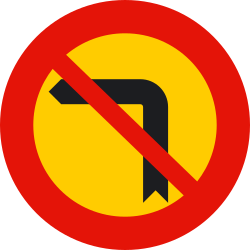
The TR-303 - No left turn road sign may also be known by these alternative names or terms.
The TR-303 - No left turn road sign is part of the Construction Regulation and Priority Signs category, which groups together signs with similar rules and functions.
Reviewing related road signs like this 'No Left Turn' marker alongside others helps cement recognition patterns. Practice traffic sign comparison to improve your theory test revision and avoid common errors on Spanish roads.
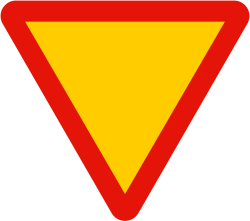
What the TR-1 Yield Road Sign Means and How to Respond
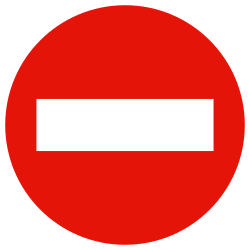
TR-101: This is a No Entry road sign.
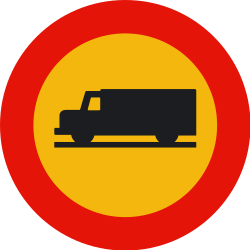
TR-106: No Goods Transport Vehicles Sign Explained
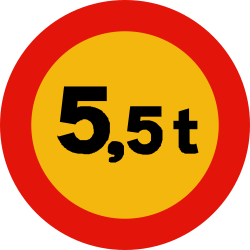
Understand the TR-201 Weight Limitation Traffic Sign
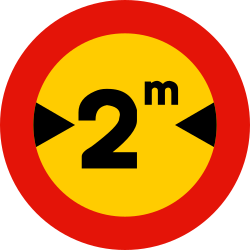
This TR-204 sign indicates a width limitation ahead.
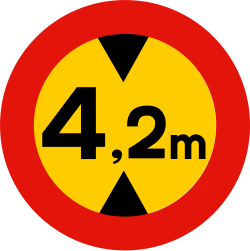
Control your vehicle's height with the TR-205 Height Limitation road sign.
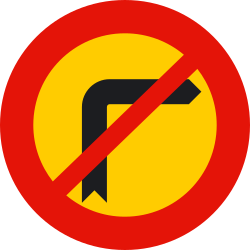
TR-302: No Right Turn Traffic Sign
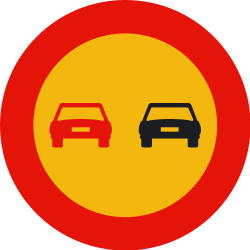
TR-305: This sign means no overtaking allowed.
Connect visual signage with the specific Spanish traffic laws and priority rules required to pass your theory test. Explore detailed articles and practice sets that explain how these regulatory markers influence daily driving on local roads.
Learners will discover the legal hierarchy of road surfaces and why the standard priority-to-the-right rule does not apply when transitioning from a dirt path to a paved street. This guide clarifies the responsibilities of both the driver on the main road and the driver entering from an unpaved area to ensure safe traffic flow. Mastering these nuances is essential for passing the DGT theory exam and maintaining hazard perception skills in rural and semi-rural Spanish environments.
Learn how Spanish traffic law considers a group of cyclists as a single entity, significantly affecting priority at junctions and roundabouts. This understanding is essential for passing your DGT theory test, as specific exam questions focus on drivers yielding to the entire group once the first cyclist has entered. Master this rule to ensure road safety and exam success.
Master Tunnel Safety Distances for a Safer Drive and a Guaranteed Pass
Master the Right-Hand Rule and Ace Unmarked Junction Questions!
The sign for yield is part of the Spanish road-sign system and should be interpreted in the context of the road layout, markings, and any nearby supplementary information. It gives a practical message that helps drivers understand how to use the road safely and lawfully at that point. Although the exact effect depends on the symbol and placement, the sign is intended to reduce uncertainty and improve decision-making before the driver reaches the relevant area. Where extra panels or markings are present, they should always be read as part of the same instruction.
The sign for no entry is part of the Spanish road-sign system and should be interpreted in the context of the road layout, markings, and any nearby supplementary information. It gives a practical message that helps drivers understand how to use the road safely and lawfully at that point. Although the exact effect depends on the symbol and placement, the sign is intended to reduce uncertainty and improve decision-making before the driver reaches the relevant area. Where extra panels or markings are present, they should always be read as part of the same instruction.
You've explored the complete list of Spanish road signs. Now, deepen your understanding by reviewing specific sign groups or testing your knowledge with practice questions. Fully prepare for your DGT driving theory exam and confidently navigate Spanish roads.
Browse All Spanish Road Signs