
The S-43 road sign indicates a dedicated path for pedestrians, bicycles, and personal mobility devices (PMDs). As an informational sign within the Spanish traffic system, it guides road users on how a specific section of road is organised. You must always interpret this sign in conjunction with road markings, arrows, and any additional panels to ensure safe and lawful behaviour. It's crucial to read these signs early to react appropriately and avoid sudden manoeuvres.
Mastering the S-43 sign is crucial for safe navigation, detailing shared paths for pedestrians, bicycles, and personal mobility devices. Understanding its specific meaning aids in theory test revision and everyday driving decisions in Spain.
The sign for path for pedestrians, bicycles and personal mobility devices belongs to the Spanish information and guidance system that helps road users understand where they are, where to go, or how a section of road is organized. Unlike a prohibition sign, it mainly provides route, lane, service, location, or access information so the driver can make the correct decision in time. Its practical effect depends on the symbol, arrows, road names, route numbers, and any extra panels shown with it. For safe driving, read it early and combine it with the current lane layout, road markings, and any nearby regulatory signs.
This sign indicates path for pedestrians, bicycles and personal mobility devices. Read it together with the road layout, markings, and any additional panels so you apply it correctly.
Get clear, practical answers to the most common questions about the S-43 - Path for pedestrians, bicycles and personal mobility devices road sign. Learn how the sign works, what rules it represents, and how it affects real driving situations. This FAQ strengthens your understanding and supports accurate decision making for the Spanish driving theory exam in Spain.
The S-43 sign informs drivers that the designated area is a path specifically for pedestrians, cyclists, and users of personal mobility devices (like electric scooters). It's an informational sign, not a prohibition, guiding how this section of the road is intended to be used by different types of traffic.
When you see the S-43 sign, be aware that pedestrians, cyclists, and PMD users have priority or a dedicated space. You should check the road layout and markings to understand the specific arrangement and ensure you do not enter or obstruct their designated path. Your reaction should be to drive with extra caution and awareness of these vulnerable road users.
The S-43 sign itself doesn't prohibit specific driving actions in the same way a regulatory sign does. However, it implicitly prohibits actions that would endanger or obstruct pedestrians, cyclists, or PMD users on their designated path. You must not ignore the information provided by the sign, and always check surrounding markings and panels for a complete understanding.
A common trap is assuming the sign applies to you directly as a car driver; it informs you about others' dedicated space. Learners might also forget to consider accompanying road markings or additional panels, which are crucial for correct interpretation. Always remember that this sign designates a specific path for non-motorised users and requires you to be extra vigilant.
Generally, the S-43 sign indicates paths for pedestrians, bicycles, and personal mobility devices. Unless explicitly stated by additional panels or road markings, mopeds and other motor vehicles are usually not permitted on these paths. Always prioritise the safety of pedestrians and cyclists and adhere strictly to how the path is delineated.
A clear reference image of the S-43 - Path for pedestrians, bicycles and personal mobility devices road sign used in Spain.
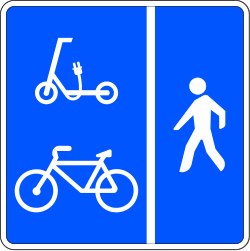
The S-43 - Path for pedestrians, bicycles and personal mobility devices road sign may also be known by these alternative names or terms.
The S-43 - Path for pedestrians, bicycles and personal mobility devices road sign is part of the General Indication Signs category, which groups together signs with similar rules and functions.
Master Spanish road signs by comparing similar ones, which aids recall and reduces errors for your theory test revision. Understanding the distinctions between related traffic signs, such as this S-43, is crucial for accurate recognition and safer driving.
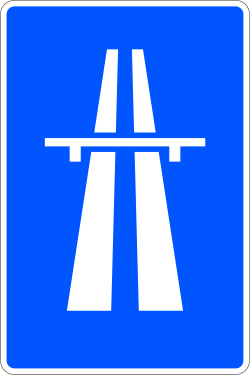
The S-1 'Motorway' sign tells you you're entering a high-speed road designed for rapid transit.
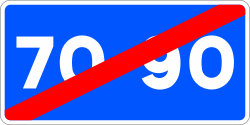
End of Recommended Speed Range: Know When to Adjust Your Speed

The S-11 Sign Means It's a One-Way Road, Guiding Your Direction Safely
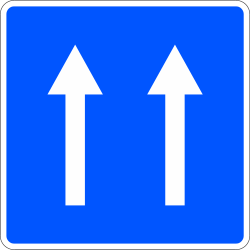
Understand the One-Way Road (Two Lanes) Sign (S-11a) in Spain
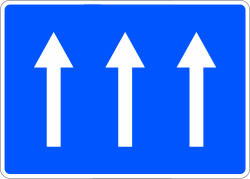
This is a one-way road ahead, featuring three lanes.

This 'Section of One-Way Road' sign shows how the road ahead is organised.
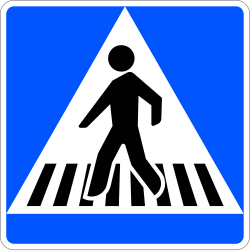
Understand the S-13 Pedestrian Crossing Sign in Spain
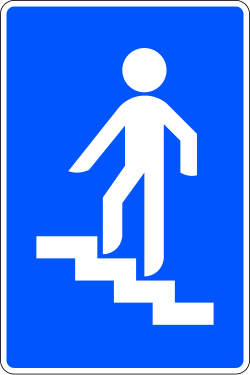
Understand the Pedestrian Overpass Sign (S-14a) and its implications for drivers.
Connect visual signage with the specific Spanish traffic laws and priority rules required to pass your theory test. Explore detailed articles and practice sets that explain how these regulatory markers influence daily driving on local roads.
Traffic lights in Spain go well beyond the standard red, yellow, and green circular signals. This article covers the specific legal requirements for lane-control lights, cycle signals, and public transport indicators, providing the necessary clarity for your theory exam preparation and real-world driving. You will learn the exact behavior required for flashing yellow lights and how to interpret specialized directional arrows to ensure you navigate intersections safely and in full compliance with the General Traffic Regulations.
Navigate Spanish roads with confidence by understanding every arrow you encounter. This article breaks down the significance of pavement arrows and traffic light signals, as mandated by the DGT, ensuring you know exactly what directions are permitted or obligatory. This knowledge is vital for both safe driving and achieving a passing score on your Spanish driving theory test.
Master the 'Alphabet' of Spanish Driving Permits for Your Theory Exam
Navigate Spain's Strict Drug Laws: Any Trace Can Lead to Serious Consequences.
The sign for dead end, except for pedestrians and bicycles belongs to the Spanish information and guidance system that helps road users understand where they are, where to go, or how a section of road is organized. Unlike a prohibition sign, it mainly provides route, lane, service, location, or access information so the driver can make the correct decision in time. Its practical effect depends on the symbol, arrows, road names, route numbers, and any extra panels shown with it. For safe driving, read it early and combine it with the current lane layout, road markings, and any nearby regulatory signs.
The sign for path reserved for bicycles and personal mobility devices belongs to the Spanish information and guidance system that helps road users understand where they are, where to go, or how a section of road is organized. Unlike a prohibition sign, it mainly provides route, lane, service, location, or access information so the driver can make the correct decision in time. Its practical effect depends on the symbol, arrows, road names, route numbers, and any extra panels shown with it. For safe driving, read it early and combine it with the current lane layout, road markings, and any nearby regulatory signs.
You've explored the complete list of Spanish road signs. Now, deepen your understanding by reviewing specific sign groups or testing your knowledge with practice questions. Fully prepare for your DGT driving theory exam and confidently navigate Spanish roads.
Browse All Spanish Road Signs